Why Does My Pain Shift from One Joint to Another? What It Really Means for Your Health – Dr. Manu Mengi

Arthritis affects around 54 million adults in the United States, but not all joint pain follows the same pattern. If you’ve noticed your pain shifting from one joint to another, you might be experiencing what doctors call migratory arthritis. This isn’t a specific type of arthritis but rather a pattern where inflammation and discomfort move between different joints over time. As a result, conditions such as rheumatoid arthritis, lupus, gout, and even viral infections can cause this unpredictable movement of pain. In this guide, I’ll explain what migratory joint pain means, what diseases cause it, and when you should be concerned about your symptoms.

What It Means When Joint Pain Moves from One Place to Another

Understanding Migratory Joint Pain

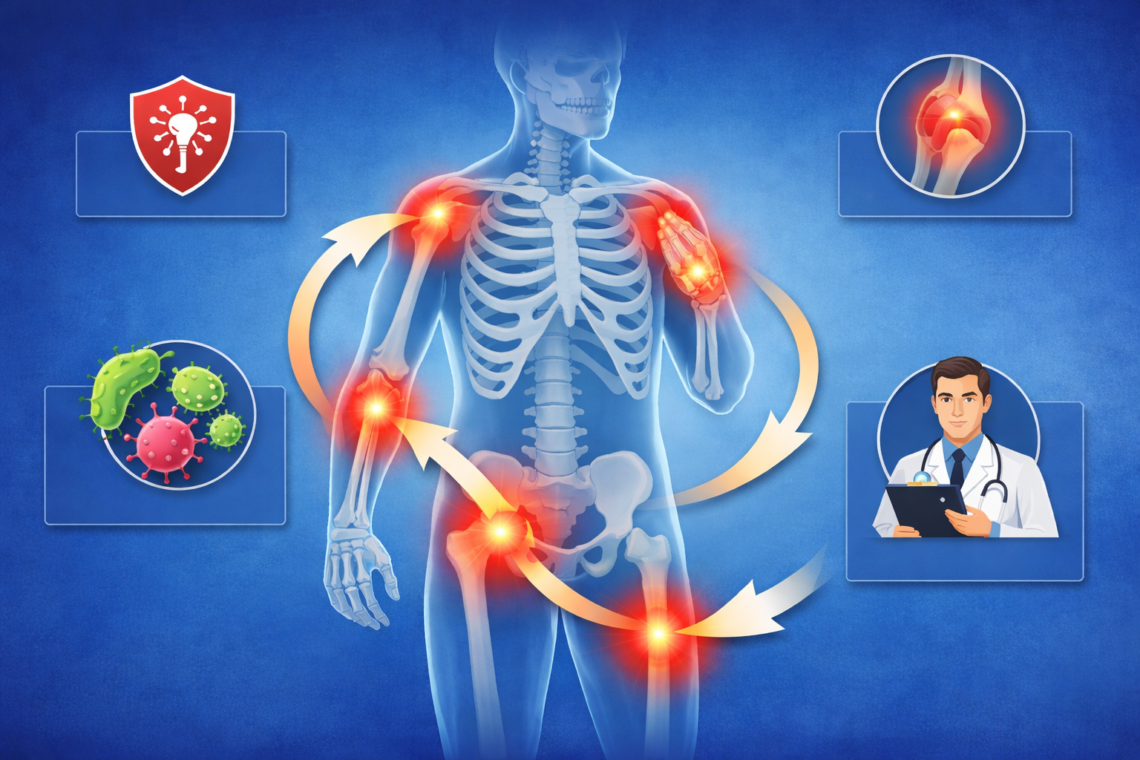
Pain that moves between joints isn’t random wandering. Migratory joint pain refers to discomfort that shifts from one joint to another over time. One or more joints become affected for a period, then symptoms clear up in those areas and appear elsewhere, often in an uneven pattern.

The symptoms are similar to what you’d expect from standard arthritis. Joint pain typically comes with swelling, redness, warmth, and limited mobility in the affected area. What makes this pattern distinct is the movement. Your knee might hurt intensely for a few days, then that pain resolves and your wrist starts acting up instead.

Migratory arthritis often starts quickly. You might wake up with a painful ankle, and by the following week, that ankle feels fine but your shoulder has become the problem. This unpredictable shifting creates frustration because there’s no clear-cut answer for where pain will strike next.

How Migratory Pain Differs from Other Joint Pain Patterns

Not all joint pain that affects multiple areas follows the same timeline. Understanding these differences helps clarify what you’re experiencing.

Intermittent arthritis involves symptoms that flare up and then completely disappear. Your joints hurt during a flare, then you get complete relief until the next episode. The pain returns to the same joints during each flare.

Additive arthritis takes a different approach. The number of affected joints increases over time. Initially, your right knee hurts. Subsequently, your left knee joins in. Then your fingers start aching too. Each new joint adds to the collection, but the original painful joints don’t necessarily get better.

In contrast, migratory arthritis moves around. Pain in an involved joint may resolve completely before starting in another joint. Your hip stops hurting, and instead, your elbow becomes the focal point.

Why Joint Pain Changes Location in Your Body

Several mechanisms explain why pain refuses to stay in one place. Finding the source for migratory pain is more challenging than identifying what causes pain in one specific joint.

Your musculoskeletal system operates as an interconnected network. When one muscle group around a joint is weak, damaged, or overused, another set of muscles picks up the slack. This compensation pattern shifts stress to different areas. For instance, if your hip is out of alignment, you may feel pain in your lower back as those muscles compensate for an ailing hip.

Chronic inflammation from inflammatory diseases can turn up in various parts of the body. The inflammatory reaction of arthritis and the underlying cause are partly responsible for how migratory arthritis spreads. Conditions like rheumatoid arthritis or lupus create system-wide inflammation that targets different joints at different times.

Nerve compression adds another layer of complexity. A compressed nerve can cause pain and other symptoms beyond its exact location. Your nervous system lowers sensitivity in that nerve as a protective measure. Unfortunately, a nearby nerve may become ultra-sensitive in response. Your spine contains a bundle of nerves, so pressure on one nerve can cause pain elsewhere. Sciatica provides a clear example. Because the sciatic nerve reaches from the lower spine to your leg, you’ll likely feel sharp pain in your leg and buttocks as a result.

What Diseases Cause Migratory Joint Pain

Several medical conditions create the specific pattern where joint pain refuses to settle in one location. Identifying the underlying cause matters because treatment approaches differ significantly.

Autoimmune Joint Pain Patterns (Lupus and Rheumatoid Arthritis)

Approximately 95% of lupus patients experience joint symptoms during their disease course. What sets lupus arthritis apart is how the symptoms migrate. Joint pain in lupus often moves from one location to another and typically lasts only days rather than weeks. The pain affects small joints symmetrically, similar to rheumatoid arthritis, but with notably less swelling and shorter morning stiffness periods.

Rheumatoid arthritis can also present as migratory arthritis. Some patients describe a palindromic presentation where swelling appears in one or two joints, lasts a few days to weeks, then completely disappears before returning in the same or different joints. This pattern increases over time and eventually develops into persistent polyarticular disease affecting five or more joints.

Reactive Arthritis and Viral Infections

Reactive arthritis develops when a bacterial infection in your urinary tract, genitals, digestive system, or throat triggers an unusual immune response. Your immune system sends inflammation to joints where the infection never existed. Specific bacteria that trigger this reaction include Chlamydia, Salmonella, Shigella, Campylobacter, and Streptococcus. Symptoms begin several days to weeks after the original infection ends.

Viral arthritis causes joint pain and swelling that comes with viral infections in your body. Unlike chronic arthritis, viral arthritis develops quickly and goes away as other infection symptoms resolve. Viruses including hepatitis B and C, chikungunya, dengue, and COVID-19 can all trigger this temporary joint inflammation.

Rheumatic Fever and Bacterial Infections

Rheumatic fever occurs when your immune system overreacts to untreated strep throat or scarlet fever. Migratory polyarthritis typically manifests as the earliest symptom, affecting large joints with an overlapping onset. The swollen, tender joints are extremely painful and the arthritis characteristically moves from day to day. Rheumatic fever usually develops two to three weeks after an untreated Streptococcus infection.

Lyme Disease and Tick-Borne Illnesses

Lyme disease results from borrelia bacteria transmitted through tick bites. Lyme arthritis accounts for approximately one out of every four Lyme disease cases reported to CDC. The main feature involves obvious swelling of one or a few joints, with knees affected most often. Joint swelling can come and go or move between joints. Stage 3 Lyme disease brings arthritis in large joints where pain, swelling, or stiffness may last long periods or come and go.

Inflammatory Bowel Disease and Gut-Related Arthritis

Enteropathic arthritis occurs in about 1 in 5 people with inflammatory bowel disease. Peripheral arthritis associated with IBD affects large joints such as knees, hips, and shoulders. Joint involvement may precede gastrointestinal symptoms or present concurrently. The inflammation characteristic of IBD doesn’t remain confined to the intestines but manifests in joints, leading to pain, stiffness, and reduced mobility.

Early Signs Your Joint Pain Is Shifting Between Joints

Recognizing migratory arthritis requires attention to subtle changes in how your body responds. The first symptom is usually joint pain. If the pain stops and then returns in different joints, you might have migratory arthritis.

Pain That Comes and Goes in Different Locations

Migratory joint pain doesn’t follow a predictable schedule. Pain in one joint may travel to another. What makes this pattern distinctive is complete resolution. For instance, you might experience total resolution of pain in an involved joint before the pain moves to another joint. Your ankle throbs intensely on Monday, feels perfectly normal by Wednesday, and then your elbow becomes the new trouble spot by Friday.

The duration varies considerably. Pain usually sets in suddenly and can last for a few hours to a few days before moving on to another joint. This unpredictability creates challenges for planning daily activities. You never know which joint will act up next or how long the discomfort will persist.

Joint Swelling That Moves from One Area to Another

Swelling provides visible evidence that inflammation is shifting locations. Joint effusion occurs when extra fluids flood the tissues around your joint. The fluids make your joint look larger and puffier compared to your other joints. The inflamed joints may also become swollen, which can make it challenging to perform daily activities.

This swelling doesn’t stay put. Similarly to how pain migrates, the puffiness moves from one area to another. Your knee might swell dramatically for several days, then that swelling disappears and your wrist balloons instead. The affected joints often feel warm to the touch and appear red.

Correspondingly, you’ll notice other physical changes. Stiffness in the swollen joint limits your range of motion. The joint feels heavy and difficult to move. Some people experience aching pain that makes weight-bearing uncomfortable.

Other Symptoms That Appear with Shifting Joint Pain

Migratory arthritis rarely exists in isolation. Look for changes in your overall health, such as weight loss, fatigue, or fever. These systemic symptoms signal that inflammation extends beyond just your joints.

Fever accompanies many cases of migratory joint pain. In some cases, migratory arthritis may be accompanied by general feelings of fatigue and a low-grade fever. Weight gain or weight loss occurs without deliberate dietary changes. Patients often report morning stiffness, polyarticular joint pain, and systemic symptoms such as fatigue and weight loss.

Skin changes provide additional clues. Redness and swelling appear around the affected joints. Rashes develop in some conditions that cause migratory arthritis. Generally, look for changes in your joints, such as rashes or swelling.

At the same time, you might notice patterns in when symptoms worsen. Pain and swelling may be better or worse at different times of the day. Morning stiffness tends to be particularly pronounced, making it difficult to get moving after waking up.

When to Worry About Shifting Joint Pain and How It’s Diagnosed

Is Migrating Joint Pain Serious

Migratory arthritis can result from a serious illness. The unpredictable nature doesn’t make it harmless. In fact, proper diagnosis of the cause is critical in determining the right treatment to relieve symptoms. Some conditions causing this pattern require prompt action because they can lead to permanent joint damage if left untreated.

Migratory joint pain, although less common, can be an early manifestation of RA and is often misattributed to mechanical or degenerative issues. Identifying the initial cause is crucial to joint pain relief. Without accurate diagnosis, you risk treating symptoms while the underlying condition progresses.

When You Should See a Doctor

Specific symptoms warrant immediate medical attention. You should see a provider if pain is accompanied by a fever. A hot and swollen joint needs immediate evaluation. Unexplained weight loss of 10 pounds or more signals something serious.

Pain preventing you from walking normally requires professional assessment. When joint pain becomes persistent, severe, or is accompanied by swelling, redness, warmth, or stiffness that limits your movement, a visit to your doctor is essential. Morning stiffness lasting more than 30 minutes points toward inflammatory arthritis. Pain occurring symmetrically, affecting the same joints on both sides of your body, suggests autoimmune involvement.

If you develop joint pain within a month of having diarrhea or a genital infection, contact your healthcare professional. Joint symptoms that last three days or more merit an appointment. Several episodes of joint symptoms within a month also require evaluation.

How Doctors Diagnose Migratory Joint Pain

The process begins with a detailed medical history and physical examination. Doctors will ask about the onset, duration, and pattern of pain, noting whether it migrates over hours, days, or weeks. They inquire about additional symptoms such as fever, fatigue, rashes, or digestive issues.

During examination, your provider checks joints for swelling, skin color changes, and warmth. They assess how well you can move your joints. The doctor looks for systemic signs such as skin rashes, nodules, or specific patterns.

Blood Tests and Imaging Studies Used for Diagnosis

Blood tests play a critical role in identifying inflammation, infections, or autoimmune disorders. ESR and CRP should be measured at baseline for both diagnosis and prognosis. Anti-citrullinated protein antibodies are critical for confirming RA diagnosis and have higher specificity than RF. Complete blood count assesses systemic inflammation, while renal and hepatic function tests establish baseline organ function.

X-rays should be performed at baseline and repeated within 1 year. MRI and ultrasound enable early diagnosis, follow-up, treatment and post inflammatory joint damage assessment. Ultrasound or MRI of affected joints are superior to clinical examination for detecting inflammation.

How to Manage Pain Moving from One Joint to Another

Managing shifting joint pain requires addressing both symptoms and underlying inflammation. For many patients, staying on top of their pain can actually prevent symptoms from spreading in the first place.

Medications That Help Control Shifting Joint Pain

NSAIDs reduce inflammation and provide pain relief. Ibuprofen and naproxen are available over-the-counter, while stronger versions require prescriptions. Corticosteroids reduce severe inflammation in affected joints. Antibiotics help if an infection triggers the shifting joint condition.

DMARDs slow disease progression and prevent permanent joint damage. Methotrexate, biologic agents, and JAK inhibitors control the underlying disease process rather than just symptoms. These medications increase infection risk and require regular blood tests to monitor for side effects.

Lifestyle Changes to Reduce Joint Inflammation

Exercise helps ease arthritis pain and stiffness. Walking, swimming, yoga, and tai chi promote flexibility and muscle strength without exacerbating joint pain. Weight loss improves mobility and limits future joint injury, since excess weight puts significant strain on weight-bearing joints.

Anti-inflammatory diets, such as the Mediterranean diet, were linked to lower inflammation and symptom severity. Omega-3-rich foods like salmon and flaxseeds reduce joint inflammation.

Working with a Rheumatologist for Long-Term Care

Rheumatologists specialize in diagnosing and treating autoimmune and musculoskeletal diseases. Early diagnosis and treatment can help prevent permanent damage. Don’t wait until your symptoms are out of control to start working with a rheumatologist.

Conclusion

Migratory joint pain can signal serious underlying conditions, but you don’t have to navigate this alone. Now that you understand what causes pain to shift between joints, use this knowledge to advocate for your health. Most importantly, don’t ignore the warning signs.

Joint pain that moves around deserves professional evaluation, particularly when accompanied by fever, swelling, or systemic symptoms. Early diagnosis makes a significant difference in treatment outcomes and prevents permanent joint damage.

If you’re experiencing shifting joint pain, schedule an appointment with your doctor or rheumatologist. The right treatment approach will depend on identifying the root cause, and prompt action protects your long-term joint health.

Key Takeaways

Understanding migratory joint pain patterns can help you identify serious underlying conditions and seek appropriate treatment before permanent damage occurs.

• Migratory joint pain isn’t random – it’s a specific pattern where inflammation completely resolves in one joint before appearing in another, unlike other arthritis types that affect multiple joints simultaneously.

• Multiple serious conditions cause shifting pain – including lupus, rheumatoid arthritis, Lyme disease, viral infections, and inflammatory bowel disease, making proper diagnosis crucial.

• Seek immediate medical attention for red flags – fever with joint pain, hot swollen joints, unexplained weight loss, or pain preventing normal walking require prompt evaluation.

• Early diagnosis prevents permanent damage – working with a rheumatologist and starting appropriate treatment quickly can stop disease progression and preserve joint function.

• Comprehensive management combines medication and lifestyle – NSAIDs, DMARDs, anti-inflammatory diets, regular exercise, and weight management work together to control symptoms and reduce inflammation.

The key to managing migratory joint pain successfully lies in recognizing the pattern early and understanding that this symptom often indicates systemic inflammatory conditions requiring specialized care rather than simple wear-and-tear arthritis.

FAQs

Q1. What causes joint pain to move from one area to another?

Migratory joint pain occurs when inflammation shifts between different joints over time. This pattern is often caused by autoimmune conditions like rheumatoid arthritis or lupus, where the immune system mistakenly attacks joint tissues. Infections, including Lyme disease and viral illnesses, can also trigger this moving pain pattern. The pain typically resolves completely in one joint before appearing in another, making it unpredictable and challenging to manage.

Q2. How is migratory arthritis different from regular arthritis?

Unlike regular arthritis that affects the same joints consistently, migratory arthritis involves pain that completely resolves in one joint before starting in another. Other arthritis patterns either affect multiple joints simultaneously (additive arthritis) or cause flare-ups in the same joints repeatedly (intermittent arthritis). With migratory arthritis, your knee might hurt intensely for several days, then feel completely normal while your wrist becomes the new problem area.

Q3. What are effective treatments for shifting joint pain?

Treatment combines medications and lifestyle modifications. NSAIDs like ibuprofen reduce inflammation and pain, while DMARDs and biologic agents address underlying disease processes. Corticosteroid injections can relieve severe pain in specific joints. Lifestyle changes including regular low-impact exercise, maintaining a healthy weight, and following an anti-inflammatory diet rich in omega-3 fatty acids can significantly reduce inflammation and improve long-term outcomes.

Q4. When should I see a doctor about moving joint pain?

Seek immediate medical attention if joint pain is accompanied by fever, hot and swollen joints, or unexplained weight loss of 10 pounds or more. You should also consult a doctor if pain prevents normal walking, lasts more than three days, or occurs symmetrically on both sides of your body. Morning stiffness lasting over 30 minutes or joint symptoms developing within a month of having diarrhea or a genital infection also warrant professional evaluation.

Q5. Can migratory joint pain spread to affect more joints over time?

Yes, migratory arthritis can affect various joints throughout your body, moving from areas like your wrist to your shoulder, knee, or hips. While the pain shifts locations rather than accumulating in multiple joints simultaneously, the underlying condition causing it may progress without proper treatment. Early diagnosis and appropriate management are essential to prevent permanent joint damage and control the spread of inflammation.

Q6. Why does my joint pain move from one joint to another?

Shifting joint pain is usually due to inflammation that travels through the body, rather than a problem in a single joint. Common causes include viral infections, early autoimmune conditions, or reactive arthritis. It is different from wear-and-tear arthritis, which typically stays in one joint.


Q7. Is migratory joint pain serious?

Not always. Many cases are temporary, especially after viral illnesses. However, if the pain keeps shifting for weeks, is associated with swelling, morning stiffness, or fatigue, it may indicate an underlying inflammatory or autoimmune condition that needs evaluation.


Q8. What are the most common causes of shifting joint pain?

The common causes include:

  • Viral arthritis (post-infection)
  • Early rheumatoid arthritis
  • Reactive arthritis
  • Palindromic rheumatism
  • Less commonly, autoimmune diseases like lupus

Q9. How is migratory joint pain different from regular joint pain?

Regular joint pain (like osteoarthritis) is usually localized and activity-related. Migratory pain, on the other hand, appears in one joint, improves, and then shows up in another, often linked to systemic inflammation.


Q10. Can rheumatoid arthritis cause pain to move between joints?

Yes, especially in early stages. Rheumatoid arthritis can present as intermittent or shifting pain before it settles into a more persistent pattern involving multiple joints symmetrically.


Q11. Can a viral infection cause joint pain that moves around?

Yes. Many viral infections can trigger short-term inflammatory joint pain that shifts between joints. This usually improves within a few weeks without causing permanent damage.


Q12. When should I worry about shifting joint pain?

You should seek medical advice if you notice:

  • Persistent symptoms beyond 2–4 weeks
  • Joint swelling or redness
  • Morning stiffness lasting >30 minutes
  • Fever, fatigue, or weight loss
    These may indicate an underlying inflammatory condition.

Q13. Can stress or anxiety cause joint pain in different places?

Stress itself does not directly cause joint inflammation, but it can increase pain perception and muscle tension, making discomfort feel widespread or shifting. However, true migratory joint pain should not be attributed to stress alone without evaluation.


Q14. How is migratory joint pain diagnosed?

Diagnosis is based on:

  • Detailed history (pattern of pain shifting)
  • Physical examination
  • Blood tests (inflammatory markers, autoimmune markers)
  • Imaging if needed
    The pattern over time is often more important than a single test.

Q15. What is the treatment for shifting joint pain?

Treatment depends on the cause:

  • Viral causes → rest, NSAIDs, reassurance
  • Inflammatory/autoimmune causes → early medications (DMARDs if needed)
  • Supportive care → physiotherapy, activity modification
    Early diagnosis helps prevent long-term joint damage.

Consult with Dr Manu Mengi for Top orthopedic doctor in Chandigarh

Is My Pain Coming from Muscle, Joint, or Nerve? How to Tell at Home – Dr. Manu Mengi

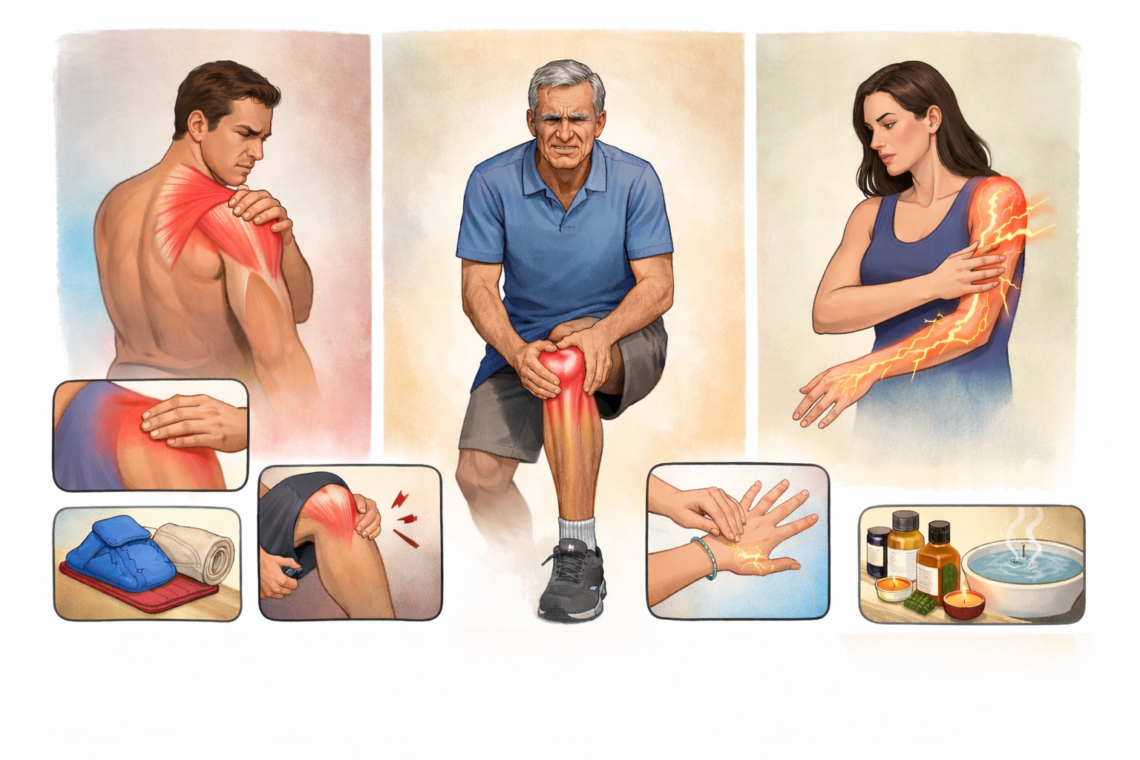
Figuring out if your pain is coming from muscle, joint, or nerve can feel confusing when you’re dealing with discomfort. Most daily aches come from muscles or joints, while true nerve pain is less common but easier to recognize once you know the signs. Pain is our body’s way of signaling that something isn’t right, and treating it incorrectly can prolong discomfort or even worsen the condition. In this guide, I’ll walk you through the key differences between muscle pain vs joint pain vs nerve pain and show you simple at-home tests to identify your pain source.

Understanding the Three Types of Pain

Before you can identify your pain source, you need to understand what makes each type distinct. Each category has unique characteristics that reveal what’s happening beneath your skin.

What is muscle pain (myalgia)?

Muscle pain shows up as deep discomfort within your muscle tissue. You’ll typically feel it as a dull, achy sensation that you can pinpoint to a specific spot. When I press on the affected area, it feels tender and sore to the touch.

This type of pain usually appears after physical activity. You might experience it following a long day of yard work, a new workout routine, or even after sleeping in an awkward position. The pain often feels like a muscle pull, presenting as either sharp or dull aching sensations.

Muscle pain can be localized to one specific area, or it can spread throughout your body in cases of systemic conditions like the flu. If you’re dealing with chronic muscle pain, the discomfort persists whether you’re moving or staying still. In addition to the pain itself, the affected muscles often become swollen and feel stiff when you try to use them.

What is joint pain?

Joint pain occurs at the points where two or more bones come together. Your hips, knees, spine, hands, and feet are common locations for joint discomfort.

The sensation differs from muscle pain in how it feels. You might describe it as stiff, achy, or sore, but many people report additional sensations like burning, throbbing, or a “grating” feeling inside the joint. This pain can be constant, or it might come and go throughout your day.

One telltale pattern with joint pain is morning stiffness. Your joints feel particularly rigid when you first wake up, but they tend to loosen up as you move and go about your activities. On the other hand, too much activity can make the pain worse. Joint pain affects your ability to perform basic tasks like climbing stairs, writing, or carrying objects.

What is nerve pain (neuropathy)?

Nerve pain happens when your nervous system malfunctions or sustains damage. Your nervous system includes peripheral nerves that spread throughout your body to your arms, legs, fingers, and toes, as well as your central nervous system consisting of your spinal cord and brain.

When nerve fibers get damaged, they send incorrect signals to your pain centers. About 30% of neuropathy cases occur due to diabetes, but hundreds of other conditions can cause it.

Nerve pain feels distinctly different from muscle or joint pain. Patients describe it as burning, stabbing, or electric shock-like sensations. You might experience tingling, numbness, or a “pins and needles” feeling. In contrast to localized muscle pain, nerve pain often travels. You could feel it shooting down your leg even though the problem starts in your back.

Nerve pain can include several specific symptoms:

  • Allodynia: Normally painless stimuli like cold, light pressure, or brushing against your skin causes pain
  • Hyperalgesia: Normally painful stimuli like heat or pinpricks produce an extreme or increased pain sensation
  • Hypoalgesia: A normally painful stimulus results in a decreased pain response
  • Dysesthesia: Unexpected sensations that feel strange, unpleasant, or painful
  • Spontaneous pain: Pain that happens without any apparent reason or trigger

This type of pain typically doesn’t improve with simple rest. It often comes with numbness or weakness in the affected area, which are red flags that distinguish it from other pain types. The chronic nature of nerve pain sets it apart, as damaged tissue often leads to ongoing, constant discomfort.

How to Tell the Difference: Key Signs and Symptoms

Once you understand the basics of each pain type, the next step is learning how to distinguish between them through observable characteristics. The way your pain feels, where it appears, and how it responds to different triggers tells you which tissue is causing the problem.

Pain sensation: sharp vs dull pain meaning

The quality of your pain sensation reveals important clues about its source. Sharp pain travels through myelinated A-delta fibers that insulate the nerve, allowing signals to move faster and creating immediate, easily identifiable sensations. Dull pain moves through unmyelinated C fibers that transmit messages more slowly, spreading over a larger area and producing aches that are difficult to pinpoint.

Muscle and joint pain typically presents as dull or achy feelings. You might describe it as pressure or heaviness rather than something stabbing. Nerve pain feels distinctly different. Patients describe it as burning, tingling, shooting, or electric shock-like sensations. If your pain feels like electricity running through your body or a burning sensation without any visible injury, nerve damage is the likely culprit.

Location: radiating pain vs localized pain

Pain location patterns provide one of the clearest ways to identify your pain source. Localized pain stays confined to a particular area of your body. When you sprain your ankle or strain a muscle, the pain remains at the injury site. This somatic pain results from inflammation releasing chemical messengers that activate local pain receptors.

Radiating pain behaves completely differently. It travels from one spot to other areas following specific nerve pathways. Sciatica demonstrates this perfectly when pain starts in your lower back but shoots down your leg. Radicular pain occurs when spinal nerves become compressed or inflamed, sending sharp, shooting sensations along the nerve’s route. If your pain follows a pathway or moves from your back down your arm or leg, you’re dealing with nerve involvement.

Response to touch and pressure

How your pain responds to touch distinguishes nerve issues from muscle or joint problems. Muscle pain increases when I press directly on the affected area. The tender spot reproduces your discomfort.

Nerve pain creates unusual touch responses. Allodynia makes normally painless stimuli like light pressure or fabric brushing against your skin feel painful. Inflammation can cause tactile allodynia where touch becomes hypersensitive. Similarly, hyperalgesia amplifies normally painful sensations beyond what you’d expect.

Movement patterns and timing

Movement affects each pain type differently. Muscle pain often feels sharp with movement but becomes a constant dull ache at rest. Joint pain typically presents with morning stiffness that improves as you move throughout your day.

Nerve pain shows distinct mechanical provocation patterns. Tests that move, load, or compress neural tissue trigger symptoms. Your pain might worsen when you bend, and physical exertion can introduce additional discomfort. Night pain that disrupts your sleep points toward nerve involvement.

Tingling numbness causes pain type

Tingling and numbness almost always indicate nerve problems rather than muscle or joint issues. Peripheral neuropathy creates gradual numbness, prickling, or tingling that typically starts in your feet or hands and spreads upward into your legs and arms. These sensations accompany nerve pain but rarely appear with muscle or joint conditions.

You might experience pins-and-needles feelings, weakness, or paralysis alongside the numbness. Pain during activities that shouldn’t cause pain, such as weight on your feet or blankets touching your skin, signals nerve damage.

Simple At-Home Tests to Identify Your Pain Source

Now that you recognize the symptoms, you can perform simple tests at home to confirm your pain source. These tests don’t require special equipment and take just a few minutes.

The pressure test for muscle pain

Apply firm pressure directly to the area where you feel discomfort. Muscle pain increases when you press on the affected spot. The tender point reproduces your symptoms, and you can pinpoint exactly where it hurts.

Press around the painful area using your fingers or thumb. The affected muscle feels sore to touch, and the pressure might be uncomfortable but shouldn’t cause sharp, shooting sensations. If pressing the area makes your pain worse in that specific spot without radiating elsewhere, you’re dealing with muscle involvement.

Acupressure points feel tender when stimulated, but the pressure shouldn’t hurt intensely. If light touch alone causes severe pain or the discomfort shoots down your arm or leg when you press, nerve issues may be present instead.

The movement test for joint pain

Joint pain shows distinct movement patterns. When you first wake up, your joints feel stiff and rigid. This morning stiffness typically eases within about 30 minutes as you move around.

Test your joint by moving it through its full range of motion. Bend, straighten, and rotate the affected area. Joint pain often limits how far you can move, and you might hear clicking or grinding sounds. The discomfort stays within the joint itself rather than spreading to surrounding areas.

Physical examination for musculoskeletal issues includes evaluation of range of motion as a key component. If movement gradually improves your symptoms after initial stiffness, joints are the likely source.

The tingling test for nerve pain

Tinel’s sign provides a simple way to check for nerve compression at home. Lightly tap with your fingertips over the area where you suspect nerve involvement. For example, tap the inside of your wrist if you think you have carpal tunnel syndrome, or tap behind your elbow for ulnar nerve issues.

A positive test produces tingling or a “pins and needles” sensation in the nerve’s distribution when you tap. You might feel the tingling shoot down into your fingers or toes. This indicates nerve compression or damage at that site.

The timing test: morning vs evening symptoms

Pain timing reveals important clues about its source. Morning joint pain presents as stiffness and lack of mobility due to reduced synovial fluid circulation during sleep. Evening joint pain feels achy and sore with burning or throbbing sensations caused by inflammation. Nerve pain often intensifies at night, manifesting as tingling or pins and needles.

What to Do for Each Type of Pain at Home

After identifying your pain source, the right home care approach can provide relief and speed recovery. Treatment strategies differ based on whether you’re dealing with muscle, joint, or nerve issues.

Managing muscle pain naturally

Muscle pain from minor injuries, stress, or exercise usually responds well to care at home. The RICE method works effectively: rest the affected area and take a break from activities that caused the injury, apply ice for 20 minutes three times daily, use compression with a stretchable bandage to reduce swelling, and elevate the injured area above your heart level to help gravity lessen inflammation.

Topical products containing menthol, lidocaine, or diclofenac sodium can ease discomfort when applied directly to sore muscles. Oral pain relievers such as acetaminophen, ibuprofen, or naproxen sodium provide additional relief. Begin mild stretching as your pain decreases to prevent stiffness.

Relieving joint stiffness and pain

Heat therapy offers temporary relief for aching joints. Apply heating pads, warm compresses, or soak in hot baths to increase blood circulation. For acutely inflamed joints, cold therapy with ice packs reduces swelling. Switch between heat and cold based on your symptoms.

Physical activity reduces joint pain and stiffness despite initial discomfort. Walking, swimming, water aerobics, and gentle yoga exercises improve flexibility without stressing joints. A diet rich in whole foods including fruits, vegetables, fish, nuts, and beans while avoiding processed foods helps manage inflammatory conditions. Weight loss significantly reduces arthritis pain, particularly for knee osteoarthritis.

Calming nerve pain symptoms

Warm baths increase blood circulation and decrease numbness symptoms. Regular exercise reduces blood sugar levels, which can slow nerve damage progression while increasing blood flow to extremities. Vitamin B complex (B1, B6, B12), vitamin E, and copper support nerve health. Turmeric contains anti-inflammatory properties that may offer pain relief.

Diluted essential oils like lavender, eucalyptus, or bergamot applied topically can reduce tingling sensations. Meditation techniques help lower stress and improve pain coping skills.

When home care isn’t enough

Seek medical attention if pain persists longer than a few weeks despite self-treatment. Severe pain that interferes with daily activities, sleep, or quality of life requires professional evaluation. Tingling in extremities indicates potential nerve damage that needs prompt assessment to prevent permanent complications. Pain accompanied by loss of mobility lasting more than a month warrants specialist consultation.

Warning Signs That Need Medical Attention

Some pain symptoms require professional evaluation rather than continued home treatment. Recognizing these warning signs helps you get timely care.

Signs of nerve compression pain

Nerve compression creates specific symptoms that distinguish it from other pain types. You’ll experience pain, numbness, or tingling around the compression site, usually at joints like your wrist, elbow, or ankle. Subsequently, you may notice an inability to move the affected area normally. Compression, inflammation, or injury to spinal nerve roots leads to shooting pain, weakness, numbness, or tingling in body parts along the nerve’s path.

Persistent pain that doesn’t improve

Chronic pain persists for three months or longer. If you rate your pain as seven or higher on a ten-point scale, comparable to a bad toothache, see a doctor immediately. Moderate pain that doesn’t resolve within a few days also warrants medical attention.

Weakness or loss of function

Sudden, severe muscle weakness requires emergency care. Weakness accompanied by warning signs can deteriorate rapidly, causing permanent disability. If pain limits your movement, work, or self-care abilities, a pain specialist can provide targeted treatment.

Night pain that disrupts sleep

More than half of patients with chronic pain experience sleep disorders. Two out of three people with chronic pain struggle with sleeping. Pain causes sleep maintenance insomnia, making it difficult to stay asleep throughout the night.

Conclusion

Identifying whether your pain comes from muscle, joint, or nerve doesn’t require a medical degree. Use the simple tests I’ve shared to pinpoint your discomfort source, and you’ll be able to apply the right treatment strategy from day one.

For one thing, accurate identification prevents you from wasting time on ineffective remedies. Muscle pain responds to rest and ice, while joint pain often improves with movement and heat. Nerve pain requires a different approach entirely.

If your symptoms persist beyond a few weeks or you notice warning signs like severe weakness or nighttime disruption, don’t hesitate to consult a healthcare professional for proper diagnosis and treatment.

Key Takeaways

Understanding the source of your pain enables you to choose the right treatment approach and avoid prolonging discomfort through ineffective remedies.

• Muscle pain feels dull and achy, worsens with direct pressure, and stays localized to the injury site • Joint pain causes morning stiffness that improves with movement and often includes grinding sensations • Nerve pain creates burning, shooting, or electric sensations that travel along nerve pathways • Simple at-home tests can identify pain source: pressure test for muscles, movement test for joints, tingling test for nerves • Seek medical attention for pain lasting over 3 weeks, weakness, or symptoms disrupting sleep

Each pain type requires different treatment strategies – muscle pain responds to rest and ice, joint pain improves with movement and heat, while nerve pain needs specialized care. Recognizing these distinctions helps you start effective treatment immediately rather than trying ineffective approaches.

FAQs

Q1. How can I tell if my pain is coming from a muscle or a nerve?

Muscle pain typically feels dull and achy, worsens when you press directly on the affected area, and stays localized to one spot. Nerve pain, on the other hand, feels like burning, shooting, or electric sensations that often travel along pathways in your body. Nerve pain may also cause tingling, numbness, or “pins and needles” feelings, which rarely occur with muscle issues.

Q2. What’s a simple way to test for nerve pain at home?

Try the tapping test: lightly tap with your fingertips over areas where you suspect nerve involvement, such as your wrist or elbow. If you feel tingling or a “pins and needles” sensation shooting down into your fingers or toes when you tap, this indicates possible nerve compression or irritation. Muscles don’t produce this buzzing response when tapped.

Q3. How does joint pain differ from nerve pain?

Joint pain typically causes stiffness, swelling, and aching sensations that are worst in the morning but improve with movement throughout the day. You might also hear grinding or clicking sounds. Nerve pain feels more like burning, tingling, or electric shocks that travel along nerve pathways and often worsen at night, frequently accompanied by numbness or weakness.

Q4. What are the key differences between muscle pain and joint pain?

Muscle pain presents as deep, tender discomfort that you can pinpoint to a specific spot and worsens when you press on it. Joint pain occurs where bones meet and causes stiffness, particularly in the morning, along with possible grinding sensations during movement. Joint pain tends to improve with gentle activity, while muscle pain typically requires rest.

Q5. When should I see a doctor for my pain instead of treating it at home?

Seek medical attention if your pain persists for more than three weeks despite home treatment, if you experience severe weakness or loss of function, if pain disrupts your sleep regularly, or if you notice tingling in your extremities. Pain rated seven or higher on a ten-point scale also warrants immediate professional evaluation.

Q6. How do I know if my pain is muscle, joint, or nerve?

Muscle pain is usually dull, sore, and tender to touch. Joint pain feels deep, stiff, and worse with movement or after rest. Nerve pain is sharp, burning, or electric-like, often with tingling or numbness and may travel along a path.


Q7. What does nerve pain feel like compared to muscle pain?

Nerve pain feels like shooting, burning, or electric shocks, sometimes with pins and needles or numbness. Muscle pain is more aching, tight, and localized, often increasing with activity or pressure.


Q8. Can I identify the type of pain at home?

Yes, you can get a good idea by observing:

  • Location (localized vs radiating)
  • Type (dull vs sharp/burning)
  • Triggers (movement, rest, pressure)
    This doesn’t replace a diagnosis but helps guide understanding.

Q9. Does nerve pain travel from one area to another?

Yes. Nerve pain often radiates along the nerve pathway, such as from the lower back to the leg (like sciatica) or from the neck to the arm.


Q10. Is pain that increases on pressing a muscle always muscular?

Most of the time, yes. Tenderness on pressing usually indicates muscle or soft tissue involvement, but sometimes deeper joint or trigger point issues can mimic this.


Q11. Why does my pain feel worse after rest?

Pain that worsens after rest is often joint-related (like early arthritis or stiffness). Muscles usually feel better after rest, unless they are very tight or injured.


Q12. What are the early signs of nerve compression?

Common early signs include:

  • Tingling or “pins and needles”
  • Numbness
  • Burning or shooting pain
  • Weakness in the affected limb

Q13. Is tingling always a sign of nerve damage?

Not always. Tingling can occur due to temporary nerve irritation or compression (like sitting awkwardly). Persistent or progressive tingling, however, should be evaluated.


Q14. Can muscle pain cause radiating symptoms?

Typically no. Muscle pain is usually localized, but trigger points can sometimes refer pain to nearby areas, which may mimic nerve pain.


Q15. When should I see a doctor for my pain?

Seek medical attention if you have:

  • Persistent pain beyond a few weeks
  • Severe or worsening symptoms
  • Numbness, weakness, or loss of function
  • Pain after injury or trauma

Consult for all the orthopedic related problems with Dr Manu Mengi

Why Does My Back Pain Increase When I Stand Too Long? Causes and Relief Tips – Dr. Manu Mengi

Standing for just 2 hours can trigger lower back pain in 50% of healthy individuals due to muscle fatigue. You’re not alone if you find yourself asking, “Why does my back pain increase when I stand too long?” Indeed, 84% of adults worldwide face this issue at some point in their lives. Lower back pain when standing is often mechanical in nature, caused by factors including muscle strain, poor posture, and spinal compression. In this guide, we’ll explore the causes of prolonged standing back pain and provide practical relief tips to help you prevent back pain while standing.

What Happens to Your Spine When You Stand Too Long

Your spine faces a relentless opponent every moment you’re upright. Gravity never stops pulling downward, and when you stand for extended periods, this invisible force creates a cascade of mechanical changes in your back.

The mechanics of standing and spinal compression

Your spine isn’t a rigid pole holding you up. In reality, it’s a living suspension system built for balance, flexibility, and endurance. The S-shaped curves in your neck and lower back act like springs, distributing gravitational load evenly across the entire structure. When these natural curves maintain their proper shape, pressure spreads uniformly through each segment.

Each disk between your vertebrae functions as a shock absorber, filled with fluid and designed to handle compressive forces from above. When your alignment stays healthy, pressure distributes evenly through the disk. Lose that alignment, and the pressure becomes uneven, concentrating in small areas instead of spreading across the entire surface. This creates tiny tears and fluid loss over time.

Your muscles, tendons, and fascia form what’s known as tensegrity, a system where tension and compression balance each other. This allows you to stand upright, move efficiently, and resist fatigue. When the right joints, particularly in the mid-back and ribs, move properly, your nervous system can shift from constant bracing to true balance.

How gravity affects your lower back

Gravity compresses your spine, but it also organizes it when your body stacks correctly. An aligned spine lets gravity “seat” the joints naturally. A forward head or rigid rib cage, by contrast, creates shear forces your tissues must resist throughout the day. Over time, your nervous system learns that tension equals safety, and the cycle perpetuates itself.

A one-inch forward shift of the head adds roughly 10 pounds of extra force to the neck. Multiply that by thousands of hours annually, and those joints begin breaking down. Standing activities can irritate the lumbar spine when forces don’t travel cleanly through your body.

Every step pushes force up through your feet into your legs, pelvis, and spine. If your arches collapse or your hip stiffens, the upward force doesn’t travel cleanly. It detours into the low back or mid back. When alignment falters, gravity becomes a 24-hour workout. Every muscle holding you upright burns energy constantly. With proper spinal alignment, gravity passes cleanly through the structure, keeping energy cost low. When posture collapses, the muscles of your neck, back, and pelvis must continuously fight to prevent you from falling forward.

Why muscles fatigue during prolonged standing

Prolonged standing effectively reduces the blood supply to the muscles, resulting in the acceleration of the onset of fatigue. A work environment requiring extended standing was associated with fatigue of the lower extremity muscles, such as those of the anterior leg. Prolonged standing contributes to both psychological fatigue and muscle fatigue among workers.

Muscles that “hold on for dear life” create bracing patterns: clenched glutes, shrugged shoulders, tight jaw. Over time, your body confuses bracing with stability, and posture becomes tightness. Good alignment lowers unnecessary muscle tone so the right muscles can do the right job at the right time. The fix isn’t more tension but better stacking plus more movement options.

Common Causes of Back Pain When Standing Too Long

Standing demands that your spine support your entire body weight without the relief that sitting or lying down provides. This continuous load exposes underlying spinal conditions that might otherwise remain dormant. Several medical conditions explain why your back pain increases when you stand too long.

Muscle strain and ligament sprain

Muscle strains occur when you stretch or tear muscle fibers beyond their limit. These injuries happen suddenly during forceful movements or develop gradually through repetitive motions without adequate rest. Strains range from mild fiber breaks to complete tears requiring surgical intervention.

Chronic strains develop over time from repeating the same movement or maintaining awkward positions during prolonged standing. On account of weakened muscle fibers, your back becomes vulnerable to pain with ordinary use. Previous injuries increase your susceptibility to future strains in the same area.

Facet joint irritation

Facet joints connect your vertebrae and allow your spine to bend and twist. These small joints bear significant load when you stand upright. Facet joint irritation causes 15 to 41% of chronic low back pain cases.

The pain feels like a dull, aching sensation that wraps around your lower back. It worsens when you arch backward or stand straight, activities that compress these joints. Bending forward typically provides relief. The pain can radiate to your buttocks, thighs, or groin, staying on the same side as the affected joint.

Degenerative disk disease

Degenerative disk disease isn’t actually a disease but a condition where spinal disks wear down. Everyone’s disks degenerate over time as a natural part of aging. Almost everyone has some disk degeneration after age 40, even without symptoms.

The cushioning between vertebrae loses water content and becomes thinner. When these cushions wear away, bones can start rubbing together. This contact leads to back pain in about 5% of adults. The pain can be sharp, aching, or stiff, and it gets worse after bending, twisting, or lifting. Standing for extended periods intensifies the discomfort as gravity compresses already compromised disks.

Spinal stenosis pain while standing

Spinal stenosis narrows the space around your spinal cord, compressing nerves that branch from it. Pain begins in your buttocks and extends down your leg, sometimes reaching your foot. A heavy feeling develops in your legs, potentially leading to cramping.

In particular, standing for long periods or walking downhill worsens the symptoms. Sitting, leaning forward, or walking uphill lessens the pain. This pattern occurs because forward-leaning positions open the spinal canal, relieving pressure on compressed nerves.

Herniated or bulging disk

More than 3 million people in the U.S. develop a herniated disk annually. The soft, gel-like center of a disk pushes through cracks in the firmer outer layer, pressing on spinal nerves. This condition most often affects the lower back.

Standing loads the spine vertically, increasing pressure on the damaged disk. The leaked material presses harder against nearby nerves, causing lower back pain, tingling, numbness in legs and feet, and muscle weakness.

Compression fractures

Compression fractures are small breaks in vertebrae that cause the bone to collapse. An estimated 1 to 1.5 million compression fractures happen every year in the United States. These fractures occur most commonly in the thoracic spine.

Pain gets worse when you stand or walk but lessens when you lie down. Standing forces the fractured vertebra to bear weight it can no longer support. The pain typically starts gradually and worsens over time.

Factors That Make Standing Back Pain Worse

Beyond the structural issues in your spine, several controllable factors amplify back pain when you stand for extended periods. Recognizing these aggravators allows you to address them directly.

Poor standing posture

Poor posture increases mechanical stress in the lower back, which directly leads to pain. When you stand with misaligned posture, your spine loses its natural support system. Standing with your hips tilted forward, slouching with rounded shoulders, or developing a flat back where your spine loses its natural curvature all strain your lower back muscles. Your balance center shifts, forcing your muscles to work harder just to keep you upright. These unhealthy postures create an uncomfortable position that, when maintained too long, triggers muscle strain.

Wearing unsupportive footwear

The shoes you wear determine how forces travel up through your legs, hips, and spine. High heels push your body weight forward, forcing your lower spine to arch more than normal. Completely flat shoes or flip-flops lack cushioning, allowing repeated impact on the spine with each step. Over time, these misalignments contribute to muscle fatigue, disk compression, and chronic lower back pain.

Shoes with insufficient arch support cause overpronation (inward rolling of the foot) or supination (when the foot rolls outward). Either condition creates a domino effect that results in a misaligned spine. Old shoes with worn-out soles lose their ability to cushion and stabilize your movements. Uneven soles may cause one side of your body to bear more weight than the other, disturbing spinal alignment.

Weak core and glute muscles

Increased sedentary jobs and sitting time lead to muscle imbalances and weak core musculature, putting your low back at increased risk of injury. The deep core muscles are meant to endure prolonged activation to support and stabilize the spine. When you slouch in a chair all day, the core remains relatively inactive.

The gluteal muscles become lengthened and weak, a condition known as “glute amnesia”. These muscles are then unable to do their job in regular activities of daily living, forcing other muscles, including those in the low back, to compensate. Weak gluteal muscles contribute to lower back pain by passing their work to the low back.

Flat feet and arch problems

People with flat feet are 4.5 times more likely to experience chronic lower back pain. When you stand and your feet are well supported by healthy arches, it encourages proper alignment in your legs. When you have flat feet, your arches collapse and your ankles can roll inward. This upsets the alignment up through your legs and into your hips and lower back, leading to joint pain and muscle strain as your body compensates for the misalignments.

Weight and body mechanics

Your body weight affects how forces distribute through your spine when standing. Excess weight increases the load your spine must support, intensifying compression on already stressed structures. The way you move and position yourself further influences this distribution pattern.

Stress and emotional factors

Stress leads to inflammation, muscle spasms, and tension in your back. Muscle tension occurs when stress causes the muscles in your back to tense up, leading to stiffness and pain. Chronic stress triggers inflammation throughout the body, including in the back. Stress makes the body more sensitive to pain. During stressful times, your blood vessels may constrict, reducing blood flow to your back muscles and causing pain. Prolonged stress makes people more susceptible to back injury and back pain.

How to Get Relief from Back Pain After Standing

When back pain hits after prolonged standing, you need quick, effective strategies to find comfort.

Shift your weight and change positions

Moving your body weight from one leg to the other relieves pressure on fatigued muscles. This simple action prevents one side from bearing continuous load. If possible, prop one foot on a low stool or step, alternating feet every few minutes to redistribute spinal compression.

Use heat or cold therapy

For chronic back pain lasting more than four weeks, apply heat to relax tissues and decrease pain signals. Use a heating pad or adhesive wrap that provides several hours of low-level warmth. Apply heat for 10 to 15 minutes before activity to prepare muscles for movement.

Ice works best immediately after new soreness develops. Wrap ice packs in a towel to protect your skin from frostbite. Apply cold therapy for up to 20 minutes at a time. After one day of icing, switch to heat to encourage tissue healing.

Take movement breaks

Standing stretches can provide lower back pain relief in as little as 30 seconds. Brief movement interrupts the static load on your spine, allowing fresh blood flow to reach tired muscles.

Gentle stretches for immediate relief

Hold each stretch for 30 seconds or as long as comfortable. Try these positions: lie on your back, pull one knee toward your chest, hold five seconds, then repeat with the other leg. For rotational relief, keep shoulders flat on the floor and slowly roll bent knees to one side, holding 5 to 10 seconds. Child’s Pose stretches your lower back by sitting on your heels and leaning forward with arms extended.

Over-the-counter pain relief options

Acetaminophen reduces pain with fewer side effects than other options. Take no more than 3,000 mg in 24 hours to avoid liver damage. NSAIDs like ibuprofen reduce swelling around irritated disks or joints. Tell your provider if you take over-the-counter pain relievers for more than two weeks.

How to Prevent Back Pain While Standing

Prevention targets the root causes of standing-induced back pain before symptoms develop. Implementing these strategies protects your spine from prolonged standing stress.

Strengthen your core muscles

Core muscles act as your body’s natural support system, reducing stress on the spine and protecting spinal disks from compression and injury. Strong core muscles distribute forces evenly across the spine, whereas weak cores force the lower back muscles to work harder. Engage your core muscles even when you’re not exercising. A quick 10-minute routine done a couple of times a week strengthens these stabilizing muscles.

Improve your standing posture

Think of a straight line passing through your body from ceiling to floor, with ears, shoulders, hips, knees, and ankles aligned vertically. Keep your shoulders back, pull your stomach in, and distribute weight mostly on the balls of your feet. Hold your pelvis level and resist standing on tiptoe.

Choose supportive footwear

Shoes with a stiff sole and curved rocker bottom work best for prolonged standing. A stiff sole absorbs walking impact, transferring ground reaction forces away from your foot. Flexible shoes don’t provide the support your foot needs for extended periods. Choose shoes with a wide toe box and arch support insoles to improve balance and foot function.

Use anti-fatigue mats on hard surfaces

Anti-fatigue mats reduced low back pain in pain developers from 6.8 mm to 3.6 mm on a visual analog scale. These mats facilitate subtle movements at the foot-floor interface, providing selective benefit to individuals prone to developing standing-induced back pain.

Practice exercises to build endurance

Standing stretching exercises may provide lower back pain relief in as little as 30 seconds. Regular physical activity strengthens the core and increases stability.

Manage your weight

Excess weight weakens abdominal muscles, causes pelvic and spine problems, and contributes to low back pain. Maintaining a healthy weight protects spine health and prevents weight-related spine disorders.

Conclusion

Back pain from prolonged standing stems from mechanical stress on your spine, particularly when gravity compresses disks, irritates facet joints, and fatigues supporting muscles. Now that we’ve identified the underlying causes, you can address them directly rather than simply enduring the discomfort.

Relief doesn’t require complicated interventions. In fact, simple strategies like shifting your weight, taking movement breaks, and applying heat or cold therapy provide immediate comfort. For lasting results, focus on strengthening your core, improving your posture, and choosing supportive footwear.

Your spine responds quickly to positive changes. Start with one or two prevention strategies today, and you’ll likely notice improvements within days.

Key Takeaways

Understanding why your back hurts after standing and implementing targeted relief strategies can significantly improve your comfort and spinal health.

• Prolonged standing compresses spinal disks and fatigues muscles – gravity continuously loads your spine, causing mechanical stress that triggers pain in 50% of healthy individuals after just 2 hours.

• Poor posture and weak core muscles amplify standing back pain – misaligned spine forces muscles to work harder, while weak glutes and core create compensation patterns that strain the lower back.

• Immediate relief comes from weight shifting, movement breaks, and heat/cold therapy – simple position changes and 30-second stretches can provide quick pain relief by redistributing spinal pressure.

• Prevention requires core strengthening, proper footwear, and posture awareness – building muscle endurance and maintaining spinal alignment protects against future standing-induced back pain.

• Anti-fatigue mats and supportive shoes reduce standing stress – proper footwear with arch support and cushioned surfaces can cut back pain severity nearly in half for pain-prone individuals.

The key to managing standing back pain lies in addressing both immediate symptoms and underlying causes through targeted movement, strengthening, and ergonomic improvements.

FAQs

Q1. Why does standing for extended periods cause back pain?

Standing for long periods compresses your spinal disks and fatigues the muscles supporting your spine. Gravity continuously pulls downward, creating mechanical stress on your lower back. When you maintain an upright position without movement breaks, muscles must work constantly to keep you balanced, leading to fatigue and pain. Poor posture, weak core muscles, and improper weight distribution can intensify this discomfort.

Q2. How quickly can standing trigger lower back pain?

Back pain can develop surprisingly fast when standing. Research shows that just 2 hours of standing can trigger lower back pain in 50% of healthy individuals due to muscle fatigue and spinal compression. The onset varies depending on factors like your posture, core strength, footwear, and any underlying spinal conditions you may have.

Q3. What immediate steps can I take to relieve back pain after standing?

For quick relief, shift your weight from one leg to the other and change positions frequently. Apply heat therapy to relax tight muscles or use ice for new soreness. Take brief movement breaks and perform gentle stretches like pulling your knee to your chest or doing Child’s Pose for 30 seconds. Over-the-counter pain relievers like acetaminophen or ibuprofen can also help reduce discomfort.

Q4. Can my shoes really affect my back pain when standing?

Yes, footwear plays a significant role in standing-related back pain. Shoes with poor arch support, high heels, or completely flat soles alter how forces travel through your legs and into your spine. Unsupportive footwear can cause misalignment that forces your lower back muscles to compensate. Choose shoes with a stiff sole, curved rocker bottom, wide toe box, and proper arch support for prolonged standing.

Q5. How can I prevent back pain from developing when I need to stand for long periods?

Prevention focuses on strengthening your core muscles, which act as your spine’s natural support system. Maintain proper standing posture by keeping your ears, shoulders, hips, and knees aligned vertically. Wear supportive footwear and use anti-fatigue mats on hard surfaces. Practice regular core-strengthening exercises, take frequent movement breaks, and manage your weight to reduce stress on your spine.

Q6. Why does my back pain increase when I stand too long?
When you stand for prolonged periods, your spinal muscles fatigue and your lumbar joints (especially facet joints) take more load. Over time, this leads to stiffness, muscle strain, and pain.

Q7. Why does my back feel better when I sit or bend forward?
Sitting or bending forward reduces pressure on the lumbar spine and facet joints. It also relaxes overworked back muscles, which is why pain often decreases.

Q8. Is it normal to have back pain after standing for long hours?
Occasional discomfort can be normal, especially in people with weak core muscles or poor posture. However, persistent or severe pain may indicate an underlying issue like disc degeneration or spinal stenosis.

Q9. Can poor posture while standing cause back pain?
Yes. Slouching, leaning to one side, or standing with an exaggerated arch in the lower back increases strain on muscles and joints, leading to pain.

Q10. Which conditions can cause back pain while standing?
Common causes include:
• Muscle fatigue or weakness
• Facet joint arthritis
• Lumbar spinal stenosis
• Degenerative disc disease
• Postural imbalance

Q11. Does standing too long damage the spine?
Standing alone doesn’t usually damage the spine, but prolonged standing with poor posture can accelerate wear and tear, especially in people with pre-existing spine issues.

Q12. How can I prevent back pain when I have to stand for long hours?
• Maintain good posture
• Shift weight frequently
• Use supportive footwear
• Take short sitting breaks
• Strengthen core muscles

Q13. Can flat feet cause back pain when standing?
Yes. Flat feet alter body alignment and can increase stress on the lower back, especially during prolonged standing.

Q14. What exercises help reduce back pain from prolonged standing?
Core strengthening, stretching (especially hamstrings and hip flexors), and lower back stabilization exercises are very effective in reducing pain.

Q15. When should I see a doctor for back pain from standing?

You should consult a doctor if:

  • Pain persists for more than a few weeks
  • Pain is severe or worsening
  • There is numbness, tingling, or weakness in the legs
  • Pain interferes with daily activities

Consul with Dr. Manu Mengi for all the Back problems he is the best orthopedic doctor in Mohali

Middle-Aged and Suffering from Hip Pain? Here’s What Doctors Want You to Know

Hip pain in middle-aged adults affects countless individuals, with osteoarthritis alone impacting approximately 22.7% of adults in our aging global population. If you’re experiencing discomfort when walking or struggling with stiffness after sitting, you’re certainly not alone. By 2030, nearly 41.1 million adults will be affected by hip osteoarthritis or similar joint complaints—almost double the number reported in 2005.

What starts as an occasional twinge can quickly develop into a persistent problem, potentially limiting your daily activities. Hip pain while climbing stairs, morning stiffness, and discomfort that worsens at night are all common symptoms that might indicate early hip osteoarthritis or other conditions. Importantly, most hip pain can be treated with simple self-help approaches, though extremely severe pain or discomfort lasting more than two weeks despite regular painkillers warrants a doctor’s visit. In this comprehensive guide, we’ll explore the causes behind middle-aged hip pain, how doctors diagnose these issues, and the various non-surgical treatment options available to help you regain mobility and comfort.

Understanding the Hip Joint and Why It Hurts

The hip serves as one of the body’s largest and most critical weight-bearing joints, acting as the essential connection point between your upper and lower body. Understanding how this complex joint functions provides valuable insight into why middle-aged adults frequently experience hip discomfort.

How the hip joint works

Your hip is a remarkable ball-and-socket joint where the rounded head of your thigh bone (femur) fits snugly into a cup-like depression called the acetabulum in your pelvis. This design creates exceptional stability while allowing for an impressive range of motion in multiple directions. Unlike other joints, the hip is exceptionally deep, with the acetabulum encompassing nearly all of the femoral head, significantly reducing the risk of dislocation.

Both the femoral head and acetabulum are covered with articular cartilage—a smooth, slippery substance that protects the bones and enables frictionless movement. Meanwhile, a thin tissue lining called the synovium produces fluid that lubricates the joint. For additional stability, the acetabular labrum—a fibrocartilaginous collar—deepens the socket by 21% and increases the joint surface area by 28%, enhancing force distribution.

The hip’s remarkable strength comes from its supporting cast of muscles, tendons and ligaments. These structures work together to facilitate various movements:

  • Flexion and extension (moving your leg forward and backward)
  • Internal and external rotation
  • Abduction and adduction (moving your leg away from and toward your body’s midline)

Furthermore, these surrounding tissues provide crucial support for weight-bearing activities like standing, walking, and climbing stairs.

Why middle-aged adults are more prone to hip issues

Hip pain affects approximately 10% of the general population, with prevalence increasing significantly with age. In fact, research shows that 14.3% of adults report experiencing significant hip pain on most days over a six-week period.

Middle-aged adults are particularly vulnerable because decades of use lead to natural wear and tear on the joint. Osteoarthritis—the most common cause of hip pain in this age group—affects the majority of people older than 55. Indeed, the hip is the second most common joint affected by osteoarthritis, potentially impacting up to 25% of individuals over age 55.

As you approach middle age, several factors can accelerate joint deterioration. The protective cartilage in your hip begins to thin and fray, narrowing the protective space between bones. In advanced cases, bone may rub directly against bone, creating painful friction with every movement. Additionally, damaged bones sometimes grow outward, forming bone spurs (osteophytes) that further complicate joint mechanics.

Risk factors that make middle-aged adults more susceptible include carrying excess weight, previous hip injuries or surgeries, occupations requiring repetitive hip stress, poorly aligned hip joints from birth conditions, and genetic predisposition.

Common areas where hip pain is felt

Hip discomfort manifests differently depending on which structures are affected, often creating confusion about the true source of pain. The location provides important clues about potential causes.

Pain in the groin area typically indicates problems with the actual hip joint itself and is especially common in early osteoarthritis. Conversely, discomfort along the outer hip might suggest issues like greater trochanteric pain syndrome or bursitis.

Many patients experience referred pain, where discomfort radiates beyond the hip itself. This commonly extends to the thigh, buttocks, knee, or lower back. Moreover, hip problems frequently cause pain in the knee, sometimes becoming the only symptom—a phenomenon called referred pain.

Pain patterns often fluctuate throughout the day. Morning stiffness that improves with movement suggests inflammatory conditions, whereas pain worsening with activity points toward mechanical issues. Nighttime discomfort disturbing sleep can indicate advanced joint degeneration.

Understanding these patterns helps doctors pinpoint exactly what’s happening inside your hip joint—the crucial first step toward effective treatment.

Recognizing the Symptoms of Hip Trouble

Identifying the specific symptoms of hip problems early can help you seek appropriate treatment before the condition worsens. Middle-aged adults often dismiss these warning signs as normal aging, subsequently delaying diagnosis and treatment. Let’s explore the telltale symptoms that suggest your hip pain requires medical attention.

Groin pain and hip joint stiffness

For many middle-aged adults, hip problems initially present as pain in the groin area. This groin pain typically indicates issues with the actual hip joint itself rather than surrounding tissues. In fact, osteoarthritis—the most common form of arthritis affecting the hip—frequently causes pain that’s felt primarily between the hip and knee.

This discomfort can manifest as:

  • Sharp or dull aching sensations
  • Tenderness around the hip region
  • Difficulty bending down or picking up objects from the ground

Hip joint stiffness commonly accompanies this pain, making simple movements feel restricted or uncomfortable. You might notice this stiffness after sitting for extended periods or when attempting to put on socks or shoes. As can be seen in cases of osteoarthritis, this stiffness is often more pronounced in the morning or after periods of inactivity.

Hip pain while walking or climbing stairs

Pain during everyday activities like walking serves as another key indicator of hip problems. Primarily, this discomfort may start gradually but intensify with continued movement. The pain might feel most severe when bearing weight on the affected side or when initiating movement after sitting.

Climbing stairs presents a particularly revealing challenge for those with hip issues. This activity requires your hip muscles to work 4-5 times harder than during a simple squat. Many conditions cause pain specifically during this motion:

Bursitis can trigger considerable discomfort on the outside of your hip that noticeably flares when navigating stairs. Similarly, those with femoroacetabular impingement (FAI) often feel pain in the groin area that intensifies when climbing or descending steps. Even a strained hip flexor can create pain that worsens with stair-climbing movements.

Night hip pain and morning stiffness

Despite what many assume, hip pain at night isn’t just a normal part of aging. Yet more than one-third of U.S. adults report that hip, knee, or foot pain disrupts their sleep. Nighttime discomfort might result from your sleeping position putting pressure on an already irritated joint, particularly for side sleepers.

The nature of this nocturnal pain provides important diagnostic clues. Persistent pain throughout the night, especially when trying to lie on the affected side, often suggests bursitis. In contrast, pain that prevents comfortable positioning and wakes you repeatedly might indicate more advanced joint degeneration.

Morning stiffness represents another characteristic symptom. This sensation typically feels most pronounced immediately after waking and gradually improves with movement throughout the day. In rheumatoid arthritis, for instance, stiffness and pain worsen after periods of inactivity. This pattern differs from mechanical issues where pain typically increases with activity rather than decreases.

Pain radiating to thigh or buttocks

Hip problems rarely confine their symptoms to the hip joint itself. Instead, pain commonly radiates outward, creating confusing symptom patterns. For instance, hip joint problems can cause referred pain in the knee—sometimes becoming the only apparent symptom.

Pain that radiates to the outer thigh and buttock area often indicates conditions like greater trochanteric pain syndrome (GTPS). At this point, the discomfort might feel sharp or burning and intensify with certain movements or positions.

Piriformis syndrome represents another common cause of radiating hip pain. This condition produces aching, burning, or numbness sensations in the buttock that may extend down the back of your leg. These symptoms typically worsen when sitting for long periods, walking, running, or climbing stairs.

Understanding these distinctive symptom patterns helps both you and your doctor determine the underlying cause of your hip pain—an essential first step toward finding relief.

What’s Causing Your Hip Pain?

Understanding what’s actually happening inside your hip joint provides crucial insights into finding the right treatment approach. After examining thousands of middle-aged patients, orthopedic specialists have identified several distinct conditions that commonly cause hip pain in this age group.

Early hip osteoarthritis

Osteoarthritis (OA) stands as the primary culprit behind hip discomfort in middle-aged adults. This degenerative joint disease affects nearly 27 million Americans, with hip OA specifically impacting up to 25% of individuals over age 55. The condition develops gradually as protective cartilage wears away, eventually leading to bone-on-bone friction.

Early-stage osteoarthritis typically presents with:

  • Morning stiffness lasting less than 30 minutes
  • Pain that improves with brief activity but worsens with extended use
  • Gradually decreasing range of motion

While age remains the strongest risk factor, additional contributors include previous joint injuries, genetic predisposition, and carrying excess weight. Indeed, each pound of body weight adds approximately 3-6 pounds of pressure on weight-bearing joints like hips.

Greater trochanteric pain syndrome

Previously called trochanteric bursitis, greater trochanteric pain syndrome (GTPS) affects between 10-25% of the general population. This condition involves pain and tenderness over the bony prominence (greater trochanter) on the outside of your hip. Women experience GTPS approximately four times more frequently than men, primarily between ages 40-60.

GTPS typically creates sharp lateral hip pain that intensifies during prolonged walking, stair climbing, or lying directly on the affected side. Unlike osteoarthritis, GTPS rarely causes groin pain or internal hip joint stiffness.

Femoroacetabular impingement (FAI)

Femoroacetabular impingement occurs when extra bone grows along the femoral head (cam impingement) or along the acetabulum (pincer impingement). This abnormal bone contact creates friction during movement, potentially damaging the joint and accelerating arthritis development.

FAI commonly affects active middle-aged adults, with symptoms including groin pain during specific movements, limited range of motion, and a catching sensation during hip flexion. Many patients report discomfort when sitting for extended periods or during deep squatting movements. Consequently, FAI often contributes to long-term hip joint damage if left untreated.

Trochanteric bursitis and gluteus medius tendinopathy

The hip contains numerous fluid-filled sacs called bursae that cushion tendons and muscles. Trochanteric bursitis develops when these sacs become inflamed, typically producing pain on the outer hip that may radiate down the thigh.

Essentially connected to this condition, gluteus medius tendinopathy involves degeneration of the tendon that attaches your gluteus medius muscle to the greater trochanter. This condition frequently causes pain that:

  • Worsens when lying on the affected side
  • Intensifies with prolonged standing or walking
  • Creates tenderness when pressing on the outer hip

These conditions often coexist and affect women more commonly than men, particularly those with one leg longer than the other or who have a wider pelvis.

Piriformis syndrome and referred pain from lumbar spine

Not all hip pain originates in the hip joint itself. Piriformis syndrome occurs when the piriformis muscle deep in your buttock irritates or compresses the sciatic nerve. This creates pain in the buttock that sometimes radiates down the back of the leg, mimicking sciatica.

Additionally, problems in your lower back frequently refer pain to the hip region. Herniated disks, spinal stenosis, or facet joint arthritis in the lumbar spine can create discomfort that radiates to the hip, thigh, or buttock. Notably, this referred pain often creates confusion during diagnosis, as patients perceive the discomfort as originating from the hip rather than the spine.

Understanding these distinct conditions helps explain why treatment approaches vary significantly depending on the underlying cause of your hip pain.

How Doctors Diagnose Hip Pain

When hip pain persists beyond two weeks despite over-the-counter pain relievers, a doctor’s visit becomes necessary. Diagnosing the exact cause requires a methodical approach, often beginning with your detailed medical history and progressing through various examination techniques.

Physical examination and movement tests

First and foremost, doctors rely on a comprehensive physical examination to assess your hip. This systematic approach helps identify the four main pain generators: osteochondral (bone and cartilage), capsulolabral (joint capsule and labrum), musculotendinous (muscles and tendons), and neurovascular structures.

The examination typically includes:

  • Gait analysis: Walking 6-8 strides reveals foot progression angle, stance phase, and potential limping patterns. An antalgic gait (limping to avoid pain) or Trendelenburg gait (pelvic drop due to weak hip abductors) provides important diagnostic clues.
  • Palpation: The doctor feels for tenderness over specific areas including the greater trochanter, iliopsoas, and pubic tubercle to identify pain sources.
  • Range of motion tests: Passive movement of both hips helps detect limitations or pain during specific movements.

Coupled with these observations, doctors perform specialized tests like the FADIR test (flexion, adduction, internal rotation), which reproduces pain in conditions like femoroacetabular impingement. Likewise, the FABER test (flexion, abduction, external rotation) can identify issues with the hip joint, sacroiliac joint, or iliopsoas tendon.

Hip X-ray findings and what they reveal

X-rays remain the initial imaging choice for hip pain, offering excellent visualization of bone structures. Standard views include an anteroposterior (AP) view of the pelvis and a lateral view of the affected hip.

On balance, these images reveal:

  • Joint space narrowing (normal space is typically 3-5mm) indicating cartilage loss
  • Osteophytes (bone spurs) suggesting osteoarthritis
  • Fractures or alignment issues
  • Subchondral sclerosis or cysts in advanced joint disease

Radiologists often trace Shenton’s line, which follows the medial edge of the femoral neck and inferior edge of the superior pubic ramus. An interruption in this line may suggest a fracture or other structural abnormality.

According to medical findings, many hip fractures aren’t visible on initial X-rays, potentially requiring follow-up imaging if pain persists. Overall, standing AP radiography of the pelvis is typically the first imaging test, showing joint space narrowing and osteophyte formation in osteoarthritis cases.

When MRI is needed for deeper insight

In cases where X-rays appear normal yet symptoms persist, magnetic resonance imaging (MRI) provides superior visualization of soft tissues. Above all, MRI excels at detecting:

  • Labral tears and cartilage damage
  • Stress fractures invisible on X-rays
  • Tendon inflammation or degeneration
  • Early arthritis changes before X-ray findings appear
  • Avascular necrosis (bone tissue death due to poor blood supply)

For younger patients with labral tears, a special type called MRI arthrogram may be recommended. During this procedure, a radiologist injects contrast fluid into the joint to better visualize the labrum. In addition to diagnosis, MRI helps guide therapy decisions, including determining whether surgery might be necessary.

Differentiating mechanical vs inflammatory hip pain

A key aspect of hip pain diagnosis involves distinguishing between mechanical and inflammatory causes. Mechanical pain typically worsens with activity and improves with rest, suggesting structural issues like osteoarthritis or impingement.

In contrast, inflammatory pain often creates morning stiffness lasting more than 30 minutes, improves with movement, and may be accompanied by systemic symptoms like fever. Blood tests can help identify inflammatory conditions like rheumatoid arthritis.

One valuable diagnostic tool involves ultrasound-guided anesthetic injection into the hip joint. This procedure helps differentiate intra-articular pain (originating inside the joint) from referred pain coming from the lumbar spine or surrounding structures. Should the pain disappear temporarily after injection, the source is likely within the joint itself.

Red flags requiring immediate medical attention include fever (suggesting infection), sudden onset severe pain, inability to bear weight, significant deformity, or symptoms like unexplained weight loss.

Treatment Options Doctors Recommend First

For patients suffering from hip discomfort, doctors typically recommend a stepped approach to treatment, beginning with conservative measures before considering surgical options. Understanding these initial treatments can help manage pain effectively while potentially preventing further joint deterioration.

Pain relief medications and NSAIDs

Most doctors initially suggest over-the-counter pain relievers to manage hip discomfort. Non-steroidal anti-inflammatory drugs (NSAIDs) like ibuprofen, aspirin, and naproxen work by reducing inflammation and relieving pain simultaneously. Alternatively, acetaminophen (Tylenol) targets pain without addressing inflammation, making it suitable for those unable to take NSAIDs due to allergies or stomach problems.

Generally, these medications should not be taken for more than 10 days consecutively without consulting your healthcare provider. For persistent pain, your doctor might prescribe stronger medications or different formulations—including topical NSAIDs like Voltaren Gel that can be applied directly to painful areas.

Physiotherapy for hip pain and strengthening

Physical therapy stands as a cornerstone treatment for hip pain, particularly for conditions like osteoarthritis or after hip surgery. A trained therapist designs personalized exercise programs that target your specific limitations. Research shows that effective therapy regimens often include:

  • Manual therapy techniques (thrust, non-thrust, and soft tissue mobilization)
  • Individualized strengthening exercises for weak hip muscles
  • Stretching routines to improve flexibility and joint mobility
  • Functional training to enhance balance and gait

Therapy frequency typically ranges from 1-5 sessions weekly over 6-12 weeks for optimal results. As motion improves, your therapist will progressively add exercises to maintain gains in strength and flexibility.

Steroid and PRP injection therapy

When medications and physical therapy provide insufficient relief, injection therapies offer another non-surgical option. Corticosteroid injections remain the most reliable pain-relieving injection for hip pain, working by deactivating inflammatory cells in the joint that trigger pain signals. These injections can provide relief lasting from several weeks to six months.

Platelet-rich plasma (PRP) injections represent an alternative approach using components from your own blood to accelerate healing. Although primarily used for tendon injuries, some evidence suggests PRP may benefit patients with osteoarthritis of the hip. Importantly, doctors recommend avoiding NSAIDs before or after PRP injections as they can impact effectiveness.

Activity modification and posture correction

Alongside medical interventions, simple lifestyle adjustments often provide substantial relief. The RICE method—Rest, Ice, Compression, and Elevation—serves as an effective first-line approach for managing acute hip pain. Maintaining proper posture during daily activities helps reduce strain on the hip joint.

Weight management remains crucial since excess pounds significantly increase pressure on weight-bearing joints. Each pound of body weight adds 3-6 pounds of pressure to your hips, making weight reduction a powerful pain management strategy.

Patient education should focus on activity modification, supportive weight reduction strategies, and methods for unloading arthritic joints. Such conservative approaches often provide meaningful relief without the risks associated with more invasive treatments.

Preventing Hip Pain from Getting Worse

Taking proactive steps to protect your hip joint can significantly reduce pain and slow disease progression. Looking beyond temporary relief, these prevention strategies address the root causes of hip problems.

Weight loss for hip pain relief

Shedding excess pounds creates one of the most dramatic improvements for hip pain sufferers. Every 10 pounds of additional weight puts an extra strain of more than 25 pounds on your hip joints. This mechanical stress accelerates cartilage degradation.

Studies confirm a direct dose-response relationship between weight loss and hip pain improvement. Patients losing more than 10% of body weight experienced the greatest reduction in pain—up to 31% improvement in hip-related quality of life. Nonetheless, approach weight loss gradually; rapid reduction can potentially increase joint instability and bone loss.

Best exercises for hip pain prevention

The right movement strengthens supporting muscles without aggravating your condition. Focus primarily on low-impact activities like:

  • Walking, swimming, or cycling to improve joint mobility
  • Targeted exercises strengthening glutes, hip flexors, and abductors
  • Gentle stretching to maintain flexibility

Proper form remains vital—a physical therapist can develop a personalized routine addressing your specific limitations. Always warm up before and cool down after exercise.

Lifestyle changes for hip arthritis

Beyond exercise, dietary modifications profoundly impact joint health. A Mediterranean-style diet rich in fruits, vegetables, fish, nuts, and beans helps curb inflammation. Whole grains contain fiber that can lower blood levels of inflammatory markers.

Consider using supportive devices like canes or walking frames to reduce pressure on painful hips. Furthermore, applying heat can relax muscles and improve joint lubrication.

Avoiding overuse and improving daily habits

Pay careful attention to daily movement patterns. Avoid sitting for extended periods—even shifting positions slightly helps relieve joint stress. Proper footwear with good arch support provides essential foundation for hip alignment.

Listen to your body’s warning signals—never “play through pain” during physical activities. Rest appropriately between workouts. Additionally, maintain proper posture during sitting, standing, and lifting to minimize joint strain.

Making these preventive measures part of your daily routine offers the best chance for long-term hip joint health.

Conclusion

Hip pain affects millions of middle-aged adults worldwide, yet many suffer unnecessarily before seeking proper medical attention. Throughout this article, we’ve explored how your hip functions, why it becomes painful with age, and what treatments actually work. Most importantly, hip pain rarely requires immediate surgical intervention.

Early intervention makes all the difference in managing hip discomfort effectively. Simple approaches like over-the-counter pain relievers, physical therapy, and lifestyle modifications often provide significant relief. Weight management stands out as particularly powerful—each pound lost removes 3-6 pounds of pressure from your weight-bearing joints.

Understanding your specific symptoms helps identify the underlying cause, whether it’s osteoarthritis, greater trochanteric pain syndrome, or referred pain from your spine. Pain location, timing, and triggers all provide valuable clues for proper diagnosis and treatment.

Remember that conservative treatments work for most people. Physical therapy strengthens supporting muscles while medications reduce inflammation and pain. Additionally, activity modifications and proper posture prevent further joint damage during daily activities.

Though hip pain can feel debilitating, you don’t have to accept it as an inevitable part of aging. Proactive steps like maintaining a healthy weight, choosing low-impact exercises, and following proper movement mechanics can slow disease progression substantially.

Ultimately, your hips support you through countless movements each day. They deserve attentive care when they signal distress. Armed with the knowledge from this guide, you can work effectively with healthcare providers to address hip pain and maintain your mobility for years to come.

Key Takeaways

Hip pain affects 22.7% of middle-aged adults, but most cases can be effectively managed without surgery through proper diagnosis and conservative treatment approaches.

• Early intervention is crucial – Don’t ignore persistent hip pain lasting more than two weeks, as early treatment prevents progression and maintains mobility.

• Weight loss provides dramatic relief – Every 10 pounds lost removes 25+ pounds of pressure from hip joints, with 10% weight reduction improving pain by up to 31%.

• Conservative treatments work for most people – Physical therapy, NSAIDs, activity modification, and lifestyle changes effectively manage pain without surgical risks.

• Pain location reveals the cause – Groin pain typically indicates joint problems, while outer hip pain suggests bursitis or tendon issues, helping guide proper treatment.

• Prevention strategies slow progression – Low-impact exercise, proper posture, Mediterranean diet, and avoiding prolonged sitting protect joints from further damage.

The key to successful hip pain management lies in understanding that most conditions respond well to non-surgical approaches when addressed promptly. By combining medical treatment with lifestyle modifications, middle-aged adults can maintain hip health and prevent minor discomfort from becoming debilitating pain.

FAQs

Q1. What are the most effective treatments for hip pain in middle-aged adults?

Doctors typically recommend a combination of over-the-counter pain relievers like NSAIDs, physical therapy exercises, and lifestyle modifications such as weight loss. For persistent pain, corticosteroid injections or prescription medications may be considered. The key is early intervention and a personalized treatment approach.

Q2. How can I manage hip pain associated with aging?

Managing hip pain as you age involves staying active with low-impact exercises like swimming or cycling, maintaining a healthy weight to reduce joint stress, and following a proper exercise routine to strengthen hip muscles. Additionally, using supportive devices and making ergonomic adjustments in daily activities can help alleviate discomfort.

Q3. When should I see a doctor about my hip pain?

\ Seek medical attention if hip pain persists for more than two weeks despite over-the-counter pain relievers, or if you experience severe pain, sudden swelling, inability to bear weight, or fever. Additionally, any noticeable changes in hip joint appearance or function warrant immediate medical evaluation.

Q4. What are the initial steps in diagnosing hip pain?

Diagnosis typically begins with a thorough physical examination, including gait analysis and specific movement tests. X-rays are often the first imaging choice to assess bone structures and joint spacing. If needed, MRI may be used for a more detailed view of soft tissues. Your doctor may also use diagnostic injections to pinpoint the pain source.

Q5. Can lifestyle changes help prevent hip pain from worsening?

Yes, lifestyle modifications can significantly impact hip health. Maintaining a healthy weight reduces joint stress, while regular low-impact exercise strengthens supporting muscles. Following a Mediterranean-style diet may help reduce inflammation. Proper posture, ergonomic adjustments, and avoiding prolonged sitting can also prevent further joint damage.

The Science Behind Nighttime Pain: Medical Reasons You Never Knew – Dr. Manu Mengi

Pain feels worse at night – and there are medical reasons that could explain your discomfort. Recent surveys show that 50.2 million adults in the US – one in five – live with chronic pain. Many people notice their symptoms become more intense as darkness falls.

Nerve pain and neuropathy sufferers often experience this nighttime increase. Their pain stays manageable during daylight hours but becomes more severe after dark. Science explains why your body’s pain intensifies during rest periods. Your body’s stress hormone cortisol, which fights inflammation, drops at night. Sleep and pain create a challenging cycle – chronic pain affects at least 50% of people who can’t sleep properly.

You’ll learn about the medical reasons behind nighttime pain getting worse. The effects of your circadian rhythm and even your sleeping position might contribute to your discomfort. These factors help you understand how to get relief and the restful sleep your body needs.

What Makes Pain Worse at Night?

That nighttime pain you feel isn’t just your imagination—it’s a real physiological experience shared by many. Your body processes and responds to pain signals differently as day turns to night. Learning about these mechanisms helps you manage discomfort and sleep better.

The Role of Daily Activity and Rest

Daily movement helps keep pain away naturally. Most people become less active as evening approaches, which can make discomfort worse. This drop in activity creates the perfect environment for pain to increase.

Your joints receive constant lubrication when you move during the day. This lubrication process slows down a lot at night when activity stops, and your joints might swell. This explains why people with arthritis often feel more joint stiffness and pain after sitting still.

On top of that, your hormone levels follow a pattern that affects how you feel pain. Your body’s natural anti-inflammatory hormone, cortisol, hits its lowest level around midnight. Pain from inflammation often gets worse when this natural protection is at its weakest.

People with fibromyalgia and other chronic pain conditions face a tough cycle. Staying still makes the pain worse, which makes it hard to sleep, and that makes them more sensitive to pain the next day.

Why Pain Feels Stronger When Lying Down

The way you sleep plays a big part in nighttime discomfort. You change positions often during the day, but at night you stay in one position much longer. Your joints and muscles can become stiff and tense from this lack of movement.

Some sleeping positions can make certain conditions worse. To name just one example, sleeping on your stomach can strain your back, while keeping your knees together during side sleeping might make hip pain worse. The simple act of lying down changes how blood flows and pressure spreads across your body.

There’s another reason – temperature sensitivity. Heat helps many inflammatory muscle and joint conditions, but sleep experts say cool bedrooms are best for good sleep. This creates a challenge between managing pain and getting quality sleep.

The science behind joint pain becomes clearer when we look at what happens in your body. Joint fluid keeps things moving smoothly during the day, but this process slows down at night, which can lead to swelling that causes burning or throbbing.

How Distractions During the Day Mask Pain

The sort of thing I love about pain perception is your brain’s amazing ability to filter signals. Your brain processes thousands of body signals at once throughout your busy day. Since it can’t focus on everything, it picks what needs attention most.

Daylight hours split your attention between many tasks:

  • Work tasks and problem-solving
  • Social interactions and conversations
  • Environmental stimuli and navigation
  • Planning and decision-making

These activities compete for your brain’s attention and help it filter out less urgent pain signals. The pain doesn’t go away—it just stays in the background of your awareness.

Your filtering system changes dramatically when night falls and outside stimulation drops. Your brain suddenly notices body signals that were there all day but ignored. The pain hasn’t actually gotten worse, but you notice it more because there’s less to distract you.

This also explains why engaging activities can help reduce pain awareness. Video games, reading, or podcasts combined with other activities help redirect your brain’s focus away from pain. This isn’t just imagination—it shows how your brain naturally prioritizes signals.

Research backs up this connection between brain and pain, showing that sleep and pain affect each other. Bad sleep makes you more sensitive to pain the next day, while pain makes it harder to get good sleep.

The Science of Circadian Rhythm and Pain

Your body’s internal 24-hour clock (circadian rhythm) plays a significant role in how strongly you feel pain throughout the day. Scientists have discovered that pain sensitivity follows predictable patterns linked to your body’s natural rhythms. This connection helps explain why pain feels worse at night and suggests new ways to manage pain more effectively.

How Your Body Clock Affects Pain Perception

Time and pain share a deep connection. Pain sensitivity follows a wave-like pattern throughout the day. The pain usually peaks at night and reaches its lowest point in the afternoon. Lab studies show your circadian system controls about 80% of pain sensitivity changes over 24 hours.

Different types of pain follow their own schedules. Migraines and rheumatoid arthritis tend to get worse in the morning. Other conditions like osteoarthritis and biliary colic typically become more intense at night. These patterns reflect how your internal clock works with pain processing systems.

Your hypothalamus contains the suprachiasmatic nucleus (SCN), which works as your body’s master timekeeper. This central hub sends timing signals that control many body functions. These include sleep-wake cycles, temperature changes, hormone release, and pain sensitivity thresholds.

Research shows these timing patterns are unique to pain signals. Non-painful temperature sensations don’t follow the same daily patterns as painful ones, which suggests special timing mechanisms for processing pain.

Cortisol Levels at Night and Inflammation

Cortisol, your body’s main anti-inflammatory hormone, follows strict daily timing. Its levels drop to their lowest point at night. Cortisol production naturally increases in pre-dawn hours and peaks shortly after you wake up.

Low nighttime cortisol explains why inflammatory conditions get worse after dark. Your body has less cortisol to fight inflammation, which allows pain-causing molecules to move more freely. People with rheumatoid arthritis experience this timing effect directly – their joint stiffness, swelling, and pain peak early in the morning before improving as cortisol levels rise.

Changes in cortisol’s natural rhythm may lead to chronic pain. This creates a difficult cycle: pain disrupts sleep, poor sleep changes cortisol patterns, and irregular cortisol patterns make pain sensitivity worse.

Melatonin’s Role in Pain Sensitivity

Your pineal gland starts producing melatonin – the “hormone of darkness” – when darkness falls. Unlike cortisol, melatonin peaks at night and stays almost nonexistent during daylight. This hormone controls sleep-wake cycles and substantially affects how you perceive pain.

Melatonin has both helpful and complex effects on pain. It works as a natural pain reliever through several ways:

  • Increasing β-endorphin release from the pituitary gland
  • Interacting with GABA receptors
  • Blocking inflammatory pathways
  • Reducing oxidative stress

Doctors have found melatonin helps with various pain conditions. Taking 3-5 mg daily substantially reduces symptoms in fibromyalgia patients. Melatonin supplements also help ease abdominal pain from irritable bowel syndrome and certain types of nerve pain.

Strangely, pain often gets worse when melatonin levels are highest, despite its pain-relieving properties. This seeming contradiction likely comes from the complex interaction between multiple systems controlled by your body clock rather than melatonin’s direct effects.

Learning about these connections between your body clock and pain mechanisms helps doctors time pain medications and treatments for the best results.

Types of Pain That Worsen at Night

Some types of pain get worse after dark. Many people with chronic pain find nights especially challenging. You can develop better ways to manage your pain by understanding which conditions typically get worse. Let’s get into the most common types of pain that intensify when darkness falls.

Joint Pain and Arthritis Pain at Night

Arthritis patients often toss and turn because joint discomfort peaks during nighttime hours. Studies show that approximately 54.1% of people with arthritis report poor sleep quality. The struggle involves difficulty falling asleep, shorter sleep periods, and more daytime problems that come from poor quality sleep.

Several body changes explain why joint pain increases at night:

  1. Your body releases less anti-inflammatory cortisol at night if you have rheumatoid arthritis. This makes inflammation-related pain worse.
  2. The body releases higher levels of melatonin and prolactin after dark. These hormones can increase inflammatory cytokines.
  3. Joint lubrication happens through movement during the day. This process slows down substantially at night when we’re inactive, which lets joints swell.

Research confirms that sleep issues make pain worse in various arthritis types, including rheumatoid arthritis, osteoarthritis, psoriatic arthritis, and inflammatory arthritis. This creates a troublesome cycle. Arthritis pain disrupts sleep, and poor sleep increases next-day pain sensitivity.

Nerve Pain and Neuropathy

Night brings intensified discomfort to people with nerve pain conditions. Neuropathic pain shows up as burning, stabbing, electric shock-like sensations, tingling, or “pins and needles.” These symptoms typically get worse after dark.

The gate control theory offers the most likely explanation. Your spine’s nerves work like gatekeepers for pain signals traveling to the brain. Physical activity tends to close these gates. The gates often stay open during periods of inactivity.

Temperature plays a vital role too. “We know that cold worsens most types of neuropathy pain,” explains Dr. Farhad in research from Mass General Brigham. Lower temperatures in your bedroom at night might trigger nerve pain flare-ups.

Peripheral neuropathy patients describe their pain as stabbing, burning, or tingling that affects hands and feet. Damaged nerve fibers send wrong signals to pain centers. These symptoms can substantially disrupt sleep.

Muscle and Back Pain While Sleeping

Nighttime back pain is different from ordinary back discomfort—it continues whatever position you try. Some people find their pain actually gets worse after lying down. This makes restful sleep nearly impossible.

This pain type could be a warning sign. Medical guidelines list nocturnal back pain among important “red flags” that might point to serious conditions. Back pain that gets worse at night could signal spinal tumors, spinal bone infection (osteomyelitis), or ankylosing spondylitis—a condition where the spine can fuse in a fixed position.

Common causes of nighttime muscle and back pain include:

  • Disk degeneration and mechanical problems
  • Spinal conditions like scoliosis or spinal stenosis
  • Inflammatory processes affecting muscles and joints

Bone Pain Symptoms and Cancer-Related Pain

Bone pain that gets worse at night needs special attention. People describe it as penetrating or deep pain that gets worse with movement. The most concerning sign is persistent pain that slowly becomes more severe at night and feels throbbing, aching or stabbing.

Cancer-related bone pain affects hundreds of thousands of people each year. Tumors that spread to bone become a major source of suffering. The original tumor-induced bone pain starts as dull, constant discomfort that slowly intensifies over time.

The condition progresses and severe “incident pain” or “breakthrough pain” often develops. These are extreme pain episodes that strike suddenly and last seconds to minutes. They can happen multiple times daily. This pain breaks through normal pain management treatments and remains one of the hardest aspects of cancer pain to control.

Other warning signs that come with nighttime bone pain might include unexplained swelling, movement problems (especially near joints), fatigue, and fever. Bone cancer isn’t always the cause. You should ask a healthcare provider quickly if you have persistent bone pain that worsens at night.

How Sleep and Pain Affect Each Other

Sleep and pain create one of medicine’s most complex puzzles. These two factors don’t just affect each other—they create deep physical changes that can turn occasional discomfort into long-term suffering. Research keeps confirming this two-way relationship: pain makes it hard to sleep well, while poor sleep substantially increases how much pain you feel the next day.

Pain Disrupting Sleep Cycles

Sleep problems affect 67-88% of people who have chronic pain disorders. Getting a good night’s rest becomes nearly impossible for these individuals. Your body normally cycles between light sleep, slow-wave sleep, and rapid eye movement (REM) sleep during the night—each stage helps restore your body.

Pain gets in the way of this natural process through several mechanisms:

  • Causes brief awakenings (which you might not remember) that break up your sleep
  • Makes it take longer to fall asleep as you focus on the pain
  • Cuts down the time you spend in deep, restorative sleep

People with chronic pain often experience “non-restorative sleep”—they spend enough time in bed but wake up feeling tired and drained. This happens because pain stops your body from reaching and staying in deeper sleep stages where most physical recovery happens.

Back pain—the most common type of chronic pain—severely affects sleep in more than half of patients. These disruptions go beyond just feeling tired; they change how your body handles pain the next day.

Reduced Pain Threshold Due to Poor Sleep

Just a small reduction in sleep dramatically lowers your pain threshold—the point where you start feeling discomfort. Harvard researchers showed that sleep-deprived participants had a 120% increase in activity in their somatosensory cortex—the brain area that interprets pain sensations.

Sleep-deprived people also showed 60-90% less activity in brain regions that usually reduce pain perception. This double effect explains why minor aches feel much worse after a bad night’s sleep.

Sleep seems to affect pain more than pain affects sleep. Studies show that poor sleep more accurately predicts next-day pain compared to how pain predicts sleep quality. Research over several years found that sleep problems substantially increased the risk of developing chronic pain conditions like fibromyalgia and chronic headaches.

Women and men experience these effects differently. Women tend to feel stronger effects from poor sleep, with more pain sensitivity and less pain suppression compared to men.

The Vicious Cycle of Insomnia and Chronic Pain

About 50-80% of chronic pain patients don’t deal very well with ongoing insomnia. Pain specialists call this a “vicious cycle.” This self-feeding pattern works like this:

  • Pain disrupts how well and how long you sleep
  • Lack of sleep makes you more sensitive to pain the next day
  • More intense pain makes it harder to sleep again
  • This pattern gets worse as time goes on

Poor sleep raises inflammation levels throughout your body. People who already have inflammatory pain conditions feel even worse effects. About one-third of people with chronic pain also have clinical depression, which can make sleep problems worse and magnify pain sensations.

Sleep quality helps predict how much pain someone will feel. People with chronic pain who started sleeping better reported less pain and could do more physical activities. This connection offers a promising approach—fixing sleep problems might help break the pain cycle, especially when direct pain treatments haven’t worked.

Common Triggers of Nighttime Pain

Your nighttime discomfort can get worse due to several everyday factors. What seems like manageable pain during the day can turn into severe suffering that keeps you awake. You need to spot these common triggers to get back to sleeping well and reduce your pain.

Poor Sleeping Posture and Mattress Issues

The way you sleep affects your pain levels by a lot. It can make existing problems much worse. Sleeping on your stomach puts too much strain on your back. Your neck stays twisted to one side for hours, which irritates nerves and causes joint pain. You’ll also develop pressure points when you lie on painful hips or shoulders.

A bad mattress makes these problems worse. Research shows that medium-firm mattresses help reduce pain if you have back problems. A review of 39 studies confirms that medium-firm mattresses help with comfort, sleep quality, and proper spine alignment. Many companies sell “orthopedic mattresses” claiming they have healing properties. These claims usually don’t have enough scientific proof to back them up.

Your pillow matters just as much. A pillow that’s too high, too low, or lumpy forces your neck and shoulder joints into awkward positions all night. This can irritate your nerves and increase discomfort.

Inactivity and Joint Stiffness

Not moving enough is a major reason for nighttime pain, especially if you have arthritis or joint problems. Your joints get stiff and painful when you move after staying still during sleep. This happens because:

  • Less blood flows to your joints during sleep
  • Your joints don’t get enough lubrication without movement
  • Muscles tighten up in fixed positions

Doctors call this “morning stiffness” – that familiar trouble moving your joints when you wake up. This creates a tough cycle where pain reduces movement, which leads to more stiffness and pain.

Temperature Sensitivity and Cold Environments

Room temperature can affect your pain levels by a lot. Your body temperature naturally drops while you sleep, which can make joints feel stiffer and more painful. People with inflammatory conditions feel this effect even more.

Most experts say cool bedrooms help you sleep better. This creates a tricky situation for people with pain. Cold rooms can make certain types of pain worse, particularly neuropathy and joint discomfort.

Heat therapy works well for inflammatory muscle and joint pain. You need to time it right before bed though. Using heating pads or taking warm showers before sleep can give you temporary relief while keeping your room cool enough for good rest.

Timing of Medication and Pain Flare-Ups

Pain medication works differently throughout the day. Many people get “breakthrough pain” – times when pain gets worse even with regular medication. Standard pain treatments often don’t account for increased pain sensitivity at night.

Bad timing of medication causes many nighttime pain flares. Pain relievers don’t last as long as many people think. Pain gets worse as medications wear off during sleep. Hormone changes at night, especially less cortisol production, can cause inflammation spikes that overcome your medication.

You need to time your medications carefully. Work with your healthcare providers to create schedules that control pain all night. You might need longer-acting medications or timed-release options for overnight coverage if you have chronic pain.

Chronic pain often ruins sleep. Half of all people with insomnia also deal with chronic pain conditions. It works both ways – pain disrupts sleep, and poor sleep makes it harder to handle pain the next day.

How to Manage

A comprehensive strategy targets both sleep quality and pain management to break the cycle of nighttime pain. Your body’s natural sleep drive becomes stronger when you stick to consistent bedtime and wake-up times daily.

Your bedroom environment plays a crucial role. Keep it dark and cool (65-68°F). A medium-firm mattress and pillow can help reduce pain significantly.

A 20-minute relaxation routine before bed helps lower cortisol levels and reduces the likelihood of pain flare-ups. Several effective options work well:

  • Gentle stretching or yoga poses
  • Meditation or deep breathing exercises
  • A warm bath or shower

Smart timing of pain medications prevents breakthrough pain at night. You might want to think over using over-the-counter pain relievers like ibuprofen or acetaminophen with your doctor’s approval.

Regular exercise during daytime improves both pain levels and sleep quality consistently. Gentle activities like walking, swimming, or tai chi can make a difference.

Bright screens suppress melatonin when pain wakes you up. Counting breaths or quiet meditation helps until the discomfort fades.

Positive thoughts help alleviate pain perception. Your anxiety levels drop when you remind yourself about your ability to fall asleep, which prevents discomfort from getting worse.

Key Takeaways

Understanding why pain intensifies at night can help you break the cycle of sleepless nights and chronic discomfort. Here are the essential insights from the science of nighttime pain:

• Cortisol drops at night, reducing your body’s natural anti-inflammatory protection and allowing pain to intensify

• Daily distractions mask pain signals, but nighttime quiet allows your brain to focus on discomfort previously filtered out

• Poor sleep creates a vicious cycle—it lowers pain threshold by 120% while reducing pain-dampening brain activity by 60-90%

• Joint pain worsens due to reduced movement and lubrication, while nerve pain intensifies from inactivity and temperature drops

• Strategic timing of medications, maintaining medium-firm sleep surfaces, and consistent sleep schedules can break the pain-sleep cycle

The relationship between sleep and pain is bidirectional—poor sleep makes pain worse, and pain disrupts sleep quality. By addressing both sleep hygiene and pain triggers simultaneously, you can interrupt this cycle and achieve more restful nights with reduced discomfort.

FAQs

Q1. Why does pain often feel worse at night?

Pain can intensify at night due to several factors. Cortisol, the body’s natural anti-inflammatory hormone, drops to its lowest levels around midnight, reducing the body’s ability to manage inflammation. Additionally, the lack of daytime distractions allows the brain to focus more on pain signals that were previously filtered out during busy hours.

Q2. How does sleep quality affect pain perception?

Poor sleep significantly impacts pain perception. Studies show that sleep deprivation can increase pain sensitivity by up to 120% while reducing the brain’s ability to dampen pain by 60-90%. This creates a vicious cycle where pain disrupts sleep, and poor sleep intensifies pain, making it crucial to address both issues simultaneously.

Q3. Are certain types of pain more likely to worsen at night?

Yes, some conditions are more prone to nighttime flare-ups. Joint pain and arthritis often worsen due to reduced movement and lubrication during sleep. Nerve pain, including neuropathy, can intensify from inactivity and cooler nighttime temperatures. Additionally, back pain that worsens at night can sometimes indicate more serious underlying conditions.

Q4. How can I improve my sleep environment to manage nighttime pain?

Creating an optimal sleep environment is crucial. Keep your bedroom cool (between 65-68°F) and dark. Invest in a medium-firm mattress and supportive pillows, as these have been shown to effectively reduce pain for many individuals. Establishing a consistent sleep schedule and practicing relaxation techniques before bed can also help manage pain and improve sleep quality.

Q5. Should I adjust my pain medication schedule to address nighttime discomfort?

Timing of pain medication can significantly impact nighttime comfort. Many people experience breakthrough pain as medications wear off during sleeping hours. Work with your healthcare provider to develop a medication schedule that maintains consistent pain control throughout the night. This might involve using longer-acting formulations or timed-release options for overnight coverage.