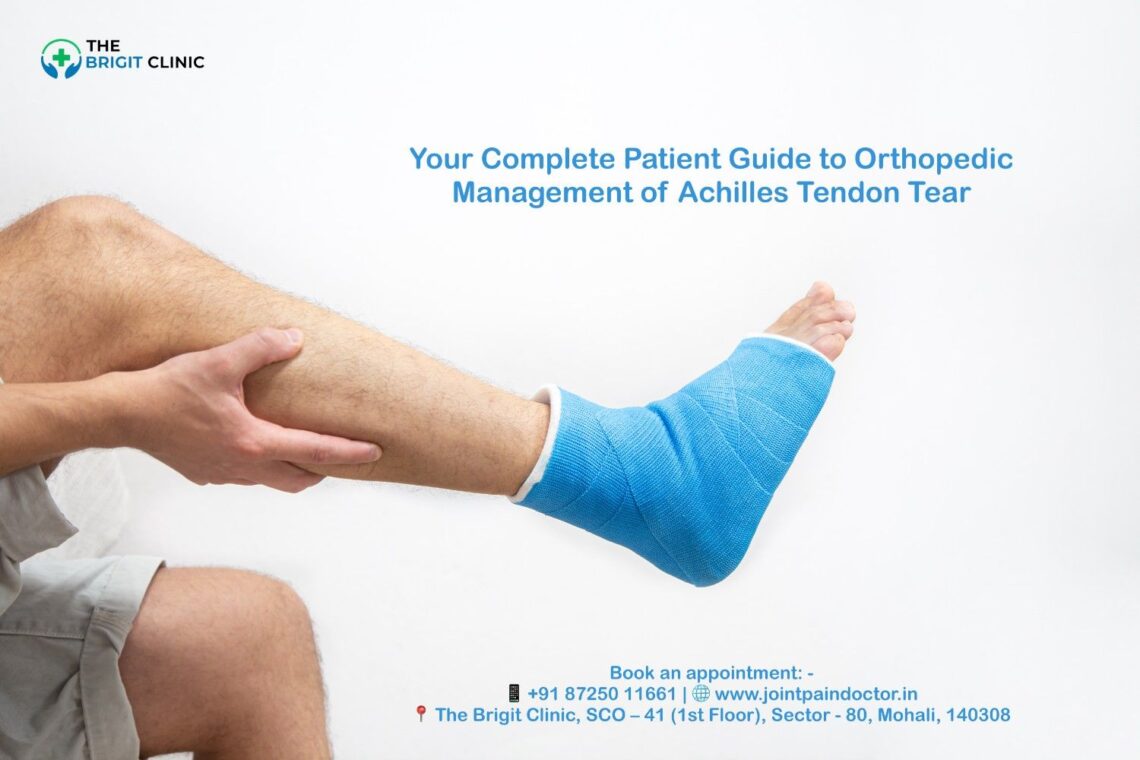
Your Complete Patient Guide to Orthopedic Management of Achilles Tendon Tear

Despite being the largest tendon in your body and capable of withstanding forces up to 10 times your body weight, the Achilles tendon is surprisingly vulnerable to complications. Understanding the Orthopedic Management of Achilles Tendon Tear is the first step toward a successful recovery. Achilles tendon ruptures are very common sports injuries, occurring most frequently in people ages 30 to 40 and affecting men more often than women.

If you’re among the “weekend warriors” who exercise intensely without regular training, you face a higher risk of tearing your Achilles than younger, well-trained athletes. Additionally, these injuries can be missed in up to 25% of cases, making proper diagnosis crucial. Whether you’re dealing with a partial or complete tear, understanding your treatment options is essential for recovery. This comprehensive guide will walk you through everything you need to know about Achilles tendon tears—from identifying symptoms and risk factors to exploring both conservative and surgical treatment approaches that can help you return to your normal activities.

For expert diagnosis and a personalised treatment plan, 
Consult the Best Orthopedic Doctor in Mohali or call +91 87250 11661

Understanding Achilles Tendon Tear

The Achilles tendon is a critical structure that plays a significant role in your daily movements. Understanding its function and how it can tear will help you better recognise and manage this injury.

What is the Achilles tendon?

The Achilles tendon, also called the calcaneal tendon, is the thickest and strongest tendon in your body. This fibrous band of tissue connects your calf muscles (gastrocnemius and soleus) to your heel bone (calcaneus). Located at the back of your lower leg, this powerful tendon spans approximately 6 to 10 inches in adults.

What makes the Achilles tendon remarkable is its incredible strength—it can support forces up to four times your body weight. This impressive capacity allows you to perform essential movements like walking, running, and jumping. When your calf muscles contract, they pull on the Achilles tendon, causing your foot to point downward (plantarflexion), which helps lift your heel off the ground during physical activities.

Partial vs complete Achilles tendon tear

Achilles tendon tears exist on a spectrum from minor damage to complete rupture. Understanding the difference between partial and complete tears is crucial for proper treatment.

In a partial tear, only a portion of the tendon fibres is damaged. Think of this like a frayed rope where some strands remain intact while others are torn. With a partial tear, you’ll experience:

  • Localised soreness around the tendon
  • Some swelling that gradually decreases
  • Full function of the ankle despite pain

A complete tear occurs when the tendon ruptures entirely, separating into two distinct parts. This severe injury results in:

  • A noticeable “pop” or snapping sound at the moment of injury
  • Complete loss of strength and function in the ankle
  • Extreme difficulty walking or exercising
  • Significant swelling around the ankle
  • In some cases, visible displacement of calf muscles

The Thompson test is commonly used by doctors to diagnose a complete rupture—when squeezing the calf fails to produce normal foot movement, it indicates a tear.

Common causes and overuse injuries

Most Achilles tendon tears happen during recreational sports or athletic activities. The tendon typically ruptures when exposed to sudden, powerful forces, especially during activities requiring quick stops, starts, and pivots—such as soccer, football, basketball, tennis, or squash.

Several specific scenarios commonly lead to tears:

  • Landing awkwardly from a jump
  • Cutting movements during sports
  • Sudden acceleration or forceful pushing off with the foot
  • Direct trauma to the tendon
  • Tripping or falling, particularly when the foot is forced upward[18]

Certain factors increase your risk of experiencing an Achilles tendon tear. As you age, the tendon naturally becomes stiffer and weaker. “Weekend warriors”—adults who exercise intensely without regular training—face a higher risk than consistently trained athletes.

Furthermore, medical conditions like inflammatory diseases, diabetes, obesity, and certain medications (including fluoroquinolone antibiotics and corticosteroids) can weaken the tendon structure. Mechanical issues such as tight calf muscles, improper footwear, and training errors also contribute to vulnerability.

Overall, Achilles tendon ruptures affect approximately 12 per 100,000 individuals, most commonly occurring between ages 40 and 50, with men experiencing them 2 to 12 times more frequently than women.

If you're active and experiencing heel pain, visit a Sports Injury Clinic Mohali for a risk evaluation. Book your appointment or call +91 87250 11661

Recognising Symptoms and Risk Factors

Recognising an Achilles tendon tear promptly can make a significant difference in your treatment outcomes. By understanding the tell-tale signs and knowing your risk profile, you might prevent a delayed diagnosis that occurs in up to 25% of cases.

Sudden pop in the back of the ankle

The most distinctive sign of an Achilles tendon rupture is experiencing (and sometimes hearing) a sudden “pop” or “snap” at the back of your ankle. This sensation is so pronounced that many mistake it for being struck from behind. The sound represents the actual moment when your tendon fibres separate.

After this characteristic pop, you’ll likely feel immediate, intense pain. The sensation resembles what would happen if someone kicked you forcefully in the lower leg. Unlike gradual onset injuries, this moment is unmistakable and marks a clear point when damage occurred.

Call your doctor immediately if you experience this sudden snap during physical activity. This symptom alone strongly suggests a complete tear rather than a minor strain, consequently requiring proper medical evaluation.

Heel pain & swelling

Following a tear, sharp, sudden pain typically develops near your heel. Initially, this pain might be unbearable, though it sometimes subsides slightly after the acute injury. The area around your Achilles tendon will swell noticeably, often accompanied by bruising along the back of the ankle.

The discomfort pattern differs from other foot conditions. With an Achilles tendon tear, pain tends to be localised specifically to the back of the ankle where the tendon attaches to your heel bone. Throughout the day, this pain might intensify with activity.

Morning stiffness presents another common symptom, where the affected area feels particularly tight and sore when you first get up. As you move around, this stiffness sometimes improves temporarily.

Calf pain after injury

Beyond the immediate heel area, pain often radiates upward into your calf muscle. This happens because the calf muscles connect directly to the Achilles tendon, creating a continuous pain pathway.

The discomfort in your calf typically worsens during activities that engage these muscles, such as climbing stairs or walking uphill. Furthermore, weakness in the leg becomes apparent when attempting to push off with the affected foot.

For partial tears, you might maintain some function despite the pain. However, with complete ruptures, standing on tiptoes or performing basic foot movements becomes nearly impossible.

Risk factors for Achilles tendon tear

Several factors increase your vulnerability to Achilles tendon tears:

Age and Gender: The peak age for ruptures occurs between 30-40 years, though some sources identify 40-50 as the highest risk period. Men experience these injuries four to five times more frequently than women.

Activity Patterns: “Weekend warriors” face significantly higher risk than regularly trained athletes. Sports involving quick stops, starts, and pivots present the greatest danger—particularly soccer, basketball, tennis, football, and racquet games.

Medical Factors: Certain conditions predispose you to tendon injuries:

  • Previous Achilles tendinopathy
  • Diabetes
  • High cholesterol or blood pressure
  • Psoriasis
  • End-stage kidney disease
  • Inflammatory arthritis

Medication Usage: Some medications weaken tendon structure, notably:

  • Fluoroquinolone antibiotics[28]
  • Corticosteroid injections
  • Oral bisphosphonates

Biomechanical Issues: Physical characteristics matter too. Having tight calf muscles, flat arches, overpronation (ankles rolling inward), or legs of different lengths all increase your risk[30].

Understanding these symptoms and risk factors helps you identify potential problems early and seek appropriate orthopaedic management for Achilles tendon tears before complications develop.

Experienced a pop or snap in your ankle? Seek immediate consultation with an Orthopedic Doctor in Mohali for Achilles Tear, call +91 87250 11661

How Achilles Tendon Tears Are Diagnosed

Getting an accurate diagnosis is essential for proper orthopaedic management of an Achilles tendon tear. Medical professionals use several examination techniques combined with imaging to confirm your injury.

Physical exam and Thompson test

Your doctor will begin by asking about your symptoms and medical history, followed by a thorough physical examination of your lower leg. During this examination, they’ll check for tenderness, swelling, and potentially feel for a gap in your tendon if it has ruptured completely.

The Thompson test (sometimes called the calf squeeze test) is a key diagnostic procedure with 96-100% sensitivity and 93-100% specificity for detecting Achilles ruptures. Here’s how it works:

  • You’ll lie face down with your feet hanging over the edge of the exam table
  • Your doctor will gently squeeze your calf muscle
  • In a healthy tendon, this causes your foot to point downward naturally
  • If your foot doesn’t move during the squeeze, it indicates a likely rupture

To confirm the diagnosis, doctors often use additional clinical signs like checking for a palpable gap in the tendon (typically 3-6cm above the heel) and assessing plantar flexion strength.

MRI vs Ultrasound in Achilles tendon tear

Both MRI and ultrasound provide valuable diagnostic information, albeit with different strengths:

Ultrasound shows the tendon in real-time and demonstrates how it responds to movement. It’s highly accurate with 95% sensitivity and 99% specificity for detecting full-thickness tears. Ultrasound is generally:

  • More cost-effective
  • Readily available
  • Excellent for detecting tendinopathy and complete ruptures

MRI creates detailed images of soft tissues and is particularly valuable for:

  • Detecting partial tears (superior to ultrasound)
  • Assessing the distance between torn tendon ends
  • Postoperative evaluation
  • Ruling out other injuries with similar symptoms

Most specialists recommend ultrasound over MRI for initial diagnosis and monitoring, though your doctor may order both depending on your specific situation.

When to see a doctor

Seek immediate medical attention if you experience:

  • A popping or snapping sound at the time of injury
  • Suddenly, severe pain in the back of your ankle
  • Difficulty walking or standing on tiptoes
  • Visible swelling around the heel area

Even if you can walk with a ruptured Achilles (which many people can), it’s crucial to see a healthcare provider promptly. Using your ankle and putting full weight on it before diagnosis can worsen the injury. Importantly, up to 20% of Achilles tendon ruptures are initially misdiagnosed, often confused with ankle sprains, making proper medical evaluation essential for effective treatment.

For advanced diagnostic imaging and expert interpretation, visit the Best Ortho Doctor in Mohali. Schedule your visit.

Treatment Options: Conservative and Surgical

Treatment decisions for Achilles tendon tears depend on several factors, including your age, activity level, and the severity of your injury. Both non-surgical and surgical approaches offer viable pathways to recovery, each with distinct advantages.

Achilles tendon tear – conservative management

Conservative treatment involves non-surgical approaches that typically include rest, immobilisation, and controlled rehabilitation. This option is often suitable for older patients, those with limited activity goals, or individuals with health conditions that increase surgical risks.

For partial tears with less than 5mm gap between ruptured tendon edges, conservative management can be particularly effective. The traditional approach involves wearing a below-knee cast in an equinus (pointed down) position for four weeks without weight-bearing, followed by a neutral position cast with weight-bearing for another four weeks.

Surgical treatment of Achilles tendon tear

Surgical intervention appears to be the preferred method for athletes and younger, active individuals. The primary benefit of surgery is a lower re-rupture rate compared to non-surgical treatment.

The procedure typically involves making an incision in the back of your leg and stitching the torn tendon together. In cases of severe degeneration, surgeons may remove damaged portions and repair the remaining healthy tendon.

Minimally invasive Achilles tendon tear surgery

This advanced technique involves a small 3-4cm incision instead of the traditional 10cm cut. Through this smaller opening, specialised instruments guide sutures into the tendon to complete the repair.

The minimally invasive approach offers several advantages:

  • Reduced wound healing issues
  • Lower infection rates
  • Less scar tissue formation
  • Faster return to normal activities

Immobilisation vs early mobilisation in Achilles tendon tear

Historically, rigid cast immobilisation for six weeks was standard practice. Nevertheless, recent research strongly supports early functional rehabilitation and mobilisation.

Studies demonstrate that early mobilisation doesn’t increase re-rupture rates. Moreover, it offers superior benefits:

  • Decreases excessive adhesion formation
  • Improves the biomechanical properties of healing tissue
  • Enhances tendon gliding function
  • Reduces joint stiffness and muscle atrophy

Medication for tendon inflammation

Pain management typically begins with over-the-counter options like ibuprofen or naproxen sodium. For persistent discomfort, prescription medications might include COX-2 inhibitors, which potentially cause fewer gastrointestinal side effects than traditional NSAIDs.

PRP Achilles tendon tear therapy

Platelet-rich plasma (PRP) therapy involves injecting a concentrated solution of your own platelets into the injured area. These platelets contain growth factors that may promote tissue repair and regeneration.

Currently, evidence regarding PRP effectiveness remains mixed. Some studies show improvements in ankle dorsiflexion angle and calf circumference, whereas others found no significant differences in patient-reported outcomes at two years post-injury.

Explore all treatment options, including Minimally Invasive Achilles Surgery in Mohali, with the Best Orthopedician in Mohali. Discuss your choices at https://jointpaindoctor.in/ or 
Call *+91 87250 11661* to learn more about the Achilles Tear Surgery Cost Mohali.

Recovery, Rehab, and Return to Activity

Full healing from an Achilles tendon tear requires a comprehensive rehabilitation approach tailored to your specific needs. The recovery journey typically spans four to six months, regardless of whether you underwent surgical or non-surgical treatment.

Physical therapy and strengthening

Physical therapy serves as the cornerstone of Achilles tendon rehabilitation. The duration varies based on injury severity—from a few weeks to several months. Your therapist will focus on three primary goals: pain relief through various modalities, restoring proper movement patterns, and rebuilding muscle strength and balance.

Eccentric exercises stand out as the most evidence-based intervention for Achilles rehabilitation. This approach, typically performed twice daily for at least 11 weeks, has been shown to reduce pain by an average of 60% across multiple clinical trials. The Alfredson protocol remains the gold standard, gradually progressing from bilateral to single-leg heel raises.

For optimal recovery, maintain a consistent exercise regimen alongside gradually increasing weight-bearing activities. Initially, you’ll use a walking boot with progressively decreasing heel wedges until reaching a neutral position, usually around 6-8 weeks post-injury.

Custom orthotics post Achilles repair

Bespoke orthotics play a valuable role in recovery by providing proper foot alignment, enhancing shock absorption, and correcting biomechanical issues that might stress your healing Achilles tendon. These devices primarily keep your heel raised, reducing the workload on the tendon while protecting against re-rupture.

Studies have demonstrated that custom foot orthoses can significantly improve symptoms in athletes with Achilles tendinopathy, with participants reporting an average 92% improvement when using high-density EVA orthotics.

Equinus contracture after Achilles tendon tear

Equinus contracture—excessive tightness limiting ankle dorsiflexion—often develops following Achilles injuries. Conservative management through physical therapy, stretching, and night splints should be attempted first. For refractory cases, surgical options include gastrocnemius lengthening, soleus fascial release, or Achilles tendon lengthening procedures.

Return to sports after Achilles tendon tear

Returning to sports requires patience—full athletic activities should be avoided for at least 6 months post-injury. The return process follows a carefully structured progression: controlled strengthening, followed by plyometric training, and finally sport-specific movements.

Before resuming competitive activities, you should achieve specific milestones: single-leg heel raise at 90% height compared to your uninjured side, normal gait mechanics, and pain-free performance of sport-specific movements. Even with optimal rehabilitation, expect some persistent strength deficits (10-30%) in the affected leg beyond the one-year mark.

Access comprehensive rehabilitation programs at our Orthopedic Hospital in Mohali for the Achilles Rupture facility. Start your recovery journey with the Best Achilles Tendon Surgeon in Mohali by calling +91 87250 11661

Conclusion

Achilles tendon tears represent serious injuries that require prompt diagnosis and appropriate treatment for optimal recovery. Throughout this guide, we’ve explored how these tears happen, their symptoms, and the available treatment approaches. Whether you choose conservative management or surgical intervention, your recovery journey demands patience and commitment to rehabilitation protocols.

Most patients can expect a full recovery period of four to six months, though some strength deficits might persist beyond the one-year mark. During this time, physical therapy will become your essential ally, particularly through eccentric strengthening exercises that have proven highly effective for tendon healing.

Remember that each case differs based on factors like age, activity level, and tear severity. Therefore, working closely with healthcare professionals remains crucial for developing a personalised treatment plan. Custom orthotics might benefit your recovery by improving foot alignment and reducing stress on your healing tendon.

Though returning to sports and normal activities takes time, a structured approach to rehabilitation significantly improves your outcomes. Above all, don’t rush this process. Your body needs adequate time to rebuild the strongest tendon in your body.

Armed with this knowledge about Achilles tendon tears, you can now make informed decisions about your care if faced with this injury. Early recognition of symptoms, prompt medical attention, and dedication to your rehabilitation program will ultimately determine your successful return to the activities you enjoy.

For a successful recovery under expert guidance, book your final consultation at https://jointpaindoctor.in/ or call +91 87250 11661

Key Takeaways

Understanding Achilles tendon tears and their proper management can significantly impact your recovery outcomes and help you make informed treatment decisions.

• Recognise the warning signs early: A sudden “pop” sound, severe heel pain, and inability to stand on tiptoes indicate a potential Achilles rupture requiring immediate medical attention.

• Both surgical and conservative treatments work: Your age, activity level, and tear severity determine the best approach—athletes often benefit from surgery while older patients may succeed with non-surgical management.

• Early mobilisation beats prolonged immobilisation: Modern rehabilitation emphasises controlled movement over extended casting, leading to better outcomes and faster functional recovery.

• Recovery takes 4-6 months minimum: Patience is crucial as rushing back to activities increases re-rupture risk—expect some strength deficits even after one year.

• Physical therapy is non-negotiable: Eccentric strengthening exercises, particularly the Alfredson protocol, form the foundation of successful rehabilitation regardless of treatment method chosen.

The key to successful Achilles tendon recovery lies in prompt diagnosis, appropriate treatment selection, and unwavering commitment to structured rehabilitation. Don’t underestimate this injury—proper management now prevents long-term complications and ensures your return to normal activities.

Ready to start your treatment? Contact the Best Orthopedic Doctor Mohali today 
or call +91 87250 11661

FAQs

Q1. What are the main symptoms of an Achilles tendon tear?

A1. The primary symptoms include a sudden “pop” or snapping sensation in the back of the ankle, intense heel pain, swelling around the affected area, and difficulty walking or standing on tiptoes.

Q2. How long does it typically take to recover from an Achilles tendon tear?

A2. Recovery usually takes 4-6 months, regardless of whether surgical or non-surgical treatment is chosen. However, some strength deficits may persist for over a year.

Q3. Is surgery always necessary for an Achilles tendon tear?

A3. Not always. The decision between surgical and conservative treatment depends on factors like age, activity level, and tear severity. Athletes often benefit from surgery, while older patients may succeed with non-surgical management.

Q4. What role does physical therapy play in Achilles tendon tear recovery?

A4. Physical therapy is crucial for recovery, focusing on pain relief, restoring proper movement, and rebuilding strength. Eccentric exercises, particularly the Alfredson protocol, are considered highly effective for rehabilitation.

Q5. When can I return to sports after an Achilles tendon tear?

A5. Full athletic activities should be avoided for at least 6 months post-injury. Before returning to competitive sports, you should achieve specific milestones like single-leg heel raises at 90% height compared to the uninjured side and pain-free performance of sport-specific movements.

About the Doctor – Dr. Manu Mengi

Dr. Manu Mengi is a highly skilled and renowned Orthopedic Surgeon in Mohali, specialising in the management and treatment of sports injuries, particularly complex Achilles tendon tears. With extensive experience and a commitment to adopting the latest surgical techniques, including minimally invasive procedures, Dr. Mengi provides personalised care to each patient. He leads a state-of-the-art Ortho Clinic in Mohali that is equipped with advanced diagnostic technology to ensure accurate assessments and the most effective treatment plans. Dedicated to helping patients return to their active lifestyles, Dr. Mengi is considered one of the best orthopedic doctors in the region for Achilles tendon repair and rehabilitation.


Book an Appointment today - 
📱 +91 87250 11661 | 🌐 Read Reviews | 📍 Get Directions
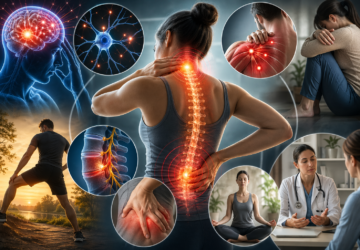
The Hidden Link Between Your Sleeping Posture and Back Pain

Ever woken up with a tingling arm or an achy neck? Your sleeping posture & back pain might be more connected than you realise. Lower back pain is the leading cause of disability worldwide, with up to eight out of ten people experiencing at least one episode during their lifetime. If you’re struggling with persistent discomfort, consulting the Best Doctor for Back Pain Treatment in Mohali, Dr. Manu Mengi, can help diagnose and treat underlying issues effectively.

The relationship between sleep and pain works both ways. While back pain can make finding a comfortable sleeping position difficult, poor sleeping posture can cause or worsen your existing discomfort. Research clearly shows that there’s a significant correlation between pain and sleep quality. Consequently, making simple changes to your sleeping posture for back pain can lead to better spine alignment while sleeping and significantly reduce your discomfort.

Throughout this article, you’ll discover which positions support your spine and which ones might be contributing to your morning stiffness. Furthermore, you’ll learn practical tips for creating a sleep environment that helps alleviate back pain rather than causing it. Whether you’re dealing with chronic issues or occasional discomfort, understanding the hidden link between how you sleep and how you feel could be the key to waking up pain-free.

How sleep position affects your spine

Your spine is designed with specific natural curves that distribute weight and pressure throughout your body. During sleep, maintaining these curves becomes particularly important for preventing discomfort and injury.

Why spine alignment matters during sleep

The spine serves as the central support system for your body, protecting the spinal cord and helping distribute weight across muscles and bones. Good sleeping posture maintains these natural curves even while lying down. When your head, neck, or hips aren’t properly supported, the spine becomes misaligned, potentially leading to both immediate discomfort and long-term problems.

Misalignment during sleep puts uneven pressure on different parts of your spine. Sleeping on your back, for instance, places approximately 50 pounds of pressure on your spine. This pressure, when distributed unevenly due to poor posture, can cause muscle imbalances and strain that manifest as morning pain.

The role of gravity and pressure points

Gravity is a fundamental yet often overlooked factor affecting your sleep quality and spinal health. Research shows that gravitational forces continue to act on your body during sleep, influencing everything from muscle relaxation to breathing patterns.

Different sleeping positions interact with gravity in unique ways. When lying flat, gravity can cause soft tissues in your upper airway to relax and potentially obstruct breathing. Moreover, your mattress creates pressure points where your body makes the most contact with the surface.

A soft mattress allows the hips to sink too deeply, creating an unnatural spinal curve that may trigger lower back pain. Conversely, a mattress that’s too firm creates excessive pressure on contact points like shoulders and hips, potentially causing skin sores and muscle soreness.

Common signs your sleep posture is causing pain

Your body often signals when sleep posture is problematic. Watch for these warning signs:

  • Morning neck stiffness or soreness, especially if you sleep on your stomach with your head twisted
  • Waking with numbness or tingling in the arms or legs
  • Lower back pain that improves once you’ve been up and moving
  • Persistent shoulder pain on one side (usually the side you sleep on)
  • Headaches that begin shortly after waking

Sleep allows muscles surrounding the spine to fully relax through a process called muscle atonia. This relaxation is essential for recovery, but only works properly when your spine remains in neutral alignment throughout the night.

🔹 Struggling with chronic back pain? Visit the Best Back Pain Relief Clinics in Mohali for personalised treatment! Book an appointment now.

Best and worst sleep positions for back pain

Finding the right sleeping position can make a world of difference for your back. Each posture offers unique benefits and drawbacks depending on your specific condition.

Back sleeping: pros, cons, and pillow tips

Sleeping flat on your back is often considered the gold standard for spine health. This position distributes weight evenly across your body’s widest surface area, helping maintain the spine’s natural curve. Back sleeping keeps your head, neck and spine in a neutral position, reducing pressure that contributes to aches and pains.

To optimise this position, place a pillow underneath your knees. This simple adjustment helps reduce pressure on your lumbar spine. Additionally, using a thin pillow for your head prevents your neck from arching unnaturally.

Though ideal for spinal alignment, back sleeping isn’t perfect for everyone. This position may worsen snoring and sleep apnea as gravity causes the tongue or loose tissues in the throat to collapse and block the airway.

Side sleeping: how to do it right

Side sleeping ranks as the second-best position for avoiding back pain. This position helps keep your spine elongated and can significantly reduce pressure points along your back.

For optimal side sleeping, stretch your legs out straight rather than curling them. Place a firm pillow between your knees to maintain proper spinal alignment and prevent your top leg from pulling your spine out of position. Keep your ears aligned with your shoulders and your chin in a neutral position.

Fetal position: when it helps and when it hurts

The fetal position—lying on your side with knees drawn up toward your chest—is among the most popular sleeping positions despite its mixed benefits. This position can help open the space between your spinal vertebrae and reduce tension on your disks.

Nevertheless, curling too tightly can restrict movement and place excessive pressure on joints, particularly in the knees, hips, and spine. Over time, this may lead to stiffness or discomfort, especially without adequate mattress support.

Stomach sleeping: why it’s usually a bad idea

Stomach sleeping is generally considered the worst position for your spine. This position puts the most pressure on your spine’s muscles and joints because it flattens the natural curve of your spine. Additionally, it forces you to turn your neck to breathe, which can cause neck and upper back pain.

If you absolutely must sleep on your stomach, place a thin pillow under your pelvis and lower abdomen to reduce strain on your back.

Reclined sleeping: when it’s beneficial

For some people, particularly those with specific back conditions, reclined sleeping offers notable benefits. This position helps reduce pressure on your spine by creating an angle between your trunk and thighs.

Reclined positions can be especially helpful after surgery or for people with conditions like degenerative disk disease. The slightly elevated position also improves circulation and can reduce inflammation associated with back pain.

🔹 Looking for a Lower Back Pain Specialist in Mohali? Dr. Manu Mengi provides expert care tailored to your needs. Call +91 87250 11661 today!

How to improve your sleep setup

Creating an optimal sleep environment goes beyond just finding the right position. Your mattress, pillows, and supporting accessories play crucial roles in spinal health.

Choosing the right mattress for back pain relief

Medium-firm mattresses consistently show the most significant benefits for relieving back pain. According to research, 75% of orthopaedic surgeons recommend firmer surfaces for back pain sufferers. Memory foam and latex options provide excellent support by contouring to your body’s natural curves, distributing weight evenly and helping maintain proper spinal alignment. However, avoid mattresses that are too soft as they allow your body to sink excessively, causing your spine to curve unnaturally.

Pillow support for the lower back and neck

Proper pillow support can dramatically improve spine alignment. Lumbar support pillows placed beneath your lower back help maintain the natural curve of your spine. For neck support, cervical pillows with an S-shape design reduce pain by providing the perfect balance between softness and firmness. Side sleepers should use higher loft pillows to fill the gap between the shoulder and head, whereas back sleepers benefit from medium loft options. Interestingly, water pillows offer customizable support and pressure relief.

Using props like towels and body pillows

Simple household items can transform your sleep setup. Rolling up a towel or sheet and placing it where your lumbar area rests provides targeted support. For side sleepers, placing a pillow between your knees aligns your hips and reduces pressure on your lower back. Body pillows offer comprehensive support for side sleepers by simultaneously aligning the spine and reducing pressure on hips and shoulders.

Sleeping on the floor vs bed: does it help?

The evidence regarding floor-sleeping is primarily anecdotal. Some report back pain relief from firmer surfaces, yet scientific proof remains limited. The potential benefits include improved posture since softer surfaces allow your spine to curve while hard surfaces provide better support. Nevertheless, studies indicate medium-firm surfaces, not extremely firm ones, offer optimal pain relief.

Signs your mattress or pillow needs replacing

Replace your mattress every 6-8 years. Watch for visible indentations deeper than 1.5 inches, which indicate inadequate support. Other signs include waking with unexplained stiffness or pain, increased allergies from accumulated dust mites, and sleeping better elsewhere than in your bed. Your pillow needs replacing if it’s too thin, causing your head to rest lower than your chest.

🔹 Is your mattress worsening your back pain? Consult the Best Orthopedic Doctor in Mohali for Back Pain, Dr. Manu Mengi, for professional guidance.

Tips for long-term sleep posture correction

Correcting poor sleeping posture isn’t a one-night fix but requires consistent effort and proper techniques. Long-term improvement demands both behavioural changes and physical adjustments that train your body over time.

Stretching and mobility routines before bed

Gentle stretching before sleep can significantly improve the quality of your rest by relieving muscle tension that accumulates during the day. Consider your day like running a marathon—regardless of whether you’ve been walking, standing, or sitting, your muscles need relaxation to recover properly. Nighttime stretches for your neck, shoulders, and back help release tension and prevent muscle spasms that might wake you up. Ideally, perform these stretches 30-60 minutes before bedtime, not immediately before falling asleep.

Morning stiffness & sleep posture connection

Initially, many people dismiss morning back pain as “just part of ageing,” yet research reveals a direct link between sleep posture and waking discomfort. Studies show that people with cervical and lumbar pain spend approximately twice as long in provocative side-lying positions compared to those without pain. Furthermore, those experiencing spinal symptoms change sleep positions more frequently throughout the night. This correlation indicates that correcting sleep posture may effectively reduce morning stiffness.

How to sleep with scoliosis or herniated disks

For scoliosis patients, back sleeping typically offers the most relief as it helps maintain spine elongation without twisting. Alternatively, side sleeping with properly positioned pillows between knees and ankles can minimise asymmetrical tension. Those with herniated disks often find relief in the fetal position, which opens vertebral spaces and reduces pressure on disks. Sleeping in a reclined position creates a beneficial angle between your trunk and legs, allowing core muscles to rest.

Sleep advice for pregnancy-related back pain

Pregnant women experiencing back pain should avoid sleeping as it puts pressure on the aorta and vena cava. Instead, side sleeping with one or both knees bent provides optimal support. Place pillows between bent knees, under your abdomen, and behind your back. Consider using full-body pregnancy pillows specifically designed to support your changing body shape.

Training your body to adopt better positions

Changing sleep habits requires patience and consistency. The “tennis ball technique” effectively prevents rolling onto problematic positions—simply sew a tennis ball into your pyjamas to discourage certain positions. Electronic devices that vibrate when you roll into poor positions offer gentler feedback and better long-term compliance. Finally, gradually transition to new positions using strategic pillow placement, including supports under your knees for back sleeping or between your knees for side sleeping.

🔹 For expert Back Pain Treatment in Mohali, trust Dr. Manu Mengi’s proven methods. Schedule a visit today! Call +91 87250 11661.

Conclusion

The connection between your sleep position and back pain runs deeper than most people realise. Your nightly posture significantly impacts spinal health, potentially creating or relieving pain depending on your choices. Back sleeping generally offers the best support for your spine’s natural curves, while side sleeping with proper pillow support between your knees serves as an excellent alternative. Conversely, stomach sleeping typically causes more harm than good due to the unnatural neck twist and flattened spinal curve it creates.

Beyond position alone, your sleep setup plays a crucial role in back health. A medium-firm mattress paired with appropriate pillows creates the foundation for proper alignment throughout the night. Additionally, simple props like rolled towels or body pillows can transform your sleep experience by providing targeted support exactly where needed.

Changing long-established sleep habits certainly requires patience. Still, the benefits of proper sleep posture extend far beyond just your nights—they directly influence how you feel each morning and throughout your day. Persistent morning stiffness often signals the need for sleep posture adjustments rather than representing an inevitable part of ageing.

Your specific health conditions also factor into optimal sleeping arrangements. Whether dealing with scoliosis, herniated disks, or pregnancy-related discomfort, tailored approaches to sleep positioning can make a substantial difference in your pain levels.

Remember that small, consistent changes to your sleep habits can yield significant results over time. Therefore, implementing the recommended positions and support techniques gradually helps train your body toward better alignment. The effort you invest in improving your sleep posture now will reward you with more restful nights and pain-free mornings for years to come.

🔹 Ready to say goodbye to back pain? Consult Dr. Manu Mengi, the Best Doctor for Back Pain in Mohali, for lasting relief. Call +91 87250 11661.

Key Takeaways

Understanding the connection between sleep position and back pain can transform your nights and mornings, leading to better spinal health and reduced discomfort.

• Back sleeping is optimal for spine health – distributes weight evenly and maintains natural spinal curves, but add a pillow under the knees for best results.

• Medium-firm mattresses provide the best pain relief – 75% of orthopedic surgeons recommend firmer surfaces, as they support natural alignment without excessive sinking.

• Side sleeping requires proper pillow placement – place a firm pillow between the knees to maintain spinal alignment and prevent hip rotation.

• Stomach sleeping should be avoided – this position flattens natural spinal curves and forces neck twisting, creating the most pressure on spine muscles.

• Simple props can dramatically improve sleep quality – rolled towels for lumbar support and body pillows for side sleepers provide targeted relief at minimal cost.

Poor sleep posture affects 8 out of 10 people who experience back pain during their lifetime. The good news is that making these evidence-based adjustments to your sleep setup can break the cycle of pain and poor sleep quality, helping you wake up refreshed rather than stiff.

FAQs

Q1. How does sleeping position affect back pain?

A1. Different sleeping positions can either alleviate or exacerbate back pain. Back sleeping is generally considered the best for spine health as it maintains natural spinal curves. Side sleeping with proper pillow support is also beneficial. Stomach sleeping is usually the worst position as it flattens the spine’s natural curve and forces neck twisting.

Q2. What type of mattress is best for reducing back pain?

A2. Medium-firm mattresses are typically recommended for back pain relief. They provide adequate support to maintain proper spinal alignment without being too hard. Memory foam and latex options can be particularly effective as they contour to your body’s natural curves and distribute weight evenly.

Q3. Can sleeping with a partner contribute to back pain?

A3. Yes, sleeping with a partner can potentially lead to back pain if it causes you to adopt poor sleeping postures. Compromising your natural sleeping position to accommodate your partner or using an unsuitable mattress for two people can create compressions or twists in your body, potentially leading to discomfort.

Q4. Are there any props that can help improve sleep posture?

A4. Yes, several props can enhance sleep posture. Placing a pillow between your knees when side sleeping can help maintain spinal alignment. For back sleepers, a pillow under the knees can reduce pressure on the lower back. Lumbar support pillows and body pillows can also provide targeted support and improve overall sleep posture.

Q5. How often should I replace my mattress to prevent back pain?

A5. It’s generally recommended to replace your mattress every 6-8 years. However, if you notice visible indentations deeper than 1.5 inches, experience unexplained morning stiffness or pain, or find you sleep better elsewhere than in your bed, it might be time for a replacement sooner. A worn-out mattress can contribute to poor sleep posture and back pain.

About Best Doctor for Back Pain Treatment in Mohali – Dr. Manu Mengi

Dr. Manu Mengi is a renowned Back Pain Specialist in Mohali, offering advanced and personalised treatment for chronic and acute back pain. With years of experience in orthopedic care, he provides the most effective Lower Back Pain Treatment in Mohali, ensuring patients regain mobility and live pain-free lives. Whether you suffer from posture-related discomfort or severe spinal conditions, Dr. Mengi’s expertise ensures the highest standard of care.


📍 Visit his clinic today or check out his Google My Business profile for patient reviews!

How Excess Weight Damages Your Joints: Expert Advice from Mohali’s Top Doctor – Dr. Manu Mengi

Weight Management & Joint Health might be more connected than you realise. Did you know that being just 10 pounds overweight increases the force on your knees by 30-60 pounds with each step? This staggering multiplier effect explains why excess weight so dramatically impacts your joint health. If you’re struggling with joint pain, consulting the Best Joint Pain Specialist in Mohali, like Dr. Manu Mengi, can help you address both weight and joint issues effectively.

When you walk across level ground, the force on your knees already equals 1½ times your body weight. In fact, for every extra kilogram you carry, your joints—particularly the knees—experience about 3 to 5 kilograms of additional pressure. This mechanical stress doesn’t just affect your knees; it extends to all weight-bearing joints, making them more susceptible to pain and damage.

Even modest weight loss can significantly improve your joint comfort and mobility. Losing just 5% to 10% of your body weight can substantially reduce knee pain, while a sustained 10-15 pound weight loss in younger years can translate to a much lower risk of osteoarthritis later in life. Throughout this guide, you’ll discover the science behind how your joints work, why excess weight causes problems, and practical, evidence-based strategies to protect your joints for years to come.

How joints work and why weight matters

Joints are the remarkable connections between bones that allow your body to move with flexibility and precision. Understanding their structure helps explain why excess weight can be so damaging to these vital mechanisms.

What are joints, and how do they function

Your body contains various types of joints, but the most important for movement are synovial joints—the freely movable connections found in your knees, hips, ankles, shoulders, and wrists. These joints are surrounded by a fibrous capsule and lined with a specialised membrane called the synovium. Unlike other tissues, synovial joints contain a joint cavity that enables a wide range of motion. This remarkable design allows you to walk, run, climb, and perform countless daily activities with ease.

Why does joint health and mobility decline with stress

When you carry excess weight, your joints bear a surprisingly disproportionate burden. For every pound of body weight, your knees experience the equivalent of 1½ times that force when walking on level ground. This pressure multiplies dramatically during everyday activities—the force increases to 2-3 times your body weight when climbing stairs and 4-5 times when squatting to tie your shoelaces.

Over time, this additional pressure accelerates wear and tear on your joints. The mechanical stress creates an imbalanced weight distribution and can reduce your range of motion. Consequently, joints become stiff and painful, making everyday tasks increasingly difficult. This explains why being overweight is strongly associated with joint problems, especially in weight-bearing joints like knees and hips.

The role of cartilage and synovial fluid

Your joints rely on two critical components for smooth, pain-free movement. First, articular cartilage—a tough, slippery layer that covers the ends of bones—acts as a shock absorber during high-impact activities. This cartilage endures tremendous stress, especially during walking or running when impact frequency reaches 0.5 to 10 Hz.

Second, synovial fluid serves as your body’s natural joint lubricant. This specialised fluid contains hyaluronic acid (1-4 mg/ml) and lubricin, the most lubricating molecule in the human body. Together, these components reduce friction between moving joint surfaces and provide essential nutrients to the cartilage.

Excess weight accelerates the breakdown of this protective cartilage, resulting in conditions like osteoarthritis, where the cushioning wears away, leading to pain, swelling, and stiffness. Additionally, the degradation of these components means less protection and lubrication, creating a painful cycle of joint deterioration.

👉 Want a personalised joint-friendly workout plan? Visit the Obesity and Joint Pain Doctor in Mohali for expert guidance!

Mechanical stress: how extra weight strains your joints

The mechanical burden of excess weight on your joints creates a ripple effect throughout your body. Every extra pound multiplies stress on weight-bearing joints, accelerating wear and tear far beyond what many realise.

Knee pain due to overweight: the pressure multiplier effect

Excess weight places extraordinary stress on your knees—a relationship with dramatic mathematical consequences. For every pound lost, you remove four pounds of pressure from your knees with each step. This multiplier effect makes even modest weight loss profoundly beneficial. For instance, losing just 5 pounds removes 20 pounds of pressure from your knees, while a 10-pound loss eliminates a remarkable 40 pounds of pressure.

Furthermore, being overweight or obese significantly increases your risk of developing osteoarthritis. Studies show that for every 5kg (11 pounds) of weight gained, your risk of developing osteoarthritis increases by 36%. This progressive joint damage creates a challenging cycle—pain leads to reduced activity, which often results in additional weight gain.

Hip and ankle joint pain from excess weight

Beyond knees, your hips and ankles bear tremendous pressure from excess weight. These weight-bearing joints absorb shock with each step and movement. As your weight increases, both hips and ankles experience accelerated cartilage breakdown and inflammation. Specifically, the feet and ankles remain under constant pressure during standing or walking, potentially leading to conditions like plantar fasciitis and an increased risk of ankle sprains.

Body weight & joint stress during daily movement

Daily activities dramatically multiply joint pressure. Notably, when walking on level ground, the force on your knees equals approximately 1½ times your body weight. This means a 200-pound person places 300 pounds of pressure on their knees with each step. This pressure intensifies with:

    • 2-3 times your body weight when climbing stairs

    • 4-5 times your body weight when squatting to tie shoelaces

Additionally, inadequate lower limb strength in overweight individuals means less absorption of impact forces on weight-bearing joints. As a result, repetitive forces damage articular cartilage over time, potentially leading to permanent joint damage.

👉 Struggling with knee pain? Book a consultation with Dr. Manu Mengi, Mohali’s Top Joint Specialist, today!

Biological effects: inflammation and cartilage damage

Beyond the physical pressure of excess pounds lies a hidden aspect of joint damage. Your body fat actively contributes to joint deterioration through complex biological pathways that can affect every joint in your body.

Role of fat in joint inflammation

Fat tissue isn’t merely storage—it’s an active endocrine organ that secretes inflammatory substances called adipokines. These chemical messengers create a “chronic low-grade inflammatory state” throughout your body. When you carry excess weight, your adipose tissue expands and begins producing higher levels of pro-inflammatory compounds, including tumour necrosis factor-alpha (TNF-α), interleukin-1 beta (IL-1β), and interleukin-6 (IL-6).

Leptin, predominantly expressed by subcutaneous adipose tissue, stands out as particularly problematic. This adipokine increases levels of degradative enzymes and pro-inflammatory cytokines that directly attack joint tissues. Moreover, studies show that chondrocytes (cartilage cells) from obese individuals respond differently to leptin compared to those from normal-weight people, suggesting that obesity creates a biochemical environment where cartilage cells cannot properly protect themselves.

Cartilage damage due to obesity

Inflammation systematically undermines joint integrity. The inflammatory cytokines and proteases present in joints actively degrade cartilage, initiating a destructive cycle. As cartilage fragments release into the synovial space, they trigger further inflammation—synovial macrophages respond by producing more proteases and cytokines. This vicious feedback loop perpetuates joint deterioration regardless of mechanical stress.

Equally significant, obesity doubles your lifetime risk of symptomatic osteoarthritis compared to individuals with a normal BMI. This elevated risk applies even to non-weight-bearing joints, confirming that metabolic factors—not just mechanical pressure—drive joint damage.

Obesity & musculoskeletal disorders beyond weight-bearing joints

Remarkably, excess weight affects joints that bear little to no body weight. Studies demonstrate that obesity increases osteoarthritis risk in hands, shoulders, and other non-weight-bearing joints. This connection underscores how systemic inflammation from adipose tissue impacts your entire musculoskeletal system.

Obesity likewise contributes to numerous soft tissue injuries. Rotator cuff tendonitis, shoulder impingement, and carpal tunnel syndrome all occur more frequently in overweight individuals. Furthermore, surgical outcomes for these conditions typically show inferior results compared to those achieved in normal-weight patients.

The evidence overwhelmingly indicates that obesity represents more than just excess mechanical loading—it creates a body-wide inflammatory environment that attacks joints from within, regardless of their location or weight-bearing status.

Science-backed ways to protect your joints

Protecting your joints requires a multi-faceted approach that goes beyond understanding the problem. With proper strategies, you can minimise joint stress and maintain mobility for years to come.

Weight management through portion control and smart snacking

Losing weight significantly reduces joint pressure—every pound lost removes four pounds of pressure from your knees. Even a modest 5-10% reduction in body weight can substantially decrease joint pain.

Start by pre-portioning snacks into smaller containers instead of eating directly from large packages. Using smaller plates naturally reduces portion sizes, while the “plate method” helps balance meals: fill half your plate with vegetables, one-quarter with protein, and one-quarter with carbohydrates. Before reaching for a snack, drink water first—thirst is often mistaken for hunger.

Low-impact exercises for joint support

Regular exercise strengthens muscles supporting joints while decreasing inflammation. Low-impact activities provide benefits without adding stress to painful joints. Swimming offers an ideal option as water’s buoyancy reduces pressure while providing resistance for strength building. Walking on softer surfaces like tracks rather than concrete minimises impact. Additionally, cycling improves aerobic capacity, blood pressure, and body composition without dieting.

Daily routines to protect your joints

Start each day with gentle stretching to increase flexibility and decrease stiffness. Avoid sitting too long—stand or walk every 30 minutes to keep joint fluid moving. Apply heat before exercise to relax joints, then ice afterwards for up to 20 minutes to reduce inflammation. Listen to your body—if pain lasts more than two hours after activity, you’re likely pushing too hard.

Weight management in post menopausal joint pain

Estrogen helps protect joints and reduce inflammation, making menopausal women particularly vulnerable to joint pain. Combat this through regular exercise—both aerobic and resistance training improve mental health and reduce inflammatory markers. Incorporate omega-3 rich foods (salmon, walnuts), fruits, vegetables, and whole grains to fight inflammation. Stay well-hydrated to keep joints lubricated.

When to seek professional help

Consult a doctor if joint pain persists for more than three days or if you experience several episodes within a month. Seek immediate attention if joints become warm, red, or significantly limit your range of motion. Rheumatologists specialise in arthritis diagnoses, while orthopedists address degenerative conditions. Remember, early intervention can prevent permanent joint damage.

👉  For personalised weight loss plans that protect your joints, visit a trusted Weight Loss Clinic in Mohali. Combining diet, exercise, and expert guidance can significantly reduce knee and hip stress.
⭐ Rated 5/5 on Google: Read patient reviews here.

Conclusion

Protecting your joints requires both awareness and action. Throughout this guide, you’ve seen how excess weight creates a double threat to joint health—mechanical pressure multiplies force on weight-bearing joints while body fat actively promotes inflammation throughout your entire musculoskeletal system. Certainly, the relationship between weight and joint health proves more complex than most people realise.

Weight management stands as your most powerful tool for joint protection. Remember, losing just 10 pounds removes approximately 40 pounds of pressure from your knees with each step. Additionally, this weight loss reduces inflammatory compounds that attack cartilage regardless of joint location.

Low-impact exercises simultaneously strengthen supporting muscles and decrease inflammation without adding stress to painful joints. Meanwhile, simple daily habits like proper stretching, avoiding prolonged sitting, and alternating heat and ice therapy provide significant protection.

The evidence remains clear—joint health depends significantly on maintaining a healthy weight. Your efforts toward weight management today will determine your mobility and comfort for years ahead. Most importantly, addressing excess weight early prevents permanent joint damage that might otherwise limit your activities and independence later in life.

Your joints deserve expert care. Whether you need Affordable Joint Pain Treatment in Mohali or science-backed weight management tips for joint health, take action today. Even a 5% weight loss can transform your mobility.”

Listen to your body and seek professional help when needed. After all, your joints deserve the same care and attention as any other aspect of your health. Take these science-backed strategies and put them into practice—your future self will undoubtedly thank you.

FAQs

Q1. How does excess weight impact joint health?

A1. Excess weight significantly increases pressure on joints, particularly weight-bearing ones like knees and hips. For every extra pound of body weight, the force on your knees can increase by 1.5 to 4 times during various activities, accelerating wear and tear on cartilage and potentially leading to conditions like osteoarthritis.

Q2. Can losing weight improve joint pain?

A2. Yes, weight loss can substantially reduce joint pain. Even a modest weight loss of 5-10% of body weight can significantly decrease joint discomfort. For instance, losing just 10 pounds can remove approximately 40 pounds of pressure from your knees with each step you take.

Q3. Are non-weight-bearing joints affected by obesity?

A3. Surprisingly, yes. Obesity affects joints beyond those that bear weight, such as hands and shoulders. This is due to the systemic inflammation caused by excess fat tissue, which produces inflammatory compounds that can damage cartilage throughout the body.

Q4. What are some low-impact exercises that can help protect joints?

A4. Swimming, cycling, and walking on softer surfaces are excellent low-impact exercises that can strengthen muscles supporting joints without adding excessive stress. These activities improve overall fitness while minimising the risk of joint damage.

Q5. When should I seek professional help for joint pain?

A5. You should consult a doctor if joint pain persists for more than three days or if you experience several episodes within a month. Seek immediate attention if your joints become warm, red, or significantly limit your range of motion. Early intervention can prevent permanent joint damage.

Still have questions? Talk with our Best Joint Pain Specialist in Mohali today!  📱  +91 87250 11661 | 📍 SCO-41, Sector 80

⭐ Rated 5/5 on Google: Read patient reviews here.

About the Joint Pain Specialist

Dr. Manu Mengi is a renowned Joint Pain Specialist in Mohali, specialising in obesity-related joint disorders and non-surgical treatments. With over 15 years of experience, he has helped hundreds of patients reduce knee pain, improve mobility, and achieve sustainable weight loss. If you’re looking for the Best Doctors for Osteoarthritis in Mohali, Dr. Manu Mengi’s holistic approach combines physiotherapy, dietary guidance, and advanced pain management techniques.

Orthopedic Complications in Diabetic Patients

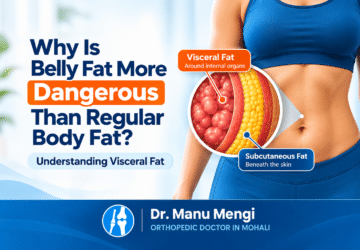
Diabetic Bone & Joint Problems: Orthopedic Risks & Solutions

Diabetes & bone health concerns will significantly affect more people in the coming years, with projections showing diabetes cases increasing from 285 million in 2010 to a staggering 439 million by 2030. This growing health crisis not only impacts blood sugar management but also creates serious orthopaedic complications that can dramatically reduce your quality of life. If you’re seeking expert care, Dr. Manu Mengi, renowned as the Best Orthopedic Doctor in Mohali, emphasises early intervention for diabetic patients at his Ortho Clinic in Mohali.

If you’re living with diabetes, your risk for developing musculoskeletal disorders increases substantially. Diabetic patients face a seven times higher likelihood of surgical site infections, experience delayed fracture healing, and account for 85% of all non-traumatic amputations. Furthermore, your chances of developing hip fractures increase 1.4-1.8 fold with type 2 diabetes and 6-7 fold with type 1 diabetes. The financial burden is equally concerning—diabetes-related healthcare expenditures reached $376 billion in 2010 and are expected to exceed $490 billion by 2030.

Throughout this article, you’ll discover the complex relationship between diabetes and orthopedic health, common complications like Charcot foot and Dupuytren’s contracture, and essential strategies to protect your musculoskeletal system while managing your diabetes.

Understanding How Diabetes Affects the Musculoskeletal System

The relationship between diabetes and musculoskeletal issues stems from complex biochemical processes that affect your entire body. Diabetes doesn’t just impact your blood sugar—it fundamentally alters how your bones, muscles, joints, and connective tissues develop, maintain, and repair themselves.

Types of Diabetes and their Orthopedic Implications

Type 1 and Type 2 diabetes affect your skeletal system in markedly different ways. With Type 1 diabetes (T1DM), the absolute lack of insulin and low insulin-like growth factor 1 (IGF1) levels suppress the development of bone-forming osteoblasts. This inhibits proper skeletal growth during youth, preventing adequate bone mass accumulation. Consequently, people with T1DM face a staggering 6-7 fold increase in hip fracture risk compared to non-diabetic individuals.

In contrast, Type 2 diabetes (T2DM) presents a paradoxical situation. Despite typically having higher bone mineral density (BMD) than non-diabetics, T2DM patients still experience a 1.4-1.8 fold increased risk of hip fractures. This occurs because T2DM negatively affects bone quality rather than quantity. Advanced stages of T2DM combine multiple detrimental factors—insulinopenia, hyperglycemia, advanced glycation end products (AGEs), chronic inflammation, and microvascular disease—that collectively compromise bone architecture and strength.

Notably, certain musculoskeletal complications appear more frequently in specific diabetes types. For instance, diffuse idiopathic skeletal hyperostosis (DISH) occurs more commonly in Type 2 diabetes, particularly in obese patients, with prevalence rates of 13-49% compared to just 1.6-13% in the general population.

Role of Insulin Resistance in Bone and Joint Health

Insulin resistance—the key pathology underlying Type 2 diabetes—significantly impacts your bone strength. Research shows that greater insulin resistance correlates with lower femoral neck strength relative to load, with every doubling of insulin resistance associated with a 0.34 to 0.40 standard deviation decrease in bone strength indices.

Interestingly, it’s hyperinsulinemia (high insulin levels) rather than hyperglycemia (high blood sugar) that primarily drives this negative effect on bone quality. Although insulin typically increases bone mineral density through skeletal loading effects, insulin resistance prevents this beneficial adaptation. Therefore, despite having a higher body weight that should strengthen bones, people with insulin resistance don’t gain the expected skeletal benefits from their increased mass.

The relationship extends beyond bone density—insulin resistance also impacts joint health. Eight out of ten Type 2 diabetes patients likely experience musculoskeletal complications, with obesity being a common denominator for both conditions.

Impact of Hyperglycemia on Immune and Healing Response

Chronic high blood sugar profoundly disrupts your body’s healing and immune functions through several mechanisms:

  • Impaired inflammation control: Hyperglycemia increases pro-inflammatory cytokines like TNF-α, interleukin-1β, and interleukin-6, creating a state of chronic low-grade inflammation.
  • Compromised immune function: High blood sugar inhibits interleukin-1 release from macrophages, impairs phagocytosis, and diminishes oxygen radical production from neutrophils, collectively weakening your immune response.
  • Delayed tissue repair: Hyperglycemia reduces important cytokine production and decreases new blood vessel formation at fracture sites, slowing healing.

Moreover, hyperglycemia leads to the formation of advanced glycation end products (AGEs) that cross-link with collagen fibres in both trabecular and cortical bone. This makes bones more brittle and deteriorates their post-yield properties without necessarily changing bone mineral density. Additionally, AGEs directly interfere with osteoblast function, inhibiting proper bone formation.

These metabolic disruptions help explain why diabetic patients show higher rates of delayed union and non-union during fracture healing, with healing time potentially prolonged by up to 87%.

Common Orthopedic Complications in Diabetic Patients

Living with diabetes involves managing numerous musculoskeletal complications beyond blood sugar control. Prolonged hyperglycemia damages tissues throughout your body, leading to several distinct orthopedic conditions that can severely impact mobility and quality of life.

Charcot joint and Diabetic Foot Ulcers

Charcot neuroarthropathy, often called Charcot foot, represents one of the most serious diabetes-related orthopedic emergencies. This condition occurs when undetected injuries to foot bones lead to joint deterioration due to nerve damage, a common diabetes complication primarily affecting the feet.

The earliest sign is typically swelling, which can occur without obvious injury. Redness and warmth frequently follow, often mistaken for infection. As Charcot foot progresses, joints collapse and deform, creating a characteristic “rocker-bottom” foot shape.

What makes Charcot foot particularly dangerous is that 50% of patients who develop ulcers face amputation risk, versus only 10% without ulcers. Indeed, 85% of non-traumatic amputations stem from diabetes. Early detection and limiting weight-bearing activities are crucial for slowing progression.

Osteoarthritis and Joint Stiffness

Type 2 diabetes increases osteoarthritis (OA) risk beyond what would be expected from obesity alone. The link stems primarily from hyperglycemia-induced advanced glycation end products (AGEs), which accumulate in cartilage, trigger inflammation, and accelerate joint degradation.

Specifically, AGEs activate chondrocytes and synoviocytes to produce pro-inflammatory mediators. Studies show diabetic OA patients have higher levels of matrix metalloproteinases and experience stronger local inflammation with pronounced synovitis.

Joint pain is typically worse in diabetic patients with OA, especially in knee and hand joints. A recent large cohort study confirmed that increased OA pain is a specific feature of diabetes, not merely a result of increased OA progression or higher BMI.

Frozen Shoulder and Limited Joint Mobility

Frozen shoulder (adhesive capsulitis) occurs seven times more frequently in diabetic patients than in the general population. This painful condition limits shoulder motion and progresses through three distinct phases: freezing (painful with decreasing motion), frozen (less painful but stiffer), and thawing (gradual improvement).

Limited joint mobility syndrome (LJMS), another common complication, initially affects small joints in hands and feet but can eventually impact all joints, including shoulders, hips, and spine. The “prayer sign” and “tabletop sign” are clinical tests strongly supporting diagnosis.

Research using three-dimensional kinematic analysis found diabetic patients show 11-16° decreased glenohumeral external rotation and 10-14° decreased humerothoracic elevation. Further, external rotation with the arm abducted was reduced by 20-22° in diabetic patients compared to controls.

Dupuytren’s Contracture and Hand Deformities

Dupuytren’s contracture creates a progressive deformity where fingers bend toward the palm due to thickening and scarring of connective tissue. Notably, patients with Type 2 diabetes have a 1.641 times higher prevalence of this condition compared to those with Type 1 diabetes.

This difference is likely related to glycosylation—a process where glucose molecules attach to proteins, making collagen sticky and restricting movement. Among diabetic patients, those using insulin show higher Dupuytren’s prevalence than those taking metformin.

DISH and Spinal Complications

Diffuse idiopathic skeletal hyperostosis (DISH) involves abnormal bone growth along the spine’s anterolateral aspect, affecting at least four contiguous vertebrae. This condition occurs disproportionately in diabetic patients, with a 40% prevalence in obese type 2 diabetics compared to only 13% in the general population.

DISH causes spinal stiffness and can lead to unstable spine fractures even with minimal trauma. Meta-analysis confirms a significant association between DISH and carbohydrate metabolism disorders, potentially related to lower serum levels of natural osteogenesis inhibitor Dickkopf-1 (DKK-1).

Bone and Tendon Healing Challenges in Diabetes

Beyond common complications, diabetes creates profound challenges in healing processes that can significantly extend your recovery time following injuries. This section explores how diabetes alters your body’s natural repair mechanisms.

Delayed Bone Healing in Diabetics

Your fracture risk increases markedly with diabetes, 6-7 fold with Type 1 diabetes and 1.4-1.7 fold with Type 2 diabetes. Subsequently, these fractures heal more slowly. Research shows healing time in diabetic patients is prolonged by a staggering 87%, often resulting in prolonged disability and reduced mobility.

The mechanisms behind this delayed healing include insulin insufficiency, hyperglycemia, and oxidative stress—all of which reduce osteoblast differentiation, increase osteoclast activity, and alter chondrocyte apoptosis. Typically, these disruptions interfere with the normal transition from cartilage to bone during the healing process.

Fracture Healing in Diabetes: What Research Shows

Clinical studies reveal diabetic patients face a 3.4-fold higher risk of fracture complications, including delayed union, non-union, and redislocation. To clarify, diabetes damages multiple phases of the healing process. The inflammatory phase becomes dysregulated, decreasing the availability of cytokines and growth factors necessary for repair.

Animal studies demonstrate that diabetic fracture healing shows decreased bone apposition and mineralisation. Likewise, researchers observed diabetic mice exhibit increased callus adiposity and hampered biomechanical properties. First thing to remember is that these changes reflect an altered balance of stem cell differentiation, favouring adipocytes over osteoblasts in the fracture callus.

Tendon Abnormality in Diabetic Patients

As a result of metabolic disturbances, your risk for tendon problems increases threefold with diabetes. Unfortunately, these conditions prove more treatment-resistant than in non-diabetic patients. Common manifestations include:

  • Achilles tendinopathy
  • Rotator cuff syndrome
  • Lateral epicondylitis (tennis elbow)
  • Trigger finger

Approximately 5% of diabetic patients develop tendinopathy annually, with risk increasing for those on insulin and with longer disease duration. Diabetes-induced hyperglycemia increases the expression of inflammatory factors that impair tendon healing through elevated reactive oxygen species and apoptotic cells.

Impact of Glycemic Control on Bone Healing

Important to realise, glycemic control significantly influences healing outcomes. Studies consistently show that longer disease duration and worse glycemic control correlate with higher fracture risks. Up to the present time, research demonstrates elevated haemoglobin A1c levels 3-6 months after rotator cuff repair surgery are directly associated with increased re-tear rates.

Conversely, diabetic patients with effective perioperative glycemic control show re-tear rates comparable to non-diabetic patients, highlighting the critical importance of blood sugar management. Treatment with systemic insulin can reverse impaired fracture healing, suggesting insulin signalling plays a necessary role in repair. Nevertheless, local insulin application to fracture sites shows even more promise by directly stimulating cell proliferation.

Surgical Risks and Outcomes in Diabetic Patients

Undergoing orthopaedic surgery with diabetes presents unique challenges that extend far beyond standard surgical risks. Understanding these factors can help you prepare for procedures and improve your chances of successful outcomes.

Diabetes & Orthopedic Surgery Risks

Orthopedic surgery involving diabetes carries substantial complications across all subspecialties, including foot and ankle, upper extremity, adult reconstructive, paediatrics, spine surgery, and sports medicine. Patients with diabetes utilise approximately 45% more hospital bed days compared to non-diabetic patients. Furthermore, non-cardiac surgeries show significantly higher perioperative mortality rates among diabetic patients. The risk of cardiovascular complications such as coronary artery disease, hypertension, and cerebrovascular accidents increases 100%-300% in patients with diabetes.

Surgical Outcomes in Diabetic Orthopedic Patients

Surgical outcomes differ remarkably between diabetic types. Type 1 diabetes patients experience longer hospital stays and higher costs than those with Type 2 after hip and knee arthroplasty. Both surgical complications (haemorrhage and wound infection) and non-surgical complications (heart attack, pneumonia, urinary infections, and death) occur more frequently in Type 1 diabetic patients. Interestingly, well-controlled diabetic patients without comorbidities demonstrate similar outcomes to non-diabetic patients.

Peripheral Vascular Disease & Orthopedic Surgery

Peripheral vascular disease (PVD) dramatically complicates orthopedic surgery. Macrovascular disease often results in atherosclerosis that impedes wound healing. Once diabetic foot ulcers develop (in 15%-25% of diabetic patients during their lifetime), infection risk rises dramatically. Severe diabetic foot infections requiring transtibial amputation occur in nearly 20% of cases. Atherosclerosis affecting osseous structures can weaken bones, especially among patients with diabetic nephropathy and vitamin D deficiency.

Infection and Implant Failure Risks

Infection rates increase substantially with hyperglycemia. Patients showing serum glucose above 220 mg/dL experienced a 25% overall infection rate. Perioperative glucose exceeding 220 mg/dL increases infection likelihood sevenfold in orthopedic trauma patients. Notably, patients with complicated diabetes (neuropathy, PAD or nephropathy) face seven times higher surgical site infections compared to non-diabetic patients. Hyperglycemia simultaneously increases pulmonary embolism risk by 200% after joint replacement procedures.

Strategies for Prevention and Management

Managing orthopedic complications requires proactive strategies that extend beyond basic diabetes care. Proper interventions can significantly reduce your risk of serious musculoskeletal issues and improve surgical outcomes.

Importance of Glycemic Control Before Surgery

Preoperative glycemic control is essential for minimising surgical complications. Studies show that HbA1c levels above 7.0% are associated with higher rates of surgical site infections in spinal surgery (35.3% compared with 0.0%). Most orthopedic surgeons recommend an HbA1c target below 8% for elective procedures. For trauma patients where surgery cannot be delayed, comanagement with internal medicine can help rapidly reduce blood glucose levels.

Beyond preoperative optimisation, maintaining glycemic control throughout hospitalisation is crucial. Current guidelines recommend pre-prandial glucose levels below 140 mg/dL and random glucose below 180 mg/dL for non-ICU patients. In the ICU setting, serum glucose levels should be maintained below 150 mg/dL.

Physical Therapy and Lifestyle Interventions

Physical therapy plays a vital role in managing diabetic musculoskeletal complications. Recommended exercises include:

  • Strength training to improve muscle function and reduce neuropathic pain
  • Aerobic activity for cardiovascular health and glycemic control
  • Balance and posture training for falls prevention (particularly important as diabetes increases fall risk by 200-300%)
  • Flexibility exercises to improve joint mobility

Regular physical activity reduces diabetes risk by approximately 30%. In fact, brisk walking for at least 2.5 hours weekly is associated with reduced type 2 diabetes risk regardless of body mass index.

Monitoring for Neuropathy and Vascular Issues

Regular foot examinations are crucial since 85% of non-traumatic amputations among diabetic patients begin with chronic foot ulcers. Screening should include thorough visual inspection for calluses, blisters, and redness—all precursors to skin breakdown.

Additionally, vascular assessment should evaluate peripheral artery disease, a component cause in approximately one-third of foot ulcers. Palpate the dorsalis pedis and tibialis posterior arteries, and check capillary refill (refill exceeding 4.5 seconds indicates compromised circulation).

When to consider surgical intervention

Surgical intervention becomes necessary when conservative measures fail or complications threaten limb viability. Prior to orthopedic surgery, vascular assessment is essential—revascularisation surgery should systematically precede orthopedic procedures in cases of critical vascular insufficiency.

For diabetic foot complications, prophylactic surgery to limit ulceration risks should be approached cautiously and only when justified. Acute diabetic foot is considered a medical emergency requiring immediate empiric antibiotics.

Conclusion

Living with diabetes undoubtedly presents significant orthopedic challenges that extend far beyond blood sugar management. Throughout this article, we’ve examined how diabetes fundamentally alters your musculoskeletal system through complex biochemical mechanisms. Certainly, the statistics paint a concerning picture—diabetes increases surgical site infection risk sevenfold, delays fracture healing by up to 87%, and accounts for 85% of all non-traumatic amputations.

Effective management of orthopedic complications requires a comprehensive approach. First and foremost, maintaining tight glycemic control stands as your primary defence against serious complications. Research conclusively demonstrates that well-controlled diabetic patients without comorbidities show surgical outcomes similar to non-diabetic individuals. Additionally, regular physical activity not only improves your overall diabetic control but also specifically strengthens bones and muscles while reducing fall risk.

The relationship between diabetes and orthopedic health highlights the importance of preventive care. Regular screening for neuropathy and vascular issues allows early intervention before complications become severe. Though orthopedic challenges associated with diabetes may seem overwhelming, understanding these risks empowers you to take proactive steps. Remember that early detection, consistent monitoring, and appropriate lifestyle modifications significantly reduce your risk of developing serious musculoskeletal complications that could permanently affect your mobility and quality of life.

FAQs

Q1. What are the most common orthopedic complications associated with diabetes?

A1. Common orthopedic complications in diabetic patients include Charcot foot, diabetic foot ulcers, osteoarthritis, frozen shoulder, Dupuytren’s contracture, and diffuse idiopathic skeletal hyperostosis (DISH). These conditions can significantly impact mobility and quality of life.

Q2. How does diabetes affect bone healing?

A2. Diabetes can delay bone healing by up to 87%. It impairs the inflammatory phase, decreases bone formation, and alters stem cell differentiation in fracture sites. This results in a higher risk of complications such as delayed union, non-union, and redislocation of fractures.

Q3. What are the risks of orthopedic surgery for diabetic patients?

A3. Diabetic patients face increased risks during orthopedic surgery, including higher rates of surgical site infections, longer hospital stays, and greater chances of cardiovascular complications. Well-controlled diabetes, however, can lead to outcomes similar to those of non-diabetic patients.

Q4. How can diabetic patients prevent orthopedic complications?

A4. Prevention strategies include maintaining good glycemic control, engaging in regular physical activity (including strength training and balance exercises), monitoring for neuropathy and vascular issues, and undergoing regular foot examinations to detect early signs of complications.

Q5. When should a diabetic patient consider surgical intervention for orthopedic issues?

A5. Surgical intervention should be considered when conservative measures fail or when complications threaten limb viability. However, it’s crucial to optimise glycemic control before elective procedures and to assess vascular health, as revascularisation may be necessary before orthopedic surgery in some cases.

About the Doctor

Dr. Manu Mengi is a leading Ortho Doctor in Mohali, specialising in diabetic orthopaedic complications at his state-of-the-art Orthopedic Clinics in Mohali. With decades of experience, he has helped countless patients manage conditions like Charcot foot, diabetic fractures, and joint disorders through evidence-based Orthopedic Treatment in Mohali. Recognised as the Best Orthopedician in Mohali, Dr. Mengi combines advanced surgical expertise with personalised rehabilitation programs to restore mobility and quality of life.

Patellofemoral Pain Syndrome: The Hidden Reason Your Knees Hurt While Running

Runner’s Knee Treatment in Mohali – Causes & Prevention Tips by Dr. Manu Mengi

One-third of people visiting healthcare providers with knee pain are diagnosed with patellofemoral syndrome—runner’s Knee, making it one of the most common knee conditions we treat at our Sports Injury Clinic in Mohali. This prevalent condition particularly affects athletes and physically active individuals who regularly run and jump.

As an athlete or regular runner, you might be familiar with that nagging, dull ache at the front of your knee that worsens when climbing stairs or during squats. This pain can affect one or both knees and typically appears during or after intense physical activities. Young female patients and adults aged 20 to 40 are particularly vulnerable to this condition, especially those who suddenly increase their activity levels.

In this comprehensive guide, we’ll explore the causes, symptoms, and effective treatments for patellofemoral pain syndrome, including the RICE method and targeted physical therapy exercises. We’ll also share practical strategies to prevent this condition from affecting your running routine.

What is Patellofemoral Pain Syndrome (Runner’s Knee)?

Patellofemoral Pain Syndrome (PFPS) refers to pain around or behind the kneecap (patella) where it meets the thigh bone (femur). This condition got its nickname “Runner’s Knee” because it frequently affects people who run or participate in activities that put repeated stress on the knee joint. However, unlike what the name suggests, this condition isn’t limited to runners—it can affect anyone who engages in activities that stress the knee joint.

Understanding the patellofemoral joint

The patellofemoral joint consists of your kneecap (patella) and the groove in your thigh bone (femur) where the patella slides. This joint plays a crucial role in your daily movements. The patella acts as a pulley, increasing the leverage of the quadriceps muscles and providing protection to the knee joint.

The kneecap is normally held in place by various structures:

  • Quadriceps muscles (front thigh)
  • Hamstring muscles (back thigh)
  • Medial and lateral retinaculum (tissue along the sides)
  • Patellar tendon (connecting to the shin bone)

In a healthy knee, the patella glides smoothly up and down in this femoral groove as you bend and straighten your leg. This movement should be pain-free and efficient. Nevertheless, if any element of this mechanical system is off, whether it’s muscle imbalance, abnormal anatomy, or poor movement patterns, problems begin to develop.

What happens in PFPS is that the patella doesn’t track properly in its groove. Instead, it may shift laterally (outward) or tilt, creating excessive pressure on certain areas of the cartilage. This improper tracking leads to irritation of the soft tissues and inflammation, consequently causing pain and discomfort.

Why runners are more prone to PFPS

Runners face a higher risk of developing patellofemoral pain syndrome, which is why many seek Runner’s Knee Treatment in Mohali for relief. First and foremost, running creates repetitive stress on the knee joint. With each stride, your knee absorbs a force equivalent to several times your body weight. Over thousands of strides during a typical run, this adds up to significant cumulative stress on the patellofemoral joint.

Furthermore, biomechanical factors make runners particularly vulnerable:

  1. Muscle imbalances – Tight quadriceps combined with weak hip abductors (particularly the gluteus medius) can pull the patella out of alignment during running.
  2. Running form issues – Overpronation (excessive inward rolling of the foot), crossover gait (feet crossing over the midline), or overstriding can all contribute to abnormal knee mechanics.
  3. Training errors – Sudden increases in mileage, intensity, or hill work without proper adaptation time put excessive stress on the knee structures.

The repetitive nature of running means that even minor misalignments or muscle imbalances get magnified over time. As a runner logs more miles, these small issues compound until they reach a threshold where pain develops.

Moreover, running on hard surfaces or uneven terrain increases impact forces and can exacerbate existing biomechanical issues. Similarly, worn-out running shoes that no longer provide proper support can alter your gait and contribute to patellofemoral issues.

Unlike traumatic knee injuries, PFPS typically develops gradually. Many runners ignore early warning signs—such as mild discomfort that disappears after warming up—until the pain becomes persistent enough to interfere with training. This is why understanding the underlying mechanics and recognising early symptoms is vital for preventing long-term problems.

Common Causes of Knee Pain While Running

Running places significant demands on your knees, which is why Knee Pain When Running Treatment in Mohali is a common request among athletes. Understanding what causes knee pain while running can help you prevent patellofemoral pain syndrome or address it before it worsens.

Overuse and repetitive stress

Approximately 80% of running-related injuries are associated with overload. Unlike acute injuries, overuse problems develop gradually through repeated microtrauma that exceeds your body’s natural repair capacity.

When you run, various tissues including muscles, tendons, bones, and ligaments experience physiological stress. These structures adapt differently to training loads—tendons and ligaments adapt more slowly than muscles, making them particularly vulnerable to injury.

The problem arises when the cumulative damage surpasses your tissue’s repair threshold. This typically happens when you don’t allow adequate recovery time between training sessions. For overzealous runners who push too hard too often, the damage accumulates until pain and dysfunction appear.

What makes overuse injuries challenging is their gradual onset. There’s rarely a single, identifiable traumatic cause. Instead, the damage builds up silently until symptoms become noticeable, at which point significant tissue stress has already occurred.

Muscle imbalances and poor biomechanics

Your running form directly impacts how effectively your body absorbs and distributes forces. Poor biomechanics significantly increase your risk of developing patellofemoral pain syndrome.

Muscle imbalances are among the most common culprits. About 25% of adults experience knee pain, representing a 65% increase over the last 20 years. Often, this pain stems from muscle imbalances around the joint:

  • Weak gluteal muscles (particularly gluteus medius and maximus) fail to properly control hip and knee alignment during running
  • Quadriceps weakness reduces support across the knee joint and strongly correlates with the advancement of knee problems
  • Tight hamstrings or calves alter how your knee moves through its normal range
  • An imbalance between inner and outer thigh muscles can pull the kneecap out of alignment

These imbalances change how your patella tracks in its groove, creating excessive pressure on certain areas of the cartilage. Notably, runners with anterior knee pain have weaker knee extensors and flexors than those without pain.

Inefficient running biomechanics, such as excessive knee valgus (“knocked knee”) or knee varus (“knee out”), create abnormal stress patterns that your knee structures weren’t designed to handle.

Sudden changes in training or surface

Making abrupt modifications to your running routine often triggers knee pain. Runners who suddenly increase their mileage, intensity, or hill work without proper adaptation time put excessive stress on their knees.

Contrary to popular belief, changing to a softer running surface doesn’t necessarily reduce injury risk. Different surfaces simply alter the biomechanical demands on your body. While softer surfaces may reduce impact loading rates, they increase demands on muscles and tendons. A sudden change in running surface may decrease stress in one area but increase injury risk in others.

Training errors account for many cases of runner’s knee. Adding too much distance too quickly or not allowing sufficient recovery between runs prevents proper adaptation. This explains why many patients develop patellofemoral pain syndrome after they start running at an incline or increase their miles or speed.

Recognising the Symptoms Before It Gets Worse

Early detection of Patellofemoral Pain Syndrome can prevent progression to more severe conditions, which is why visiting a Knee Pain Doctor in Mohali at the first sign of discomfort is crucial. Recognising the warning signs promptly allows for faster intervention and better outcomes. When detected early, most cases resolve with conservative treatment rather than requiring invasive procedures.

Pain patterns and when they appear

The hallmark of Patellofemoral Pain Syndrome is a dull, aching pain around or behind the kneecap, particularly where it meets the lower part of the thighbone. Unlike acute injuries, this pain typically develops gradually over time.

You’ll likely notice pain intensifying when:

  • Walking up or down stairs
  • Squatting or kneeling
  • Running, especially downhill
  • Sitting with knees bent for extended periods (sometimes called “theatre sign”)
  • Standing up after prolonged sitting

Pain is usually diffuse rather than pinpointed to a specific location. Many runners report that symptoms peak when the knee is bent at 60° to 90°, such as during deep squats, and subside when straightening the leg. Initially, discomfort might only appear during or after intense activities, but as the condition progresses, even daily movements can trigger pain.

Clicking or popping sounds in the knee

That strange clicking or popping sound in your knee has a medical name: crepitus. While often alarming, knee crepitus by itself isn’t necessarily a cause for concern. Scientists have studied this phenomenon since 1947, with real-time medical imaging finally revealing in 2015 that these sounds typically occur when tiny nitrogen bubbles in joint fluid collapse due to pressure changes.

Nevertheless, when clicking or popping accompanies pain, attention is warranted. In Patellofemoral Pain Syndrome, you might experience:

  • Rubbing, grinding, or clicking sensations when bending and straightening the knee
  • Popping sounds that worsen after periods of rest
  • Crunching sensations when climbing stairs or kneeling

Clicking at the front of the knee can result from an anatomical structure called a plica. While usually painless, when inflamed it causes “Plica syndrome,” another condition that frequently affects runners.

Swelling around the kneecap after activity

Swelling indicates inflammation in the knee joint and serves as an important diagnostic clue. Following intense activities, you might notice mild swelling around the front of your knee or kneecap, representing fluid buildup in or around the joint.

This swelling typically develops gradually rather than suddenly. Sudden swelling (within four hours of activity) is more concerning, as it may indicate bleeding within the knee (hemarthrosis) and possible structural damage. In contrast, the swelling associated with Patellofemoral Pain Syndrome usually appears more gradually and is milder in nature.

Persistent swelling that doesn’t improve with rest should prompt medical evaluation. Although mild swelling might resolve with home treatment, recurrent episodes indicate that the underlying issues causing your runner’s knee remain unaddressed. In essence, your body is signalling that something isn’t right with your knee mechanics.

PFPS typically worsens over time if left untreated, potentially increasing your risk of injuries beyond just pain and discomfort. Hence, promptly recognising these symptoms can help prevent progression to more serious conditions.

Effective Treatments for Patellofemoral Pain Syndrome

Treating Patellofemoral Pain Syndrome effectively requires a multi-faceted approach, which is why many patients opt for a Knee Pain Doctor in Mohali as part of their recovery. Most patients recover completely with conservative treatments, though recovery timeframes vary depending on severity and adherence to treatment protocols.

RICE method and pain relief options

First and foremost, the RICE method provides immediate relief for acute flare-ups:

  • Rest: Temporarily avoid activities that trigger pain
  • Ice: Apply cold packs for 15-20 minutes every 2-3 hours
  • Compression: Use an elastic bandage around the knee to reduce swelling
  • Elevation: Keep your knee above heart level when possible

Over-the-counter pain relievers can complement this approach. NSAIDs like ibuprofen and naproxen reduce both pain and inflammation, while acetaminophen (Tylenol) addresses pain without anti-inflammatory effects. Generally, these medications should not be taken for more than 10 days without medical supervision.

Physiotherapy and strengthening exercises

Physiotherapy forms the cornerstone of effective treatment. Studies show that performing knee- and hip-strengthening exercises three times weekly for six weeks significantly decreases knee pain and improves physical activity.

Key exercises often include:

  • Straight leg raises for quadriceps strengthening
  • Side-lying clam exercises for hip abductors
  • Wall sits for thigh muscle development
  • Step-ups for gluteal and quadriceps activation

Primarily, these exercises aim to correct muscle imbalances and faulty movement patterns that contribute to improper tracking of the kneecap.

Knee braces and orthotics for support

Supportive devices provide additional stability during recovery. Patellofemoral braces help track the kneecap properly, reducing pressure on affected areas. Unloader braces, the most commonly recommended type, redistribute weight-bearing forces away from painful areas.

Orthotic inserts, either over-the-counter or custom-made, can correct foot mechanics that contribute to knee misalignment. These interventions work best when combined with appropriate exercises.

When to consider surgery

Surgery represents a last resort, typically considered only after 6-12 months of consistent conservative treatment failure. Arthroscopic procedures allow surgeons to examine the knee joint and address specific issues like removing damaged cartilage or releasing tight lateral structures.

For severe cases with significant misalignment, realignment surgery may be necessary to adjust the position of the kneecap. Fortunately, most patients respond well to non-surgical approaches, making surgery rarely necessary for this condition.

Preventing PFPS and Staying Pain-Free

Preventing Patellofemoral Pain Syndrome demands a proactive approach, including Proper Running Form and Knee Pain Treatment in Mohali if symptoms arise.  As the saying goes, an ounce of prevention is worth a pound of cure—nowhere is this more applicable than with runner’s knee.

Stretching and warm-up routines

Before hitting the pavement, engage in dynamic stretching that mimics running movements to increase your heart rate and warm up muscles. Subsequently, save static stretching for after your run when muscles are warm. Many experts recommend a 5-10 minute walking warm-up to get blood flowing properly through your body. For optimal results, focus on stretching your quadriceps, hamstrings, calves, and hip flexors—all crucial muscle groups that impact knee alignment.

Choosing the right footwear

Your running shoes play a vital role in preventing knee pain. According to podiatrists, proper footwear should provide appropriate cushioning without raised heels, which can shift your center of gravity and place additional pressure on the knee joint. Typically, shoes with lower heel drops (under 8mm) help reduce forward knee push and alleviate IT band issues.

Gradual training progression

Abrupt changes in training volume often trigger knee pain. Accordingly, structure your progression carefully—increase your weekly mileage by no more than 10% and allow approximately six weeks for your body to adapt to new training loads. Likewise, alternate running days with low-impact activities like swimming or yoga to give your knees recovery time.

Maintaining healthy body mechanics

Proper running form dramatically reduces stress on your knees. Land with slightly bent knees rather than straight legs, and avoid overstriding. Additionally, aim for a cadence around 180 steps per minute (170 for taller runners), and ensure your feet point in your direction of travel rather than splaying outward. Above all, focus on a circular leg motion versus a pendulum-like straight leg action that increases impact forces.

Conclusion

Understanding and addressing Patellofemoral Pain Syndrome makes the difference between a short-lived running career and years of enjoyable miles. If you’re experiencing persistent discomfort, consult a Patellofemoral Pain Syndrome Specialist in Mohali for personalised care. While this condition affects many runners, proper knowledge empowers us to prevent and manage it effectively.

Most cases respond well to conservative treatment approaches, especially when caught early. Regular stretching, appropriate footwear, and smart training progression serve as our first line of defence against runner’s knee. Strengthening exercises targeting key muscle groups help maintain proper knee alignment during runs.

Smart runners pay attention to their bodies and address minor discomfort before it develops into chronic pain. Rather than pushing through knee pain, taking appropriate rest periods and following proper rehabilitation protocols leads to better long-term outcomes. Remember, protecting your knees today ensures many more miles of pain-free running tomorrow.

FAQs

Q1. What are the main symptoms of Patellofemoral Pain Syndrome, and when should I see a Knee Pain Doctor in Mohali?

A1. The primary symptoms include a dull, aching pain around or behind the kneecap, especially when walking up or down stairs, squatting, or sitting with bent knees for extended periods. You may also experience clicking or popping sounds in the knee and mild swelling around the kneecap after activity.

Q2. Why are runners more susceptible to developing Patellofemoral Pain Syndrome?

A2. Runners are more prone to this condition due to the repetitive stress placed on the knee joint during running. Factors such as muscle imbalances, poor running form, and sudden increases in training intensity or mileage can contribute to the development of PFPS in runners.

Q3. How can I prevent Patellofemoral Pain Syndrome while running?

A3. Prevention strategies include proper warm-up and stretching routines, choosing appropriate footwear, gradually increasing training intensity, and maintaining good running form. It’s also important to strengthen key muscle groups, particularly the quadriceps, hip abductors, and gluteal muscles.

Q4. What are some effective treatments for Patellofemoral Pain Syndrome?

A4. Effective treatments include the RICE method (Rest, Ice, Compression, Elevation), physiotherapy exercises to strengthen muscles around the knee, and the use of knee braces or orthotics for support. Over-the-counter pain relievers can also help manage pain and inflammation.

Q5. When should I seek medical attention for knee pain while running?

A5. You should consult a healthcare professional if you experience persistent knee pain that doesn’t improve with rest, sudden swelling within hours of activity, or if the pain interferes with your daily activities. Early intervention can prevent the condition from worsening and improve treatment outcomes.

About Patellofemoral pain syndrome specialist Mohali

If you’re experiencing persistent knee pain while running, don’t ignore the warning signs. Early intervention from a Patellofemoral Pain Syndrome Specialist in Mohali can prevent long-term damage and get you back to pain-free movement. Dr. Manu Mengi, an experienced sports medicine expert, provides personalised treatment plans combining physiotherapy, bio-mechanical analysis, and targeted exercises for runners and athletes. Whether you’re training for a marathon or simply want to stay active without knee discomfort, seeking professional guidance ensures proper recovery. Book a consultation today to address your knee concerns with evidence-based care.