Middle-Aged and Suffering from Hip Pain? Here’s What Doctors Want You to Know

Hip pain in middle-aged adults affects countless individuals, with osteoarthritis alone impacting approximately 22.7% of adults in our aging global population. If you’re experiencing discomfort when walking or struggling with stiffness after sitting, you’re certainly not alone. By 2030, nearly 41.1 million adults will be affected by hip osteoarthritis or similar joint complaints—almost double the number reported in 2005.

What starts as an occasional twinge can quickly develop into a persistent problem, potentially limiting your daily activities. Hip pain while climbing stairs, morning stiffness, and discomfort that worsens at night are all common symptoms that might indicate early hip osteoarthritis or other conditions. Importantly, most hip pain can be treated with simple self-help approaches, though extremely severe pain or discomfort lasting more than two weeks despite regular painkillers warrants a doctor’s visit. In this comprehensive guide, we’ll explore the causes behind middle-aged hip pain, how doctors diagnose these issues, and the various non-surgical treatment options available to help you regain mobility and comfort.

Understanding the Hip Joint and Why It Hurts

The hip serves as one of the body’s largest and most critical weight-bearing joints, acting as the essential connection point between your upper and lower body. Understanding how this complex joint functions provides valuable insight into why middle-aged adults frequently experience hip discomfort.

How the hip joint works

Your hip is a remarkable ball-and-socket joint where the rounded head of your thigh bone (femur) fits snugly into a cup-like depression called the acetabulum in your pelvis. This design creates exceptional stability while allowing for an impressive range of motion in multiple directions. Unlike other joints, the hip is exceptionally deep, with the acetabulum encompassing nearly all of the femoral head, significantly reducing the risk of dislocation.

Both the femoral head and acetabulum are covered with articular cartilage—a smooth, slippery substance that protects the bones and enables frictionless movement. Meanwhile, a thin tissue lining called the synovium produces fluid that lubricates the joint. For additional stability, the acetabular labrum—a fibrocartilaginous collar—deepens the socket by 21% and increases the joint surface area by 28%, enhancing force distribution.

The hip’s remarkable strength comes from its supporting cast of muscles, tendons and ligaments. These structures work together to facilitate various movements:

  • Flexion and extension (moving your leg forward and backward)
  • Internal and external rotation
  • Abduction and adduction (moving your leg away from and toward your body’s midline)

Furthermore, these surrounding tissues provide crucial support for weight-bearing activities like standing, walking, and climbing stairs.

Why middle-aged adults are more prone to hip issues

Hip pain affects approximately 10% of the general population, with prevalence increasing significantly with age. In fact, research shows that 14.3% of adults report experiencing significant hip pain on most days over a six-week period.

Middle-aged adults are particularly vulnerable because decades of use lead to natural wear and tear on the joint. Osteoarthritis—the most common cause of hip pain in this age group—affects the majority of people older than 55. Indeed, the hip is the second most common joint affected by osteoarthritis, potentially impacting up to 25% of individuals over age 55.

As you approach middle age, several factors can accelerate joint deterioration. The protective cartilage in your hip begins to thin and fray, narrowing the protective space between bones. In advanced cases, bone may rub directly against bone, creating painful friction with every movement. Additionally, damaged bones sometimes grow outward, forming bone spurs (osteophytes) that further complicate joint mechanics.

Risk factors that make middle-aged adults more susceptible include carrying excess weight, previous hip injuries or surgeries, occupations requiring repetitive hip stress, poorly aligned hip joints from birth conditions, and genetic predisposition.

Common areas where hip pain is felt

Hip discomfort manifests differently depending on which structures are affected, often creating confusion about the true source of pain. The location provides important clues about potential causes.

Pain in the groin area typically indicates problems with the actual hip joint itself and is especially common in early osteoarthritis. Conversely, discomfort along the outer hip might suggest issues like greater trochanteric pain syndrome or bursitis.

Many patients experience referred pain, where discomfort radiates beyond the hip itself. This commonly extends to the thigh, buttocks, knee, or lower back. Moreover, hip problems frequently cause pain in the knee, sometimes becoming the only symptom—a phenomenon called referred pain.

Pain patterns often fluctuate throughout the day. Morning stiffness that improves with movement suggests inflammatory conditions, whereas pain worsening with activity points toward mechanical issues. Nighttime discomfort disturbing sleep can indicate advanced joint degeneration.

Understanding these patterns helps doctors pinpoint exactly what’s happening inside your hip joint—the crucial first step toward effective treatment.

Recognizing the Symptoms of Hip Trouble

Identifying the specific symptoms of hip problems early can help you seek appropriate treatment before the condition worsens. Middle-aged adults often dismiss these warning signs as normal aging, subsequently delaying diagnosis and treatment. Let’s explore the telltale symptoms that suggest your hip pain requires medical attention.

Groin pain and hip joint stiffness

For many middle-aged adults, hip problems initially present as pain in the groin area. This groin pain typically indicates issues with the actual hip joint itself rather than surrounding tissues. In fact, osteoarthritis—the most common form of arthritis affecting the hip—frequently causes pain that’s felt primarily between the hip and knee.

This discomfort can manifest as:

  • Sharp or dull aching sensations
  • Tenderness around the hip region
  • Difficulty bending down or picking up objects from the ground

Hip joint stiffness commonly accompanies this pain, making simple movements feel restricted or uncomfortable. You might notice this stiffness after sitting for extended periods or when attempting to put on socks or shoes. As can be seen in cases of osteoarthritis, this stiffness is often more pronounced in the morning or after periods of inactivity.

Hip pain while walking or climbing stairs

Pain during everyday activities like walking serves as another key indicator of hip problems. Primarily, this discomfort may start gradually but intensify with continued movement. The pain might feel most severe when bearing weight on the affected side or when initiating movement after sitting.

Climbing stairs presents a particularly revealing challenge for those with hip issues. This activity requires your hip muscles to work 4-5 times harder than during a simple squat. Many conditions cause pain specifically during this motion:

Bursitis can trigger considerable discomfort on the outside of your hip that noticeably flares when navigating stairs. Similarly, those with femoroacetabular impingement (FAI) often feel pain in the groin area that intensifies when climbing or descending steps. Even a strained hip flexor can create pain that worsens with stair-climbing movements.

Night hip pain and morning stiffness

Despite what many assume, hip pain at night isn’t just a normal part of aging. Yet more than one-third of U.S. adults report that hip, knee, or foot pain disrupts their sleep. Nighttime discomfort might result from your sleeping position putting pressure on an already irritated joint, particularly for side sleepers.

The nature of this nocturnal pain provides important diagnostic clues. Persistent pain throughout the night, especially when trying to lie on the affected side, often suggests bursitis. In contrast, pain that prevents comfortable positioning and wakes you repeatedly might indicate more advanced joint degeneration.

Morning stiffness represents another characteristic symptom. This sensation typically feels most pronounced immediately after waking and gradually improves with movement throughout the day. In rheumatoid arthritis, for instance, stiffness and pain worsen after periods of inactivity. This pattern differs from mechanical issues where pain typically increases with activity rather than decreases.

Pain radiating to thigh or buttocks

Hip problems rarely confine their symptoms to the hip joint itself. Instead, pain commonly radiates outward, creating confusing symptom patterns. For instance, hip joint problems can cause referred pain in the knee—sometimes becoming the only apparent symptom.

Pain that radiates to the outer thigh and buttock area often indicates conditions like greater trochanteric pain syndrome (GTPS). At this point, the discomfort might feel sharp or burning and intensify with certain movements or positions.

Piriformis syndrome represents another common cause of radiating hip pain. This condition produces aching, burning, or numbness sensations in the buttock that may extend down the back of your leg. These symptoms typically worsen when sitting for long periods, walking, running, or climbing stairs.

Understanding these distinctive symptom patterns helps both you and your doctor determine the underlying cause of your hip pain—an essential first step toward finding relief.

What’s Causing Your Hip Pain?

Understanding what’s actually happening inside your hip joint provides crucial insights into finding the right treatment approach. After examining thousands of middle-aged patients, orthopedic specialists have identified several distinct conditions that commonly cause hip pain in this age group.

Early hip osteoarthritis

Osteoarthritis (OA) stands as the primary culprit behind hip discomfort in middle-aged adults. This degenerative joint disease affects nearly 27 million Americans, with hip OA specifically impacting up to 25% of individuals over age 55. The condition develops gradually as protective cartilage wears away, eventually leading to bone-on-bone friction.

Early-stage osteoarthritis typically presents with:

  • Morning stiffness lasting less than 30 minutes
  • Pain that improves with brief activity but worsens with extended use
  • Gradually decreasing range of motion

While age remains the strongest risk factor, additional contributors include previous joint injuries, genetic predisposition, and carrying excess weight. Indeed, each pound of body weight adds approximately 3-6 pounds of pressure on weight-bearing joints like hips.

Greater trochanteric pain syndrome

Previously called trochanteric bursitis, greater trochanteric pain syndrome (GTPS) affects between 10-25% of the general population. This condition involves pain and tenderness over the bony prominence (greater trochanter) on the outside of your hip. Women experience GTPS approximately four times more frequently than men, primarily between ages 40-60.

GTPS typically creates sharp lateral hip pain that intensifies during prolonged walking, stair climbing, or lying directly on the affected side. Unlike osteoarthritis, GTPS rarely causes groin pain or internal hip joint stiffness.

Femoroacetabular impingement (FAI)

Femoroacetabular impingement occurs when extra bone grows along the femoral head (cam impingement) or along the acetabulum (pincer impingement). This abnormal bone contact creates friction during movement, potentially damaging the joint and accelerating arthritis development.

FAI commonly affects active middle-aged adults, with symptoms including groin pain during specific movements, limited range of motion, and a catching sensation during hip flexion. Many patients report discomfort when sitting for extended periods or during deep squatting movements. Consequently, FAI often contributes to long-term hip joint damage if left untreated.

Trochanteric bursitis and gluteus medius tendinopathy

The hip contains numerous fluid-filled sacs called bursae that cushion tendons and muscles. Trochanteric bursitis develops when these sacs become inflamed, typically producing pain on the outer hip that may radiate down the thigh.

Essentially connected to this condition, gluteus medius tendinopathy involves degeneration of the tendon that attaches your gluteus medius muscle to the greater trochanter. This condition frequently causes pain that:

  • Worsens when lying on the affected side
  • Intensifies with prolonged standing or walking
  • Creates tenderness when pressing on the outer hip

These conditions often coexist and affect women more commonly than men, particularly those with one leg longer than the other or who have a wider pelvis.

Piriformis syndrome and referred pain from lumbar spine

Not all hip pain originates in the hip joint itself. Piriformis syndrome occurs when the piriformis muscle deep in your buttock irritates or compresses the sciatic nerve. This creates pain in the buttock that sometimes radiates down the back of the leg, mimicking sciatica.

Additionally, problems in your lower back frequently refer pain to the hip region. Herniated disks, spinal stenosis, or facet joint arthritis in the lumbar spine can create discomfort that radiates to the hip, thigh, or buttock. Notably, this referred pain often creates confusion during diagnosis, as patients perceive the discomfort as originating from the hip rather than the spine.

Understanding these distinct conditions helps explain why treatment approaches vary significantly depending on the underlying cause of your hip pain.

How Doctors Diagnose Hip Pain

When hip pain persists beyond two weeks despite over-the-counter pain relievers, a doctor’s visit becomes necessary. Diagnosing the exact cause requires a methodical approach, often beginning with your detailed medical history and progressing through various examination techniques.

Physical examination and movement tests

First and foremost, doctors rely on a comprehensive physical examination to assess your hip. This systematic approach helps identify the four main pain generators: osteochondral (bone and cartilage), capsulolabral (joint capsule and labrum), musculotendinous (muscles and tendons), and neurovascular structures.

The examination typically includes:

  • Gait analysis: Walking 6-8 strides reveals foot progression angle, stance phase, and potential limping patterns. An antalgic gait (limping to avoid pain) or Trendelenburg gait (pelvic drop due to weak hip abductors) provides important diagnostic clues.
  • Palpation: The doctor feels for tenderness over specific areas including the greater trochanter, iliopsoas, and pubic tubercle to identify pain sources.
  • Range of motion tests: Passive movement of both hips helps detect limitations or pain during specific movements.

Coupled with these observations, doctors perform specialized tests like the FADIR test (flexion, adduction, internal rotation), which reproduces pain in conditions like femoroacetabular impingement. Likewise, the FABER test (flexion, abduction, external rotation) can identify issues with the hip joint, sacroiliac joint, or iliopsoas tendon.

Hip X-ray findings and what they reveal

X-rays remain the initial imaging choice for hip pain, offering excellent visualization of bone structures. Standard views include an anteroposterior (AP) view of the pelvis and a lateral view of the affected hip.

On balance, these images reveal:

  • Joint space narrowing (normal space is typically 3-5mm) indicating cartilage loss
  • Osteophytes (bone spurs) suggesting osteoarthritis
  • Fractures or alignment issues
  • Subchondral sclerosis or cysts in advanced joint disease

Radiologists often trace Shenton’s line, which follows the medial edge of the femoral neck and inferior edge of the superior pubic ramus. An interruption in this line may suggest a fracture or other structural abnormality.

According to medical findings, many hip fractures aren’t visible on initial X-rays, potentially requiring follow-up imaging if pain persists. Overall, standing AP radiography of the pelvis is typically the first imaging test, showing joint space narrowing and osteophyte formation in osteoarthritis cases.

When MRI is needed for deeper insight

In cases where X-rays appear normal yet symptoms persist, magnetic resonance imaging (MRI) provides superior visualization of soft tissues. Above all, MRI excels at detecting:

  • Labral tears and cartilage damage
  • Stress fractures invisible on X-rays
  • Tendon inflammation or degeneration
  • Early arthritis changes before X-ray findings appear
  • Avascular necrosis (bone tissue death due to poor blood supply)

For younger patients with labral tears, a special type called MRI arthrogram may be recommended. During this procedure, a radiologist injects contrast fluid into the joint to better visualize the labrum. In addition to diagnosis, MRI helps guide therapy decisions, including determining whether surgery might be necessary.

Differentiating mechanical vs inflammatory hip pain

A key aspect of hip pain diagnosis involves distinguishing between mechanical and inflammatory causes. Mechanical pain typically worsens with activity and improves with rest, suggesting structural issues like osteoarthritis or impingement.

In contrast, inflammatory pain often creates morning stiffness lasting more than 30 minutes, improves with movement, and may be accompanied by systemic symptoms like fever. Blood tests can help identify inflammatory conditions like rheumatoid arthritis.

One valuable diagnostic tool involves ultrasound-guided anesthetic injection into the hip joint. This procedure helps differentiate intra-articular pain (originating inside the joint) from referred pain coming from the lumbar spine or surrounding structures. Should the pain disappear temporarily after injection, the source is likely within the joint itself.

Red flags requiring immediate medical attention include fever (suggesting infection), sudden onset severe pain, inability to bear weight, significant deformity, or symptoms like unexplained weight loss.

Treatment Options Doctors Recommend First

For patients suffering from hip discomfort, doctors typically recommend a stepped approach to treatment, beginning with conservative measures before considering surgical options. Understanding these initial treatments can help manage pain effectively while potentially preventing further joint deterioration.

Pain relief medications and NSAIDs

Most doctors initially suggest over-the-counter pain relievers to manage hip discomfort. Non-steroidal anti-inflammatory drugs (NSAIDs) like ibuprofen, aspirin, and naproxen work by reducing inflammation and relieving pain simultaneously. Alternatively, acetaminophen (Tylenol) targets pain without addressing inflammation, making it suitable for those unable to take NSAIDs due to allergies or stomach problems.

Generally, these medications should not be taken for more than 10 days consecutively without consulting your healthcare provider. For persistent pain, your doctor might prescribe stronger medications or different formulations—including topical NSAIDs like Voltaren Gel that can be applied directly to painful areas.

Physiotherapy for hip pain and strengthening

Physical therapy stands as a cornerstone treatment for hip pain, particularly for conditions like osteoarthritis or after hip surgery. A trained therapist designs personalized exercise programs that target your specific limitations. Research shows that effective therapy regimens often include:

  • Manual therapy techniques (thrust, non-thrust, and soft tissue mobilization)
  • Individualized strengthening exercises for weak hip muscles
  • Stretching routines to improve flexibility and joint mobility
  • Functional training to enhance balance and gait

Therapy frequency typically ranges from 1-5 sessions weekly over 6-12 weeks for optimal results. As motion improves, your therapist will progressively add exercises to maintain gains in strength and flexibility.

Steroid and PRP injection therapy

When medications and physical therapy provide insufficient relief, injection therapies offer another non-surgical option. Corticosteroid injections remain the most reliable pain-relieving injection for hip pain, working by deactivating inflammatory cells in the joint that trigger pain signals. These injections can provide relief lasting from several weeks to six months.

Platelet-rich plasma (PRP) injections represent an alternative approach using components from your own blood to accelerate healing. Although primarily used for tendon injuries, some evidence suggests PRP may benefit patients with osteoarthritis of the hip. Importantly, doctors recommend avoiding NSAIDs before or after PRP injections as they can impact effectiveness.

Activity modification and posture correction

Alongside medical interventions, simple lifestyle adjustments often provide substantial relief. The RICE method—Rest, Ice, Compression, and Elevation—serves as an effective first-line approach for managing acute hip pain. Maintaining proper posture during daily activities helps reduce strain on the hip joint.

Weight management remains crucial since excess pounds significantly increase pressure on weight-bearing joints. Each pound of body weight adds 3-6 pounds of pressure to your hips, making weight reduction a powerful pain management strategy.

Patient education should focus on activity modification, supportive weight reduction strategies, and methods for unloading arthritic joints. Such conservative approaches often provide meaningful relief without the risks associated with more invasive treatments.

Preventing Hip Pain from Getting Worse

Taking proactive steps to protect your hip joint can significantly reduce pain and slow disease progression. Looking beyond temporary relief, these prevention strategies address the root causes of hip problems.

Weight loss for hip pain relief

Shedding excess pounds creates one of the most dramatic improvements for hip pain sufferers. Every 10 pounds of additional weight puts an extra strain of more than 25 pounds on your hip joints. This mechanical stress accelerates cartilage degradation.

Studies confirm a direct dose-response relationship between weight loss and hip pain improvement. Patients losing more than 10% of body weight experienced the greatest reduction in pain—up to 31% improvement in hip-related quality of life. Nonetheless, approach weight loss gradually; rapid reduction can potentially increase joint instability and bone loss.

Best exercises for hip pain prevention

The right movement strengthens supporting muscles without aggravating your condition. Focus primarily on low-impact activities like:

  • Walking, swimming, or cycling to improve joint mobility
  • Targeted exercises strengthening glutes, hip flexors, and abductors
  • Gentle stretching to maintain flexibility

Proper form remains vital—a physical therapist can develop a personalized routine addressing your specific limitations. Always warm up before and cool down after exercise.

Lifestyle changes for hip arthritis

Beyond exercise, dietary modifications profoundly impact joint health. A Mediterranean-style diet rich in fruits, vegetables, fish, nuts, and beans helps curb inflammation. Whole grains contain fiber that can lower blood levels of inflammatory markers.

Consider using supportive devices like canes or walking frames to reduce pressure on painful hips. Furthermore, applying heat can relax muscles and improve joint lubrication.

Avoiding overuse and improving daily habits

Pay careful attention to daily movement patterns. Avoid sitting for extended periods—even shifting positions slightly helps relieve joint stress. Proper footwear with good arch support provides essential foundation for hip alignment.

Listen to your body’s warning signals—never “play through pain” during physical activities. Rest appropriately between workouts. Additionally, maintain proper posture during sitting, standing, and lifting to minimize joint strain.

Making these preventive measures part of your daily routine offers the best chance for long-term hip joint health.

Conclusion

Hip pain affects millions of middle-aged adults worldwide, yet many suffer unnecessarily before seeking proper medical attention. Throughout this article, we’ve explored how your hip functions, why it becomes painful with age, and what treatments actually work. Most importantly, hip pain rarely requires immediate surgical intervention.

Early intervention makes all the difference in managing hip discomfort effectively. Simple approaches like over-the-counter pain relievers, physical therapy, and lifestyle modifications often provide significant relief. Weight management stands out as particularly powerful—each pound lost removes 3-6 pounds of pressure from your weight-bearing joints.

Understanding your specific symptoms helps identify the underlying cause, whether it’s osteoarthritis, greater trochanteric pain syndrome, or referred pain from your spine. Pain location, timing, and triggers all provide valuable clues for proper diagnosis and treatment.

Remember that conservative treatments work for most people. Physical therapy strengthens supporting muscles while medications reduce inflammation and pain. Additionally, activity modifications and proper posture prevent further joint damage during daily activities.

Though hip pain can feel debilitating, you don’t have to accept it as an inevitable part of aging. Proactive steps like maintaining a healthy weight, choosing low-impact exercises, and following proper movement mechanics can slow disease progression substantially.

Ultimately, your hips support you through countless movements each day. They deserve attentive care when they signal distress. Armed with the knowledge from this guide, you can work effectively with healthcare providers to address hip pain and maintain your mobility for years to come.

Key Takeaways

Hip pain affects 22.7% of middle-aged adults, but most cases can be effectively managed without surgery through proper diagnosis and conservative treatment approaches.

• Early intervention is crucial – Don’t ignore persistent hip pain lasting more than two weeks, as early treatment prevents progression and maintains mobility.

• Weight loss provides dramatic relief – Every 10 pounds lost removes 25+ pounds of pressure from hip joints, with 10% weight reduction improving pain by up to 31%.

• Conservative treatments work for most people – Physical therapy, NSAIDs, activity modification, and lifestyle changes effectively manage pain without surgical risks.

• Pain location reveals the cause – Groin pain typically indicates joint problems, while outer hip pain suggests bursitis or tendon issues, helping guide proper treatment.

• Prevention strategies slow progression – Low-impact exercise, proper posture, Mediterranean diet, and avoiding prolonged sitting protect joints from further damage.

The key to successful hip pain management lies in understanding that most conditions respond well to non-surgical approaches when addressed promptly. By combining medical treatment with lifestyle modifications, middle-aged adults can maintain hip health and prevent minor discomfort from becoming debilitating pain.

FAQs

Q1. What are the most effective treatments for hip pain in middle-aged adults?

Doctors typically recommend a combination of over-the-counter pain relievers like NSAIDs, physical therapy exercises, and lifestyle modifications such as weight loss. For persistent pain, corticosteroid injections or prescription medications may be considered. The key is early intervention and a personalized treatment approach.

Q2. How can I manage hip pain associated with aging?

Managing hip pain as you age involves staying active with low-impact exercises like swimming or cycling, maintaining a healthy weight to reduce joint stress, and following a proper exercise routine to strengthen hip muscles. Additionally, using supportive devices and making ergonomic adjustments in daily activities can help alleviate discomfort.

Q3. When should I see a doctor about my hip pain?

\ Seek medical attention if hip pain persists for more than two weeks despite over-the-counter pain relievers, or if you experience severe pain, sudden swelling, inability to bear weight, or fever. Additionally, any noticeable changes in hip joint appearance or function warrant immediate medical evaluation.

Q4. What are the initial steps in diagnosing hip pain?

Diagnosis typically begins with a thorough physical examination, including gait analysis and specific movement tests. X-rays are often the first imaging choice to assess bone structures and joint spacing. If needed, MRI may be used for a more detailed view of soft tissues. Your doctor may also use diagnostic injections to pinpoint the pain source.

Q5. Can lifestyle changes help prevent hip pain from worsening?

Yes, lifestyle modifications can significantly impact hip health. Maintaining a healthy weight reduces joint stress, while regular low-impact exercise strengthens supporting muscles. Following a Mediterranean-style diet may help reduce inflammation. Proper posture, ergonomic adjustments, and avoiding prolonged sitting can also prevent further joint damage.

Why Your Joint Pain Might Be Hormonal: A Doctor’s Guide to Relief

Joint pain can significantly worsen due to how hormones affect joint pain, a connection many of my patients overlook. Recent studies have shown that hormonal imbalances can significantly affect how the body perceives and processes pain. In fact, about one in three adults experience hormonal issues at some point in their lives, with women being particularly prone to them during puberty, pregnancy, and menopause.

As a doctor, I’ve seen countless patients struggling with unexplained joint discomfort that traditional pain management approaches fail to resolve. For many women, the fluctuations of estrogen and progesterone throughout the menstrual cycle can impact how we feel and also affect pain sensitivity. This connection extends to specific conditions too – postpartum joint pain could be a result of hormonal changes and the physical demands of pregnancy and childbirth, while thyroid disorders can lead to fatigue, weight gain, and various other symptoms that compound joint discomfort. In this guide, I’ll walk you through the complex relationship between your hormones and joint pain, helping you understand when your aches might have an endocrine cause and what you can do about it.

How hormones affect your joints

Your hormones and joints have a complex relationship that extends far beyond what most people realize. The endocrine system doesn’t just regulate your metabolism and reproductive functions—it fundamentally shapes how your joints feel and function throughout your life.

The endocrine system and pain perception

The endocrine system and central nervous system are deeply interconnected, creating a sophisticated network that influences how you experience pain. This relationship means that when hormone levels fluctuate, they can either intensify or reduce joint discomfort.

Pain itself affects your hormones too. When you experience severe pain, it activates your hypothalamic-pituitary-adrenal-thyroid-gonadal (HPATG) system—your body’s primary stress control mechanism. This activation isn’t just a side effect; it’s purposeful. Your body produces additional hormones in the thyroid, adrenals, and gonads to help with pain control functions, tissue protection, and repair.

The biological impact varies between sexes. Estrogens generally promote stronger anti-inflammatory responses to injuries compared to what we see in males. Furthermore, testosterone consistently demonstrates protective effects against pain in males by limiting pro-inflammatory cytokines like TNF-α. This partly explains why chronic pain conditions occur less frequently in men.

Why hormonal imbalance can trigger joint pain

When hormone levels become unbalanced—either too high or too low—they disrupt bone strength, joint function, and even nerve activity. For instance, estrogen plays a crucial role in regulating fluid balance in your body. As estrogen levels decline during menopause, your body becomes less efficient at retaining water, consequently affecting the hydration of joint tissues.

Consider this: up to 80% of cartilage is water, acting as a cushion between bones. Without adequate hydration from proper hormonal balance, the flexibility and lubrication of joint tissues become compromised, leading to pain and stiffness.

Hormonal fluctuations, rather than just low levels, often trigger joint pain. Most studies confirm that changing hormone levels lead to increased pain sensitivity, whereas stable hormone levels actually protect against pain in females. This explains why many women experience headaches before menstruation due to sudden drops in estrogen.

Cortisol abnormalities present another significant challenge. Chronic cortisol issues—whether levels are too high or too low—create serious complications for pain patients. Extended exposure to excess cortisol can lead to osteoporosis, joint degeneration, and tooth decay. In chronic pain patients, hypercortisolemia typically occurs episodically during pain flares, potentially explaining why joint degeneration and vertebral collapse are common in these individuals.

Thyroid disorders additionally contribute to musculoskeletal problems. People with hypothyroidism often experience muscle stiffness, joint pain, and even carpal tunnel syndrome. Conversely, hyperthyroidism can cause muscle weakness and increase osteoporosis risk.

Ultimately, the relationship between hormones and joint health depends on maintaining delicate balances. When these systems fall out of alignment, joint tissues lose their protective capabilities, nerve sensitivity increases, and inflammation pathways activate—creating the perfect storm for chronic joint pain.

Key hormones linked to joint pain

Several specific hormones directly influence your joint health, with each playing distinct roles in either protecting or potentially harming your joints.

Estrogen and joint flexibility

Estrogen dramatically affects your musculoskeletal system beyond its well-known relationship with bone. This powerful hormone directly influences the structure and function of muscles, tendons, and ligaments throughout your body. While estrogen improves muscle mass and strength, it simultaneously decreases the stiffness of tendons and ligaments, affecting both performance and injury susceptibility.

This decreased stiffness explains why women suffer more anterior cruciate ligament (ACL) ruptures than men—occurring 2-8 times more frequently among female athletes. Moreover, studies show knee laxity increases in direct relation to rising estrogen levels, with measurements changing between 1-5mm from the first day of menstruation through the day following ovulation.

The pre-ovulatory and ovulatory phases present the highest risk for ACL injuries, corresponding precisely with peak estrogen levels. This connection makes sense considering estrogen receptors exist throughout musculoskeletal tissues, affecting everything from collagen production to joint lubrication.

Progesterone’s calming effect on inflammation

Unlike estrogen’s complex effects, progesterone consistently helps calm joint inflammation. This hormone inhibits proinflammatory pathways through several mechanisms, primarily by suppressing NF-κB activity—a key regulator of inflammatory responses.

Studies examining temporomandibular joint disorders found that progesterone dose-dependently reduced inflammation and pain sensitivity. The hormone accomplishes this by decreasing the production of inflammatory cytokines including IL-1β, IL-6, and TNF-α while simultaneously increasing anti-inflammatory cytokines like IL-10 and IL-4.

This powerful anti-inflammatory action explains why many women experience temporary relief from joint pain during pregnancy when progesterone levels rise dramatically.

Cortisol and chronic inflammation

Cortisol serves as your body’s primary anti-inflammatory hormone, mobilizing glucose reserves for energy while regulating inflammatory responses. However, chronic stress can disrupt this crucial balance.

Although short-term stress responses may be adaptive, maladaptive responses to pain (like rumination or helplessness) can intensify cortisol secretion and create a sensitized physiologic stress response. Eventually, this prolonged stress may lead to cortisol dysfunction, widespread inflammation, and persistent pain.

Numerous studies have linked cortisol abnormalities to chronic pain conditions. Especially concerning is stress-induced hypocortisolism—well-documented in conditions like fibromyalgia and temporomandibular disorders. Since cortisol normally functions as a potent anti-inflammatory, its dysfunction results in unmodulated inflammatory responses to both physical and psychological stressors.

Thyroid hormones and bone health

Thyroid hormones are essential for both skeletal development and maintaining adult bone structure and strength. They significantly influence bone metabolism through complex mechanisms affecting both bone formation and resorption.

In adults with hyperthyroidism (excessive thyroid hormone), bone turnover accelerates with a shortened remodeling cycle, creating an imbalance where bone breaks down faster than it rebuilds. This process releases excess calcium into circulation, reducing parathyroid hormone secretion and leading to increased urinary calcium loss. Some studies report 12-20% reduction in bone mineral density in hyperthyroid individuals.

Conversely, hypothyroidism (insufficient thyroid hormone) induces low bone turnover with a prolonged remodeling cycle, also disrupting normal bone maintenance. After treatment restores proper thyroid function, bone density typically recovers—highlighting the importance of proper thyroid hormone balance.

Testosterone and muscle support

Testosterone, important for both men and women, plays a critical protective role in joint health. This hormone influences bone density, muscle mass, and cartilage integrity through multiple pathways.

Testosterone receptors appear throughout articular cartilage, where the hormone exerts anabolic effects—promoting matrix synthesis while inhibiting degradation. Just as importantly, testosterone possesses anti-inflammatory properties that help mitigate chronic inflammation in joints.

Studies demonstrate that individuals with low testosterone levels face higher risks of osteoarthritis, with fully adjusted models showing a 22% increased risk. This relationship appears non-linear, with a steep increase in osteoarthritis risk at lower testosterone levels, suggesting a threshold effect.

Oxytocin and natural pain relief

Often called the “love hormone,” oxytocin offers natural pain-relieving properties particularly beneficial for joint and muscle discomfort. Research confirms that physical stimulation of both hairy and glabrous skin directly relieves joint pain through oxytocin release.

The mechanism involves gentle touch activating Merkel cells and nerve complexes around hair follicles, with signals conveyed via Aβ fibers to alleviate pain sensations normally delivered through C and Aδ fibers. This interaction between different nerve fiber types occurs in the dorsal horn and/or dorsal root ganglion, with oxytocin playing a central role in this pain reduction system.

Practical applications include massage therapy, which promotes oxytocin release through systematic touching. Similarly, mindfulness meditation and other psychological techniques likely increase oxytocin levels, explaining their effectiveness for some patients with chronic joint pain.

Hormonal imbalance symptoms you shouldn’t ignore

Recognizing the warning signs of hormonal imbalance is crucial for addressing joint pain effectively. Throughout my practice, I’ve identified several key symptoms that often signal hormone-related issues affecting your joints.

Joint stiffness during menopause

Morning stiffness that lasts longer than 30 minutes is a telltale sign of menopause-related joint changes. This stiffness typically affects weight-bearing joints like knees, hips, and the spine. Many of my patients describe feeling like they’ve “aged overnight,” with joints becoming noticeably stiffer within months of entering perimenopause or menopause.

PMS-related body aches

Body-wide aches that predictably appear 7-10 days before menstruation often indicate hormone-driven inflammation. These aches commonly affect the lower back, knees, and shoulders. Notably, research shows that women who experience severe PMS are 40% more likely to report joint pain than those with minimal symptoms.

Fatigue and low mood

Persistent fatigue coupled with joint pain often signals thyroid dysfunction or cortisol imbalance. This exhaustion differs from normal tiredness—it’s a bone-deep weariness that sleep doesn’t resolve. When coupled with mood changes like irritability or depression, these symptoms strongly suggest hormonal involvement in your joint discomfort.

Unexplained muscle pain

Diffuse, migrating pain that moves between muscle groups without obvious injury points toward hormonal causes. This pain often worsens with stress and improves temporarily with gentle movement. The combination of muscle tenderness and joint aches typically indicates that falling estrogen levels are affecting both tissue types simultaneously.

Weight gain and swelling

Sudden weight fluctuations, particularly around the abdomen, alongside joint pain suggest cortisol imbalance or insulin resistance. Furthermore, unexplained swelling—especially in the hands, feet, and ankles—can indicate that hormonal changes are affecting fluid retention and joint capsule inflammation.

Pay attention to these patterns rather than isolated symptoms. The timing is particularly important—do symptoms worsen at specific points in your menstrual cycle? Do they coincide with life transitions like postpartum recovery or perimenopause? Have they appeared alongside other hormonal symptoms like hot flashes or irregular periods?

Ultimately, these symptoms represent your body’s warning system, alerting you that hormonal changes are affecting your musculoskeletal system in ways that require attention and potentially specialized treatment.

Hormonal conditions that cause joint pain

Certain endocrine conditions create perfect storms for joint pain beyond occasional hormonal fluctuations. These conditions require specific approaches for relief and long-term management.

PCOS and insulin resistance in joints

Polycystic ovary syndrome (PCOS), affecting up to one in five women of reproductive age, creates a challenging metabolic environment for joints. Women with PCOS face higher risks of central obesity, insulin resistance, dyslipidemia, and hypertension than the general population. This insulin resistance becomes a central factor in joint degradation, affecting connective tissues throughout the body. Studies show that women with PCOS diagnosis experience higher prevalence and accelerated onset of osteoarthritis in both weight-bearing and non-weight-bearing joints compared to age-matched controls. The association is particularly strong for knee osteoarthritis and remains significant even in women under 45.

Perimenopause and estrogen decline

Throughout perimenopause, estrogen levels fluctuate dramatically before eventually declining. As ovarian function diminishes, this decline affects estrogen’s protective role in maintaining bone and cartilage health. Research confirms that perimenopausal estrogen changes are closely linked to knee osteoarthritis (KOA) pain. Estrogen normally inhibits inflammatory responses and cellular senescence while modulating pain neurotransmitters. Accordingly, an estimated 71% of perimenopausal women experience joint pain. The average woman enters perimenopause at 47.5 years and reaches menopause at approximately 52.6 years.

Postpartum hormone shifts

After childbirth, dramatic hormonal shifts create unique joint vulnerabilities. Pregnancy hormones that loosened supportive ligaments in the lower back and pelvis to prepare for delivery can lead to muscular imbalances and joint instability postpartum. Postpartum joint pain commonly affects the finger joints, hips, and knees. Some women develop hyperthyroidism during pregnancy or postpartum, further complicating joint health. Stress from newborn care elevates stress hormones, heightening pain sensitivity while slowing recovery.

Thyroid dysfunction and joint inflammation

Hypothyroidism slows down body processes, resulting in joint pain from thyroid hormone’s effects on bone and cartilage at the cellular level. This can lead to musculoskeletal conditions including arthritis, arthralgias, muscle weakness, and carpal tunnel syndrome. Patients often present with tenderness, synovial thickening, and joint effusions. Fortunately, with proper thyroid hormone replacement therapy, most symptoms typically resolve within weeks or months.

Autoimmune links to hormone imbalance

Insulin resistance represents a central factor in autoimmune disease development, often occurring alongside micronutrient deficiencies. The connection works both ways—people with rheumatoid arthritis are more likely to develop thyroid conditions, plus people with hypothyroidism face increased risk for joint-related diseases. Individuals with autoimmune hypothyroid disease specifically face greater vulnerability to chronic widespread pain, fibromyalgia, degenerative joint disease, and seronegative inflammatory arthritis.

How to manage hormone-related joint pain

Finding relief from hormone-related joint pain requires a multifaceted approach. I’ve found several effective strategies that directly address the hormonal root causes of joint discomfort.

Menopausal hormone therapy (MHT)

Clinical studies show MHT significantly improves joint function and pain scores in menopausal women. In one study, patients receiving MHT saw their pain scores decrease from 57.13 to 29.20 mm on the Visual Analog Scale after just three months. MHT works by directly replacing systemic estrogen, typically through transdermal patches delivering estradiol plus progesterone for women with intact uteri.

Anti-inflammatory diet and exercise

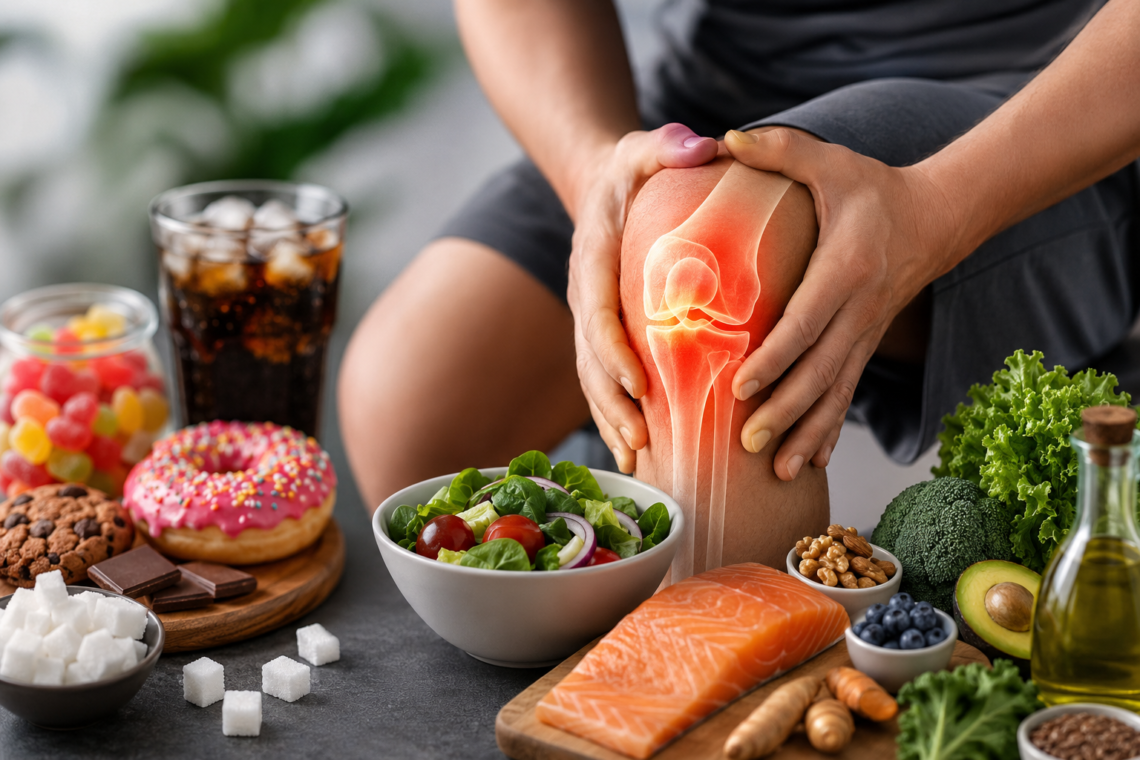
Nutrition powerfully influences inflammation levels. Foods rich in natural antioxidants—like blueberries, leafy greens, and nuts—have been associated with reduced markers of inflammation. Coffee contains polyphenols that may protect against inflammation. Meanwhile, sugary beverages, refined carbs, and processed foods can worsen joint inflammation.

Stress reduction and sleep hygiene

Poor sleep dramatically amplifies inflammation. Even a single night of inadequate rest increases inflammatory markers in your bloodstream. Establishing consistent sleep schedules, creating relaxing bedtime routines, and optimizing your sleep environment directly supports joint healing.

Cognitive behavioral therapy (CBT)

CBT effectively reduces joint pain by addressing the psychological components of chronic pain. Studies confirm CBT helps patients develop coping strategies, restructure negative thought patterns, and improve sleep quality—all crucial for pain management. This approach works by changing the neurophysiological processes that trigger and maintain pain.

Tracking symptoms and hormone levels

Regular monitoring, including bone density scans and hormone level testing, enables early intervention. Tracking symptom patterns alongside menstrual cycles or menopausal changes helps identify specific hormonal triggers for your joint pain.

Conclusion

Understanding the connection between hormones and joint pain offers a powerful path to relief for many patients. Throughout this guide, I’ve highlighted how hormone fluctuations affect not just your mood and energy but also your joint comfort and function. Undoubtedly, recognizing these patterns in your body provides the first step toward meaningful improvement.

Many of my patients express surprise when they discover their persistent joint pain stems from hormonal imbalances rather than injury or age-related degeneration. Actually, hormone-related joint issues respond differently to treatment than mechanical problems, which explains why conventional pain management sometimes falls short.

The good news? Once identified, hormone-related joint pain often responds well to targeted approaches. Menopausal hormone therapy, for instance, can reduce pain scores significantly within just months for qualifying patients. Similarly, addressing thyroid dysfunction typically resolves related joint symptoms as hormone levels normalize.

Your daily habits matter tremendously too. What you eat, how you sleep, and how you manage stress directly influence your hormonal balance and therefore your joint comfort. Small changes—like reducing inflammatory foods or establishing consistent sleep patterns—often yield remarkable improvements over time.

Above all, remember that hormone-related joint pain requires a comprehensive approach. While tracking your symptoms alongside hormonal cycles provides valuable insights, partnering with healthcare providers who understand these connections ensures the most effective treatment. Though the relationship between hormones and joint pain is complex, appropriate management strategies can help you regain comfort and mobility regardless of your life stage.

Key Takeaways

Understanding the hormonal connection to joint pain can unlock more effective treatment approaches than traditional pain management alone.

• Hormonal fluctuations, not just low levels, trigger joint pain – changing estrogen and progesterone levels affect pain sensitivity more than stable hormone levels.

• Multiple hormones impact joint health differently – estrogen affects flexibility, progesterone reduces inflammation, cortisol manages stress responses, and thyroid hormones maintain bone strength.

• Specific life stages increase joint pain risk – perimenopause, postpartum recovery, and PCOS create hormonal environments that promote joint inflammation and discomfort.

• Comprehensive management works best – combining hormone therapy, anti-inflammatory diet, stress reduction, and sleep optimization addresses root causes more effectively than single treatments.

• Symptom tracking reveals patterns – monitoring joint pain alongside menstrual cycles or hormonal changes helps identify specific triggers and optimal treatment timing.

The key insight is that joint pain often reflects your body’s hormonal balance rather than just mechanical wear and tear. By addressing the endocrine system alongside traditional pain management, many patients find significant relief from chronic joint discomfort that previously seemed untreatable.

FAQs

Q1. How do hormones contribute to joint pain?

Hormones play a significant role in joint health. Fluctuations in hormone levels, particularly estrogen and progesterone, can increase inflammation and pain sensitivity in joints. This is why many people experience joint discomfort during hormonal changes like menopause or menstruation.

Q2. Which specific hormones are linked to joint pain?

Several hormones affect joint health, including estrogen, progesterone, cortisol, thyroid hormones, and testosterone. Each has a unique impact – for example, estrogen influences joint flexibility, while progesterone has anti-inflammatory effects. Imbalances in these hormones can lead to increased joint pain and stiffness.

Q3. Can hormonal imbalances cause joint pain even in younger adults?

Yes, hormonal imbalances can cause joint pain at any age. Conditions like PCOS or thyroid dysfunction can lead to joint discomfort even in younger adults. Additionally, premenstrual hormonal changes can cause temporary joint pain in many women.

Q4. What are some signs that joint pain might be hormone-related?

Key indicators include joint stiffness during menopause, body aches related to menstrual cycles, unexplained fatigue alongside joint pain, and joint discomfort that coincides with other hormonal symptoms like mood changes or weight fluctuations.

Q5. How can hormone-related joint pain be managed?

Management strategies include hormone therapy for qualifying patients, adopting an anti-inflammatory diet, stress reduction techniques, improving sleep quality, and regular exercise. Tracking symptoms alongside hormonal cycles can also help identify triggers and guide treatment approaches.

Your Essential Guide to Bone & Joint Health During Pregnancy: From First Trimester to Delivery & Recovery.

Bone & Joint Health During Pregnancy: Expert Guide by Dr. Manu Mengi 

During pregnancy, your body undergoes remarkable changes in bone and joint health, with studies showing that 3 to 5 percent of bone mass can fluctuate throughout this journey. The hormone relaxin loosens your ligaments, while increased estrogen levels help build stronger bones.

However, these changes often bring challenges, especially during the second and third trimesters. Your expanding uterus shifts your centre of gravity, leading to lower back pain, while extra weight creates pressure on your knees and other joints. The good news is that your body becomes more efficient at absorbing calcium during pregnancy, specifically in the later months.

This comprehensive guide, reviewed by Dr. Manu Mengi (Leading Orthopedic Specialist in Mohali), covers everything you need to know about maintaining strong bones and healthy joints throughout your pregnancy. You’ll learn about essential nutrients, safe exercises, and practical strategies to manage common discomforts from your first trimester through recovery.

Understanding Bone and Joint Changes in Early Pregnancy

Your body begins preparing for your baby’s development from the moment of conception. The first trimester marks the beginning of significant bone and joint changes that will continue throughout your pregnancy journey.

How hormones affect your skeletal system

The early weeks of pregnancy trigger a cascade of hormonal changes that directly impact your skeletal system. By 8-12 weeks, you experience the first peak of relaxin, making this an especially vulnerable period for your joints and supporting ligaments. This hormone works by breaking down collagen in targeted tissues and replacing it with a modified form containing higher water content.

Relaxin isn’t working alone, though. Alongside progesterone, it increases connective tissue pliability and extensibility, resulting in reduced passive joint stability. This loosening process begins around 10 weeks of pregnancy, preparing your body for the eventual accommodation of your growing baby.

In contrast to these loosening effects, estrogen plays a protective role for your bones. High estrogen levels during pregnancy are beneficial for bone building, helping to counter some of the potential calcium loss. At the same time, your body begins producing parathyroid hormone-related protein (PTHrP), which increases from the first trimester until labor. This hormone works to suppress and replace regular parathyroid hormone, preventing hyperparathyroidism.

First signs of joint sensitivity

As these hormonal shifts occur, you might begin noticing subtle changes in how your body feels. Early pregnancy often brings minor joint sensitivity that many women dismiss as normal body aches. Nevertheless, the combination of ligament relaxation due to relaxin, postural shifts, and beginning weight changes can trigger initial discomfort.

You may first notice these changes when performing daily activities, as some joints begin losing their normal stability. At the microstructural level, bone biopsies suggest increased bone resorption occurs as early as 8-10 weeks of pregnancy, though this process typically normalizes by term.

Many women report slight discomfort in the pelvic region, particularly around the sacroiliac joints. Furthermore, the symphysis pubis experiences measurable changes, with the normal gap of 4-5 mm showing an average increase of 3 mm during pregnancy.

Preparing your body for changes ahead

The first trimester provides a critical window to prepare for the more pronounced joint challenges of later pregnancy. According to pregnancy fitness experts, this is an ideal time to learn proper pelvic bracing techniques that you’ll use throughout your pregnancy.

To protect your joints as they become more vulnerable:

  • Begin strengthening your deep core and pelvic floor muscles immediately
  • Perform cardio and strength exercises in a controlled manner to avoid hyperextending joints
  • Increase your calcium intake through food sources rather than supplements for better absorption
  • Be mindful of your posture as your center of gravity begins to shift

Although your joints are becoming more relaxed, the good news is that bone resorption appears to be regained through the addition of new trabeculae by late pregnancy. Additionally, your intestinal calcium absorption improves during early pregnancy to help meet your baby’s growing calcium requirements.

Consider speaking with your healthcare provider about appropriate prenatal exercises that can strengthen the muscles surrounding your joints. Consequently, this additional support becomes vital as your ligaments continue to loosen throughout pregnancy. With proper preparation now, you can significantly reduce discomfort in the coming months as your body continues its remarkable adaptation process.

Second Trimester: Managing Increasing Joint Pressure

As your pregnancy progresses into the second trimester, the subtle joint changes you experienced earlier become more pronounced. The growing weight of your baby, combined with hormonal shifts, creates new challenges for your skeletal system, particularly affecting your back, pelvis, and knees.

Why does back pain typically begin now?

Most pregnant women experience back pain starting in the second half of pregnancy. This timing isn’t random – it corresponds with several significant bodily changes. As your uterus expands, it puts pressure on the blood vessels and nerves in your pelvis and back, creating discomfort that wasn’t present before.

Moreover, your centre of gravity shifts noticeably during this period. Your body gradually begins to adjust posture and movement patterns, often without you even realising it. The pelvis also tilts forward as pregnancy progresses, creating a chain reaction through your spine.

Perhaps most importantly, the hormone relaxin continues its work, allowing ligaments supporting the spine to loosen. This increased flexibility, while essential for childbirth preparation, leads to greater instability and potential pain throughout your back.

The science behind pelvic expansion

The second trimester marks a critical period for pelvic joint changes. Your pelvis begins a measurable process of expansion, with both the anterior and posterior pelvic joints continually opening to accommodate your growing baby. This expansion is directly facilitated by relaxin, which helps your pelvic joints and ligaments relax.

From a biomechanical perspective, your pelvis serves a crucial function – transferring loads generated by body weight and gravity during daily activities. This function becomes even more vital now as your body weight increases substantially over a relatively short period.

Research shows that increased pelvic asymmetry during pregnancy is a risk factor for pregnancy-related sacroiliac joint pain. The relatively small and flat sacroiliac joint of women compared to men, combined with hormonal weakening of ligaments, often leads to sacroiliac joint instability.

Protecting your knees as weight increases

In the second trimester, more structural changes begin to affect your knees. The forward tilting pelvis realigns your center of gravity, subtly changing your posture and how exercise puts stress on your knees.

Increased weight puts direct pressure on your knees and may intensify any existing knee discomfort. Additionally, gaining water weight during this period can increase stiffness in your feet, hips, knees, and ankles.

To protect your knees:

  • Wear supportive, comfortable footwear with good arch support instead of high heels
  • Try core stability exercises like side planks, clam shells, and leg raises
  • Perform foot strengthening exercises such as toe-stands and foot arch lifts
  • Take time to rest, giving your joints regular breaks

Safe exercises for maintaining joint stability

Building off first trimester core strengthening, you can now add functional movements that support joint stability. Regular exercise during this period improves range of motion and keeps your joints flexible.

For optimal joint protection, focus on:

  1. Low-impact activities: Walking and swimming are gentler on your joints while still providing excellent conditioning.
  2. Core strengthening: The bird dog exercise increases stability, promotes a neutral spine, and alleviates low back pain. It improves posture while strengthening your core, hips, and back muscles.
  3. Lower body support: Squats strengthen your abdominal and leg muscles, helping prepare you for labour while reducing the risk of knee and ankle injuries.
  4. Pelvic stability: Standing pelvic tilts help alleviate back pain by relieving lower back stiffness and gently stretching back muscles.

If you experience joint discomfort, applying warm compresses to painful areas and wearing low-heeled, supportive shoes can provide significant relief. Likewise, avoid standing on one leg, and climb stairs one at a time to minimise pelvic stress.

Third Trimester: Navigating Peak Joint Stress

The final stretch of pregnancy brings the heaviest joint burden as your body reaches maximum physical adaptation. The third trimester introduces peak joint stress, with many women experiencing their most significant discomfort during these crucial weeks.

Why do joints hurt more in the final weeks?

The third trimester triggers relaxin’s second peak, creating even greater joint instability at precisely the time your body carries maximum weight. This hormonal surge increases the shearing forces at your pubic symphysis joint, often causing deeper discomfort than in previous months. First of all, your centre of gravity shifts dramatically as your baby grows, forcing your body to compensate through posture adjustments that put additional pressure on your lower back and hips.

Meanwhile, the extra pregnancy weight now places maximum strain on your joints. Your abdominal muscles, increasingly stretched to accommodate your growing uterus, weaken further, providing less support for your spine and contributing to joint discomfort. Above all, the continued loosening of ligaments supporting your pelvis reaches its peak effectiveness in preparation for childbirth.

Managing hip and sacroiliac pain

Wearing a belly band starting in mid-to-late third trimester provides critical support for your abdomen, notably relieving both lower back pain and sacroiliac joint discomfort. To protect vulnerable joints, avoid activities that place uneven weight distribution across your pelvis – no leaning on one leg, no hip jutting, and no crossing your legs when sitting.

For sacroiliac pain management:

  • Rest frequently to take the weight off your pelvis
  • Take smaller, slower steps when walking
  • Climb stairs one at a time to minimise pelvic stress
  • Change positions regularly to avoid prolonged sitting or standing

Wearing supportive footwear becomes increasingly important, as does using hot and cold therapy. Thereafter, consider physical therapy if pain persists, since strengthening your deep core and glutes often helps stabilise the sacroiliac joint.

Sleeping positions that reduce joint pressure

Left-side sleeping offers optimal circulation and reduces swelling, primarily benefiting women with high blood pressure or other complications. Place a pillow between your legs to improve alignment and decrease hip pressure. For lower back discomfort, try side sleeping with a pillow supporting both your legs and under your belly.

If experiencing hip pain, adding a pillow underneath your hips helps improve alignment. Alternatively, if you find yourself on your back, try elevating your upper body at a 45-degree angle using pillows to prevent compression of the vena cava while taking pressure off your spine.

When to be concerned about severe pain

Contact Dr. Manu Mengi, Mohali’s Best Orthopedic Doctor, if joint pain intensifies, prevents normal daily activities, or leads to additional symptoms. Be particularly alert to unrelenting pain, deep, sharp sensations, or sudden inability to walk or get up. Importantly, rhythmic low back pain occurring every few minutes might indicate contractions, which sometimes present as back pain rather than abdominal cramping.

Even if pain seems manageable, mention any joint discomfort at your next appointment. Your provider can help develop strategies to decrease pain and potentially prevent it from worsening as you approach delivery.

Essential Nutrition for Bone Health Throughout Pregnancy

Proper nutrition plays a pivotal role in supporting your changing skeletal system throughout pregnancy. Your nutritional needs shift dramatically as your body works to maintain your bone health while building your baby’s developing skeleton.

Calcium requirements and absorption changes

During pregnancy, your daily calcium needs range from 1200-1500mg depending on your age. Remarkably, your body becomes more efficient at absorbing this vital mineral, with intestinal calcium absorption doubling as early as 12 weeks into pregnancy. This increased absorption appears to be your primary maternal adaptation to meet fetal calcium demands.

Your calcium absorption rate increases from 27% (non-pregnant) to 54% by the fifth or sixth month of pregnancy. This efficiency is crucial because, without adequate intake, your body will extract calcium from your own bones to supply your baby. Studies indicate that high maternal calcium intake positively affects bone mineral density in offspring even at age 16.

Beyond calcium: other minerals your bones need

Calcium doesn’t work alone. Research shows that magnesium and phosphorus also play essential roles in maternal and fetal bone development. Your magnesium needs increase during pregnancy to support proper muscle function and bone formation.

Vitamin D is equally important as it helps your body absorb calcium effectively. Adults need 10 micrograms (400 IU) daily, primarily obtained through sunlight exposure and diet. Without sufficient vitamin D, calcium absorption diminishes significantly – studies demonstrate that maternal vitamin D deficiency correlates with declining bone mineral density.

Foods that fight inflammation and joint pain

Incorporating anti-inflammatory foods can help manage pregnancy-related joint discomfort. Focus on consuming:

  • Fruits rich in antioxidants (blueberries, apples)
  • Leafy greens containing polyphenols and calcium
  • Nuts with protective compounds that fight inflammation
  • Fatty fish providing omega-3 fatty acids and vitamin D
  • Whole grains that help produce anti-inflammatory fatty acids

In fact, studies indicate that polyphenols in foods like coffee may provide additional anti-inflammatory benefits. Garlic, turmeric, and ginger contain potential anti-inflammatory properties that support joint health. Overall, maintaining a Mediterranean-style diet high in fruits, vegetables, and healthy fats offers the best approach for reducing inflammation while supporting optimal bone development.

Practical Daily Movements to Protect Your Joints

Daily movement patterns significantly impact how your joints respond to pregnancy’s changing demands. Small adjustments to your routine activities can make a substantial difference in preventing discomfort and protecting your skeletal system.

Proper sitting and standing postures

For sitting: Keep your back straight with shoulders pulled back, allowing your buttocks to touch the chair back. Place a small pregnancy pillow behind your lower back for added support. Maintain your knees and hips at a 90-degree angle with feet flat on the floor—never cross your legs. Take breaks every 30 minutes, as prolonged sitting increases joint strain.

For standing: Hold your head straight with chin in and shoulders back. Keep knees straight but not locked while maintaining weight balanced evenly on both feet. Avoid standing in the same position for extended periods; elevate one foot on a small stool when standing for longer durations, switching feet every 5-15 minutes to relieve pressure.

Safe lifting techniques when pregnant

First of all, avoid lifting objects heavier than 20 pounds during pregnancy. When lifting is necessary, stand with feet shoulder-width apart and bend at your knees—never at your waist. Keep your back straight while tightening your stomach and pelvic floor muscles before lifting. Hold objects close to your body with your arms bent, taking small steps as you move.

Core stability exercises for back protection

Strengthening your core muscles helps prevent back pain and improves stability. Try these exercises:

  • Pelvic tilts: While lying with knees bent, flatten your lower back against the floor to engage abdominals
  • Bird dog: From hands and knees position, extend opposite arm and leg while maintaining a stable core
  • Wall squats: With back against wall, slide down into a sitting position, engaging thighs and abdominals

Hold strengthening poses for 3-10 seconds, repeating 10-30 times. Remember to breathe out during exertion and in during relaxation.

Using supportive devices effectively

Supportive devices can significantly reduce joint stress. Consider wearing a belly band in later pregnancy to provide abdominal support and relieve lower back pressure. Importantly, research shows seven out of ten pregnant women are willing to change behaviors based on personalized recommendations from wearable monitoring devices.

Conclusion

Pregnancy brings remarkable changes to your bones and joints.

Pregnancy brings remarkable changes to your bones and joints, though understanding these shifts helps you navigate them successfully, for expert guidance, consult Dr. Manu Mengi, the Best Orthopedic Doctor in Mohali, at his clinic for personalised care. Book an appointment today!”. Your body becomes more efficient at absorbing nutrients while hormones prepare your skeletal system for childbirth. This natural wisdom of your body, paired with proper care, supports both your health and your baby’s development.

Maintaining strong bones and stable joints throughout pregnancy requires a balanced approach. Regular gentle exercise, especially activities like swimming and walking, strengthens supporting muscles without overtaxing your joints. Meanwhile, calcium-rich foods and anti-inflammatory nutrients provide essential building blocks for skeletal health.

Small daily adjustments make significant differences in joint comfort. Proper posture, careful movements, and supportive devices reduce unnecessary strain on your changing body. Remember that mild discomfort is normal, though sharp or persistent pain warrants a conversation with your healthcare provider.

After delivery, your joints gradually return to their pre-pregnancy state as hormone levels normalize. This recovery period deserves the same careful attention you gave your body during pregnancy. Stay patient with yourself and maintain the healthy habits you’ve developed – they’ll serve you well beyond pregnancy.

FAQs

Q1. How can I manage joint pain during pregnancy?

A1. To manage joint pain, engage in gentle exercises like swimming or walking, apply warm compresses or ice packs, get adequate rest, and wear supportive gear such as pregnancy belts and cushioned shoes. Also, maintain good posture and consider prenatal massage for relief.

Q2. Which trimester is typically the most challenging for joint health?

A2. The third trimester often presents the greatest challenges for joint health. As your baby grows, there’s increased pressure on your joints, particularly in your lower back, hips, and pelvis. The hormone relaxin peaks during this time, leading to greater joint instability.

Q3. What nutritional considerations are important for bone health during pregnancy?

A3. Focus on calcium-rich foods, as your body becomes more efficient at absorbing calcium during pregnancy. Include other essential minerals like magnesium and phosphorus, and ensure adequate vitamin D intake. Consume anti-inflammatory foods such as leafy greens, fatty fish, and whole grains to support joint health.

Q4. How should I modify my daily movements to protect my joints?

A4. Maintain proper posture when sitting and standing, taking regular breaks to move around. When lifting, bend at your knees, keep your back straight, and avoid heavy objects. Incorporate core stability exercises like pelvic tilts and wall squats to strengthen supporting muscles.

Q5. When should I be concerned about joint pain during pregnancy?

A5. While some discomfort is normal, contact your healthcare provider if you experience severe, persistent pain that interferes with daily activities or if you have sudden difficulty walking or getting up. Also, be aware that rhythmic low back pain could potentially indicate contractions.

For persistent pain, schedule a consultation at Dr. Manu Mengi’s Orthopaedic Clinic in Mohali for expert pregnancy joint care.