Why Does Hip Pain Travel Down Your Leg? A Pain Specialist (Dr. Manu Mengi) Explains.

Have you ever wondered why hip pain radiates to the thigh or knee – is the problem really in the hip? This confusing sensation is actually quite common. Hip pain can range from a temporary annoyance to a serious condition requiring medical attention, and surprisingly, it doesn’t always stay in one place.

Often, pain that seems to originate in your knee may actually be coming from your hip joint. In fact, hip pain frequently radiates or refers to the knee and even lower in the leg, making everyday activities like putting on shoes, standing up, walking, or driving particularly challenging. This referral pattern can be misleading, as the true source of your discomfort might be different from where you’re feeling the pain.

Sometimes the pain travels down the nerves into your lower leg. This radiation pattern is especially common with conditions like hip osteoarthritis, which typically causes a deep aching sensation in the groin and hip area but can spread to areas below your knee. Additionally, sciatica is usually the most common reason why pain in your hip goes down your leg. Understanding these patterns can help you identify the true source of your discomfort and find appropriate relief.

Key Takeaways

Hip pain often masquerades as knee or thigh discomfort, making accurate diagnosis crucial for effective treatment and lasting relief.

• Hip pain frequently radiates to unexpected areas – Up to 71% of hip problems cause buttock pain, while 47% of hip arthritis cases create pain below the knee due to shared nerve pathways.

• Misdiagnosis is surprisingly common, even among specialists – Many patients undergo unnecessary knee treatments when their pain actually originates from hip conditions like arthritis or labral tears.

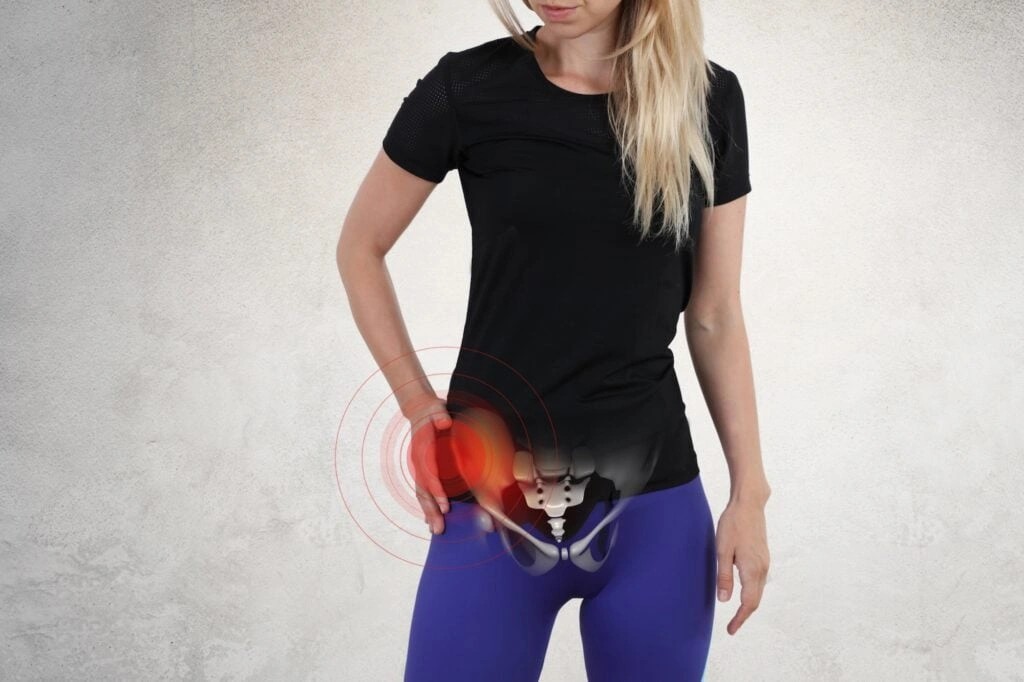
• The “C sign” helps identify true hip problems – Patients with hip issues often wrap their hand around the hip area, indicating deep, wraparound pain that differs from localized knee discomfort.

• Early intervention prevents surgical complications – Conservative treatments like targeted exercises, anti-inflammatory medications, and physical therapy effectively manage most hip conditions when caught early.

• Hip replacement surgery offers excellent outcomes when needed – Over 90% of patients experience significant pain reduction, making it a highly successful option for severe cases that don’t respond to conservative care.

Understanding these pain referral patterns empowers you to seek proper evaluation if knee treatments aren’t working, potentially avoiding unnecessary procedures and finding the root cause of your discomfort.

Recognizing the Signs of Hip Pain That Travels

Recognizing when hip pain travels to other areas of your leg requires attention to specific patterns and symptoms. Unlike isolated hip discomfort, radiating pain follows predictable paths that can help identify its true source.

Hip pain felt in thigh muscles or knee

The connection between hip and knee pain often confuses both patients and healthcare providers. Hip and knee joints work together in what medical professionals call a “kinetic chain” – when one joint isn’t functioning properly, it affects the others. Consequently, pain that you feel in your knee might not actually originate there at all. This phenomenon is called referred pain, where the brain misinterprets where the discomfort is coming from.

Hip conditions frequently cause pain that radiates beyond the hip joint itself. For instance, if you have hip arthritis, you might feel pain in your:

  • Groin area
  • Thigh muscles
  • Buttocks region
  • Knee joint

This occurs because the femoral, obturator, and sciatic nerves serve both the hip and knee, creating connected pain pathways. Furthermore, many people with hip problems report discomfort that seems to move from one area to another throughout the day.

Early signs of hip arthritis

Hip osteoarthritis develops when protective cartilage wears down while bone around the joint changes shape. The symptoms may appear gradually or come on relatively quickly, making early recognition crucial.

Watch for these warning signs of hip arthritis:

  • Pain during or after movement that worsens over time
  • Morning stiffness or stiffness after periods of inactivity
  • Decreasing flexibility and range of motion
  • Grinding, catching, or clicking sensations during movement
  • Pain that worsens in rainy weather
  • Difficulty with specific movements like putting on socks and shoes

One particularly telling sign involves routine tasks – if you struggle to put on socks and shoes because you can’t comfortably lift your foot to your opposite leg, this may indicate hip arthritis rather than simple inflexibility.

When knee pain is actually from the hip

Misdiagnosis of hip-related knee pain happens with alarming frequency. According to one institutional study, researchers identified 21 patients who were referred for treatment of knee pain but ultimately diagnosed with hip pathology as the true cause. Even more concerning, twelve of these patients had undergone surgical knee interventions, including total knee replacement, with minimal to no relief.

The outcome after proper diagnosis proved revealing – fourteen patients experienced complete resolution of their knee pain after receiving appropriate hip treatment through total hip arthroplasty. This highlights how often the true source of pain can be overlooked.

Though it might seem like basic medical knowledge, knee pain referred from hip disease remains an overlooked phenomenon. Surprisingly, many cases are misdiagnosed even by musculoskeletal specialists and orthopedic surgeons, emphasizing the need for greater awareness of this clinical scenario.

If you’re experiencing persistent knee pain that doesn’t respond to knee-focused treatments, the possibility of hip pathology should be considered, especially if accompanied by limited hip mobility or groin discomfort.

Why Hip Pain Spreads to the Thigh or Knee

The underlying mechanics of why hip pain travels down your leg involves a complex interplay of anatomy, nerve pathways, and pain referral patterns. Understanding these connections helps explain why the location of your pain doesn’t always reveal its true source.

Hip joint anatomy and referral pattern

Your hip is a remarkable ball-and-socket joint where the rounded head of your thigh bone (femur) fits into a socket (acetabulum) in your pelvis. This sophisticated joint includes bones, cartilage, muscles, ligaments, tendons, and nerves—all working together to support your body weight and enable movement.

When hip joint problems develop, pain doesn’t stay confined to one area. Contrary to what many assume, studies show that buttock pain is actually the most common referral area from a symptomatic hip joint, occurring in 71% of patients. The traditionally recognized areas of groin and thigh pain appear less frequently—in only 55% and 57% of patients respectively. Moreover, hip pain can occasionally refer all the way down to the foot.

Where you feel the pain depends largely on which part of your hip joint is damaged. For example, anterior hip problems often cause pain in the groin and front of the thigh, whereas posterior hip issues might create discomfort in the buttock region.

How nerves carry pain signals

The transmission of pain signals from hip to knee occurs primarily through shared nerve pathways. The hip joint receives sensory innervation from multiple sources: the obturator and femoral nerves supply the anterior hip capsule, while the sciatic and superior gluteal nerves serve the posterior aspects. Notably, these same nerves also innervate the knee joint.

This overlapping innervation creates the perfect conditions for referred pain. Several scientific theories explain this phenomenon:

  • Convergence-projection theory: Somatic and visceral fibers converge onto a single dorsal horn neuron in the spinal cord
  • Dichotomizing fibers: Some neurons that innervate the hip joint have branches that extend to the knee area
  • Neural pathway reorganization: Chronic pain can alter how your brain processes pain signals

Research in rat models has demonstrated that a small percentage of dorsal root ganglion neurons innervating the hip joints have other axons that extend to the medial portion of knee skin, potentially explaining the hip-knee pain connection.

Common misdiagnoses: knee vs hip

Hip problems masquerading as knee pain create diagnostic challenges for healthcare providers. Surprisingly, this misdiagnosis occurs even among musculoskeletal specialists—15 out of 21 patients in one study series were initially misdiagnosed by such experts.

The connection between these joints extends beyond nerve pathways. Your hip and knee function as part of an interconnected chain—when one joint isn’t working properly, it alters your movement patterns and places extra pressure on the other. This biomechanical relationship often leads to compensatory pain.

Watch for these warning signs that your knee pain might actually stem from your hip:

  1. Knee pain that seems disproportionate to clinical and radiographic findings
  2. Significant disability requiring walking aids (especially wheelchairs or walkers)
  3. Abnormal hip motion during physical examination
  4. Knee pain that fails to improve with knee-focused interventions

Hip patients often describe their pain using the characteristic “C sign”—placing their index finger near the anterior superior iliac spine (ASIS) and their thumb over the posterior trochanteric region to indicate the wraparound nature of their discomfort.

The consequences of misdiagnosis can be serious. In the aforementioned study, twelve patients had undergone surgical knee interventions with minimal to no relief before their hip condition was properly identified. Subsequently, fourteen patients experienced complete resolution of their knee pain after receiving appropriate hip treatment.

Conditions That Cause Hip Pain to Radiate

Several distinct hip conditions can cause pain to travel down your leg, with each having characteristic symptoms and radiation patterns. Understanding these conditions helps pinpoint the true source of discomfort.

Osteoarthritis and joint degeneration

Hip osteoarthritis develops when protective cartilage wears away while bone around the joint changes shape. This degenerative process typically causes pain that begins in the groin area but often radiates to the thigh, buttocks, or knee. Indeed, studies show that hip pain can radiate below the knee in approximately 47% of hip osteoarthritis cases.

The most telling symptom is groin pain, which occurs in 84.3% of patients with hip dysfunction. Many people experience worse pain in the morning or after sitting for extended periods. Other symptoms include stiffness, decreased range of motion, and a grinding sensation during movement. Curiously, the severity of radiographic hip deterioration doesn’t necessarily correlate with pain intensity or distribution.

Labral tears and impingement

The labrum is cartilage that surrounds your hip socket, providing stability and cushioning. When torn, it typically causes pain in the front of the hip or groin that may travel down to the knee. Femoroacetabular impingement (FAI) occurs when hip bones rub or pinch against each other, often leading to labral tears.

Common symptoms include pain during bending movements, stiffness, and a clicking sensation when moving your hip. FAI symptoms frequently worsen with activities like riding a bike, tying shoes, or sitting for extended periods. Without treatment, this condition can damage cartilage and eventually lead to arthritis.

Hip bursitis and snapping hip syndrome

Trochanteric bursitis involves inflammation of the fluid-filled sac that cushions the upper, outer part of your femur. Pain typically occurs on the outer hip, buttock, or side of your upper thigh. This pain often worsens when lying on the affected side or after sitting.

Snapping hip syndrome causes a snap or pop sensation during hip movement. The external type affects the outside hip area, whereas internal snapping hip causes discomfort near the groin. Although usually harmless, snapping hip can eventually lead to bursitis.

Avascular necrosis and deep hip pain

Avascular necrosis (AVN) results from interrupted blood supply to bone tissue, causing bone death. This serious condition primarily affects the hips, knees, and shoulders. The pain often radiates to the groin, thigh, or buttock, making it difficult to pinpoint the exact source.

Without treatment, AVN worsens as bone tissue dies, potentially leading to bone collapse and severe arthritis. Risk factors include corticosteroid use, excessive alcohol consumption, joint injuries, and certain medical conditions like sickle cell anemia. Early diagnosis is crucial since the progression can be quite rapid.

How Doctors Diagnose the True Source of Pain

Pinpointing the true source of radiating hip pain requires specialized medical expertise and diagnostic techniques. Doctors employ a systematic approach combining detailed examinations, specialized tests, and advanced imaging to differentiate between hip pathology and other conditions.

Physical exam and movement tests

Doctors typically begin with a thorough patient interview, as research indicates patient history plays a vital role in differential diagnosis of hip pain and sometimes proves superior to objective tests. The physician will ask about pain location, nature, patterns throughout the day, and activities that trigger discomfort.

Several specialized movement tests help identify hip joint issues:

  • FABER test (Flexion, ABduction, External Rotation): With the patient supine, the hip is flexed, abducted, and externally rotated. Positive findings indicate potential hip pathology or sacroiliac joint dysfunction
  • FADIR test: The hip is flexed, adducted, and internally rotated to provoke pain suggestive of labral tears or impingement
  • Log roll test: Passive internal/external rotation of the leg while supine can reveal hip joint pathology
  • Thomas test: Identifies hip flexion contractures by examining if the opposite hip lifts off the examination table

Gait analysis primarily helps identify conditions like antalgic gait (painful shortened stance) or Trendelenburg gait (indicating abductor weakness).

Imaging for hip vs knee pain

Generally, standing anteroposterior hip and pelvic radiography serves as the initial imaging study for chronic hip pain. Nevertheless, fractures aren’t always visible on initial X-rays – MRI shows higher sensitivity for detecting subtle fractures.

MRI proves especially valuable for diagnosing soft tissue problems around the hip joint. Meanwhile, ultrasound effectively evaluates joint effusion, synovial thickening, bone/cartilage contour issues, plus conditions like trochanteric bursitis and hamstring tendinopathy.

When to consider referred pain

Referred pain should be suspected whenever:

  • Pain patterns seem disproportionate to clinical findings
  • Knee pain fails to improve with knee-focused treatments
  • Hip injections provide relief from knee symptoms
  • Patients report posterior hip pain alone (57.1%) or both anterior and posterior pain (21.4%)

Importantly, studies confirm that disk space narrowing at L1/L2 or L2/L3 spine levels significantly correlates with hip pain.

Case example: misdiagnosed hip arthritis

One revealing case study highlights this diagnostic challenge. A patient presented with localized hip/groin pain, positive FABER/FADDIR tests, morning stiffness, and abductor weakness. Initially, spine-related causes were suspected.

Upon X-ray examination, severe hip osteoarthritis with complete joint space loss was discovered. This exemplifies how objective findings like pain during squats, referred groin pain, abduction weakness, and restricted hip movements can achieve a positive likelihood ratio of 15.4 for correct hip diagnosis.

Managing and Treating Radiating Hip Pain

Effective management of radiating hip pain requires a multi-faceted approach tailored to your specific condition and symptoms. Treatment options range from simple exercises to surgical interventions depending on severity.

Exercises for hip joint pain relief

Targeted exercises strengthen muscles supporting your hip joint, improving stability and function. Physical therapists often recommend leg raises, bridging, and hip extensions to build strength around the joint. The butterfly stretch and double hip rotations help improve flexibility and range of motion. Start with gentle movements—hip flexion exercises where you march in place can improve mobility without excessive strain. Importantly, cease any exercise that increases pain rather than relieves it.

Non-surgical treatments for hip arthritis

Low-impact activities like swimming or cycling maintain fitness without stressing painful joints. Over-the-counter medications such as NSAIDs (ibuprofen, naproxen) effectively reduce inflammation and pain. For persistent discomfort, corticosteroid injections provide short-term improvements in pain, function, and range of motion. Hyaluronic acid injections offer additional joint lubrication. Physical therapy remains valuable as it presents minimal risk of adverse events compared to medications.

When surgery is needed

Consider surgical options primarily when hip pain interferes with daily activities despite trying non-surgical treatments. Hip replacement surgery (total hip arthroplasty) becomes appropriate if pain: doesn’t respond to medications, worsens with walking even when using support, interferes with sleep, or makes climbing stairs difficult. Remarkably, more than 90% of people who undergo hip replacement experience significant pain reduction.

Preventing future flare-ups

Maintain a healthy weight to reduce unnecessary stress on your hip joints. Modify activities that trigger pain—avoid low chairs which bend the hip more acutely. Use walking aids correctly if recommended by healthcare professionals. Apply the RICE method (Rest, Ice, Compression, Elevation) for acute flare-ups. Finally, strengthen thigh and leg muscles through regular exercise as everything is connected.

Conclusion

Understanding why hip pain travels down your leg empowers you to seek appropriate care rather than treating symptoms at the wrong location. Hip joint problems frequently masquerade as knee pain, thigh discomfort, or even foot issues due to the complex network of nerves connecting these areas. This referral pattern explains why treating the apparent pain site often fails to provide lasting relief.

Accurate diagnosis stands as the cornerstone of effective treatment. Your doctor should conduct thorough physical examinations and movement tests before considering advanced imaging. Consequently, this comprehensive approach helps differentiate between true knee problems and hip-originated pain that merely presents in the knee area.

Hip osteoarthritis, labral tears, bursitis, and avascular necrosis represent the primary culprits behind radiating hip pain. Each condition creates distinctive pain patterns that may extend well beyond the hip joint itself. Therefore, describing your exact symptoms—including pain location, triggers, and timing—helps your healthcare provider make the correct diagnosis.

The good news? Most hip conditions respond well to appropriate treatment. Conservative approaches such as targeted exercises, medication, and lifestyle modifications provide relief for many patients. Nonetheless, surgical interventions like hip replacement offer excellent outcomes when necessary, with over 90% of patients experiencing significant pain reduction afterward.

Your proactive participation remains essential for long-term hip health. Maintaining healthy weight, modifying problematic activities, and strengthening supporting muscles all contribute to preventing future flare-ups. Additionally, early intervention prevents minor problems from developing into more serious conditions that might eventually require surgery.

Though radiating hip pain can significantly impact your quality of life, proper diagnosis and treatment can restore your mobility and eliminate discomfort. Armed with this knowledge about pain referral patterns, you can advocate for thorough evaluation if you suspect your knee pain might actually originate from your hip.

FAQs

Q1. What conditions can cause hip pain to radiate down the leg?

Hip osteoarthritis, labral tears, femoroacetabular impingement, bursitis, and avascular necrosis are common conditions that can cause hip pain to travel down the thigh, knee, or even lower leg areas. This is due to the complex network of nerves connecting the hip to other parts of the leg.

Q2. How can doctors accurately diagnose the source of radiating hip pain?

Doctors use a systematic approach involving detailed patient history, physical exams with specialized movement tests like FABER and FADIR, and advanced imaging techniques like X-rays, MRI, and ultrasound to pinpoint whether the pain originates from the hip joint or other areas.

Q3. What are some effective non-surgical treatments for hip joint pain?

Non-surgical options include low-impact exercises to strengthen supporting muscles, over-the-counter anti-inflammatory medications, corticosteroid or hyaluronic acid injections for temporary relief, physical therapy, and activity modification to reduce joint stress.

Q4. When is hip replacement surgery recommended for radiating hip pain?

Hip replacement surgery may be considered if the hip pain significantly interferes with daily activities despite trying non-surgical treatments, worsens with walking, disturbs sleep, or makes tasks like climbing stairs difficult. Over 90% of hip replacement patients experience significant pain reduction.

Q5. How can I prevent future flare-ups of radiating hip pain?

Maintaining a healthy weight, modifying activities that trigger pain, using walking aids correctly if recommended, applying the RICE method for acute flare-ups, and regularly exercising to strengthen the muscles supporting the hip joint can help prevent future episodes of radiating hip pain.

Orthopedic Care and Treatment in Mohali with Dr. Manu Mengi

“Is Walking Good or Bad for Knee Pain? Orthopedic Perspective” By Dr. Manu Mengi

Many people wonder if walking helps or hurts knee pain. The orthopedic view on this might surprise you. Knee osteoarthritis or persistent knee pain often leaves patients confused about whether they should stay active or rest.

The research reveals impressive benefits for regular walkers. Patients who walked regularly had a 40% lower chance of developing new knee pain compared to sedentary individuals. Your knees don’t just tolerate walking—they can actually heal from it. Walking keeps joints mobile and reduces stiffness. Your leg muscles get stronger, which gives better support to the joint and takes pressure off damaged cartilage.

The way you walk matters a lot. Walking sessions lasting 30 minutes or more can put too much stress on knee joints in patients with knee osteoarthritis. On top of that, it turns out that non-stop walking increased knee pain, while taking walking breaks didn’t cause these issues.

This piece will help you find the right times to walk for knee pain relief, situations that might worsen symptoms, and ways to adjust your walking routine that supports your knee joints instead of straining them.

Walking and Knee Pain: What We Know So Far

People might think walking makes knee pain worse. In spite of that, research shows regular walking can help your knees feel better by a lot. Let’s look at what science tells us about this connection.

Why walking is often recommended for knee pain

Walking ranks among the most available physical activities you can do with knee pain. Doctors recommend it because walking provides vital nourishment to knee cartilage. Your joint cartilage doesn’t have its own blood supply like other tissues. It gets nutrients from joint fluid that moves around when you walk. This “squishing” movement brings oxygen and nutrients into the cartilage and keeps it healthy.

Walking also builds up muscles around your knee joint. These stronger muscles support the joint better and put less pressure on damaged cartilage. Strong muscles play a key role in keeping your joints stable and healthy long-term.

Your weight affects knee pain too, and walking helps manage it. Every extra pound adds about four pounds of pressure on your knees each time you take a step. Regular walks help you maintain a healthy weight and reduce joint stress.

Common concerns about walking with knee arthritis

Many people avoid regular walks because they worry about making their condition worse. This makes sense—all but one of these US adults with arthritis walk less than 90 minutes weekly.

People worry most about increased pain or faster cartilage wear. Exercise protects against heart disease and obesity, but some wonder if it might lead to more osteoarthritis—the fourth biggest cause of disability years worldwide.

There’s another reason people hesitate: they’re not sure how much walking they should do. Without proper guidance, some avoid walking completely while others overdo it and risk hurting themselves.

How walking affects joint health

Your knee joints go through helpful compression-decompression cycles when you walk. This movement stimulates cartilage cells to produce more glycosaminoglycan after exercise. The cartilage swells slightly, which might help it handle joint pressure better.

People who walk regularly boost their cartilage’s metabolic activity. This gives their joint cartilage better self-repair abilities—something sedentary people don’t develop.

MRI studies show that more frequent and longer periods of vigorous activity associate with increased tibial cartilage volume. People who become quadriplegic lose cartilage rapidly in their first year, which proves how movement keeps cartilage healthy.

Research points to specific walking goals that help. Taking at least 3,000 steps daily serves as a good starting point, as this measure helps prevent mobility problems two years later. Building up to 6,000 steps daily gives you the best protection against future mobility issues.

Smart walking habits matter. Wear supportive shoes, stay on even ground, and pay attention to what your body tells you. These steps help make walking heal rather than harm your knees.

Understanding Knee Load During Walking

The mechanics of your knee joint during walking help explain why this activity affects knee pain differently for each person. Understanding how your knees work when you walk gives us valuable insights about whether walking helps or hurts your knees.

What is knee contact force (KCF)?

Knee contact force measures the compressive load that moves through your knee joint surfaces as you move. KCF shows the actual internal forces between your femur (thigh bone) and tibia (shin bone) with each step, unlike external forces measured from outside.

These forces come from several sources:

  • Your body weight and gravity
  • Muscle contractions around the knee
  • Ground reaction forces
  • Your walking pattern and biomechanics

The force distribution in your knee isn’t even. Research shows your medial (inner) compartment takes 60-75% of the total load during normal walking. This uneven loading pattern explains why medial knee osteoarthritis occurs more often.

Your knee experiences two main force peaks with each step. The first peak happens during the “weight-acceptance phase” as your foot hits the ground. The second occurs in the “late stance phase” when you push off. These forces can reach 2-3 times your body weight per step.

How walking duration impacts joint loading

The forces on your knee get higher the longer you walk. Research shows peak knee contact force rises after 30 minutes of non-stop walking. This increase makes a big difference – studies found a 22-25% body weight increase in KCF at the 30-minute mark and beyond.

Let’s say you weigh 200 pounds. This means an extra 40-50 pounds of force hits your knee with each step after walking for half an hour. During a 15-minute walk with roughly 870 steps, this adds up to 36,540 to 43,500 pounds of extra compressive load.

Your quadriceps muscles get tired and cause this gradual increase in joint loading. Tired muscles don’t absorb shock well, which puts more stress on your knee cartilage.

People who walk for 30+ minutes straight report much more pain. Walking with rest breaks shows minimal pain increases. This finding suggests breaking up your walking sessions helps if you have knee pain.

Walking speed and its effect on knee stress

Your walking pace changes how your knees handle stress. Quick walking increases how fast your joints load and absorb energy, especially at the knee. This creates an interesting situation:

Quick walking reduces the time your foot spends on the ground (from about 62.6% at normal speed to 60.6% at faster speeds). This might lower the total time your joint bears weight.

But faster steps also mean more force hits your knee each time. The speed at which force builds up rises sharply as you walk faster.

Research shows people who walk slowly have more knee osteoarthritis, while faster walkers seem protected. Healthy knee joints might handle the quick loading from fast walking better than damaged cartilage.

Body weight remains one of the strongest factors in knee loading. Studies show that extra body mass directly increases forces on the inner knee compartment. This makes weight management vital for healthy knees.

Continuous vs Interval Walking: What the Research Shows

Scientists have compared different walking approaches to help people manage knee pain. Their research gives us a clear picture of how continuous and interval walking affect your knees.

Study design and participant profile

Scientists studied twenty-seven patients who had knee osteoarthritis (OA) on one side. They wanted to see the difference between walking non-stop versus taking breaks. Each person did two treadmill walking sessions at 1.3m/s on different days:

  1. A single 45-minute walk without stopping
  2. Three 15-minute walks with one-hour rest breaks (adding up to 45 minutes)

The participants met the American College of Rheumatology clinical criteria for knee OA. This meant they had knee pain most days plus three other signs like being over 50, morning stiffness under 30 minutes, and joint crepitus. X-rays confirmed their knee OA was grade II or higher on the Kellgren and Lawrence scale.

Pain response in continuous walking

The research team tracked pain levels using a Numeric Pain Rating Scale (NPRS) during the non-stop walk. They checked at the 1st, 15th, 30th, and 45th minute. The results were clear – people felt more knee pain the longer they walked.

Pain got much worse after 30 minutes (P = 0.042) and 45 minutes (P = 0.006) compared to the 15-minute mark. This tells us that walking without breaks might make things worse for people who have knee OA.

Pain response in interval walking

The results looked quite different for interval walking. People who took hour-long breaks between their 15-minute walks didn’t report any big increase in pain (χ = 4.87, P < 0.18).

This is a big deal as it means you can stay active by breaking up your walks into shorter chunks without making your knee pain worse.

Knee load differences between formats

Both types of walking showed similar patterns in knee contact force (KCF). Using OpenSim software to measure these forces, researchers found something interesting:

The pressure on knees went up quite a bit after 30 and 45 minutes of walking. This happened whatever type of walking people did. The force increased by 8-9%, which means about 22-25% more body weight pressing on the knee joint.

Let’s put that in real terms. A 200-pound person’s knees would handle an extra 36,540 to 43,500 pounds of pressure over about 870 steps in each 15-minute walk.

These numbers tell us that walking more than 30 minutes might put too much stress on OA-affected knees, no matter how you split up the time. The good news is that interval walking helps keep pain levels down.

Taking breaks between shorter walks seems to work better than one long walk. You still get all the heart health benefits, but with less knee pain.

When Walking Helps and When It Hurts

Your body tells you whether walking helps or hurts your knees. The right signs let you fine-tune your walking routine to get the most benefit with the least risk.

Signs walking is helping your knee pain

These signs show your walking routine is working:

  • Decreased stiffness – People who walk regularly feel less morning stiffness and move their joints more easily
  • Improved stability – Your knee gets better support when muscles around it grow stronger from regular walks
  • Better long-term outcomes – Regular walkers have a lower chance (26%) of developing new knee pain compared to non-walkers (37%)
  • Reduced structural damage – Regular walks help protect knee structure, even in people who already have symptoms

These benefits happen because walking gets more synovial fluid flowing, which helps lubricate your joints and reduces inflammation.

Signs walking may be making it worse

You should stop walking if you notice:

  • Sharp, sudden pain beyond normal discomfort
  • Swelling right after your walks
  • Clicking sensations with pain
  • Knee buckling or instability during walks

These symptoms might point to meniscus tears or ligament injuries that need a doctor’s check. Note that walking should never cause substantial pain.

How much walking is too much?

The right amount of walking depends on how your body responds. People with severe pain do well starting with just five minutes per day, two or three days each week. Those who have severe knee osteoarthritis can usually handle about 70 minutes of moderate walking weekly without issues.

The Department of Health and Human Services suggests working up to 150 minutes of moderate physical activity weekly. This could mean 30-minute walks five days each week.

Studies show 6,000 steps daily gives the best protection against future mobility problems. All the same, any increase in activity helps – more steps mean more benefits.

Walking surface and incline considerations

The surface you walk on substantially affects your knees. Grass or dirt trails put less stress on your joints than concrete. Many people find special walking tracks more comfortable than sidewalks.

Uphill walking shows some surprising benefits. Research reveals that walking uphill substantially reduces internal knee stress, which might slow down cartilage wear. This makes treadmill inclines a good choice for recovery and exercise, especially for knee surgery patients, older adults, and people carrying extra weight.

The right shoes with good cushioning and support help protect your knees during walks. Look for walking-specific shoes that support your arches and absorb shock well.

Orthopedic Tips for Safe Walking with Knee Pain

Your walking technique can make all the difference between helping or hurting your knees. The way you walk will either protect your joints or put harmful stress on them.

Correct walking technique for knee support

Good posture is the foundation of knee-friendly walking. Physical therapists say you should keep your head up and shoulders relaxed while maintaining a neutral spine position. Keep your eyes focused 10-15 feet ahead instead of looking down. Your core muscles should stay active to spread your body weight evenly.

People often put extra stress on their knees by taking steps that are too long. You can reduce the jarring forces that travel through your heel into your knees by taking shorter, more frequent steps. This puts your foot right under your center of gravity. Watch how your foot hits the ground – start with your heel and roll smoothly through to your toe.

Research shows that pointing your feet slightly outward reduces pressure on the inner knee. This small change can help people with medial knee osteoarthritis.

Your choice of shoes can really affect your knee health. Orthopedic specialists recommend quality running or walking shoes that come in different widths. Research shows flat, flexible shoes work best to reduce knee stress for people with knee osteoarthritis.

Exercise makes your walking routine more effective. Strong muscles help your knee joints absorb shock and protect vulnerable areas. Simple exercises like step-ups, chair stands, and leg raises build essential support for your knees.

Key Takeaways

Walking can be therapeutic for knee pain when done correctly, but the approach matters significantly for joint health and pain management.

• Interval walking beats continuous walking – Break 45-minute walks into three 15-minute sessions to avoid pain increases that occur after 30 minutes of continuous walking.

• Start small and build gradually – Begin with 5 minutes daily if you have severe pain, aiming for 6,000 steps daily for optimal knee protection.

• Walking strengthens knee support muscles – Regular walkers have 40% lower chance of developing new knee pain compared to sedentary individuals.

• Proper technique reduces knee stress – Take shorter steps, land heel-first, maintain upright posture, and choose supportive footwear for joint protection.

• Listen to your body’s warning signs – Stop if you experience sharp pain, swelling, clicking sensations, or knee instability during walking.

The key is finding your personal sweet spot where walking provides joint nourishment and muscle strengthening without overloading damaged cartilage. When done thoughtfully with proper technique and appropriate duration, walking becomes a powerful tool for managing knee pain rather than worsening it.

FAQs

Q1. Is walking beneficial for those experiencing knee pain?

Walking can be beneficial for many people with knee pain. It helps keep joints flexible, improves circulation, and strengthens the muscles supporting the knee. However, it’s important to start slowly and use proper technique to avoid exacerbating symptoms.

Q2. How long should I walk if I have knee pain?

For beginners with severe knee pain, start with just 5 minutes per day, 2-3 times a week. Gradually increase your walking time, aiming for 30 minutes, 5 days a week. It’s best to break longer walks into shorter intervals, as continuous walking for more than 30 minutes can increase knee stress.

Q3. What are signs that walking is helping my knee pain?

Positive signs include decreased morning stiffness, improved joint stability, and better overall mobility. If you experience less pain and find daily activities easier over time, it’s likely that walking is benefiting your knees.

Q4. When should I stop walking due to knee pain?

Stop walking if you experience sharp, sudden pain, swelling shortly after walking, clicking sensations accompanied by pain, or knee instability during your walk. These symptoms may indicate more serious issues that require medical attention.

Q5. What walking techniques can help reduce knee stress?

To minimize knee stress, maintain good posture with your head up and shoulders relaxed. Take shorter, more frequent steps, and aim for a heel-first landing followed by a smooth roll through to the toe. Slightly turning your feet outward can also help reduce pressure on the inner knee compartment.

Hip Pain While Sleeping on the Side – Causes and What Actually Helps” By Dr. Manu Mengi

Hip pain while sleeping on the side affects millions of people worldwide. More than one-third of U.S. adults say hip, knee, or foot pain keeps them awake at night. You’re definitely not alone if you’ve felt that uncomfortable sensation while lying on your side.

Patients often report major discomfort in their hips during sleep. The pain makes it very hard to get comfortable, especially at night. A simple position adjustment helps minimize pressure on the joint, but several other strategies can provide relief.

Let’s explore why your hip hurts when you sleep on your side, the common causes behind this discomfort, and best of all, what really helps ease the pain. You’ll find practical solutions to help you get better sleep, whether you face occasional discomfort or chronic nighttime hip pain.

Why does hip pain get worse at night?

Hip pain gets worse at night for many people, making it hard to sleep comfortably. This isn’t just random – there are real reasons why your hip hurts more when you try to sleep. Learning why this happens is the first step to finding relief.

Pressure on the hip joint during side sleeping

Sleeping on your side affects how comfortable your hips feel at night. Your body weight puts a lot of pressure on your hip joint, especially the outer part. This position squeezes the surrounding parts, including the bursa (fluid-filled cushioning sacs), tendons, and muscles.

The pressure creates bigger problems for side sleepers who have Greater Trochanteric Pain Syndrome (GTPS). This condition covers several issues that affect the outer hip and can make side sleeping really uncomfortable.

Here’s what happens when you sleep on your side:

  • Your weight pushes down on the hip touching the mattress
  • Your hip joint carries this weight all night
  • The pressure can irritate sensitive areas
  • Your other hip might strain forward and create tension

Your hips can hurt even if you don’t have any diagnosed conditions. The mattress plays a big role too – one that’s too soft or too firm creates pressure points that make your hips hurt more as the night goes on.

Side sleepers often get hip pain. Your hip has several parts that can get squeezed or irritated during side sleeping. The greater trochanter (the bony bump on the outside of your upper thigh bone) pushes against the mattress, along with the soft tissues around it.

Reduced movement and joint stiffness

You move and change positions often during the day, even without thinking about it. This movement keeps your joints flexible and blood flowing around your hips. But things change at night.

You don’t move much when you sleep. Deep sleepers might stay in one position for hours. This lack of movement leads to several problems:

  1. Less joint fluid movement
  2. Stiff hip muscles
  3. Tighter joint capsule
  4. Less natural joint lubrication

Your body can’t pump blood and synovial fluid (your joints’ natural lubricant) as well when you’re not moving. This poor circulation leads to stiffness and morning discomfort.

People with hip osteoarthritis feel these effects more. Their symptoms get worse in the morning or after sitting for long periods. This happens because the joint hasn’t moved through its normal range, letting stiffness build up overnight.

Bad sleep creates a tough cycle. Studies show that poor sleep quality and feeling tired make pain worse for people with hip osteoarthritis. Hip pain disrupts sleep, causes fatigue, and then the pain gets even worse.

Morning stiffness shows how this lack of movement affects you. People with hip problems often feel more pain right after waking up. The pain gets better as they move around and the joint “warms up,” which proves how staying still contributes to hip pain.

Inflammation buildup overnight

The biggest reason for nighttime hip pain comes from natural inflammation during rest. Inflammation increases a lot when your body is still. This explains why many inflammatory conditions, including hip problems, feel worse at night.

Daily movement helps:

  • Move fluids through your body
  • Reduce joint swelling
  • Clear inflammatory chemicals from tissues
  • Spread pressure around

At night, you lose these benefits. Staying still lets inflammatory chemicals collect around your hip joint and irritate tissues and nerves. This buildup creates perfect conditions for increased pain.

This inflammation happens more with conditions like hip bursitis, arthritis, and tendonitis. In bursitis, the fluid-filled sac cushioning your hip joint gets inflamed. Without daytime movement to spread this inflammation, the bursa gets more irritated overnight.

Hip arthritis (especially osteoarthritis) creates inflammation from worn-down cartilage. Research shows this inflammation follows a daily pattern and often peaks at night when you’re trying to sleep.

Tendonitis or gluteal tendinopathy causes inflamed tendons around the hip. The pain gets worse at night, especially when you put pressure on sore areas during sleep. The gluteal tendons (usually the gluteus medius and minimus) hurt more when sleeping on your side.

Inflammation and sleep affect each other. Poor sleep increases overall body inflammation. This can mess with your sleep, slow down healing, and affect your daily life.

Weather changes might make your nighttime hip pain worse. Many people with arthritis say their pain increases in rainy weather and feels worse in the morning. This matches the inflammation theory, as changes in air pressure can affect joint inflammation.

Constant hip pain at night might point to deeper medical issues that need attention. Knowing if your nighttime hip pain comes from position pressure, lack of movement, or serious inflammation helps find the best treatment.

Nighttime hip pain creates real problems for many people. It’s more common than you might think, especially in people over 40 and those with existing conditions. About 1 in 5 people over 65 have chronic hip pain at night, and it affects more women, particularly between 40-60 years old. The pain not only disrupts sleep but makes it hard to fall asleep too.

When hip pain disturbs your sleep, it affects your body’s ability to heal and handle pain, creating an endless cycle of discomfort. Poor sleep from hip pain affects your overall health beyond just your hip problems, since good sleep helps so many body functions and recovery processes.

Common causes of hip pain while sleeping on the side

Finding out why your hips hurt at night helps you get the right treatment. Your sleeping position on your side can trigger several different conditions, each with its own signs and symptoms.

Trochanteric bursitis and sleeping pain

Side sleeping makes one of the most common types of outer hip pain worse: trochanteric bursitis. This happens when a small, fluid-filled cushion (called a bursa) in your hip joint gets inflamed. The bursa sits next to the prominent bone on your hip’s side (greater trochanter) and is a vital buffer between your bone and nearby tissues.

The pain gets sharp when the bursa is inflamed, especially when you lie on that side. Side sleepers face a tough situation. Your body weight pushes the sore bursa against the mattress, which often leads to pain that wakes you up.

Trochanteric bursitis usually shows up as part of Greater Trochanteric Pain Syndrome (GTPS), which covers various outer hip problems. Many adults deal with this common syndrome, especially those who:

  • Do exercises with repeated hip movements
  • Stand for long periods
  • Have started doing more activity lately
  • Had a recent hip injury or surgery
  • Carry extra weight
  • Have legs of different lengths

Hip bursitis doesn’t usually hurt while standing but gets much worse at night when you lie on the sore side. The good news is that with proper rest and care, it usually gets better within days or weeks.

You might have trochanteric bursitis if your hip hurts after sitting too long, the pain runs along your outer hip and upper thigh, it hurts more when you walk, squat or climb stairs, and the pain gets really bad when you lie on that hip at night.

Women get this condition more often than men, likely because of differences in hip structure. While older adults tend to get it more, it can happen at any age.

Gluteal tendinopathy pain at night

The tendons connecting your gluteal muscles to your hip bone can also cause pain while sleeping on your side. Gluteal tendinopathy happens when these tendons get damaged from overuse, stress, or certain medicines.

Side sleepers struggle with this condition because pressure on the sore tendons makes the pain worse. It’s one of the most common reasons for hip pain, especially in older women. The pain often runs from your hip down the outside of your leg, sometimes reaching your knee.

The pain typically gets worse when you lie on your side. This makes finding a good sleeping position really hard. Even light touches from bedding can hurt the area.

Doctors know that long-term gluteal tendinopathy pain can really affect your life. It gets in the way of work, exercise, and social activities. Many people feel tired and cranky when the pain keeps them from sleeping well. This creates a tough cycle – poor sleep makes the pain feel worse, and worse pain makes it harder to sleep.

Less pain at night shows that the gluteal tendons are healing with treatment. This link between better sleep and healing shows why it’s so important to deal with nighttime pain.

Treatment for gluteal tendinopathy has changed over time. While doctors used to suggest rest and steroid shots, we now know that anti-inflammatory treatments might slow healing in some cases. Specific exercises that strengthen your gluteal muscles work better, especially ones that focus on lowering movements slowly.

You can try stretching at home, putting a pillow between your knees while sleeping, using heat, and keeping a healthy weight. Just remember that tendon injuries need three to six months to heal properly.

[Continued in next part due to length…]

Key Takeaways

Hip pain while sleeping on your side affects over one-third of adults and stems from specific physiological factors that worsen at night. Understanding these causes and implementing targeted solutions can significantly improve your sleep quality and reduce discomfort.

• Side sleeping creates direct pressure on hip joints, compressing bursae, tendons, and muscles against the mattress, especially problematic for those with Greater Trochanteric Pain Syndrome.

• Nighttime immobility reduces joint circulation and increases stiffness, allowing inflammatory chemicals to pool around hip structures while decreasing natural joint lubrication.

• Three main conditions cause side-sleeping hip pain: trochanteric bursitis (outer hip inflammation), gluteal tendinopathy (tendon damage), and hip osteoarthritis (cartilage wear).

• Hip osteoarthritis severely impacts sleep quality, with 83% of patients experiencing poor sleep and pain that creates a cycle of disrupted rest and increased sensitivity.

• Inflammation naturally increases during rest periods, making hip pain worse at night as the body’s movement-based circulation and fluid clearance mechanisms become inactive.

Chronic hip pain at night affects 1 in 5 people over 65, particularly women aged 40-60. The key to relief lies in identifying your specific condition and addressing both the underlying cause and sleep positioning factors that contribute to nighttime discomfort.

FAQs

Q1. Why does hip pain often worsen at night?

Hip pain typically intensifies at night due to prolonged immobility, which reduces joint fluid circulation and increases stiffness. Additionally, inflammation tends to build up during rest periods, and the pressure from side sleeping can compress sensitive hip structures against the mattress.

Q2. What are the most common causes of hip pain while sleeping on your side?

The three main conditions causing side-sleeping hip pain are trochanteric bursitis (outer hip inflammation), gluteal tendinopathy (tendon damage), and hip osteoarthritis (cartilage wear). These conditions can be exacerbated by the pressure placed on the hip joint during side sleeping.

Q3. How can I alleviate hip pain when sleeping on my side?

To reduce hip pain while side sleeping, try placing a pillow between your knees to keep your hips aligned. Using a mattress with the right firmness for your body type can also help. Additionally, gentle stretching before bed and applying heat or ice to the affected area may provide relief.

Q4. Is hip pain at night a sign of a serious condition?

While nighttime hip pain can be uncomfortable, it’s not always indicative of a serious condition. However, persistent pain that significantly disrupts sleep or daily activities should be evaluated by a healthcare professional, as it could be a sign of conditions like osteoarthritis or tendinopathy that may require treatment.

Q5. How does hip osteoarthritis affect sleep quality?

Hip osteoarthritis can severely impact sleep quality, with studies showing that 83% of patients experience poor sleep. The pain and stiffness associated with this condition can create a cycle of disrupted rest and increased pain sensitivity, making it difficult to find comfortable sleeping positions.

Consert with Dr manu manegi Best orthopedic hospital in Mohali for more information

The Essential Role of Physiotherapy in Fracture Healing: A Guide by Dr. Aayushi

Fractures significantly disrupt your daily life, and understanding the role of physiotherapy in fracture healing is crucial for optimal recovery. Fractures affect people of all ages, with 15-30% of all pediatric bony injuries being epiphyseal fractures. However, the impact extends beyond the initial injury, often causing immense discomfort and limiting your ability to perform routine activities.

Fortunately, physiotherapy offers a comprehensive approach to fracture rehabilitation. It plays a vital role in your care pathway after a fragility fracture, providing early mobilisation and structured exercise programs that maximise functional recovery. Additionally, physiotherapy is indispensable for restoring mobility, managing pain, preventing complications, and enhancing the natural healing process. The time frame for bone union typically occurs 4-6 weeks after injury in the upper limb and 8-12 weeks in the lower limb, during which physiotherapy guidance becomes essential.

This article will walk you through everything you need to know about how physiotherapy contributes to fracture healing, from understanding the healing process to the specific techniques used during different recovery phases. Whether you’re dealing with a wrist, ankle, hip, or femur fracture (which is the second most common reason for hospitalisations among the elderly), you’ll discover how proper physiotherapy intervention can significantly improve your outcomes.

Ready to start your fracture recovery journey? Consult with the best physiotherapist in Mohali at The Brigit Clinic. Call 0172-4783830 to book your appointment.

Understanding Fractures and the Healing Process

When a bone fracture occurs, your body initiates a remarkable healing process that resembles a well-orchestrated biological construction project. Understanding this process helps you appreciate the critical timing of physiotherapy interventions in your recovery journey.

What happens when a bone breaks

The moment a bone breaks, blood vessels within the bone and surrounding tissues tear, creating a hematoma (blood clot) at the fracture site. This clot forms the first bridge between the broken bone pieces and serves as a temporary scaffold for future healing.

Initially, your body launches an inflammatory response, sending special cells to the injured area that cause redness, swelling, and pain. These symptoms actually serve a purpose—they signal your body to stop using the injured part so it can heal properly. During this acute inflammatory phase, which lasts approximately 5 days, your body recruits macrophages, monocytes, and lymphocytes that remove damaged tissue and release growth factors to stimulate healing.

Next, your body forms a soft callus (fibrocartilaginous network) around the fracture. This process begins around day 5 post-injury when mesenchymal stem cells differentiate into fibroblasts, osteoblasts, and chondroblasts. This soft callus holds the bone together but isn’t strong enough for normal use. Over the following weeks, this soft callus transforms into a hard callus through a process called endochondral ossification.

The final remodelling stage can last months to years. During this phase, the newly formed bone undergoes reshaping through osteoclastic and osteoblastic activity to restore its original structure and function.

Primary vs secondary bone healing

Bone healing occurs through two distinct mechanisms: primary and secondary healing, similar to how skin can heal either by surgical stitching or by forming a scab.

Primary (direct) healing happens only when bone fragments are perfectly aligned and fixed under compression with absolutely no movement at the fracture site. This typically occurs after surgical plating, where the gap between bone ends is less than 0.01 mm and the interfragmentary strain is less than 2%. In this case, “cutting cones” of osteoclasts cross the fracture line, creating channels that osteoblasts then fill with new bone matrix. Remarkably, this direct healing process occurs without callus formation.

Secondary (indirect) healing is far more common and occurs when there’s some motion at the fracture site or when the bone ends aren’t perfectly aligned. This process follows the classical stages mentioned earlier and involves both intramembranous and endochondral ossification. You’ll typically experience this type of healing with cast immobilisation, intramedullary nailing, or external fixation. The controlled micromotion actually stimulates callus formation, which strengthens the healing bone.

Why healing varies by bone type and location

Not all fractures heal at the same rate—several factors influence your recovery timeline.

Firstly, the location matters significantly. Metaphyseal fractures (near the ends of long bones) heal faster than diaphyseal (shaft) fractures. Likewise, upper limb fractures typically heal more quickly than lower limb fractures. This variance occurs primarily because of differences in blood supply and mechanical stress.

The type of bone also affects healing rates. Cancellous (spongy) bone, found primarily in the ends of long bones, heals through a process called “creeping substitution” and typically recovers faster than compact bone.

Furthermore, your age, nutrition status, and existing health conditions substantially impact healing times. For instance, smoking reduces bone density by approximately 2% yearly and impairs vitamin D and calcium absorption. Similarly, diabetes impairs fracture healing, especially in the lower extremities, by reducing microcirculation.

Even medications can affect your healing timeline. Non-steroidal anti-inflammatory drugs (NSAIDs) and corticosteroids may alter bone mineralisation and reduce callus formation if taken at high doses or for prolonged periods.

Understanding these healing processes allows physiotherapists to time their interventions appropriately, ensuring optimal recovery while preventing complications like joint stiffness and muscle atrophy.

Every fracture is unique. Get a personalized healing assessment from our expert Physiotherapy Clinic in Mohali. Visit our clinic today.

Why Physiotherapy is Essential in Fracture Recovery

Physiotherapy serves as the essential bridge between medical treatment and complete recovery after a fracture. Beyond the initial healing phase, your injured area requires specialised care to return to optimal function.

Restoring mobility and joint function

After a fracture, physical therapy focuses primarily on restoring range of motion by increasing mobility without stressing the healing bone. As a result, you’ll regain functional ability more quickly than with rest alone. Physiotherapy manipulation, joint mobilisation techniques, and targeted exercises collectively strengthen both the bone and the surrounding tissue.

Moreover, physiotherapists provide crucial guidance on weight-bearing restrictions and teach you how to properly use assistive devices like crutches, canes, or walkers. This expertise ensures you can safely navigate daily activities—including walking and climbing stairs—while your fracture heals.

The timing of the intervention is critical. Physiotherapy should begin immediately after fracture immobilisation to promote healing and encourage appropriate weight bearing. Subsequently, after cast removal, therapy continues for 3-12 months until you regain full functionality.

Preventing stiffness and muscle atrophy

Muscle atrophy—the wasting or thinning of muscle tissue—is a common complication during fracture recovery. When you don’t use your muscles, your body starts breaking them down, causing decreased size and strength. This disuse atrophy occurs because your body won’t waste energy maintaining muscles it perceives as unnecessary.

Flexibility exercises play a paramount role in preventing this deterioration. These exercises maintain and improve the elasticity of muscles and tendons surrounding the injured area, which is essential for preventing stiffness and ensuring you regain a full range of motion.

Regular physiotherapy also helps prevent serious complications, including:

  • Improper bone healing
  • Joint stiffness
  • Thrombus formation
  • Delayed return to pre-injury status

Even when full mobility isn’t possible yet, small movements, stretches, and passive range-of-motion exercises help keep muscles active and prevent atrophy. Starting treatment as early as possible significantly reduces these risks.

Reducing swelling and pain through movement

Contrary to what you might expect, appropriate movement actually helps reduce pain and swelling after a fracture. Gentle techniques like lymphatic drainage can decrease inflammation around the injured area. This improved blood flow to the affected site accelerates healing.

Pain management is another significant benefit of physiotherapy after a fracture. Various modalities, including gentle exercises, hot and cold therapy, electrical stimulation (TENS), and ultrasound therapy, effectively reduce discomfort. These treatments stimulate healing while making your recovery more comfortable.

Physical therapists might also use hands-on techniques like joint mobilisation and remedial massage to manage pain, swelling, and muscle tightness following your fracture. Additionally, scar massage and mobilisation can help reduce adhesions after surgical interventions.

By addressing these three critical aspects—mobility, muscle preservation, and pain management—physiotherapy ensures your fracture not only heals structurally but also allows you to return to full functionality with minimal long-term complications.

Don't let stiffness and pain slow your recovery. Our Physiotherapist in Mohali creates custom plans to restore your function. Explore our services.

Phases of Physiotherapy After a Fracture

Effective fracture rehabilitation follows a structured timeline with distinct phases, each targeting specific aspects of recovery. Understanding these phases helps you set realistic expectations for your healing journey.

Acute phase: pain control and early mobilisation

The acute phase begins immediately after your fracture has been immobilised and typically lasts 1-7 days. Throughout this period, physiotherapy focuses primarily on controlling pain, reducing swelling, and preventing complications.

Even at this early stage, your physiotherapist will guide you through gentle exercises for uninjured limbs both above and below the immobilised joint. These movements help maintain existing joint mobility, reduce the risk of pressure ulcers, and enhance synovial movement.

For specific fractures like ankle injuries, early interventions might include:

  • Massage around the ankle joint to promote blood circulation and prevent deep vein thrombosis (1-2 days post-surgery)
  • Passive movement of joints and toes, typically for 15 minutes twice daily (3-4 days post-surgery)
  • Guided isometric exercises that tense muscles without moving the healing joint

Despite limited mobility, physiotherapy should start immediately after immobilisation to promote healing and encourage appropriate weight-bearing activities according to medical guidelines.

Subacute phase: regaining strength and flexibility

Once the initial healing begins—typically between 2-8 weeks post-fracture—the focus shifts toward progressive strengthening and increased mobility. Your physiotherapist will gradually increase the intensity and duration of exercises as your pain subsides and bone healing advances.

In this phase, partial weight-bearing is often permitted. Appropriate exercises may include:

  • Resistance band activities for controlled strength rebuilding
  • Seated leg extensions to strengthen quadriceps without full weight bearing
  • Pool exercises that facilitate resistance training while reducing weight-bearing stress

The subacute phase aims to rebuild muscle strength around the injured area while continuing to promote bone healing. As healing progresses, your physiotherapist will adjust your exercise program to include more challenging activities based on your specific fracture type and healing status.

Chronic phase: functional training and return to activity

The final rehabilitation phase, beginning around 9-12 weeks post-fracture, concentrates on functional training and returning to pre-injury activities. By this stage, your bone should be strong enough to handle more stress, allowing for conventional weight-bearing exercises.

Your physiotherapist will guide you through increasingly challenging functional exercises such as lunges, step-ups, and sports-specific movements designed to restore normal movement patterns. This phase continues until you’ve regained your full level of function, which may take 3-12 months depending on the fracture severity and location.

Throughout all phases, consistent adherence to your physiotherapy program is crucial for optimal outcomes. Evidence shows that staged limb functional exercise—which divides rehabilitation into multiple stages with specific training objectives—promotes rapid recovery while preventing complications from either overwork or insufficient training.

Whether you're in the acute or chronic phase, our Best Physio Clinic in Mohali has a program for you. Get guidance from Dr. Aayushi.

Techniques Used in Physiotherapy for Fracture Healing

Successful fracture rehabilitation relies on specific physiotherapy techniques tailored to each recovery phase. These evidence-based methods work together to restore function while supporting the natural healing process.

Manual therapy and joint mobilisation

Manual therapy serves as a cornerstone intervention for fracture rehabilitation. This hands-on approach significantly reduces joint pain, improves blood flow, and increases range of motion. Physiotherapists employ various manual techniques, including soft tissue mobilisation, joint mobilisation, and gentle manipulation, to address tight muscles and scar tissue formation around the fracture site.

For optimal effectiveness, manual therapy follows specific principles including direction of mobilization, desired effect, starting position, and method of application. The choice of technique depends on your fracture type and healing stage. Indeed, therapists often apply the concave-convex rule to determine the most beneficial direction for mobilisation based on your specific joint anatomy.

Therapeutic exercises for strength and balance

Progressive exercise protocols form the backbone of fracture rehabilitation. Initially, these may include isometric exercises that tense muscles without moving joints, gradually advancing to resistance training as healing progresses.

Strength exercises typically target specific areas:

  • For lower limb fractures: Straight leg raises, bridges, and clamshells strengthen hip flexors and stabilise knees
  • For upper limb fractures: Resistance band activities and progressive weight training rebuild arm strength

Most rehabilitation programs recommend exercise 5 days weekly, combining supervised and independent sessions with gradual intensity increases. Essentially, this consistent approach can significantly improve mobility, walking speed, and muscle strength.

Modalities like ultrasound and electrical stimulation

Low-intensity pulsed ultrasound (LIPUS) stimulation represents a non-invasive technique for enhancing fracture healing. First approved by the FDA in 1994, LIPUS creates micromechanical stress at the fracture site, stimulating cellular responses involved in bone repair. In fact, LIPUS treatment has healed 86% of nonunion cases within an average of 22 weeks.

Electrical stimulation therapy (ESTIM) serves as another adjunct treatment that may influence growth factor synthesis and cytokine production. This non-invasive approach offers a potential alternative to surgical intervention for certain nonunions due to lower costs and fewer complications.

Patient education and home exercise programs

Patient education remains crucial for successful fracture management. Consequently, physiotherapists provide comprehensive guidance on safe movement patterns, progressive weight-bearing, and proper exercise technique. This education significantly improves compliance, satisfaction with care, and self-care skills.

Home exercise programs typically include illustrated instructions (often via flipbooks or posters) and detailed guidance on exercise progression. Particularly important is the emphasis on consistent practice—typically 2-3 weekly physiotherapy sessions plus home exercises for up to three months.

Experience advanced healing techniques like ultrasound and manual therapy at our Physio Clinic in Mohali. Call 0172-4783830 to learn more.

Factors That Influence Recovery Outcomes

Your recovery from a fracture depends on numerous variables beyond just the treatment approach. Throughout the healing process, several key factors can either enhance or hinder your progress.

Age, nutrition, and comorbidities

The ageing process significantly impacts bone healing, primarily through decreased stem cell quantity and reduced proliferation potential. Elderly patients experience “inflamm-ageing”—a chronic, elevated pro-inflammatory status that can interfere with proper healing. Nutritional status plays an equally critical role, with malnutrition responsible for delayed wound healing in approximately 22.2% of patients with hip fractures.

Type and location of fracture

Metaphyseal fractures heal faster than diaphyseal ones, whereas upper limb fractures typically recover more quickly than lower limb injuries. The blood supply to the fracture site remains one of the most important local factors—disrupted blood flow can lead to delayed union or non-union.

Adherence to the physiotherapy plan

Studies show that patients who adhered to early inpatient exercise programs had a 53% lower probability of death compared to non-adherent patients. Key factors affecting adherence include living at home (OR=3.39), absence of pre-fracture disability (OR=3.78), and absence of cognitive impairment (OR=2.36).

Role of early intervention and guided progression

Early mobilisation substantially reduces medical complications following fracture surgery. Individually tailored rehabilitation programs considering fracture type, surgical method, and patient-specific factors yield optimal outcomes. Even for complex fractures, progressive staged rehabilitation promotes rapid recovery while preventing complications from either overwork or insufficient training.

Optimise your recovery outcomes with a plan from the Best Physiotherapist Clinic in Mohali. 
Read our patient reviews on Google.

Conclusion

Fracture recovery represents a journey that extends far beyond the initial medical treatment. Throughout this article, we’ve seen how physiotherapy serves as the vital bridge between injury and complete functional restoration. Your body’s remarkable healing process works most effectively when guided by proper physiotherapy interventions at each stage of recovery.

Therefore, seeking professional physiotherapy treatment immediately after fracture immobilisation significantly improves your outcomes. Early intervention prevents complications like joint stiffness, muscle atrophy, and chronic pain while simultaneously supporting the natural bone healing process. Additionally, the structured progression through acute, subacute, and chronic rehabilitation phases ensures your recovery follows an optimal timeline.

Remember that each fracture presents unique challenges based on its location, severity, and your personal health factors. Consequently, physiotherapists customise treatment approaches using manual therapy, therapeutic exercises, and specialised modalities to address your specific needs. This personalised approach maximises your chances of regaining full functionality.

Your active participation remains equally important as professional guidance. Following your home exercise program, maintaining proper nutrition, and adhering to weight-bearing restrictions all contribute to successful recovery. After all, physiotherapy provides the roadmap, but your commitment determines how effectively you navigate the healing journey.

Though fracture recovery requires patience and persistence, proper physiotherapy support transforms what could be a lengthy, painful process into a structured path toward restored mobility and function. With appropriate care, most patients can expect to return to their pre-injury activities, albeit sometimes with modified approaches during the final rehabilitation stages.

Undoubtedly, physiotherapy stands as an indispensable component of comprehensive fracture care. Beyond simply waiting for bones to heal, this therapeutic approach actively facilitates recovery while preventing long-term complications. The combination of professional guidance, evidence-based techniques, and your dedicated participation creates the optimal environment for healing, ultimately allowing you to reclaim your mobility and independence after a fracture.

Take the first step towards a full recovery. Schedule your consultation with the Best Physiotherapist in Mohali today. Book Your Appointment Now!

Key Takeaways

Understanding the critical role of physiotherapy in fracture recovery can significantly improve your healing outcomes and prevent long-term complications.

• Start physiotherapy immediately after fracture immobilisation – Early intervention prevents joint stiffness, muscle atrophy, and promotes optimal bone healing within the critical first weeks.

• Recovery follows three distinct phases – Acute phase focuses on pain control, subacute phase rebuilds strength, and chronic phase restores full function over 3-12 months.

• Manual therapy and progressive exercises are essential – Techniques like joint mobilisation, therapeutic exercises, and modalities like ultrasound accelerate healing and restore mobility.

• Patient adherence dramatically impacts outcomes – Following home exercise programs and physiotherapy plans reduces death probability by 53% and ensures faster functional recovery.

• Multiple factors influence healing success – Age, nutrition, fracture type, and early intervention timing all play crucial roles in determining your recovery timeline and outcomes.

The combination of professional physiotherapy guidance and your active participation creates the optimal environment for complete fracture recovery, transforming what could be a lengthy process into a structured path toward restored independence.

FAQs

Q1. How does physiotherapy contribute to fracture healing?

A1. Physiotherapy plays a crucial role in fracture recovery by restoring mobility, preventing muscle atrophy, and reducing pain through controlled movement. It helps patients regain strength, flexibility, and function while supporting the natural bone healing process.

Q2. When should physiotherapy begin after a fracture?

A2. Physiotherapy should start immediately after fracture immobilisation. Early intervention promotes healing, encourages appropriate weight-bearing activities, and prevents complications like joint stiffness and muscle weakness.

Q3. What techniques do physiotherapists use for fracture rehabilitation?

A3. Physiotherapists employ various techniques, including manual therapy, joint mobilisation, therapeutic exercises, and modalities like ultrasound and electrical stimulation. They also provide patient education and design home exercise programs tailored to each recovery phase.

Q4. How long does the fracture rehabilitation process typically last?

A4. The rehabilitation process usually spans 3-12 months, depending on the fracture’s severity and location. It progresses through three phases: acute (1-7 days), subacute (2-8 weeks), and chronic (9-12 weeks onwards), with each phase focusing on different aspects of recovery.

Q5. What factors influence fracture recovery outcomes?

A5. Several factors affect fracture recovery, including age, nutrition, presence of comorbidities, type and location of the fracture, adherence to the physiotherapy plan, and timing of intervention. Early mobilisation and individually tailored rehabilitation programs tend to yield optimal outcomes.

About the Best Physiotherapist in Mohali – Dr. Aayushi

Your journey to recovery deserves the expertise of a dedicated professional. Leading the team at The Brigit Clinic is Dr. Aayushi, widely recognised as one of the Best Physiotherapists in Mohali. With a profound understanding of musculoskeletal healing and a compassionate approach to patient care, Dr. Aayushi specialises in designing highly effective, personalised fracture rehabilitation programs. Her clinic is equipped with advanced modalities and a supportive environment, ensuring that every patient receives the highest standard of care to not only heal their fracture but to regain their strength, mobility, and quality of life. Trust your recovery to a true expert in Mohali.

Your Path to Pain-Free Movement Starts Here

You’ve learned how crucial expert physiotherapy is for proper fracture healing. Now, take the decisive step towards a full and speedy recovery.

➤ CHOOSE YOUR PATH TO RECOVERY:

📞 CALL NOW: Speak directly with our clinic to book your first assessment. Dial 0172-4783830.

📍 VISIT US: Experience the best care at our modern clinic. The Brigit Clinic, SCO – 41 (1st Floor), Sector – 80, Mohali, 140308.

⭐ SEE OUR REVIEWS: Don’t just take our word for it. Read stories from patients who’ve successfully recovered with us. View Our Google My Business Profile.

🌐 BOOK ONLINE: Prefer to book online? Visit our website to learn more about our services and schedule your appointment. Visit Our Website.