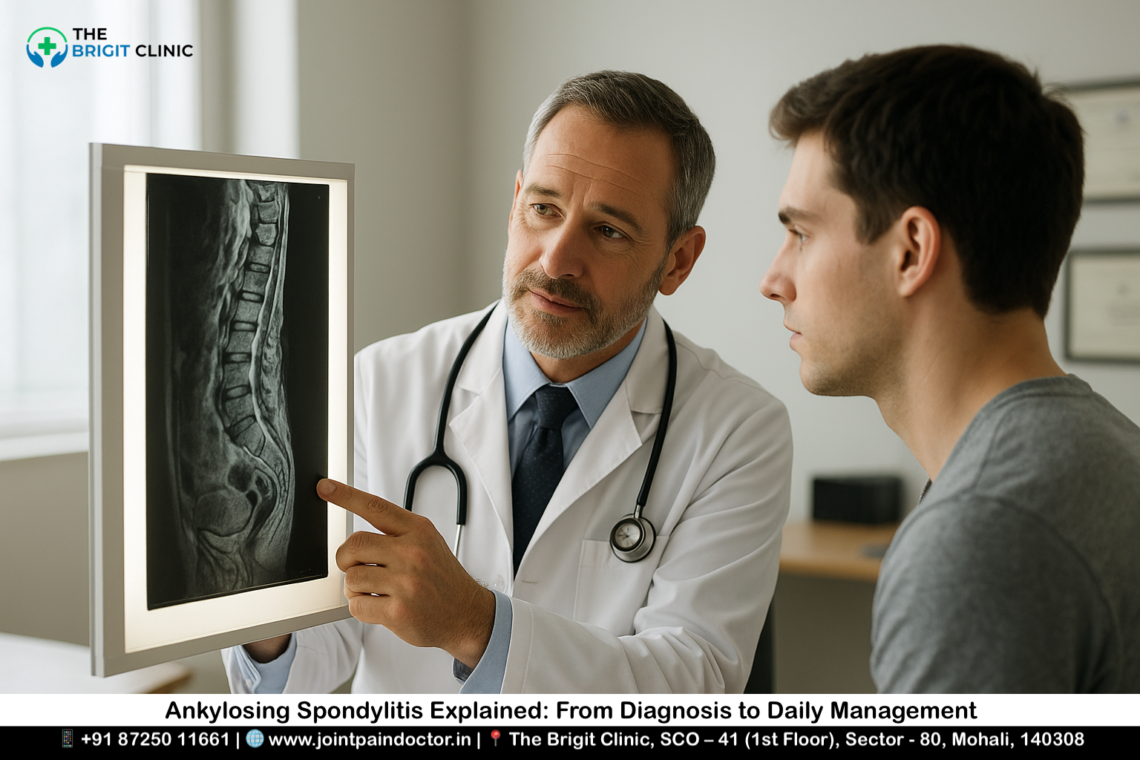
Ankylosing Spondylitis Explained: From Diagnosis to Daily Management

Ankylosing spondylitis affects approximately 1.7 million adults in the United States, with a prevalence rate of 0.2-0.5% of the population. Unlike common backaches that come in short, painful spells, the pain from this chronic inflammatory condition is typically long-lasting and can significantly impact one’s quality of life. Most people develop ankylosing spondylitis during their late teens or early twenties, with about 80% of patients experiencing symptoms before age 30.

When examining genetic factors, more than 95% of Caucasian individuals with ankylosing spondylitis carry the HLA-B27 gene. The condition also shows a gender disparity, occurring twice as frequently in men as in women. While there’s no cure for ankylosing spondylitis, early detection and appropriate treatment can help manage symptoms and potentially slow disease progression. In this comprehensive guide, we’ll explore everything from diagnosis methods like HLA-B27 testing and x-ray findings to various management strategies, including medications, physical therapy, and surgical options for those with advanced spinal changes.

Understanding Ankylosing Spondylitis

Ankylosing spondylitis (AS) belongs to a family of inflammatory diseases known as spondyloarthritis, which primarily affects the spine and sacroiliac joints. This condition is characterised by its autoimmune nature – essentially, your immune system mistakenly attacks your own body instead of protecting it.

What is autoimmune arthritis of the spine?

Ankylosing spondylitis is fundamentally an inflammatory disease of the axial skeleton. Unlike typical wear-and-tear arthritis, AS is driven by chronic inflammation that can eventually lead to new bone formation and fusion of vertebrae. Although experts haven’t pinpointed the exact cause, genetic factors play a crucial role – specifically, mutations in genes like human leukocyte antigen-B (HLA-B27). Research shows that over 90% of white individuals with AS carry this mutated gene.

The condition is generally considered more autoinflammatory than autoimmune, with the innate immune system playing a central role in its development. However, emerging research suggests AS might actually represent a combination of both autoinflammatory and autoimmune processes.

How AS affects the sacroiliac joints and spine

AS typically begins with inflammation in the sacroiliac joints, where your spine connects to your pelvis. These large joints are used whenever you move or shift your hips. The inflammation causes pain and stiffness, particularly noticeable in the lower back. As the disease progresses, this inflammation can spread upward along the spine.

Eventually, in severe cases, the ongoing inflammation triggers the body’s healing response, leading to new bone formation. This process can cause vertebrae to fuse, creating the characteristic “bamboo spine” appearance visible on X-rays. This fusion reduces spine flexibility and may result in a hunched posture.

Beyond the spine, AS can affect other joints such as the shoulders, hips, and knees. Moreover, approximately 25-35% of individuals develop acute anterior uveitis (eye inflammation), and up to 50% experience inflammatory bowel disease.

Difference between AS and non-radiographic axial spondyloarthritis

AS and non-radiographic axial spondyloarthritis (nr-axSpA) represent two ends of the same disease spectrum. The key distinction lies in imaging results – particularly X-rays of the sacroiliac joints.

In AS (also called radiographic axial spondyloarthritis), damage to the sacroiliac joints is clearly visible on X-rays. Conversely, nr-axSpA patients show similar symptoms but without definitive X-ray evidence of sacroiliitis. Nevertheless, MRI technology might reveal active inflammation in nr-axSpA patients even before changes appear on X-rays.

Interestingly, these subtypes show demographic differences. AS affects males more frequently (about 70.4% of cases), whereas nr-axSpA shows a more balanced gender distribution (males account for approximately 46.5%). Furthermore, HLA-B27 prevalence is lower in nr-axSpA patients (54.3%) compared to AS patients (92.7%).

Is your back pain inflammatory? Don't ignore persistent stiffness. Consult with an experienced Back Pain Doctor in Mohali at The Brigit Clinic for an accurate diagnosis. Book Your Appointment Today!

Recognising the Symptoms Early

Early detection of ankylosing spondylitis starts with recognising its distinctive symptoms. The signs often develop gradually over months or years and may fluctuate in intensity.

Inflammatory back pain symptoms to watch for

The hallmark of ankylosing spondylitis is inflammatory back pain, which differs significantly from mechanical back pain. Pain typically begins in early adulthood before age 40 and develops gradually rather than suddenly. Initially, symptoms might come and go for weeks or months at a time.

What makes this pain unique:

  • Worsens after prolonged rest or sitting
  • Improves with physical activity
  • Often most severe in the early morning or during the night
  • Frequently causes stiffness lasting more than an hour after waking

Notably, this pattern reverses what we see in typical back pain, where rest usually provides relief and activity worsens symptoms.

Sacroiliac joint inflammation and stiffness

Sacroiliitis—inflammation of the sacroiliac joints where your spine connects to your pelvis—is frequently the first sign of ankylosing spondylitis. This inflammation causes pain in the lower back and buttock areas that can radiate to the hips, thighs, and sometimes legs.

The pain from sacroiliitis may feel suddenly sharp and stabbing or present as a constant dull ache. Many patients report pain that worsens when turning or rotating their hips. This discomfort can significantly affect daily activities, especially sitting for extended periods.

Fatigue, eye inflammation, and other systemic signs

Beyond joint symptoms, ankylosing spondylitis often affects multiple body systems. Extreme fatigue affects many patients regardless of how much they rest. Additionally, about 25-35% of individuals develop uveitis—inflammation of the eye’s iris—causing redness, pain, blurred vision, and light sensitivity.

Other systemic manifestations may include:

  • Inflammatory bowel disease (affecting up to 50% of individuals)
  • Unexplained weight loss
  • Skin rashes
  • Shortness of breath

Progressive spinal fusion and posture changes

If left untreated, ongoing inflammation triggers the body’s healing response, leading to new bone formation between vertebrae. This process, called spinal fusion, creates the characteristic “bamboo spine” appearance visible on X-rays.

As the disease advances, postural changes become increasingly apparent. The spine may develop increased kyphosis (forward curve), with compensatory changes in the lower body. The progressive fusion limits mobility and can eventually restrict chest expansion, affecting breathing capacity.

Experiencing morning back stiffness or unexplained fatigue? Early intervention is key. Visit the leading Ortho Clinic in Mohali for a comprehensive evaluation. Call us at +91 87250 11661.

Diagnosis and Testing Methods

Diagnosing ankylosing spondylitis often presents significant challenges, as the condition develops slowly with no definitive single test to confirm its presence.

Early detection of ankylosing spondylitis

Obtaining an early diagnosis typically requires a combination of clinical assessment, imaging, and laboratory tests. The modified New York Criteria remains the most commonly used diagnostic framework, requiring both clinical symptoms and radiographic evidence of sacroiliitis. Consequently, many patients experience a delay of 7-10 years between symptom onset and formal diagnosis.

Role of HLA-B27 testing in diagnosis

While approximately 90-95% of ankylosing spondylitis patients test positive for HLA-B27, this genetic marker alone cannot confirm diagnosis. Indeed, only 1-5% of people carrying this gene variant actually develop the condition. The test primarily serves as a supporting factor in diagnosing suspected cases, given that 7.5% of white Americans carry HLA-B27 without developing symptoms.

X-ray findings and radiographic changes

X-rays represent the traditional gold standard for assessing structural changes in ankylosing spondylitis. Key radiographic findings include bilateral sacroiliitis, vertebral “squaring,” syndesmophytes (vertical bony outgrowths), and in advanced cases, the characteristic “bamboo spine” appearance. For reliable assessment of spinal progression, an observation period of at least 2 years is recommended.

MRI and blood tests for inflammation markers

MRI has revolutionised early diagnosis by detecting inflammatory changes before they become visible on X-rays. Blood tests for inflammation—including erythrocyte sedimentation rate (ESR) and C-reactive protein (CRP)—often show elevated levels, though these markers may be normal in up to half of patients. Unlike other inflammatory arthritis conditions, ankylosing spondylitis patients sometimes show minimal blood inflammation despite significant symptoms.

Confused by your symptoms and test results? Get a clear diagnosis and personalised treatment plan from the Back Pain Specialist in Mohali
Visit Our Google My Business Page to See Patient Reviews

Treatment and Management Options

Treatment options for ankylosing spondylitis have expanded tremendously, offering hope for symptom management and disease control. While there’s no cure, proper treatment can help most patients lead active lives.

NSAIDs for ankylosing spondylitis pain relief

NSAIDs remain the cornerstone first-line treatment for AS. These medications effectively reduce inflammation and pain while improving function. Studies show all NSAIDs significantly outperform placebo in reducing pain severity. Etoricoxib ranks as the most effective NSAID for AS patients. However, these medications carry risks – particularly gastrointestinal issues with diclofenac and naproxen showing significantly higher rates of GI events compared to placebo.

DMARDs and biologics: slowing disease progression

For patients who don’t respond adequately to NSAIDs, disease-modifying treatments offer hope. TNF inhibitors dramatically improve symptoms by blocking the TNF cytokine, a key inflammation driver. Long-term TNF inhibitor use may reduce radiographic progression in AS patients.

Newer biologics include IL-17 inhibitors (secukinumab, ixekizumab, bimekizumab), which effectively target another inflammatory pathway. JAK inhibitors like tofacitinib and upadacitinib, taken orally rather than by injection, represent the latest treatment advance.

Corticosteroid injection for flare-ups

Corticosteroid injections can temporarily relieve inflammation in specific joints. Pain relief typically lasts several months. Side effects may include short-term pain flares, facial flushing, and blood sugar increases. Doctors typically limit injections to three times yearly in the same joint, with at least three months between treatments.

Physical therapy and orthopaedic bracing

Physical therapy stands as a crucial element in AS management. Regular exercises help reduce stiffness, improve posture, decrease pain, strengthen muscles, and enhance flexibility. Physical therapists can design personalised programs incorporating core strengthening, flexibility exercises, and deep breathing techniques.

Orthopaedic bracing provides support and stability for affected joints. Properly fitted braces can reduce pain, improve stability, and enhance function.

Surgical options: hip replacement and spinal osteotomy

When conservative treatments fail, surgical intervention may be necessary. Total hip arthroplasty effectively alleviates pain and improves function in AS patients with severe hip involvement. For significant spinal deformities, osteotomy procedures can correct posture and restore sagittal balance.

Disability reduction and prevention of joint fusion

The ultimate goal of all treatments is to prevent disability and joint fusion. Early intervention with appropriate medications, consistent physical therapy, and lifestyle modifications offers the best chance at maintaining function and quality of life.

Explore advanced Back Pain Treatment in Mohali tailored to your needs. From NSAIDs to modern therapies, find relief at The Brigit Clinic. Explore Your Treatment Options

Conclusion

Ankylosing spondylitis presents unique challenges for both patients and healthcare providers. Though no cure exists currently, early detection coupled with comprehensive treatment significantly improves quality of life. Understanding the distinctive symptoms—particularly inflammatory back pain that improves with activity rather than rest—helps identify this condition before irreversible damage occurs.

After diagnosis, many treatment options become available to manage symptoms effectively. NSAIDs generally serve as first-line therapy, while biologics and JAK inhibitors offer hope for those with inadequate response. Additionally, regular physical therapy plays a crucial role in maintaining spinal mobility and function throughout the disease course.

Living with ankylosing spondylitis certainly requires adjustments, but advances in treatment have transformed the outlook for most patients. The combination of medication, exercise, and lifestyle modifications allows many individuals to lead active, fulfilling lives despite their diagnosis. Most importantly, proactive management helps prevent the most severe complications like spinal fusion and significant disability.

For anyone experiencing persistent lower back pain with morning stiffness, seeking medical evaluation promptly might make all the difference. The journey from diagnosis to daily management may seem daunting at first, but with proper support and treatment, the path forward becomes much clearer. Remember that each person’s experience with ankylosing spondylitis differs, and finding the right treatment approach often requires patience and partnership with healthcare providers.

Key Takeaways

Understanding ankylosing spondylitis is crucial for early detection and effective management of this chronic inflammatory condition that affects millions worldwide.

• Early recognition saves mobility: Inflammatory back pain that worsens with rest but improves with activity signals AS, unlike typical back pain patterns.

• Genetic testing provides clues: Over 90% of AS patients carry the HLA-B27 gene, but only 1-5% of carriers develop the condition.

• Treatment prevents fusion: NSAIDs, biologics, and consistent physical therapy can slow disease progression and prevent irreversible spinal fusion.

• Exercise is medicine: Regular physical therapy and movement are essential for maintaining spinal flexibility and reducing long-term disability.

• Early diagnosis matters: Most patients wait 7-10 years for diagnosis, but prompt treatment significantly improves quality of life outcomes.

The key to successful AS management lies in recognising symptoms early, pursuing comprehensive treatment, and maintaining an active lifestyle. While there’s no cure, modern treatments allow most patients to lead fulfilling lives when properly managed.

FAQs

Q1. What are the early signs of ankylosing spondylitis?

A1. Early signs include persistent lower back pain that improves with activity, morning stiffness lasting over an hour, and pain in the sacroiliac joints. Some people may also experience fatigue, eye inflammation, and other systemic symptoms.

Q2. How is ankylosing spondylitis diagnosed?

A2. Diagnosis involves a combination of clinical assessment, imaging tests (X-rays and MRI), and blood tests. Doctors look for inflammatory back pain symptoms, radiographic evidence of sacroiliitis, and may test for the HLA-B27 gene, which is present in most patients with AS.

Q3. What treatment options are available for ankylosing spondylitis?

A3. Treatment options include NSAIDs for pain relief, biologics like TNF inhibitors to slow disease progression, physical therapy to maintain mobility, and, in some cases, corticosteroid injections or surgery for severe joint damage.

Q4. Can ankylosing spondylitis be cured?

A4. There is no cure for ankylosing spondylitis, but early detection and appropriate treatment can effectively manage symptoms and potentially slow disease progression, allowing many patients to lead active lives.

Q5. How does ankylosing spondylitis differ from typical back pain?

A5. Unlike typical back pain that improves with rest, ankylosing spondylitis pain often worsens with inactivity and improves with exercise. Pain is also typically more persistent, accompanied by morning stiffness, and often starts before age 40.

Ready to take the next step towards managing your AS? Schedule a consultation with the Best Back Pain Doctor in Mohali, Dr. Manu Mengi. Call +91 87250 11661 or visit us at SCO – 41, Sector - 80, Mohali.

About Dr. Manu Mengi – Best Ortho Doctor in Mohali

Dr. Manu Mengi is a renowned and trusted name in orthopedics, dedicated to providing exceptional care for patients with complex joint and spine conditions like Ankylosing Spondylitis. With extensive experience and a patient-centric approach, he is committed to accurately diagnosing the root cause of pain and creating effective, personalised management plans. At The Brigit Clinic, one of the leading Orthopedic Clinics in Mohali, Dr. Mengi utilises the latest advancements in medical science to help patients reduce pain, improve mobility, and enhance their quality of life. His expertise makes him the preferred choice for anyone seeking the Best Ortho Doctor in Mohali.

Book an Appointment today - 
📱 +91 87250 11661 | 🌐 Read Reviews |📍 Get Directions
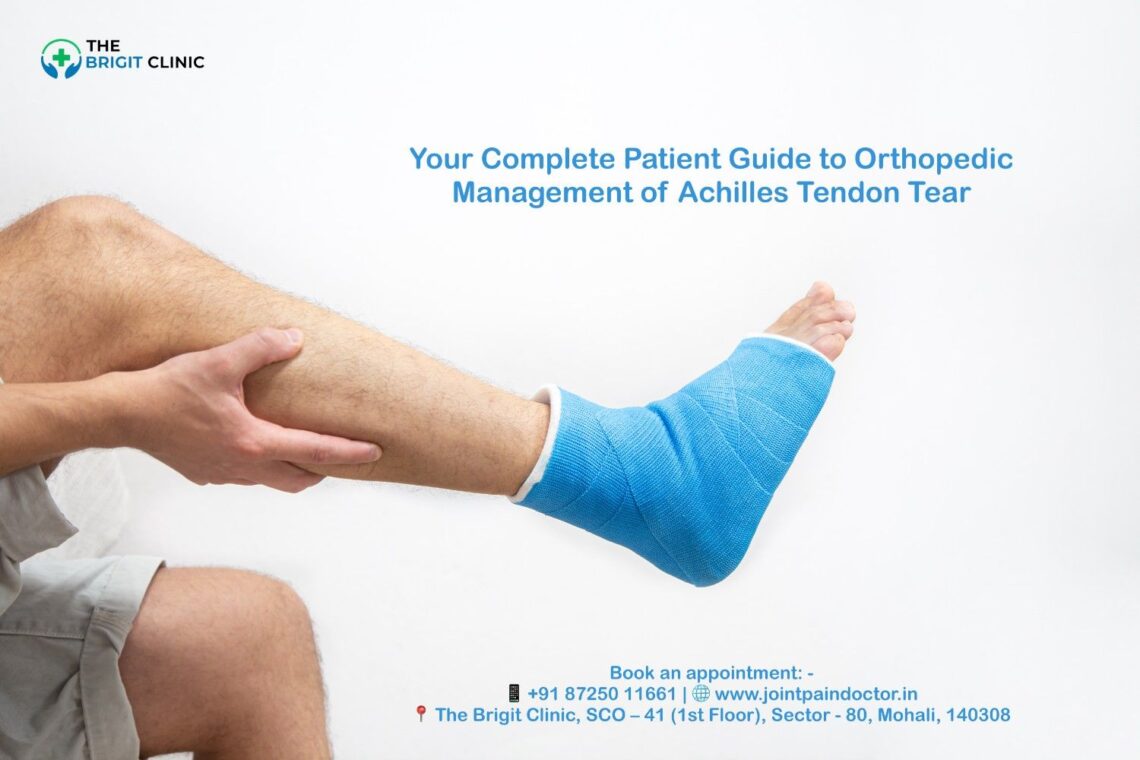
 

Your Complete Patient Guide to Orthopedic Management of Achilles Tendon Tear

Despite being the largest tendon in your body and capable of withstanding forces up to 10 times your body weight, the Achilles tendon is surprisingly vulnerable to complications. Understanding the Orthopedic Management of Achilles Tendon Tear is the first step toward a successful recovery. Achilles tendon ruptures are very common sports injuries, occurring most frequently in people ages 30 to 40 and affecting men more often than women.

If you’re among the “weekend warriors” who exercise intensely without regular training, you face a higher risk of tearing your Achilles than younger, well-trained athletes. Additionally, these injuries can be missed in up to 25% of cases, making proper diagnosis crucial. Whether you’re dealing with a partial or complete tear, understanding your treatment options is essential for recovery. This comprehensive guide will walk you through everything you need to know about Achilles tendon tears—from identifying symptoms and risk factors to exploring both conservative and surgical treatment approaches that can help you return to your normal activities.

For expert diagnosis and a personalised treatment plan, 
Consult the Best Orthopedic Doctor in Mohali or call +91 87250 11661

Understanding Achilles Tendon Tear

The Achilles tendon is a critical structure that plays a significant role in your daily movements. Understanding its function and how it can tear will help you better recognise and manage this injury.

What is the Achilles tendon?

The Achilles tendon, also called the calcaneal tendon, is the thickest and strongest tendon in your body. This fibrous band of tissue connects your calf muscles (gastrocnemius and soleus) to your heel bone (calcaneus). Located at the back of your lower leg, this powerful tendon spans approximately 6 to 10 inches in adults.

What makes the Achilles tendon remarkable is its incredible strength—it can support forces up to four times your body weight. This impressive capacity allows you to perform essential movements like walking, running, and jumping. When your calf muscles contract, they pull on the Achilles tendon, causing your foot to point downward (plantarflexion), which helps lift your heel off the ground during physical activities.

Partial vs complete Achilles tendon tear

Achilles tendon tears exist on a spectrum from minor damage to complete rupture. Understanding the difference between partial and complete tears is crucial for proper treatment.

In a partial tear, only a portion of the tendon fibres is damaged. Think of this like a frayed rope where some strands remain intact while others are torn. With a partial tear, you’ll experience:

  • Localised soreness around the tendon
  • Some swelling that gradually decreases
  • Full function of the ankle despite pain

A complete tear occurs when the tendon ruptures entirely, separating into two distinct parts. This severe injury results in:

  • A noticeable “pop” or snapping sound at the moment of injury
  • Complete loss of strength and function in the ankle
  • Extreme difficulty walking or exercising
  • Significant swelling around the ankle
  • In some cases, visible displacement of calf muscles

The Thompson test is commonly used by doctors to diagnose a complete rupture—when squeezing the calf fails to produce normal foot movement, it indicates a tear.

Common causes and overuse injuries

Most Achilles tendon tears happen during recreational sports or athletic activities. The tendon typically ruptures when exposed to sudden, powerful forces, especially during activities requiring quick stops, starts, and pivots—such as soccer, football, basketball, tennis, or squash.

Several specific scenarios commonly lead to tears:

  • Landing awkwardly from a jump
  • Cutting movements during sports
  • Sudden acceleration or forceful pushing off with the foot
  • Direct trauma to the tendon
  • Tripping or falling, particularly when the foot is forced upward[18]

Certain factors increase your risk of experiencing an Achilles tendon tear. As you age, the tendon naturally becomes stiffer and weaker. “Weekend warriors”—adults who exercise intensely without regular training—face a higher risk than consistently trained athletes.

Furthermore, medical conditions like inflammatory diseases, diabetes, obesity, and certain medications (including fluoroquinolone antibiotics and corticosteroids) can weaken the tendon structure. Mechanical issues such as tight calf muscles, improper footwear, and training errors also contribute to vulnerability.

Overall, Achilles tendon ruptures affect approximately 12 per 100,000 individuals, most commonly occurring between ages 40 and 50, with men experiencing them 2 to 12 times more frequently than women.

If you're active and experiencing heel pain, visit a Sports Injury Clinic Mohali for a risk evaluation. Book your appointment or call +91 87250 11661

Recognising Symptoms and Risk Factors

Recognising an Achilles tendon tear promptly can make a significant difference in your treatment outcomes. By understanding the tell-tale signs and knowing your risk profile, you might prevent a delayed diagnosis that occurs in up to 25% of cases.

Sudden pop in the back of the ankle

The most distinctive sign of an Achilles tendon rupture is experiencing (and sometimes hearing) a sudden “pop” or “snap” at the back of your ankle. This sensation is so pronounced that many mistake it for being struck from behind. The sound represents the actual moment when your tendon fibres separate.

After this characteristic pop, you’ll likely feel immediate, intense pain. The sensation resembles what would happen if someone kicked you forcefully in the lower leg. Unlike gradual onset injuries, this moment is unmistakable and marks a clear point when damage occurred.

Call your doctor immediately if you experience this sudden snap during physical activity. This symptom alone strongly suggests a complete tear rather than a minor strain, consequently requiring proper medical evaluation.

Heel pain & swelling

Following a tear, sharp, sudden pain typically develops near your heel. Initially, this pain might be unbearable, though it sometimes subsides slightly after the acute injury. The area around your Achilles tendon will swell noticeably, often accompanied by bruising along the back of the ankle.

The discomfort pattern differs from other foot conditions. With an Achilles tendon tear, pain tends to be localised specifically to the back of the ankle where the tendon attaches to your heel bone. Throughout the day, this pain might intensify with activity.

Morning stiffness presents another common symptom, where the affected area feels particularly tight and sore when you first get up. As you move around, this stiffness sometimes improves temporarily.

Calf pain after injury

Beyond the immediate heel area, pain often radiates upward into your calf muscle. This happens because the calf muscles connect directly to the Achilles tendon, creating a continuous pain pathway.

The discomfort in your calf typically worsens during activities that engage these muscles, such as climbing stairs or walking uphill. Furthermore, weakness in the leg becomes apparent when attempting to push off with the affected foot.

For partial tears, you might maintain some function despite the pain. However, with complete ruptures, standing on tiptoes or performing basic foot movements becomes nearly impossible.

Risk factors for Achilles tendon tear

Several factors increase your vulnerability to Achilles tendon tears:

Age and Gender: The peak age for ruptures occurs between 30-40 years, though some sources identify 40-50 as the highest risk period. Men experience these injuries four to five times more frequently than women.

Activity Patterns: “Weekend warriors” face significantly higher risk than regularly trained athletes. Sports involving quick stops, starts, and pivots present the greatest danger—particularly soccer, basketball, tennis, football, and racquet games.

Medical Factors: Certain conditions predispose you to tendon injuries:

  • Previous Achilles tendinopathy
  • Diabetes
  • High cholesterol or blood pressure
  • Psoriasis
  • End-stage kidney disease
  • Inflammatory arthritis

Medication Usage: Some medications weaken tendon structure, notably:

  • Fluoroquinolone antibiotics[28]
  • Corticosteroid injections
  • Oral bisphosphonates

Biomechanical Issues: Physical characteristics matter too. Having tight calf muscles, flat arches, overpronation (ankles rolling inward), or legs of different lengths all increase your risk[30].

Understanding these symptoms and risk factors helps you identify potential problems early and seek appropriate orthopaedic management for Achilles tendon tears before complications develop.

Experienced a pop or snap in your ankle? Seek immediate consultation with an Orthopedic Doctor in Mohali for Achilles Tear, call +91 87250 11661

How Achilles Tendon Tears Are Diagnosed

Getting an accurate diagnosis is essential for proper orthopaedic management of an Achilles tendon tear. Medical professionals use several examination techniques combined with imaging to confirm your injury.

Physical exam and Thompson test

Your doctor will begin by asking about your symptoms and medical history, followed by a thorough physical examination of your lower leg. During this examination, they’ll check for tenderness, swelling, and potentially feel for a gap in your tendon if it has ruptured completely.

The Thompson test (sometimes called the calf squeeze test) is a key diagnostic procedure with 96-100% sensitivity and 93-100% specificity for detecting Achilles ruptures. Here’s how it works:

  • You’ll lie face down with your feet hanging over the edge of the exam table
  • Your doctor will gently squeeze your calf muscle
  • In a healthy tendon, this causes your foot to point downward naturally
  • If your foot doesn’t move during the squeeze, it indicates a likely rupture

To confirm the diagnosis, doctors often use additional clinical signs like checking for a palpable gap in the tendon (typically 3-6cm above the heel) and assessing plantar flexion strength.

MRI vs Ultrasound in Achilles tendon tear

Both MRI and ultrasound provide valuable diagnostic information, albeit with different strengths:

Ultrasound shows the tendon in real-time and demonstrates how it responds to movement. It’s highly accurate with 95% sensitivity and 99% specificity for detecting full-thickness tears. Ultrasound is generally:

  • More cost-effective
  • Readily available
  • Excellent for detecting tendinopathy and complete ruptures

MRI creates detailed images of soft tissues and is particularly valuable for:

  • Detecting partial tears (superior to ultrasound)
  • Assessing the distance between torn tendon ends
  • Postoperative evaluation
  • Ruling out other injuries with similar symptoms

Most specialists recommend ultrasound over MRI for initial diagnosis and monitoring, though your doctor may order both depending on your specific situation.

When to see a doctor

Seek immediate medical attention if you experience:

  • A popping or snapping sound at the time of injury
  • Suddenly, severe pain in the back of your ankle
  • Difficulty walking or standing on tiptoes
  • Visible swelling around the heel area

Even if you can walk with a ruptured Achilles (which many people can), it’s crucial to see a healthcare provider promptly. Using your ankle and putting full weight on it before diagnosis can worsen the injury. Importantly, up to 20% of Achilles tendon ruptures are initially misdiagnosed, often confused with ankle sprains, making proper medical evaluation essential for effective treatment.

For advanced diagnostic imaging and expert interpretation, visit the Best Ortho Doctor in Mohali. Schedule your visit.

Treatment Options: Conservative and Surgical

Treatment decisions for Achilles tendon tears depend on several factors, including your age, activity level, and the severity of your injury. Both non-surgical and surgical approaches offer viable pathways to recovery, each with distinct advantages.

Achilles tendon tear – conservative management

Conservative treatment involves non-surgical approaches that typically include rest, immobilisation, and controlled rehabilitation. This option is often suitable for older patients, those with limited activity goals, or individuals with health conditions that increase surgical risks.

For partial tears with less than 5mm gap between ruptured tendon edges, conservative management can be particularly effective. The traditional approach involves wearing a below-knee cast in an equinus (pointed down) position for four weeks without weight-bearing, followed by a neutral position cast with weight-bearing for another four weeks.

Surgical treatment of Achilles tendon tear

Surgical intervention appears to be the preferred method for athletes and younger, active individuals. The primary benefit of surgery is a lower re-rupture rate compared to non-surgical treatment.

The procedure typically involves making an incision in the back of your leg and stitching the torn tendon together. In cases of severe degeneration, surgeons may remove damaged portions and repair the remaining healthy tendon.

Minimally invasive Achilles tendon tear surgery

This advanced technique involves a small 3-4cm incision instead of the traditional 10cm cut. Through this smaller opening, specialised instruments guide sutures into the tendon to complete the repair.

The minimally invasive approach offers several advantages:

  • Reduced wound healing issues
  • Lower infection rates
  • Less scar tissue formation
  • Faster return to normal activities

Immobilisation vs early mobilisation in Achilles tendon tear

Historically, rigid cast immobilisation for six weeks was standard practice. Nevertheless, recent research strongly supports early functional rehabilitation and mobilisation.

Studies demonstrate that early mobilisation doesn’t increase re-rupture rates. Moreover, it offers superior benefits:

  • Decreases excessive adhesion formation
  • Improves the biomechanical properties of healing tissue
  • Enhances tendon gliding function
  • Reduces joint stiffness and muscle atrophy

Medication for tendon inflammation

Pain management typically begins with over-the-counter options like ibuprofen or naproxen sodium. For persistent discomfort, prescription medications might include COX-2 inhibitors, which potentially cause fewer gastrointestinal side effects than traditional NSAIDs.

PRP Achilles tendon tear therapy

Platelet-rich plasma (PRP) therapy involves injecting a concentrated solution of your own platelets into the injured area. These platelets contain growth factors that may promote tissue repair and regeneration.

Currently, evidence regarding PRP effectiveness remains mixed. Some studies show improvements in ankle dorsiflexion angle and calf circumference, whereas others found no significant differences in patient-reported outcomes at two years post-injury.

Explore all treatment options, including Minimally Invasive Achilles Surgery in Mohali, with the Best Orthopedician in Mohali. Discuss your choices at https://jointpaindoctor.in/ or 
Call *+91 87250 11661* to learn more about the Achilles Tear Surgery Cost Mohali.

Recovery, Rehab, and Return to Activity

Full healing from an Achilles tendon tear requires a comprehensive rehabilitation approach tailored to your specific needs. The recovery journey typically spans four to six months, regardless of whether you underwent surgical or non-surgical treatment.

Physical therapy and strengthening

Physical therapy serves as the cornerstone of Achilles tendon rehabilitation. The duration varies based on injury severity—from a few weeks to several months. Your therapist will focus on three primary goals: pain relief through various modalities, restoring proper movement patterns, and rebuilding muscle strength and balance.

Eccentric exercises stand out as the most evidence-based intervention for Achilles rehabilitation. This approach, typically performed twice daily for at least 11 weeks, has been shown to reduce pain by an average of 60% across multiple clinical trials. The Alfredson protocol remains the gold standard, gradually progressing from bilateral to single-leg heel raises.

For optimal recovery, maintain a consistent exercise regimen alongside gradually increasing weight-bearing activities. Initially, you’ll use a walking boot with progressively decreasing heel wedges until reaching a neutral position, usually around 6-8 weeks post-injury.

Custom orthotics post Achilles repair

Bespoke orthotics play a valuable role in recovery by providing proper foot alignment, enhancing shock absorption, and correcting biomechanical issues that might stress your healing Achilles tendon. These devices primarily keep your heel raised, reducing the workload on the tendon while protecting against re-rupture.

Studies have demonstrated that custom foot orthoses can significantly improve symptoms in athletes with Achilles tendinopathy, with participants reporting an average 92% improvement when using high-density EVA orthotics.

Equinus contracture after Achilles tendon tear

Equinus contracture—excessive tightness limiting ankle dorsiflexion—often develops following Achilles injuries. Conservative management through physical therapy, stretching, and night splints should be attempted first. For refractory cases, surgical options include gastrocnemius lengthening, soleus fascial release, or Achilles tendon lengthening procedures.

Return to sports after Achilles tendon tear

Returning to sports requires patience—full athletic activities should be avoided for at least 6 months post-injury. The return process follows a carefully structured progression: controlled strengthening, followed by plyometric training, and finally sport-specific movements.

Before resuming competitive activities, you should achieve specific milestones: single-leg heel raise at 90% height compared to your uninjured side, normal gait mechanics, and pain-free performance of sport-specific movements. Even with optimal rehabilitation, expect some persistent strength deficits (10-30%) in the affected leg beyond the one-year mark.

Access comprehensive rehabilitation programs at our Orthopedic Hospital in Mohali for the Achilles Rupture facility. Start your recovery journey with the Best Achilles Tendon Surgeon in Mohali by calling +91 87250 11661

Conclusion

Achilles tendon tears represent serious injuries that require prompt diagnosis and appropriate treatment for optimal recovery. Throughout this guide, we’ve explored how these tears happen, their symptoms, and the available treatment approaches. Whether you choose conservative management or surgical intervention, your recovery journey demands patience and commitment to rehabilitation protocols.

Most patients can expect a full recovery period of four to six months, though some strength deficits might persist beyond the one-year mark. During this time, physical therapy will become your essential ally, particularly through eccentric strengthening exercises that have proven highly effective for tendon healing.

Remember that each case differs based on factors like age, activity level, and tear severity. Therefore, working closely with healthcare professionals remains crucial for developing a personalised treatment plan. Custom orthotics might benefit your recovery by improving foot alignment and reducing stress on your healing tendon.

Though returning to sports and normal activities takes time, a structured approach to rehabilitation significantly improves your outcomes. Above all, don’t rush this process. Your body needs adequate time to rebuild the strongest tendon in your body.

Armed with this knowledge about Achilles tendon tears, you can now make informed decisions about your care if faced with this injury. Early recognition of symptoms, prompt medical attention, and dedication to your rehabilitation program will ultimately determine your successful return to the activities you enjoy.

For a successful recovery under expert guidance, book your final consultation at https://jointpaindoctor.in/ or call +91 87250 11661

Key Takeaways

Understanding Achilles tendon tears and their proper management can significantly impact your recovery outcomes and help you make informed treatment decisions.

• Recognise the warning signs early: A sudden “pop” sound, severe heel pain, and inability to stand on tiptoes indicate a potential Achilles rupture requiring immediate medical attention.

• Both surgical and conservative treatments work: Your age, activity level, and tear severity determine the best approach—athletes often benefit from surgery while older patients may succeed with non-surgical management.

• Early mobilisation beats prolonged immobilisation: Modern rehabilitation emphasises controlled movement over extended casting, leading to better outcomes and faster functional recovery.

• Recovery takes 4-6 months minimum: Patience is crucial as rushing back to activities increases re-rupture risk—expect some strength deficits even after one year.

• Physical therapy is non-negotiable: Eccentric strengthening exercises, particularly the Alfredson protocol, form the foundation of successful rehabilitation regardless of treatment method chosen.

The key to successful Achilles tendon recovery lies in prompt diagnosis, appropriate treatment selection, and unwavering commitment to structured rehabilitation. Don’t underestimate this injury—proper management now prevents long-term complications and ensures your return to normal activities.

Ready to start your treatment? Contact the Best Orthopedic Doctor Mohali today 
or call +91 87250 11661

FAQs

Q1. What are the main symptoms of an Achilles tendon tear?

A1. The primary symptoms include a sudden “pop” or snapping sensation in the back of the ankle, intense heel pain, swelling around the affected area, and difficulty walking or standing on tiptoes.

Q2. How long does it typically take to recover from an Achilles tendon tear?

A2. Recovery usually takes 4-6 months, regardless of whether surgical or non-surgical treatment is chosen. However, some strength deficits may persist for over a year.

Q3. Is surgery always necessary for an Achilles tendon tear?

A3. Not always. The decision between surgical and conservative treatment depends on factors like age, activity level, and tear severity. Athletes often benefit from surgery, while older patients may succeed with non-surgical management.

Q4. What role does physical therapy play in Achilles tendon tear recovery?

A4. Physical therapy is crucial for recovery, focusing on pain relief, restoring proper movement, and rebuilding strength. Eccentric exercises, particularly the Alfredson protocol, are considered highly effective for rehabilitation.

Q5. When can I return to sports after an Achilles tendon tear?

A5. Full athletic activities should be avoided for at least 6 months post-injury. Before returning to competitive sports, you should achieve specific milestones like single-leg heel raises at 90% height compared to the uninjured side and pain-free performance of sport-specific movements.

About the Doctor – Dr. Manu Mengi

Dr. Manu Mengi is a highly skilled and renowned Orthopedic Surgeon in Mohali, specialising in the management and treatment of sports injuries, particularly complex Achilles tendon tears. With extensive experience and a commitment to adopting the latest surgical techniques, including minimally invasive procedures, Dr. Mengi provides personalised care to each patient. He leads a state-of-the-art Ortho Clinic in Mohali that is equipped with advanced diagnostic technology to ensure accurate assessments and the most effective treatment plans. Dedicated to helping patients return to their active lifestyles, Dr. Mengi is considered one of the best orthopedic doctors in the region for Achilles tendon repair and rehabilitation.


Book an Appointment today - 
📱 +91 87250 11661 | 🌐 Read Reviews | 📍 Get Directions

Orthopedic Complications in Diabetic Patients

Diabetic Bone & Joint Problems: Orthopedic Risks & Solutions

Diabetes & bone health concerns will significantly affect more people in the coming years, with projections showing diabetes cases increasing from 285 million in 2010 to a staggering 439 million by 2030. This growing health crisis not only impacts blood sugar management but also creates serious orthopaedic complications that can dramatically reduce your quality of life. If you’re seeking expert care, Dr. Manu Mengi, renowned as the Best Orthopedic Doctor in Mohali, emphasises early intervention for diabetic patients at his Ortho Clinic in Mohali.

If you’re living with diabetes, your risk for developing musculoskeletal disorders increases substantially. Diabetic patients face a seven times higher likelihood of surgical site infections, experience delayed fracture healing, and account for 85% of all non-traumatic amputations. Furthermore, your chances of developing hip fractures increase 1.4-1.8 fold with type 2 diabetes and 6-7 fold with type 1 diabetes. The financial burden is equally concerning—diabetes-related healthcare expenditures reached $376 billion in 2010 and are expected to exceed $490 billion by 2030.

Throughout this article, you’ll discover the complex relationship between diabetes and orthopedic health, common complications like Charcot foot and Dupuytren’s contracture, and essential strategies to protect your musculoskeletal system while managing your diabetes.

Understanding How Diabetes Affects the Musculoskeletal System

The relationship between diabetes and musculoskeletal issues stems from complex biochemical processes that affect your entire body. Diabetes doesn’t just impact your blood sugar—it fundamentally alters how your bones, muscles, joints, and connective tissues develop, maintain, and repair themselves.

Types of Diabetes and their Orthopedic Implications

Type 1 and Type 2 diabetes affect your skeletal system in markedly different ways. With Type 1 diabetes (T1DM), the absolute lack of insulin and low insulin-like growth factor 1 (IGF1) levels suppress the development of bone-forming osteoblasts. This inhibits proper skeletal growth during youth, preventing adequate bone mass accumulation. Consequently, people with T1DM face a staggering 6-7 fold increase in hip fracture risk compared to non-diabetic individuals.

In contrast, Type 2 diabetes (T2DM) presents a paradoxical situation. Despite typically having higher bone mineral density (BMD) than non-diabetics, T2DM patients still experience a 1.4-1.8 fold increased risk of hip fractures. This occurs because T2DM negatively affects bone quality rather than quantity. Advanced stages of T2DM combine multiple detrimental factors—insulinopenia, hyperglycemia, advanced glycation end products (AGEs), chronic inflammation, and microvascular disease—that collectively compromise bone architecture and strength.

Notably, certain musculoskeletal complications appear more frequently in specific diabetes types. For instance, diffuse idiopathic skeletal hyperostosis (DISH) occurs more commonly in Type 2 diabetes, particularly in obese patients, with prevalence rates of 13-49% compared to just 1.6-13% in the general population.

Role of Insulin Resistance in Bone and Joint Health

Insulin resistance—the key pathology underlying Type 2 diabetes—significantly impacts your bone strength. Research shows that greater insulin resistance correlates with lower femoral neck strength relative to load, with every doubling of insulin resistance associated with a 0.34 to 0.40 standard deviation decrease in bone strength indices.

Interestingly, it’s hyperinsulinemia (high insulin levels) rather than hyperglycemia (high blood sugar) that primarily drives this negative effect on bone quality. Although insulin typically increases bone mineral density through skeletal loading effects, insulin resistance prevents this beneficial adaptation. Therefore, despite having a higher body weight that should strengthen bones, people with insulin resistance don’t gain the expected skeletal benefits from their increased mass.

The relationship extends beyond bone density—insulin resistance also impacts joint health. Eight out of ten Type 2 diabetes patients likely experience musculoskeletal complications, with obesity being a common denominator for both conditions.

Impact of Hyperglycemia on Immune and Healing Response

Chronic high blood sugar profoundly disrupts your body’s healing and immune functions through several mechanisms:

  • Impaired inflammation control: Hyperglycemia increases pro-inflammatory cytokines like TNF-α, interleukin-1β, and interleukin-6, creating a state of chronic low-grade inflammation.
  • Compromised immune function: High blood sugar inhibits interleukin-1 release from macrophages, impairs phagocytosis, and diminishes oxygen radical production from neutrophils, collectively weakening your immune response.
  • Delayed tissue repair: Hyperglycemia reduces important cytokine production and decreases new blood vessel formation at fracture sites, slowing healing.

Moreover, hyperglycemia leads to the formation of advanced glycation end products (AGEs) that cross-link with collagen fibres in both trabecular and cortical bone. This makes bones more brittle and deteriorates their post-yield properties without necessarily changing bone mineral density. Additionally, AGEs directly interfere with osteoblast function, inhibiting proper bone formation.

These metabolic disruptions help explain why diabetic patients show higher rates of delayed union and non-union during fracture healing, with healing time potentially prolonged by up to 87%.

Common Orthopedic Complications in Diabetic Patients

Living with diabetes involves managing numerous musculoskeletal complications beyond blood sugar control. Prolonged hyperglycemia damages tissues throughout your body, leading to several distinct orthopedic conditions that can severely impact mobility and quality of life.

Charcot joint and Diabetic Foot Ulcers

Charcot neuroarthropathy, often called Charcot foot, represents one of the most serious diabetes-related orthopedic emergencies. This condition occurs when undetected injuries to foot bones lead to joint deterioration due to nerve damage, a common diabetes complication primarily affecting the feet.

The earliest sign is typically swelling, which can occur without obvious injury. Redness and warmth frequently follow, often mistaken for infection. As Charcot foot progresses, joints collapse and deform, creating a characteristic “rocker-bottom” foot shape.

What makes Charcot foot particularly dangerous is that 50% of patients who develop ulcers face amputation risk, versus only 10% without ulcers. Indeed, 85% of non-traumatic amputations stem from diabetes. Early detection and limiting weight-bearing activities are crucial for slowing progression.

Osteoarthritis and Joint Stiffness

Type 2 diabetes increases osteoarthritis (OA) risk beyond what would be expected from obesity alone. The link stems primarily from hyperglycemia-induced advanced glycation end products (AGEs), which accumulate in cartilage, trigger inflammation, and accelerate joint degradation.

Specifically, AGEs activate chondrocytes and synoviocytes to produce pro-inflammatory mediators. Studies show diabetic OA patients have higher levels of matrix metalloproteinases and experience stronger local inflammation with pronounced synovitis.

Joint pain is typically worse in diabetic patients with OA, especially in knee and hand joints. A recent large cohort study confirmed that increased OA pain is a specific feature of diabetes, not merely a result of increased OA progression or higher BMI.

Frozen Shoulder and Limited Joint Mobility

Frozen shoulder (adhesive capsulitis) occurs seven times more frequently in diabetic patients than in the general population. This painful condition limits shoulder motion and progresses through three distinct phases: freezing (painful with decreasing motion), frozen (less painful but stiffer), and thawing (gradual improvement).

Limited joint mobility syndrome (LJMS), another common complication, initially affects small joints in hands and feet but can eventually impact all joints, including shoulders, hips, and spine. The “prayer sign” and “tabletop sign” are clinical tests strongly supporting diagnosis.

Research using three-dimensional kinematic analysis found diabetic patients show 11-16° decreased glenohumeral external rotation and 10-14° decreased humerothoracic elevation. Further, external rotation with the arm abducted was reduced by 20-22° in diabetic patients compared to controls.

Dupuytren’s Contracture and Hand Deformities

Dupuytren’s contracture creates a progressive deformity where fingers bend toward the palm due to thickening and scarring of connective tissue. Notably, patients with Type 2 diabetes have a 1.641 times higher prevalence of this condition compared to those with Type 1 diabetes.

This difference is likely related to glycosylation—a process where glucose molecules attach to proteins, making collagen sticky and restricting movement. Among diabetic patients, those using insulin show higher Dupuytren’s prevalence than those taking metformin.

DISH and Spinal Complications

Diffuse idiopathic skeletal hyperostosis (DISH) involves abnormal bone growth along the spine’s anterolateral aspect, affecting at least four contiguous vertebrae. This condition occurs disproportionately in diabetic patients, with a 40% prevalence in obese type 2 diabetics compared to only 13% in the general population.

DISH causes spinal stiffness and can lead to unstable spine fractures even with minimal trauma. Meta-analysis confirms a significant association between DISH and carbohydrate metabolism disorders, potentially related to lower serum levels of natural osteogenesis inhibitor Dickkopf-1 (DKK-1).

Bone and Tendon Healing Challenges in Diabetes

Beyond common complications, diabetes creates profound challenges in healing processes that can significantly extend your recovery time following injuries. This section explores how diabetes alters your body’s natural repair mechanisms.

Delayed Bone Healing in Diabetics

Your fracture risk increases markedly with diabetes, 6-7 fold with Type 1 diabetes and 1.4-1.7 fold with Type 2 diabetes. Subsequently, these fractures heal more slowly. Research shows healing time in diabetic patients is prolonged by a staggering 87%, often resulting in prolonged disability and reduced mobility.

The mechanisms behind this delayed healing include insulin insufficiency, hyperglycemia, and oxidative stress—all of which reduce osteoblast differentiation, increase osteoclast activity, and alter chondrocyte apoptosis. Typically, these disruptions interfere with the normal transition from cartilage to bone during the healing process.

Fracture Healing in Diabetes: What Research Shows

Clinical studies reveal diabetic patients face a 3.4-fold higher risk of fracture complications, including delayed union, non-union, and redislocation. To clarify, diabetes damages multiple phases of the healing process. The inflammatory phase becomes dysregulated, decreasing the availability of cytokines and growth factors necessary for repair.

Animal studies demonstrate that diabetic fracture healing shows decreased bone apposition and mineralisation. Likewise, researchers observed diabetic mice exhibit increased callus adiposity and hampered biomechanical properties. First thing to remember is that these changes reflect an altered balance of stem cell differentiation, favouring adipocytes over osteoblasts in the fracture callus.

Tendon Abnormality in Diabetic Patients

As a result of metabolic disturbances, your risk for tendon problems increases threefold with diabetes. Unfortunately, these conditions prove more treatment-resistant than in non-diabetic patients. Common manifestations include:

  • Achilles tendinopathy
  • Rotator cuff syndrome
  • Lateral epicondylitis (tennis elbow)
  • Trigger finger

Approximately 5% of diabetic patients develop tendinopathy annually, with risk increasing for those on insulin and with longer disease duration. Diabetes-induced hyperglycemia increases the expression of inflammatory factors that impair tendon healing through elevated reactive oxygen species and apoptotic cells.

Impact of Glycemic Control on Bone Healing

Important to realise, glycemic control significantly influences healing outcomes. Studies consistently show that longer disease duration and worse glycemic control correlate with higher fracture risks. Up to the present time, research demonstrates elevated haemoglobin A1c levels 3-6 months after rotator cuff repair surgery are directly associated with increased re-tear rates.

Conversely, diabetic patients with effective perioperative glycemic control show re-tear rates comparable to non-diabetic patients, highlighting the critical importance of blood sugar management. Treatment with systemic insulin can reverse impaired fracture healing, suggesting insulin signalling plays a necessary role in repair. Nevertheless, local insulin application to fracture sites shows even more promise by directly stimulating cell proliferation.

Surgical Risks and Outcomes in Diabetic Patients

Undergoing orthopaedic surgery with diabetes presents unique challenges that extend far beyond standard surgical risks. Understanding these factors can help you prepare for procedures and improve your chances of successful outcomes.

Diabetes & Orthopedic Surgery Risks

Orthopedic surgery involving diabetes carries substantial complications across all subspecialties, including foot and ankle, upper extremity, adult reconstructive, paediatrics, spine surgery, and sports medicine. Patients with diabetes utilise approximately 45% more hospital bed days compared to non-diabetic patients. Furthermore, non-cardiac surgeries show significantly higher perioperative mortality rates among diabetic patients. The risk of cardiovascular complications such as coronary artery disease, hypertension, and cerebrovascular accidents increases 100%-300% in patients with diabetes.

Surgical Outcomes in Diabetic Orthopedic Patients

Surgical outcomes differ remarkably between diabetic types. Type 1 diabetes patients experience longer hospital stays and higher costs than those with Type 2 after hip and knee arthroplasty. Both surgical complications (haemorrhage and wound infection) and non-surgical complications (heart attack, pneumonia, urinary infections, and death) occur more frequently in Type 1 diabetic patients. Interestingly, well-controlled diabetic patients without comorbidities demonstrate similar outcomes to non-diabetic patients.

Peripheral Vascular Disease & Orthopedic Surgery

Peripheral vascular disease (PVD) dramatically complicates orthopedic surgery. Macrovascular disease often results in atherosclerosis that impedes wound healing. Once diabetic foot ulcers develop (in 15%-25% of diabetic patients during their lifetime), infection risk rises dramatically. Severe diabetic foot infections requiring transtibial amputation occur in nearly 20% of cases. Atherosclerosis affecting osseous structures can weaken bones, especially among patients with diabetic nephropathy and vitamin D deficiency.

Infection and Implant Failure Risks

Infection rates increase substantially with hyperglycemia. Patients showing serum glucose above 220 mg/dL experienced a 25% overall infection rate. Perioperative glucose exceeding 220 mg/dL increases infection likelihood sevenfold in orthopedic trauma patients. Notably, patients with complicated diabetes (neuropathy, PAD or nephropathy) face seven times higher surgical site infections compared to non-diabetic patients. Hyperglycemia simultaneously increases pulmonary embolism risk by 200% after joint replacement procedures.

Strategies for Prevention and Management

Managing orthopedic complications requires proactive strategies that extend beyond basic diabetes care. Proper interventions can significantly reduce your risk of serious musculoskeletal issues and improve surgical outcomes.

Importance of Glycemic Control Before Surgery

Preoperative glycemic control is essential for minimising surgical complications. Studies show that HbA1c levels above 7.0% are associated with higher rates of surgical site infections in spinal surgery (35.3% compared with 0.0%). Most orthopedic surgeons recommend an HbA1c target below 8% for elective procedures. For trauma patients where surgery cannot be delayed, comanagement with internal medicine can help rapidly reduce blood glucose levels.

Beyond preoperative optimisation, maintaining glycemic control throughout hospitalisation is crucial. Current guidelines recommend pre-prandial glucose levels below 140 mg/dL and random glucose below 180 mg/dL for non-ICU patients. In the ICU setting, serum glucose levels should be maintained below 150 mg/dL.

Physical Therapy and Lifestyle Interventions

Physical therapy plays a vital role in managing diabetic musculoskeletal complications. Recommended exercises include:

  • Strength training to improve muscle function and reduce neuropathic pain
  • Aerobic activity for cardiovascular health and glycemic control
  • Balance and posture training for falls prevention (particularly important as diabetes increases fall risk by 200-300%)
  • Flexibility exercises to improve joint mobility

Regular physical activity reduces diabetes risk by approximately 30%. In fact, brisk walking for at least 2.5 hours weekly is associated with reduced type 2 diabetes risk regardless of body mass index.

Monitoring for Neuropathy and Vascular Issues

Regular foot examinations are crucial since 85% of non-traumatic amputations among diabetic patients begin with chronic foot ulcers. Screening should include thorough visual inspection for calluses, blisters, and redness—all precursors to skin breakdown.

Additionally, vascular assessment should evaluate peripheral artery disease, a component cause in approximately one-third of foot ulcers. Palpate the dorsalis pedis and tibialis posterior arteries, and check capillary refill (refill exceeding 4.5 seconds indicates compromised circulation).

When to consider surgical intervention

Surgical intervention becomes necessary when conservative measures fail or complications threaten limb viability. Prior to orthopedic surgery, vascular assessment is essential—revascularisation surgery should systematically precede orthopedic procedures in cases of critical vascular insufficiency.

For diabetic foot complications, prophylactic surgery to limit ulceration risks should be approached cautiously and only when justified. Acute diabetic foot is considered a medical emergency requiring immediate empiric antibiotics.

Conclusion

Living with diabetes undoubtedly presents significant orthopedic challenges that extend far beyond blood sugar management. Throughout this article, we’ve examined how diabetes fundamentally alters your musculoskeletal system through complex biochemical mechanisms. Certainly, the statistics paint a concerning picture—diabetes increases surgical site infection risk sevenfold, delays fracture healing by up to 87%, and accounts for 85% of all non-traumatic amputations.

Effective management of orthopedic complications requires a comprehensive approach. First and foremost, maintaining tight glycemic control stands as your primary defence against serious complications. Research conclusively demonstrates that well-controlled diabetic patients without comorbidities show surgical outcomes similar to non-diabetic individuals. Additionally, regular physical activity not only improves your overall diabetic control but also specifically strengthens bones and muscles while reducing fall risk.

The relationship between diabetes and orthopedic health highlights the importance of preventive care. Regular screening for neuropathy and vascular issues allows early intervention before complications become severe. Though orthopedic challenges associated with diabetes may seem overwhelming, understanding these risks empowers you to take proactive steps. Remember that early detection, consistent monitoring, and appropriate lifestyle modifications significantly reduce your risk of developing serious musculoskeletal complications that could permanently affect your mobility and quality of life.

FAQs

Q1. What are the most common orthopedic complications associated with diabetes?

A1. Common orthopedic complications in diabetic patients include Charcot foot, diabetic foot ulcers, osteoarthritis, frozen shoulder, Dupuytren’s contracture, and diffuse idiopathic skeletal hyperostosis (DISH). These conditions can significantly impact mobility and quality of life.

Q2. How does diabetes affect bone healing?

A2. Diabetes can delay bone healing by up to 87%. It impairs the inflammatory phase, decreases bone formation, and alters stem cell differentiation in fracture sites. This results in a higher risk of complications such as delayed union, non-union, and redislocation of fractures.

Q3. What are the risks of orthopedic surgery for diabetic patients?

A3. Diabetic patients face increased risks during orthopedic surgery, including higher rates of surgical site infections, longer hospital stays, and greater chances of cardiovascular complications. Well-controlled diabetes, however, can lead to outcomes similar to those of non-diabetic patients.

Q4. How can diabetic patients prevent orthopedic complications?

A4. Prevention strategies include maintaining good glycemic control, engaging in regular physical activity (including strength training and balance exercises), monitoring for neuropathy and vascular issues, and undergoing regular foot examinations to detect early signs of complications.

Q5. When should a diabetic patient consider surgical intervention for orthopedic issues?

A5. Surgical intervention should be considered when conservative measures fail or when complications threaten limb viability. However, it’s crucial to optimise glycemic control before elective procedures and to assess vascular health, as revascularisation may be necessary before orthopedic surgery in some cases.

About the Doctor

Dr. Manu Mengi is a leading Ortho Doctor in Mohali, specialising in diabetic orthopaedic complications at his state-of-the-art Orthopedic Clinics in Mohali. With decades of experience, he has helped countless patients manage conditions like Charcot foot, diabetic fractures, and joint disorders through evidence-based Orthopedic Treatment in Mohali. Recognised as the Best Orthopedician in Mohali, Dr. Mengi combines advanced surgical expertise with personalised rehabilitation programs to restore mobility and quality of life.

Your Essential Guide to Bone & Joint Health During Pregnancy: From First Trimester to Delivery & Recovery.

Bone & Joint Health During Pregnancy: Expert Guide by Dr. Manu Mengi 

During pregnancy, your body undergoes remarkable changes in bone and joint health, with studies showing that 3 to 5 percent of bone mass can fluctuate throughout this journey. The hormone relaxin loosens your ligaments, while increased estrogen levels help build stronger bones.

However, these changes often bring challenges, especially during the second and third trimesters. Your expanding uterus shifts your centre of gravity, leading to lower back pain, while extra weight creates pressure on your knees and other joints. The good news is that your body becomes more efficient at absorbing calcium during pregnancy, specifically in the later months.

This comprehensive guide, reviewed by Dr. Manu Mengi (Leading Orthopedic Specialist in Mohali), covers everything you need to know about maintaining strong bones and healthy joints throughout your pregnancy. You’ll learn about essential nutrients, safe exercises, and practical strategies to manage common discomforts from your first trimester through recovery.

Understanding Bone and Joint Changes in Early Pregnancy

Your body begins preparing for your baby’s development from the moment of conception. The first trimester marks the beginning of significant bone and joint changes that will continue throughout your pregnancy journey.

How hormones affect your skeletal system

The early weeks of pregnancy trigger a cascade of hormonal changes that directly impact your skeletal system. By 8-12 weeks, you experience the first peak of relaxin, making this an especially vulnerable period for your joints and supporting ligaments. This hormone works by breaking down collagen in targeted tissues and replacing it with a modified form containing higher water content.

Relaxin isn’t working alone, though. Alongside progesterone, it increases connective tissue pliability and extensibility, resulting in reduced passive joint stability. This loosening process begins around 10 weeks of pregnancy, preparing your body for the eventual accommodation of your growing baby.

In contrast to these loosening effects, estrogen plays a protective role for your bones. High estrogen levels during pregnancy are beneficial for bone building, helping to counter some of the potential calcium loss. At the same time, your body begins producing parathyroid hormone-related protein (PTHrP), which increases from the first trimester until labor. This hormone works to suppress and replace regular parathyroid hormone, preventing hyperparathyroidism.

First signs of joint sensitivity

As these hormonal shifts occur, you might begin noticing subtle changes in how your body feels. Early pregnancy often brings minor joint sensitivity that many women dismiss as normal body aches. Nevertheless, the combination of ligament relaxation due to relaxin, postural shifts, and beginning weight changes can trigger initial discomfort.

You may first notice these changes when performing daily activities, as some joints begin losing their normal stability. At the microstructural level, bone biopsies suggest increased bone resorption occurs as early as 8-10 weeks of pregnancy, though this process typically normalizes by term.

Many women report slight discomfort in the pelvic region, particularly around the sacroiliac joints. Furthermore, the symphysis pubis experiences measurable changes, with the normal gap of 4-5 mm showing an average increase of 3 mm during pregnancy.

Preparing your body for changes ahead

The first trimester provides a critical window to prepare for the more pronounced joint challenges of later pregnancy. According to pregnancy fitness experts, this is an ideal time to learn proper pelvic bracing techniques that you’ll use throughout your pregnancy.

To protect your joints as they become more vulnerable:

  • Begin strengthening your deep core and pelvic floor muscles immediately
  • Perform cardio and strength exercises in a controlled manner to avoid hyperextending joints
  • Increase your calcium intake through food sources rather than supplements for better absorption
  • Be mindful of your posture as your center of gravity begins to shift

Although your joints are becoming more relaxed, the good news is that bone resorption appears to be regained through the addition of new trabeculae by late pregnancy. Additionally, your intestinal calcium absorption improves during early pregnancy to help meet your baby’s growing calcium requirements.

Consider speaking with your healthcare provider about appropriate prenatal exercises that can strengthen the muscles surrounding your joints. Consequently, this additional support becomes vital as your ligaments continue to loosen throughout pregnancy. With proper preparation now, you can significantly reduce discomfort in the coming months as your body continues its remarkable adaptation process.

Second Trimester: Managing Increasing Joint Pressure

As your pregnancy progresses into the second trimester, the subtle joint changes you experienced earlier become more pronounced. The growing weight of your baby, combined with hormonal shifts, creates new challenges for your skeletal system, particularly affecting your back, pelvis, and knees.

Why does back pain typically begin now?

Most pregnant women experience back pain starting in the second half of pregnancy. This timing isn’t random – it corresponds with several significant bodily changes. As your uterus expands, it puts pressure on the blood vessels and nerves in your pelvis and back, creating discomfort that wasn’t present before.

Moreover, your centre of gravity shifts noticeably during this period. Your body gradually begins to adjust posture and movement patterns, often without you even realising it. The pelvis also tilts forward as pregnancy progresses, creating a chain reaction through your spine.

Perhaps most importantly, the hormone relaxin continues its work, allowing ligaments supporting the spine to loosen. This increased flexibility, while essential for childbirth preparation, leads to greater instability and potential pain throughout your back.

The science behind pelvic expansion

The second trimester marks a critical period for pelvic joint changes. Your pelvis begins a measurable process of expansion, with both the anterior and posterior pelvic joints continually opening to accommodate your growing baby. This expansion is directly facilitated by relaxin, which helps your pelvic joints and ligaments relax.

From a biomechanical perspective, your pelvis serves a crucial function – transferring loads generated by body weight and gravity during daily activities. This function becomes even more vital now as your body weight increases substantially over a relatively short period.

Research shows that increased pelvic asymmetry during pregnancy is a risk factor for pregnancy-related sacroiliac joint pain. The relatively small and flat sacroiliac joint of women compared to men, combined with hormonal weakening of ligaments, often leads to sacroiliac joint instability.

Protecting your knees as weight increases

In the second trimester, more structural changes begin to affect your knees. The forward tilting pelvis realigns your center of gravity, subtly changing your posture and how exercise puts stress on your knees.

Increased weight puts direct pressure on your knees and may intensify any existing knee discomfort. Additionally, gaining water weight during this period can increase stiffness in your feet, hips, knees, and ankles.

To protect your knees:

  • Wear supportive, comfortable footwear with good arch support instead of high heels
  • Try core stability exercises like side planks, clam shells, and leg raises
  • Perform foot strengthening exercises such as toe-stands and foot arch lifts
  • Take time to rest, giving your joints regular breaks

Safe exercises for maintaining joint stability

Building off first trimester core strengthening, you can now add functional movements that support joint stability. Regular exercise during this period improves range of motion and keeps your joints flexible.

For optimal joint protection, focus on:

  1. Low-impact activities: Walking and swimming are gentler on your joints while still providing excellent conditioning.
  2. Core strengthening: The bird dog exercise increases stability, promotes a neutral spine, and alleviates low back pain. It improves posture while strengthening your core, hips, and back muscles.
  3. Lower body support: Squats strengthen your abdominal and leg muscles, helping prepare you for labour while reducing the risk of knee and ankle injuries.
  4. Pelvic stability: Standing pelvic tilts help alleviate back pain by relieving lower back stiffness and gently stretching back muscles.

If you experience joint discomfort, applying warm compresses to painful areas and wearing low-heeled, supportive shoes can provide significant relief. Likewise, avoid standing on one leg, and climb stairs one at a time to minimise pelvic stress.

Third Trimester: Navigating Peak Joint Stress

The final stretch of pregnancy brings the heaviest joint burden as your body reaches maximum physical adaptation. The third trimester introduces peak joint stress, with many women experiencing their most significant discomfort during these crucial weeks.

Why do joints hurt more in the final weeks?

The third trimester triggers relaxin’s second peak, creating even greater joint instability at precisely the time your body carries maximum weight. This hormonal surge increases the shearing forces at your pubic symphysis joint, often causing deeper discomfort than in previous months. First of all, your centre of gravity shifts dramatically as your baby grows, forcing your body to compensate through posture adjustments that put additional pressure on your lower back and hips.

Meanwhile, the extra pregnancy weight now places maximum strain on your joints. Your abdominal muscles, increasingly stretched to accommodate your growing uterus, weaken further, providing less support for your spine and contributing to joint discomfort. Above all, the continued loosening of ligaments supporting your pelvis reaches its peak effectiveness in preparation for childbirth.

Managing hip and sacroiliac pain

Wearing a belly band starting in mid-to-late third trimester provides critical support for your abdomen, notably relieving both lower back pain and sacroiliac joint discomfort. To protect vulnerable joints, avoid activities that place uneven weight distribution across your pelvis – no leaning on one leg, no hip jutting, and no crossing your legs when sitting.

For sacroiliac pain management:

  • Rest frequently to take the weight off your pelvis
  • Take smaller, slower steps when walking
  • Climb stairs one at a time to minimise pelvic stress
  • Change positions regularly to avoid prolonged sitting or standing

Wearing supportive footwear becomes increasingly important, as does using hot and cold therapy. Thereafter, consider physical therapy if pain persists, since strengthening your deep core and glutes often helps stabilise the sacroiliac joint.

Sleeping positions that reduce joint pressure

Left-side sleeping offers optimal circulation and reduces swelling, primarily benefiting women with high blood pressure or other complications. Place a pillow between your legs to improve alignment and decrease hip pressure. For lower back discomfort, try side sleeping with a pillow supporting both your legs and under your belly.

If experiencing hip pain, adding a pillow underneath your hips helps improve alignment. Alternatively, if you find yourself on your back, try elevating your upper body at a 45-degree angle using pillows to prevent compression of the vena cava while taking pressure off your spine.

When to be concerned about severe pain

Contact Dr. Manu Mengi, Mohali’s Best Orthopedic Doctor, if joint pain intensifies, prevents normal daily activities, or leads to additional symptoms. Be particularly alert to unrelenting pain, deep, sharp sensations, or sudden inability to walk or get up. Importantly, rhythmic low back pain occurring every few minutes might indicate contractions, which sometimes present as back pain rather than abdominal cramping.

Even if pain seems manageable, mention any joint discomfort at your next appointment. Your provider can help develop strategies to decrease pain and potentially prevent it from worsening as you approach delivery.

Essential Nutrition for Bone Health Throughout Pregnancy

Proper nutrition plays a pivotal role in supporting your changing skeletal system throughout pregnancy. Your nutritional needs shift dramatically as your body works to maintain your bone health while building your baby’s developing skeleton.

Calcium requirements and absorption changes

During pregnancy, your daily calcium needs range from 1200-1500mg depending on your age. Remarkably, your body becomes more efficient at absorbing this vital mineral, with intestinal calcium absorption doubling as early as 12 weeks into pregnancy. This increased absorption appears to be your primary maternal adaptation to meet fetal calcium demands.

Your calcium absorption rate increases from 27% (non-pregnant) to 54% by the fifth or sixth month of pregnancy. This efficiency is crucial because, without adequate intake, your body will extract calcium from your own bones to supply your baby. Studies indicate that high maternal calcium intake positively affects bone mineral density in offspring even at age 16.

Beyond calcium: other minerals your bones need

Calcium doesn’t work alone. Research shows that magnesium and phosphorus also play essential roles in maternal and fetal bone development. Your magnesium needs increase during pregnancy to support proper muscle function and bone formation.

Vitamin D is equally important as it helps your body absorb calcium effectively. Adults need 10 micrograms (400 IU) daily, primarily obtained through sunlight exposure and diet. Without sufficient vitamin D, calcium absorption diminishes significantly – studies demonstrate that maternal vitamin D deficiency correlates with declining bone mineral density.

Foods that fight inflammation and joint pain

Incorporating anti-inflammatory foods can help manage pregnancy-related joint discomfort. Focus on consuming:

  • Fruits rich in antioxidants (blueberries, apples)
  • Leafy greens containing polyphenols and calcium
  • Nuts with protective compounds that fight inflammation
  • Fatty fish providing omega-3 fatty acids and vitamin D
  • Whole grains that help produce anti-inflammatory fatty acids

In fact, studies indicate that polyphenols in foods like coffee may provide additional anti-inflammatory benefits. Garlic, turmeric, and ginger contain potential anti-inflammatory properties that support joint health. Overall, maintaining a Mediterranean-style diet high in fruits, vegetables, and healthy fats offers the best approach for reducing inflammation while supporting optimal bone development.

Practical Daily Movements to Protect Your Joints

Daily movement patterns significantly impact how your joints respond to pregnancy’s changing demands. Small adjustments to your routine activities can make a substantial difference in preventing discomfort and protecting your skeletal system.

Proper sitting and standing postures

For sitting: Keep your back straight with shoulders pulled back, allowing your buttocks to touch the chair back. Place a small pregnancy pillow behind your lower back for added support. Maintain your knees and hips at a 90-degree angle with feet flat on the floor—never cross your legs. Take breaks every 30 minutes, as prolonged sitting increases joint strain.

For standing: Hold your head straight with chin in and shoulders back. Keep knees straight but not locked while maintaining weight balanced evenly on both feet. Avoid standing in the same position for extended periods; elevate one foot on a small stool when standing for longer durations, switching feet every 5-15 minutes to relieve pressure.

Safe lifting techniques when pregnant

First of all, avoid lifting objects heavier than 20 pounds during pregnancy. When lifting is necessary, stand with feet shoulder-width apart and bend at your knees—never at your waist. Keep your back straight while tightening your stomach and pelvic floor muscles before lifting. Hold objects close to your body with your arms bent, taking small steps as you move.

Core stability exercises for back protection

Strengthening your core muscles helps prevent back pain and improves stability. Try these exercises:

  • Pelvic tilts: While lying with knees bent, flatten your lower back against the floor to engage abdominals
  • Bird dog: From hands and knees position, extend opposite arm and leg while maintaining a stable core
  • Wall squats: With back against wall, slide down into a sitting position, engaging thighs and abdominals

Hold strengthening poses for 3-10 seconds, repeating 10-30 times. Remember to breathe out during exertion and in during relaxation.

Using supportive devices effectively

Supportive devices can significantly reduce joint stress. Consider wearing a belly band in later pregnancy to provide abdominal support and relieve lower back pressure. Importantly, research shows seven out of ten pregnant women are willing to change behaviors based on personalized recommendations from wearable monitoring devices.

Conclusion

Pregnancy brings remarkable changes to your bones and joints.

Pregnancy brings remarkable changes to your bones and joints, though understanding these shifts helps you navigate them successfully, for expert guidance, consult Dr. Manu Mengi, the Best Orthopedic Doctor in Mohali, at his clinic for personalised care. Book an appointment today!”. Your body becomes more efficient at absorbing nutrients while hormones prepare your skeletal system for childbirth. This natural wisdom of your body, paired with proper care, supports both your health and your baby’s development.

Maintaining strong bones and stable joints throughout pregnancy requires a balanced approach. Regular gentle exercise, especially activities like swimming and walking, strengthens supporting muscles without overtaxing your joints. Meanwhile, calcium-rich foods and anti-inflammatory nutrients provide essential building blocks for skeletal health.

Small daily adjustments make significant differences in joint comfort. Proper posture, careful movements, and supportive devices reduce unnecessary strain on your changing body. Remember that mild discomfort is normal, though sharp or persistent pain warrants a conversation with your healthcare provider.

After delivery, your joints gradually return to their pre-pregnancy state as hormone levels normalize. This recovery period deserves the same careful attention you gave your body during pregnancy. Stay patient with yourself and maintain the healthy habits you’ve developed – they’ll serve you well beyond pregnancy.

FAQs

Q1. How can I manage joint pain during pregnancy?

A1. To manage joint pain, engage in gentle exercises like swimming or walking, apply warm compresses or ice packs, get adequate rest, and wear supportive gear such as pregnancy belts and cushioned shoes. Also, maintain good posture and consider prenatal massage for relief.

Q2. Which trimester is typically the most challenging for joint health?

A2. The third trimester often presents the greatest challenges for joint health. As your baby grows, there’s increased pressure on your joints, particularly in your lower back, hips, and pelvis. The hormone relaxin peaks during this time, leading to greater joint instability.

Q3. What nutritional considerations are important for bone health during pregnancy?

A3. Focus on calcium-rich foods, as your body becomes more efficient at absorbing calcium during pregnancy. Include other essential minerals like magnesium and phosphorus, and ensure adequate vitamin D intake. Consume anti-inflammatory foods such as leafy greens, fatty fish, and whole grains to support joint health.

Q4. How should I modify my daily movements to protect my joints?

A4. Maintain proper posture when sitting and standing, taking regular breaks to move around. When lifting, bend at your knees, keep your back straight, and avoid heavy objects. Incorporate core stability exercises like pelvic tilts and wall squats to strengthen supporting muscles.

Q5. When should I be concerned about joint pain during pregnancy?

A5. While some discomfort is normal, contact your healthcare provider if you experience severe, persistent pain that interferes with daily activities or if you have sudden difficulty walking or getting up. Also, be aware that rhythmic low back pain could potentially indicate contractions.

For persistent pain, schedule a consultation at Dr. Manu Mengi’s Orthopaedic Clinic in Mohali for expert pregnancy joint care.

The Science Behind PRP Orthopedic Treatment: Your Body’s Hidden Healing Power

Did you know that muscle strain injuries affect 12-16% of athletes, with hamstring strains alone accounting for 29% of all sports-related injuries? While traditional treatments often involve surgery or medication, PRP Orthopedic Treatment offers a cutting-edge alternative that harnesses your body’s natural healing power.

In fact, Platelet-Rich Plasma (PRP) treatment has gained widespread recognition for treating various musculoskeletal conditions without surgery. This innovative therapy shows promising results for osteoarthritis, tendon injuries, ligament damage, and chronic joint pain. By promoting tissue repair and regeneration through your body’s own healing mechanisms, PRP injections can reduce pain and inflammation while supporting cartilage repair.

This comprehensive guide explains how PRP treatment works, what conditions it can address, and why it might be the solution you’ve been searching for to manage your orthopedic concerns.

What Is PRP Treatment? Understanding the Basics

Platelet-rich plasma (PRP) represents a groundbreaking approach in regenerative medicine that harnesses your body’s natural healing capabilities. At its core, PRP therapy involves using concentrated platelets from your own blood to stimulate tissue repair and accelerate healing processes that might otherwise take much longer.

The science of platelet-rich plasma explained

Platelet-rich plasma consists of two primary elements: plasma (the liquid portion of blood) and platelets (specialized blood cells). Though platelets are best known for their clotting abilities, they also contain powerful growth factors that trigger cell reproduction and stimulate tissue regeneration. These microscopic blood components measure approximately 2 μm in diameter and contain more than 30 bioactive proteins that play fundamental roles in tissue healing.

When concentrated and delivered to injured areas, PRP creates a supraphysiological release of growth factors that can “jump-start” healing in chronic injuries and accelerate repair in acute ones. The science behind PRP is based on amplifying the natural healing cascade that occurs when you’re injured. Instead of waiting for your body to gradually send healing factors to damaged tissues, PRP delivers a concentrated dose directly where it’s needed.

Most scientific definitions consider a platelet concentration of 1 million platelets/μL as the working threshold for therapeutic PRP. This represents a significant increase over normal blood, with PRP typically containing five to ten times more platelets than a standard blood sample.

How PRP is prepared from your own blood

The preparation of PRP begins with a simple blood draw, typically collecting 30cc of your blood, which can yield 3-5cc of PRP depending on your baseline platelet count. After collection, your blood is mixed with an anticoagulant—most commonly acid citrate dextrose-A (ACD-A)—to prevent premature platelet activation.

The preparation process follows these steps:


      1. Initial centrifugation: Your blood sample is placed in a centrifuge that spins at carefully controlled speeds. This first spin (typically 100-300g for 5-10 minutes) separates red blood cells from plasma containing platelets.

      1. Plasma separation: After the first spin, the plasma and buffy coat (containing white blood cells) are transferred to another sterile tube.

      1. Second centrifugation: This spin (typically 400-750g for 10-17 minutes) concentrates the platelets into a small volume of plasma.

      1. Final preparation: The platelet-poor plasma is removed, leaving behind a concentrated platelet solution that’s ready for injection.

    Throughout this process, maintaining proper temperature and handling is crucial for preserving platelet viability and preventing premature activation. Additionally, the entire procedure typically takes less than 30 minutes, allowing for same-day treatment.

    Key components that make PRP effective

    The healing power of PRP comes from its rich concentration of biologically active molecules. Seven fundamental protein growth factors actively secreted by platelets initiate all wound healing processes. The most significant components include:

    Platelets release these growth factors within 10 minutes of activation, with more than 95% of the pre-synthesized growth factors secreted within one hour. Moreover, PRP contains three important proteins that act as cell adhesion molecules: fibrin, fibronectin, and vitronectin.

    Besides platelets, PRP preparations may contain varying amounts of white blood cells, depending on the preparation method. These leukocytes can influence the healing process through immune and host-defense mechanisms, particularly in chronic tissue conditions.

    The main advantage of PRP lies in its autologous nature—it comes from your own body, eliminating concerns about disease transmission or immune reactions. Furthermore, unlike corticosteroid injections, PRP has no known adverse effects since it’s derived from your own blood.

    Although different commercial systems produce varying platelet concentrations, the fundamental mechanism remains the same: PRP delivers a concentrated dose of your body’s own healing factors precisely where they’re needed to accelerate recovery and reduce pain.

    How PRP Activates Your Body’s Natural Healing Process

    The magic of PRP Orthopedic Treatment lies in how it triggers and enhances your body’s inherent healing mechanisms. When platelets are activated at an injury site, they release a powerful cocktail of bioactive molecules that orchestrate tissue repair with remarkable precision.

    Growth factors and their regenerative functions

    The concentrated platelets in PRP release multiple growth factors that act as cellular messengers, directing various aspects of the healing process. These biological powerhouses include:


        • Platelet-derived growth factor (PDGF): Stimulates cell proliferation and migration, particularly of fibroblasts, which produce collagen. PDGF also promotes angiogenesis (new blood vessel formation) to ensure injured tissue receives adequate blood supply.

        • Transforming growth factor-beta (TGF-β): Acts as a potent immunomodulator that regulates inflammation while stimulating the differentiation of fibroblasts into myofibroblasts—crucial cells for wound contraction and tissue remodelling.

        • Vascular endothelial growth factor (VEGF): Drives the formation of new blood vessels, delivering vital oxygen and nutrients to healing tissues. Studies show VEGF significantly promotes angiogenesis in wound tissue.

        • Epidermal growth factor (EGF): Accelerates re-epithelialisation by enhancing the proliferation and migration of epidermal stem cells, which is essential for skin regeneration.

        • Insulin-like growth factor (IGF): Stimulates tenocyte proliferation, increases collagen production, and promotes differentiation of cells essential for tendon healing.

      Each growth factor performs specific functions, yet they work synergistically to create an optimal healing environment. Research indicates PRP contains a sevenfold increase in TGF-β, a thirtyfold increase in PDGF, and a tenfold increase in EGF compared to normal blood concentrations.

      The inflammatory response and tissue repair

      Contrary to common belief, inflammation is an essential first step in healing. PRP expertly modulates this process rather than simply suppressing it.

      Initially, PRP influences immune cells—particularly macrophages—to assume an anti-inflammatory (M2) phenotype associated with tissue repair rather than prolonged inflammation. This strategic polarization creates an environment that favors regeneration over chronic inflammation.

      Simultaneously, PRP decreases expression of pro-inflammatory cytokines like interleukin-17A (IL-17A) and interleukin-1β (IL-1β), helping regulate the inflammatory response. This dual action—promoting necessary inflammatory signals while preventing excessive inflammation—creates ideal conditions for tissue repair.

      Additionally, PRP releases antibacterial substances that reduce local inflammation and prevent wound infection. This protective function is especially valuable in orthopedic applications where infection can significantly compromise healing outcomes.

      Cellular communication in healing

      PRP establishes a sophisticated communication network between different cell types involved in tissue repair. After injection, platelets activate and release their growth factors within 10 minutes, with over 95% of pre-synthesized growth factors secreted within one hour.

      These bioactive molecules serve as signaling messengers that coordinate cellular responses:

      First, they recruit stem cells and fibroblasts to the injury site. Subsequently, they stimulate these cells to proliferate and differentiate into the specific cell types needed for repair. Studies show that low concentrations of PRP (2.5% to 10%) are optimal for promoting cell proliferation.

      For bone and cartilage injuries, PRP upregulates VEGF and PDGF expression, stimulating bone marrow stem cells to differentiate into bone. In tendon injuries, growth factors like IGF-1 and PDGF enhance tenocyte proliferation and increase collagen production.

      The coordinated release of these growth factors creates an orchestrated response among different cell types—preventing excessive scarring while promoting effective regeneration of damaged tissue. This harmonious cellular communication explains why PRP injection is showing promising results for knee osteoarthritis, tendon injuries, and ligament damage.

      Common Orthopedic Conditions Treated with PRP

      PRP Orthopedic Treatment has emerged as a promising option for numerous musculoskeletal conditions, offering a regenerative approach where conventional therapies often fall short. First and foremost, its growing popularity stems from studies showing effectiveness across specific orthopedic conditions.

      PRP for knee osteoarthritis

      Knee osteoarthritis patients often experience remarkable improvements with PRP therapy. Recent research demonstrates significant reductions in pain scores measured by WOMAC pain index and VAS (Visual Analog Scale), with statistical improvements recorded at one, three, and six months after treatment. Studies specifically show that PRP injections achieve better long-term outcomes than corticosteroid injections for symptomatic knee osteoarthritis, with three PRP injections proving more effective than a single injection.

      Indeed, clinical data reveals PRP’s effectiveness in mild to moderate knee osteoarthritis, with benefits lasting up to two years in some cases. The treatment works by influencing the expression of pain mediators like prostaglandin E2 and stimulating the synthesis of cartilage matrix through growth factors that promote chondrocyte growth.

      Treating tendon injuries with PRP therapy

      Tendon healing responds particularly well to PRP intervention. Research confirms PRP’s effectiveness for chronic tendon injuries, with tennis elbow (lateral epicondylitis) showing consistently positive outcomes. Additionally, promising results have been documented for chronic Achilles tendinitis and patellar tendinopathy (jumper’s knee).

      Notably, PRP enhances collagen synthesis, vital for maintaining tendon strength and integrity. The concentrated growth factors stimulate collagen production, promoting structural restoration of damaged tendons. According to studies, patients with acute muscle strains of grade I and II demonstrated excellent recovery with a single PRP injection and supervised strengthening.

      PRP for ligament repair and sports injuries

      Athletes frequently benefit from PRP’s regenerative properties. Research indicates that sports injuries not responding to conservative management often show optimal effects with PRP treatment. Consequently, athletes requiring a single injection for acute injuries of lower grade returned to sports activity earlier than those needing multiple injections for chronic conditions.

      PRP has shown promise for common sports injuries including pulled hamstring muscles, knee sprains, and other muscle strains. Nevertheless, research on anterior cruciate ligament (ACL) repair remains inconclusive, with current evidence showing limited benefits for surgical augmentation.

      PRP applications for rotator cuff injuries

      Rotator cuff treatments with PRP have demonstrated measurable improvements. Ultrasound-guided PRP injections significantly improved pain (measured by Visual Analog Scale), shoulder range of motion, and function (assessed by DASH score) compared to physical therapy in patients with chronic partial supraspinatus tears.

      Research shows PRP reduces the chance of progression from microtears to full tears by strengthening the rotator cuff and reducing fatty infiltration. Regardless, studies indicate PRP works best for mild to moderate rotator cuff tendinopathies or early partial tears, with more variable outcomes for complete tears.

      The PRP Procedure: What to Expect During Treatment

      Understanding the PRP procedure from start to finish helps you prepare properly for this regenerative treatment. When scheduled for PRP orthopedic treatment, knowing what happens before, during, and after your appointment can significantly reduce anxiety and improve your experience.

      Pre-treatment preparation

      Proper preparation begins 7-10 days before your PRP injection. First, stop taking NSAIDs (ibuprofen, aspirin, naproxen) as these medications interfere with the inflammatory response necessary for healing. Similarly, discontinue nutritional supplements including Vitamin E, fish oil, flax oil, and turmeric at least one week prior to treatment.

      If you take daily aspirin for a heart condition, consult your prescribing physician about temporarily pausing this medication. Likewise, avoid corticosteroid injections at the treatment site for at least two months beforehand, as these can compromise PRP effectiveness.

      Hydration plays a crucial role in preparation—drink at least four 8-ounce glasses of water the day before and three glasses within three hours of your appointment. Additionally, eat a nutritious meal before arriving, as this helps prevent lightheadedness during the procedure.

      The blood collection and processing steps

      During your appointment, a medical professional will draw approximately 30-60mL (2-4 tablespoons) of your blood using a butterfly needle with pre-loaded anti-coagulant. Afterward, this sample is placed into a centrifuge—a device that spins rapidly to separate blood components based on their density.

      This centrifugation process typically takes 10-15 minutes and separates red blood cells from platelets and plasma. The concentrated platelets are then collected and prepared for injection, with concentration levels reaching 2-8 times normal levels depending on the specific protocol used.

      Injection techniques for different conditions

      Before injection, your physician generally numbs the area with local anesthetic. Throughout the procedure, ultrasound or fluoroscopy imaging guides the injection to ensure precise placement at the injury site. This imaging-guided technique is particularly important for joint injections and tendon repairs.

      During injection, you’ll likely experience moderate pain and pressure sensations that peak about 5 minutes post-injection before gradually subsiding over 10-15 minutes. This discomfort primarily results from the fluid volume creating pressure in tissues unaccustomed to it.

      The entire in-office procedure typically takes under 90 minutes from arrival to completion. Following injection, your doctor may recommend a brief rest period before allowing you to return home. Many physicians also suggest physical therapy afterward to optimize healing outcomes.

      Recovery and Results: Timeline After PRP Injection

      After undergoing PRP Orthopedic Treatment, the recovery phase plays a crucial role in determining your overall results. Understanding the timeline for healing and improvement helps set realistic expectations for your journey back to full function.

      Immediate post-injection care

      Once your PRP injection is complete, proper aftercare becomes essential for optimal results. For the first 24 hours, avoid touching, pressing, rubbing, or manipulating the treated area. Apply cold packs for 20 minutes every 2 hours on treatment day, then every 3-4 hours the following day.

      Most importantly, you must avoid anti-inflammatory medications. Do NOT take aspirin, ibuprofen, naproxen, or any other NSAIDs for at least 4 weeks after your procedure. These medications interfere with the healing process that PRP initiates. If you experience discomfort, acetaminophen (Tylenol) is generally permitted.

      Additional immediate care guidelines include:

          • No showering for the first 12 hours

          • Avoiding lotions, creams or makeup on the treated area for 24 hours

          • Minimizing alcohol, caffeine and cigarette consumption

          • Staying hydrated to promote healing

        PRP injection recovery time by condition

        Recovery timelines vary significantly based on what you’re treating. For moderate to severe musculoskeletal injuries, expect a 6-12 month recovery period. Mild to moderate injuries typically require 4-8 months, yet joint injections generally cause soreness for just 3-7 days followed by gradual improvement over several weeks.

        Tendon treatments often involve longer soreness periods with full effects taking 3-4 months to manifest. Interestingly, ligament treatments may create a 1-2 week “honeymoon period” where initial swelling provides better stability before temporary regression occurs.

        When to expect improvement

        For most patients, PRP benefits become noticeable after several weeks for joint injections and up to six months for other applications. Initially, you may experience bruising, redness, itching, soreness, and swelling lasting 3-10 days.

        Most people report symptom improvement within several weeks, though the complete effects may take up to 6 months to fully develop. Curiously, immediately after treatment, many patients notice minimal changes as PRP works by promoting healing rather than providing immediate relief.

        Potential need for multiple treatments

        Depending on your condition, you might require several PRP sessions for optimal results. Studies comparing single versus multiple injections found that a single injection was equally effective for pain improvement within a six-month interval, yet multiple injections proved more effective for functional improvement.

        The administration pattern varies widely across clinical practices, with some conditions benefiting from a series of three treatments spaced 4-6 weeks apart. Overall, research indicates PRP success rates of approximately 80% for mild to moderate knee arthritis, with results typically lasting 1-2 years. Similarly, about 80% of patients with partial tendon and ligament tears report long-term positive outcomes.

        Conclusion

        PRP Orthopedic Treatment stands as a powerful alternative to traditional surgical interventions, offering hope through your body’s natural healing abilities. Research consistently shows positive outcomes across various conditions, particularly for knee osteoarthritis, tendon injuries, and sports-related trauma.

        Though recovery timelines differ based on specific conditions, most patients notice significant improvements within several weeks after treatment. Your commitment to proper aftercare plays a vital role in achieving optimal results, especially during the first few months post-treatment.

        The science behind PRP continues to evolve, yet current evidence strongly supports its use for mild to moderate orthopedic conditions. Success rates reaching 80% for conditions like knee arthritis and partial tendon tears demonstrate why many patients choose this regenerative approach over conventional treatments.

        Before considering surgery for your orthopaedic condition, discuss PRP therapy with your healthcare provider like Dr. Manu Mengi, recognised as one of the Best Orthopedician in Mohali at leading Orthopedic Clinics in Mohali.

        FAQs

        Q1. How does PRP treatment work in orthopedics?

        A1. PRP treatment utilises concentrated platelets from your own blood to stimulate tissue repair and accelerate healing. When injected into injured areas, it releases growth factors that promote cell reproduction, reduces inflammation, and enhance the body’s natural healing processes for various orthopaedic conditions.

        Q2. What orthopedic conditions can be treated with PRP?

        A2. PRP therapy has shown effectiveness in treating various orthopedic conditions, including knee osteoarthritis, tendon injuries (such as tennis elbow and Achilles tendinitis), ligament damage, rotator cuff injuries, and certain sports-related injuries like muscle strains and sprains.

        Q3. How long does it take to see results from PRP treatment?

        A3. While individual experiences may vary, most patients begin to notice improvements within several weeks after treatment. However, the full effects of PRP therapy can take up to 6 months to fully develop, depending on the specific condition being treated.

        Q4. Is PRP treatment painful, and what is the recovery process like?

        A4. During the injection, patients may experience moderate pain and pressure that typically subsides within 10-15 minutes. Post-treatment, some soreness and swelling may occur for 3-10 days. Recovery time varies based on the condition, but most patients can resume normal activities within a few days to weeks, following their doctor’s guidelines.

        Q5. How many PRP treatments are typically needed for optimal results?

        A5. The number of treatments required depends on the specific condition and its severity. While some patients may see significant improvement after a single injection, others may benefit from a series of treatments. For example, some practices recommend three treatments spaced 4-6 weeks apart for certain conditions to achieve optimal results.

        About the Author:

        Dr. Manu Mengi is a renowned Ortho Doctor in Mohali specialising in advanced Orthopedic Treatment in Mohali including PRP therapy at his Ortho Clinic in Mohali.