Why Doctors Warn Against Long-Term Painkiller Use for Joint Pain

Chronic pain affects approximately 100 million people in the United States, making painkillers a common but problematic solution for those suffering from ongoing joint discomfort. Despite their widespread use, medical experts increasingly caution against relying on these medications as a long-term strategy. Unfortunately, about 65% of American adults over 65 report experiencing chronic pain lasting three months or more, often turning to pain relievers without understanding the serious risks involved.

When you reach for that bottle of NSAIDs for your aching joints, you might not realize the potential consequences. Research has shown that people who take these medications face higher heart attack risks, with studies estimating 7 to 8 extra cardiovascular events occurring annually among every 1,000 people taking drugs like diclofenac, celecoxib, or ibuprofen. Additionally, Americans spend over $30 billion each year on complementary health products and practices, highlighting both the economic burden and the desperate search for relief. This guide explores why doctors warn against long-term painkiller use for joint pain and presents evidence-based alternatives that address the root causes rather than simply masking symptoms.

The Hidden Risks of Long-term Painkiller Use

Pain medications offer quick relief from joint discomfort, making them a popular choice for many sufferers. Yet beneath this temporary comfort lies a complex web of potential dangers that often remain hidden until serious problems develop. Understanding these risks is crucial for anyone considering long-term painkiller use.

NSAIDs and Their Impact on Heart, Kidney, and Stomach

Non-steroidal anti-inflammatory drugs (NSAIDs) come with significant health risks, especially with extended use. Research shows that long-term NSAID use substantially increases your chances of developing serious internal organ damage. Specifically, these medications can cause severe problems with your liver, kidney, heart and blood circulation.

For your digestive system, the news is particularly concerning. Studies reveal that 13-15% of NSAID users experience upper gastrointestinal adverse effects. The risk of peptic ulcer complications increases three to fivefold in adults over 65 taking these medications. Furthermore, approximately 30% of hospital admissions for adverse drug reactions are attributed to NSAIDs.

Your cardiovascular system faces similar dangers. NSAIDs are associated with a 25% increased risk of cardiovascular events. A comprehensive analysis found that diclofenac users had a 70% higher risk of major coronary events, while ibuprofen users faced a concerning 122% increased risk. Meanwhile, all common NSAIDs (diclofenac, ibuprofen, and naproxen) significantly raise the likelihood of hospitalization for heart failure.

The kidneys are equally vulnerable to damage. Even at regular doses, NSAIDs can cause:

  • Decreased glomerular filtration rate
  • Acute renal failure
  • Sodium retention and fluid accumulation
  • Worsening of existing high blood pressure

A study by Griffin et al. found an increased risk of acute kidney injury among patients receiving doses of ibuprofen exceeding 1200 mg/day. This risk becomes particularly pronounced in individuals taking multiple medications simultaneously, such as those combining NSAIDs with diuretics or ACE inhibitors.

Tolerance and Dependency Concerns

Beyond organ damage, prolonged painkiller use creates tolerance issues where your body requires increasingly higher doses to achieve the same pain relief. This tolerance cycle becomes especially problematic with opioid medications, as effectiveness decreases precisely when pain may be worsening.

During 1999-2009, the rate of drug abuse treatment admissions for non-heroin opioids in the U.S. grew almost sixfold, resulting in over three-quarters of a million addiction treatment episodes. Concurrently, fatal overdoses involving opioid analgesics increased four-fold from 1999 to 2010, claiming over 16,000 lives annually.

Physical dependence develops through continued use, leading to withdrawal symptoms upon discontinuation. Importantly, opioid painkillers commonly cause more side effects than other pain treatments and require strict medical monitoring. Even under proper medical supervision, individuals taking opioids long-term often experience reduced quality of life compared to those managing pain through alternative methods.

Masking Joint Damage instead of Healing it

Perhaps the most overlooked danger of relying on painkillers for joint pain is how they conceal underlying problems without addressing them. Although effective at reducing symptoms, these medications don’t treat the root cause of joint damage or disease.

In fact, research suggests that NSAIDs may actually slow your body’s natural healing processes rather than promote recovery. By masking pain—your body’s warning signal—painkillers can allow you to continue activities that might be causing further joint deterioration.

This symptom suppression often results in delayed proper diagnosis and treatment of the underlying condition. Subsequently, many patients experience progressive joint damage while believing their pain management approach is working. A false sense of improvement might lead you to postpone seeking more effective treatments that could actually address structural problems in the joint.

For lasting relief from joint pain, therefore, it’s essential to look beyond temporary symptom suppression and pursue approaches that support your body’s healing mechanisms rather than potentially interfering with them.

Why Painkillers Don’t Solve the Root Problem

Taking painkillers might feel like a direct path to relief, yet these medications present a paradox: they alleviate discomfort without addressing what’s causing your joint pain in the first place. This fundamental disconnect explains why doctors increasingly recommend looking beyond pills for long-term joint health.

Temporary Relief vs. Long-term Joint Health

Pain medications offer a quick fix that temporarily masks symptoms while the underlying joint condition often continues to deteriorate. Initially, this relief can seem miraculous, providing comfort and improved mobility. Nonetheless, this symptom suppression creates a false sense of wellness that can lead you to continue activities that might actually be damaging your joints.

Consider the difference between treating symptoms and addressing causes. Pain medication merely interrupts pain signals to your brain without affecting the structural problems within the joint itself. As a result, the temporary comfort you experience comes at a significant cost – the progression of joint damage happening beneath the surface.

Over time, your body adapts to painkillers through a process called drug tolerance, requiring increasingly higher doses for the same relief. Additionally, some medications may even interfere with natural healing processes. For instance, certain NSAIDs might inhibit proteoglycan synthesis, which is essential for cartilage repair and maintenance.

The gap between temporary symptom relief and genuine healing becomes increasingly problematic as time passes. Without addressing biomechanical issues, inflammation sources, or structural damage, your joints may continue deteriorating even as you diligently take your medication.

How Painkillers can Delay Proper Diagnosis

One of the most overlooked consequences of relying on painkillers is their ability to obscure crucial diagnostic information. Pain serves as your body’s warning system – it provides valuable clues about what’s happening inside your joints.

When you suppress this warning system, several problems occur:

  • Critical symptoms get masked, making accurate diagnosis difficult
  • The true severity of your condition remains unknown to both you and your healthcare provider
  • Subtle changes in pain patterns that might indicate disease progression become impossible to detect
  • Appropriate treatment gets delayed while underlying damage continues

To clarify, consider a patient with early osteoarthritis who manages pain with over-the-counter medications for years before seeking medical attention. By then, joint deterioration has often progressed substantially, eliminating treatment options that might have been effective earlier.

This diagnostic delay is particularly problematic with conditions like rheumatoid arthritis, where early intervention significantly impacts long-term outcomes. Essentially, by managing symptoms without proper diagnosis, you might inadvertently allow destructive disease processes to advance unchecked.

The Role of Chronic Inflammation in Joint Pain

Chronic inflammation represents a fundamental component of persistent joint pain, yet most painkillers only temporarily reduce inflammatory markers without addressing the underlying causes. Throughout this inflammatory process, your immune system releases chemicals that irritate tissues and stimulate nerve endings, creating the sensation of pain.

Unlike acute inflammation that resolves naturally, chronic inflammation becomes self-perpetuating. Various factors contribute to this cycle, including mechanical stress, metabolic factors, and even gut health. Plainly stated, until you address these root causes, the inflammatory cycle continues regardless of pain suppression.

Modern research increasingly recognizes inflammation as both symptom and cause of joint deterioration. As inflammation persists, it triggers a cascade of events that breaks down cartilage, damages bone surfaces, and weakens supporting structures around joints. Merely blunting this process temporarily with anti-inflammatory drugs fails to interrupt this destructive cycle.

What’s more, lifestyle factors like diet, sleep quality, stress levels, and physical activity significantly influence inflammatory processes. Solely focusing on pharmaceutical interventions overlooks these crucial elements that could potentially address the actual sources of inflammation rather than just its expression as pain.

Understanding The Biopsychosocial Model of Joint Pain

Joint pain extends far beyond a simple biological issue. The biopsychosocial model, first conceptualized by George Engel in 1977, offers a more comprehensive framework for understanding this complex condition. This approach recognizes that joint pain results from the intricate interplay between physical, psychological, and social dimensions—providing insights that explain why painkillers alone often fail to deliver lasting relief.

Physical, Psychological, and Social Factors

The biopsychosocial model examines three interconnected components that shape your joint pain experience:

  • Biological factors: Including physiological pathology, inflammation, joint damage, and tissue sensitivity
  • Psychological factors: Encompassing thoughts, emotions, beliefs, fear, and coping mechanisms
  • Social factors: Covering relationships, work circumstances, economic situations, and environmental context

These elements don’t exist in isolation. In fact, research shows that patients with persistent joint pain demonstrate significantly higher levels of fatigue, depression, and anxiety compared to those in remission. Moreover, these psychological factors correlate with worse coping mechanisms, greater impact on work and social life, and increased sleep disturbance.

Fear avoidance—excessive fear of movement and physical activity due to anticipated pain—creates a particularly problematic cycle. As you begin avoiding activities that might cause pain, you inadvertently develop disuse syndrome, which ironically increases pain sensitivity and disability. This heightened sensitivity occurs through both peripheral sensitization (greater sensitivity in nerve endings) and central sensitization (enhanced pain transmission in the spinal cord and brain).

How Lifestyle and Environment Affect Pain Perception

Your daily habits and surroundings profoundly influence how you experience joint pain. Quality sleep, often overlooked, plays a crucial role in managing inflammation and pain sensitivity. Conversely, disrupted sleep patterns can exacerbate symptoms of rheumatological conditions.

The environment in which you live also impacts pain perception. Research indicates that exposure to natural environments, especially those with abundant greenery, can modify pain tolerance and make discomfort more manageable. This effect extends even to virtual nature experiences, which have demonstrated potential to reduce pain and improve general well-being.

Physical activity represents another pivotal lifestyle factor. Although chronic pain might tempt you to avoid exercise, evidence shows recreational activity is negatively associated with chronic pain in the general population. Exercise has proven beneficial across numerous conditions including fibromyalgia, chronic neck pain, osteoarthritis, and rheumatoid arthritis.

Social connections likewise play a fundamental role in pain management. Social support is associated with lower levels of chronic pain, labor pain, cardiac pain, and postoperative pain. Individuals with strong support from family and friends report significantly better health outcomes than those with weak social networks.

Importance of Patient-Centered Care

Patient-centered care, which addresses both healthcare needs and emotional requirements, forms the cornerstone of effective joint pain management. This approach treats you with respect while ensuring your active participation in treatment decisions.

When healthcare professionals take time to listen and understand your concerns, they can offer treatment options better aligned with your specific needs. This personalized approach not only increases satisfaction but also improves clinical outcomes by addressing the unique combination of physical, psychological, and social factors affecting your pain experience.

The biopsychosocial model highlights why effective joint pain management must go beyond medications to address the full spectrum of contributing factors. By considering how your thoughts, emotions, relationships, and environment interact with physical symptoms, healthcare providers can develop more comprehensive and effective treatment strategies that target the true roots of your discomfort.

Evidence-based Alternatives to Long-Term Painkillers

Fortunately, medical science offers several evidence-based alternatives that can effectively manage joint pain without the risks associated with long-term painkiller use. These approaches not only address pain but often target underlying causes while minimizing adverse effects.

Non-Opioid Medications: NSAIDs, Acetaminophen, Antidepressants

Short-term, targeted use of medications can be effective when appropriately prescribed. Acetaminophen (Tylenol) remains sufficient for mild to moderate osteoarthritis pain and has high safety ratings, making it the preferred pain management medication for mild discomfort. Notably, it’s the most commonly used non-opioid pain medication in the United States, found in over 600 OTC and prescription medications and taken by approximately 52 million people weekly.

Topical NSAIDs represent an important advancement, with systemic concentration reported to be 5-17 times lower than their oral counterparts. Given their better safety profile, topical NSAIDs are advisable as first-line treatment for knee osteoarthritis, especially for older adults. The adverse effects are generally limited to local skin irritation rather than the systemic complications associated with oral forms.

Antidepressants like duloxetine (Cymbalta) have demonstrated efficacy for chronic osteoarthritis pain. Originally developed as mood regulators, these medications help manage pain through effects on central pain processing, though their mechanism isn’t fully understood.

Physical Therapy and Exercise Therapy

Physical activity stands out as one of the most effective non-medication approaches to joint pain management. Regular movement helps your body produce its own natural painkillers—endorphins. A substantial body of evidence confirms the crucial role of exercise in knee and hip osteoarthritis management.

Different exercise types offer unique benefits:

  • Resistance/strengthening exercises maintain muscle support across joint lines, with hip abductors and knee extensors being particularly beneficial for hip and knee osteoarthritis
  • Aerobic exercise improves endurance and supports weight management
  • Aquatic exercises provide low-impact options for those experiencing pain with weight-bearing activities

Overall, physical therapy not only reduces pain but also increases strength, stamina, flexibility, and range of motion—all contributing to improved daily functioning. Working with a physical therapist ensures exercises are both effective and safe for your specific condition.

Cognitive Behavioral Therapy and Mindfulness

Psychological approaches have gained recognition as powerful tools for pain management. Cognitive Behavioral Therapy (CBT) helps you identify problematic behaviors and negative thoughts that can worsen pain experiences. Through this structured approach, you develop pain coping skills that enable active participation in controlling your discomfort.

CBT typically involves several key components:

  • Cognitive restructuring to challenge unhelpful beliefs about pain
  • Behavior activation to gradually reintroduce enjoyable activities
  • Pain coping skills training including relaxation techniques and mindfulness practices

Concerning mindfulness training, research demonstrates it helps individuals attend to current experiences without suppressing or exaggerating them. By increasing your capacity to sustain awareness without judgment when facing pain, you can decrease automatic maladaptive responses like hypervigilance and catastrophizing.

A recent meta-analysis of randomized clinical trials indicated that acceptance-based treatments yield small improvements in pain and depression, and small to moderate improvements in physical well-being compared to education controls or standard treatments. Interestingly, one study found mindfulness groups showed broader changes in pain reactivity than other treatment approaches.

Relaxation techniques like meditation, deep breathing, yoga, and tai chi complement these approaches by helping reduce stress chemicals in the body that increase inflammation. Even brief meditation sessions of four to five deep breaths several times daily can improve outlook and decrease depression.

Interventional and Regenerative Treatments

Beyond medications and lifestyle changes, minimally invasive interventional procedures offer effective options for managing joint pain without relying on long-term painkillers. These techniques directly target pain sources while potentially promoting healing in damaged tissues.

Joint Injections and Nerve Blocks

When pain persists despite conservative treatments, targeted injections can deliver precise relief. Corticosteroid injections reduce inflammation in affected joints, providing significant pain relief lasting weeks or even months. Hyaluronic acid injections restore lubrication in osteoarthritic joints, reducing friction and stiffness.

Nerve blocks, another valuable approach, involve injecting medications near specific nerves or nerve groups. By temporarily interrupting pain signals, these injections can both diagnose and treat various conditions. According to Cleveland Clinic, nerve blocks serve three key purposes:

  • Therapeutic nerve blocks reduce inflammation and allow nerves to heal
  • Diagnostic nerve blocks help pinpoint pain sources
  • Anesthetic nerve blocks manage post-surgical pain

Several types exist based on targeted areas, including genicular nerve blocks for knee pain and lumbar sympathetic nerve blocks for lower back discomfort.

Radiofrequency Ablation and Spinal cord Stimulation

Radiofrequency ablation (RFA) represents an advancement for those seeking longer-lasting pain relief. This minimally invasive procedure uses radio waves to create heat that destroys small areas of nerve tissue, preventing pain signals from reaching your brain.

RFA particularly benefits those with chronic pain in the neck, lower back, or arthritic joints that haven’t responded to other treatments. Most patients experience some relief, though response varies based on the condition and location. Importantly, pain relief can last from six months to several years before the treated nerve potentially regrows.

Spinal cord stimulation offers yet another option for difficult-to-manage pain. This technique implants a device that delivers electrical impulses to the spinal cord, effectively interrupting pain transmission. Unlike medication, this approach modulates pain signals rather than simply masking them.

PRP and Other Regenerative Medicine Options

Platelet-rich plasma (PRP) therapy stands out among regenerative treatments by using your body’s natural healing mechanisms. During this procedure, your doctor draws blood, processes it to concentrate platelets, then injects these platelets into the injured area. These concentrated platelets release growth factors that stimulate tissue repair and reduce inflammation.

PRP contains over 300 growth factors and cytokines involved in cell proliferation, tissue remodeling, and inflammation suppression. This approach shows promise for various conditions including:

  • Osteoarthritis and joint pain
  • Tendon injuries
  • Ligament damage
  • Soft tissue injuries

Other regenerative options include stem cell therapy, which uses mesenchymal stem cells from bone marrow, adipose tissue, or amniotic fluid to promote healing in specific conditions. These treatments represent cutting-edge alternatives to traditional pain management, though research continues to evolve regarding their long-term effectiveness.

These interventional approaches provide valuable alternatives when considering treatment beyond long-term painkiller use, addressing both symptom relief and potential tissue healing simultaneously.

Building a Long-term Joint Health Strategy

Creating a sustainable approach to joint health requires more than just avoiding painkillers—it demands proactive strategies that address the fundamental causes of discomfort. First of all, building habits that support your joints can prevent pain before it starts, making medication unnecessary in many cases.

Weight Management and Joint Load Reduction

Carrying excess weight places enormous stress on your joints, making weight management one of the most powerful non-pharmaceutical interventions available. Research demonstrates that each pound of weight loss results in a four-fold reduction in the load exerted on your knee per step. Even modest weight reduction yields significant benefits—losing just 10% of your body weight noticeably decreases pressure on your knees, hips, ankles, and lower back.

Beyond mechanical stress, body fat also produces inflammatory chemicals that exacerbate joint pain. As weight decreases, these inflammatory levels drop correspondingly. Hence, individuals who lose 20% or more of their body weight report less pain and can walk farther than those who lose less than 5%.

Posture Correction and Ergonomic Changes

Poor posture dramatically affects how your joints function, yet many people overlook this crucial aspect of joint health. When your body is misaligned, stress on your knees increases, potentially leading to inflammation and long-term damage. Indeed, misalignment causes uneven weight distribution across your joints, creating pain in areas such as knees, hips, lower back, and shoulders.

Key posture improvements include:

  • Standing with feet hip-width apart and shoulders back
  • Sitting with feet flat on the floor and knees at a 90-degree angle
  • Using ergonomic chairs with proper lumbar support
  • Keeping computer screens at eye level to avoid leaning forward

Strength Training and Muscle Balance

Strong muscles provide critical support for your joints, enhancing stability and improving alignment. The American Geriatric Society recommends progressive resistance training as a first-line intervention for osteoarthritis. Consequently, a meta-analysis of 27 randomized controlled trials found that resistance training significantly improved pain scores, strength, and function compared to controls.

Strengthening exercises target specific muscle groups that support vulnerable joints. As well as relieving pain, increased quadriceps strength through resistance training reduces the risk of cartilage loss and joint space narrowing. To achieve these benefits, focus on exercises that strengthen your core, leg muscles, and the specific muscles surrounding problematic joints.

Conclusion

Living with joint pain presents significant challenges, yet relying solely on painkillers creates even greater problems over time. Though these medications provide quick relief, their long-term risks to your heart, kidneys, liver, and digestive system simply outweigh temporary comfort. Additionally, developing tolerance means you’ll need increasingly higher doses while potentially masking ongoing joint damage.

The evidence clearly shows that effective joint pain management requires addressing underlying causes rather than simply numbing symptoms. Consequently, doctors now recommend comprehensive approaches that consider all aspects of pain—biological, psychological, and social factors working together.

Your best strategy involves combining several evidence-based alternatives. Short-term, targeted use of appropriate non-opioid medications can help manage acute flare-ups. Physical therapy strengthens supporting muscles while increasing mobility. Mindfulness techniques and cognitive behavioral therapy give you tools to change pain perception and reduce stress-related inflammation.

For persistent cases, minimally invasive interventions like targeted injections, radiofrequency ablation, or regenerative treatments might provide longer-lasting relief without medication risks. These approaches address pain sources directly while potentially promoting tissue healing.

Lifestyle modifications remain equally important for long-term success. Weight management significantly reduces joint pressure—each pound lost decreases knee stress fourfold. Proper posture distributes forces evenly across joint surfaces. Regular strength training builds critical muscle support around vulnerable joints.

Though the journey toward better joint health takes time and commitment, this comprehensive approach offers something painkillers alone cannot—sustainable relief without dangerous side effects. Therefore, work closely with healthcare providers who understand this holistic perspective, prioritizing treatments that address root causes rather than those merely masking symptoms. After all, your joints deserve more than temporary fixes that potentially cause greater harm than the original problem.

Key Takeaways

Long-term painkiller use for joint pain creates more problems than it solves, with serious health risks and limited healing benefits. Here are the essential insights every joint pain sufferer should understand:

• Long-term NSAIDs increase heart attack risk by 25% and cause serious organ damage – affecting your heart, kidneys, liver, and digestive system while masking underlying joint deterioration.

• Painkillers suppress symptoms without healing joints – they interrupt pain signals but don’t address root causes like inflammation, structural damage, or biomechanical issues.

• Evidence-based alternatives are more effective long-term – physical therapy, weight management, targeted injections, and cognitive behavioral therapy address actual causes rather than just symptoms.

• Weight loss provides powerful joint relief – losing just one pound reduces knee stress by four times, while 10% body weight reduction significantly decreases pressure on all weight-bearing joints.

• Comprehensive care beats medication alone – combining physical therapy, lifestyle changes, and psychological support creates sustainable pain management without dangerous side effects.

The path to lasting joint health requires patience and commitment, but addressing root causes through evidence-based approaches offers genuine healing rather than temporary symptom suppression that potentially worsens your condition over time.

FAQs

Q1. Are there any safe painkillers for long-term joint pain management?

While acetaminophen is generally considered safer for longer use, no painkiller is completely risk-free for extended periods. Even acetaminophen can cause liver damage if overused. It’s best to consult with a healthcare provider for personalized advice on managing chronic joint pain.

Q2. What are the risks of using painkillers for an extended time?

Long-term use of painkillers, especially NSAIDs, can lead to serious health issues. These include increased risk of heart attacks, kidney and liver damage, and gastrointestinal problems. Additionally, they may mask ongoing joint damage without addressing the underlying cause of pain.

Q3. How can I manage joint pain without relying on long-term medication?

Several evidence-based alternatives exist for managing joint pain. These include physical therapy, weight management, strength training, and cognitive behavioral therapy. For some, minimally invasive procedures like targeted injections or regenerative treatments may also be beneficial.

Q4. Can lifestyle changes really make a difference in joint pain?

Yes, lifestyle modifications can significantly impact joint health. Losing weight reduces pressure on joints, with each pound lost decreasing knee stress fourfold. Improving posture, engaging in regular exercise, and maintaining muscle strength around joints can also provide substantial relief.

Q5. Why do doctors recommend against long-term painkiller use for joint pain?

Doctors caution against long-term painkiller use because these medications often mask symptoms without addressing the root cause of joint pain. They can lead to serious side effects, drug tolerance, and potential addiction. Instead, a comprehensive approach that combines various treatment modalities is typically more effective for sustainable pain management.Contact with Dr Manu-Mengi for any Joint pain treatment.

Why Young Adults Get Osteonecrosis: Warning Signs You Can’t Ignore

Osteonecrosis in young adults is surprisingly common, with studies showing that 60% of patients are below 40 years of age. This serious bone condition, also known as avascular necrosis (AVN), occurs when blood supply to the bones diminishes, most frequently affecting joints—especially the femoral head. Men are particularly vulnerable, with a roughly 4:1 ratio compared to women, and a striking 77% of cases showing male dominance.

In fact, the impact on young lives can be devastating. While many believe bone diseases only affect older populations, the data tells a different story. For children and young adults aged 1-25, incidence rates range from 1-17.6%, with those aged 10-25 facing even higher risks—up to 61.1%. Furthermore, early warning signs like persistent joint pain, stiffness, and difficulty walking often go unrecognized until significant damage has occurred.

Throughout this article, we’ll explore why young adults develop osteonecrosis, how to identify the warning signs you shouldn’t ignore, and what treatment options exist. Understanding this condition is crucial because early intervention can significantly improve outcomes—especially considering that approximately 90% of patients achieve good functional results after appropriate treatment.

What is Osteonecrosis and Why It Matters for Young Adults

Bone death sounds alarming – and it is. Osteonecrosis, derived from the Latin words “ossis” (bone) and “necrosis” (killing or causing to die), literally means “bone death”. Also known as avascular necrosis (AVN), aseptic necrosis, or ischemic bone necrosis, this condition occurs when blood supply to a bone is interrupted or reduced.

Definition and affected joints

At its core, osteonecrosis is a degenerative bone condition characterized by the death of cellular components of bone secondary to an interruption of the subchondral blood supply. This disruption can lead to tiny breaks in the bone and eventually cause bone collapse. The process typically takes months to years and most commonly affects the ends (epiphysis) of long bones.

The hip (femoral head) stands as the most frequent site for osteonecrosis, followed by the knee and shoulder. Other affected areas include:

  • The upper arm bone (humeral head)
  • The ankle
  • The wrist
  • The foot

Moreover, osteonecrosis often affects the weight-bearing joints. In approximately 20% of cases, if one bone develops nontraumatic osteonecrosis, the same bone on the opposite side may also be affected, even without symptoms. For instance, if one hip has osteonecrosis, about 60% of the time the other hip is similarly affected.

Why young adults are increasingly at risk

Initially, many believe bone diseases primarily affect older populations. Nevertheless, osteonecrosis primarily strikes people between 30 and 50 years of age, making it a significant concern for young adults. Each year, an estimated 10,000 to 20,000 people develop osteonecrosis in the United States alone.

The risk factors specifically relevant to young adults include:

  1. Steroid use: High-dose corticosteroids (like prednisone) represent a common cause of osteonecrosis. For younger patients, this often relates to treatment for conditions like acute lymphoblastic leukemia, where studies show osteonecrosis developing in 2.5% of patients.
  2. Alcohol consumption: Chronic, excessive alcohol use (more than 13 ounces weekly for over 6 months) is a major risk factor. This can cause fatty deposits to form in blood vessels, reducing blood flow to bones.
  3. Trauma: Injuries such as dislocated joints or fractures can damage nearby blood vessels. Specifically, osteonecrosis occurs in 15% to 80% of patients with femoral neck fractures.
  4. Blood disorders: Conditions like sickle cell anemia and lupus can diminish vascular supply to bone. In patients with acute leukemia, studies indicate symptomatic osteonecrosis developing within a median of 1.8 years after diagnosis.

For this reason, osteonecrosis matters tremendously for young adults. The long-term implications are profound – joint collapse, premature osteoarthritis, persistent pain, and potential disability[20]. Additionally, since most hip replacements have a finite lifespan, young patients may face revision surgeries throughout their lifetime.

The unique susceptibility of adolescents and young adults isn’t easily explainable. One hypothesis suggests steroid therapy induces proliferation of marrow lipocytes. In adolescents with epiphyseal closure, this fat-cell hypertrophy results in elevated intraosseous pressure, reduced intramedullary blood flow, marrow ischemia, and ultimately, necrosis.

In view of these factors, early recognition and intervention become crucial for young adults. Without treatment, osteonecrosis typically leads to progressive deformity of affected joints, declining function, disability, pain, and premature osteoarthritis.

Common Causes of Osteonecrosis in Young Adults

Understanding what causes osteonecrosis can help young adults identify their risk factors early. Research indicates that in non-traumatic cases, alcohol abuse and corticosteroid use account for up to 80% of occurrences. Let’s examine the primary causes affecting young adults.

Steroid induced Osteonecrosis in young adults

Steroid use represents the most frequent non-traumatic cause of osteonecrosis. Between 9% and 40% of patients receiving corticosteroid treatment eventually develop this condition. The risk increases dramatically with long-term therapy, particularly with daily doses exceeding 15-20 mg.

The exact mechanism remains debated, albeit well-documented. Glucocorticoids directly affect bone cells by:

  • Suppressing osteoblast precursor production
  • Increasing apoptosis of osteoblasts and osteocytes
  • Prolonging the lifespan of osteoclasts

Notably, certain patient populations face higher risks. Those with systemic lupus erythematosus, organ transplants, hematological diseases, multiple sclerosis, and SARS-CoV-2 infections show increased susceptibility. During the SARS epidemic of 2003, more than 1 in 5 patients developed osteonecrosis.

Even inhaled corticosteroids pose risks. Fluticasone propionate, commonly prescribed for chronic asthma, exhibits greater dose-related systemic effects than other inhaled steroids, particularly at doses exceeding 0.8 mg/day.

Alcohol related Osteonecrosis in young adults

Alcohol consumption represents another major risk factor, contributing to approximately 20-45% of osteonecrosis cases. The incidence in regular drinkers reaches as high as 5.3%.

Consequently, alcohol-induced osteonecrosis (AONFH) accounts for 32.4-45.3% of non-traumatic cases in Asia. The condition primarily affects men, with the male patient population roughly twice as large as the female population.

Alcohol damages bone through several mechanisms:

  • Causing fat cell hypertrophy and proliferation
  • Altering serum lipid levels
  • Occluding blood vessels
  • Increasing intraosseous pressure

These changes ultimately lead to inadequate blood supply and subsequent bone death. Furthermore, continued alcohol exposure worsens treatment outcomes, with 5-year survival rates after core decompression being lowest for alcohol-associated cases (22.1% versus 44.1% in idiopathic cases).

Traumatic Osteonecrosis in young adults

Trauma remains the most common overall cause of osteonecrosis. Femoral neck fractures or hip dislocations frequently disrupt blood flow to the femoral head. Accordingly, osteonecrosis occurs in 15-50% of femoral neck fractures and 10-25% of hip dislocations.

During these injuries, blood vessels supplying the femoral head become damaged, leading to interrupted circulation and eventual bone death. Unlike non-traumatic causes, the mechanism here is straightforward—direct physical damage to the vascular supply.

Non Traumatic Osteonecrosis in young adults

Beyond steroids and alcohol, several other non-traumatic factors can trigger osteonecrosis:

  • Blood disorders: Sickle cell disease causes misshapen red blood cells that impede blood flow, making the femoral head particularly vulnerable.
  • Autoimmune conditions: Systemic lupus erythematosus and other inflammatory disorders increase risk, sometimes regardless of steroid use.
  • Coagulation abnormalities: Thrombophilia is a significant risk factor, with Factor V Leiden mutations present in approximately 10% of patients.
  • Radiation therapy: About 20% of cases occur after radiation, though this has decreased to around 3% with optimized techniques.

Idiopathic Osteonecrosis in young adults

Despite extensive research, approximately 17-27% of osteonecrosis cases have no identifiable cause. These idiopathic cases present a challenge for both prevention and treatment.

Some researchers suggest genetic factors and gene polymorphisms may play roles in these unexplained cases. Regardless of the unknown cause, idiopathic cases show better outcomes than alcohol-related ones, with 5-year survival rates after core decompression at 44.1% compared to 22.1% for alcohol-associated cases.

Early Warning Signs You Shouldn’t Ignore

Recognizing the early signs of osteonecrosis can mean the difference between successful treatment and permanent disability. Given that osteonecrosis often progresses silently before causing noticeable symptoms, understanding these warning signals becomes essential, especially for young adults who might dismiss early discomfort as temporary or exercise-related.

Persistent joint pain or discomfort

The earliest and most common symptom of osteonecrosis is pain—often described as dull, throbbing, or aching. Typically, this discomfort begins gradually but becomes more intense over time. The pattern of pain offers important clues:

  • Location-specific pain: Most commonly felt in the groin, thigh, or buttock when the hip is affected
  • Activity-dependent pain: Initially present only during weight-bearing activities
  • Progressive nature: Pain that steadily worsens, eventually occurring even at rest or at night

What makes this warning sign particularly tricky is that many young adults attribute this pain to overexertion or minor injuries. However, a key differentiating factor is persistence—pain that continues beyond a few weeks warrants medical attention, primarily if it follows any risk factors mentioned in previous sections.

Joint stiffness in young adults

As blood supply diminishes and bone tissue begins to die, stiffness emerges as a telltale indicator. This stiffness differs from ordinary morning stiffness or post-exercise tightness in several ways:

  • It tends to be more pronounced after periods of inactivity
  • Unlike muscle stiffness, it doesn’t typically improve with gentle movement
  • The affected joint feels “locked” or resistant to normal range of motion

For young adults, joint stiffness might be easy to overlook or attribute to athletic activities. Yet persistent stiffness that limits everyday movements—such as difficulty putting on socks or shoes when hip osteonecrosis is present—should never be ignored.

Difficulty in walking in Osteonecrosis in young adults

As the condition progresses, walking becomes increasingly challenging. Obviously, this symptom varies depending on which joint is affected, but hip osteonecrosis (the most common type) creates distinctive walking difficulties:

  • Altered gait: A noticeable limp or uneven walking pattern
  • Weight-bearing limitations: Discomfort when putting weight on the affected side
  • Need for support: Gradually increasing reliance on canes, crutches, or other walking aids

First thing to remember is that these walking difficulties often develop subtly. A young adult might first notice slight discomfort when climbing stairs, then find themselves avoiding longer walks, and finally experience difficulty with basic mobility. This progression rarely happens overnight but instead unfolds over weeks or months.

Reduced range of motion

The final warning sign—and one that strongly indicates advancing disease—is decreased joint mobility. This restriction happens as the joint surface becomes damaged and irregular due to bone death and collapse.

Reduced range of motion manifests in different ways depending on the affected joint:

  • Hip: Difficulty or inability to rotate the hip inward or outward
  • Shoulder: Limited ability to raise the arm overhead or reach behind the back
  • Knee: Restricted bending or straightening capabilities

Essentially, this limitation often begins subtly—perhaps just a slight reduction in flexibility—but gradually becomes more pronounced and restrictive. Most importantly, unlike temporary stiffness that improves with stretching, the range-of-motion limitations in osteonecrosis tend to worsen over time rather than improve.

The key takeaway regarding these warning signs is their progressive nature. While individual symptoms might seem minor at first, their persistence and gradual worsening represent crucial red flags. Young adults experiencing any combination of these symptoms, particularly after exposure to known risk factors, should seek prompt medical evaluation rather than waiting until symptoms become severe or debilitating.

How Osteonecrosis is Diagnosed in Young Adults

Early diagnosis of osteonecrosis is crucial for preventing permanent joint damage in young adults. Currently, various diagnostic tools help clinicians identify this condition at different stages, with each offering specific advantages depending on when a patient seeks medical attention.

Physical examination and symptom history

The diagnostic journey typically begins with a thorough physical examination and comprehensive medical history. Although osteonecrosis may be asymptomatic in its early stages, making initial diagnosis challenging, a careful assessment can reveal important clues. Physicians should consider osteonecrosis primarily in younger patients presenting with joint pain who have known risk factors.

During the physical examination, doctors will assess:

  • Range of motion limitations in the affected joint
  • Pain with movement or weight-bearing
  • Changes in gait or mobility
  • Signs of joint swelling or tenderness

A focused medical history should explore potential risk factors, including:

  • Recent steroid exposure
  • Alcohol consumption patterns
  • Previous trauma to the area
  • Autoimmune conditions
  • Blood disorders like sickle cell disease
  • Recent orthopedic procedures

Screening of other joints is equally important, as osteonecrosis can affect multiple sites simultaneously. The risk of developing osteonecrosis in the contralateral hip when one side is affected ranges from 31% to 55%. In addition to the femoral head, osteonecrosis commonly affects the humeral head, femoral condyles, proximal tibiae, wrists, ankles, and bones of hands and feet.

X-Ray detection of Osteonecrosis in young adults

Plain radiographs (X-rays) are often the initial imaging tool used when evaluating suspected osteonecrosis. Although X-rays provide a readily accessible and inexpensive starting point, they have significant limitations for early-stage detection.

In the early phases, X-rays may show only minor osteopenia compared to the contralateral bone. As the disease progresses, characteristic findings emerge:

  • Patchy areas of lucency with serpentine rims of sclerosis
  • Sclerotic changes in small bones compared to adjacent structures
  • The “crescent sign” – a linear crescentic subchondral lucency indicating imminent articular collapse

While helpful for excluding other causes of bone pain, standard radiographs generally confirm diagnosis only in more advanced stages of osteonecrosis. Furthermore, they frequently appear normal early in the disease course, potentially delaying proper treatment.

MRI for early detection of Osteonecrosis in young adults

Magnetic Resonance Imaging (MRI) stands as the gold standard for diagnosing osteonecrosis, with nearly 100% sensitivity and specificity for early detection. In contrast to X-rays and other imaging modalities, MRI can detect bone ischemia and osteonecrosis at an early stage, even when the patient remains asymptomatic.

The classic MRI findings in osteonecrosis include:

  • Well-circumscribed geographic areas with distinct signal patterns
  • Margins of low signal on T1-weighted and high signal on T2-weighted images (viable tissue)
  • Alternatively, low signal on both T1 and T2-weighted images (necrotic tissue)

Most distinctively, the “double-line sign” serves as a diagnostic hallmark – an outer low signal and inner high signal circumscribing the affected area on T2-weighted sequences. This sign represents the outside rim of sclerosis and the reactive interface or “zone of creeping substitution”.

Beyond these established criteria, research has identified even earlier MRI signs that precede typical findings – subtle signal changes appearing as thin indistinct winding lines of T1 hypointensity with corresponding T2 STIR hyperintensity. These changes help predict subsequent development of extensive osteonecrosis on follow-up examinations.

At some institutions, all patients with acute lymphoblastic leukemia and bone marrow transplant recipients undergo MRI screening for early detection of osteonecrosis, regardless of symptoms. This proactive approach highlights the value of early identification, as MRI can detect changes as early as one week after vascular injury.

The presence of bone marrow edema on MRI is particularly significant, as it predicts worsening pain and future disease progression. Although MRI remains the optimal test for early diagnosis, its widespread use faces constraints due to higher economic costs and various contraindications. For this reason, physicians must carefully consider which patients warrant this advanced imaging based on risk factors and clinical presentation.

Stages of Osteonecrosis and What They Mean

Understanding the stages of osteonecrosis helps predict outcomes and guide treatment decisions for young adults. Regardless of which joint is affected, the disease follows a predictable pattern of progression that can be classified into distinct stages using various systems.

Stage 0 to Stage 4 overview

Several classification systems exist for staging osteonecrosis, with the Ficat and Arlet classification being one of the most widely used. This system combines clinical symptoms, radiographic findings, and MRI results to categorize the severity of bone damage:

Stage 0: This preclinical, silent stage shows normal imaging on both radiographs and MRI but may present abnormalities in bone marrow pressure and histology studies. Though asymptomatic, this stage can be detected if osteonecrosis has already been diagnosed in the contralateral joint.

Stage I: At this point, radiographs typically appear normal or show minor osteopenia. However, MRI reveals bone marrow edema, and patients often experience pain—typically in the groin for hip osteonecrosis. Bone scans at this stage show increased uptake, confirming the beginning of the disease process.

Stage II: As the condition advances, radiographs begin to show mixed osteopenia, sclerosis, and/or subchondral cysts, without any subchondral lucency. MRI displays a characteristic geographic defect. Clinically, patients experience increasing pain and joint stiffness.

Stage III: This critical stage marks the beginning of structural failure. Radiographs and MRI reveal the pathognomonic “crescent sign” indicating subchondral collapse. Subsequently, the femoral head (or other affected joint surface) begins to flatten. Pain intensifies, now radiating to surrounding areas like the knee in hip osteonecrosis, and patients develop a noticeable limp.

Stage IV: The final stage shows advanced degenerative changes on imaging. The joint space narrows significantly, and secondary changes appear in adjacent joint surfaces. Throughout this stage, pain becomes constant and mobility severely limited.

Some classification systems add additional stages. The Steinberg system, for instance, expands Ficat’s four stages into six stages and incorporates quantification of involvement within each stage—mild (less than 15% of articular surface), moderate (15-30%), or severe (greater than 30%).

Progression from silent to severe stages

The timeline of progression through these stages varies significantly among patients. Contrary to osteoarthritis, which typically develops slowly over many years, osteonecrosis often advances relatively quickly—within 12-18 months or sometimes over just a few months.

Initially, the disease begins silently. Young adults with stage 0 osteonecrosis experience no symptoms whatsoever. Henceforth, the condition evolves with subtle changes detectable only on MRI before progressing to produce noticeable symptoms.

Hip pain typically emerges as the first indicator. This discomfort usually presents as a dull ache or throbbing pain in the groin or buttock area. As bone deterioration continues, standing and weight-bearing become increasingly difficult, and joint movement causes significant pain.

The progression from stage I to stage IV creates a predictable pattern of disability:

  • Early stages (0-I): Minimal or no symptoms, normal radiographs
  • Middle stages (II): Increasing pain, visible changes on radiographs
  • Advanced stages (III-IV): Joint collapse, significant pain, and functional limitations

Core decompression surgery demonstrates the best results when performed during early stages, before bone collapse occurs. In these cases, the bone can potentially heal and regain its blood supply. Straightaway after successful procedures, patients typically return to walking unassisted within approximately 3 months.

If diagnosed after collapse (stage III or beyond), core decompression generally proves unsuccessful in preventing further deterioration. At this point, total joint replacement often becomes the most viable option for relieving pain and restoring function.

Treatment Options: From Conservative to Surgical

Treatment decision-making for osteonecrosis hinges on timing and disease stage. Managing this condition effectively requires a stage-appropriate approach that balances joint preservation with long-term outcomes.

Conservative treatment Osteonecrosis in young adults

Non-surgical approaches serve as first-line interventions for early-stage osteonecrosis. These typically include:

  • Restricted weight-bearing using canes, crutches, or walkers to delay disease progression, though evidence suggests reducing joint forces alone may not significantly slow advancement
  • Pharmacological interventions such as bisphosphonates, statins, vasodilators, and anticoagulants target biological pathways involved in osteonecrosis
  • Extracorporeal shockwave therapy (ESWT) stimulates osteoblastic activity, increasing bone density with most significant benefits seen in early disease stages
  • Hyperbaric oxygen therapy (HBOT) enhances tissue oxygen partial pressures, stimulating osteoblasts and reducing inflammation, with protocols typically involving 60-90 daily sessions

Certainly, conservative approaches work best before femoral head collapse occurs. As a stand-alone strategy, non-surgical management generally serves as an interim solution rather than definitive treatment for most young patients.

Core decompression surgery in young adults

Core decompression remains the most widely performed joint-preserving procedure, creating channels within necrotic bone to relieve pressure and promote revascularization. This procedure shows optimal results when performed before femoral head collapse, with success rates varying from 34-95%.

The efficacy of core decompression correlates directly with disease stage. Patients with Ficat stage I disease demonstrate significantly better outcomes with approximately 80% success rates compared to those with stage III disease. Moreover, lesion size and location influence results—lateral or central lesions show higher failure rates than medial ones.

Recent technical improvements include multiple small-diameter drilling rather than single large core removal, reducing complications like subtrochanteric fractures. This modified approach has shown comparable efficacy with traditional methods while minimizing invasiveness.

Hip Replacement surgery in young adults

Once femoral head collapse occurs, total hip arthroplasty (THA) often becomes necessary. Presently, advances in implants and revision techniques have made THA viable even as initial treatment for young osteonecrosis patients.

Long-term studies show promising results—implant survival rates of 100% at 60 months, 98% at 120 months, and 94% at 180 months. Remarkably, when considering aseptic loosening as the endpoint, the 180-month survival rate reaches 100%.

Despite concerns about revision surgeries in young patients, modern implants demonstrate excellent durability. Correspondingly, clinical outcomes show high functionality, with median Japanese Orthopedic Association scores of 100 points at final follow-up.

Stem cell therapy for Osteonecrosis in young adults

Stem cell therapy, particularly using mesenchymal stem cells (MSCs), represents a breakthrough in biological treatment aimed at restoring bone structure and vascularity. This approach has emerged as a promising joint-preservation strategy for young adults.

Studies show that autologous cell therapy combined with core decompression significantly reduces femoral head collapse risk (odds ratio = 0.2) compared to decompression alone. Investigations demonstrate that stem cell therapy delivers superior clinical and radiological outcomes, especially in precollapse stages.

In long-term follow-up studies spanning up to 15 years, patients treated with bone marrow concentrate showed better survival time before revision than those receiving primary total hip arthroplasty. Furthermore, complications from stem cell procedures appear infrequent and primarily related to bone marrow aspiration.

Rehabilitation and Recovery After Treatment

After receiving treatment for osteonecrosis, young adults face another crucial phase – rehabilitation. The recovery process plays a vital role in determining long-term outcomes and quality of life. Let’s explore the key components of successful rehabilitation.

Physical therapy and mobility training

Physical therapy forms the cornerstone of rehabilitation for young osteonecrosis patients. Healthcare professionals typically recommend several approaches:

  • Rest and weight restriction: Limiting weight-bearing activities or using crutches for several months helps slow bone damage progression. This reduced load gives the bone a chance to heal.
  • Range-of-motion exercises: A physical therapist can teach specific movements to maintain or improve joint mobility. These exercises typically begin with passive movements and stretching before advancing to more active techniques.
  • Progressive strengthening: As joint contractures improve, therapy shifts toward muscle-strengthening and endurance training. This step-by-step approach prevents overwhelming the healing joint while rebuilding necessary support.
  • Gait training: Proper walking mechanics become crucial once weight-bearing is allowed. If limping persists, continued use of walking aids like canes may be recommended.

For hip osteonecrosis specifically, therapy focuses on the surrounding muscles – not just the joint itself. Strengthening exercises target hip, thigh, back, and core muscles that provide essential joint support.

Pain management strategies

Managing pain effectively enables better participation in rehabilitation activities. Several approaches work together:

Firstly, modalities like thermotherapy (heat) often provide significant relief for deep joint pain. Meanwhile, electrical stimulation represents another valuable option, working through two mechanisms: encouraging new bone growth and directly reducing pain.

In many cases, analgesic medications help control discomfort during early rehabilitation phases. Nevertheless, successful comprehensive rehabilitation can eventually eliminate the need for pain medication. Indeed, one case study documented complete discontinuation of tramadol after just 20 days of rehabilitation treatment.

Can young adults recover from Osteonecrosis in young adults?

Recovery prospects for young adults with osteonecrosis depend largely on early intervention, treatment approach, and rehabilitation compliance. Thus, physical therapy can be quite effective if osteonecrosis is detected early – though treatment aims to prevent further damage rather than reverse existing damage.

The recovery timeline varies based on treatment type. Following core decompression, patients typically return to unassisted walking within approximately 3 months. Afterward, progressive rehabilitation continues with gradually increasing intensity.

Success stories demonstrate remarkable potential for recovery. For instance, one documented case showed a young patient who, after comprehensive rehabilitation, experienced pain reduction from severe to minimal levels (NRS score of 1) without medications. Two years post-treatment, this individual had returned to work, married, had a child, and was leading an active social life.

The key to successful recovery lies in a multidisciplinary approach focused not just on eliminating pain but on empowering patients to better manage their condition through environmental adjustments and enhanced self-efficacy.

Prevention and Lifestyle Changes That Help

Preventing osteonecrosis starts with identifying modifiable risk factors that contribute to bone damage. Taking action early can protect young adults from this debilitating condition.

Quitting alcohol to prevent Osteonecrosis in young adults

As a matter of fact, alcohol abuse accounts for approximately 20-45% of osteonecrosis cases. The incidence in regular drinkers reaches as high as 5.3%. Even worse, continued alcohol exposure leads to inferior treatment outcomes, with 5-year survival rates after core decompression being merely 22.1% versus 44.1% in idiopathic cases. To minimize risk, experts recommend limiting alcohol consumption to one drink daily for women and two drinks daily for men.

Avoiding steroids in bone damage

In the long run, steroid use increases osteonecrosis risk by up to 20 times. Between 9% and 40% of patients receiving corticosteroid treatment eventually develop this condition. Under those circumstances, the most compelling evidence suggests tapering corticosteroids to the lowest necessary dose. If prescribed steroids, work closely with your healthcare provider to avoid long-term use whenever possible.

Monitoring bone health proactively

To be sure, maintaining strong bones requires a comprehensive approach. Consume a diet rich in calcium from dairy, nuts, and green vegetables. Vitamin D, either from sun exposure or supplements, remains equally crucial. Weight-bearing exercises like walking, dancing, or hiking help strengthen bones. Regular bone density testing may be recommended if you’re over 50 or have risk factors for bone loss.

Conclusion

Osteonecrosis represents a serious threat to young adults, though many still mistakenly view it as an older person’s condition. Throughout this article, we’ve seen how this bone death process disproportionately affects those under 40, particularly men. Early recognition of warning signs such as persistent joint pain, stiffness, and mobility limitations can significantly alter the disease trajectory.

Undoubtedly, the best outcomes occur when diagnosis happens before bone collapse. MRI technology now allows detection at the earliest stages, sometimes even before symptoms appear. This early identification means young patients can benefit from less invasive interventions like core decompression or emerging stem cell therapies rather than facing joint replacement surgery.

The stark reality remains that certain lifestyle factors dramatically increase risk. Alcohol consumption and steroid use stand as the two most significant modifiable risk factors, together accounting for up to 80% of non-traumatic cases. Young adults must therefore consider these connections when making health decisions.

Prevention strategies should focus on bone health maintenance through proper nutrition and weight-bearing exercise. Those already diagnosed must commit to comprehensive rehabilitation programs that strengthen surrounding muscles and restore proper movement patterns. Physical therapy, while challenging, offers the best path toward functional recovery.

Life after osteonecrosis diagnosis does not mean permanent disability for young adults. Modern treatment approaches combined with dedicated rehabilitation now provide much better outcomes than ever before. The key lies in awareness, early action, and appropriate treatment selection based on disease stage. Young adults experiencing unexplained joint pain should never dismiss their symptoms but instead seek prompt medical evaluation – because when it comes to osteonecrosis, time truly matters.

Key Takeaways

Osteonecrosis isn’t just an older person’s disease—it primarily affects young adults under 40, with early detection and intervention being crucial for preventing permanent joint damage and disability.

• Recognize the warning signs early: Persistent joint pain, stiffness, walking difficulties, and reduced range of motion are red flags that shouldn’t be dismissed as exercise-related discomfort.

• Address modifiable risk factors immediately: Alcohol abuse and steroid use account for 80% of cases—limiting alcohol and avoiding long-term steroids significantly reduces your risk.

• Seek MRI diagnosis before X-rays show damage: MRI can detect osteonecrosis weeks before symptoms appear, while X-rays only show advanced stages when treatment options become limited.

• Treatment success depends on timing: Core decompression and stem cell therapy show 80% success rates in early stages, but joint replacement becomes necessary once bone collapse occurs.

• Recovery requires comprehensive rehabilitation: Physical therapy, pain management, and lifestyle modifications enable young adults to return to active lives and prevent further joint deterioration.

The bottom line: Don’t ignore persistent joint pain if you have risk factors. Early intervention can mean the difference between preserving your natural joint and needing replacement surgery in your twenties or thirties.

FAQs

Q1. What are the early warning signs of osteonecrosis in young adults? Early signs include persistent joint pain, especially in the hip or knee, that worsens with weight-bearing activities. Other symptoms are joint stiffness, difficulty walking, and reduced range of motion. These symptoms often develop gradually over weeks or months.

Q2. What are the main causes of osteonecrosis in young people? The most common causes in young adults are excessive alcohol consumption and long-term use of high-dose corticosteroids. Traumatic injuries, blood disorders like sickle cell disease, and certain autoimmune conditions can also lead to osteonecrosis. In some cases, the cause remains unknown (idiopathic).

Q3. How is osteonecrosis diagnosed in its early stages? MRI is the gold standard for early diagnosis of osteonecrosis, capable of detecting changes even before symptoms appear. X-rays are often normal in early stages. A thorough physical examination and medical history, focusing on risk factors, are also crucial in the diagnostic process.

Q4. What treatment options are available for young adults with osteonecrosis? Treatment depends on the disease stage. Early-stage options include conservative measures like restricted weight-bearing and medications. Core decompression surgery and stem cell therapy show promise in preserving the joint. In advanced stages with bone collapse, joint replacement may be necessary.

Q5. Can lifestyle changes help prevent osteonecrosis in young adults? Yes, certain lifestyle changes can significantly reduce the risk. Limiting alcohol consumption, avoiding long-term use of high-dose steroids when possible, maintaining a healthy diet rich in calcium and vitamin D, and engaging in regular weight-bearing exercises can all contribute to better bone health and lower osteonecrosis risk.

Frozen Shoulder.

Frozen shoulder, also known as adhesive capsulitis is a disorder that cause stiffness thereby resulting in pain in the shoulder joint. This condition leads to the loss of normal range of motion of the shoulder, leaving the affected individual unable to perform even simple physical activities like reaching for objects placed on an overhead shelf. A frozen shoulder can get significantly worse if left untreated. In most cases, the problem deteriorates, and then goes away over the course of time, usually over a period of 1 to 2.5 years.

Symptoms

Dull, lingering pain in one of the shoulders or in the muscles of the outer shoulder and upper arm region accompanied by stiffness of the shoulder joint are common symptoms of frozen shoulder. The pain may worsen at night in some cases. Most patients will experience pain at the slightest movement of the shoulder.

Who all are at risk?

For reasons yet unclear, women are more likely to develop a frozen shoulder than men. People belonging to the age group of 40-60 years old and those recovering from a stroke, mastectomy and other medical conditions that restrict the movement of arms are most likely to be affected by a frozen shoulder. 

Individuals suffering from heart and thyroid related issues (hyperthyroidism/ hypothyroidism), tuberculosis, cardiovascular disorders, Parkinson’s disease and diabetes too have a high susceptibility to developing a frozen shoulder.

In addition, individuals recovering from tendinitis or injuries that cause them to wear a sling for several days are also at the risk of getting a frozen shoulder in absence of regular stretching. An estimated 10 percent of people suffering from rotator cuff disorders are affected by frozen shoulder.

Diagnosis

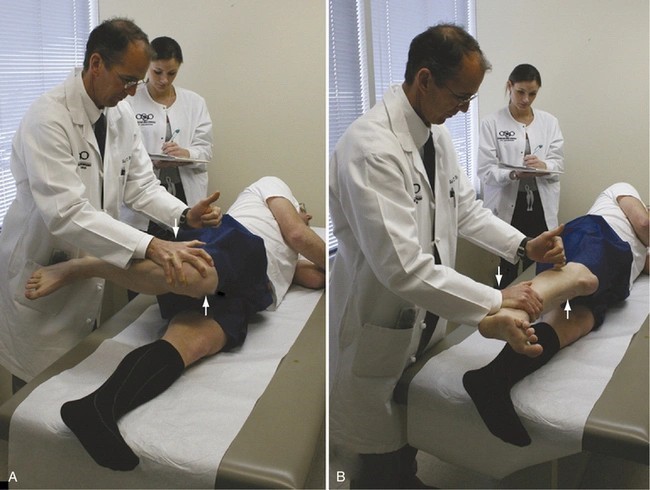
A physical examination is required for diagnosing a frozen shoulder. This involves active and passive movement tests. In the ‘active’ part, the doctor will have the affected individual move the shoulder on his/her own to get a measure of pain and stiffness. In the ‘passive’ leg of the examination, the doctor will move the affected individual’s shoulder to gauge the differences in discomfort and range of motion. 

In some instances, the doctor can administer anesthesia to numb the shoulder in order to carry out the physical examination. In addition, imaging tests such as X-ray, MRI or ultrasound may also be required if the doctor suspects a torn rotator cuff, arthritis or a similar condition to be the underlying cause of shoulder distress.

Treatment

In some cases, non-steroidal anti-inflammatory drugs are prescribed to alleviate the pain, especially if there’s noticeable swelling in the affected shoulder. If there is significant inflammation or pain, the doctor can prescribe different, more potent medications.

Physiotherapy has been found to be effective in improving mobility of the shoulder and is often recommended. In severe cases wherein oral medication fails to bring relief, the doctor can revert to administering a corticosteroid injection into the shoulder joint.

Some rare cases may call for a shoulder surgery. The surgery is an arthroscopic or keyhole procedure.

Bursitis

Tender, swollen joints that ache when you move – you could be suffering from Bursitis, a painful medical condition wherein bursae – the small, fluid filled sacs that work as cushion between the bones, muscle and tendons around the joints have become inflamed. 

The human body has 150 plus bursae. Their primary function is providing lubrication to reduce friction between the tissue during physical activity. Joints like hips, shoulders and elbows that engage in frequent physical activity are the most commonly affected by Bursitis. 

Bursitis too can affect other joints, like the knee and the base of the big toe. Bursitis of the knee is commonly called “Housemaid’s knee” or “Clergyman’s knee”.

Symptoms

Bursitis is marked by easy to spot visual and physiological cues. These include – 

  • Stiffness and ache in the joint region.
  • Swelling and redness in the affected joint.
  • Experiencing increased pain when moving or putting pressure on the affected areas.

Causes

Bursitis is usually caused by repetitive movements that wear out or stress the bursae. Athletes and laborers whose daily routine involves lifting objects over their heads or kneeling for long durations are at a high risk of developing bursitis.

Something as seemingly innocuous as leaning on your elbows for long when studying or reading can also lead to bursitis. Ageing, rheumatoid arthritis, gout, infections and injuries suffered to the joint region are other common causes.

Diagnosis

Diagnosis of Bursitis involves an examination of the affected joint and inquiry into recent physical activities and injuries. In some cases, swelling and soreness in the joint can be accompanied by fever. In such an event, the doctor will draw a small quantity of fluid from the bursa close to the affected joint which will be tested.

You might have to undergo an X-ray if the doctor suspects a break or a fracture or MRI in case of torn tendons. If the doctor suspects rheumatoid arthritis, you might have to undergo some blood testing. 

Management

Minor discomfort and inflammation can be managed and cured by ice packs and rest. Raising the affected joint to reduce the blood flowing into it can also sometimes help to reduce swelling. 

If you experience a sharp pain in the joint, are unable to move, develop a rash and/or a fever, consult your doctor. Based on the underlying cause and diagnosis, the doctor may administer steroid injections at the site of the pain and/or prescribe a course of antibiotics. Some cases may require intravenous administration of antibiotics and surgical draining to reduce fluid buildup. 

www.jointpaindoctor.in