Runner’s Knee Treatment in Mohali – Causes & Prevention Tips by Dr. Manu Mengi
One-third of people visiting healthcare providers with knee pain are diagnosed with patellofemoral syndrome—runner’s Knee, making it one of the most common knee conditions we treat at our Sports Injury Clinic in Mohali. This prevalent condition particularly affects athletes and physically active individuals who regularly run and jump.
As an athlete or regular runner, you might be familiar with that nagging, dull ache at the front of your knee that worsens when climbing stairs or during squats. This pain can affect one or both knees and typically appears during or after intense physical activities. Young female patients and adults aged 20 to 40 are particularly vulnerable to this condition, especially those who suddenly increase their activity levels.
In this comprehensive guide, we’ll explore the causes, symptoms, and effective treatments for patellofemoral pain syndrome, including the RICE method and targeted physical therapy exercises. We’ll also share practical strategies to prevent this condition from affecting your running routine.
What is Patellofemoral Pain Syndrome (Runner’s Knee)?
Patellofemoral Pain Syndrome (PFPS) refers to pain around or behind the kneecap (patella) where it meets the thigh bone (femur). This condition got its nickname “Runner’s Knee” because it frequently affects people who run or participate in activities that put repeated stress on the knee joint. However, unlike what the name suggests, this condition isn’t limited to runners—it can affect anyone who engages in activities that stress the knee joint.
Understanding the patellofemoral joint
The patellofemoral joint consists of your kneecap (patella) and the groove in your thigh bone (femur) where the patella slides. This joint plays a crucial role in your daily movements. The patella acts as a pulley, increasing the leverage of the quadriceps muscles and providing protection to the knee joint.
The kneecap is normally held in place by various structures:
- Quadriceps muscles (front thigh)
- Hamstring muscles (back thigh)
- Medial and lateral retinaculum (tissue along the sides)
- Patellar tendon (connecting to the shin bone)
In a healthy knee, the patella glides smoothly up and down in this femoral groove as you bend and straighten your leg. This movement should be pain-free and efficient. Nevertheless, if any element of this mechanical system is off, whether it’s muscle imbalance, abnormal anatomy, or poor movement patterns, problems begin to develop.
What happens in PFPS is that the patella doesn’t track properly in its groove. Instead, it may shift laterally (outward) or tilt, creating excessive pressure on certain areas of the cartilage. This improper tracking leads to irritation of the soft tissues and inflammation, consequently causing pain and discomfort.
Why runners are more prone to PFPS
Runners face a higher risk of developing patellofemoral pain syndrome, which is why many seek Runner’s Knee Treatment in Mohali for relief. First and foremost, running creates repetitive stress on the knee joint. With each stride, your knee absorbs a force equivalent to several times your body weight. Over thousands of strides during a typical run, this adds up to significant cumulative stress on the patellofemoral joint.
Furthermore, biomechanical factors make runners particularly vulnerable:
- Muscle imbalances – Tight quadriceps combined with weak hip abductors (particularly the gluteus medius) can pull the patella out of alignment during running.
- Running form issues – Overpronation (excessive inward rolling of the foot), crossover gait (feet crossing over the midline), or overstriding can all contribute to abnormal knee mechanics.
- Training errors – Sudden increases in mileage, intensity, or hill work without proper adaptation time put excessive stress on the knee structures.
The repetitive nature of running means that even minor misalignments or muscle imbalances get magnified over time. As a runner logs more miles, these small issues compound until they reach a threshold where pain develops.
Moreover, running on hard surfaces or uneven terrain increases impact forces and can exacerbate existing biomechanical issues. Similarly, worn-out running shoes that no longer provide proper support can alter your gait and contribute to patellofemoral issues.
Unlike traumatic knee injuries, PFPS typically develops gradually. Many runners ignore early warning signs—such as mild discomfort that disappears after warming up—until the pain becomes persistent enough to interfere with training. This is why understanding the underlying mechanics and recognising early symptoms is vital for preventing long-term problems.
Common Causes of Knee Pain While Running
Running places significant demands on your knees, which is why Knee Pain When Running Treatment in Mohali is a common request among athletes. Understanding what causes knee pain while running can help you prevent patellofemoral pain syndrome or address it before it worsens.
Overuse and repetitive stress
Approximately 80% of running-related injuries are associated with overload. Unlike acute injuries, overuse problems develop gradually through repeated microtrauma that exceeds your body’s natural repair capacity.
When you run, various tissues including muscles, tendons, bones, and ligaments experience physiological stress. These structures adapt differently to training loads—tendons and ligaments adapt more slowly than muscles, making them particularly vulnerable to injury.
The problem arises when the cumulative damage surpasses your tissue’s repair threshold. This typically happens when you don’t allow adequate recovery time between training sessions. For overzealous runners who push too hard too often, the damage accumulates until pain and dysfunction appear.
What makes overuse injuries challenging is their gradual onset. There’s rarely a single, identifiable traumatic cause. Instead, the damage builds up silently until symptoms become noticeable, at which point significant tissue stress has already occurred.
Muscle imbalances and poor biomechanics
Your running form directly impacts how effectively your body absorbs and distributes forces. Poor biomechanics significantly increase your risk of developing patellofemoral pain syndrome.
Muscle imbalances are among the most common culprits. About 25% of adults experience knee pain, representing a 65% increase over the last 20 years. Often, this pain stems from muscle imbalances around the joint:
- Weak gluteal muscles (particularly gluteus medius and maximus) fail to properly control hip and knee alignment during running
- Quadriceps weakness reduces support across the knee joint and strongly correlates with the advancement of knee problems
- Tight hamstrings or calves alter how your knee moves through its normal range
- An imbalance between inner and outer thigh muscles can pull the kneecap out of alignment
These imbalances change how your patella tracks in its groove, creating excessive pressure on certain areas of the cartilage. Notably, runners with anterior knee pain have weaker knee extensors and flexors than those without pain.
Inefficient running biomechanics, such as excessive knee valgus (“knocked knee”) or knee varus (“knee out”), create abnormal stress patterns that your knee structures weren’t designed to handle.
Sudden changes in training or surface
Making abrupt modifications to your running routine often triggers knee pain. Runners who suddenly increase their mileage, intensity, or hill work without proper adaptation time put excessive stress on their knees.
Contrary to popular belief, changing to a softer running surface doesn’t necessarily reduce injury risk. Different surfaces simply alter the biomechanical demands on your body. While softer surfaces may reduce impact loading rates, they increase demands on muscles and tendons. A sudden change in running surface may decrease stress in one area but increase injury risk in others.
Training errors account for many cases of runner’s knee. Adding too much distance too quickly or not allowing sufficient recovery between runs prevents proper adaptation. This explains why many patients develop patellofemoral pain syndrome after they start running at an incline or increase their miles or speed.
Recognising the Symptoms Before It Gets Worse
Early detection of Patellofemoral Pain Syndrome can prevent progression to more severe conditions, which is why visiting a Knee Pain Doctor in Mohali at the first sign of discomfort is crucial. Recognising the warning signs promptly allows for faster intervention and better outcomes. When detected early, most cases resolve with conservative treatment rather than requiring invasive procedures.
Pain patterns and when they appear
The hallmark of Patellofemoral Pain Syndrome is a dull, aching pain around or behind the kneecap, particularly where it meets the lower part of the thighbone. Unlike acute injuries, this pain typically develops gradually over time.
You’ll likely notice pain intensifying when:
- Walking up or down stairs
- Squatting or kneeling
- Running, especially downhill
- Sitting with knees bent for extended periods (sometimes called “theatre sign”)
- Standing up after prolonged sitting
Pain is usually diffuse rather than pinpointed to a specific location. Many runners report that symptoms peak when the knee is bent at 60° to 90°, such as during deep squats, and subside when straightening the leg. Initially, discomfort might only appear during or after intense activities, but as the condition progresses, even daily movements can trigger pain.
Clicking or popping sounds in the knee
That strange clicking or popping sound in your knee has a medical name: crepitus. While often alarming, knee crepitus by itself isn’t necessarily a cause for concern. Scientists have studied this phenomenon since 1947, with real-time medical imaging finally revealing in 2015 that these sounds typically occur when tiny nitrogen bubbles in joint fluid collapse due to pressure changes.
Nevertheless, when clicking or popping accompanies pain, attention is warranted. In Patellofemoral Pain Syndrome, you might experience:
- Rubbing, grinding, or clicking sensations when bending and straightening the knee
- Popping sounds that worsen after periods of rest
- Crunching sensations when climbing stairs or kneeling
Clicking at the front of the knee can result from an anatomical structure called a plica. While usually painless, when inflamed it causes “Plica syndrome,” another condition that frequently affects runners.
Swelling around the kneecap after activity
Swelling indicates inflammation in the knee joint and serves as an important diagnostic clue. Following intense activities, you might notice mild swelling around the front of your knee or kneecap, representing fluid buildup in or around the joint.
This swelling typically develops gradually rather than suddenly. Sudden swelling (within four hours of activity) is more concerning, as it may indicate bleeding within the knee (hemarthrosis) and possible structural damage. In contrast, the swelling associated with Patellofemoral Pain Syndrome usually appears more gradually and is milder in nature.
Persistent swelling that doesn’t improve with rest should prompt medical evaluation. Although mild swelling might resolve with home treatment, recurrent episodes indicate that the underlying issues causing your runner’s knee remain unaddressed. In essence, your body is signalling that something isn’t right with your knee mechanics.
PFPS typically worsens over time if left untreated, potentially increasing your risk of injuries beyond just pain and discomfort. Hence, promptly recognising these symptoms can help prevent progression to more serious conditions.
Effective Treatments for Patellofemoral Pain Syndrome
Treating Patellofemoral Pain Syndrome effectively requires a multi-faceted approach, which is why many patients opt for a Knee Pain Doctor in Mohali as part of their recovery. Most patients recover completely with conservative treatments, though recovery timeframes vary depending on severity and adherence to treatment protocols.
RICE method and pain relief options
First and foremost, the RICE method provides immediate relief for acute flare-ups:
- Rest: Temporarily avoid activities that trigger pain
- Ice: Apply cold packs for 15-20 minutes every 2-3 hours
- Compression: Use an elastic bandage around the knee to reduce swelling
- Elevation: Keep your knee above heart level when possible
Over-the-counter pain relievers can complement this approach. NSAIDs like ibuprofen and naproxen reduce both pain and inflammation, while acetaminophen (Tylenol) addresses pain without anti-inflammatory effects. Generally, these medications should not be taken for more than 10 days without medical supervision.
Physiotherapy and strengthening exercises
Physiotherapy forms the cornerstone of effective treatment. Studies show that performing knee- and hip-strengthening exercises three times weekly for six weeks significantly decreases knee pain and improves physical activity.
Key exercises often include:
- Straight leg raises for quadriceps strengthening
- Side-lying clam exercises for hip abductors
- Wall sits for thigh muscle development
- Step-ups for gluteal and quadriceps activation
Primarily, these exercises aim to correct muscle imbalances and faulty movement patterns that contribute to improper tracking of the kneecap.
Knee braces and orthotics for support
Supportive devices provide additional stability during recovery. Patellofemoral braces help track the kneecap properly, reducing pressure on affected areas. Unloader braces, the most commonly recommended type, redistribute weight-bearing forces away from painful areas.
Orthotic inserts, either over-the-counter or custom-made, can correct foot mechanics that contribute to knee misalignment. These interventions work best when combined with appropriate exercises.
When to consider surgery
Surgery represents a last resort, typically considered only after 6-12 months of consistent conservative treatment failure. Arthroscopic procedures allow surgeons to examine the knee joint and address specific issues like removing damaged cartilage or releasing tight lateral structures.
For severe cases with significant misalignment, realignment surgery may be necessary to adjust the position of the kneecap. Fortunately, most patients respond well to non-surgical approaches, making surgery rarely necessary for this condition.
Preventing PFPS and Staying Pain-Free
Preventing Patellofemoral Pain Syndrome demands a proactive approach, including Proper Running Form and Knee Pain Treatment in Mohali if symptoms arise. As the saying goes, an ounce of prevention is worth a pound of cure—nowhere is this more applicable than with runner’s knee.
Stretching and warm-up routines
Before hitting the pavement, engage in dynamic stretching that mimics running movements to increase your heart rate and warm up muscles. Subsequently, save static stretching for after your run when muscles are warm. Many experts recommend a 5-10 minute walking warm-up to get blood flowing properly through your body. For optimal results, focus on stretching your quadriceps, hamstrings, calves, and hip flexors—all crucial muscle groups that impact knee alignment.
Choosing the right footwear
Your running shoes play a vital role in preventing knee pain. According to podiatrists, proper footwear should provide appropriate cushioning without raised heels, which can shift your center of gravity and place additional pressure on the knee joint. Typically, shoes with lower heel drops (under 8mm) help reduce forward knee push and alleviate IT band issues.
Gradual training progression
Abrupt changes in training volume often trigger knee pain. Accordingly, structure your progression carefully—increase your weekly mileage by no more than 10% and allow approximately six weeks for your body to adapt to new training loads. Likewise, alternate running days with low-impact activities like swimming or yoga to give your knees recovery time.
Maintaining healthy body mechanics
Proper running form dramatically reduces stress on your knees. Land with slightly bent knees rather than straight legs, and avoid overstriding. Additionally, aim for a cadence around 180 steps per minute (170 for taller runners), and ensure your feet point in your direction of travel rather than splaying outward. Above all, focus on a circular leg motion versus a pendulum-like straight leg action that increases impact forces.
Conclusion
Understanding and addressing Patellofemoral Pain Syndrome makes the difference between a short-lived running career and years of enjoyable miles. If you’re experiencing persistent discomfort, consult a Patellofemoral Pain Syndrome Specialist in Mohali for personalised care. While this condition affects many runners, proper knowledge empowers us to prevent and manage it effectively.
Most cases respond well to conservative treatment approaches, especially when caught early. Regular stretching, appropriate footwear, and smart training progression serve as our first line of defence against runner’s knee. Strengthening exercises targeting key muscle groups help maintain proper knee alignment during runs.
Smart runners pay attention to their bodies and address minor discomfort before it develops into chronic pain. Rather than pushing through knee pain, taking appropriate rest periods and following proper rehabilitation protocols leads to better long-term outcomes. Remember, protecting your knees today ensures many more miles of pain-free running tomorrow.
FAQs
Q1. What are the main symptoms of Patellofemoral Pain Syndrome, and when should I see a Knee Pain Doctor in Mohali?
A1. The primary symptoms include a dull, aching pain around or behind the kneecap, especially when walking up or down stairs, squatting, or sitting with bent knees for extended periods. You may also experience clicking or popping sounds in the knee and mild swelling around the kneecap after activity.
Q2. Why are runners more susceptible to developing Patellofemoral Pain Syndrome?
A2. Runners are more prone to this condition due to the repetitive stress placed on the knee joint during running. Factors such as muscle imbalances, poor running form, and sudden increases in training intensity or mileage can contribute to the development of PFPS in runners.
Q3. How can I prevent Patellofemoral Pain Syndrome while running?
A3. Prevention strategies include proper warm-up and stretching routines, choosing appropriate footwear, gradually increasing training intensity, and maintaining good running form. It’s also important to strengthen key muscle groups, particularly the quadriceps, hip abductors, and gluteal muscles.
Q4. What are some effective treatments for Patellofemoral Pain Syndrome?
A4. Effective treatments include the RICE method (Rest, Ice, Compression, Elevation), physiotherapy exercises to strengthen muscles around the knee, and the use of knee braces or orthotics for support. Over-the-counter pain relievers can also help manage pain and inflammation.
Q5. When should I seek medical attention for knee pain while running?
A5. You should consult a healthcare professional if you experience persistent knee pain that doesn’t improve with rest, sudden swelling within hours of activity, or if the pain interferes with your daily activities. Early intervention can prevent the condition from worsening and improve treatment outcomes.
About Patellofemoral pain syndrome specialist Mohali
If you’re experiencing persistent knee pain while running, don’t ignore the warning signs. Early intervention from a Patellofemoral Pain Syndrome Specialist in Mohali can prevent long-term damage and get you back to pain-free movement. Dr. Manu Mengi, an experienced sports medicine expert, provides personalised treatment plans combining physiotherapy, bio-mechanical analysis, and targeted exercises for runners and athletes. Whether you’re training for a marathon or simply want to stay active without knee discomfort, seeking professional guidance ensures proper recovery. Book a consultation today to address your knee concerns with evidence-based care.
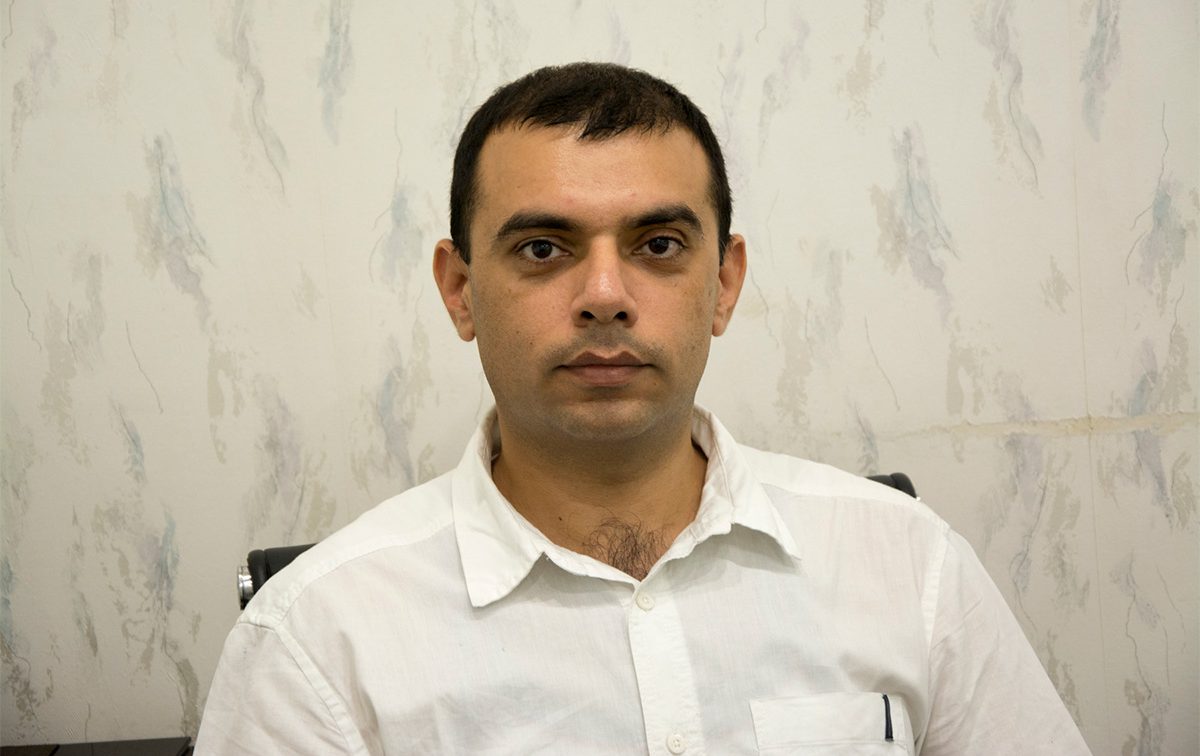
Dr. Manu Mengi is a best orthopedic doctor in Mohali, specializing in joint pain, arthritis, and sports injuries. With qualifications in orthopedics and advanced training in joint replacement, he provides effective care for bone and joint conditions, helping patients improve mobility and manage pain with the right treatment approach.