Is My Pain Coming from Muscle, Joint, or Nerve? How to Tell at Home – Dr. Manu Mengi

Figuring out if your pain is coming from muscle, joint, or nerve can feel confusing when you’re dealing with discomfort. Most daily aches come from muscles or joints, while true nerve pain is less common but easier to recognize once you know the signs. Pain is our body’s way of signaling that something isn’t right, and treating it incorrectly can prolong discomfort or even worsen the condition. In this guide, I’ll walk you through the key differences between muscle pain vs joint pain vs nerve pain and show you simple at-home tests to identify your pain source.

Understanding the Three Types of Pain

Before you can identify your pain source, you need to understand what makes each type distinct. Each category has unique characteristics that reveal what’s happening beneath your skin.

What is muscle pain (myalgia)?

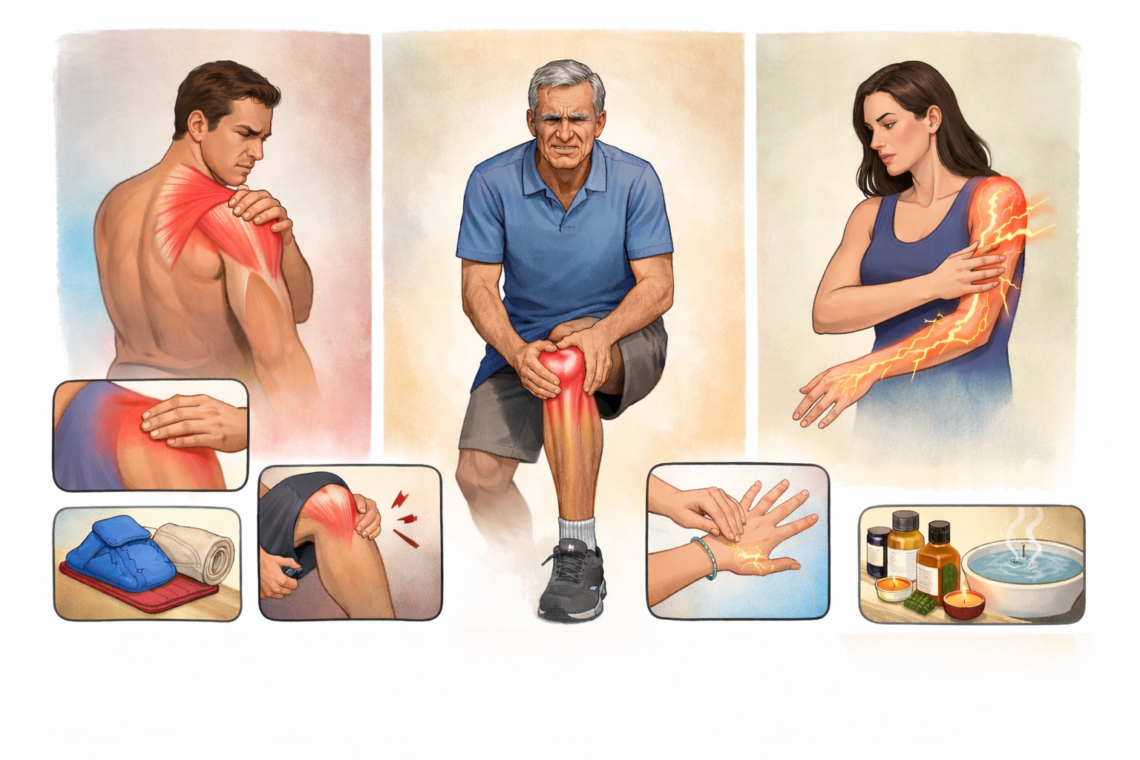
Muscle pain shows up as deep discomfort within your muscle tissue. You’ll typically feel it as a dull, achy sensation that you can pinpoint to a specific spot. When I press on the affected area, it feels tender and sore to the touch.

This type of pain usually appears after physical activity. You might experience it following a long day of yard work, a new workout routine, or even after sleeping in an awkward position. The pain often feels like a muscle pull, presenting as either sharp or dull aching sensations.

Muscle pain can be localized to one specific area, or it can spread throughout your body in cases of systemic conditions like the flu. If you’re dealing with chronic muscle pain, the discomfort persists whether you’re moving or staying still. In addition to the pain itself, the affected muscles often become swollen and feel stiff when you try to use them.

What is joint pain?

Joint pain occurs at the points where two or more bones come together. Your hips, knees, spine, hands, and feet are common locations for joint discomfort.

The sensation differs from muscle pain in how it feels. You might describe it as stiff, achy, or sore, but many people report additional sensations like burning, throbbing, or a “grating” feeling inside the joint. This pain can be constant, or it might come and go throughout your day.

One telltale pattern with joint pain is morning stiffness. Your joints feel particularly rigid when you first wake up, but they tend to loosen up as you move and go about your activities. On the other hand, too much activity can make the pain worse. Joint pain affects your ability to perform basic tasks like climbing stairs, writing, or carrying objects.

What is nerve pain (neuropathy)?

Nerve pain happens when your nervous system malfunctions or sustains damage. Your nervous system includes peripheral nerves that spread throughout your body to your arms, legs, fingers, and toes, as well as your central nervous system consisting of your spinal cord and brain.

When nerve fibers get damaged, they send incorrect signals to your pain centers. About 30% of neuropathy cases occur due to diabetes, but hundreds of other conditions can cause it.

Nerve pain feels distinctly different from muscle or joint pain. Patients describe it as burning, stabbing, or electric shock-like sensations. You might experience tingling, numbness, or a “pins and needles” feeling. In contrast to localized muscle pain, nerve pain often travels. You could feel it shooting down your leg even though the problem starts in your back.

Nerve pain can include several specific symptoms:

  • Allodynia: Normally painless stimuli like cold, light pressure, or brushing against your skin causes pain
  • Hyperalgesia: Normally painful stimuli like heat or pinpricks produce an extreme or increased pain sensation
  • Hypoalgesia: A normally painful stimulus results in a decreased pain response
  • Dysesthesia: Unexpected sensations that feel strange, unpleasant, or painful
  • Spontaneous pain: Pain that happens without any apparent reason or trigger

This type of pain typically doesn’t improve with simple rest. It often comes with numbness or weakness in the affected area, which are red flags that distinguish it from other pain types. The chronic nature of nerve pain sets it apart, as damaged tissue often leads to ongoing, constant discomfort.

How to Tell the Difference: Key Signs and Symptoms

Once you understand the basics of each pain type, the next step is learning how to distinguish between them through observable characteristics. The way your pain feels, where it appears, and how it responds to different triggers tells you which tissue is causing the problem.

Pain sensation: sharp vs dull pain meaning

The quality of your pain sensation reveals important clues about its source. Sharp pain travels through myelinated A-delta fibers that insulate the nerve, allowing signals to move faster and creating immediate, easily identifiable sensations. Dull pain moves through unmyelinated C fibers that transmit messages more slowly, spreading over a larger area and producing aches that are difficult to pinpoint.

Muscle and joint pain typically presents as dull or achy feelings. You might describe it as pressure or heaviness rather than something stabbing. Nerve pain feels distinctly different. Patients describe it as burning, tingling, shooting, or electric shock-like sensations. If your pain feels like electricity running through your body or a burning sensation without any visible injury, nerve damage is the likely culprit.

Location: radiating pain vs localized pain

Pain location patterns provide one of the clearest ways to identify your pain source. Localized pain stays confined to a particular area of your body. When you sprain your ankle or strain a muscle, the pain remains at the injury site. This somatic pain results from inflammation releasing chemical messengers that activate local pain receptors.

Radiating pain behaves completely differently. It travels from one spot to other areas following specific nerve pathways. Sciatica demonstrates this perfectly when pain starts in your lower back but shoots down your leg. Radicular pain occurs when spinal nerves become compressed or inflamed, sending sharp, shooting sensations along the nerve’s route. If your pain follows a pathway or moves from your back down your arm or leg, you’re dealing with nerve involvement.

Response to touch and pressure

How your pain responds to touch distinguishes nerve issues from muscle or joint problems. Muscle pain increases when I press directly on the affected area. The tender spot reproduces your discomfort.

Nerve pain creates unusual touch responses. Allodynia makes normally painless stimuli like light pressure or fabric brushing against your skin feel painful. Inflammation can cause tactile allodynia where touch becomes hypersensitive. Similarly, hyperalgesia amplifies normally painful sensations beyond what you’d expect.

Movement patterns and timing

Movement affects each pain type differently. Muscle pain often feels sharp with movement but becomes a constant dull ache at rest. Joint pain typically presents with morning stiffness that improves as you move throughout your day.

Nerve pain shows distinct mechanical provocation patterns. Tests that move, load, or compress neural tissue trigger symptoms. Your pain might worsen when you bend, and physical exertion can introduce additional discomfort. Night pain that disrupts your sleep points toward nerve involvement.

Tingling numbness causes pain type

Tingling and numbness almost always indicate nerve problems rather than muscle or joint issues. Peripheral neuropathy creates gradual numbness, prickling, or tingling that typically starts in your feet or hands and spreads upward into your legs and arms. These sensations accompany nerve pain but rarely appear with muscle or joint conditions.

You might experience pins-and-needles feelings, weakness, or paralysis alongside the numbness. Pain during activities that shouldn’t cause pain, such as weight on your feet or blankets touching your skin, signals nerve damage.

Simple At-Home Tests to Identify Your Pain Source

Now that you recognize the symptoms, you can perform simple tests at home to confirm your pain source. These tests don’t require special equipment and take just a few minutes.

The pressure test for muscle pain

Apply firm pressure directly to the area where you feel discomfort. Muscle pain increases when you press on the affected spot. The tender point reproduces your symptoms, and you can pinpoint exactly where it hurts.

Press around the painful area using your fingers or thumb. The affected muscle feels sore to touch, and the pressure might be uncomfortable but shouldn’t cause sharp, shooting sensations. If pressing the area makes your pain worse in that specific spot without radiating elsewhere, you’re dealing with muscle involvement.

Acupressure points feel tender when stimulated, but the pressure shouldn’t hurt intensely. If light touch alone causes severe pain or the discomfort shoots down your arm or leg when you press, nerve issues may be present instead.

The movement test for joint pain

Joint pain shows distinct movement patterns. When you first wake up, your joints feel stiff and rigid. This morning stiffness typically eases within about 30 minutes as you move around.

Test your joint by moving it through its full range of motion. Bend, straighten, and rotate the affected area. Joint pain often limits how far you can move, and you might hear clicking or grinding sounds. The discomfort stays within the joint itself rather than spreading to surrounding areas.

Physical examination for musculoskeletal issues includes evaluation of range of motion as a key component. If movement gradually improves your symptoms after initial stiffness, joints are the likely source.

The tingling test for nerve pain

Tinel’s sign provides a simple way to check for nerve compression at home. Lightly tap with your fingertips over the area where you suspect nerve involvement. For example, tap the inside of your wrist if you think you have carpal tunnel syndrome, or tap behind your elbow for ulnar nerve issues.

A positive test produces tingling or a “pins and needles” sensation in the nerve’s distribution when you tap. You might feel the tingling shoot down into your fingers or toes. This indicates nerve compression or damage at that site.

The timing test: morning vs evening symptoms

Pain timing reveals important clues about its source. Morning joint pain presents as stiffness and lack of mobility due to reduced synovial fluid circulation during sleep. Evening joint pain feels achy and sore with burning or throbbing sensations caused by inflammation. Nerve pain often intensifies at night, manifesting as tingling or pins and needles.

What to Do for Each Type of Pain at Home

After identifying your pain source, the right home care approach can provide relief and speed recovery. Treatment strategies differ based on whether you’re dealing with muscle, joint, or nerve issues.

Managing muscle pain naturally

Muscle pain from minor injuries, stress, or exercise usually responds well to care at home. The RICE method works effectively: rest the affected area and take a break from activities that caused the injury, apply ice for 20 minutes three times daily, use compression with a stretchable bandage to reduce swelling, and elevate the injured area above your heart level to help gravity lessen inflammation.

Topical products containing menthol, lidocaine, or diclofenac sodium can ease discomfort when applied directly to sore muscles. Oral pain relievers such as acetaminophen, ibuprofen, or naproxen sodium provide additional relief. Begin mild stretching as your pain decreases to prevent stiffness.

Relieving joint stiffness and pain

Heat therapy offers temporary relief for aching joints. Apply heating pads, warm compresses, or soak in hot baths to increase blood circulation. For acutely inflamed joints, cold therapy with ice packs reduces swelling. Switch between heat and cold based on your symptoms.

Physical activity reduces joint pain and stiffness despite initial discomfort. Walking, swimming, water aerobics, and gentle yoga exercises improve flexibility without stressing joints. A diet rich in whole foods including fruits, vegetables, fish, nuts, and beans while avoiding processed foods helps manage inflammatory conditions. Weight loss significantly reduces arthritis pain, particularly for knee osteoarthritis.

Calming nerve pain symptoms

Warm baths increase blood circulation and decrease numbness symptoms. Regular exercise reduces blood sugar levels, which can slow nerve damage progression while increasing blood flow to extremities. Vitamin B complex (B1, B6, B12), vitamin E, and copper support nerve health. Turmeric contains anti-inflammatory properties that may offer pain relief.

Diluted essential oils like lavender, eucalyptus, or bergamot applied topically can reduce tingling sensations. Meditation techniques help lower stress and improve pain coping skills.

When home care isn’t enough

Seek medical attention if pain persists longer than a few weeks despite self-treatment. Severe pain that interferes with daily activities, sleep, or quality of life requires professional evaluation. Tingling in extremities indicates potential nerve damage that needs prompt assessment to prevent permanent complications. Pain accompanied by loss of mobility lasting more than a month warrants specialist consultation.

Warning Signs That Need Medical Attention

Some pain symptoms require professional evaluation rather than continued home treatment. Recognizing these warning signs helps you get timely care.

Signs of nerve compression pain

Nerve compression creates specific symptoms that distinguish it from other pain types. You’ll experience pain, numbness, or tingling around the compression site, usually at joints like your wrist, elbow, or ankle. Subsequently, you may notice an inability to move the affected area normally. Compression, inflammation, or injury to spinal nerve roots leads to shooting pain, weakness, numbness, or tingling in body parts along the nerve’s path.

Persistent pain that doesn’t improve

Chronic pain persists for three months or longer. If you rate your pain as seven or higher on a ten-point scale, comparable to a bad toothache, see a doctor immediately. Moderate pain that doesn’t resolve within a few days also warrants medical attention.

Weakness or loss of function

Sudden, severe muscle weakness requires emergency care. Weakness accompanied by warning signs can deteriorate rapidly, causing permanent disability. If pain limits your movement, work, or self-care abilities, a pain specialist can provide targeted treatment.

Night pain that disrupts sleep

More than half of patients with chronic pain experience sleep disorders. Two out of three people with chronic pain struggle with sleeping. Pain causes sleep maintenance insomnia, making it difficult to stay asleep throughout the night.

Conclusion

Identifying whether your pain comes from muscle, joint, or nerve doesn’t require a medical degree. Use the simple tests I’ve shared to pinpoint your discomfort source, and you’ll be able to apply the right treatment strategy from day one.

For one thing, accurate identification prevents you from wasting time on ineffective remedies. Muscle pain responds to rest and ice, while joint pain often improves with movement and heat. Nerve pain requires a different approach entirely.

If your symptoms persist beyond a few weeks or you notice warning signs like severe weakness or nighttime disruption, don’t hesitate to consult a healthcare professional for proper diagnosis and treatment.

Key Takeaways

Understanding the source of your pain enables you to choose the right treatment approach and avoid prolonging discomfort through ineffective remedies.

• Muscle pain feels dull and achy, worsens with direct pressure, and stays localized to the injury site • Joint pain causes morning stiffness that improves with movement and often includes grinding sensations • Nerve pain creates burning, shooting, or electric sensations that travel along nerve pathways • Simple at-home tests can identify pain source: pressure test for muscles, movement test for joints, tingling test for nerves • Seek medical attention for pain lasting over 3 weeks, weakness, or symptoms disrupting sleep

Each pain type requires different treatment strategies – muscle pain responds to rest and ice, joint pain improves with movement and heat, while nerve pain needs specialized care. Recognizing these distinctions helps you start effective treatment immediately rather than trying ineffective approaches.

FAQs

Q1. How can I tell if my pain is coming from a muscle or a nerve?

Muscle pain typically feels dull and achy, worsens when you press directly on the affected area, and stays localized to one spot. Nerve pain, on the other hand, feels like burning, shooting, or electric sensations that often travel along pathways in your body. Nerve pain may also cause tingling, numbness, or “pins and needles” feelings, which rarely occur with muscle issues.

Q2. What’s a simple way to test for nerve pain at home?

Try the tapping test: lightly tap with your fingertips over areas where you suspect nerve involvement, such as your wrist or elbow. If you feel tingling or a “pins and needles” sensation shooting down into your fingers or toes when you tap, this indicates possible nerve compression or irritation. Muscles don’t produce this buzzing response when tapped.

Q3. How does joint pain differ from nerve pain?

Joint pain typically causes stiffness, swelling, and aching sensations that are worst in the morning but improve with movement throughout the day. You might also hear grinding or clicking sounds. Nerve pain feels more like burning, tingling, or electric shocks that travel along nerve pathways and often worsen at night, frequently accompanied by numbness or weakness.

Q4. What are the key differences between muscle pain and joint pain?

Muscle pain presents as deep, tender discomfort that you can pinpoint to a specific spot and worsens when you press on it. Joint pain occurs where bones meet and causes stiffness, particularly in the morning, along with possible grinding sensations during movement. Joint pain tends to improve with gentle activity, while muscle pain typically requires rest.

Q5. When should I see a doctor for my pain instead of treating it at home?

Seek medical attention if your pain persists for more than three weeks despite home treatment, if you experience severe weakness or loss of function, if pain disrupts your sleep regularly, or if you notice tingling in your extremities. Pain rated seven or higher on a ten-point scale also warrants immediate professional evaluation.

Q6. How do I know if my pain is muscle, joint, or nerve?

Muscle pain is usually dull, sore, and tender to touch. Joint pain feels deep, stiff, and worse with movement or after rest. Nerve pain is sharp, burning, or electric-like, often with tingling or numbness and may travel along a path.


Q7. What does nerve pain feel like compared to muscle pain?

Nerve pain feels like shooting, burning, or electric shocks, sometimes with pins and needles or numbness. Muscle pain is more aching, tight, and localized, often increasing with activity or pressure.


Q8. Can I identify the type of pain at home?

Yes, you can get a good idea by observing:

  • Location (localized vs radiating)
  • Type (dull vs sharp/burning)
  • Triggers (movement, rest, pressure)
    This doesn’t replace a diagnosis but helps guide understanding.

Q9. Does nerve pain travel from one area to another?

Yes. Nerve pain often radiates along the nerve pathway, such as from the lower back to the leg (like sciatica) or from the neck to the arm.


Q10. Is pain that increases on pressing a muscle always muscular?

Most of the time, yes. Tenderness on pressing usually indicates muscle or soft tissue involvement, but sometimes deeper joint or trigger point issues can mimic this.


Q11. Why does my pain feel worse after rest?

Pain that worsens after rest is often joint-related (like early arthritis or stiffness). Muscles usually feel better after rest, unless they are very tight or injured.


Q12. What are the early signs of nerve compression?

Common early signs include:

  • Tingling or “pins and needles”
  • Numbness
  • Burning or shooting pain
  • Weakness in the affected limb

Q13. Is tingling always a sign of nerve damage?

Not always. Tingling can occur due to temporary nerve irritation or compression (like sitting awkwardly). Persistent or progressive tingling, however, should be evaluated.


Q14. Can muscle pain cause radiating symptoms?

Typically no. Muscle pain is usually localized, but trigger points can sometimes refer pain to nearby areas, which may mimic nerve pain.


Q15. When should I see a doctor for my pain?

Seek medical attention if you have:

  • Persistent pain beyond a few weeks
  • Severe or worsening symptoms
  • Numbness, weakness, or loss of function
  • Pain after injury or trauma

Consult for all the orthopedic related problems with Dr Manu Mengi

Hip Pain While Sleeping on the Side – Causes and What Actually Helps” By Dr. Manu Mengi

Hip pain while sleeping on the side affects millions of people worldwide. More than one-third of U.S. adults say hip, knee, or foot pain keeps them awake at night. You’re definitely not alone if you’ve felt that uncomfortable sensation while lying on your side.

Patients often report major discomfort in their hips during sleep. The pain makes it very hard to get comfortable, especially at night. A simple position adjustment helps minimize pressure on the joint, but several other strategies can provide relief.

Let’s explore why your hip hurts when you sleep on your side, the common causes behind this discomfort, and best of all, what really helps ease the pain. You’ll find practical solutions to help you get better sleep, whether you face occasional discomfort or chronic nighttime hip pain.

Why does hip pain get worse at night?

Hip pain gets worse at night for many people, making it hard to sleep comfortably. This isn’t just random – there are real reasons why your hip hurts more when you try to sleep. Learning why this happens is the first step to finding relief.

Pressure on the hip joint during side sleeping

Sleeping on your side affects how comfortable your hips feel at night. Your body weight puts a lot of pressure on your hip joint, especially the outer part. This position squeezes the surrounding parts, including the bursa (fluid-filled cushioning sacs), tendons, and muscles.

The pressure creates bigger problems for side sleepers who have Greater Trochanteric Pain Syndrome (GTPS). This condition covers several issues that affect the outer hip and can make side sleeping really uncomfortable.

Here’s what happens when you sleep on your side:

  • Your weight pushes down on the hip touching the mattress
  • Your hip joint carries this weight all night
  • The pressure can irritate sensitive areas
  • Your other hip might strain forward and create tension

Your hips can hurt even if you don’t have any diagnosed conditions. The mattress plays a big role too – one that’s too soft or too firm creates pressure points that make your hips hurt more as the night goes on.

Side sleepers often get hip pain. Your hip has several parts that can get squeezed or irritated during side sleeping. The greater trochanter (the bony bump on the outside of your upper thigh bone) pushes against the mattress, along with the soft tissues around it.

Reduced movement and joint stiffness

You move and change positions often during the day, even without thinking about it. This movement keeps your joints flexible and blood flowing around your hips. But things change at night.

You don’t move much when you sleep. Deep sleepers might stay in one position for hours. This lack of movement leads to several problems:

  1. Less joint fluid movement
  2. Stiff hip muscles
  3. Tighter joint capsule
  4. Less natural joint lubrication

Your body can’t pump blood and synovial fluid (your joints’ natural lubricant) as well when you’re not moving. This poor circulation leads to stiffness and morning discomfort.

People with hip osteoarthritis feel these effects more. Their symptoms get worse in the morning or after sitting for long periods. This happens because the joint hasn’t moved through its normal range, letting stiffness build up overnight.

Bad sleep creates a tough cycle. Studies show that poor sleep quality and feeling tired make pain worse for people with hip osteoarthritis. Hip pain disrupts sleep, causes fatigue, and then the pain gets even worse.

Morning stiffness shows how this lack of movement affects you. People with hip problems often feel more pain right after waking up. The pain gets better as they move around and the joint “warms up,” which proves how staying still contributes to hip pain.

Inflammation buildup overnight

The biggest reason for nighttime hip pain comes from natural inflammation during rest. Inflammation increases a lot when your body is still. This explains why many inflammatory conditions, including hip problems, feel worse at night.

Daily movement helps:

  • Move fluids through your body
  • Reduce joint swelling
  • Clear inflammatory chemicals from tissues
  • Spread pressure around

At night, you lose these benefits. Staying still lets inflammatory chemicals collect around your hip joint and irritate tissues and nerves. This buildup creates perfect conditions for increased pain.

This inflammation happens more with conditions like hip bursitis, arthritis, and tendonitis. In bursitis, the fluid-filled sac cushioning your hip joint gets inflamed. Without daytime movement to spread this inflammation, the bursa gets more irritated overnight.

Hip arthritis (especially osteoarthritis) creates inflammation from worn-down cartilage. Research shows this inflammation follows a daily pattern and often peaks at night when you’re trying to sleep.

Tendonitis or gluteal tendinopathy causes inflamed tendons around the hip. The pain gets worse at night, especially when you put pressure on sore areas during sleep. The gluteal tendons (usually the gluteus medius and minimus) hurt more when sleeping on your side.

Inflammation and sleep affect each other. Poor sleep increases overall body inflammation. This can mess with your sleep, slow down healing, and affect your daily life.

Weather changes might make your nighttime hip pain worse. Many people with arthritis say their pain increases in rainy weather and feels worse in the morning. This matches the inflammation theory, as changes in air pressure can affect joint inflammation.

Constant hip pain at night might point to deeper medical issues that need attention. Knowing if your nighttime hip pain comes from position pressure, lack of movement, or serious inflammation helps find the best treatment.

Nighttime hip pain creates real problems for many people. It’s more common than you might think, especially in people over 40 and those with existing conditions. About 1 in 5 people over 65 have chronic hip pain at night, and it affects more women, particularly between 40-60 years old. The pain not only disrupts sleep but makes it hard to fall asleep too.

When hip pain disturbs your sleep, it affects your body’s ability to heal and handle pain, creating an endless cycle of discomfort. Poor sleep from hip pain affects your overall health beyond just your hip problems, since good sleep helps so many body functions and recovery processes.

Common causes of hip pain while sleeping on the side

Finding out why your hips hurt at night helps you get the right treatment. Your sleeping position on your side can trigger several different conditions, each with its own signs and symptoms.

Trochanteric bursitis and sleeping pain

Side sleeping makes one of the most common types of outer hip pain worse: trochanteric bursitis. This happens when a small, fluid-filled cushion (called a bursa) in your hip joint gets inflamed. The bursa sits next to the prominent bone on your hip’s side (greater trochanter) and is a vital buffer between your bone and nearby tissues.

The pain gets sharp when the bursa is inflamed, especially when you lie on that side. Side sleepers face a tough situation. Your body weight pushes the sore bursa against the mattress, which often leads to pain that wakes you up.

Trochanteric bursitis usually shows up as part of Greater Trochanteric Pain Syndrome (GTPS), which covers various outer hip problems. Many adults deal with this common syndrome, especially those who:

  • Do exercises with repeated hip movements
  • Stand for long periods
  • Have started doing more activity lately
  • Had a recent hip injury or surgery
  • Carry extra weight
  • Have legs of different lengths

Hip bursitis doesn’t usually hurt while standing but gets much worse at night when you lie on the sore side. The good news is that with proper rest and care, it usually gets better within days or weeks.

You might have trochanteric bursitis if your hip hurts after sitting too long, the pain runs along your outer hip and upper thigh, it hurts more when you walk, squat or climb stairs, and the pain gets really bad when you lie on that hip at night.

Women get this condition more often than men, likely because of differences in hip structure. While older adults tend to get it more, it can happen at any age.

Gluteal tendinopathy pain at night

The tendons connecting your gluteal muscles to your hip bone can also cause pain while sleeping on your side. Gluteal tendinopathy happens when these tendons get damaged from overuse, stress, or certain medicines.

Side sleepers struggle with this condition because pressure on the sore tendons makes the pain worse. It’s one of the most common reasons for hip pain, especially in older women. The pain often runs from your hip down the outside of your leg, sometimes reaching your knee.

The pain typically gets worse when you lie on your side. This makes finding a good sleeping position really hard. Even light touches from bedding can hurt the area.

Doctors know that long-term gluteal tendinopathy pain can really affect your life. It gets in the way of work, exercise, and social activities. Many people feel tired and cranky when the pain keeps them from sleeping well. This creates a tough cycle – poor sleep makes the pain feel worse, and worse pain makes it harder to sleep.

Less pain at night shows that the gluteal tendons are healing with treatment. This link between better sleep and healing shows why it’s so important to deal with nighttime pain.

Treatment for gluteal tendinopathy has changed over time. While doctors used to suggest rest and steroid shots, we now know that anti-inflammatory treatments might slow healing in some cases. Specific exercises that strengthen your gluteal muscles work better, especially ones that focus on lowering movements slowly.

You can try stretching at home, putting a pillow between your knees while sleeping, using heat, and keeping a healthy weight. Just remember that tendon injuries need three to six months to heal properly.

[Continued in next part due to length…]

Key Takeaways

Hip pain while sleeping on your side affects over one-third of adults and stems from specific physiological factors that worsen at night. Understanding these causes and implementing targeted solutions can significantly improve your sleep quality and reduce discomfort.

• Side sleeping creates direct pressure on hip joints, compressing bursae, tendons, and muscles against the mattress, especially problematic for those with Greater Trochanteric Pain Syndrome.

• Nighttime immobility reduces joint circulation and increases stiffness, allowing inflammatory chemicals to pool around hip structures while decreasing natural joint lubrication.

• Three main conditions cause side-sleeping hip pain: trochanteric bursitis (outer hip inflammation), gluteal tendinopathy (tendon damage), and hip osteoarthritis (cartilage wear).

• Hip osteoarthritis severely impacts sleep quality, with 83% of patients experiencing poor sleep and pain that creates a cycle of disrupted rest and increased sensitivity.

• Inflammation naturally increases during rest periods, making hip pain worse at night as the body’s movement-based circulation and fluid clearance mechanisms become inactive.

Chronic hip pain at night affects 1 in 5 people over 65, particularly women aged 40-60. The key to relief lies in identifying your specific condition and addressing both the underlying cause and sleep positioning factors that contribute to nighttime discomfort.

FAQs

Q1. Why does hip pain often worsen at night?

Hip pain typically intensifies at night due to prolonged immobility, which reduces joint fluid circulation and increases stiffness. Additionally, inflammation tends to build up during rest periods, and the pressure from side sleeping can compress sensitive hip structures against the mattress.

Q2. What are the most common causes of hip pain while sleeping on your side?

The three main conditions causing side-sleeping hip pain are trochanteric bursitis (outer hip inflammation), gluteal tendinopathy (tendon damage), and hip osteoarthritis (cartilage wear). These conditions can be exacerbated by the pressure placed on the hip joint during side sleeping.

Q3. How can I alleviate hip pain when sleeping on my side?

To reduce hip pain while side sleeping, try placing a pillow between your knees to keep your hips aligned. Using a mattress with the right firmness for your body type can also help. Additionally, gentle stretching before bed and applying heat or ice to the affected area may provide relief.

Q4. Is hip pain at night a sign of a serious condition?

While nighttime hip pain can be uncomfortable, it’s not always indicative of a serious condition. However, persistent pain that significantly disrupts sleep or daily activities should be evaluated by a healthcare professional, as it could be a sign of conditions like osteoarthritis or tendinopathy that may require treatment.

Q5. How does hip osteoarthritis affect sleep quality?

Hip osteoarthritis can severely impact sleep quality, with studies showing that 83% of patients experience poor sleep. The pain and stiffness associated with this condition can create a cycle of disrupted rest and increased pain sensitivity, making it difficult to find comfortable sleeping positions.

Consert with Dr manu manegi Best orthopedic hospital in Mohali for more information

Why Doctors Warn Against Long-Term Painkiller Use for Joint Pain

Chronic pain affects approximately 100 million people in the United States, making painkillers a common but problematic solution for those suffering from ongoing joint discomfort. Despite their widespread use, medical experts increasingly caution against relying on these medications as a long-term strategy. Unfortunately, about 65% of American adults over 65 report experiencing chronic pain lasting three months or more, often turning to pain relievers without understanding the serious risks involved.

When you reach for that bottle of NSAIDs for your aching joints, you might not realize the potential consequences. Research has shown that people who take these medications face higher heart attack risks, with studies estimating 7 to 8 extra cardiovascular events occurring annually among every 1,000 people taking drugs like diclofenac, celecoxib, or ibuprofen. Additionally, Americans spend over $30 billion each year on complementary health products and practices, highlighting both the economic burden and the desperate search for relief. This guide explores why doctors warn against long-term painkiller use for joint pain and presents evidence-based alternatives that address the root causes rather than simply masking symptoms.

The Hidden Risks of Long-term Painkiller Use

Pain medications offer quick relief from joint discomfort, making them a popular choice for many sufferers. Yet beneath this temporary comfort lies a complex web of potential dangers that often remain hidden until serious problems develop. Understanding these risks is crucial for anyone considering long-term painkiller use.

NSAIDs and Their Impact on Heart, Kidney, and Stomach

Non-steroidal anti-inflammatory drugs (NSAIDs) come with significant health risks, especially with extended use. Research shows that long-term NSAID use substantially increases your chances of developing serious internal organ damage. Specifically, these medications can cause severe problems with your liver, kidney, heart and blood circulation.

For your digestive system, the news is particularly concerning. Studies reveal that 13-15% of NSAID users experience upper gastrointestinal adverse effects. The risk of peptic ulcer complications increases three to fivefold in adults over 65 taking these medications. Furthermore, approximately 30% of hospital admissions for adverse drug reactions are attributed to NSAIDs.

Your cardiovascular system faces similar dangers. NSAIDs are associated with a 25% increased risk of cardiovascular events. A comprehensive analysis found that diclofenac users had a 70% higher risk of major coronary events, while ibuprofen users faced a concerning 122% increased risk. Meanwhile, all common NSAIDs (diclofenac, ibuprofen, and naproxen) significantly raise the likelihood of hospitalization for heart failure.

The kidneys are equally vulnerable to damage. Even at regular doses, NSAIDs can cause:

  • Decreased glomerular filtration rate
  • Acute renal failure
  • Sodium retention and fluid accumulation
  • Worsening of existing high blood pressure

A study by Griffin et al. found an increased risk of acute kidney injury among patients receiving doses of ibuprofen exceeding 1200 mg/day. This risk becomes particularly pronounced in individuals taking multiple medications simultaneously, such as those combining NSAIDs with diuretics or ACE inhibitors.

Tolerance and Dependency Concerns

Beyond organ damage, prolonged painkiller use creates tolerance issues where your body requires increasingly higher doses to achieve the same pain relief. This tolerance cycle becomes especially problematic with opioid medications, as effectiveness decreases precisely when pain may be worsening.

During 1999-2009, the rate of drug abuse treatment admissions for non-heroin opioids in the U.S. grew almost sixfold, resulting in over three-quarters of a million addiction treatment episodes. Concurrently, fatal overdoses involving opioid analgesics increased four-fold from 1999 to 2010, claiming over 16,000 lives annually.

Physical dependence develops through continued use, leading to withdrawal symptoms upon discontinuation. Importantly, opioid painkillers commonly cause more side effects than other pain treatments and require strict medical monitoring. Even under proper medical supervision, individuals taking opioids long-term often experience reduced quality of life compared to those managing pain through alternative methods.

Masking Joint Damage instead of Healing it

Perhaps the most overlooked danger of relying on painkillers for joint pain is how they conceal underlying problems without addressing them. Although effective at reducing symptoms, these medications don’t treat the root cause of joint damage or disease.

In fact, research suggests that NSAIDs may actually slow your body’s natural healing processes rather than promote recovery. By masking pain—your body’s warning signal—painkillers can allow you to continue activities that might be causing further joint deterioration.

This symptom suppression often results in delayed proper diagnosis and treatment of the underlying condition. Subsequently, many patients experience progressive joint damage while believing their pain management approach is working. A false sense of improvement might lead you to postpone seeking more effective treatments that could actually address structural problems in the joint.

For lasting relief from joint pain, therefore, it’s essential to look beyond temporary symptom suppression and pursue approaches that support your body’s healing mechanisms rather than potentially interfering with them.

Why Painkillers Don’t Solve the Root Problem

Taking painkillers might feel like a direct path to relief, yet these medications present a paradox: they alleviate discomfort without addressing what’s causing your joint pain in the first place. This fundamental disconnect explains why doctors increasingly recommend looking beyond pills for long-term joint health.

Temporary Relief vs. Long-term Joint Health

Pain medications offer a quick fix that temporarily masks symptoms while the underlying joint condition often continues to deteriorate. Initially, this relief can seem miraculous, providing comfort and improved mobility. Nonetheless, this symptom suppression creates a false sense of wellness that can lead you to continue activities that might actually be damaging your joints.

Consider the difference between treating symptoms and addressing causes. Pain medication merely interrupts pain signals to your brain without affecting the structural problems within the joint itself. As a result, the temporary comfort you experience comes at a significant cost – the progression of joint damage happening beneath the surface.

Over time, your body adapts to painkillers through a process called drug tolerance, requiring increasingly higher doses for the same relief. Additionally, some medications may even interfere with natural healing processes. For instance, certain NSAIDs might inhibit proteoglycan synthesis, which is essential for cartilage repair and maintenance.

The gap between temporary symptom relief and genuine healing becomes increasingly problematic as time passes. Without addressing biomechanical issues, inflammation sources, or structural damage, your joints may continue deteriorating even as you diligently take your medication.

How Painkillers can Delay Proper Diagnosis

One of the most overlooked consequences of relying on painkillers is their ability to obscure crucial diagnostic information. Pain serves as your body’s warning system – it provides valuable clues about what’s happening inside your joints.

When you suppress this warning system, several problems occur:

  • Critical symptoms get masked, making accurate diagnosis difficult
  • The true severity of your condition remains unknown to both you and your healthcare provider
  • Subtle changes in pain patterns that might indicate disease progression become impossible to detect
  • Appropriate treatment gets delayed while underlying damage continues

To clarify, consider a patient with early osteoarthritis who manages pain with over-the-counter medications for years before seeking medical attention. By then, joint deterioration has often progressed substantially, eliminating treatment options that might have been effective earlier.

This diagnostic delay is particularly problematic with conditions like rheumatoid arthritis, where early intervention significantly impacts long-term outcomes. Essentially, by managing symptoms without proper diagnosis, you might inadvertently allow destructive disease processes to advance unchecked.

The Role of Chronic Inflammation in Joint Pain

Chronic inflammation represents a fundamental component of persistent joint pain, yet most painkillers only temporarily reduce inflammatory markers without addressing the underlying causes. Throughout this inflammatory process, your immune system releases chemicals that irritate tissues and stimulate nerve endings, creating the sensation of pain.

Unlike acute inflammation that resolves naturally, chronic inflammation becomes self-perpetuating. Various factors contribute to this cycle, including mechanical stress, metabolic factors, and even gut health. Plainly stated, until you address these root causes, the inflammatory cycle continues regardless of pain suppression.

Modern research increasingly recognizes inflammation as both symptom and cause of joint deterioration. As inflammation persists, it triggers a cascade of events that breaks down cartilage, damages bone surfaces, and weakens supporting structures around joints. Merely blunting this process temporarily with anti-inflammatory drugs fails to interrupt this destructive cycle.

What’s more, lifestyle factors like diet, sleep quality, stress levels, and physical activity significantly influence inflammatory processes. Solely focusing on pharmaceutical interventions overlooks these crucial elements that could potentially address the actual sources of inflammation rather than just its expression as pain.

Understanding The Biopsychosocial Model of Joint Pain

Joint pain extends far beyond a simple biological issue. The biopsychosocial model, first conceptualized by George Engel in 1977, offers a more comprehensive framework for understanding this complex condition. This approach recognizes that joint pain results from the intricate interplay between physical, psychological, and social dimensions—providing insights that explain why painkillers alone often fail to deliver lasting relief.

Physical, Psychological, and Social Factors

The biopsychosocial model examines three interconnected components that shape your joint pain experience:

  • Biological factors: Including physiological pathology, inflammation, joint damage, and tissue sensitivity
  • Psychological factors: Encompassing thoughts, emotions, beliefs, fear, and coping mechanisms
  • Social factors: Covering relationships, work circumstances, economic situations, and environmental context

These elements don’t exist in isolation. In fact, research shows that patients with persistent joint pain demonstrate significantly higher levels of fatigue, depression, and anxiety compared to those in remission. Moreover, these psychological factors correlate with worse coping mechanisms, greater impact on work and social life, and increased sleep disturbance.

Fear avoidance—excessive fear of movement and physical activity due to anticipated pain—creates a particularly problematic cycle. As you begin avoiding activities that might cause pain, you inadvertently develop disuse syndrome, which ironically increases pain sensitivity and disability. This heightened sensitivity occurs through both peripheral sensitization (greater sensitivity in nerve endings) and central sensitization (enhanced pain transmission in the spinal cord and brain).

How Lifestyle and Environment Affect Pain Perception

Your daily habits and surroundings profoundly influence how you experience joint pain. Quality sleep, often overlooked, plays a crucial role in managing inflammation and pain sensitivity. Conversely, disrupted sleep patterns can exacerbate symptoms of rheumatological conditions.

The environment in which you live also impacts pain perception. Research indicates that exposure to natural environments, especially those with abundant greenery, can modify pain tolerance and make discomfort more manageable. This effect extends even to virtual nature experiences, which have demonstrated potential to reduce pain and improve general well-being.

Physical activity represents another pivotal lifestyle factor. Although chronic pain might tempt you to avoid exercise, evidence shows recreational activity is negatively associated with chronic pain in the general population. Exercise has proven beneficial across numerous conditions including fibromyalgia, chronic neck pain, osteoarthritis, and rheumatoid arthritis.

Social connections likewise play a fundamental role in pain management. Social support is associated with lower levels of chronic pain, labor pain, cardiac pain, and postoperative pain. Individuals with strong support from family and friends report significantly better health outcomes than those with weak social networks.

Importance of Patient-Centered Care

Patient-centered care, which addresses both healthcare needs and emotional requirements, forms the cornerstone of effective joint pain management. This approach treats you with respect while ensuring your active participation in treatment decisions.

When healthcare professionals take time to listen and understand your concerns, they can offer treatment options better aligned with your specific needs. This personalized approach not only increases satisfaction but also improves clinical outcomes by addressing the unique combination of physical, psychological, and social factors affecting your pain experience.

The biopsychosocial model highlights why effective joint pain management must go beyond medications to address the full spectrum of contributing factors. By considering how your thoughts, emotions, relationships, and environment interact with physical symptoms, healthcare providers can develop more comprehensive and effective treatment strategies that target the true roots of your discomfort.

Evidence-based Alternatives to Long-Term Painkillers

Fortunately, medical science offers several evidence-based alternatives that can effectively manage joint pain without the risks associated with long-term painkiller use. These approaches not only address pain but often target underlying causes while minimizing adverse effects.

Non-Opioid Medications: NSAIDs, Acetaminophen, Antidepressants

Short-term, targeted use of medications can be effective when appropriately prescribed. Acetaminophen (Tylenol) remains sufficient for mild to moderate osteoarthritis pain and has high safety ratings, making it the preferred pain management medication for mild discomfort. Notably, it’s the most commonly used non-opioid pain medication in the United States, found in over 600 OTC and prescription medications and taken by approximately 52 million people weekly.

Topical NSAIDs represent an important advancement, with systemic concentration reported to be 5-17 times lower than their oral counterparts. Given their better safety profile, topical NSAIDs are advisable as first-line treatment for knee osteoarthritis, especially for older adults. The adverse effects are generally limited to local skin irritation rather than the systemic complications associated with oral forms.

Antidepressants like duloxetine (Cymbalta) have demonstrated efficacy for chronic osteoarthritis pain. Originally developed as mood regulators, these medications help manage pain through effects on central pain processing, though their mechanism isn’t fully understood.

Physical Therapy and Exercise Therapy

Physical activity stands out as one of the most effective non-medication approaches to joint pain management. Regular movement helps your body produce its own natural painkillers—endorphins. A substantial body of evidence confirms the crucial role of exercise in knee and hip osteoarthritis management.

Different exercise types offer unique benefits:

  • Resistance/strengthening exercises maintain muscle support across joint lines, with hip abductors and knee extensors being particularly beneficial for hip and knee osteoarthritis
  • Aerobic exercise improves endurance and supports weight management
  • Aquatic exercises provide low-impact options for those experiencing pain with weight-bearing activities

Overall, physical therapy not only reduces pain but also increases strength, stamina, flexibility, and range of motion—all contributing to improved daily functioning. Working with a physical therapist ensures exercises are both effective and safe for your specific condition.

Cognitive Behavioral Therapy and Mindfulness

Psychological approaches have gained recognition as powerful tools for pain management. Cognitive Behavioral Therapy (CBT) helps you identify problematic behaviors and negative thoughts that can worsen pain experiences. Through this structured approach, you develop pain coping skills that enable active participation in controlling your discomfort.

CBT typically involves several key components:

  • Cognitive restructuring to challenge unhelpful beliefs about pain
  • Behavior activation to gradually reintroduce enjoyable activities
  • Pain coping skills training including relaxation techniques and mindfulness practices

Concerning mindfulness training, research demonstrates it helps individuals attend to current experiences without suppressing or exaggerating them. By increasing your capacity to sustain awareness without judgment when facing pain, you can decrease automatic maladaptive responses like hypervigilance and catastrophizing.

A recent meta-analysis of randomized clinical trials indicated that acceptance-based treatments yield small improvements in pain and depression, and small to moderate improvements in physical well-being compared to education controls or standard treatments. Interestingly, one study found mindfulness groups showed broader changes in pain reactivity than other treatment approaches.

Relaxation techniques like meditation, deep breathing, yoga, and tai chi complement these approaches by helping reduce stress chemicals in the body that increase inflammation. Even brief meditation sessions of four to five deep breaths several times daily can improve outlook and decrease depression.

Interventional and Regenerative Treatments

Beyond medications and lifestyle changes, minimally invasive interventional procedures offer effective options for managing joint pain without relying on long-term painkillers. These techniques directly target pain sources while potentially promoting healing in damaged tissues.

Joint Injections and Nerve Blocks

When pain persists despite conservative treatments, targeted injections can deliver precise relief. Corticosteroid injections reduce inflammation in affected joints, providing significant pain relief lasting weeks or even months. Hyaluronic acid injections restore lubrication in osteoarthritic joints, reducing friction and stiffness.

Nerve blocks, another valuable approach, involve injecting medications near specific nerves or nerve groups. By temporarily interrupting pain signals, these injections can both diagnose and treat various conditions. According to Cleveland Clinic, nerve blocks serve three key purposes:

  • Therapeutic nerve blocks reduce inflammation and allow nerves to heal
  • Diagnostic nerve blocks help pinpoint pain sources
  • Anesthetic nerve blocks manage post-surgical pain

Several types exist based on targeted areas, including genicular nerve blocks for knee pain and lumbar sympathetic nerve blocks for lower back discomfort.

Radiofrequency Ablation and Spinal cord Stimulation

Radiofrequency ablation (RFA) represents an advancement for those seeking longer-lasting pain relief. This minimally invasive procedure uses radio waves to create heat that destroys small areas of nerve tissue, preventing pain signals from reaching your brain.

RFA particularly benefits those with chronic pain in the neck, lower back, or arthritic joints that haven’t responded to other treatments. Most patients experience some relief, though response varies based on the condition and location. Importantly, pain relief can last from six months to several years before the treated nerve potentially regrows.

Spinal cord stimulation offers yet another option for difficult-to-manage pain. This technique implants a device that delivers electrical impulses to the spinal cord, effectively interrupting pain transmission. Unlike medication, this approach modulates pain signals rather than simply masking them.

PRP and Other Regenerative Medicine Options

Platelet-rich plasma (PRP) therapy stands out among regenerative treatments by using your body’s natural healing mechanisms. During this procedure, your doctor draws blood, processes it to concentrate platelets, then injects these platelets into the injured area. These concentrated platelets release growth factors that stimulate tissue repair and reduce inflammation.

PRP contains over 300 growth factors and cytokines involved in cell proliferation, tissue remodeling, and inflammation suppression. This approach shows promise for various conditions including:

  • Osteoarthritis and joint pain
  • Tendon injuries
  • Ligament damage
  • Soft tissue injuries

Other regenerative options include stem cell therapy, which uses mesenchymal stem cells from bone marrow, adipose tissue, or amniotic fluid to promote healing in specific conditions. These treatments represent cutting-edge alternatives to traditional pain management, though research continues to evolve regarding their long-term effectiveness.

These interventional approaches provide valuable alternatives when considering treatment beyond long-term painkiller use, addressing both symptom relief and potential tissue healing simultaneously.

Building a Long-term Joint Health Strategy

Creating a sustainable approach to joint health requires more than just avoiding painkillers—it demands proactive strategies that address the fundamental causes of discomfort. First of all, building habits that support your joints can prevent pain before it starts, making medication unnecessary in many cases.

Weight Management and Joint Load Reduction

Carrying excess weight places enormous stress on your joints, making weight management one of the most powerful non-pharmaceutical interventions available. Research demonstrates that each pound of weight loss results in a four-fold reduction in the load exerted on your knee per step. Even modest weight reduction yields significant benefits—losing just 10% of your body weight noticeably decreases pressure on your knees, hips, ankles, and lower back.

Beyond mechanical stress, body fat also produces inflammatory chemicals that exacerbate joint pain. As weight decreases, these inflammatory levels drop correspondingly. Hence, individuals who lose 20% or more of their body weight report less pain and can walk farther than those who lose less than 5%.

Posture Correction and Ergonomic Changes

Poor posture dramatically affects how your joints function, yet many people overlook this crucial aspect of joint health. When your body is misaligned, stress on your knees increases, potentially leading to inflammation and long-term damage. Indeed, misalignment causes uneven weight distribution across your joints, creating pain in areas such as knees, hips, lower back, and shoulders.

Key posture improvements include:

  • Standing with feet hip-width apart and shoulders back
  • Sitting with feet flat on the floor and knees at a 90-degree angle
  • Using ergonomic chairs with proper lumbar support
  • Keeping computer screens at eye level to avoid leaning forward

Strength Training and Muscle Balance

Strong muscles provide critical support for your joints, enhancing stability and improving alignment. The American Geriatric Society recommends progressive resistance training as a first-line intervention for osteoarthritis. Consequently, a meta-analysis of 27 randomized controlled trials found that resistance training significantly improved pain scores, strength, and function compared to controls.

Strengthening exercises target specific muscle groups that support vulnerable joints. As well as relieving pain, increased quadriceps strength through resistance training reduces the risk of cartilage loss and joint space narrowing. To achieve these benefits, focus on exercises that strengthen your core, leg muscles, and the specific muscles surrounding problematic joints.

Conclusion

Living with joint pain presents significant challenges, yet relying solely on painkillers creates even greater problems over time. Though these medications provide quick relief, their long-term risks to your heart, kidneys, liver, and digestive system simply outweigh temporary comfort. Additionally, developing tolerance means you’ll need increasingly higher doses while potentially masking ongoing joint damage.

The evidence clearly shows that effective joint pain management requires addressing underlying causes rather than simply numbing symptoms. Consequently, doctors now recommend comprehensive approaches that consider all aspects of pain—biological, psychological, and social factors working together.

Your best strategy involves combining several evidence-based alternatives. Short-term, targeted use of appropriate non-opioid medications can help manage acute flare-ups. Physical therapy strengthens supporting muscles while increasing mobility. Mindfulness techniques and cognitive behavioral therapy give you tools to change pain perception and reduce stress-related inflammation.

For persistent cases, minimally invasive interventions like targeted injections, radiofrequency ablation, or regenerative treatments might provide longer-lasting relief without medication risks. These approaches address pain sources directly while potentially promoting tissue healing.

Lifestyle modifications remain equally important for long-term success. Weight management significantly reduces joint pressure—each pound lost decreases knee stress fourfold. Proper posture distributes forces evenly across joint surfaces. Regular strength training builds critical muscle support around vulnerable joints.

Though the journey toward better joint health takes time and commitment, this comprehensive approach offers something painkillers alone cannot—sustainable relief without dangerous side effects. Therefore, work closely with healthcare providers who understand this holistic perspective, prioritizing treatments that address root causes rather than those merely masking symptoms. After all, your joints deserve more than temporary fixes that potentially cause greater harm than the original problem.

Key Takeaways

Long-term painkiller use for joint pain creates more problems than it solves, with serious health risks and limited healing benefits. Here are the essential insights every joint pain sufferer should understand:

• Long-term NSAIDs increase heart attack risk by 25% and cause serious organ damage – affecting your heart, kidneys, liver, and digestive system while masking underlying joint deterioration.

• Painkillers suppress symptoms without healing joints – they interrupt pain signals but don’t address root causes like inflammation, structural damage, or biomechanical issues.

• Evidence-based alternatives are more effective long-term – physical therapy, weight management, targeted injections, and cognitive behavioral therapy address actual causes rather than just symptoms.

• Weight loss provides powerful joint relief – losing just one pound reduces knee stress by four times, while 10% body weight reduction significantly decreases pressure on all weight-bearing joints.

• Comprehensive care beats medication alone – combining physical therapy, lifestyle changes, and psychological support creates sustainable pain management without dangerous side effects.

The path to lasting joint health requires patience and commitment, but addressing root causes through evidence-based approaches offers genuine healing rather than temporary symptom suppression that potentially worsens your condition over time.

FAQs

Q1. Are there any safe painkillers for long-term joint pain management?

While acetaminophen is generally considered safer for longer use, no painkiller is completely risk-free for extended periods. Even acetaminophen can cause liver damage if overused. It’s best to consult with a healthcare provider for personalized advice on managing chronic joint pain.

Q2. What are the risks of using painkillers for an extended time?

Long-term use of painkillers, especially NSAIDs, can lead to serious health issues. These include increased risk of heart attacks, kidney and liver damage, and gastrointestinal problems. Additionally, they may mask ongoing joint damage without addressing the underlying cause of pain.

Q3. How can I manage joint pain without relying on long-term medication?

Several evidence-based alternatives exist for managing joint pain. These include physical therapy, weight management, strength training, and cognitive behavioral therapy. For some, minimally invasive procedures like targeted injections or regenerative treatments may also be beneficial.

Q4. Can lifestyle changes really make a difference in joint pain?

Yes, lifestyle modifications can significantly impact joint health. Losing weight reduces pressure on joints, with each pound lost decreasing knee stress fourfold. Improving posture, engaging in regular exercise, and maintaining muscle strength around joints can also provide substantial relief.

Q5. Why do doctors recommend against long-term painkiller use for joint pain?

Doctors caution against long-term painkiller use because these medications often mask symptoms without addressing the root cause of joint pain. They can lead to serious side effects, drug tolerance, and potential addiction. Instead, a comprehensive approach that combines various treatment modalities is typically more effective for sustainable pain management.Contact with Dr Manu-Mengi for any Joint pain treatment.