Are Seed Oils Really Harmful? The Truth About Omega-6, Omega-3 & Joint Inflammation – Dr. Manu Mengi

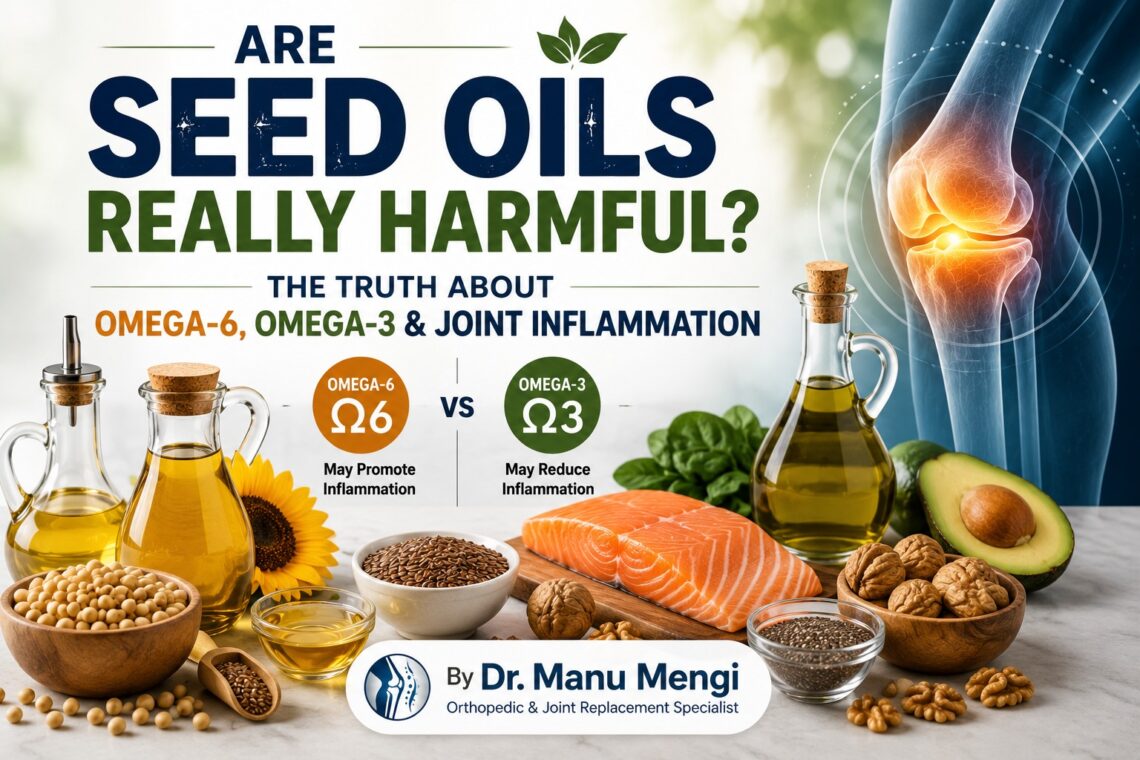
Are seed oils really harmful? The omega-6 to omega-3 ratio in our diets has shifted dramatically from around 4:1 during Paleolithic times to approximately 20:1 today. This change has coincided with rising rates of inflammatory and autoimmune diseases, sparking heated debate about seed oils and inflammation. I’ve examined the science behind omega-6 fatty acids and joint pain, the omega-3 vs omega-6 balance, and what research actually reveals about cooking oils and inflammation. In this article, we’ll separate fact from fear and explore whether these widely used oils truly impact your joint health or if the controversy is overblown.

What Are Seed Oils and Why the Controversy?

Seed oils are vegetable oils extracted from plant seeds rather than from fruit or other plant parts. These cooking oils became staples in North American kitchens starting in the late 1900s as alternatives to partially hydrogenated oils.

Common Types of Seed Oils

The most commonly discussed seed oils include:

  • Canola oil (rapeseed oil)
  • Corn oil
  • Soybean oil
  • Sunflower oil
  • Safflower oil
  • Cottonseed oil
  • Grapeseed oil
  • Rice bran oil

Critics have nicknamed these the “hateful eight,” referencing their belief that these oils should be completely removed from your diet. You’ll find them everywhere: in home cooking recipes, restaurant deep fryers, packaged crackers, frozen foods, protein shakes, and even chocolate.

The Rise of Seed Oil Consumption

The consumption pattern of these oils represents a dramatic shift in what Americans eat. A century ago, almost no one consumed cottonseed oil, soybean oil, or corn oil. Fast forward to now, and those same oils make up roughly 20% of the average American’s daily calories.

Research tracking fatty acid consumption from 1909 to 1999 found that linoleic acid intake (the dominant fat in seed oils) rose from 2.79% of total calories to 7.21%, a 158% increase. Per-capita soybean oil consumption alone rose more than a thousandfold over this period. Traditional animal fats like tallow, butter, and lard declined in roughly inverse proportion.

Why People Think Seed Oils Are Harmful

Social media has amplified concerns about seed oils, with 55% of consumers encountering information about them through these platforms. The controversy centers on several issues.

First, the processing methods raise eyebrows. Unlike olive oil, which comes from pressing olives, seed oils go through industrial processing that includes crushing seeds, extracting oil with hexane (a solvent), then cleaning, pressing, bleaching, deodorizing, and refining. Critics argue this processing strips nutrients and potentially introduces harmful ingredients.

Second, omega-6 fatty acid content sparks debate. Seed oils contain high levels of omega-6 fats, including linoleic acid. Our bodies convert linoleic acid into arachidonic acid, a building block for molecules that can promote inflammation. Since chronic inflammation plays a role in arthritis, heart disease, and other serious health problems, this connection worries many people.

Third, the way these oils get used matters. Soybean and canola oils show up in fast food and restaurant cooking because they’re inexpensive. Repeatedly heating unsaturated oils to high temperatures creates trans fats and other harmful substances. When factories and restaurants don’t change their oil often enough, these compounds accumulate.

However, the scientific picture looks different. Research shows that increasing linoleic acid in the diet doesn’t increase levels of inflammatory markers in the blood. Regarding hexane concerns, the average person’s intake of any possible residual traces from oils and other foods gets dwarfed by exposures from other sources, such as gasoline fumes.

The real issue might be simpler. Seed oils hide in crunchy, salty, or sweet snack foods that come in bags: chips, crackers, cookies, and other baked goods. These ultra-processed foods contain high amounts of fat, added sugar, salt, and calories. When people cut out seed oils, they often cut out these unhealthy foods too, which improves their health regardless of the oil itself.

Understanding Omega-6 and Omega-3 Fatty Acids

Both omega-6 and omega-3 belong to a larger family called polyunsaturated fatty acids. The term “polyunsaturated” refers to their chemical structure, where “poly” means many and “unsaturated” indicates the presence of two or more double bonds between carbon atoms within the fatty acid chain. What distinguishes these two types from each other comes down to where those double bonds sit on the molecular chain.

What Are Omega-6 Fatty Acids?

Omega-6 fatty acids have a carbon-carbon double bond positioned six carbons away from the methyl end of the fatty acid chain[22]. Linoleic acid and arachidonic acid stand out as the two major omega-6s your body uses. Health and medical organizations recommend intake of omega-6 fatty acids as part of healthful dietary patterns.

Your body cannot synthesize these fats on its own. The human body can only form carbon-carbon double bonds after the ninth carbon from the methyl end of a fatty acid. This biological limitation makes linoleic acid an essential fatty acid, meaning you must obtain it from the foods you eat. Dietary sources include poultry, eggs, nuts, hulled sesame seeds, cereals, durum wheat, whole-grain breads, pumpkin seeds, and hemp seeds. Vegetable oils serve as a major source, with worldwide extraction exceeding 100 million metric tons annually from palm fruits, soybean seeds, grape seeds, and sunflower seeds, providing more than 32 million metric tons of omega-6 linoleic acid.

What Are Omega-3 Fatty Acids?

Omega-3 fatty acids possess a double bond three atoms away from the terminal methyl group in their chemical structure. Three types play roles in human physiology: alpha-linolenic acid (ALA), eicosapentaenoic acid (EPA), and docosahexaenoic acid (DHA)[22]. ALA contains 18 carbon atoms, EPA contains 20 carbons, and DHA contains 22 carbons.

Marine algae and phytoplankton serve as primary sources of omega-3 fatty acids. DHA and EPA accumulate in fish that eat these algae. Land plants containing ALA include walnuts, chia seeds, flaxseeds, and hempseed oil, while fish, fish oils, and algae oil provide EPA and DHA. Animals cannot synthesize the essential omega-3 fatty acid ALA and can only obtain it through diet. However, they can use ALA to form EPA and DHA by creating additional double bonds along its carbon chain through desaturation and extending it through elongation. The ability to make these longer-chain omega-3 fatty acids from ALA may be impaired in aging.

How These Fats Work in Your Body

Omega-3s play important roles as components of the phospholipids that form the structures of cell membranes. DHA concentrates especially high in the retina, brain, and sperm. In addition to their structural role, omega-3s and omega-6s provide energy for the body and are used to form eicosanoids.

Eicosanoids are signaling molecules with wide-ranging functions in your cardiovascular, pulmonary, immune, and endocrine systems. The eicosanoids made from omega-6s are generally more potent mediators of inflammation, vasoconstriction, and platelet aggregation than those made from omega-3s. Because both classes of fatty acids compete for the same desaturation enzymes, ALA is a competitive inhibitor of linoleic acid metabolism and vice versa. Similarly, EPA and DHA can compete with arachidonic acid for the synthesis of eicosanoids.

The Role of Linoleic Acid

Linoleic acid functions as an omega-6 polyunsaturated fatty acid with 18 carbons and 2 double bonds. Your body can convert linoleic acid to longer omega-6 fats such as arachidonic acid. Like EPA, arachidonic acid produces eicosanoids, but the eicosanoids that arachidonic acid produces are more pro-inflammatory. Pro-inflammatory eicosanoids play a key role in the immune system, but when the body produces too many, they can increase the risk of inflammation and inflammatory disease.

Do Seed Oils Actually Cause Inflammation?

Research tells a different story than social media claims. Seed oils do not cause inflammation, according to nutrition scientists. Published clinical trials showed beneficial effects of polyunsaturated fats on systemic inflammation. Studies examining seed oils derived from canola, flaxseed, and sesame seeds demonstrated positive influences on lipid profiles and glycemic control.

What the Science Says About Seed Oils and Inflammation

The concern about seed oils causing inflammation stems from a fundamental misunderstanding. Christopher Gardner, director of nutrition studies at the Stanford Prevention Research Center, explains that omega-3 fatty acids are anti-inflammatory and help lower triglycerides. Omega-6s perform many of the same functions, just not as effectively as omega-3s. Somewhere along the line, this got flipped into a misunderstanding that omega-6s do the opposite of omega-3s.

Gardner remains skeptical of claims linking seed oils to inflammation. Measuring inflammation with current laboratory tests proves incredibly complex and cannot be done accurately yet. Hundreds of immune markers exist, and we don’t know which ones signal a healthy immune system. Without agreement on the best metrics for inflammation, calling any food unquestionably anti- or pro-inflammatory remains inappropriate.

The Truth About Omega-6 and Joint Pain

Higher levels of omega-3 fatty acids associate with lower levels of inflammation and pain in conditions such as rheumatoid arthritis and inflammatory bowel disease. However, this doesn’t make omega-6s harmful. A higher omega-6 to omega-3 ratio was associated with greater odds of chronic pain, but this reflects imbalance rather than omega-6s being inherently problematic.

Why Arachidonic Acid Isn’t the Problem

Only a tiny fraction of the linoleic acid we eat converts into arachidonic acid. Our bodies maintain arachidonic acid levels at a relatively constant level. Eating more or less seed oils doesn’t trigger much change in arachidonic acid concentrations. Arachidonic acid plays a more complicated role than previously thought. It can both start and help resolve inflammation, depending on the overall makeup of your diet.

What Studies Show About Inflammatory Markers

A cross-sectional analysis of 2,022 U.S. adults examined red blood cell levels of omega-6 fatty acids in relation to three biomarkers of systemic inflammation: interleukin-6 (IL-6), C-reactive protein (CRP), and tumor necrosis factor receptor 2 (TNFR-2). The study found that red blood cell linoleic acid content was inversely associated with IL-6 and CRP, even after adjusting for demographic, lifestyle, and dietary variables. Higher linoleic acid content correlated with lower inflammation. Surprisingly, several studies showed that individuals consuming the highest level of linoleic acid had the lowest inflammatory status.

The Omega-6 to Omega-3 Ratio Debate

Does the Ratio Really Matter?

Scientists remain divided on this question. Some researchers propose that the relative intakes of omega-6s and omega-3s may have important implications for the pathogenesis of many chronic diseases, such as cardiovascular disease and cancer, but the optimal ratio has not been defined. Others have concluded that such ratios are too nonspecific and are insensitive to individual fatty acid levels.

The American Heart Association takes a clear stance. Most experts agree that raising EPA and DHA blood levels is far more important than lowering linoleic acid or arachidonic acid levels. Harvard researchers echo this view, stating that we shouldn’t cut back on healthy omega-6 fats to improve our ratio. Instead, we should add extra omega-3s.

What Modern Diets Get Wrong

Anthropological evidence suggests that the ratio human beings evolved eating was somewhere around 1:1, while the ratio at the present time stands at about 16:1. Pre-industrial populations consumed omega-6 to omega-3 at ratios ranging from 4:1 to 1:4. Hunter-gatherers who ate mostly land animals consumed these fats at ratios of 2:1 to 4:1, while the Inuit, who ate mostly omega-3 rich seafood, had a ratio of 1:4.

Overconsumption of omega-6 fats with low intake of omega-3 fats is highly associated with the pathogenesis of many diet-related chronic diseases. A high omega-6 to omega-3 ratio, as found in Western diets, promotes the pathogenesis of many diseases, including cardiovascular disease and cancer.

How Much of Each Fat Should You Eat?

The maximum optimum ratio that has proven beneficial is 10:1, with the recommended ratio being 5:1. A healthy ratio of omega-6 to omega-3 fatty acids appears to be between 1:1 and 4:1.

The American Heart Association, along with the Institute of Medicine, recommends getting 5% to 10% of your daily calories from omega-6 fats. For someone consuming 2,000 calories daily, that translates into 11 to 22 grams. Most Americans eat more omega-6 fats than omega-3 fats, on average about 10 times more.

Making Smart Choices About Cooking Oils

Choosing the right cooking oils doesn’t require eliminating seed oils entirely. When certain oils are part of a diet that emphasizes vegetables, fruits, whole grains and lean proteins, they can help stave off heart disease, stroke and diabetes. The key lies in understanding which oils to prioritize and how to use them properly.

Best Oils for Joint Health

Extra-virgin olive oil tops the list for joint health. Loaded with heart-healthy fats and oleocanthal, a compound with properties similar to nonsteroidal anti-inflammatory drugs (NSAIDs), olive oil inhibits activity of COX enzymes with a pharmacological action similar to ibuprofen. Two to three tablespoons daily provides optimal benefits. Avocado oil works well for high-heat cooking such as stir-frying due to its high smoke point. Walnut oil contains 10 times the omega-3s that olive oil has, though you shouldn’t heat it to preserve its health benefits and nutty taste. Flaxseed oil stands out as the best oil source of omega-3 fatty acids, helping reduce inflammation and lower bad cholesterol.

Oils to Use in Moderation

Canola oil contains omega-3 fatty acids and has a medium-high smoke point, making it versatile for higher temperatures. Grapeseed oil works for salad dressings, sautéing and baking but contains high omega-6 levels. Sunflower oil handles browning, searing and deep frying well. Balance matters here; alternating use with oils high in monounsaturated fats proves preferable.

How to Balance Your Fat Intake

Keep your fat intake between 25% and 35% of total daily calories. All oils contain 9 calories per gram. Quality trumps quantity, so use a few tablespoons for sautéing rather than excessive amounts.

Simple Diet Changes That Help

Focus on adding omega-3s instead of cutting omega-6s. Eat at least two portions of oily fish per week and use olive oil for cooking and salad dressings. Limit consumption of fried foods cooked in refined vegetable oils. Store oils properly in cool, dark places or refrigerate those high in polyunsaturated fats.

Conclusion

The science is clear: seed oils don’t deserve their villainous reputation. Despite what you’ve seen on social media, research shows that omega-6 fatty acids don’t cause inflammation or joint pain. The real issue isn’t about eliminating these oils entirely but rather achieving balance in your overall diet.

Instead of obsessing over the omega-6 to omega-3 ratio, I recommend a simpler approach. Add more omega-3-rich foods like fatty fish, walnuts, and flaxseeds to your meals. Choose quality oils like extra-virgin olive oil for everyday cooking. Most important, focus on eating whole, minimally processed foods rather than the ultra-processed snacks where seed oils typically hide.

Key Takeaways

The seed oil controversy is largely based on misconceptions rather than scientific evidence. Here’s what the research actually reveals about omega-6, omega-3, and inflammation:

• Seed oils don’t cause inflammation – Clinical studies show omega-6 fatty acids have beneficial effects on systemic inflammation, not harmful ones

• Focus on adding omega-3s, not eliminating omega-6s – Eat fatty fish twice weekly and use olive oil instead of drastically cutting seed oils

• The omega-6 to omega-3 ratio matters less than absolute intake – Aim for 5-10% of daily calories from omega-6s while increasing omega-3 consumption

• Ultra-processed foods are the real culprit – Seed oils hide in chips, cookies, and packaged snacks that are high in calories, sugar, and salt

• Choose quality oils for cooking – Extra-virgin olive oil, avocado oil, and walnut oil provide anti-inflammatory benefits for joint health

The bottom line: Rather than fearing seed oils, prioritize whole foods, add omega-3-rich sources to your diet, and limit ultra-processed foods. This balanced approach supports joint health without unnecessary dietary restrictions.

FAQs

1. Are seed oils really harmful for health?

Seed oils are not automatically harmful, but excessive consumption of highly processed seed oils rich in omega-6 fatty acids may contribute to inflammation when the diet lacks enough omega-3 fats. The real problem is usually imbalance, frequent processed food intake, and overeating fried foods.

2. Do seed oils cause joint inflammation?

Seed oils themselves do not directly “cause” arthritis, but diets excessively high in omega-6 fats and low in omega-3 fats may promote inflammatory pathways in some people. This can potentially worsen joint pain or stiffness in susceptible individuals.

3. What are common seed oils?

Common seed oils include:

  • Sunflower oil
  • Soybean oil
  • Corn oil
  • Cottonseed oil
  • Canola oil
  • Safflower oil
  • Grapeseed oil

These oils are widely used in packaged foods, restaurants, and deep-fried snacks.

4. What is the difference between omega-3 and omega-6 fatty acids?

Omega-3 fats generally help reduce inflammation and support heart, brain, and joint health. Omega-6 fats are also essential for the body, but excessive intake without enough omega-3 may increase inflammatory activity. The balance between the two is important.

5. Which oils are considered better for joint health?

Oils commonly considered more joint-friendly include:

  • Extra virgin olive oil
  • Mustard oil
  • Avocado oil
  • Flaxseed oil (not for high-heat cooking)

These oils may provide healthier fat profiles and anti-inflammatory benefits when used appropriately.

6. Is olive oil better than sunflower oil for inflammation?

Extra virgin olive oil contains antioxidants and anti-inflammatory compounds such as polyphenols, which may help reduce inflammation. Sunflower oil is higher in omega-6 fats, especially when consumed excessively through processed foods.

7. Can reducing processed foods improve joint pain?

Yes. Many processed foods contain refined seed oils, excess sugar, trans fats, and additives that may increase inflammation. Reducing ultra-processed foods and improving overall diet quality can help many people feel less stiff and fatigued.

8. How can I naturally balance omega-3 and omega-6 intake?

You can improve balance by:

  • Eating fatty fish like salmon or sardines
  • Adding walnuts, chia seeds, or flaxseeds
  • Reducing deep-fried and packaged foods
  • Using healthier cooking oils in moderation

The goal is balance, not complete elimination of omega-6 fats.

9. Should people with arthritis completely avoid seed oils?

Complete avoidance is usually unnecessary. Moderation and overall dietary pattern matter more. People with arthritis benefit more from an anti-inflammatory lifestyle that includes healthy weight management, exercise, good sleep, and balanced nutrition.

10. Are all inflammation-related joint pains caused by diet?

No. Joint pain can occur due to arthritis, injuries, autoimmune diseases, obesity, poor posture, muscle weakness, or aging. Diet is only one part of the larger inflammation puzzle, not the sole cause.

Can Gut Health Affect Joint Pain? The Hidden Inflammation Connection Explained – Dr. Manu Mengi

Can gut health affect joint pain? The answer might surprise you. Osteoarthritis affects more than 10% of the US population, impacting 31 million people, but research now shows that gut bacteria can trigger your immune system to attack your joints. Patients with inflammatory arthritis often show significant differences in gut bacteria compared to healthy individuals. We’ll explore the gut-joint axis, how gut inflammation and leaky gut syndrome contribute to joint pain, and specifically discuss conditions like rheumatoid arthritis and osteoarthritis. Moreover, we’ll share anti-inflammatory foods, probiotics, and lifestyle changes that support both your gut microbiome and joints.

Understanding the Gut-Joint Connection

What is the gut-joint axis?

The gut-joint axis describes the biological communication pathway between your digestive system and your joints. This relationship centers on the microbiome, the community of bacteria living in your digestive system, and how imbalances in these bacteria can trigger inflammation throughout your body, including in your joints. Scientists call these imbalances dysbiosis, where the healthy diversity of microorganisms in your gut gets disrupted, allowing certain harmful bacteria to dominate.

Your gut microbiome stays resilient under normal conditions. Chronic exposure to antibiotics, environmental toxins, physical or psychological stress, or chronic disease can disrupt this balance. Research shows that people with arthritis often have gut dysbiosis, which weakens the gut lining and increases intestinal permeability. Bacteria or toxins can then enter your bloodstream, triggering your immune system to attack your joints. Gut dysbiosis is linked with arthritis susceptibility through multiple routes.

How gut bacteria affect your immune system

Your gastrointestinal tract houses the largest number of immune cells in your body, with 70-80% of immune cells present in the gut. This concentration creates an intricate interplay between intestinal microbiota, the intestinal epithelial layer, and your immune response.

Gut microbes help digest food, make vitamins, and control cell growth in your lungs, intestine, and other organs. They also teach your immune system to distinguish harmless bacteria from dangerous pathogens. Certain microbes activate immune T cells that either promote or suppress inflammation. In a healthy microbiome, this balance works perfectly: pathogens get destroyed while harmless cells continue their normal functions.

Problems arise when you have too many pro-inflammatory T cells or insufficient anti-inflammatory ones to control them. The loss of protective bacteria means your immune system cannot regulate inflammation properly. Correspondingly, a change in cell biology may allow inflammatory chemicals to escape from gut tissue to other parts of your body.

The role of inflammation in joint pain

Inflammation from your gut doesn’t stay contained. Inflammatory cells can escape into your bloodstream and travel to other parts of your body. If the microbial community continues to be disrupted, these inflammatory cells attack joints and set the stage for inflammation to affect internal organs.

A 2015 study compared intestinal bacteria in healthy people with those who had psoriatic arthritis or psoriasis. Patients showed a far less robust and diverse microbiome than the healthy group. The microbiomes in psoriatic arthritis patients looked almost identically like the microbiomes of people with inflammatory bowel disease.

An increased abundance of Prevotella copri was reported in treatment-naïve new-onset rheumatoid arthritis patients and in individuals at high risk for RA. Other studies confirmed that rheumatoid arthritis, juvenile idiopathic arthritis, gout, and ankylosing spondylitis patients had abnormalities and less diversity in their gut microbes.

Research on obese mice revealed that harmful bacteria in their guts caused inflammation throughout their bodies, leading to rapid joint deterioration. Their colons were dominated by pro-inflammatory bacteria and almost completely lacked beneficial probiotic bacteria like Bifidobacteria. Body-wide inflammation signs appeared, including in their knees where osteoarthritis progressed much more quickly compared to lean mice.

How Gut Inflammation Triggers Joint Pain

What is leaky gut syndrome?

Intestinal permeability sits at the center of how gut problems trigger joint inflammation. Leaky gut syndrome describes a condition where your intestinal lining becomes compromised, but it remains a hypothetical concept not currently recognized as an official medical diagnosis. The theory builds on increased intestinal permeability, which does occur in certain gastrointestinal diseases.

Your intestinal lining normally has many layers of defense, constantly repairing and replenishing itself. Wearing it down enough to penetrate requires a significant assault, usually through chronic disease, prolonged drug use, alcohol abuse, or radiation therapy. However, the leaky gut theory suggests that persistent everyday factors like diet and stress may cumulatively erode your intestinal lining until it becomes permeable.

When this barrier gets impaired, toxins and undigested food particles may enter your bloodstream. These substances can trigger inflammatory responses throughout your body. Chronic low-grade inflammation from this process appears as a factor in metabolic disorders like obesity and diabetes, arthritis, chronic fatigue syndrome, asthma, and fibromyalgia. Certain bacteria types attack and erode your gut lining, weakening the gut barrier, while others produce toxins as byproducts that might leak through into circulation.

When gut bacteria imbalance causes body-wide inflammation

Gut dysbiosis means you have an imbalance in microscopic organisms living in your body. When harmful species overgrow or beneficial ones decline, this delicate balance gets disrupted, potentially leading to wide-ranging health problems. Prolonged dysbiosis pushes various bodily systems to the brink of collapse, ultimately resulting in local and systemic inflammatory responses.

Harmful bacteria may penetrate intestinal tissue when health-promoting bacteria become imbalanced, causing inflammation and heightened risk of digestive disorders developing. For instance, gut bacteria products traveling from the gut to the liver may contribute to liver disease. Inflammatory compounds from bacteria families like Enterobacteriaceae, particularly their lipopolysaccharides, are thought to promote disease and exacerbate intestinal injury.

The link between digestive problems and arthritis

The connection between digestive inflammation and joint pain appears most clearly in enteropathic arthritis, a condition associated with inflammatory bowel disease. About 1 in 5 people with IBD develop this type of arthritis. If you have enteropathic arthritis, you experience both chronic pain and swelling in your joints coupled with inflammation in your digestive tract.

Small joint involvement often relates directly to bowel inflammation. Consequently, when intestinal inflammation receives treatment, the joint pain resolves. Patients with inflammatory arthritis frequently show gastrointestinal conditions directly related to active inflammatory processes. The same chronic inflammation targeting your joints in arthritis may also affect your digestive system.

Controlling rheumatoid arthritis and reducing inflammation can improve digestive symptoms. Inflammatory bowel disease appears more common in people with RA, ankylosing spondylitis, and psoriatic arthritis. Common genetic and environmental factors may be related to developing both inflammatory arthritis and IBD.

Common Signs Your Gut Health Is Affecting Your Joints

Recognizing patterns between your digestive health and joint discomfort can help you identify whether gut problems contribute to your pain. Research shows that rheumatoid arthritis patients have a 70 percent greater chance of developing gastrointestinal problems compared to people without RA. Many people don’t realize their gut and joint symptoms connect until they notice them occurring together or following similar patterns.

Digestive symptoms that come with joint pain

Joint pain doesn’t always arrive alone. If you experience stiffness and pain in the morning alongside digestive issues, your gut health may be affecting your joints. Studies reveal that people with inflammatory arthritis report higher rates of stomach problems throughout their entire digestive tract.

Upper digestive symptoms include stomach ulcers, bleeding, and esophagitis, which is inflammation and swelling of the esophagus. Your lower digestive tract can show different warning signs. Perforations, bleeding, bowel inflammation, and infections in the lower GI tract appear more frequently in people with inflammatory arthritis.

Beyond these specific conditions, you might notice everyday symptoms that seem unrelated to joint pain. Abdominal pain, bloating, trouble swallowing, and nausea occur at higher rates in people with arthritis. Some people experience long bouts of diarrhea followed by severe constipation. Others notice unintentional weight loss or blood in their stool.

Enteropathic arthritis demonstrates this connection clearly, affecting about 1 in 5 people with inflammatory bowel disease. Studies indicate that up to 25% of IBD patients experience some form of joint involvement, ranging from mild discomfort to debilitating arthritis. Your joints may show deformity, discoloration, pain, stiffness, swelling, tenderness, or warmth. In similar fashion, you may experience GI symptoms first, then joint symptoms, or both types of symptoms may flare up at the same time.

Inflammation markers in your body

Your body produces measurable markers when inflammation occurs. C-reactive protein (CRP) serves as a reliable early indicator of active systemic inflammation. Your liver makes CRP in response to inflammation. CRP concentrations can rise several hundredfold in patients with infections or inflammatory conditions.

Besides CRP, doctors measure erythrocyte sedimentation rate (ESR) and procalcitonin (PCT). These markers help identify a generalized state of inflammation. Consequently, repeated measurements can differentiate between acute inflammation from infection and inflammatory conditions such as rheumatoid arthritis.

When to connect gut problems with joint stiffness

Timing reveals important clues. Many people notice their joint pain and stiffness worsen during periods of increased digestive symptoms, then improve when intestinal inflammation receives better control. This pattern suggests the same inflammatory processes affecting your digestive tract also target joint tissues throughout your body.

If gut problems and joint pain happen together, talk to your doctor. Early treatment can help prevent more problems. Pay attention if your symptoms follow inflammatory bowel disease patterns or if dietary changes affect both your digestion and joint comfort simultaneously.

Medical Conditions Linking Gut Health and Joint Pain

Several specific medical conditions demonstrate clear connections between gut microbiome alterations and joint inflammation. Scientists have identified distinct bacterial signatures in patients with different types of arthritis, revealing that gut dysbiosis precedes disease development and may drive its progression.

Rheumatoid arthritis and gut bacteria

Scientists have suspected for some time that the gut microbiome plays a role in rheumatoid arthritis. Research tracking 124 people at risk of developing RA found that 30 progressed to the disease during the study period, and their microbial diversity was notably reduced compared with healthy individuals. The greatest instability in gut microbiome profile was seen among those who developed arthritis up to 10 months before diagnosis.

Specific bacterial strains appear repeatedly in RA research. A common finding among studies is an increase in the Prevotella genus, specifically Prevotella copri, in early RA patients compared with healthy controls. One specific strain of Prevotellaceae, most likely P. copri (ASV2058), was abundant in the microbiomes of those who progressed as well as in those of the newly diagnosed. The overabundance of P. copri is not found in treated, established patients.

Other bacterial changes include proliferation of the genus Collinsella and some Lactobacillus species. After spending years tracing immune cell patterns in mice, researchers showed how activity of commensal bacteria in the gut is linked to rheumatoid arthritis through production of abnormal T follicular helper 17 (TFH17) cells that acquire stronger capabilities to help B cells and drive systemic autoimmune disease.

Inflammatory arthritis types and microbiome changes

The intestinal microbiome plays a role in ankylosing spondylitis pathogenesis through a complex interplay of genetic, immune-mediated and microbial metabolic dysfunction. Studies show that individuals with psoriatic arthritis have a unique gut microbiota composition, differing significantly from healthy controls. The microbiome is a known and established immunomodulator of psoriatic arthritis.

Osteoarthritis and gut inflammation connection

OA was traditionally considered a localized degenerative joint condition but is now increasingly viewed as a systemic disorder involving low-grade inflammation and metabolic imbalance. One of the main drivers of inflammation in OA is an off-kilter microbiome. Researchers who studied more than 1,400 overweight OA patients found the microbiome played a direct role in OA knee pain and inflammation due to an overabundance of Streptococcus. OA bacterial DNA is five times more inflammatory than healthy microbial DNA. Several independent cohort studies focusing on hand OA have consistently emphasized tryptophan derivatives as critical metabolic pathways, with specific molecules such as indole-3-aldehyde significantly correlated with the severity of erosive hand OA.

How to Improve Gut Health to Reduce Joint Pain

Targeted dietary and lifestyle modifications can reduce both gut inflammation and joint pain. Research shows specific foods and habits directly influence your microbiome composition and systemic inflammation levels.

Anti-inflammatory foods for gut and joint health

The Mediterranean diet offers the most beneficial approach for controlling inflammation. This eating pattern emphasizes omega-3s, vitamin C, polyphenols, fiber-rich foods and other known inflammation fighters. Fruits and vegetables such as blueberries, apples, and leafy greens contain high levels of natural antioxidants and polyphenols. Studies associate nuts with reduced markers of inflammation and lower risk of cardiovascular disease and diabetes.

Fatty fish like salmon provide the best sources of omega-3 fats. Coffee contains polyphenols and other anti-inflammatory compounds that may protect against inflammation. Olive oil contains oleocanthal, which has properties similar to nonsteroidal anti-inflammatory drugs and inhibits COX enzymes. Beans deliver fiber and phytonutrients that help lower CRP, an indicator of inflammation found in blood.

Probiotics and prebiotics for joint pain relief

Probiotic supplementation can reduce levels of pro-inflammatory mediators, specifically interleukin-6 and tumor necrosis factor-alpha, while elevating anti-inflammatory IL-10 levels. Fermented foods like yogurt provide bacteria that help create a healthy gut microbiome. Look for live and active cultures noted on packaging.

Prebiotics, in the form of dietary fiber, act as food for helpful bacteria. Jerusalem artichokes and foods rich in inulin, such as asparagus, bananas and chicory, help keep beneficial flora healthy and plentiful. One study found that oligofructose supplementation completely reversed gut and joint symptoms in obese mice, making their knee cartilage indistinguishable from lean mice.

Lifestyle changes that support both gut and joints

Chronic stress disrupts digestion and alters gut bacteria. Practices like meditation, deep breathing, or short daily walks can help regulate the gut-brain connection. Poor sleep affects digestion and immune function. Moderate physical activity encourages regular bowel movements and supports microbial diversity.

Heat relaxes muscles while cold reduces joint pain. Physical therapy improves function and prevents joint damage. Stretching and regular physical activity support both gut and joint health.

Foods that damage gut health and worsen inflammation

Sugars and refined grains, including white rice, pasta and white bread, rank among the worst culprits for inflammation. Limit daily added sugar to six teaspoons for women and nine teaspoons for men. Highly processed foods, excessive sugar, artificial sweeteners, and frequent consumption of fried or packaged foods negatively affect gut bacteria. Solid fats in certain dairy products, fatty meats and chicken skin can contribute to joint pain and swelling.

When to see a doctor about gut and joint symptoms

Persistent diarrhea plus joint pain warrants medical evaluation. Up to 40% of people with IBD experience symptoms outside the gut, with joint pain being the most common, occurring in 20-30% of cases. Ongoing bloating, unexplained weight loss, blood in stools, or chronic abdominal pain should never be ignored. Early diagnosis and treatment can prevent complications and improve both gut and joint health.

Conclusion

The connection between gut health and joint pain is real and backed by solid research. Your gut microbiome directly influences inflammation throughout your body, and accordingly, it can trigger or worsen conditions like rheumatoid arthritis and osteoarthritis.

The good news? You have control over many factors that affect your gut health. Anti-inflammatory foods, probiotics, and stress management can make a measurable difference in both digestive symptoms and joint pain. Start with small dietary changes, specifically adding more fermented foods and omega-3-rich fish to your meals.

Pay attention to patterns between your gut symptoms and joint discomfort. Early intervention gives you the best chance of reducing inflammation before it causes lasting damage.

Key Takeaways

Understanding the gut-joint connection can transform how you approach joint pain management and reveal new pathways to relief through targeted gut health improvements.

• Your gut houses 70-80% of immune cells, creating a direct pathway for gut inflammation to trigger joint pain throughout your body.

• Gut bacteria imbalances (dysbiosis) can cause “leaky gut,” allowing toxins to enter your bloodstream and attack joints.

• Specific conditions like rheumatoid arthritis and osteoarthritis show distinct gut bacteria signatures, with reduced microbial diversity preceding disease onset.

• Anti-inflammatory foods like fatty fish, leafy greens, and fermented foods can reduce both gut inflammation and joint pain simultaneously.

• Persistent digestive symptoms combined with joint pain warrant medical evaluation, as early treatment prevents complications and improves outcomes.

The gut-joint axis represents a powerful therapeutic target. By supporting your microbiome through diet, probiotics, and lifestyle changes, you can address joint pain at its inflammatory source rather than just treating symptoms.

FAQs

1. Can poor gut health really cause joint pain?

Yes, poor gut health may increase inflammation in the body, which can contribute to joint pain and stiffness. An unhealthy gut microbiome can affect the immune system and may worsen inflammatory conditions like arthritis.

2. What is the gut-joint connection?

The gut and joints are connected through the immune system. When the gut lining becomes unhealthy or inflamed, inflammatory chemicals can circulate in the bloodstream and affect joints, muscles, and tissues.

3. What is “leaky gut syndrome”?

Leaky gut refers to increased intestinal permeability, where tiny gaps in the gut lining allow toxins, bacteria, and inflammatory particles to enter the bloodstream. This may trigger inflammation and immune reactions in some people.

4. Can gut problems worsen arthritis symptoms?

Yes, gut imbalance may worsen symptoms in inflammatory arthritis conditions such as rheumatoid arthritis, ankylosing spondylitis, and psoriatic arthritis. Many patients notice flare-ups after unhealthy eating or digestive disturbances.

5. Which foods can harm gut health and increase inflammation?

Highly processed foods, excess sugar, fried foods, alcohol, and ultra-processed snacks may negatively affect gut bacteria and increase inflammation. Some people are also sensitive to gluten or dairy.

6. Can probiotics help with joint pain?

Probiotics may help improve gut balance and reduce inflammation in some individuals. While they are not a direct cure for arthritis, they may support overall digestive and immune health.

7. What are signs of unhealthy gut health?

Common signs include bloating, acidity, constipation, diarrhea, indigestion, excessive gas, fatigue, food intolerance, and sometimes skin or joint problems.

8. Can improving gut health reduce body inflammation?

In many cases, yes. A balanced diet, adequate fiber, hydration, exercise, stress management, and good sleep may improve gut function and help reduce chronic inflammation.

9. Is there a special diet for gut-related inflammation?

An anti-inflammatory diet rich in fruits, vegetables, curd/yogurt, fermented foods, nuts, seeds, whole grains, and lean protein may support gut health. Reducing processed food intake is often beneficial.

10. When should I see a doctor for gut-related joint pain?

You should consult a doctor if you have persistent joint pain along with digestive symptoms, unexplained fatigue, morning stiffness, swelling, weight loss, or recurring inflammation. Early evaluation can help identify underlying autoimmune or inflammatory conditions.

Protein Deficiency After 40: Hidden Cause of Muscle Weakness, Knee Pain & Slow Recovery

Importance of protein after 40

Why deficiency is becoming common

Roughly 1 in 3 people over 50 fall short of their daily protein needs, and the consequences extend far beyond simple nutrition. Protein deficiency after 40 is a hidden culprit behind persistent muscle weakness, nagging knee pain, and frustratingly slow recovery times. Around age 30, we start to lose 3-5% of our muscle mass every decade, and sarcopenia affects 10-20% of older adults. In this guide, I’ll walk you through why protein deficiency becomes more common after 40, the warning signs to watch for, and how adequate protein intake can help you maintain strength, support joint health, and improve recovery as you age.

Why Protein Deficiency Becomes More Common After 40

Your body’s relationship with protein changes after 40, and understanding these shifts explains why deficiency becomes so prevalent. Multiple biological factors converge during middle age, creating a perfect storm for inadequate protein status.

Reduced Protein Absorption With Age

Aging brings alterations to protein digestion that directly impact amino acid availability. The digestive organs themselves change, affecting how efficiently your body breaks down and absorbs protein. Dentition decreases and mastication patterns shift, which can affect particle size reduction during chewing. These changes mean the protein you consume doesn’t get utilized as effectively as it once did.

In reality, your digestive system slows down as you age. Gastric emptying becomes sluggish, making you feel fuller for longer periods. This physiological change creates a cascade effect: you eat less frequently, consume smaller portions, and consequently take in less protein overall.

Reduced Appetite and Dietary Changes Between 15% and 30% of older adults experience appetite loss, a condition known as anorexia of aging. Your appetite involves a complex interplay of the brain, digestive system, hormones, and sensory nerves. As these systems shift with age, hunger signals naturally diminish.

Hormonal Changes and Muscle Loss

Age-related hormonal changes contribute to sensory impairment, reducing your sense of taste and smell. A recent study from the University of Plymouth suggests that the hormone signaling fullness may become overstimulated in elderly individuals. Sweet, salty, and umami tastes tend to decline with age, while sour and bitter flavors become more pronounced. Eating becomes less appealing when food doesn’t taste the way it used to.

Oral and dental problems compound these issues. Tooth loss, ill-fitting dentures, and dry mouth affect your ability to chew and swallow without pain. When eating becomes unpleasant or difficult, you naturally resist mealtimes.

Higher Protein Requirements After 40

Here’s the paradox: approximately 46% of individuals ages 51 and older don’t meet daily protein recommendations. While your appetite decreases, your protein requirements actually increase. Adequate protein is vital for preserving muscles, yet many older adults fall short.

Current dietary guidelines recommend 0.8 g/kg body weight daily, but emerging evidence shows this is insufficient for preventing sarcopenia. Studies indicate that 1.0 to 1.2 g/kg body weight per day is more effective for preserving lean muscle mass, functional performance, and overall strength. Lower protein intake makes building muscle mass more challenging, accelerating the decline that begins naturally around age 30.

Hormonal changes affecting protein metabolism

Hormonal shifts after 40 have a profound impact on protein metabolism. The decline in testosterone begins around the third to fourth decade in men, a phase known as andropause. Total testosterone levels decrease at approximately 1% per year, while free testosterone drops at about 2% annually. These reductions influence insulin sensitivity, with lower testosterone levels associated with higher glucose levels during oral glucose tolerance tests.

By the same token, growth hormone (GH) and insulin-like growth factor 1 (IGF-1) decline with age, termed “somatopause”. Both testosterone and GH are important regulators of muscle mass and strength during aging. The decline in hormone production commonly associated with age may play a critical role in the increased fat mass and decreased lean tissue that occurs over time. These metabolic processes directly affect how your body utilizes dietary protein, making adequate intake even more necessary.

Signs and Symptoms of Protein Deficiency in Adults Over 40

Low protein levels develop gradually, and symptoms often get dismissed as normal aging. That’s why recognizing these warning signs matters for your health after 40.

Persistent fatigue and low energy levels

Feeling sluggish even after a full night’s sleep signals something more than just tiredness. Protein helps manage blood sugar and energy production, so when intake drops, your stamina declines noticeably. Daily tasks like cooking, showering, or cleaning become exhausting rather than routine activities. You might find yourself needing more rest breaks throughout the day or struggling to maintain focus during work hours. This persistent low energy stems from your body’s inability to sustain normal metabolic functions without adequate protein stores.

Muscle weakness and loss of strength

One of the most noticeable signs involves muscle loss. Your muscles break down faster than they can rebuild, leaving you weaker over time. You might notice clothes fitting looser around your arms or legs, or find yourself having more trouble getting up from a chair. Studies indicate adults ages 65 years and older should consume at least 0.5 grams of protein per pound of body weight. Grip strength diminishes, making simple actions like opening jars or carrying groceries more challenging. This weakness differs from temporary tiredness because it persists regardless of rest.

Brittle hair, dry skin, and weak nails

Protein supports the production of elastin, keratin, and collagen, which are key components for healthy hair, skin, and nails. When your hair thins unexpectedly, your nails split easily, or your skin feels perpetually dry, these changes point toward insufficient protein intake. Hair may lose its thickness and break more readily during brushing. Nails become soft, crack easily, or develop ridges. Skin loses elasticity and appears dull or flaky despite moisturizing efforts.

Slow wound healing and frequent infections

Scrapes and bruises taking longer to fade indicate protein deficiency affecting tissue repair. Protein is involved in the production of collagen and cytokines, which are essential for repairing skin and tissue. The healing process slows considerably when protein levels drop. Additionally, protein fuels the production of antibodies that help your body fight bacteria and viruses. Without sufficient intake, you experience more illnesses and infections while taking longer to recover from them.

Unexplained weight loss or muscle wasting

Weight loss that happens when you’re not trying to lose weight, even while eating high-calorie meals, raises serious concerns. Research shows 40% of people with cancer have cachexia when first diagnosed, and 70% with advanced cancer develop this condition. A healthcare provider may suspect protein deficiency if you’ve lost 5% or more of your weight within six to 12 months. This differs from intentional weight loss because muscle mass decreases while fat may also diminish, creating a wasted appearance.

Swelling in hands, feet, or legs (edema)

Protein deficiency causes fluid to build up in your hands, abdomen, legs, or feet. This happens when low protein levels affect how your body regulates fluids. The swelling, called edema, results from reduced human serum albumin levels, the most abundant protein in blood plasma. Albumin maintains oncotic pressure, a force that draws fluid into blood circulation. When albumin drops, fluid accumulates in tissues instead, causing visible puffiness and discomfort in affected areas.

The Link Between Protein Deficiency and Knee Pain

Knee pain after 40 often traces back to inadequate protein intake, though most people never make this connection. Understanding how protein deficiency affects joint health reveals why that persistent ache in your knees might stem from what’s missing on your plate.

How protein supports joint tissue and cartilage

Collagen accounts for 30% of your body’s protein. This structural protein provides the foundation for connective tissues throughout your body, including the cartilage that cushions your knee joints. Type II collagen makes up about 90% of the collagen in cartilage, forming the essential matrix that allows joints to move smoothly.

Cartilage comprises about 60% collagen, creating a firm tissue that surrounds bones and absorbs shock from high-impact movements. Protein-rich foods contain amino acids like glycine, proline, and hydroxyproline that support collagen production and help your body repair cartilage damage. Without adequate protein intake, your body struggles to maintain this protective cushioning layer.

Muscle weakness increasing stress on knee joints

Weakness of the periarticular knee muscles initiates dynamic joint instability, resulting in asymmetric stress on the joint. When muscles surrounding your knee lack strength, they fail to properly stabilize the joint during movement. This instability forces the knee to compensate in ways that increase wear on cartilage and other tissues.

Both activation deficit and atrophy contribute to quadriceps weakness. Muscle impairments in people with osteoarthritis aren’t limited to quadriceps but involve multiple muscle groups around the knee. As a result, joints lose muscular support, worsening joint pain over time. Eating adequate protein helps slow this process down.

Reduced collagen production affecting joint health

Your body produces less collagen as you age, and existing collagen breaks down at a faster rate. The collagen quality also diminishes compared to when you were younger. Women experience a significant reduction in collagen production after menopause, while everyone sees a decline after age 60.

This breakdown means joints lose their structural integrity. Stiffness develops in tendons and ligaments, which become less flexible. Joint pain or osteoarthritis emerges due to worn cartilage. Amino acids from protein-rich foods strengthen the ligaments and tendons that anchor muscles to bones, supporting joint mobility and stability while lowering injury risk.

Inflammation and slower recovery from joint strain

Inflammation drives much of the joint pain experienced with osteoarthritis. Some protein sources help lower inflammation, particularly oily fish like salmon, which also contain omega-3 fats that carry additional anti-inflammatory properties.

Protein plays a fundamental role in tissue repair and the regeneration of blood vessels. Whether recovering from major surgery or a small scratch, protein is essential for healing. Consuming the right amount of protein aids in quicker recovery from joint strain. Without sufficient protein, the body takes longer to repair damaged joint tissues, extending pain and limiting mobility.

How Low Protein Causes Slow Recovery After Exercise

Exercise creates micro-tears in muscle fibers, and protein determines how quickly those tears heal. When protein intake falls short after 40, recovery stalls and performance plateaus.

Protein’s role in muscle repair and rebuilding

Protein helps repair micro-tears in muscle fibers caused by resistance training. Your body uses 20 different amino acids to build protein, but it can only synthesize 11 of them on its own. The other nine must come from your diet.

Branch-chain amino acids (BCAAs), particularly leucine, activate specific pathways that directly stimulate muscle protein synthesis. Leucine triggers the cellular machinery responsible for healing muscles. Research suggests consuming between 20 and 40 grams of protein post-workout optimizes muscle recovery. While doctors usually recommend taking protein one to two hours after exercise, total daily protein intake matters more than precise timing.

Why recovery time increases with age

Older adults experience anabolic resistance, meaning they require higher protein intake to maintain muscle function. The muscle protein synthetic response to food intake is blunted in older versus younger adults. This reduced responsiveness to meal ingestion represents a key factor in the loss of muscle mass.

Physical activity makes skeletal muscle tissue more sensitive to the anabolic properties of amino acid or protein administration. A single bout of resistance-type exercise increases the sensitivity of skeletal muscle tissue to protein feeding for at least 24 hours following cessation of exercise. Correspondingly, older individuals may experience a greater rise in post-prandial muscle protein synthesis following meals consumed one to two days following exercise.

Impact on sarcopenia and age-related muscle loss

Sarcopenia is a progressive condition characterized by the decline of skeletal muscle mass, strength, and physical function. Inadequate protein intake, along with hormonal imbalances, reduced physical activity, and chronic inflammation, accelerates muscle loss. Studies indicate that an intake of 1.0 to 1.2 grams per kilogram body weight per day is more effective for preserving lean muscle mass, functional performance, and overall strength.

Connection between protein intake and workout performance

Total daily caloric and protein intake over the long term play the most crucial dietary roles in facilitating adaptations to exercise. Ingestion of milk-based protein following a damaging eccentric resistance protocol helps attenuate the expected decrements in strength and repeated sprint ability from 24 to 72 hours following the bout. Good nutrition, especially adequate protein and energy intake, can help limit and treat age-related declines in muscle mass, strength, and functional abilities.

How to Prevent and Treat Muscle Atrophy After 40

Preventing muscle atrophy after 40 requires a strategic approach that combines adequate nutrition with targeted physical activity. Note that the standard recommendations often fall short for middle-aged adults.

Daily protein requirements for adults over 40

Between ages 40 and 50, your protein needs increase to about 1.0-1.2 grams per kilogram or 75-90 grams per day for a 165-pound person. Experts in the field of protein and aging recommend a protein intake between 1.2 and 2.0 g/kg/day or higher for elderly adults. People who exercise regularly have higher needs, about 1.1-1.5 grams per kilogram. Those who regularly lift weights or train for running or cycling events need 1.2-1.7 grams per kilogram.

General recommendations are to consume 15-30 grams of protein at each meal. Studies show that higher intakes in one sitting, more than 40 grams, are no more beneficial than consuming the recommended 15-30 grams at one time.

Best protein sources for middle-aged adults

Animal-based options include beef (3 ounces, 27 grams), chicken breast (3 ounces, 26 grams), eggs (3 medium, 21 grams), tuna (5-ounce can, 20 grams), and salmon (3 ounces, about 17 grams). For instance, cottage cheese provides 14 grams per half cup, while Greek yogurt offers 10-16 grams.

Plant-based protein sources deliver lentils (1 cup, 18 grams), beans (1 cup, 16 grams), peanuts (2 ounces, 14 grams), and nut butter (2 tablespoons, 7 grams). If you feel you need more protein, consider adding more beans, lentils, soy or seafood rather than processed supplements.

Combining protein with strength training exercises

Combining exercise and protein supplementation is the most effective method for improving muscle mass, strength, and physical function in older adults. Supplementing the diet with protein plus a regimen of heavy resistance exercise leads to the most improvement in muscle mass and strength in healthy older adults. Together, the two approaches can significantly aid muscle growth in older adults.

High-protein meal and snack ideas

Options like hard-boiled eggs, string cheese, jerky sticks and protein bars are protein-packed and packable. Add a protein source to your pasta, salad or stir fry. Top your salad with nuts or seeds. Add nuts or seeds to cereal or oatmeal. Add beans or lentils to soup. Add cheese to a sandwich, wrap or burger.

When to consider protein supplements

Protein supplements are probably best taken twice daily, if possible soon after exercise, in doses that achieve protein intakes of 30 grams or more. Research suggests that whey protein is particularly effective for building muscle in older adults, more so than either plant-based proteins or casein. For individuals who are avoiding dairy, plant-based protein powder options like soy isolate protein can also be beneficial.

Tracking your protein intake effectively

Tracking protein intake becomes a practical necessity rather than an optional measure. It enables you to identify shortfalls early, adjust meal composition, and ensure that the weight lost is predominantly fat rather than muscle. Distributing protein evenly across meals (25-30g per meal) optimizes muscle protein synthesis and helps meet daily targets.

Whey vs Plant Protein

Whey protein is commonly used for faster muscle recovery and repair because it contains all essential amino acids. Plant protein is a good alternative for people who follow vegetarian or dairy-free diets.

Lifestyle Tips to Prevent Muscle Loss

Strength Training

Regular strength training exercises help maintain muscle mass, improve joint support, and reduce the risk of age-related muscle loss.

Sleep and Recovery

Good-quality sleep is essential for muscle repair and recovery. Poor sleep can slow healing and increase fatigue levels.

Hydration and Balanced Nutrition

Proper hydration and balanced nutrition support muscle function, energy levels, and joint health. Combining protein with vitamins, minerals, and healthy fats helps maintain overall wellness after 40.

Muscle Weakness and Fatigue

Low protein can cause muscle weakness, tiredness, and low energy. It may also increase the need for joint pain treatment.

Knee Pain and Joint Weakness

Weak muscles increase pressure on joints, leading to knee pain and stiffness. Many people seek knee pain treatment and orthopedic consultation for relief.

Hair Fall and Weak Nails

Protein deficiency may cause hair fall, weak nails, and dry skin.

Slow Recovery After Exercise

Low protein slows muscle recovery after workouts and sports activities. This is common on many sports injury page topics.

Frequent Body Aches and Low Energy

Poor protein intake can cause body aches, weakness, and low stamina. It also affects overall health discussed in bone health blogs.

Conclusion

Protein deficiency after 40 creates a ripple effect that extends from your muscles to your joints and recovery time. As I’ve shown throughout this guide, your body requires more protein as you age, not less, with needs increasing to 1.0-1.2 grams per kilogram daily.

The good news? You can reverse muscle weakness, reduce knee pain, and speed up recovery by prioritizing protein-rich foods at every meal. Indeed, combining adequate protein intake with regular strength training delivers the most powerful results for maintaining muscle mass and joint health.

Start tracking your daily protein today and aim for 25-30 grams per meal. Your muscles, joints, and overall vitality will thank you for it.

Key Takeaways

After 40, your protein needs increase while absorption decreases, creating a perfect storm for deficiency that affects muscle strength, joint health, and recovery speed.

• Adults over 40 need 1.0-1.2g protein per kg body weight daily (75-90g for 165lb person) – significantly more than standard recommendations • Protein deficiency causes muscle weakness that increases knee joint stress, while reduced collagen production directly impacts cartilage health • Combining 25-30g protein per meal with regular strength training is the most effective strategy for preventing muscle loss after 40 • Warning signs include persistent fatigue, slow wound healing, brittle hair/nails, and unexplained muscle weakness beyond normal aging • Track daily protein intake and distribute evenly across meals to optimize muscle protein synthesis and maintain strength as you age

The solution is straightforward: prioritize protein-rich foods at every meal and pair adequate intake with resistance exercise to maintain muscle mass, support joint health, and improve recovery times throughout middle age and beyond.

FAQs

Q1. What are the consequences of having low protein intake?

Low protein intake leads to several noticeable effects including persistent fatigue, muscle weakness and loss of strength, brittle hair and weak nails, slow wound healing, frequent infections, and unexplained weight loss. You may also experience swelling in your hands, feet, or legs due to fluid buildup. These symptoms develop gradually and are often mistaken for normal aging, but they indicate your body isn’t getting enough protein to maintain essential functions.

Q2. Can protein deficiency cause knee pain?

Yes, protein deficiency can contribute to knee pain in multiple ways. When you don’t consume enough protein, your muscles weaken and fail to properly stabilize your knee joints, increasing stress on the joint itself. Additionally, low protein reduces collagen production, which is essential for maintaining healthy cartilage that cushions your knees. Strong muscles from adequate protein intake support and stabilize joints better, lowering the risk of knee pain from muscle loss.

Q3. How much protein should adults over 40 consume daily?

Adults over 40 need approximately 1.0-1.2 grams of protein per kilogram of body weight daily, which equals about 75-90 grams for a 165-pound person. This is significantly higher than standard recommendations. Experts suggest distributing this intake across meals, consuming 25-30 grams of protein per meal for optimal muscle protein synthesis. Those who exercise regularly may need even more, ranging from 1.2-1.7 grams per kilogram depending on activity level.

Q4. How long does it take to recover from protein deficiency?

Recovery from protein deficiency varies depending on severity and individual factors. Once you increase your protein intake to recommended levels (1.0-1.2g per kg body weight), you may notice improvements in energy levels within a few weeks. However, rebuilding muscle mass and strength takes longer, typically several months of consistent adequate protein intake combined with strength training exercises. The key is maintaining proper protein consumption over the long term rather than expecting quick fixes.

Q5. Why does recovery time after exercise increase with age?

Recovery time increases with age due to a condition called anabolic resistance, where older adults require higher protein intake to maintain muscle function. The muscle protein synthesis response to food intake becomes blunted compared to younger adults, meaning your body doesn’t respond as efficiently to dietary protein. Additionally, natural declines in hormones like testosterone and growth hormone affect how your body utilizes protein for muscle repair, making adequate protein intake even more critical for proper recovery after 40.

Q6. What are the common signs of protein deficiency after 40?

Common signs include muscle weakness, fatigue, slow recovery after exercise, increased body aches, hair fall, reduced stamina, frequent hunger, and gradual loss of muscle mass. Many people also notice worsening knee pain or difficulty climbing stairs.

Q7. How much protein do adults over 40 need

After 40, the body naturally starts losing muscle mass, a process called Sarcopenia. Protein helps maintain muscles, supports joint stability, improves recovery, and reduces weakness associated with aging.

Q8. Can protein deficiency cause knee pain?

Yes. Weak muscles around the knee provide less support to the joint. This can increase stress on the knee structures and worsen pain, especially while climbing stairs, squatting, or standing for long periods.

Q9. How much protein do adults over 40 need?

Most adults over 40 generally require around 1.0 to 1.2 grams of protein per kilogram of body weight daily. People who exercise regularly, recover from illness, or have muscle loss may need even more under medical guidance.

Q10. Why do muscles become weaker with age?

Aging reduces muscle-building hormones, physical activity, and protein absorption efficiency. Without adequate protein intake and resistance exercise, muscles gradually shrink and weaken over time.

Q11. Can protein deficiency slow recovery?

Yes. Protein is essential for tissue repair, muscle healing, and recovery after injury or surgery. Low protein intake may delay healing and prolong soreness or weakness.

Q12. Are protein supplements necessary after 40?

Good protein sources include eggs, fish, chicken, paneer, curd, milk, lentils, chickpeas, soy products, nuts, seeds, and protein supplements if needed.

Q13. Can vegetarians become protein deficient?

Vegetarians can meet their protein needs, but they must combine multiple protein sources carefully. Relying mainly on carbohydrates without adequate pulses, dairy, soy, or nuts may increase the risk of deficiency.

Q14. Does protein deficiency cause fatigue and low energy?

Yes. Protein helps maintain muscle function, energy balance, and metabolism. Low protein intake may lead to tiredness, weakness, and reduced physical endurance.

Q15 . Is muscle loss after 40 reversible?

In many cases, yes. Adequate protein intake, strength training, sleep, and proper nutrition can significantly improve muscle strength and slow age-related muscle loss.

Q16. Can low protein affect balance and increase fall risk?

Yes. Weak muscles reduce body stability and coordination, increasing the risk of falls, especially in older adults.


Q17. Are protein supplements necessary after 40?

Not always. Many people can meet their protein requirements through diet alone. However, supplements may help individuals who struggle to consume enough protein through food.


Q18. Can someone be overweight but still protein deficient?

Yes. A person may consume excess calories but still have inadequate protein intake. This can lead to “hidden malnutrition,” where body weight is high but muscle quality is poor.

Q19. Does protein help with exercise recovery and soreness?

Yes. Protein supports muscle repair after workouts and may reduce post-exercise soreness when combined with proper hydration and recovery.

Q20. When should someone consult a doctor about possible protein deficiency?

Medical advice should be considered if there is persistent weakness, unexplained muscle loss, severe fatigue, poor recovery, repeated falls, or ongoing joint pain despite lifestyle improvements.