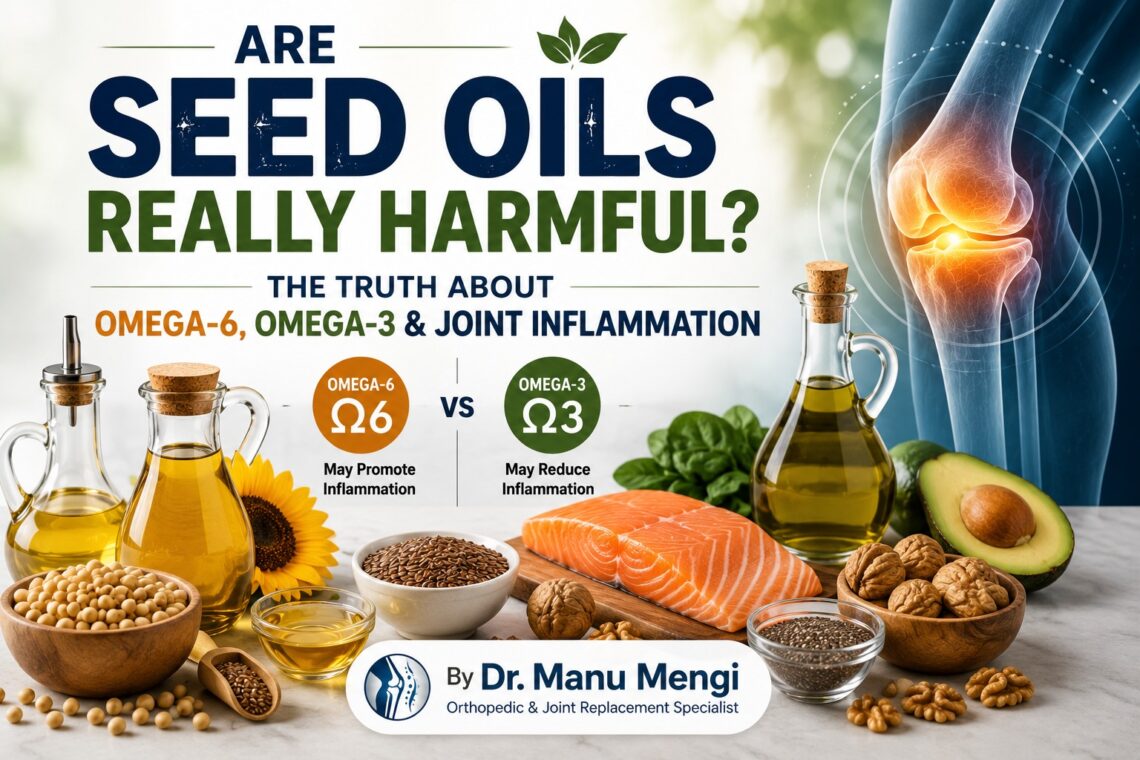
Are seed oils really harmful? The omega-6 to omega-3 ratio in our diets has shifted dramatically from around 4:1 during Paleolithic times to approximately 20:1 today. This change has coincided with rising rates of inflammatory and autoimmune diseases, sparking heated debate about seed oils and inflammation. I’ve examined the science behind omega-6 fatty acids and joint pain, the omega-3 vs omega-6 balance, and what research actually reveals about cooking oils and inflammation. In this article, we’ll separate fact from fear and explore whether these widely used oils truly impact your joint health or if the controversy is overblown.
What Are Seed Oils and Why the Controversy?
Seed oils are vegetable oils extracted from plant seeds rather than from fruit or other plant parts. These cooking oils became staples in North American kitchens starting in the late 1900s as alternatives to partially hydrogenated oils.
Common Types of Seed Oils
The most commonly discussed seed oils include:
- Canola oil (rapeseed oil)
- Corn oil
- Soybean oil
- Sunflower oil
- Safflower oil
- Cottonseed oil
- Grapeseed oil
- Rice bran oil
Critics have nicknamed these the “hateful eight,” referencing their belief that these oils should be completely removed from your diet. You’ll find them everywhere: in home cooking recipes, restaurant deep fryers, packaged crackers, frozen foods, protein shakes, and even chocolate.
The Rise of Seed Oil Consumption
The consumption pattern of these oils represents a dramatic shift in what Americans eat. A century ago, almost no one consumed cottonseed oil, soybean oil, or corn oil. Fast forward to now, and those same oils make up roughly 20% of the average American’s daily calories.
Research tracking fatty acid consumption from 1909 to 1999 found that linoleic acid intake (the dominant fat in seed oils) rose from 2.79% of total calories to 7.21%, a 158% increase. Per-capita soybean oil consumption alone rose more than a thousandfold over this period. Traditional animal fats like tallow, butter, and lard declined in roughly inverse proportion.
Why People Think Seed Oils Are Harmful
Social media has amplified concerns about seed oils, with 55% of consumers encountering information about them through these platforms. The controversy centers on several issues.
First, the processing methods raise eyebrows. Unlike olive oil, which comes from pressing olives, seed oils go through industrial processing that includes crushing seeds, extracting oil with hexane (a solvent), then cleaning, pressing, bleaching, deodorizing, and refining. Critics argue this processing strips nutrients and potentially introduces harmful ingredients.
Second, omega-6 fatty acid content sparks debate. Seed oils contain high levels of omega-6 fats, including linoleic acid. Our bodies convert linoleic acid into arachidonic acid, a building block for molecules that can promote inflammation. Since chronic inflammation plays a role in arthritis, heart disease, and other serious health problems, this connection worries many people.
Third, the way these oils get used matters. Soybean and canola oils show up in fast food and restaurant cooking because they’re inexpensive. Repeatedly heating unsaturated oils to high temperatures creates trans fats and other harmful substances. When factories and restaurants don’t change their oil often enough, these compounds accumulate.
However, the scientific picture looks different. Research shows that increasing linoleic acid in the diet doesn’t increase levels of inflammatory markers in the blood. Regarding hexane concerns, the average person’s intake of any possible residual traces from oils and other foods gets dwarfed by exposures from other sources, such as gasoline fumes.
The real issue might be simpler. Seed oils hide in crunchy, salty, or sweet snack foods that come in bags: chips, crackers, cookies, and other baked goods. These ultra-processed foods contain high amounts of fat, added sugar, salt, and calories. When people cut out seed oils, they often cut out these unhealthy foods too, which improves their health regardless of the oil itself.
Understanding Omega-6 and Omega-3 Fatty Acids
Both omega-6 and omega-3 belong to a larger family called polyunsaturated fatty acids. The term “polyunsaturated” refers to their chemical structure, where “poly” means many and “unsaturated” indicates the presence of two or more double bonds between carbon atoms within the fatty acid chain. What distinguishes these two types from each other comes down to where those double bonds sit on the molecular chain.
What Are Omega-6 Fatty Acids?
Omega-6 fatty acids have a carbon-carbon double bond positioned six carbons away from the methyl end of the fatty acid chain[22]. Linoleic acid and arachidonic acid stand out as the two major omega-6s your body uses. Health and medical organizations recommend intake of omega-6 fatty acids as part of healthful dietary patterns.
Your body cannot synthesize these fats on its own. The human body can only form carbon-carbon double bonds after the ninth carbon from the methyl end of a fatty acid. This biological limitation makes linoleic acid an essential fatty acid, meaning you must obtain it from the foods you eat. Dietary sources include poultry, eggs, nuts, hulled sesame seeds, cereals, durum wheat, whole-grain breads, pumpkin seeds, and hemp seeds. Vegetable oils serve as a major source, with worldwide extraction exceeding 100 million metric tons annually from palm fruits, soybean seeds, grape seeds, and sunflower seeds, providing more than 32 million metric tons of omega-6 linoleic acid.
What Are Omega-3 Fatty Acids?
Omega-3 fatty acids possess a double bond three atoms away from the terminal methyl group in their chemical structure. Three types play roles in human physiology: alpha-linolenic acid (ALA), eicosapentaenoic acid (EPA), and docosahexaenoic acid (DHA)[22]. ALA contains 18 carbon atoms, EPA contains 20 carbons, and DHA contains 22 carbons.
Marine algae and phytoplankton serve as primary sources of omega-3 fatty acids. DHA and EPA accumulate in fish that eat these algae. Land plants containing ALA include walnuts, chia seeds, flaxseeds, and hempseed oil, while fish, fish oils, and algae oil provide EPA and DHA. Animals cannot synthesize the essential omega-3 fatty acid ALA and can only obtain it through diet. However, they can use ALA to form EPA and DHA by creating additional double bonds along its carbon chain through desaturation and extending it through elongation. The ability to make these longer-chain omega-3 fatty acids from ALA may be impaired in aging.
How These Fats Work in Your Body
Omega-3s play important roles as components of the phospholipids that form the structures of cell membranes. DHA concentrates especially high in the retina, brain, and sperm. In addition to their structural role, omega-3s and omega-6s provide energy for the body and are used to form eicosanoids.
Eicosanoids are signaling molecules with wide-ranging functions in your cardiovascular, pulmonary, immune, and endocrine systems. The eicosanoids made from omega-6s are generally more potent mediators of inflammation, vasoconstriction, and platelet aggregation than those made from omega-3s. Because both classes of fatty acids compete for the same desaturation enzymes, ALA is a competitive inhibitor of linoleic acid metabolism and vice versa. Similarly, EPA and DHA can compete with arachidonic acid for the synthesis of eicosanoids.
The Role of Linoleic Acid
Linoleic acid functions as an omega-6 polyunsaturated fatty acid with 18 carbons and 2 double bonds. Your body can convert linoleic acid to longer omega-6 fats such as arachidonic acid. Like EPA, arachidonic acid produces eicosanoids, but the eicosanoids that arachidonic acid produces are more pro-inflammatory. Pro-inflammatory eicosanoids play a key role in the immune system, but when the body produces too many, they can increase the risk of inflammation and inflammatory disease.
Do Seed Oils Actually Cause Inflammation?
Research tells a different story than social media claims. Seed oils do not cause inflammation, according to nutrition scientists. Published clinical trials showed beneficial effects of polyunsaturated fats on systemic inflammation. Studies examining seed oils derived from canola, flaxseed, and sesame seeds demonstrated positive influences on lipid profiles and glycemic control.
What the Science Says About Seed Oils and Inflammation
The concern about seed oils causing inflammation stems from a fundamental misunderstanding. Christopher Gardner, director of nutrition studies at the Stanford Prevention Research Center, explains that omega-3 fatty acids are anti-inflammatory and help lower triglycerides. Omega-6s perform many of the same functions, just not as effectively as omega-3s. Somewhere along the line, this got flipped into a misunderstanding that omega-6s do the opposite of omega-3s.
Gardner remains skeptical of claims linking seed oils to inflammation. Measuring inflammation with current laboratory tests proves incredibly complex and cannot be done accurately yet. Hundreds of immune markers exist, and we don’t know which ones signal a healthy immune system. Without agreement on the best metrics for inflammation, calling any food unquestionably anti- or pro-inflammatory remains inappropriate.
The Truth About Omega-6 and Joint Pain
Higher levels of omega-3 fatty acids associate with lower levels of inflammation and pain in conditions such as rheumatoid arthritis and inflammatory bowel disease. However, this doesn’t make omega-6s harmful. A higher omega-6 to omega-3 ratio was associated with greater odds of chronic pain, but this reflects imbalance rather than omega-6s being inherently problematic.
Why Arachidonic Acid Isn’t the Problem
Only a tiny fraction of the linoleic acid we eat converts into arachidonic acid. Our bodies maintain arachidonic acid levels at a relatively constant level. Eating more or less seed oils doesn’t trigger much change in arachidonic acid concentrations. Arachidonic acid plays a more complicated role than previously thought. It can both start and help resolve inflammation, depending on the overall makeup of your diet.
What Studies Show About Inflammatory Markers
A cross-sectional analysis of 2,022 U.S. adults examined red blood cell levels of omega-6 fatty acids in relation to three biomarkers of systemic inflammation: interleukin-6 (IL-6), C-reactive protein (CRP), and tumor necrosis factor receptor 2 (TNFR-2). The study found that red blood cell linoleic acid content was inversely associated with IL-6 and CRP, even after adjusting for demographic, lifestyle, and dietary variables. Higher linoleic acid content correlated with lower inflammation. Surprisingly, several studies showed that individuals consuming the highest level of linoleic acid had the lowest inflammatory status.
The Omega-6 to Omega-3 Ratio Debate
Does the Ratio Really Matter?
Scientists remain divided on this question. Some researchers propose that the relative intakes of omega-6s and omega-3s may have important implications for the pathogenesis of many chronic diseases, such as cardiovascular disease and cancer, but the optimal ratio has not been defined. Others have concluded that such ratios are too nonspecific and are insensitive to individual fatty acid levels.
The American Heart Association takes a clear stance. Most experts agree that raising EPA and DHA blood levels is far more important than lowering linoleic acid or arachidonic acid levels. Harvard researchers echo this view, stating that we shouldn’t cut back on healthy omega-6 fats to improve our ratio. Instead, we should add extra omega-3s.
What Modern Diets Get Wrong
Anthropological evidence suggests that the ratio human beings evolved eating was somewhere around 1:1, while the ratio at the present time stands at about 16:1. Pre-industrial populations consumed omega-6 to omega-3 at ratios ranging from 4:1 to 1:4. Hunter-gatherers who ate mostly land animals consumed these fats at ratios of 2:1 to 4:1, while the Inuit, who ate mostly omega-3 rich seafood, had a ratio of 1:4.
Overconsumption of omega-6 fats with low intake of omega-3 fats is highly associated with the pathogenesis of many diet-related chronic diseases. A high omega-6 to omega-3 ratio, as found in Western diets, promotes the pathogenesis of many diseases, including cardiovascular disease and cancer.
How Much of Each Fat Should You Eat?
The maximum optimum ratio that has proven beneficial is 10:1, with the recommended ratio being 5:1. A healthy ratio of omega-6 to omega-3 fatty acids appears to be between 1:1 and 4:1.
The American Heart Association, along with the Institute of Medicine, recommends getting 5% to 10% of your daily calories from omega-6 fats. For someone consuming 2,000 calories daily, that translates into 11 to 22 grams. Most Americans eat more omega-6 fats than omega-3 fats, on average about 10 times more.
Making Smart Choices About Cooking Oils
Choosing the right cooking oils doesn’t require eliminating seed oils entirely. When certain oils are part of a diet that emphasizes vegetables, fruits, whole grains and lean proteins, they can help stave off heart disease, stroke and diabetes. The key lies in understanding which oils to prioritize and how to use them properly.
Best Oils for Joint Health
Extra-virgin olive oil tops the list for joint health. Loaded with heart-healthy fats and oleocanthal, a compound with properties similar to nonsteroidal anti-inflammatory drugs (NSAIDs), olive oil inhibits activity of COX enzymes with a pharmacological action similar to ibuprofen. Two to three tablespoons daily provides optimal benefits. Avocado oil works well for high-heat cooking such as stir-frying due to its high smoke point. Walnut oil contains 10 times the omega-3s that olive oil has, though you shouldn’t heat it to preserve its health benefits and nutty taste. Flaxseed oil stands out as the best oil source of omega-3 fatty acids, helping reduce inflammation and lower bad cholesterol.
Oils to Use in Moderation
Canola oil contains omega-3 fatty acids and has a medium-high smoke point, making it versatile for higher temperatures. Grapeseed oil works for salad dressings, sautéing and baking but contains high omega-6 levels. Sunflower oil handles browning, searing and deep frying well. Balance matters here; alternating use with oils high in monounsaturated fats proves preferable.
How to Balance Your Fat Intake
Keep your fat intake between 25% and 35% of total daily calories. All oils contain 9 calories per gram. Quality trumps quantity, so use a few tablespoons for sautéing rather than excessive amounts.
Simple Diet Changes That Help
Focus on adding omega-3s instead of cutting omega-6s. Eat at least two portions of oily fish per week and use olive oil for cooking and salad dressings. Limit consumption of fried foods cooked in refined vegetable oils. Store oils properly in cool, dark places or refrigerate those high in polyunsaturated fats.
Conclusion
The science is clear: seed oils don’t deserve their villainous reputation. Despite what you’ve seen on social media, research shows that omega-6 fatty acids don’t cause inflammation or joint pain. The real issue isn’t about eliminating these oils entirely but rather achieving balance in your overall diet.
Instead of obsessing over the omega-6 to omega-3 ratio, I recommend a simpler approach. Add more omega-3-rich foods like fatty fish, walnuts, and flaxseeds to your meals. Choose quality oils like extra-virgin olive oil for everyday cooking. Most important, focus on eating whole, minimally processed foods rather than the ultra-processed snacks where seed oils typically hide.
Key Takeaways
The seed oil controversy is largely based on misconceptions rather than scientific evidence. Here’s what the research actually reveals about omega-6, omega-3, and inflammation:
• Seed oils don’t cause inflammation – Clinical studies show omega-6 fatty acids have beneficial effects on systemic inflammation, not harmful ones
• Focus on adding omega-3s, not eliminating omega-6s – Eat fatty fish twice weekly and use olive oil instead of drastically cutting seed oils
• The omega-6 to omega-3 ratio matters less than absolute intake – Aim for 5-10% of daily calories from omega-6s while increasing omega-3 consumption
• Ultra-processed foods are the real culprit – Seed oils hide in chips, cookies, and packaged snacks that are high in calories, sugar, and salt
• Choose quality oils for cooking – Extra-virgin olive oil, avocado oil, and walnut oil provide anti-inflammatory benefits for joint health
The bottom line: Rather than fearing seed oils, prioritize whole foods, add omega-3-rich sources to your diet, and limit ultra-processed foods. This balanced approach supports joint health without unnecessary dietary restrictions.
FAQs
1. Are seed oils really harmful for health?
Seed oils are not automatically harmful, but excessive consumption of highly processed seed oils rich in omega-6 fatty acids may contribute to inflammation when the diet lacks enough omega-3 fats. The real problem is usually imbalance, frequent processed food intake, and overeating fried foods.
2. Do seed oils cause joint inflammation?
Seed oils themselves do not directly “cause” arthritis, but diets excessively high in omega-6 fats and low in omega-3 fats may promote inflammatory pathways in some people. This can potentially worsen joint pain or stiffness in susceptible individuals.
3. What are common seed oils?
Common seed oils include:
- Sunflower oil
- Soybean oil
- Corn oil
- Cottonseed oil
- Canola oil
- Safflower oil
- Grapeseed oil
These oils are widely used in packaged foods, restaurants, and deep-fried snacks.
4. What is the difference between omega-3 and omega-6 fatty acids?
Omega-3 fats generally help reduce inflammation and support heart, brain, and joint health. Omega-6 fats are also essential for the body, but excessive intake without enough omega-3 may increase inflammatory activity. The balance between the two is important.
5. Which oils are considered better for joint health?
Oils commonly considered more joint-friendly include:
- Extra virgin olive oil
- Mustard oil
- Avocado oil
- Flaxseed oil (not for high-heat cooking)
These oils may provide healthier fat profiles and anti-inflammatory benefits when used appropriately.
6. Is olive oil better than sunflower oil for inflammation?
Extra virgin olive oil contains antioxidants and anti-inflammatory compounds such as polyphenols, which may help reduce inflammation. Sunflower oil is higher in omega-6 fats, especially when consumed excessively through processed foods.
7. Can reducing processed foods improve joint pain?
Yes. Many processed foods contain refined seed oils, excess sugar, trans fats, and additives that may increase inflammation. Reducing ultra-processed foods and improving overall diet quality can help many people feel less stiff and fatigued.
8. How can I naturally balance omega-3 and omega-6 intake?
You can improve balance by:
- Eating fatty fish like salmon or sardines
- Adding walnuts, chia seeds, or flaxseeds
- Reducing deep-fried and packaged foods
- Using healthier cooking oils in moderation
The goal is balance, not complete elimination of omega-6 fats.
9. Should people with arthritis completely avoid seed oils?
Complete avoidance is usually unnecessary. Moderation and overall dietary pattern matter more. People with arthritis benefit more from an anti-inflammatory lifestyle that includes healthy weight management, exercise, good sleep, and balanced nutrition.
10. Are all inflammation-related joint pains caused by diet?
No. Joint pain can occur due to arthritis, injuries, autoimmune diseases, obesity, poor posture, muscle weakness, or aging. Diet is only one part of the larger inflammation puzzle, not the sole cause.

Dr. Manu Mengi is a best orthopedic doctor in Mohali, specializing in joint pain, arthritis, and sports injuries. With qualifications in orthopedics and advanced training in joint replacement, he provides effective care for bone and joint conditions, helping patients improve mobility and manage pain with the right treatment approach.