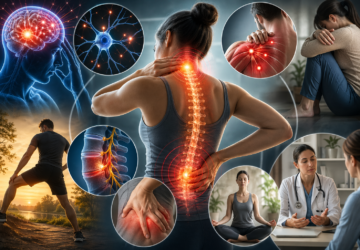
The link between hormonal changes and joint pain is more common than you might think. During menopause, 70% of women report musculoskeletal symptoms, and over 50% experience some form of joint pain or stiffness during perimenopause. If you’ve noticed your knees, fingers, or hips suddenly feeling stiff and achy after turning 40, you’re not imagining it. Estrogen plays a crucial role in protecting joints and reducing inflammation, but as hormone levels drop during perimenopause and menopause, inflammation can increase. In this guide, we’ll explore why hormonal changes trigger joint pain, how to tell if your symptoms are hormone-related or something more serious, and what lifestyle changes and treatments can help you find relief.
Understanding Hormonal Changes After 40
Perimenopause and estrogen fluctuations
Perimenopause typically begins when you’re in your 40s, though some women notice changes as early as their mid-30s or as late as their mid-50s. This transitional phase can start eight to 10 years before menopause, which happens at age 52 on average. The duration varies widely. The average length is about four years, but perimenopause can last just a few months or extend as long as eight years.
What makes this phase particularly challenging is how unpredictable hormone levels become. During your peak reproductive years, estrogen rises and falls in a fairly predictable pattern throughout your menstrual cycle. In perimenopause, that predictable rhythm disappears. Estrogen and progesterone rise and fall erratically. Your estrogen may drop precipitously one day or spike higher than normal the next. Think of it as a hormonal rollercoaster rather than the gentle waves you experienced before.
This fluctuation happens on account of declining ovarian function. By your late 30s, you produce less progesterone, and the number and quality of follicles diminishes. Your body compensates by producing more follicle-stimulating hormone in an attempt to prod the ovaries into producing more estrogen.
How declining hormones affect your body
The reduction in estrogen production affects multiple body systems simultaneously. Your bones respond first. Estrogen signals cells in the bones to stop breaking down, so when levels drop, you start losing bone more quickly than you replace it. As a matter of fact, you’ll lose 25% of your bone mass from the time of menopause to age 60, largely because of estrogen loss.
Correspondingly, your cardiovascular system faces increased risk. Less estrogen leads to changes in blood cholesterol levels, including an increase in LDL cholesterol and a decrease in HDL cholesterol. Your brain function can shift too. Women have estrogen receptors in two brain areas that control memory, and lower estrogen causes structural changes in those areas. Your bladder muscles weaken, hair thins, and vaginal tissues become drier and less elastic.
The connection between menopause and joint pain
Your joints have estrogen receptors that respond directly to hormone levels. Estrogen protects joints and reduces inflammation throughout your body. When estrogen levels drop during menopause, inflammation can increase, and the risk of osteoporosis and osteoarthritis goes up. This makes movement painful and affects your ability to exercise, which subsequently leads to muscle loss and weight gain.
In the meantime, declining testosterone in women makes it harder to maintain muscle strength. This combination of increased joint inflammation, reduced joint protection, and weakened muscle support creates the perfect conditions for the joint stiffness and pain many women experience after 40.
Why Your Joints Hurt: The Hormone-Joint Connection
Estrogen’s role in protecting joints
Estrogen performs multiple protective functions that keep your joints functioning smoothly. It maintains cartilage flexibility and supports the production of synovial fluid, which lubricates your joints. Think of synovial fluid as the oil in your joints. Without adequate lubrication, cartilage degrades more rapidly, which can lead to osteoarthritis where the cartilage breaks down, causing pain, swelling, and stiffness.
Beyond lubrication, estrogen promotes the synthesis of proteoglycan and collagen by chondrocytes and increases the expression of cartilage-specific genes. In effect, estrogen helps your body build and maintain the structural components that cushion your bones. Estrogen receptors exist throughout your musculoskeletal system, including muscles, bones, joints, tendons, and ligaments. When estrogen levels drop, these tissues no longer receive the same protective signals.
Inflammation and reduced estrogen levels
Estrogen has anti-inflammatory effects throughout your body. When levels decrease during menopause, inflammation increases, becoming a primary driver of joint pain and stiffness. This inflammatory response particularly affects pre-existing conditions such as osteoarthritis. Studies show that estrogen use in postmenopausal women results in a modest but sustained reduction in the frequency of joint pain.
Weight gain and joint stress
Weight gain during menopause adds extra stress to your joints, particularly around the hips and knees. The added weight exacerbates pain from joint degeneration, putting further strain on cartilage and soft tissues. Excess weight increases stress on weight-bearing joints like knees and hips, leading to increased pain.
Loss of muscle mass and joint support
Hormonal shifts affect your body’s ability to maintain and build muscle. Skeletal muscle weakness occurs with aging, and in women this compounds with the loss of estrogen. Weak muscles around joints increase instability and lead to more pain, as joints bear more weight and stress than designed. Decreased muscle strength results in less stability and support for joints.
How to Manage Joint Pain During Menopause
Managing menopause-related joint pain requires a multifaceted approach. While no single solution works for everyone, combining several strategies often provides the most relief.
Hormone replacement therapy (HRT) options
HRT can help reduce joint pain by supplementing declining estrogen levels. By reducing inflammation and improving joint health, it addresses the root hormonal cause. HRT also supports bone density, preventing osteoporosis that contributes to joint discomfort. The primary use of HRT remains treating hot flashes and night sweats, but studies suggest modest improvement in joint pain and reduced incidence of new musculoskeletal symptoms. HRT comes in various forms: estrogen tablets, patches, sprays, gels, or vaginal creams. If you haven’t had a hysterectomy, you’ll need progestogen alongside estrogen to protect your womb.
Exercise and staying active
Regular movement keeps joints lubricated and reduces stiffness. Low-impact activities like swimming, cycling, and walking provide cardiovascular benefits without stressing joints. Strength training using weights or resistance bands builds muscle to support and protect joints. Flexibility exercises like yoga and Pilates improve range of motion and reduce stiffness. Weight-bearing exercises strengthen bones and muscles, easing symptoms like aches and pains. Physical therapy can help you develop targeted exercises to reduce joint stress safely.
Anti-inflammatory foods and diet changes
A diet rich in omega-3 fatty acids reduces inflammation and joint pain. Include salmon, mackerel, flaxseeds, chia seeds, and walnuts. Fruits and vegetables high in antioxidants combat inflammation, especially berries and leafy greens. Whole grains like brown rice, quinoa, and oats lower inflammation levels. Soy products containing isoflavones may have estrogen-like effects that reduce symptoms. Avoid saturated fats, trans fats, sugar, refined flour, and excess alcohol, which increase inflammation.
Over-the-counter pain relief
NSAIDs like ibuprofen or acetaminophen can manage pain. Topical therapies such as diclofenac gel applied directly to painful joints offer localized relief.
Heat and cold therapy
Apply heat to aching joints for temporary pain relief using heating pads, hot water bottles, or warm baths. For acutely inflamed joints, use ice packs or frozen vegetables that mold to the joint shape.
When to See a Doctor About Joint Pain
Distinguishing hormonal pain from arthritis
Figuring out whether joint pain stems from hormonal changes or arthritis can be tricky. One study found that almost half of people diagnosed with rheumatoid arthritis were actually misdiagnosed, when they had either menopausal arthralgia or menopausal osteoarthritis. Musculoskeletal syndrome of menopause typically begins in the years before menopause and occurs earlier than most cases of osteoarthritis. Unlike osteoarthritis, which affects about one in seven Americans, hormonal joint pain usually has no joint swelling and pain floats around to multiple joints and muscles at once.
Arthritis involves actual joint inflammation or structural damage, with symptoms including stiffness in multiple joints, intermittent swelling, and warmth. Morning stiffness lasting more than 30 minutes points toward rheumatoid arthritis, while menopausal arthralgia typically doesn’t cause prolonged morning stiffness.
Warning signs that need immediate attention
Seek medical care immediately if your joints are hot and swollen. Pain accompanied by fever requires urgent evaluation. You should also see a doctor right away if you experience unexplained weight loss of 10 pounds or more, severe night sweats with swollen glands, or if pain prevents you from walking normally.
What to expect at your appointment
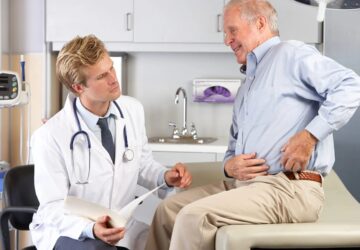
Your doctor will ask about previous injuries, when pain began, family history of joint pain, and the type of pain you’re experiencing. They’ll examine the affected joint for pain, limited motion, and signs of injury to surrounding muscles and tendons. Blood tests may be ordered to rule out other conditions like underactive thyroid, though most women can start HRT without needing hormone level tests.
Conclusion
Joint pain after 40 doesn’t have to be something you simply endure. Now that you understand the connection between declining estrogen and joint discomfort, you can take action. Start with lifestyle changes like anti-inflammatory eating and gentle exercise. If symptoms persist or worsen, talk to your doctor about whether HRT might be right for you. Pay attention to warning signs, and don’t dismiss your pain as just part of aging.
Key Takeaways
Understanding the connection between hormonal changes and joint pain empowers women to take proactive steps toward relief and better health after 40.
• Estrogen decline causes joint pain: Dropping estrogen levels during perimenopause reduce joint lubrication and increase inflammation, affecting 70% of menopausal women.
• Multiple management strategies work best: Combine anti-inflammatory foods, low-impact exercise, strength training, and consider HRT to address both symptoms and root causes.
• Know when to seek help: See a doctor immediately for hot, swollen joints with fever, or if pain prevents normal walking and daily activities.
• Hormonal pain differs from arthritis: Menopausal joint pain typically moves between multiple joints without swelling, unlike arthritis which causes localized inflammation and structural damage.
The good news is that joint pain after 40 isn’t inevitable or untreatable. By recognizing hormonal changes as a treatable cause rather than accepting pain as part of aging, women can maintain active, comfortable lives through menopause and beyond.
FAQs
1. Can hormonal changes really cause joint pain in women after 40?
Yes. Falling estrogen levels during perimenopause and menopause can increase inflammation, reduce joint lubrication, and affect muscle recovery, leading to pain and stiffness in joints.
2. Which joints are commonly affected by menopause-related pain?
The knees, fingers, shoulders, hips, neck, and lower back are commonly affected. Many women notice morning stiffness or generalized body aches.
3. Why does joint stiffness feel worse in the morning?
Hormonal changes can increase inflammation and reduce tissue flexibility overnight, causing stiffness that improves gradually with movement.
4. Is menopause joint pain the same as arthritis?
Not always. Hormonal joint pain can occur even without visible arthritis on X-rays. However, menopause can also worsen existing osteoarthritis symptoms.
5. Can low estrogen affect bones as well as joints?
Yes. Estrogen plays a major role in maintaining bone density. Low levels can increase the risk of osteoporosis and fractures over time.
6. How can I differentiate hormonal joint pain from rheumatoid arthritis?
Hormonal pain is usually more generalized and fluctuates with hormonal changes, while rheumatoid arthritis often causes prolonged morning stiffness, swelling, warmth, and symmetrical joint involvement.
7. Can exercise help reduce menopause-related joint pain?
Yes. Regular walking, strength training, stretching, and mobility exercises help improve muscle support, reduce stiffness, and protect joints.
8. Does weight gain during menopause worsen joint pain?
Yes. Extra body weight increases pressure on weight-bearing joints like the knees and hips, while belly fat can also increase inflammatory chemicals in the body.
9. What foods may help reduce hormonal inflammation and joint pain?
Protein-rich foods, omega-3 fatty acids, fruits, vegetables, nuts, seeds, and vitamin D-rich foods may help support joint and muscle health.
10. Should women with joint pain after 40 get evaluated by a doctor?
Yes. Persistent pain, swelling, weakness, or stiffness should not be ignored. A medical evaluation helps rule out arthritis, vitamin deficiencies, autoimmune diseases, or bone health problems.
11. Is it normal to experience joint pain in your 40s?
Yes, it’s completely normal. Research shows that joint pain from age-related conditions is more likely to begin in your 40s. Over 50% of women experience some form of joint pain or stiffness during perimenopause, and 70% of menopausal women report musculoskeletal symptoms. This is primarily due to declining estrogen levels that reduce joint protection and increase inflammation.
12. Can low progesterone cause joint pain?
While estrogen decline is the primary hormonal factor in joint pain, progesterone levels also drop during perimenopause. The combination of declining progesterone and estrogen contributes to overall hormonal imbalance. However, estrogen plays the more direct role in joint protection, as it maintains cartilage flexibility, supports synovial fluid production, and has anti-inflammatory effects throughout the body.
13. What causes widespread joint pain throughout the body in women?
Widespread joint pain in women is often related to hormonal changes during perimenopause and menopause. When estrogen levels drop, inflammation increases throughout the body, affecting multiple joints simultaneously. Unlike arthritis, hormonal joint pain typically moves between different joints without causing swelling, and can affect the knees, fingers, hips, and other areas at once.
14. What supplements are good for joint pain after menopause?
Anti-inflammatory supplements can help manage menopausal joint pain. Omega-3 fatty acids from fish oil or flaxseed oil reduce inflammation. Foods containing isoflavones, like soy products, may have estrogen-like effects. Additionally, maintaining a diet rich in antioxidants from berries and leafy greens, along with whole grains, can help lower inflammation levels and support joint health.
15. How can you tell if joint pain is from hormones or arthritis?
Hormonal joint pain typically moves between multiple joints without causing swelling, begins during perimenopause years, and doesn’t cause prolonged morning stiffness. Arthritis, on the other hand, involves actual joint inflammation with localized swelling, warmth, and stiffness lasting more than 30 minutes in the morning. If you’re experiencing hot, swollen joints with fever, seek immediate medical attention for proper diagnosis.

Dr. Manu Mengi is a best orthopedic doctor in Mohali, specializing in joint pain, arthritis, and sports injuries. With qualifications in orthopedics and advanced training in joint replacement, he provides effective care for bone and joint conditions, helping patients improve mobility and manage pain with the right treatment approach.