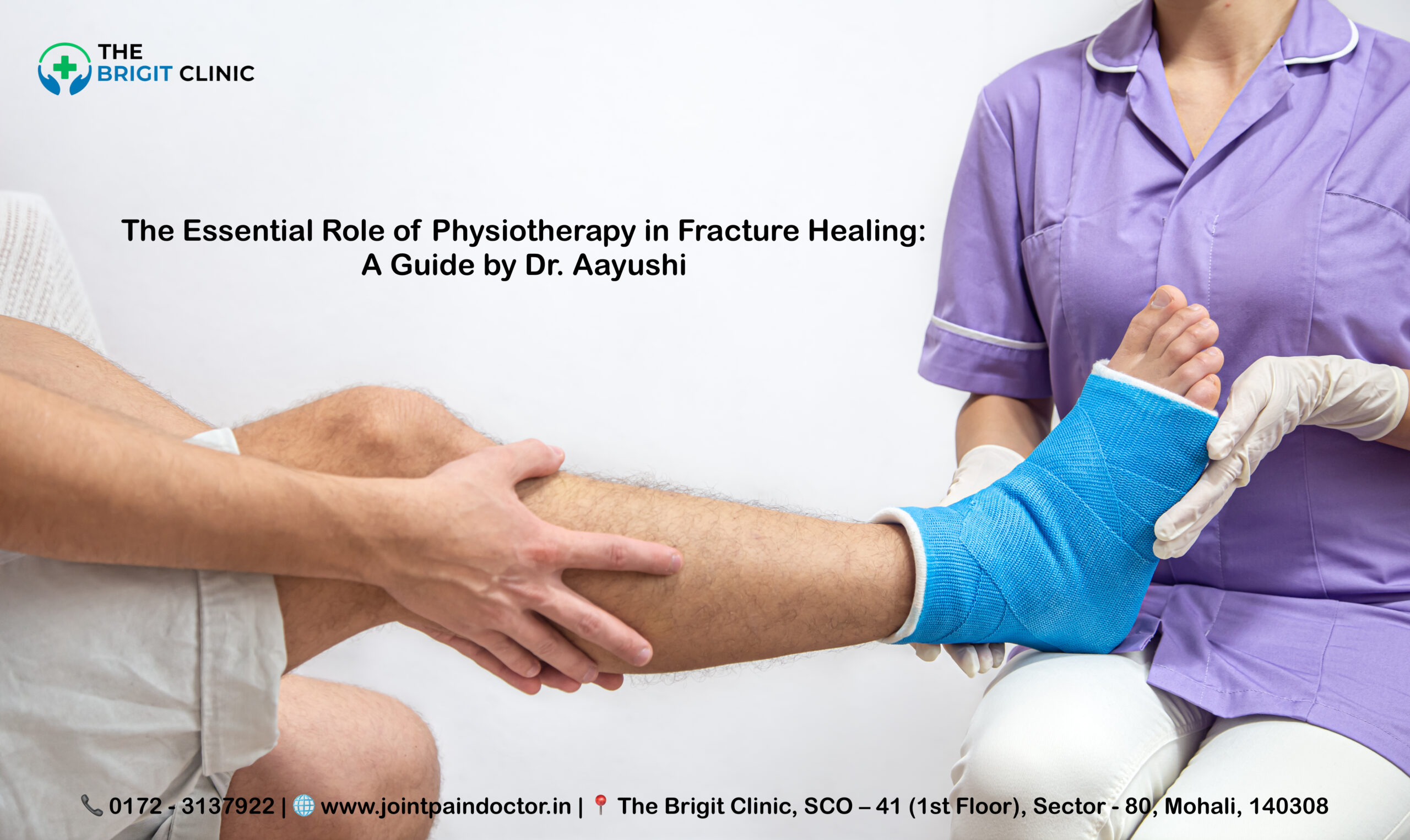
The Essential Role of Physiotherapy in Fracture Healing: A Guide by Dr. Aayushi

Fractures significantly disrupt your daily life, and understanding the role of physiotherapy in fracture healing is crucial for optimal recovery. Fractures affect people of all ages, with 15-30% of all pediatric bony injuries being epiphyseal fractures. However, the impact extends beyond the initial injury, often causing immense discomfort and limiting your ability to perform routine activities.

Fortunately, physiotherapy offers a comprehensive approach to fracture rehabilitation. It plays a vital role in your care pathway after a fragility fracture, providing early mobilisation and structured exercise programs that maximise functional recovery. Additionally, physiotherapy is indispensable for restoring mobility, managing pain, preventing complications, and enhancing the natural healing process. The time frame for bone union typically occurs 4-6 weeks after injury in the upper limb and 8-12 weeks in the lower limb, during which physiotherapy guidance becomes essential.

This article will walk you through everything you need to know about how physiotherapy contributes to fracture healing, from understanding the healing process to the specific techniques used during different recovery phases. Whether you’re dealing with a wrist, ankle, hip, or femur fracture (which is the second most common reason for hospitalisations among the elderly), you’ll discover how proper physiotherapy intervention can significantly improve your outcomes.

Ready to start your fracture recovery journey? Consult with the best physiotherapist in Mohali at The Brigit Clinic. Call 0172-4783830 to book your appointment.

Understanding Fractures and the Healing Process

When a bone fracture occurs, your body initiates a remarkable healing process that resembles a well-orchestrated biological construction project. Understanding this process helps you appreciate the critical timing of physiotherapy interventions in your recovery journey.

What happens when a bone breaks

The moment a bone breaks, blood vessels within the bone and surrounding tissues tear, creating a hematoma (blood clot) at the fracture site. This clot forms the first bridge between the broken bone pieces and serves as a temporary scaffold for future healing.

Initially, your body launches an inflammatory response, sending special cells to the injured area that cause redness, swelling, and pain. These symptoms actually serve a purpose—they signal your body to stop using the injured part so it can heal properly. During this acute inflammatory phase, which lasts approximately 5 days, your body recruits macrophages, monocytes, and lymphocytes that remove damaged tissue and release growth factors to stimulate healing.

Next, your body forms a soft callus (fibrocartilaginous network) around the fracture. This process begins around day 5 post-injury when mesenchymal stem cells differentiate into fibroblasts, osteoblasts, and chondroblasts. This soft callus holds the bone together but isn’t strong enough for normal use. Over the following weeks, this soft callus transforms into a hard callus through a process called endochondral ossification.

The final remodelling stage can last months to years. During this phase, the newly formed bone undergoes reshaping through osteoclastic and osteoblastic activity to restore its original structure and function.

Primary vs secondary bone healing

Bone healing occurs through two distinct mechanisms: primary and secondary healing, similar to how skin can heal either by surgical stitching or by forming a scab.

Primary (direct) healing happens only when bone fragments are perfectly aligned and fixed under compression with absolutely no movement at the fracture site. This typically occurs after surgical plating, where the gap between bone ends is less than 0.01 mm and the interfragmentary strain is less than 2%. In this case, “cutting cones” of osteoclasts cross the fracture line, creating channels that osteoblasts then fill with new bone matrix. Remarkably, this direct healing process occurs without callus formation.

Secondary (indirect) healing is far more common and occurs when there’s some motion at the fracture site or when the bone ends aren’t perfectly aligned. This process follows the classical stages mentioned earlier and involves both intramembranous and endochondral ossification. You’ll typically experience this type of healing with cast immobilisation, intramedullary nailing, or external fixation. The controlled micromotion actually stimulates callus formation, which strengthens the healing bone.

Why healing varies by bone type and location

Not all fractures heal at the same rate—several factors influence your recovery timeline.

Firstly, the location matters significantly. Metaphyseal fractures (near the ends of long bones) heal faster than diaphyseal (shaft) fractures. Likewise, upper limb fractures typically heal more quickly than lower limb fractures. This variance occurs primarily because of differences in blood supply and mechanical stress.

The type of bone also affects healing rates. Cancellous (spongy) bone, found primarily in the ends of long bones, heals through a process called “creeping substitution” and typically recovers faster than compact bone.

Furthermore, your age, nutrition status, and existing health conditions substantially impact healing times. For instance, smoking reduces bone density by approximately 2% yearly and impairs vitamin D and calcium absorption. Similarly, diabetes impairs fracture healing, especially in the lower extremities, by reducing microcirculation.

Even medications can affect your healing timeline. Non-steroidal anti-inflammatory drugs (NSAIDs) and corticosteroids may alter bone mineralisation and reduce callus formation if taken at high doses or for prolonged periods.

Understanding these healing processes allows physiotherapists to time their interventions appropriately, ensuring optimal recovery while preventing complications like joint stiffness and muscle atrophy.

Every fracture is unique. Get a personalized healing assessment from our expert Physiotherapy Clinic in Mohali. Visit our clinic today.

Why Physiotherapy is Essential in Fracture Recovery

Physiotherapy serves as the essential bridge between medical treatment and complete recovery after a fracture. Beyond the initial healing phase, your injured area requires specialised care to return to optimal function.

Restoring mobility and joint function

After a fracture, physical therapy focuses primarily on restoring range of motion by increasing mobility without stressing the healing bone. As a result, you’ll regain functional ability more quickly than with rest alone. Physiotherapy manipulation, joint mobilisation techniques, and targeted exercises collectively strengthen both the bone and the surrounding tissue.

Moreover, physiotherapists provide crucial guidance on weight-bearing restrictions and teach you how to properly use assistive devices like crutches, canes, or walkers. This expertise ensures you can safely navigate daily activities—including walking and climbing stairs—while your fracture heals.

The timing of the intervention is critical. Physiotherapy should begin immediately after fracture immobilisation to promote healing and encourage appropriate weight bearing. Subsequently, after cast removal, therapy continues for 3-12 months until you regain full functionality.

Preventing stiffness and muscle atrophy

Muscle atrophy—the wasting or thinning of muscle tissue—is a common complication during fracture recovery. When you don’t use your muscles, your body starts breaking them down, causing decreased size and strength. This disuse atrophy occurs because your body won’t waste energy maintaining muscles it perceives as unnecessary.

Flexibility exercises play a paramount role in preventing this deterioration. These exercises maintain and improve the elasticity of muscles and tendons surrounding the injured area, which is essential for preventing stiffness and ensuring you regain a full range of motion.

Regular physiotherapy also helps prevent serious complications, including:

  • Improper bone healing
  • Joint stiffness
  • Thrombus formation
  • Delayed return to pre-injury status

Even when full mobility isn’t possible yet, small movements, stretches, and passive range-of-motion exercises help keep muscles active and prevent atrophy. Starting treatment as early as possible significantly reduces these risks.

Reducing swelling and pain through movement

Contrary to what you might expect, appropriate movement actually helps reduce pain and swelling after a fracture. Gentle techniques like lymphatic drainage can decrease inflammation around the injured area. This improved blood flow to the affected site accelerates healing.

Pain management is another significant benefit of physiotherapy after a fracture. Various modalities, including gentle exercises, hot and cold therapy, electrical stimulation (TENS), and ultrasound therapy, effectively reduce discomfort. These treatments stimulate healing while making your recovery more comfortable.

Physical therapists might also use hands-on techniques like joint mobilisation and remedial massage to manage pain, swelling, and muscle tightness following your fracture. Additionally, scar massage and mobilisation can help reduce adhesions after surgical interventions.

By addressing these three critical aspects—mobility, muscle preservation, and pain management—physiotherapy ensures your fracture not only heals structurally but also allows you to return to full functionality with minimal long-term complications.

Don't let stiffness and pain slow your recovery. Our Physiotherapist in Mohali creates custom plans to restore your function. Explore our services.

Phases of Physiotherapy After a Fracture

Effective fracture rehabilitation follows a structured timeline with distinct phases, each targeting specific aspects of recovery. Understanding these phases helps you set realistic expectations for your healing journey.

Acute phase: pain control and early mobilisation

The acute phase begins immediately after your fracture has been immobilised and typically lasts 1-7 days. Throughout this period, physiotherapy focuses primarily on controlling pain, reducing swelling, and preventing complications.

Even at this early stage, your physiotherapist will guide you through gentle exercises for uninjured limbs both above and below the immobilised joint. These movements help maintain existing joint mobility, reduce the risk of pressure ulcers, and enhance synovial movement.

For specific fractures like ankle injuries, early interventions might include:

  • Massage around the ankle joint to promote blood circulation and prevent deep vein thrombosis (1-2 days post-surgery)
  • Passive movement of joints and toes, typically for 15 minutes twice daily (3-4 days post-surgery)
  • Guided isometric exercises that tense muscles without moving the healing joint

Despite limited mobility, physiotherapy should start immediately after immobilisation to promote healing and encourage appropriate weight-bearing activities according to medical guidelines.

Subacute phase: regaining strength and flexibility

Once the initial healing begins—typically between 2-8 weeks post-fracture—the focus shifts toward progressive strengthening and increased mobility. Your physiotherapist will gradually increase the intensity and duration of exercises as your pain subsides and bone healing advances.

In this phase, partial weight-bearing is often permitted. Appropriate exercises may include:

  • Resistance band activities for controlled strength rebuilding
  • Seated leg extensions to strengthen quadriceps without full weight bearing
  • Pool exercises that facilitate resistance training while reducing weight-bearing stress

The subacute phase aims to rebuild muscle strength around the injured area while continuing to promote bone healing. As healing progresses, your physiotherapist will adjust your exercise program to include more challenging activities based on your specific fracture type and healing status.

Chronic phase: functional training and return to activity

The final rehabilitation phase, beginning around 9-12 weeks post-fracture, concentrates on functional training and returning to pre-injury activities. By this stage, your bone should be strong enough to handle more stress, allowing for conventional weight-bearing exercises.

Your physiotherapist will guide you through increasingly challenging functional exercises such as lunges, step-ups, and sports-specific movements designed to restore normal movement patterns. This phase continues until you’ve regained your full level of function, which may take 3-12 months depending on the fracture severity and location.

Throughout all phases, consistent adherence to your physiotherapy program is crucial for optimal outcomes. Evidence shows that staged limb functional exercise—which divides rehabilitation into multiple stages with specific training objectives—promotes rapid recovery while preventing complications from either overwork or insufficient training.

Whether you're in the acute or chronic phase, our Best Physio Clinic in Mohali has a program for you. Get guidance from Dr. Aayushi.

Techniques Used in Physiotherapy for Fracture Healing

Successful fracture rehabilitation relies on specific physiotherapy techniques tailored to each recovery phase. These evidence-based methods work together to restore function while supporting the natural healing process.

Manual therapy and joint mobilisation

Manual therapy serves as a cornerstone intervention for fracture rehabilitation. This hands-on approach significantly reduces joint pain, improves blood flow, and increases range of motion. Physiotherapists employ various manual techniques, including soft tissue mobilisation, joint mobilisation, and gentle manipulation, to address tight muscles and scar tissue formation around the fracture site.

For optimal effectiveness, manual therapy follows specific principles including direction of mobilization, desired effect, starting position, and method of application. The choice of technique depends on your fracture type and healing stage. Indeed, therapists often apply the concave-convex rule to determine the most beneficial direction for mobilisation based on your specific joint anatomy.

Therapeutic exercises for strength and balance

Progressive exercise protocols form the backbone of fracture rehabilitation. Initially, these may include isometric exercises that tense muscles without moving joints, gradually advancing to resistance training as healing progresses.

Strength exercises typically target specific areas:

  • For lower limb fractures: Straight leg raises, bridges, and clamshells strengthen hip flexors and stabilise knees
  • For upper limb fractures: Resistance band activities and progressive weight training rebuild arm strength

Most rehabilitation programs recommend exercise 5 days weekly, combining supervised and independent sessions with gradual intensity increases. Essentially, this consistent approach can significantly improve mobility, walking speed, and muscle strength.

Modalities like ultrasound and electrical stimulation

Low-intensity pulsed ultrasound (LIPUS) stimulation represents a non-invasive technique for enhancing fracture healing. First approved by the FDA in 1994, LIPUS creates micromechanical stress at the fracture site, stimulating cellular responses involved in bone repair. In fact, LIPUS treatment has healed 86% of nonunion cases within an average of 22 weeks.

Electrical stimulation therapy (ESTIM) serves as another adjunct treatment that may influence growth factor synthesis and cytokine production. This non-invasive approach offers a potential alternative to surgical intervention for certain nonunions due to lower costs and fewer complications.

Patient education and home exercise programs

Patient education remains crucial for successful fracture management. Consequently, physiotherapists provide comprehensive guidance on safe movement patterns, progressive weight-bearing, and proper exercise technique. This education significantly improves compliance, satisfaction with care, and self-care skills.

Home exercise programs typically include illustrated instructions (often via flipbooks or posters) and detailed guidance on exercise progression. Particularly important is the emphasis on consistent practice—typically 2-3 weekly physiotherapy sessions plus home exercises for up to three months.

Experience advanced healing techniques like ultrasound and manual therapy at our Physio Clinic in Mohali. Call 0172-4783830 to learn more.

Factors That Influence Recovery Outcomes

Your recovery from a fracture depends on numerous variables beyond just the treatment approach. Throughout the healing process, several key factors can either enhance or hinder your progress.

Age, nutrition, and comorbidities

The ageing process significantly impacts bone healing, primarily through decreased stem cell quantity and reduced proliferation potential. Elderly patients experience “inflamm-ageing”—a chronic, elevated pro-inflammatory status that can interfere with proper healing. Nutritional status plays an equally critical role, with malnutrition responsible for delayed wound healing in approximately 22.2% of patients with hip fractures.

Type and location of fracture

Metaphyseal fractures heal faster than diaphyseal ones, whereas upper limb fractures typically recover more quickly than lower limb injuries. The blood supply to the fracture site remains one of the most important local factors—disrupted blood flow can lead to delayed union or non-union.

Adherence to the physiotherapy plan

Studies show that patients who adhered to early inpatient exercise programs had a 53% lower probability of death compared to non-adherent patients. Key factors affecting adherence include living at home (OR=3.39), absence of pre-fracture disability (OR=3.78), and absence of cognitive impairment (OR=2.36).

Role of early intervention and guided progression

Early mobilisation substantially reduces medical complications following fracture surgery. Individually tailored rehabilitation programs considering fracture type, surgical method, and patient-specific factors yield optimal outcomes. Even for complex fractures, progressive staged rehabilitation promotes rapid recovery while preventing complications from either overwork or insufficient training.

Optimise your recovery outcomes with a plan from the Best Physiotherapist Clinic in Mohali. 
Read our patient reviews on Google.

Conclusion

Fracture recovery represents a journey that extends far beyond the initial medical treatment. Throughout this article, we’ve seen how physiotherapy serves as the vital bridge between injury and complete functional restoration. Your body’s remarkable healing process works most effectively when guided by proper physiotherapy interventions at each stage of recovery.

Therefore, seeking professional physiotherapy treatment immediately after fracture immobilisation significantly improves your outcomes. Early intervention prevents complications like joint stiffness, muscle atrophy, and chronic pain while simultaneously supporting the natural bone healing process. Additionally, the structured progression through acute, subacute, and chronic rehabilitation phases ensures your recovery follows an optimal timeline.

Remember that each fracture presents unique challenges based on its location, severity, and your personal health factors. Consequently, physiotherapists customise treatment approaches using manual therapy, therapeutic exercises, and specialised modalities to address your specific needs. This personalised approach maximises your chances of regaining full functionality.

Your active participation remains equally important as professional guidance. Following your home exercise program, maintaining proper nutrition, and adhering to weight-bearing restrictions all contribute to successful recovery. After all, physiotherapy provides the roadmap, but your commitment determines how effectively you navigate the healing journey.

Though fracture recovery requires patience and persistence, proper physiotherapy support transforms what could be a lengthy, painful process into a structured path toward restored mobility and function. With appropriate care, most patients can expect to return to their pre-injury activities, albeit sometimes with modified approaches during the final rehabilitation stages.

Undoubtedly, physiotherapy stands as an indispensable component of comprehensive fracture care. Beyond simply waiting for bones to heal, this therapeutic approach actively facilitates recovery while preventing long-term complications. The combination of professional guidance, evidence-based techniques, and your dedicated participation creates the optimal environment for healing, ultimately allowing you to reclaim your mobility and independence after a fracture.

Take the first step towards a full recovery. Schedule your consultation with the Best Physiotherapist in Mohali today. Book Your Appointment Now!

Key Takeaways

Understanding the critical role of physiotherapy in fracture recovery can significantly improve your healing outcomes and prevent long-term complications.

• Start physiotherapy immediately after fracture immobilisation – Early intervention prevents joint stiffness, muscle atrophy, and promotes optimal bone healing within the critical first weeks.

• Recovery follows three distinct phases – Acute phase focuses on pain control, subacute phase rebuilds strength, and chronic phase restores full function over 3-12 months.

• Manual therapy and progressive exercises are essential – Techniques like joint mobilisation, therapeutic exercises, and modalities like ultrasound accelerate healing and restore mobility.

• Patient adherence dramatically impacts outcomes – Following home exercise programs and physiotherapy plans reduces death probability by 53% and ensures faster functional recovery.

• Multiple factors influence healing success – Age, nutrition, fracture type, and early intervention timing all play crucial roles in determining your recovery timeline and outcomes.

The combination of professional physiotherapy guidance and your active participation creates the optimal environment for complete fracture recovery, transforming what could be a lengthy process into a structured path toward restored independence.

FAQs

Q1. How does physiotherapy contribute to fracture healing?

A1. Physiotherapy plays a crucial role in fracture recovery by restoring mobility, preventing muscle atrophy, and reducing pain through controlled movement. It helps patients regain strength, flexibility, and function while supporting the natural bone healing process.

Q2. When should physiotherapy begin after a fracture?

A2. Physiotherapy should start immediately after fracture immobilisation. Early intervention promotes healing, encourages appropriate weight-bearing activities, and prevents complications like joint stiffness and muscle weakness.

Q3. What techniques do physiotherapists use for fracture rehabilitation?

A3. Physiotherapists employ various techniques, including manual therapy, joint mobilisation, therapeutic exercises, and modalities like ultrasound and electrical stimulation. They also provide patient education and design home exercise programs tailored to each recovery phase.

Q4. How long does the fracture rehabilitation process typically last?

A4. The rehabilitation process usually spans 3-12 months, depending on the fracture’s severity and location. It progresses through three phases: acute (1-7 days), subacute (2-8 weeks), and chronic (9-12 weeks onwards), with each phase focusing on different aspects of recovery.

Q5. What factors influence fracture recovery outcomes?

A5. Several factors affect fracture recovery, including age, nutrition, presence of comorbidities, type and location of the fracture, adherence to the physiotherapy plan, and timing of intervention. Early mobilisation and individually tailored rehabilitation programs tend to yield optimal outcomes.

About the Best Physiotherapist in Mohali – Dr. Aayushi

Your journey to recovery deserves the expertise of a dedicated professional. Leading the team at The Brigit Clinic is Dr. Aayushi, widely recognised as one of the Best Physiotherapists in Mohali. With a profound understanding of musculoskeletal healing and a compassionate approach to patient care, Dr. Aayushi specialises in designing highly effective, personalised fracture rehabilitation programs. Her clinic is equipped with advanced modalities and a supportive environment, ensuring that every patient receives the highest standard of care to not only heal their fracture but to regain their strength, mobility, and quality of life. Trust your recovery to a true expert in Mohali.

Your Path to Pain-Free Movement Starts Here

You’ve learned how crucial expert physiotherapy is for proper fracture healing. Now, take the decisive step towards a full and speedy recovery.

➤ CHOOSE YOUR PATH TO RECOVERY:

📞 CALL NOW: Speak directly with our clinic to book your first assessment. Dial 0172-4783830.

📍 VISIT US: Experience the best care at our modern clinic. The Brigit Clinic, SCO – 41 (1st Floor), Sector – 80, Mohali, 140308.

⭐ SEE OUR REVIEWS: Don’t just take our word for it. Read stories from patients who’ve successfully recovered with us. View Our Google My Business Profile.

🌐 BOOK ONLINE: Prefer to book online? Visit our website to learn more about our services and schedule your appointment. Visit Our Website.
Chest Physiotherapy in Respiratory Conditions | Dr. Aayushi

When you’re struggling with mucus buildup in your lungs, chest physiotherapy in respiratory conditions offers a non-invasive solution that can be as effective as bronchoscopy without the associated risks. This specialised branch of physiotherapy plays a crucial role in managing and treating patients with various respiratory diseases. In fact, chest physiotherapy involves specific techniques like postural drainage, percussion, and vibration designed to mobilise pulmonary secretions and make them easier to cough up.

If you have conditions such as asthma, chronic obstructive pulmonary disease, bronchitis, bronchiectasis, or cystic fibrosis, you might benefit from these therapeutic interventions. The positive effects are well-documented, including improved functional ability and reduced stays in intensive care units and hospitals, which also translates to savings in healthcare costs. Whether applied in intensive care units, hospital wards, or primary care settings by specialised physiotherapists, chest physiotherapy can help your body position properly to allow gravity to assist in moving mucus out of your lungs.

Struggling to clear lung mucus? Our expert therapists provide the Best Physiotherapy in Mohali to help you breathe freely. Book a Consultation Today - 0172 - 3137922!

Understanding the Role of Chest Physiotherapy in Respiratory Health

Chest physiotherapy represents a specialised set of techniques designed to help your body clear mucus from the lungs and improve respiratory function. Unlike medication-based approaches, these hands-on methods directly address the physical aspects of respiratory health.

What is chest physiotherapy?

Chest physiotherapy (chest PT) encompasses a group of therapies specifically developed for mobilising pulmonary secretions. At its core, this therapeutic approach focuses on loosening thick, sticky, or excessive mucus in your lungs so you can expel it more efficiently. Healthcare providers—typically respiratory therapists—perform these techniques by applying manual pressure to your chest and back through rhythmic movements.

The fundamental techniques of chest physiotherapy include percussion, vibration, and postural drainage. Percussion involves rhythmically tapping on specific areas of your chest wall to loosen mucus. Meanwhile, vibration applies gentle shaking motions to further loosen secretions, making them easier to cough up. Postural drainage utilises different body positions and gravity to help drain mucus from various lung segments to the central airways.

Additionally, chest physiotherapy incorporates breathing exercises such as the forced expiratory technique (FET) or “huffing,” which has proven more effective than conventional coughing for removing mucus from the lungs. These methods collectively work to free secretions, open airways, and ultimately help you breathe better.

Importance of chest physiotherapy in chronic lung disease

For individuals with chronic lung conditions, chest physiotherapy serves as a cornerstone of effective management. Studies demonstrate that bronchopulmonary hygiene techniques significantly increase sputum production in patients with chronic obstructive pulmonary disease (COPD) and bronchiectasis. This finding is particularly important since frequent exacerbations are associated with increased sputum and high bacterial load.

Furthermore, research shows that pulmonary rehabilitation combined with regular chest physiotherapy provides sustained benefits for patients. In one study, patients receiving this combination therapy experienced improvements in exercise tolerance and health-related quality of life, with benefits maintained at 12 weeks post-treatment.

The comprehensive treatment approach using chest physiotherapy seeks multiple positive outcomes: managing symptoms, increasing life expectancy, avoiding progressive lung damage, minimising exacerbation frequency, and preserving pulmonary function. Beyond symptom management, these techniques contribute to reduced hospital stays and associated healthcare costs.

Conditions commonly treated with CPT

Chest physiotherapy benefits numerous respiratory conditions characterised by mucus accumulation or impaired airway clearance. Primarily, healthcare providers recommend these techniques for patients who struggle to clear thick, localised secretions through normal coughing.

Conditions commonly treated with chest physiotherapy include:

  • Cystic fibrosis – A genetic disorder resulting in thick, sticky mucus buildup in the lungs
  • COPD (Chronic Obstructive Pulmonary Disease) – A Progressive lung condition leading to breathing difficulties
  • Bronchiectasis – Abnormal widening of airways with mucus accumulation
  • Pneumonia – Lung infection causing fever, cough, and breathing difficulty
  • Neuromuscular disorders – Conditions affecting respiratory muscle strength
  • Atelectasis – Collapsed or airless portions of the lung

Moreover, chest physiotherapy proves valuable during post-surgical recovery, especially following upper abdominal surgeries, where deep breathing may be painful but necessary to prevent complications.

Beyond these specific conditions, chest PT may be recommended based on various clinical indicators, including abnormal chest X-rays, changes in vital signs, and decreased oxygen levels in the blood.

Living with COPD or a chronic cough? Discover how our specialised chest PT programs at Mohali's Top physiotherapist clinic can manage your symptoms and improve your quality of life. Call 0172 - 3137922.

How Chest Physiotherapy Works: Mechanisms and Physiology

The physiological mechanisms behind chest physiotherapy directly address the body’s natural mucus clearance systems. Understanding these mechanisms helps explain why these techniques work effectively for respiratory conditions characterised by excessive secretions.

Normal vs abnormal airway clearance

Your respiratory system naturally maintains clear airways through several coordinated mechanisms. The normal human bronchial tree contains a thin mucus layer (approximately 5 micrometres thick) that lines the airways. This mucus serves as a protective trap for particles and pathogens. The ciliated epithelium lining your airways creates a coordinated movement called the mucociliary escalator, moving mucus toward the trachea and larynx, where it can be swallowed or expectorated.

For normal airway clearance to occur, three essential components must function properly: open airways, a functional mucociliary escalator, and an effective cough. When respiratory conditions develop, this delicate system becomes compromised. In endobronchial diseases, the mucus layer may thicken significantly (exceeding 5mm), rendering ciliary clearance ineffective. As a result, mucus accumulates, narrowing airway passages and increasing resistance to airflow.

The role of effective coughing techniques

Coughing represents one of your body’s most critical protective reflexes. By clearing larger airways of excessive mucus and foreign matter, coughing works alongside the mucociliary clearance system to maintain airway patency. A normal cough progresses through four distinct phases: irritation, inspiration, compression, and expulsion.

Notably, not all coughing techniques are equally effective. The forced expiratory technique (FET), sometimes called “huffing,” has proven more effective than conventional coughing for removing mucus from the lungs. This technique involves breathing in deeply, followed by forced exhalation through an open mouth. Other approaches, like the active cycle of breathing technique (ACBT), combine breathing control methods with chest expansion exercises and FET to optimise secretion clearance.

Two-phase gas-liquid flow in mucus clearance

When conventional mucus clearance mechanisms become overwhelmed, a complex process called two-phase gas-liquid flow becomes crucial. This mechanism involves the interaction between airflow and the mucus lining your airways. The effectiveness of this process depends on several factors: airway diameter, airflow velocity, mucus viscosity, and mucus layer thickness.

Research has shown that for mucus to be transported effectively through this mechanism, specific conditions must be met. In experimental models, the critical airflow rate needed for upward mucus transport varied based on tube diameter and mucus properties. For 1.0-cm diameter tubes, critical airflow rates ranged from 708-2,830 in Reynolds number, with lower rates required for viscoelastic fluids compared to viscous oils.

The liquid layer transport speed (LLTS) ranged from 1.14 to 3.39 cm/min at peak expiratory flow rates of 30-60 l/min in horizontal tube models. Interestingly, while inspiratory flow rate had minimal effect on transport speed, expiratory flow rate significantly influenced transport effectiveness. These findings explain why chest physiotherapy techniques often emphasise expiratory manoeuvres rather than inspiratory ones.

For optimal mucus clearance via this mechanism, the critical mucus layer thickness typically falls between 3-15% of the airway diameter. These conditions are achievable during normal breathing in patients with bronchial hypersecretions, confirming why airway clearance techniques that enhance expiratory flow can effectively mobilise mucus.

Want to learn the proper breathing techniques for mucus clearance? Our Physiotherapists in Mohali are experts in teaching effective methods like ACBT and FET. Find a Physio Clinic Near You in Mohali!

Types of Chest Physiotherapy Techniques

Chest physiotherapy encompasses several distinct approaches that have evolved over time to address various respiratory needs. From hands-on manual techniques to sophisticated devices, these methods share the common goal of mobilising secretions and improving airway clearance.

Conventional techniques: postural drainage, percussion, vibration

Conventional chest physiotherapy originated in the early 1900s and remains a cornerstone of respiratory care. Postural drainage utilises specific body positions to help mucus drain from different lung segments. Each position targets particular areas of the lungs, generally held for 3 to 15 minutes depending on the patient’s condition. For effective drainage, a foot-end elevation of 14-18 inches is often necessary for middle and lower lobes.

Percussion (also called clapping) involves rhythmically striking the chest wall with cupped hands directly over the lung segment being drained. The hand forms a dome shape that traps air, creating a hollow sound upon contact. This technique starts at the lower lung areas and progresses upward, applying kinetic energy to loosen mucus.

Vibration complements these methods by applying a fine tremorous action over the draining area during exhalation. The therapist places flattened hands on the chest wall and creates a gentle shaking motion through alternating contractions of forearm muscles. This technique helps separate mucus from the airway walls and facilitates its movement toward larger airways.

Modern techniques: ACBT, autogenic drainage

The Active Cycle of Breathing Technique (ACBT) represents an evolution in airway clearance, requiring no assistance and improving lung function without decreasing oxygenation. ACBT consists of three main phases: breathing control, thoracic expansion exercises, and forced expiratory technique. This cycle effectively mobilises and clears pulmonary secretions while improving overall lung function.

Autogenic drainage, developed in Belgium in the 1960s, offers another self-administered approach based on controlled breathing at different lung volumes. This technique progresses through three stages: “unstick” (breathing at low lung volumes), “collect” (breathing at low to middle volumes), and “evacuate” (breathing at mid to high volumes). The method works by generating shearing forces from expiratory airflow that mobilise secretions from peripheral to central airways.

Instrumental techniques: PEP, HFCWO, IPV

Positive Expiratory Pressure (PEP) devices provide resistance to expiration through a mouthpiece or facemask. These tools increase functional residual capacity, enhancing collateral ventilation and helping remove secretions from collapsed airways. PEP therapy typically maintains pressure between 10-25 cmH₂O during exhalation.

High-Frequency Chest Wall Oscillation (HFCWO) employs an inflatable vest connected to a pulse generator. The system rapidly inflates and deflates, creating vibrations at variable frequencies (5-25 Hz) that separate mucus from airway walls. Typically, users pause every 5 minutes during a 20-30 minute treatment to cough out loosened secretions.

Intrapulmonary Percussive Ventilation (IPV) delivers pressurised gas mini-bursts at rates of 100 to 225 cycles per minute through a mouthpiece. Each session generally lasts fifteen minutes and is performed twice daily. This technique combines the benefits of percussion with aerosol delivery, promoting secretion mobilisation while improving ventilation distribution.

Need modern chest PT with advanced techniques? Our Physio Clinic in Sector 80 Mohali, is equipped with the latest devices like PEP and HFCWO for optimal results. Schedule Your Assessment Now!

When and How to Use Chest Physiotherapy

Determining the right timing and application of chest physiotherapy requires careful clinical assessment based on your specific respiratory condition. Healthcare providers make these decisions by evaluating your symptoms, respiratory status, and overall health.

Indications for CPT in COPD, pneumonia, and cystic fibrosis

Chest physiotherapy is primarily recommended when you’re unable to clear thick, localised secretions through normal coughing. For patients with cystic fibrosis, CPT helps manage the thick, sticky mucus that clogs airways and traps bacteria. Similarly, those with COPD benefit from these techniques to mobilise secretions and reduce the risk of infection.

People with pneumonia often receive chest physiotherapy to clear infectious secretions and prevent complications like atelectasis. Healthcare providers might additionally recommend CPT for bronchiectasis, lung abscesses, and neuromuscular disorders that impair effective coughing.

Contraindications and precautions

Despite its benefits, chest physiotherapy isn’t appropriate for everyone. Relative contraindications include:

  • Recent thoracic or abdominal surgery without physician approval
  • Bleeding disorders or therapeutic anticoagulation
  • Unstable cardiovascular conditions, including uncontrolled hypertension
  • Elevated intracranial pressure or recent head trauma
  • Rib fractures or severe osteoporosis
  • Active haemorrhage with hemodynamic instability

Before beginning treatment, your healthcare provider should assess for pain, which can significantly impair your ability to take deep breaths or cough effectively.

Frequency and duration of therapy sessions

Treatment protocols vary based on your condition’s severity. For patients with cystic fibrosis, sessions typically last 20-40 minutes and are best performed before meals or 1.5-2 hours after eating to prevent vomiting. Early morning and bedtime sessions are commonly recommended.

For critical care patients, including those on mechanical ventilation, postural drainage treatments might be performed every 4-6 hours as indicated. Less acute patients should be positioned every 2 hours as tolerated.

Each physiotherapy session usually takes approximately 30 minutes, with 2-3 daily sessions recommended. Your provider should reassess acute care treatment plans at least every 72 hours or whenever your condition changes.

Chest physiotherapy after surgery

Physiotherapy after thoracic surgery has become an essential element of enhanced recovery protocols that accelerate functional recovery. Ideally, treatment begins between 4-12 hours after recovery from general anaesthesia.

Patients undergoing lung surgery through posterolateral thoracotomy typically need more physiotherapy than those having the same procedure via video-assisted thoracoscopic surgery. Properly applied chest physiotherapy can effectively reduce the overall rate of pulmonary complications after lung resection.

Studies show that chest physiotherapy during the immediate postoperative period following upper abdominal surgery improves oxygen-haemoglobin saturation without increasing abdominal pain. When coordinating treatment sessions, physiotherapists should consider the peak effect timing of analgesic medications.

Recovering from surgery or pneumonia? Get professional guidance on the right frequency and techniques for chest PT from the Best Physio Clinic in Mohali. We Help You Recover Faster – Call Us at 0172 - 3137922!

Assessing Effectiveness and Managing Risks

Evaluating your response to chest physiotherapy requires careful assessment through several key indicators. Healthcare providers primarily look for changes in sputum production, breath sounds, and your subjective experience of the therapy.

Monitoring outcomes: sputum volume, oxygenation, lung sounds

Effective chest physiotherapy typically results in measurable improvements. Your therapist will track changes in sputum volume, lung field breath sounds, and vital signs. Oxygen saturation levels provide critical feedback—normal values range between 98.25±0.97% pre-treatment, though levels may temporarily decrease to 96.77±2.16% post-surgery. Chest radiographs often confirm improvement through visible changes in previously affected areas.

Common complications and how to avoid them

Though generally safe, chest physiotherapy occasionally causes complications. Patients may experience hypoxemia, bronchospasm, increased intracranial pressure, or acute hypotension. Other potential issues include pulmonary haemorrhage, pain or injury to muscles/ribs/spine, and vomiting. For safety, healthcare teams monitor you carefully throughout treatment, responding promptly to any complications.

Tools used: incentive spirometry, pulse oximeter, radiographs

Non-invasive monitoring tools enhance treatment safety. Pulse oximeters attached to your fingertip continuously measure oxygen saturation. Incentive spirometry, designed to mimic natural sighing, encourages deep breathing through visual feedback. Studies show volume-incentive spirometers have greater effects on pulmonary function than diaphragmatic breathing exercises. Chest radiographs remain essential for visualising internal improvements that might not be apparent through other assessments.

Concerned about safety and results? Our Mohali Physiotherapy Clinic uses pulse oximeters and expert monitoring to ensure safe, effective treatment. Experience Professional Care – Visit Us - The Brigit Clinic, SCO – 41 (1st Floor), Sector - 80, Mohali, 140308!

Conclusion

Chest physiotherapy stands as a powerful tool in your respiratory health arsenal. Throughout this article, we’ve explored how these specialised techniques effectively mobilise mucus, improve airway clearance, and enhance breathing quality across various respiratory conditions. Although initially developed in the early 1900s, chest physiotherapy has evolved significantly, now offering both conventional approaches like postural drainage and percussion alongside modern techniques such as ACBT and device-assisted therapies.

The benefits extend far beyond simple symptom management. Patients receiving regular chest physiotherapy typically experience reduced hospital stays, decreased healthcare costs, and overall improved quality of life. Therefore, if you struggle with conditions like cystic fibrosis, COPD, bronchiectasis, or pneumonia, these techniques might provide substantial relief from mucus buildup and breathing difficulties.

Safety remains paramount when applying chest physiotherapy. Your healthcare provider must carefully assess your specific condition, considering potential contraindications and tailoring the frequency and duration of sessions to your needs. Afterwards, they’ll monitor important indicators like sputum production, oxygen levels, and lung sounds to evaluate effectiveness.

Undoubtedly, chest physiotherapy requires proper application by trained professionals or careful instruction for self-administration. When performed correctly, these techniques harness your body’s natural mechanisms—from the mucociliary escalator to two-phase gas-liquid flow—to clear airways and improve respiratory function. The right approach for you depends on your specific condition, overall health status, and treatment goals.

The field continues to advance with research supporting both traditional and newer techniques. From simple postural drainage positions you can maintain at home to sophisticated oscillatory devices used in clinical settings, chest physiotherapy offers versatile solutions for respiratory care. Your journey toward better breathing might include these valuable techniques as part of a comprehensive treatment plan—providing relief and improving your respiratory health without invasive interventions.

Ready to breathe easier? Don't let respiratory conditions hold you back. Trust the Best Physiotherapy in Mohali to create a personalised chest PT plan for you. Book Your Appointment with Mohali's Top Physiotherapist Today!

Key Takeaways

Chest physiotherapy offers proven, non-invasive techniques to help patients with respiratory conditions clear mucus and improve breathing without the risks of invasive procedures.

• Chest physiotherapy mobilises lung secretions through percussion, vibration, and postural drainage, making mucus easier to cough up and clear from airways.

• Multiple respiratory conditions benefit from CPT, including COPD, cystic fibrosis, pneumonia, and bronchiectasis, with reduced hospital stays and healthcare costs.

• Modern techniques like ACBT and device-assisted therapies complement traditional methods, offering self-administered options that improve lung function without decreasing oxygenation.

• Proper timing and assessment are crucial – treatments typically last 20-40 minutes, performed 2-3 times daily, with careful monitoring for contraindications and complications.

• Post-surgical applications accelerate recovery when started 4-12 hours after surgery, effectively reducing pulmonary complications and improving oxygen saturation.

When applied correctly by trained professionals or through proper patient instruction, chest physiotherapy harnesses your body’s natural clearance mechanisms to provide significant respiratory relief and improved quality of life across various lung conditions.

FAQs

Q1. How does chest physiotherapy improve breathing?

A1. Chest physiotherapy uses various techniques to break up and mobilise mucus in the lungs, making it easier to cough up. This helps clear airways, improves lung function, and makes breathing easier for people with respiratory conditions.

Q2. Who can benefit from chest physiotherapy?

A2. Chest physiotherapy is beneficial for people with conditions like COPD, cystic fibrosis, bronchiectasis, and pneumonia. It’s also helpful for those recovering from surgery or with neuromuscular disorders that affect breathing.

Q3. When is the best time to perform chest physiotherapy?

A3. The optimal time for chest physiotherapy is typically before meals or 1.5 to 2 hours after eating to reduce the risk of vomiting. Early morning and bedtime sessions are commonly recommended, with treatments lasting about 20-40 minutes.

Q4. What are some potential risks of chest physiotherapy?

A4. While generally safe, chest physiotherapy can sometimes cause complications such as a temporary decrease in oxygen levels, bronchospasm, or discomfort. It’s important to have a healthcare professional assess your condition and monitor treatment.

Q5. How often should chest physiotherapy be performed?

A5. The frequency of chest physiotherapy depends on the individual’s condition. Generally, 2-3 daily sessions are recommended, each lasting about 30 minutes. For more severe conditions, treatments might be needed every 4-6 hours.

Have more questions about chest physiotherapy? Speak directly with an expert! Contact the Best Physiotherapist in Mohali for a free consultation and get all your answers. Call 0172 – 3137922

Dr. Aayushi – Mohali’s Top Physiotherapist

For expert chest physiotherapy and respiratory care in Mohali, look no further than Dr. Aayushi. As a leading Physiotherapist in Mohali, she combines extensive knowledge with a compassionate approach to create highly effective, personalised treatment plans. At our state-of-the-art Physio Clinic in Mohali, Dr. Aayushi and her team utilise both conventional and modern techniques to help patients overcome the challenges of COPD, cystic fibrosis, post-surgical recovery, and other respiratory conditions. Committed to delivering the Best Physiotherapy in Mohali, her focus is on empowering you with the tools and techniques to breathe easier, recover faster, and significantly improve your quality of life.

#BestPhysiotherapyMohali #ChestPhysiotherapy #RespiratoryPhysio #MohaliPhysio #COPD
#Asthma #Bronchiectasis #PostCOVIDRecovery #LungHealth #BreatheEasy #RespiratoryHealth #PneumoniaRecovery #Physiotherapy #PhysicalTherapy #ACBT #PEPTherapy #AirwayClearance #PulmonaryRehab #RespiratoryTherapy #PhysioWorks #TheBrigitClinic #DrAayushi

Pelvic Floor Physiotherapy Explained – Exercises, Benefits & Recovery

Pelvic floor physiotherapy can be a game-changer if you’re experiencing discomfort or dysfunction in your pelvic region. When your pelvic floor muscles become weak, strained, or overly tight, they can lead to a range of uncomfortable symptoms, including pelvic pain, urinary incontinence, and sexual dysfunction. In fact, experts estimate that up to half of people with long-term constipation also have pelvic floor dysfunction.

Fortunately, specialised exercises and techniques can significantly improve these conditions. Pelvic floor exercises help strengthen and increase neuromuscular control over these crucial muscles, potentially reducing or eliminating symptoms associated with pelvic floor dysfunction. Additionally, when performed correctly, these exercises have proven highly effective at improving urinary continence. Throughout this guide, you’ll discover the various approaches to pelvic floor physiotherapy, from basic Kegel exercises to advanced techniques like biofeedback, which helps over three-quarters of people with pelvic floor dysfunction gain better muscle control.

Living with pelvic floor dysfunction can feel isolating, but you don't have to manage it alone. Taking the first step towards a professional assessment is the key to effective treatment. Book a consultation with the Best Pelvic Floor Physiotherapist in Mohali to start your journey to recovery.

Understanding the Pelvic Floor

The pelvic floor serves as your body’s anatomical foundation, comprising essential muscles that play a vital role in everyday bodily functions. This complex muscular structure supports your core stability while affecting everything from bladder control to sexual function. Let’s explore what makes up your pelvic floor, how it functions, and what can cause problems in this critical area.

What are pelvic floor muscles?

Your pelvic floor consists of a network of muscles and connective tissues that form a hammock-like structure across the bottom of your pelvis. These muscles stretch from your pubic bone at the front to your tailbone (coccyx) at the back, and from one sitting bone to the other laterally. This funnel-shaped muscular layer, sometimes called the pelvic diaphragm, separates the pelvic cavity from the perineum below.

The pelvic floor includes several key muscles organised into layers:

  • The levator ani group forms the largest component and includes three paired muscles: pubococcygeus, puborectalis, and iliococcygeus
  • The coccygeus muscle sits at the back of the pelvic floor
  • These muscles are covered by fascia that provides additional support

The pelvic floor contains strategic openings that allow for essential bodily functions. The urogenital hiatus permits passage of the urethra (and vagina in females), while the rectal hiatus allows passage of the anal canal. Between these openings lies a fibrous node called the perineal body that connects the pelvic floor to the perineum.

How they support the bladder, bowel, and uterus

Your pelvic floor muscles perform several crucial functions that maintain your body’s proper functioning. Primarily, they support your pelvic organs—including your bladder, bowel, and uterus (in females)—acting as a supportive hammock that keeps everything in place.

These muscles work together with your deep abdominal and back muscles as part of your core muscle group to support your spine and control abdominal pressure. The pelvic floor has two major functions: providing support for abdominal viscera and creating a continence mechanism for the urethral, anal, and vaginal openings.

Through coordinated contractions and relaxations, your pelvic floor muscles help you:

  • Maintain bladder and bowel control
  • Support your lower back and pelvis
  • Improve sexual response by increasing sensation and arousal
  • Allow for proper urination and defecation by relaxing at appropriate times

The puborectalis muscle, part of the levator ani group, plays a particularly important role in maintaining faecal continence by creating an angle in the anal canal. Similarly, other muscle fibres help preserve urinary continence, especially during sudden increases in abdominal pressure like sneezing.

Common causes of pelvic floor dysfunction

Pelvic floor muscles can weaken or become dysfunctional for various reasons. Though the complete picture of what contributes to pelvic floor problems is complex, several factors have been identified as potential causes.

Pregnancy and childbirth represent significant risk factors, particularly with vaginal deliveries, multiple births, or the use of forceps or vacuum devices during delivery. Nevertheless, since pelvic floor problems also affect those who have never been pregnant, and cesarean sections only reduce but don’t eliminate risk, the relationship remains somewhat unclear.

Other common causes include:

  • Excessive pressure on the pelvic floor from obesity, chronic constipation, heavy lifting, or chronic coughing
  • Age-related changes and hormonal shifts during menopause
  • Previous surgeries such as a hysterectomy or prostate surgery
  • Traumatic injuries to the pelvic area
  • Genetic factors affecting tissue strength
  • Stress and anxiety
  • Connective tissue disorders

These factors can lead to various pelvic floor issues ranging from urinary and faecal incontinence to pelvic organ prolapse and sexual dysfunction. Understanding these causes is the first step toward effective treatment through pelvic floor rehabilitation.

Recognising these causes is crucial. If any of these factors resonate with you and you're experiencing symptoms, it might be time to seek help. A Pelvic Floor Rehabilitation Centre in Mohali can provide the specialised care you need to address the root cause.

When and Why You Might Need Pelvic Floor Physiotherapy

Recognising when to seek pelvic floor physiotherapy can make a substantial difference in your quality of life. This specialised treatment addresses a range of conditions that affect people of all genders and ages. Let’s explore the specific circumstances that might prompt you to consider pelvic floor rehabilitation.

Urinary incontinence and bladder control

Losing control over your bladder function can be both frustrating and embarrassing. Approximately 62% of females age 20 and older experience some form of urinary incontinence, compared to about 14% of males. If you’re noticing urine leakage when coughing, laughing, exercising, or feeling a sudden urge to urinate, your pelvic floor might need attention.

Signs that indicate you might benefit from pelvic floor therapy include:

  • Frequent bathroom visits
  • Leaking urine during physical activities
  • Constant urges to urinate
  • Waking up multiple times at night to use the bathroom
  • Difficulty starting or stopping your urine stream

Pelvic floor exercises, particularly Kegels, have proven remarkably effective for this condition. Research shows that women who received pelvic floor muscle training experienced fewer leaks per day than those without training. Furthermore, strengthening these muscles has demonstrated success in managing both stress and urge incontinence.

Pelvic pain and dyspareunia

Dyspareunia—painful sexual intercourse—affects a significant portion of women. In some regions, as many as 54.5% of women between the ages of 15-49 report experiencing this condition. This persistent discomfort can drastically affect intimate relationships and overall well-being.

Pain during intercourse often stems from overactive or tight pelvic floor muscles that simultaneously become weak. A multidisciplinary approach, including pelvic floor rehabilitation, has shown promising results for treating this condition. Studies demonstrate that intravaginal manual techniques, myofascial release, and supervised pelvic floor exercises can significantly restore painless intercourse by breaking the pain-spasm cycle.

Postpartum recovery and prolapse support

Pregnancy and childbirth place tremendous stress on your pelvic floor structures. The growing uterus creates pressure against your bladder, consequently leading to increased urination frequency. Moreover, vaginal delivery can stretch and weaken the pelvic floor muscles, potentially resulting in long-term issues.

Pelvic organ prolapse occurs when these supportive structures weaken excessively, causing organs to sag or bulge into the vagina. This condition typically manifests as a feeling of fullness or pressure, as if something were falling out of your vagina.

Regular pelvic floor exercises before, during, and after pregnancy can prevent or reduce these problems. Although muscle function often recovers within the first year after childbirth, targeted rehabilitation can significantly accelerate and enhance this process.

Pelvic floor dysfunction in men

Men equally benefit from pelvic floor physiotherapy, though their conditions differ somewhat. Following prostate surgery (radical prostatectomy), many men experience urinary incontinence that can be improved through pelvic floor rehabilitation.

Additionally, pelvic floor dysfunction in men may manifest as difficulty with bowel movements, incomplete emptying, or erectile dysfunction. These symptoms often stem from pelvic muscles that remain tightened rather than relaxing appropriately.

Kegel exercises have shown effectiveness for men experiencing dribbling after urination, urinary leakage, or faecal incontinence. For optimal results, working with a physical therapist who specialises in pelvic floor issues ensures proper technique and personalised guidance.

Physiotherapy stands as the first-line treatment for those diagnosed with any form of pelvic floor dysfunction. Through specialised techniques and targeted exercises, this therapeutic approach addresses the root causes rather than merely managing symptoms.

Pelvic health is crucial for everyone. Men dealing with incontinence or pain after surgery deserve specialised care. For Expert Pelvic Floor Therapy in Mohali tailored to men's health, professional guidance can make all the difference.

Core Exercises Used in Pelvic Floor Physiotherapy

Effective pelvic floor rehabilitation begins with mastering several core exercises that target these essential muscles. From basic contractions to advanced techniques, these exercises form the foundation of successful pelvic floor physiotherapy.

Kegel exercises

Kegel exercises remain the cornerstone of pelvic floor rehabilitation. These exercises specifically target and strengthen the pelvic floor muscles that support your bladder, bowel, and uterus. To perform Kegels correctly:

First, identify the right muscles by imagining you’re stopping urine mid-flow or preventing passing gas. Once located, squeeze these muscles by lifting upward and inward, hold for 5-10 seconds while breathing normally, then release for an equal count. Aim for 3 sets of 8-10 repetitions daily.

Remember to avoid tightening your abdomen, buttocks, or thighs—only the pelvic floor muscles should engage. For maximum effectiveness, practice Kegels in various positions: lying down initially, then progressing to sitting and standing.

Reverse Kegels

Unlike traditional Kegels that focus on contraction, Reverse Kegels teach you to properly relax your pelvic floor—vital for those with overly tight muscles. Think of this as “down training” your pelvic floor.

Begin by gently contracting your pelvic floor muscles to recognise the sensation; thereafter, gradually release and relax them. Visualise your pelvic floor as an elevator: contract to bring it up, subsequently allow it to lower floor by floor until completely relaxed. Never push or strain downward.

Transverse abdominis activation

The transversus abdominis (TrA) is your deepest abdominal muscle, wrapping horizontally around your trunk like a corset. Activating this muscle naturally engages your pelvic floor, creating a supportive system for your core.

To activate the TrA, lie on your back with knees bent. Place your fingers below your belly button, then draw your navel toward your spine without moving your pelvis or holding your breath. Hold for 5 seconds while maintaining normal breathing. As you progress, incorporate this activation into daily movements.

Pelvic clock and bridge variations

The pelvic clock exercise teaches precise pelvic control. Lie on your back and imagine a clock face on your pelvis. Gently tilt your pelvis toward different “hours,” moving slowly between positions. This improves flexibility, releases tension, and increases circulation in your pelvic region.

Bridge exercises strengthen both your pelvic floor and surrounding muscles. Lie on your back with knees bent, feet flat. Squeeze your pelvic floor muscles as you lift your hips upward, hold briefly, then lower with control. Perform 10 repetitions for 1-2 sets.

Pregnancy-safe pelvic exercises

Pregnancy puts significant strain on your pelvic floor, making appropriate exercises essential. Kegels are generally safe and beneficial throughout pregnancy, helping prepare for delivery and preventing incontinence.

Belly breathing complements Kegels during pregnancy. Sit comfortably with your hands on your belly, inhale deeply through your nose, expanding your abdomen, then exhale through your mouth, drawing in your abdominals. This stretches and relaxes your pelvic floor.

Getting on hands and knees can alleviate pressure on your bladder and hips while pregnant. From this position, you can safely engage your pelvic floor and core muscles without strain.

Pregnancy is a time to care for your body, not just endure it. Proper guidance is essential for safe and effective exercise. For personalised Pregnancy and Postpartum Physiotherapy in Mohali, consulting a specialist ensures you and your pelvic floor are well-supported.

Advanced Techniques and Tools

Beyond basic exercises, pelvic floor rehabilitation often incorporates sophisticated techniques and specialised tools that offer enhanced results for challenging cases. These advanced approaches provide deeper therapeutic benefits through technology and specialised methodologies.

Biofeedback and electrical stimulation

Biofeedback serves as a powerful educational tool that uses electronic devices to monitor and display your pelvic floor muscle activity in real time. This visual or auditory feedback helps you understand exactly how your muscles are functioning, allowing for precise control over contraction and relaxation. Studies show biofeedback particularly benefits patients who struggle to identify or properly contract their pelvic floor muscles.

Complementing biofeedback, electrical stimulation uses low-voltage currents to activate muscle contractions artificially. Typically delivered through specialised vaginal or rectal probes, these mild electrical impulses strengthen weak muscles and normalise nerve activity. Treatment protocols often utilise frequencies between 10-50 Hz for type I muscle fibres and 35-80 Hz for type II muscle fibres, adjusting according to patient tolerance.

Hypopressive exercises

Developed in 1980 by Caufriez specifically for postnatal women, hypopressive exercises combine specific postural positions with a unique breathing technique. Unlike traditional exercises, hypopressives involve exhaling completely, holding your breath at end-expiration (apnea), and simultaneously drawing in your abdomen while expanding your rib cage.

Performed in various positions—lying, sitting, standing, or kneeling—these exercises theoretically lower intra-abdominal pressure while activating deep abdominal and pelvic floor muscles without voluntary contraction. Research indicates hypopressive exercises may increase muscle thickness and effectively tone the pelvic floor.

Trigger point therapy

Trigger points—hyperirritable spots within muscle tissue—can cause significant pelvic pain and dysfunction. Physical therapists identify these problematic areas and apply various release techniques. Direct manual pressure on trigger points improves circulation and relaxation in the affected muscles.

For deeper or more persistent trigger points, advanced treatments might include dry needling (inserting thin needles into trigger points) or trigger point injections with local anaesthetics like lidocaine.

Manual therapy and internal release

Manual therapy encompasses hands-on techniques where therapists apply precise pressure to release tension in pelvic floor muscles. This approach may include external techniques targeting surrounding areas or internal methods addressing deeper pelvic muscles directly.

Internal release therapy, performed by specially trained physiotherapists, focuses on relieving tension in hard-to-reach muscles through gentle pressure and massage. This method has shown impressive results in reducing chronic pelvic pain and improving overall function.

Creating a Personalised Recovery Plan

Success in pelvic floor rehabilitation depends heavily on a tailored approach that addresses your specific needs. Patient-centred care means setting goals that align with your daily activities and understanding your unique challenges.

Initial assessment and goal setting

Effective recovery begins with a comprehensive evaluation of your pelvic floor function. Healthcare providers need to understand your perspective on your condition. This facilitates meaningful conversations about treatment expectations and goals. Setting patient-centred goals before treatment improves satisfaction rates and increases the likelihood you’ll continue treatment. Hence, identifying 1-3 specific goals—whether addressing pain, improving continence, or enhancing quality of life—provides clear targets for measuring progress.

Relaxation vs strengthening approach

Determining whether you need to strengthen weak muscles or relax overly tight ones is crucial. For hypertonic (tight) pelvic floors, treatment focuses on manual therapy, diaphragm breathing, and down-training approaches. Conversely, strengthening exercises benefit those with weakened muscles, particularly after childbirth or surgery.

Tracking progress and adjusting exercises

Regular assessment helps fine-tune your recovery plan. Rate your confidence in implementing exercises on a scale of 0-10. Indeed, consistency matters more than intensity—performing exercises 3-5 times daily typically yields significant improvement within 3-6 months.

Working with a physiotherapist

Professional guidance ensures proper technique and personalised care. Your physiotherapist will teach muscle activation techniques, coordinate pelvic floor muscles with your breathing, and adapt exercises to your daily activities.

This personalised approach is key to success. A one-size-fits-all plan rarely works for pelvic floor dysfunction. For a personalised recovery plan from a leading Pelvic Floor Physiotherapist in Mohali, professional help is just a call away.

Conclusion

Pelvic floor physiotherapy offers a path to recovery for anyone experiencing dysfunction in this critical area of the body. Throughout this guide, we’ve seen how these specialised muscles support essential bodily functions and how various factors can lead to their weakening or tightening. Undoubtedly, recognising symptoms early allows for more effective treatment, whether you’re dealing with urinary incontinence, pelvic pain, or postpartum issues.

Starting with basic exercises like Kegels provides a foundation for rehabilitation, while advanced techniques such as biofeedback and trigger point therapy address more complex cases. Remember that consistency matters more than intensity when performing these exercises. Most people see significant improvements within 3-6 months of regular practice.

Your recovery journey depends on understanding whether your pelvic floor needs strengthening or relaxation. This distinction highlights the importance of working with a qualified physiotherapist who can assess your specific needs and develop a personalised treatment plan. Professional guidance ensures you learn proper techniques and make appropriate adjustments as you progress.

Pelvic floor dysfunction affects people of all genders and ages, yet remains treatable with the right approach. Taking control of your pelvic health now can prevent complications later and significantly improve your quality of life. After all, a strong, properly functioning pelvic floor contributes to better bladder control, reduced pain, and enhanced sexual function—benefits that extend far beyond the exercises themselves.

Key Takeaways

Pelvic floor physiotherapy addresses dysfunction through targeted exercises and techniques that can significantly improve bladder control, reduce pain, and enhance quality of life for people of all genders.

• Pelvic floor muscles support bladder, bowel, and reproductive organs – weakness or tightness causes incontinence, pain, and sexual dysfunction

• Kegel exercises are foundational, but technique matters – proper muscle identification and consistent practice yield results within 3-6 months

• Treatment approach depends on your specific condition – tight muscles need relaxation techniques while weak muscles require strengthening exercises

• Advanced techniques like biofeedback enhance results – technology helps identify proper muscle activation and accelerates recovery progress

• Professional guidance ensures personalised care – physiotherapists assess individual needs and adapt treatment plans for optimal outcomes

Knowledge is power, but action leads to recovery. If you're ready to address your pelvic health with expert guidance, our clinic in Mohali is here to help. We provide compassionate, specialized care in a comfortable environment.

📞 Call Us: 0172 – 3137922 | 🌐 Visit Our Website: Best Physiotherapist in Mohali

📍 Find Our Clinic: Google My Business

FAQs

Q1. How long does it typically take to see results from pelvic floor physiotherapy?

A1. Most people begin to notice improvements within 4 to 6 weeks of consistent practice. However, significant changes may take up to 3 months. It’s important to maintain regular exercise as recommended by your physiotherapist for optimal results.

Q2. What are the main benefits of pelvic floor physiotherapy?

A2. Pelvic floor physiotherapy can improve bladder and bowel control, reduce pelvic pain, enhance sexual function, and support postpartum recovery. It also helps in managing conditions like urinary incontinence and pelvic organ prolapse, significantly improving overall quality of life.

Q3. Is pelvic floor physiotherapy only for women?

A3. No, pelvic floor physiotherapy is beneficial for people of all genders. While it’s commonly associated with women’s health, men can also benefit from this therapy, especially for issues like urinary incontinence after prostate surgery or erectile dysfunction.

Q4. What should I expect during a pelvic floor physiotherapy session?

A4. During a session, you can expect a comprehensive assessment of your pelvic floor function, followed by personalised exercises and techniques. This may include manual therapy, biofeedback, or other advanced techniques. Some discomfort may occur as you strengthen muscles, but it should not be intense.

Q5. Can I do pelvic floor exercises during pregnancy?

A5. Yes, pelvic floor exercises like Kegels are generally safe and beneficial during pregnancy. They can help prepare for delivery and prevent incontinence. However, it’s important to consult with a healthcare provider or specialised physiotherapist to ensure you’re using proper techniques and performing exercises suitable for your stage of pregnancy.

Dr. Aayushi – Pelvic Floor Physiotherapist in Mohali

For those seeking expert and compassionate care, Dr. Aayushi specialises in Pelvic Floor Physiotherapy in Mohali. With a deep understanding of the complexities of pelvic health, she is dedicated to providing personalised treatment plans for conditions like incontinence, pelvic pain, and postpartum recovery. Her patient-centred approach at our Mohali clinic ensures you receive the highest standard of care to improve your quality of life.


The Expert Guide to Physiotherapy Management of Achilles Tendon Tear

Physiotherapy management of Achilles tendon tear is crucial when dealing with the most commonly ruptured tendon in the human body. For patients seeking expert Physiotherapy for Achilles Tear in Mohali, understanding this structured rehabilitation process is the first step toward a successful recovery. This debilitating injury affects 1 in 15,000 people, increasing to 1 in 8,000 in competitive athletes, and represents 6-18% of all sporting injuries. If you’re among the “middle-aged weekend warriors” who account for approximately 70% of these cases, understanding proper rehabilitation is essential for your recovery.

The journey to full healing after an Achilles rupture is undoubtedly challenging. Your tendon requires at least two months to heal, with several additional months needed to regain strength and flexibility. Moreover, the return to sport typically takes between 4-12 months, depending on your activity level and rehabilitation progress. Without proper physiotherapy for Achilles tendon tears, you face a 12.1% probability of rerupture with nonoperative management, highlighting why structured Achilles tendon tear recovery exercises and clear rehabilitation goals after tendon rupture are critical.

Throughout this comprehensive guide, you’ll discover evidence-based protocols for managing an Achilles tendon tear effectively. From early intervention strategies to advanced conditioning for return to sport, we’ll walk you through each phase of rehabilitation with expert guidance. Whether you’re recovering from surgery or managing a conservative treatment approach, this 2025 protocol will equip you with the knowledge to navigate your recovery successfully.

Ready to start your recovery with Mohali's Top Physiotherapy Clinic? Schedule a consultation with our Achilles tendon specialist today.

Setting the Foundation: Early Goals of Physiotherapy

The initial phase following an Achilles tendon tear sets the critical foundation for successful rehabilitation. During these early weeks, your physiotherapy management focuses on three crucial goals that protect your healing tendon while preventing complications that could derail your recovery journey.

Protecting the repair site

Protection of the repair site is paramount during the first 2-3 weeks after an Achilles tendon tear. This phase allows initial tendon healing to begin while minimising the risk of complications. Initially, your foot will be immobilised in a position that promotes optimal healing of the tendon.

For surgical repairs, you’ll typically wear a splint that cannot be removed, as it serves to protect the newly repaired tendon. For non-surgical management, your foot is placed in a rigid cast or functional brace with your ankle positioned in full equinus (approximately 30° of plantarflexion) to maintain contact between the torn tendon ends.

Regarding weight-bearing, protocols vary based on your surgeon’s preference and the type of intervention:

  • For traditional approaches, you’ll remain non-weight bearing (NWB) with crutches, a walker, or a wheelchair for at least 6 weeks while wearing your splint or CAM boot
  • Some accelerated protocols may allow immediate partial weight-bearing with a CAM boot containing heel lifts

The use of heel lifts serves an important purpose beyond comfort—they can reduce plantar flexor muscle activity by up to 57% during normal gait, consequently decreasing strain on your healing tendon. During this critical protection phase, avoid any activities that stretch or stress the Achilles tendon.

Controlling swelling and pain

Effective management of swelling and pain accelerates healing and improves your comfort during the early rehabilitation phase. The RICE method (Rest, Ice, Compression, Elevation) forms the cornerstone of this approach:

Rest: Stop activities that stress your tendon and switch to low-impact alternatives that don’t strain your Achilles. Your physiotherapist will advise you on appropriate activity modifications.

Ice: Apply ice packs to your tendon for 15-20 minutes every 2 hours during the first 3-4 days after injury or surgery. Always use a waterproof barrier between the ice and your dressing or splint to keep it dry.

Compression: Use an athletic wrap or surgical tape to compress the injured area, which helps reduce swelling. Be careful not to wrap too tightly, as this could impair circulation.

Elevation: Perhaps the most crucial element for swelling control—keep your injured leg elevated above heart level whenever possible. This is particularly important during the first few days post-injury or surgery.

Additionally, your healthcare provider may prescribe pain medications. Use narcotic medications sparingly and try to gradually decrease the amount and frequency over the first two weeks. For milder pain, acetaminophen may be sufficient, although ibuprofen should be avoided as it can delay healing.

Maintaining strength in surrounding joints

While protecting your Achilles tendon, it’s essential to maintain strength in the surrounding joints and muscles to prevent deconditioning and facilitate a faster return to function later. Furthermore, this approach helps minimise the detrimental effects of immobilisation.

During the immediate post-operative phase, you can safely begin:

  • Proximal and core strengthening exercises as part of your home exercise program
  • Hip and knee muscle exercises to maintain lower extremity strength
  • Muscle pump exercises on your uninjured ankle to promote circulation
  • Submaximal plantarflexion isometrics in your boot or cast (if approved by your surgeon) to stimulate calf activity while in a protected position

At this point, your physiotherapist will also work to maintain a full range of motion in your hip and knee joints. Throughout this early phase, your therapist will assess your progress using specific criteria, including pain levels (should be less than 5/10) and swelling measurements.

To sum up, the initial goals of physiotherapy after an Achilles tendon tear focus on creating the optimal environment for healing while preventing complications that could prolong your recovery. With proper protection, swelling control, and maintenance of surrounding joint strength, you establish a solid foundation for the subsequent phases of rehabilitation.

Don't let pain and immobility slow you down. Our team at the Best Physio Clinic in Mohali can create a personalised early-stage recovery plan for you. Call 0172-3137922 to book an appointment.

Pain Management Techniques in Achilles Rehab

Effective pain management serves as a cornerstone of successful Achilles tendon rehabilitation, enabling you to progress through therapy milestones while maintaining comfort and function. Understanding the physiological mechanisms behind various pain control techniques helps optimise your recovery journey.

Cryotherapy and its timing

Cold therapy (cryotherapy) remains a fundamental approach for managing pain and inflammation following Achilles tendon tears. This technique works through several mechanisms that directly impact your healing process.

First, cryotherapy significantly reduces local blood flow to your injured Achilles tendon. Research shows that intermittent cold application decreases mid-portion capillary blood flow by an impressive 71%. This reduction helps control the inflammatory cascade that contributes to pain and swelling.

The timing and application method of cryotherapy substantially influence its effectiveness. Notably, intermittent applications of 3×10 minutes produce better clinical outcomes than a single 20-minute session for similar injuries. This protocol maximises the beneficial effects while allowing for tissue reperfusion between applications.

Within just 2 minutes after removing ice, tendon oxygen saturation returns to normal levels. This reperfusion pattern creates a beneficial environment for healing, as repetitive short periods of ischemia (reduced blood flow) followed by reperfusion have been shown to enhance oxygen delivery to tissues.

Beyond pain relief, cryotherapy provides additional physiological benefits:

  • It reduces postcapillary venous filling pressures, which improves venous outflow from the tendon
  • It decreases production of prostaglandin E2 (PGE2), a key inflammatory mediator in tendon pain
  • It lowers COX-2 protein expression, which contributes to the anti-inflammatory effect

For optimal results, apply ice to your Achilles region for 15-20 minutes every 2 hours during the initial 3-4 days post-injury or surgery, gradually decreasing frequency as acute symptoms subside.

Use of TENS or ultrasonics in tendon healing

The factual key points do not provide specific information about TENS or ultrasonic therapy for Achilles tendon healing. Your physiotherapist might incorporate these modalities based on individual assessment and the latest evidence available in clinical practice.

Manual therapy for pain modulation

Manual therapy techniques offer significant pain relief and functional improvements for Achilles tendon injuries through biomechanical, neurophysiological, and psychosocial mechanisms. Though historically underutilised in Achilles rehabilitation, recent evidence supports its effectiveness.

Joint mobilisation and manipulation techniques produce immediate improvements in several measurable outcomes:

  • Decreased pain levels during single-leg heel raises
  • Increased pressure pain thresholds (PPT), indicating reduced sensitivity
  • Improved joint mobility and ankle motion
  • Enhanced performance in functional tests like single-leg heel raises

Remarkably, these benefits occur not only when treatment targets the ankle complex but also when applied to remote body sites. This suggests that manual therapy influences central pain processing mechanisms rather than simply addressing local tissue dysfunction.

The neurophysiological effects of joint mobilisation include:

  • Decreased nociceptive reflex excitability (reducing pain signals)
  • Enhanced conditioned pain modulation (improving your body’s natural pain control)
  • Reduction of bilateral hyperalgesia following unilateral treatment

Studies tracking patients with chronic Achilles tendinopathy demonstrate that adding manual therapy to standard eccentric exercise programs leads to significant improvements in self-reported function measured by the Victorian Institute for Sport Assessment questionnaire (VISA-A). These improvements persist at 9-month follow-up assessments, suggesting long-term benefits.

To maximise outcomes, your physiotherapist will likely incorporate joint mobilisation techniques directed at both the ankle complex (talocrural and subtalar joints) and potentially remote sites that influence pain-processing pathways. This comprehensive approach addresses both local mechanical issues and systemic pain mechanisms for optimal recovery.

Struggling with pain from your Achilles injury? Our Achilles Tendon Specialist in Mohali uses advanced pain modulation techniques to accelerate healing. Contact our clinic now.

Restoring Mobility: Range of Motion and Joint Work

Restoring proper mobility represents a critical turning point in your Achilles tendon rehabilitation journey. As you progress beyond the initial protection phase, a carefully structured range of motion work and joint mobilisation techniques become essential for optimal healing without compromising the repair.

Range of motion exercises after Achilles tendon surgery

The introduction of ankle range of motion (ROM) exercises follows a specific timeline based on healing phases. Generally, ankle ROM exercises begin around 4-6 weeks post-surgery, coinciding with the transition to full weight-bearing in a CAM boot.

Initially, ROM work focuses on these key movements:

  • Ankle pumps (avoiding dorsiflexion beyond neutral/0 degrees)
  • Ankle circles (staying within safe ranges)
  • Ankle inversion and eversion
  • Seated heel-slides for ankle dorsiflexion (limited to neutral)

Early initiation of active range of motion (AROM) plays a crucial role in facilitating proper collagen fibril formation. Research indicates that early mobilisation specifically helps reduce Achilles tendon elongation and improves clinical outcomes.

From weeks 7-8, you can safely progress to active assisted range of motion (AAROM) and passive range of motion (PROM) techniques as your repair strengthens. Throughout this phase, dorsiflexion limitations gradually ease—starting with restriction to neutral (0 degrees) until approximately week 8, after which you can gently progress dorsiflexion ROM according to tolerance.

Importantly, a sensation of tightness throughout early rehabilitation phases is both expected and often preferred, potentially indicating appropriate tendon elongation rates. In fact, patients rarely complain about their Achilles being “too tight” at long-term follow-up appointments.

Joint mobilisation techniques for ankle & subtalar joints

Joint mobilisation refers to specialised manual therapy techniques used to modulate pain and treat joint dysfunctions that limit the range of motion. For Achilles rehabilitation, assessment and treatment of joint mobility dysfunctions should begin within protected ranges to improve joint mobility without passively stretching the Achilles complex.

Specific joint mobilisation techniques include:

  • Talocrural joint mobilisations (anterior-posterior glides) to immediately improve dorsiflexion ROM
  • Subtalar joint mobilisations to address compensatory pronation patterns
  • Midfoot and metatarsophalangeal (MTP) mobilisations as indicated

The clinical rationale behind these techniques extends beyond mechanical benefits. AP talocrural joint mobilisations have been demonstrated to immediately improve dorsiflexion ROM, which may decrease compensatory subtalar joint pronation as the lower limb advances over the ankle during gait. This reduction in abnormal mechanics decreases abnormal loading through the Achilles tendon.

Furthermore, joint-based mobilisation creates immediate improvements in strength through both peripheral and central mechanisms. Patients with Achilles tendinopathy who receive joint-directed manual therapy as part of a comprehensive treatment plan demonstrate clinically significant improvements in functional measures and pain reduction.

Stretching protocols and precautions

Regarding stretching, a fundamental principle must be emphasised: avoid forceful active and passive range of motion of the Achilles for 10-12 weeks. This precaution prevents excessive strain on the healing tendon fibres.

The stretching protocol typically follows this progression:

  1. Weeks 4-6: No direct Achilles stretching; focus on toe mobility with great toe dorsiflexion and plantarflexion stretching (not exceeding neutral)
  2. Weeks 7-8: Continue seated heel-slides for dorsiflexion ROM to tolerance, as dorsiflexion restrictions begin to ease
  3. After week 8: Progress to standing ankle dorsiflexion stretch on a step

Throughout all phases, carefully monitor your tendon and incision sites for mobility and signs of scar tissue formation. Regular soft tissue treatments, including scar mobilisation (starting 4 weeks post-op) and friction massage, help decrease fibrosis. However, avoid any instrument-assisted soft tissue mobilisation (IASTM) directly on the tendon until at least 16 weeks post-operation.

Equally essential is the stretching of proximal muscle groups. As rehabilitation advances, incorporate gentle stretching of quadriceps, hamstrings, hip flexors, and piriformis as indicated to maintain optimal lower extremity mechanics.

Regaining full ankle mobility is critical. Our Physiotherapists in Mohali are experts in safe and effective joint mobilisation. Visit us to restore your movement.

Building Strength: Progressive Loading Strategies

Progressive strength building represents the foundation of successful Achilles rehabilitation once basic mobility has been restored. This critical phase introduces graduated loading to stimulate tendon healing and restore function to weakened calf muscles. Research consistently demonstrates that carefully structured strengthening protocols improve clinical outcomes and accelerate return to activity.

Isometric calf exercises post rupture

Isometric exercises—contractions where muscle length remains unchanged—serve as the ideal starting point for strengthening after Achilles tendon rupture. These exercises produce minimal tendon stress yet provide significant therapeutic benefits.

Isometric training should begin in the initial stages of rehabilitation to activate calf muscles with a focus on pain control. For optimal results:

  • Perform submaximal, non-painful isometric contractions at end-range plantarflexion, which puts the gastrocsoleus complex in a shortened position and minimises elongation stress on the repair
  • Start with gentle calf isometrics throughout the day, where you push the ball of your foot into the ground at a tolerable effort level
  • Aim for 2-3 sets of 15-45 second holds, performed 1-3 times daily depending on your tolerance

Recent research indicates that isometric plantarflexion holds can provide approximately 50% immediate reduction in Achilles tendon pain during functional loading tests. Interestingly, performing isometrics with the knee extended may produce a 20% larger reduction in symptoms compared to knee-flexed positions, though this difference wasn’t statistically significant.

Unlike patellar tendinopathy, where immediate pain relief follows isometric exercise, Achilles tendinopathy doesn’t consistently show the same immediate analgesic response. Nevertheless, isometrics remain valuable for their ability to promote muscle activation without overstressing the healing tendon.

Theraband exercises for Achilles rehabilitation

Following successful isometric training, resistance band exercises provide the next logical progression in strengthening your Achilles complex. These exercises introduce controlled resistance while maintaining protection of the healing tendon.

To implement Theraband exercises effectively:

  • Begin seated with a moderate to heavy resistance band placed around the ball of your foot (not the toes)
  • Hold each end with your hands, ensuring appropriate tension by removing any slack from the band
  • Straighten your leg while holding the straps, then point your toes as if pushing a gas pedal
  • Maintain straight leg position and slow, controlled motion without ankle wobbling
  • Perform 10-15 repetitions for 2-3 sets on each leg

As your rehabilitation advances, plantar flexion isometrics can progress to limited range isotonic progressive resisted exercises with blood flow restriction (BFR) as range of motion and contraction tolerance improve. The use of BFR has shown promising results in post-operative Achilles tendon rupture rehabilitation, with one randomised controlled trial demonstrating greater isokinetic strength in the operative calf muscle at 3 months when using BFR compared to standard rehabilitation.

Eccentric and concentric loading phases

The introduction of eccentric and concentric loading represents a pivotal advancement in your strength progression. Eccentric exercise—where the muscle lengthens under tension—has been associated with significant clinical improvements in pain and function for patients with Achilles tendinopathy.

Eccentric loading provides several unique benefits:

  • It improves tendon structure, which historically was considered a mechanism for improvement in some persons with Achilles tendinopathy
  • It reduces tendon thickness, with studies showing localised decrease in tendon thickness correlated with patient satisfaction
  • It potentially increases tendon stiffness, enhancing its response to strain

A standard progressive loading protocol typically follows this pattern:

  • Begin with double-leg heel raises standing on flat ground (3 sets of 10-15 repetitions)
  • Progress to single-leg seated heel raises (3 sets of 15)
  • Advance to two-legged heel raises at the edge of a stair (3 sets of 15)
  • Move to one-legged heel raises at the edge of a stair (3 sets of 15)
  • Finally, incorporate quick-rebounding heel raises (3 sets of 20)

For eccentric training specifically, the classic Alfredson protocol recommends 3 sets of 15 repetitions twice daily with an extended knee, followed by 3 sets of 15 repetitions twice daily with a flexed knee. Resistance should be added once you can perform these exercises without discomfort.

As strength improves, gravity-assisted devices (such as AlterG) and aquatic therapy can be valuable when developing single-leg strength and the ability to perform heel raises without compensation. By progressively increasing load as the tendon and muscle develop strength and show fewer symptoms, you create the optimal environment for complete rehabilitation and eventual return to full function.

Need a structured strengthening program for your Achilles Rupture Rehab in Mohali? We use evidence-based protocols for maximum results. Get expert guidance today.

Improving Balance and Proprioception

Balance and proprioception training form a vital bridge between basic strength building and functional movement in your Achilles rehabilitation journey. Given that proprioception provides essential information needed to modify ankle position during complex motor tasks, restoring this neural sense becomes indispensable for preventing future injuries.

Ankle proprioception training

Proprioception—the neural process by which your body takes in sensory input from the environment and integrates that information to produce appropriate motor responses—dramatically affects recovery outcomes. After Achilles injury, this neural feedback system often becomes compromised, making targeted retraining essential.

For optimal rehabilitation, physiotherapists typically incorporate ankle proprioceptive neuromuscular facilitation (PNF) techniques using the contract-relax approach. Research indicates these techniques should be performed with ten repetitions for one set, twice daily. Early enhancements in joint proprioception through these interventions aid in earlier mobilisation, creating a positive cycle of improvement.

The most compelling evidence supports beginning proprioception training once you’ve established basic weight-bearing tolerance. Physiotherapists design specific exercises based on orthopaedic loading recommendations coupled with your clinical condition. One study demonstrated that athletes with functional ankle instability showed significant improvements in eversion, plantarflexion, dorsiflexion, and inversion joint position sense following eight weeks of ankle proprioceptive exercises.

Balance & stability training for Achilles injury

Effective balance training encompasses exercises that challenge your neuromuscular system’s ability to maintain stability. Studies examining proprioceptive training’s prophylactic effectiveness found a significant 35% reduction in ankle sprain risk for individuals who completed such programs.

Common balance exercises include:

  • Double limb standing balance on uneven surfaces like wobble boards
  • Single-leg balance exercises, first on flat surfaces, then progressing to unstable surfaces
  • Balance training with perturbation challenges—where balance is deliberately disrupted
  • BAPS (Biomechanical Ankle Platform System) board exercises in the standing position
  • Walking on mini trampolines

First thing to remember is that balance training should start with simple, supported exercises before advancing to more challenging variations. As per research findings, compliance with rehabilitation protocols substantially affects outcomes—studies showed noncompliance levels between 10-40%, which aligned with real-world clinical practice. Hence, exercises should be engaging yet manageable to ensure adherence.

Progression from bilateral to single-leg stance

The systematic progression from bilateral to unilateral stance represents a crucial advancement in your rehabilitation. Initially, you’ll begin with double-leg balance activities on stable surfaces, henceforth progressing to more challenging environments and positions.

A structured progression typically follows this pattern:

  1. Double leg balance on firm ground with eyes open
  2. Double leg balance on air pads or balance boards (aiming for 10-second holds)
  3. Single leg stance with eyes open (10-second holds)
  4. Single leg stance while throwing and catching a ball against a wall
  5. Single leg stance with eyes closed (10-second holds)
  6. Single leg balance on air pads or balance boards
  7. Advanced training on BOSU balls or trampolines

Throughout this progression, focus on proper ankle mechanics rather than compensating through hip movements. For patients transitioning out of the protective boot phase, single-leg balance exercises help normalise walking patterns and eliminate limping. Practising for 3 sets of 60 seconds can significantly improve stability.

Studies reveal that implementing balance and proprioception training can prevent one ankle sprain for every 17 patients who complete the protocol, regardless of prior injury history. Above all, those with previous Achilles injuries show even greater benefits, with a 36% reduction in reinjury risk.

Prevent future injuries with our specialised balance training programs at our Physiotherapy Clinic in MohaliBook your assessment now.

Gait Training and Functional Movement Re-education

Regaining natural walking patterns stands as a crucial milestone in your Achilles tendon rehabilitation. Studies reveal that gait abnormalities often persist for more than a year after surgery, including increased dorsiflexion range of motion, co-activation of lower leg muscles, and decreased step length. These lingering issues directly impact your overall quality of life and physical activity levels.

Gait training after Achilles tear

Following an Achilles rupture, your tendon typically elongates during healing, causing increased dorsiflexion during walking. Research shows this anatomical change forces your calf muscles to work harder—EMG studies demonstrate significantly increased muscle activity in the triceps surae on the affected side. This heightened muscle activation represents your body’s attempt to compensate for increased tendon slack during walking.

Your rehabilitation should follow a structured progression for weight bearing:

  • Weeks 0-2: Non-weight bearing in protective splint
  • Weeks 3-6: Begin partial progressive weight bearing with an assistive device and boot with three heel wedges
  • Weeks 6-7: Full weight bearing in boot with gradually decreasing heel wedges
  • Weeks 8-12: Gait training to wean off assistive devices while normalising gait pattern

Interestingly, aquatic therapy and unweighted treadmills prove especially beneficial for restoring proper mechanics simultaneously with gradual weight-bearing progression.

Correcting compensatory patterns

Patients with Achilles injuries typically develop specific compensatory patterns to reduce tendon loading. Research identifies common adaptations, including reduced ankle dorsiflexion and knee flexion during heel drop exercises. Another study revealed that even after 4.5 years, patients still exhibit 13.4% larger peak dorsiflexion in stance on the injured leg.

As a physiotherapist, identifying these compensations through careful observation remains essential. Look for prolonged stance phase and avoidance of push-off in terminal stance. In tandem with visual assessment, techniques like in-line tandem walking effectively highlight and correct remaining asymmetries.

Use of assistive devices and weaning off

Initially, crutches or a walker with strict non-weight bearing protect your surgical repair. The transition away from these devices follows a methodical approach coordinated with your weight-bearing status. By week 4, you’ll typically begin partial progressive weight bearing on crutches in an Achilles boot with three wedges.

An often-overlooked tool—the “Even Up” shoe leveller for your uninvolved foot—prevents secondary musculoskeletal problems by equalising leg lengths. Correspondingly, gait training with assistive devices should emphasise that your weight-bearing progression aligns with ideal mechanics, as poor patterns lead to joint dysfunction and adverse muscle tone.

By week 8, you should achieve full weight bearing in the boot without crutches, demonstrating a normalised gait pattern. Subsequently, progress to walking in athletic shoes with a heel lift around weeks 8-10 under clinical supervision before community ambulation.

Walk with confidence again. Our Best Physiotherapist for Achilles Tear in Mohali will correct your gait and eliminate limping. Start your functional re-education.

Advanced Conditioning and Return to Sport

The final phase of Achilles tendon rehabilitation focuses on advanced conditioning and sport reintegration. Despite successful surgical repair, studies reveal that 20-25% of patients cannot return to sport after an Achilles tendon tear, making this transition particularly challenging yet crucial for athletes and active individuals.

Return to activity guidelines after Achilles repair

The journey back to sports typically begins 6+ months post-surgery, with return to play ranging from 61-100% in elite athletes. Before advancing to sport-specific activities, you must meet several objective criteria:

  • Standing heel rise test >90% compared to the uninjured side
  • Lower extremity functional tests ≥90% compared to the contralateral side
  • Completion of both phases of a return-to-running program without pain/swelling
  • No major deficits with core and single-leg squat testing

Research indicates plantar flexion strength deficits often persist between 10-30% even after one year post-operative. Due to this, a target of >90% Limb Symmetry Index (LSI) for strength assessment is recommended before sport reintegration.

Sport-specific drills and plyometrics

Plyometric training becomes essential for developing the stretch-shortening cycle of your tendons—a key requirement for running and jumping activities. Remarkably, research shows jumping exercises can create forces exceeding seven times your bodyweight through the Achilles tendon.

Your plyometric progression should follow this sequence:

  • Double-leg hops with slightly bent knees
  • Double-leg hops with stiff knees (isolating Achilles work)
  • Single-leg hops with gradual intensity increases
  • Sport-specific movement patterns

For optimal tendon adaptation, limit plyometric sessions to 1-2 weekly with adequate recovery between strength training days. Sport-specific conditioning typically initiates around 18-20 weeks post-surgery, with formal testing including the Vail Sport Test, agility T-test, and three-cone drill to assess readiness.

Psychological readiness and functional testing

In essence, psychological factors significantly impact recovery during rehabilitation and return to sport. Fear of reinjury emerges as the primary barrier, reported by 41.30% of patients who didn’t return to their previous activity levels.

The Ankle Ligament Reconstruction-Return to Sport Injury (ALR-RSI) score provides a valid assessment of psychological readiness. This tool demonstrates strong correlation with functional outcomes and excellent discriminant validity—patients who returned to sport scored significantly higher (83.2) than those who didn’t (60.7).

Before full clearance, comprehensive functional testing should include:

  • Sport-specific movement assessments
  • Reactive strength index testing for explosive sports
  • Single-leg hop tests with >95% LSI compared to the uninjured leg
Ready to return to your sport? Our Achilles Tendon Tear Treatment Mohali program includes advanced sport-specific conditioning. Achieve your comeback with us.

Home Exercise Program and Long-Term Maintenance

Mastering long-term self-management marks the final frontier in your Achilles tendon tear rehabilitation. Even after formal physiotherapy concludes, your commitment to consistent home exercises and vigilant monitoring determines the ultimate success of your recovery journey.

Home exercises program for the Achilles tendon

A well-structured home exercise program remains fundamental to your continued progress. Most patients can return to normal activity in 4-6 months with proper home exercise adherence. Your program should evolve as you heal:

Early Phase (Weeks 2-4):

  • Seated calf stretch with knee straight: Hold 15-30 seconds, repeat 2-4 times
  • Passive toe stretch: Gently bend your toe forward and backwards, holding each position for 15 seconds
  • Submaximal plantarflexion isometrics in a protected position

Intermediate Phase:

  • Calf stretch on a step: Lower heels below step edge, hold 15-30 seconds
  • Heel raises: Progress from seated to standing exercises

Advanced Phase:

  • Single-leg heel raises: 3 sets of 8-12 repetitions
  • Lower calf strengthener: 30 repetitions with knees slightly bent

For instance, the calf stretch involves standing facing a wall, placing one leg behind with the heel down, then gently leaning forward until you feel a stretch. Exercise frequency should be consistent—aim for daily stretching and strengthening sessions to maximise recovery outcomes.

Monitoring for signs of overuse or re-rupture

In parallel with your exercise program, vigilant monitoring for warning signs prevents setbacks. After healing, you face a greater risk of re-injuring your Achilles tendon. Key warning signs include:

  • Sudden sharp pain in the tendon area
  • New swelling or redness
  • Inability to rise onto tiptoes
  • Altered gait mechanics
  • Pain that persists more than 24 hours after activity

The contralateral limb likewise requires attention—studies show a higher incidence of contralateral Achilles rupture following initial ATR compared to general population rates. Ultimately, maintaining awareness of both tendons safeguards your long-term function.

Patient education and lifestyle modifications

Beyond exercises, specific lifestyle adjustments support lasting recovery. Essential modifications include:

  • Footwear selection: Avoid high-heeled shoes, which increase tendon stress
  • Activity preparation: Always stretch before exercise and incorporate a proper warm-up
  • Sport considerations: Consult your provider before returning to sports involving rapid starts/stops like tennis, racquetball or basketball
  • Progressive loading: Increase exercise intensity gradually—never more than 10% weekly

As you continue rehabilitation, swimming, cycling, jogging, or walking effectively enhances muscle strength and range of motion. Gradually introducing low-impact activities before returning to high-impact exercises protects your tendon for the initial 6 months post-injury. Following these protocols not only prevents re-rupture but also creates optimal conditions for lifelong tendon health.

Get a personalised home exercise program from the Best Physio Clinic in Mohali. We ensure you recover fully and stay healthy. Contact us for long-term support.

Conclusion

Rehabilitation after an Achilles tendon tear undoubtedly represents a lengthy process requiring patience, dedication, and expert guidance. Throughout this comprehensive guide, you’ve learned the essential components of effective physiotherapy management—from initial protection strategies to advanced sport-specific training. Accordingly, your recovery journey progresses through distinct phases, each building upon the previous while addressing specific rehabilitation goals.

The early phase focuses on protecting your healing tendon while managing pain and swelling. Subsequently, careful mobility work prepares your ankle for progressive loading, which stimulates proper tendon healing. Balance training and gait re-education, then restore normal movement patterns before sport-specific exercises, prepare you for return to activity.

Despite following optimal protocols, most patients still experience some strength deficits even a year after rupture. Nevertheless, these deficits rarely impact daily function when properly managed. Your commitment to home exercises after formal physiotherapy concludes significantly determines your long-term outcomes.

Many patients wonder about their ultimate recovery potential. Research shows that while complete recovery takes time, most individuals return to previous activities, albeit sometimes at modified levels. Your dedication to rehabilitation directly correlates with recovery quality—those who adhere strictly to protocols generally achieve better functional outcomes than those who don’t.

Remember that healing continues well beyond the initial repair phase. Therefore, maintaining vigilance for warning signs while gradually increasing activity levels safeguards your recovery investment. Though challenging at times, proper physiotherapy management after an Achilles tendon tear provides your best path toward restored function and return to the activities you enjoy.

Your journey to recovery starts with a single step. Trust Mohali's Top Physiotherapy team to guide you every step of the way. Schedule your comprehensive assessment at our clinic today.

Key Takeaways

This comprehensive guide reveals evidence-based strategies for successful Achilles tendon tear rehabilitation, from initial injury through complete recovery and return to sport.

• Early protection is critical: Maintain non-weight bearing for 6+ weeks with proper immobilisation to prevent re-rupture (12.1% risk without proper care)

• Progressive loading accelerates healing: Begin with isometric exercises, advance to eccentric training using the Alfredson protocol (3 sets of 15 reps twice daily)

• Balance training prevents future injury: Proprioception exercises reduce ankle sprain risk by 35% and reinjury risk by 36% in previously injured patients

• Strength deficits persist long-term: Expect 10-30% plantar flexion weakness even one year post-surgery; achieve >90% limb symmetry before sport return

• Home exercise adherence determines success: Daily stretching and strengthening exercises are essential for a 4-6 month recovery timeline and long-term tendon health

• Psychological readiness matters equally: Fear of reinjury affects 41% of patients who don’t return to sport; address mental barriers alongside physical rehabilitation

Recovery typically takes 4-12 months, depending on activity level, with formal physiotherapy progressing through distinct phases of protection, mobility restoration, strength building, and sport-specific conditioning. Success depends on strict protocol adherence and gradual activity progression.

FAQs

Q1. How long does physical therapy typically last for an Achilles tendon tear?

A1. Physical therapy for an Achilles tendon tear usually lasts 4-6 months, but can extend up to 12 months depending on the severity of the injury and the individual’s activity level. The rehabilitation process progresses through distinct phases, from initial protection to advanced sport-specific training.

Q2. What is the Alfredson protocol for Achilles tendon rehabilitation?

A2. The Alfredson protocol is a specific eccentric exercise program for Achilles tendon rehabilitation. It involves performing 3 sets of 15 repetitions twice daily with an extended knee, followed by 3 sets of 15 repetitions twice daily with a flexed knee. This protocol has shown significant clinical improvements in pain and function for patients with Achilles tendinopathy.

Q3. When can I start weight-bearing after an Achilles tendon tear?

A3. Weight-bearing typically follows a structured progression. You’ll usually remain non-weight bearing for the first 2-3 weeks, then begin partial progressive weight bearing around weeks 3-6 with an assistive device and protective boot. Full weight bearing in a boot often starts around 6-7 weeks post-injury, with gradual weaning off assistive devices in the following weeks.

Q4. How effective is balance training in preventing future Achilles injuries?

A4. Balance and proprioception training are highly effective in preventing future injuries. Research shows that implementing such training can reduce ankle sprain risk by 35% in general and decrease reinjury risk by 36% in previously injured patients. These exercises are crucial for restoring proper neuromuscular control and stability.

Q5. What are the key indicators that I’m ready to return to sports after an Achilles tear?

A5. Before returning to sports, you should meet several criteria: achieve >90% strength in the affected leg compared to the uninjured side, complete a return-to-running program without pain or swelling, demonstrate no major deficits in core and single-leg squat testing, and score well on psychological readiness assessments. Additionally, sport-specific movement assessments and functional tests should show comparable performance to the uninjured leg.

About the Physiotherapist – Dr. Aayushi

Dr. Aayushi is a renowned physiotherapist and the driving force behind one of Mohali’s leading physiotherapy clinics. With extensive experience and a deep commitment to patient care, she specialises in the management of complex musculoskeletal conditions, including Achilles tendon tears. Dr. Aayushi believes in a holistic and evidence-based approach to rehabilitation, combining advanced manual therapy techniques with tailored exercise programs to ensure optimal outcomes for every patient. Her expertise in Achilles Tendon Tear Treatment in Mohali has helped numerous athletes and active individuals successfully return to their desired levels of activity, making her a trusted name for Physiotherapy in Mohali.

Your Journey to Recovery Starts Here. Let’s Take the First Step Together.

Recovering from an Achilles tear is a marathon, not a sprint. It requires expert guidance, unwavering dedication, and a personalised plan that adapts to your unique healing process. You don’t have to navigate this challenging path alone.

At our Mohali clinic, we don’t just treat injuries; we rebuild confidence and restore function. Under the expert care of Dr. Aayushi, you will receive a comprehensive treatment program based on the latest evidence, designed to get you back to the life and sports you love, stronger and safer than before.


Stop searching for the “Best Physiotherapist for Achilles Tear in Mohali.” You’ve found her.
📞 Call us at 0172-3137922 to speak directly with our team and book your initial assessment.
📍 Visit our Google My Business profile to see reviews from patients who have successfully completed their recovery journey.
🌐 Schedule your appointment online and begin your personalised Physiotherapy for Achilles Tear in Mohali today.
Your comeback story begins now. Let’s write it together.

How Physiotherapy Makes Weight Loss Easier: A Patient’s Guide

The role of physiotherapy in weight loss has become significantly more important as obesity rates continue to climb worldwide. If you’re searching for the Best Physiotherapist for Weight Loss in Mohali, physiotherapy offers a medically guided, personalised approach to sustainable weight management. According to the World Health Organisation, in 2016, 1.9 billion people were overweight, with 600 million classified as obese, and alarmingly, 41 million children under age 5 were overweight or obese. If current trends continue, over half of the UK adult population could be obese by 2050.

We often think of weight loss as simply eating less and exercising more. However, for many individuals, traditional weight loss methods aren’t feasible due to physical limitations, pain, or underlying health conditions. This is where physiotherapy for weight loss offers a valuable alternative. Essentially, physiotherapy offers personalised approaches to managing obesity, with studies showing that 150-300 minutes of moderate physical activity per week is crucial for preventing weight regain. Furthermore, exercise has proven benefits for individuals with conditions such as osteoarthritis, reducing pain while improving strength and functional activity.

In this guide, I’ll walk you through how physiotherapists create customised weight loss programs that address your specific needs and limitations. We’ll explore the unique techniques physiotherapists use to make weight loss more accessible, sustainable, and safe for everyone—regardless of your current fitness level or health challenges.

How physiotherapy supports weight loss safely

When standard exercise routines fail to deliver results, physiotherapy emerges as a powerful alternative that addresses the root causes of weight management challenges. Unlike one-size-fits-all fitness programs, physiotherapy offers a medically guided approach that considers your unique physical condition, limitations, and goals.

Why traditional workouts may not work for everyone

Traditional weight loss methods often neglect individual differences in physical capacity and health status. For many people, conventional exercise regimens present significant barriers:

Flexibility issues can make standard workouts painful or even dangerous. If an injury or ailment limits your range of motion, traditional weight loss approaches might strain your body unnecessarily.

Imbalanced endurance levels frequently sabotage weight loss efforts. Many people abandon exercise routines because they can’t maintain the intensity required.

Respiratory conditions like asthma can cause breathlessness during calorie-burning activities, making conventional workouts extremely challenging.

Previous injuries from accidents often result in lasting fatigue or strength deficits, rendering standard exercises impractical.

Consequently, the typical “eat less, move more” advice fails many individuals who need specialised guidance. Physiotherapy fills this gap by creating safe pathways to increased physical activity.

How physiotherapy adapts to your body’s needs

Physiotherapists begin with a comprehensive evaluation of your physical condition, movement patterns, and lifestyle factors before developing any exercise plan. This personalised assessment ensures that your program addresses your specific weight loss challenges.

Based on this evaluation, they craft tailored exercise programs that consider:

      • Your current fitness level and physical capabilities

      • Medical history and any existing injuries

      • Specific weight loss goals and timeline

      • Any musculoskeletal concerns that require special attention

    Likewise, physiotherapists modify exercises to prevent exacerbating existing conditions. For instance, if you have joint pain, your physiotherapist might recommend low-impact activities like swimming or cycling rather than high-impact exercises like running.

    Throughout your weight loss journey, physiotherapists continuously adjust your program. As your strength, endurance, and mobility improve, they progressively increase exercise intensity and complexity, ensuring consistent progress without risking injury.

    The science behind movement-based fat loss

    Beyond simply “burning calories,” physiotherapy approaches weight loss through multiple scientific mechanisms:

    Research shows that exercise training decreases abdominal fat in an intensity-dependent manner. Interestingly, the traditional understanding of “fat burning” doesn’t fully explain this effect. While we often assume that exercise simply increases fat oxidation, the science reveals a more complex process.

    Generally, exercise promotes lipolysis—the release of fatty acids from fat cells—which appears more relevant to fat loss than fatty acid oxidation itself. High-intensity exercise particularly stimulates lipolysis in abdominal adipocytes, explaining why abdominal fat often responds well to exercise interventions.

    Additionally, exercise lowers insulin levels while increasing insulin sensitivity in exercised muscles. This metabolic effect partly explains why training simultaneously decreases fat mass while increasing muscle mass—a dual benefit that enhances overall body composition.

    Physiotherapy incorporates this science through structured programs that include:

    Aerobic exercises that boost cardiovascular health, increase calorie expenditure, and improve overall endurance. Examples include bicycling, swimming, step aerobics, and walking.

    Strength training exercises performed 2-3 times weekly that build lean muscle mass, increasing metabolism and calorie burn even at rest.

    Core stability work that improves posture and functional movement, making daily activities easier and less painful.

    Moreover, physiotherapy extends beyond just exercise prescription. It addresses pain management, improves mobility and flexibility, and provides education on lifestyle modifications that support weight loss.

    Indeed, physiotherapy creates a sustainable path to weight loss through this multifaceted approach. Rather than promising quick fixes, it focuses on long-term wellness, continuous guidance, and progressive improvement in physical function.

    Struggling to lose stubborn fat? The Best Physiotherapist in Mohali, Dr. Aayushi, utilises science-backed techniques to target fat loss safely. 📞 Call 0172-3137922 now or visit our clinic to start your transformation!

    Who can benefit from physiotherapy for weight loss

    Physiotherapy offers a personalised approach to weight loss that benefits various groups who might struggle with conventional weight management methods. Through tailored exercise programs and specialised techniques, physiotherapists create safe pathways to weight loss for people with specific conditions and needs.

    People with joint pain or limited mobility

    Joint pain presents a significant barrier to physical activity and weight loss. Conditions such as arthritis, back pain, or fibromyalgia can make movement exceptionally challenging. In fact, for every pound of body weight, joints like the knees bear approximately three to five times that weight during walking or climbing stairs. This mechanical reality creates a vicious cycle where pain discourages activity, leading to further weight gain and increased joint stress.

    Physiotherapy breaks this cycle by:

        • Offering pain management techniques, including manual therapy, therapeutic exercises, and modalities such as ultrasound

        • Designing safe aerobic programs that consider existing health conditions

        • Developing resistance training using bodyweight exercises or bands to improve strength without straining joints

        • Incorporating core stability work that enhances functional fitness

      Most importantly, even modest weight loss can have profound effects on joint health. Studies show that losing just 10% of body weight can reduce knee pain by up to 50% in people with osteoarthritis. Subsequently, this pain reduction makes continued physical activity possible, creating a positive feedback loop instead of a negative one.

      Post-surgery or post-injury patients

      Following surgery or a major injury, the body needs structured support to recover optimally. Despite common assumptions, this recovery period also presents an opportunity for weight management. Post-operative physiotherapy reduces recovery time significantly through enhanced blood flow, reduced inflammation, and stronger muscles.

      First, physiotherapy after weight loss surgery addresses the unique challenges of rapid weight reduction, such as:

          • Muscle loss from reduced calorie intake

          • Lower physical activity during initial recovery

          • Postural imbalances from altered weight distribution

        Correspondingly, a physiotherapist’s structured approach prevents complications like muscle atrophy, loose skin discomfort affecting mobility, and joint stiffness. In addition, several studies demonstrate that pre-operative exercise reduces hospital stays in various surgical populations, including cardiac, orthopaedic, and abdominal surgery patients.

        Individuals with PCOS, hypothyroidism, or metabolic syndrome

        Certain medical conditions make weight loss especially challenging, yet even more crucial for overall health. Polycystic ovary syndrome (PCOS), the most prevalent endocrine condition among reproductive-age females, creates lifelong cardiometabolic and reproductive challenges. Similarly, hypothyroidism slows metabolism and energy expenditure, making traditional weight loss approaches less effective.

        In contrast to generic exercise programs, physiotherapy addresses the specific challenges these conditions present:

        For PCOS patients, exercise training has shown improvement in 50% of women by targeting menstrual irregularities and promoting ovulation. Physical therapists recommend 150-300 minutes of moderate-intensity or 75-150 minutes of vigorous-intensity aerobic activity weekly, plus muscle-strengthening activities twice weekly.

        Regarding hypothyroidism, physiotherapy helps rebuild activity tolerance and increase muscle strength once hormone replacement therapy begins. Although weight loss often occurs during treatment, it’s primarily from excretion of excess body water associated with untreated myxoedema, not actual fat loss. Therefore, customised exercise programs become essential for genuine fat reduction.

        As for metabolic syndrome, physical activity interventions have a favourable impact on this cluster of conditions that increases the risk of heart disease, stroke, and type 2 diabetes. Regular, moderate physical activity improves insulin sensitivity, lipid profiles, blood pressure, and body composition. Furthermore, the anti-inflammatory effect of regular exercise decreases visceral fat mass and pro-inflammatory adipokines.

        Notably, weight reduction through physical training results in less loss of muscle mass compared to body fat than weight loss through diet alone. Given that lean body mass accounts for a large portion of insulin-stimulated glucose uptake, this preservation of muscle has a better effect on glucose homeostasis.

        For a personalised Weight Loss Physiotherapy plan in Mohali, call Dr. Aayushi’s clinic at 0172-3137922 or explore our Physiotherapy Services.

        Key physiotherapy techniques used in weight loss

        Physiotherapy employs specific evidence-based techniques that make weight loss accessible and effective for people of all abilities. These approaches offer more than just calorie burning—they create sustainable pathways to improved fitness while protecting your body from injury.

        Cardio physiotherapy for fat loss

        Cardiovascular exercise forms the foundation of many physiotherapy weight loss programs. A 155-pound person can burn between 105 and 594 calories in just 30 minutes of cardio activity. Physiotherapists typically recommend 150 minutes of moderate-intensity or 75 minutes of high-intensity cardiovascular exercise weekly.

        What sets cardio physiotherapy apart is its personalised approach. Rather than generic recommendations, physiotherapists design aerobic programs that match your current fitness level, gradually increasing intensity as your endurance improves. This might include walking, cycling, swimming, or using cardio machines like ellipticals and rowers.

        High-Intensity Interval Training (HIIT) often features prominently in these programs. HIIT involves short bursts of intense exercise followed by recovery periods, which keep your body burning calories even after you’ve finished exercising. Studies published in the British Journal of Sports Medicine confirm that just a few HIIT sessions weekly can significantly improve fat-burning efficiency.

        Strength and resistance training

        Building muscle through resistance training creates a metabolic advantage for weight loss. As you gain muscle, your body burns more calories even at rest. Physiotherapists develop resistance training programs using various tools, including bodyweight exercises, resistance bands, free weights, or machines.

        For optimal results, physiotherapists typically recommend performing strength training 2-3 days weekly. They focus on compound movements that engage multiple joints—such as squats, deadlifts, pull-ups, and push-ups—as these exercises maximise fat loss by engaging numerous muscles simultaneously.

        The science behind this approach is compelling. Strength training not only aids weight loss but also improves muscular strength and endurance, enhances physical performance, and prevents injuries. Additionally, it builds bone density, reduces the risk of conditions like osteoporosis, and boosts mood.

        Flexibility and stretching routines

        Stretching plays a vital yet often overlooked role in weight loss programs. Physiotherapists incorporate three primary types of stretching: static stretching (holding positions for about 30 seconds), dynamic stretching (controlled movements progressively increasing range of motion), and proprioceptive neuromuscular facilitation (PNF) stretching (involving both contraction and stretching).

        These stretching routines improve range of motion, reduce muscle tension, and enhance recovery after workouts. They also improve posture, reduce the risk of injury, and make daily activities easier. One study found that PNF stretching produced significantly greater gains in flexibility compared to static stretching alone.

        Core stability and balance work

        A strong core—the muscles in your abdomen, back, and pelvis—provides essential support for all physical activities. Core stability exercises enhance functional fitness, making everyday movements easier while reducing fall risk.

        Physiotherapists design core programs that progressively challenge stability. These might include bridges, planks, abdominal crunches, and quadruped exercises. Balance training often complements core work, incorporating exercises like single-leg stands, tandem stance, and movements on unstable surfaces.

        Besides supporting weight loss, core stability work improves posture, enhances movement control, and provides overall body coordination. This creates a foundation for more effective workouts and reduces the likelihood of injuries throughout your weight loss journey.

        Yoga therapy by a physiotherapist

        Yoga therapy offers a holistic approach to weight management that transcends traditional methods. Under a physiotherapist’s guidance, yoga therapy combines physical postures (asanas) with mindful breathing to enhance metabolic activity and regulate appetite.

        The benefits extend beyond calorie burning. Yoga therapy boosts metabolism, reduces stress (which plays a significant role in weight gain), improves muscle tone and flexibility, and cultivates mindful eating habits. Moreover, it creates balance in the nervous and endocrine systems, affecting whole-body health.

        Physiotherapists use yoga’s unified approach to physical and spiritual practices to address the root causes of weight gain rather than just treating symptoms. This comprehensive strategy makes yoga therapy particularly effective for sustainable weight management.

        Struggling with weight loss? The Best Physiotherapist in Mohali can help! Call 0172-3137922 for a safe, science-backed approach.

        How physiotherapists create personalised weight loss plans

        Creating an effective weight loss plan through physiotherapy begins with a thorough understanding of your unique body. As a physiotherapist, I’ve seen firsthand how personalised approaches yield significantly better results than generic weight loss programs. Let’s explore the systematic process physiotherapists use to develop customised weight loss plans that address individual needs and limitations.

        Initial assessment and goal setting

        The cornerstone of any successful physiotherapy weight loss program is a comprehensive initial assessment. This evaluation goes far beyond basic measurements, examining various aspects of fitness including upper body strength, lower body strength, core stability, flexibility, and cardiovascular fitness. Throughout this process, physiotherapists also document any history of pain or injuries that might affect your exercise capacity.

        Initially, the assessment helps identify any health conditions or factors that might impact your weight loss journey. This early identification allows for more effective planning and realistic goal setting. A qualified physiotherapist will ask targeted questions such as:

            • What physical activities are currently challenging for you?

            • What specific weight loss goals do you have?

            • How does your current lifestyle affect your weight management?

          Goal setting between physiotherapists and patients is a fundamental part of rehabilitation. Throughout this process, we negotiate goals together, considering your preferences and needs. This collaborative approach ensures the goals are meaningful, which maximises engagement and motivation. Forthwith, these goals become the foundation for measuring progress and success.

          Customised physiotherapy weight loss programs

          Once assessment and goal-setting are complete, physiotherapists create tailored exercise prescriptions based on your fitness level and lifestyle. Hereafter, if you have a history of pain, clinically proven pain management therapies are recommended first, establishing a foundation for safe activity.

          What makes physiotherapy uniquely effective is its ability to recognise your specific medical conditions and determine a personalised training plan. Presently, this might include exercises you can perform anywhere with minimal equipment if you have time constraints or spend long hours at work.

          Unlike generic workout plans found online, physiotherapy programs are modified for safety and effectiveness. Occasionally, this includes:

              • Cardio exercises adapted to your current fitness level

              • Strength training appropriate for your physical capabilities

              • Flexibility work that addresses your specific limitations

              • Balance and coordination exercises based on your needs

            Many physiotherapists integrate dietary guidance into these programs as well. Although they don’t replace nutritionists, physiotherapists often collaborate with nutrition experts to guide food choices that support your physical goals.

            Tracking progress and adjusting routines

            Monitoring progress is vital to long-term success. Physiotherapists typically schedule regular follow-up sessions to evaluate your development and make necessary adjustments. Effectively, this ongoing assessment ensures your program evolves alongside your changing body and fitness level.

            Before making modifications, your physiotherapist will reassess key metrics and discuss any challenges you’ve encountered. Whenever progress stalls, they can identify potential barriers and adjust their program accordingly. Eventually, as your strength, endurance, and mobility improve, they progressively increase exercise intensity and complexity.

            Physiotherapists generally target approximately 1-2 pounds of weight loss weekly, translating to roughly 5-10% of body weight over 6-12 months. Albeit modest initially, this pace is considered safe and yields significant health benefits over time.

            The flexibility of physiotherapy plans is particularly valuable—they’re designed to evolve with you. As you reach plateaus or encounter obstacles, your physiotherapist can modify your program to overcome these challenges. Granted, improvements in pain, strength, and endurance often appear within weeks, even if scale changes are modest at first.

            This methodical approach creates a sustainable path to weight loss that focuses on long-term wellness rather than quick fixes—making physiotherapy an invaluable resource for anyone seeking meaningful, lasting weight management results.

            Ready to start your weight loss journey with Mohali’s top physiotherapist? Book a consultation with Dr. Aayushi today at 0172-3137922 or visit our Google My Business profile for reviews!

            Beyond exercise: lifestyle coaching and support

            Effective weight management extends well beyond exercise alone—physiotherapists provide crucial lifestyle support that addresses often-overlooked factors affecting your body weight. These complementary approaches create a holistic framework that enhances weight loss results and supports long-term success.

            Postural awareness in overweight patients

            Excess weight significantly impacts posture, creating a complex relationship between body alignment and weight management. Studies show that excessive fat mass or its improper distribution can lead to functional and structural disorders in the developing body. Ultimately, this affects spinal alignment, the positioning of lower limbs, and foot arches.

            Poor posture doesn’t just look uncomfortable—it creates real health problems. Prolonged slouching or slumping:

                • Increases pressure on your spine, making it more prone to injury

                • Causes neck, shoulder, and back pain

                • Affects joint mobility and balance

                • Makes digestion more difficult

                • Can lead to breathing disorders

              Physiotherapists address these concerns through postural education and awareness training. They assess asymmetries in the sagittal plane (found in 35% of examined individuals) and front plane asymmetries (8% of participants), then develop specific interventions to correct these imbalances.

              Stress and sleep management

              Currently, research demonstrates that stress plays a surprisingly large role in your waistline. When stressed, your body releases cortisol—the stress hormone—which raises blood pressure, increases blood sugar, and triggers cravings for fatty and sugary foods. Higher cortisol levels can cause people to build up fat specifically around their bellies.

              Alongside stress, sleep quality dramatically impacts weight loss efforts. Studies show that shifting sleep duration from short to healthier amounts of time is associated with 2.4 kg less fat mass gain compared to those maintaining short sleep duration. Sleep deprivation increases hunger hormone (ghrelin) levels while decreasing satiety hormones (leptin), potentially leading to an additional 500 calories consumed daily.

              Lifestyle modification with physiotherapy

              Naturally, physiotherapists integrate education and coaching on lifestyle changes that support weight loss. This guidance often includes addressing posture, ergonomics, stress management, and sleep quality—all factors influencing weight.

              Beyond immediate physical wellness, physiotherapists help you understand your body better, its functioning, and needs. This fosters awareness that evolves into lifestyle choices respecting your body’s requirements. The goal is never drastic weight loss through unhealthy methods, but rather managing weight so performance isn’t negatively impacted.

              As studies show, even moderate calorie restriction coupled with sufficient sleep (8.5 hours vs. 5.5 hours) doubles energy loss (1039 kcal/d vs. 573 kcal/d). Through this integrated approach, physiotherapists create sustainable pathways to weight management that address the whole person, not just their exercise routine.

              Struggling with stress, sleep, or posture? These hidden factors could be sabotaging your weight loss! 💡 Let Dr. Aayushi, Mohali’s top physiotherapist, guide you with a custom lifestyle plan. ⏳ Limited slots available—Call 0172-3137922 now or visit our clinic!

              Special considerations and advanced care

              Certain health conditions require specialised physiotherapy approaches for safe and effective weight management. These tailored interventions address unique physiological challenges that standard weight loss methods often overlook.

              Post-bariatric surgery physiotherapy

              Following bariatric surgery, structured physiotherapy becomes essential for optimal recovery and sustained weight loss. Research indicates that respiratory physiotherapy plays a vital role in preventing post-operative complications. Patients who received outpatient physiotherapy between 30-60 days after surgery experienced a 10.1% increase in six-minute walking test distance.

              Typically, post-bariatric physiotherapy includes breathing exercises with diaphragmatic breathing, three-phased fractioned inhalation, and upper limb movements. These techniques help prevent the significant muscle strength loss often seen in untrained patients (16% decrease in quadriceps strength, 36% in biceps strength).

              High-intensity exercise programs conducted three years after bariatric surgery have shown remarkable benefits, including significant reductions in fat mass, blood glucose, and cholesterol levels.

              Weight loss physiotherapy for hypothyroidism

              Hypothyroidism creates unique weight loss challenges through decreased metabolic rate and energy expenditure. For these patients, low-impact aerobic exercises such as walking, swimming, or cycling often prove most beneficial.

              The British Thyroid Foundation recommends starting with walking 30 minutes daily. Alongside aerobic activities, strength training through yoga, Pilates, and bodyweight exercises helps maintain muscle mass critical for metabolic health.

              Studies show that women with subclinical hypothyroidism who participated in 60 minutes of aerobic activity three times weekly for 16 weeks reported improved physical and mental health. Beginning with small, manageable goals remains crucial for long-term adherence.

              Diabetic obesity physiotherapy protocol

              Diabetic rehabilitation through physiotherapy focuses on attaining glycemic control, preventing complications, and enhancing quality of life. The approach must be multifaceted, incorporating structured physical activity alongside pharmacological management and dietary changes.

              Physical activity directly improves glucose uptake through increased blood flow to muscles, enhances insulin sensitivity, and reduces intra-abdominal fat—a known risk factor for insulin resistance.

              Tele-rehabilitation has emerged as an effective option, with recent studies showing that breathing exercises and callisthenics performed three times weekly over six weeks improved both psychosocial status and exercise capacity in diabetic patients.

              For more on how physiotherapy aids weight loss, please read our detailed guide:
              Physiotherapy for Weight Loss in Mohali: A Safe Solution for Joint Pain & Obesity.

              Conclusion

              Physiotherapy stands as a powerful ally for anyone struggling with weight loss, particularly those facing physical limitations or health challenges. Throughout this guide, we’ve seen how the personalised nature of physiotherapy creates accessible paths to weight management regardless of your current fitness level or medical conditions.

              Weight loss journeys often stall because standard approaches fail to address individual needs. Physiotherapy, however, takes a different approach by first understanding your body’s unique requirements before creating tailored programs that work with—not against—your physical limitations. This personalised methodology makes sustainable weight loss possible even for those who thought exercise was beyond their reach.

              The science behind physiotherapy-guided weight loss remains compelling. Your body responds to specialised movement patterns through multiple mechanisms—increased metabolism, enhanced muscle mass, improved insulin sensitivity, and decreased abdominal fat. These benefits extend far beyond simple calorie burning.

              Most importantly, physiotherapy addresses the whole person, not just their weight. Your posture, sleep quality, stress levels, and specific health conditions all factor into a comprehensive treatment plan. This holistic perspective creates lasting results rather than quick fixes that ultimately fail.

              For people living with conditions like joint pain, PCOS, hypothyroidism, or recovering from surgery, physiotherapy offers hope where standard weight loss methods have failed. The tailored exercises, pain management techniques, and progressive programs make physical activity possible despite these challenges.

              Starting a physiotherapy weight loss program might seem daunting at first. Rest assured, qualified physiotherapists guide you through each step—from initial assessment to goal setting, program design, and ongoing adjustments. This support system significantly increases your chances of success compared to tackling weight loss alone.

              Weight management represents more than numbers on a scale. Physiotherapy focuses on functional improvements, pain reduction, and quality of life enhancements alongside fat loss. These meaningful changes often appear before significant weight reduction, motivating you to continue your journey.

              Your path to sustainable weight loss through physiotherapy awaits. Though the journey requires commitment, the personalised support, scientific approach, and adaptable techniques make this path more accessible and effective than traditional weight loss methods alone.

              Key Takeaways

              Physiotherapy offers a personalised, medically-guided approach to weight loss that adapts to your unique physical limitations, health conditions, and fitness level—making sustainable weight management accessible for everyone.

              • Physiotherapy creates safe weight loss pathways for people with joint pain, post-surgery recovery, PCOS, hypothyroidism, or mobility limitations through customised exercise programs.

              • Evidence-based techniques, including cardio physiotherapy, strength training, flexibility work, and core stability exercises, burn calories while building muscle and improving metabolism.

              • Comprehensive assessment and personalised goal-setting ensure your program evolves with your progress, targeting 1-2 pounds weekly loss for sustainable results.

              • Beyond exercise, physiotherapists address postural awareness, stress management, and sleep quality—factors that significantly impact weight loss success.

              • Specialised protocols for conditions like diabetes, hypothyroidism, and post-bariatric surgery provide targeted interventions that standard weight loss methods often overlook.

              This holistic approach focuses on functional improvements and quality of life enhancements alongside fat loss, creating lasting results rather than quick fixes that ultimately fail.

              FAQs

              Q1. How can physiotherapy contribute to weight loss?

              A1. Physiotherapy supports weight loss by providing personalised exercise programs tailored to your specific needs and limitations. It incorporates techniques like cardio physiotherapy, strength training, and flexibility work to burn calories, build muscle, and improve metabolism. Additionally, physiotherapists address factors like posture, stress management, and sleep quality, which all play a role in successful weight management.

              Q2. Who can benefit from physiotherapy for weight loss?

              A2. Physiotherapy for weight loss is particularly beneficial for people with joint pain, limited mobility, post-surgery patients, and individuals with conditions like PCOS or hypothyroidism. It offers a safe and effective approach to weight management for those who may struggle with traditional exercise methods due to physical limitations or health challenges.

              Q3. How long does it typically take to see results from physiotherapy-guided weight loss?

              A3. While some improvements in pain, strength, and endurance may be noticeable within weeks, physiotherapists generally target a weight loss of 1-2 pounds per week. This translates to about 5-10% of body weight over 6-12 months. This gradual approach ensures safe and sustainable weight loss, with long-term health benefits.

              Q4. What makes physiotherapy different from standard weight loss programs?

              A4. Physiotherapy offers a more personalised and comprehensive approach to weight loss. It begins with a thorough assessment of your physical condition and creates tailored exercise programs that consider your specific limitations and health concerns. Physiotherapists also provide ongoing support, adjusting your program as you progress and addressing lifestyle factors beyond just exercise.

              Q5. Can physiotherapy help with weight loss after bariatric surgery?

              A5. Yes, physiotherapy plays a crucial role in post-bariatric surgery recovery and sustained weight loss. It includes specialised techniques like respiratory physiotherapy to prevent complications, as well as structured exercise programs to maintain muscle strength and improve overall fitness. This tailored approach helps optimise recovery and supports long-term weight management following bariatric surgery.

              About Dr. Aayushi: Best Physiotherapist for Weight Loss in Mohali

              Dr. AayushiMohali’s Top Physiotherapist, specialises in weight loss physiotherapy, combining evidence-based techniques with personalised care. At her Physiotherapy Clinic in Mohali, she helps patients overcome mobility limitations, joint pain, and metabolic conditions to achieve sustainable weight loss. With a focus on holistic wellness, Dr. Aayushi ensures every program is safe, effective, and tailored to your unique needs.

              Ready to transform your health? Contact the Best Physiotherapist for Weight Loss in Mohali:
              📞 0172-3137922 | 🌐Google My Business | 💻Clinic Website