Did you know that for every kilogram of excess weight, you add 4 kilograms of pressure on your knees with each step? The role of Physiotherapy for Weight Loss in Mohali in weight management and joint health becomes increasingly vital when you consider these numbers. Furthermore, that pressure can increase tenfold during more demanding activities like climbing stairs.
Joint pain and weight issues are surprisingly interconnected. With over 58 million Americans suffering from arthritis and 1 in 7 US adults dealing with osteoarthritis, we understand why finding effective solutions is crucial. Importantly, those who are obese face a four to five times higher risk of developing osteoarthritis. Through our expertise in Physiotherapy for Joint Pain in Mohali, we’ve discovered that even modest weight loss can significantly improve mobility and reduce pain. A 10% reduction in body weight results in improved function, decreased pain, and enhanced quality of life. This guide explores how safe exercises for arthritis and obesity can transform your health journey without requiring intense gym sessions or risking further joint damage.
Book a consultation with Mohali’s Top Physiotherapists at The Brigit Clinic or call ☎️ 0172-3137922
How physiotherapy supports joint health and mobility
Joints are complex structures designed for movement, connecting bones while allowing flexibility through a network of supporting tissues. When functioning properly, they enable smooth, pain-free motion essential for daily activities. However, various factors, including injuries, arthritis, or overuse, can disrupt this delicate system, leading to pain and reduced mobility.
Understanding joint mechanics and pain
Joint pain occurs when any component of the joint structure becomes damaged or inflamed. The pain mechanisms can be classified into three main types: nociceptive (from tissue damage), neuropathic (from nerve damage), and nociplastic (from altered pain processing). Understanding these mechanisms is crucial as they guide treatment approaches.
Most joint issues develop from either mechanical stresses, inflammatory processes, or a combination of both. Joints are vulnerable to wear and tear over time, especially weight-bearing joints like knees and hips. Additionally, factors such as poor posture, muscle weakness, and improper movement patterns can accelerate joint deterioration and trigger pain.
Role of physiotherapy in health and wellness
Physiotherapy extends far beyond rehabilitation – it plays a vital role in promoting overall health and preventing future problems. Physical therapists are uniquely positioned to address chronic conditions and unhealthy lifestyle behaviors. Through their expertise, they help patients improve physical strength, function, and mobility while reducing pain without reliance on medications or invasive procedures.
Although often associated with injury recovery, physiotherapy serves as a cornerstone in maintaining joint health throughout life. Physical therapists address all systems controlling movement, including musculoskeletal, nervous, and cardiopulmonary systems. This comprehensive approach makes physiotherapy essential not just for treating existing problems but for optimizing overall physical function.
Physiotherapy for joint pain: what to expect
During your initial physiotherapy session, expect a thorough assessment of your joint mobility, muscle strength, and movement patterns. Based on this evaluation, your physiotherapist will develop a personalized treatment plan that may include:
- Therapeutic exercises to improve strength, flexibility, and joint stability
- Manual therapy techniques like joint mobilisation and soft tissue manipulation
- Education on proper posture, body mechanics, and self-management strategies
- Pain management approaches such as heat/cold therapy, electrical stimulation, or ultrasound
These interventions work together to reduce pain, improve joint function, and enhance quality of life. Unlike pain medications that provide temporary relief, physiotherapy addresses underlying causes for long-term solutions.
Over time, you’ll likely notice improved mobility, better muscle support around affected joints, and decreased pain levels. Many patients also report enhanced confidence in movement and greater independence in daily activities. Though progress may require persistence, physiotherapy offers sustainable improvements rather than quick fixes.
Fat loss through physiotherapy: what the science says
The connection between movement and fat loss is backed by extensive research showing physiotherapy’s effectiveness for those with physical limitations. Indeed, physiotherapy provides a controlled, progressive path to regain strength and lose weight in a medically guided, low-risk approach that focuses on long-term wellness.
How movement helps burn fat safely
Physiotherapy exercises offer a multifaceted approach to weight loss by enhancing metabolism, burning calories, and building muscle mass. According to research, a minimum of 150-300 minutes of moderate physical activity weekly is essential to prevent weight regain. For individuals specifically aiming to lose weight, at least 200-300 minutes of moderate to vigorous activity each week is recommended for long-term results. Studies show that exercise leads to significant weight loss (1.5-3.5 kg), fat loss (1.3-2.6 kg), and visceral fat reduction. Consequently, this visceral fat loss provides notable benefits for cardiometabolic health.
Knee strengthening exercises for obese patients
For those carrying extra weight, strengthening the muscles around the knee is key to alleviating pain. Strong muscles help absorb shock, relieving your knee joint of extra stress. Low-impact, gentle exercises are most effective:
- Chair-based movements like up-and-downs and hamstring stretches
- Straight leg raises to strengthen quadriceps
- Calf raises and stretches for lower leg support
Quadriceps weakness is an independent and modifiable risk factor for knee OA. Generally, both short-term high-intensity and low-intensity strength training effectively improve function, reduce pain, and increase strength.
Spinal physiotherapy for obesity and posture correction
Central obesity causes the body’s center of gravity to shift forward, exaggerating the normal curvature of the lumbar spine (hyperlordosis). With increased fat deposition around the abdomen, buttocks and pelvis, anatomical changes occur that can trigger discomfort and pain. A sedentary lifestyle coupled with an unbalanced diet affects bone density, placing extra load on weakened back and core muscles.
Weight loss after total knee replacement
Studies show that patients undergoing total knee arthroplasty (TKA) tend to maintain or gain weight after the procedure. In one study, 54% of patients gained weight following TKA. This weight gain can negatively impact pain and function, increasing stress on the new joint. Maintaining an ideal weight post-surgery is crucial for proper healing and recovery. Prior to returning to physical activity, strive for low-impact exercises like walking, cycling, or swimming to keep weight under control.
Struggling with knee pain? Our Best Physiotherapists in Mohali design personalised low-impact workouts for obese patients. 📞 Call 0172-3137922 now to learn safe exercises!
Designing a rehab-based weight loss program
At the Best Physiotherapist Clinic in Mohali, we create personalised plans for obese seniors and desk workers. Physiotherapists play a crucial role in designing personalised plans that balance weight loss goals with joint protection and overall health improvement.
Safe exercises for arthritis & obesity
For individuals with joint pain or arthritis, Weight Loss Exercises for Arthritis Patients in Mohali, like water aerobics and gentle yoga, are highly effective. People with these conditions benefit from exercises like water aerobics, walking on soft surfaces, gentle yoga, swimming, and elliptical training. Initially, beginners might start with simple movements such as:
- Trunk rotations while sitting or standing
- Sit-to-stand exercises using a firm chair
- Arm circles and arm raises
- Marching in place or stepping
These exercises can be modified based on pain levels and gradually increased in intensity over time.
Custom physiotherapy plans for obese seniors
A comprehensive physiotherapy plan for obese seniors typically includes personalized lifestyle advice that considers individual attitudes, beliefs, and readiness to change. The program should incorporate supervised exercises to increase muscle strength, flexibility, and endurance under safe conditions. Physiotherapists should follow the principle of “start low and go slow,” particularly for previously inactive individuals. Moreover, exercises should be spread throughout the week rather than concentrated in a single session.
Core stability training for overweight individuals
Core strength is vital for everyday health as it protects the spine, reduces back pain, and improves balance and posture. For overweight individuals, exercises like modified bridges, planks, and bird dogs effectively strengthen core muscles without placing excessive strain on joints. Essentially, core exercises should be performed with awareness rather than momentum to ensure proper muscle engagement.
Post-natal weight loss physiotherapy
After an uncomplicated birth, some women may resume gentle physical activity within days. Nonetheless, those who experienced complicated deliveries should consult with healthcare providers before resuming pre-pregnancy activity levels. A 12-week supervised pelvic floor muscle training is recommended for women who had assisted vaginal births or obstetric injuries. Early postpartum exercises should focus on pelvic floor strengthening, gentle core activation, and walking.
Home workout for heavy people
Home-based exercises provide accessibility for those with mobility limitations or weight concerns. Simple movements like marching in place, chair-supported exercises, and modified strength training can be effective without specialized equipment. Notably, the recommendation for weight loss is 200-300 minutes of moderate to vigorous physical activity weekly. Even short 10-minute sessions throughout the day can accumulate to meet these guidelines.
Overcoming barriers and staying consistent
Consistency remains the biggest challenge for anyone on a weight loss journey, particularly when physical limitations exist. Chronic pain, hormonal changes, sedentary jobs, and metabolic issues can all derail progress. Fortunately, physiotherapy addresses these barriers with evidence-based approaches that make long-term success possible.
Pain-free movement for fat reduction
Chronic pain creates a significant barrier to physical activity and weight loss. Conditions like arthritis, back pain, or fibromyalgia can make movement daunting. I’ve found that various pain management techniques—including manual therapy, therapeutic exercises, and modalities such as ultrasound—can significantly reduce discomfort. By addressing pain first, patients become more active, which is essential for burning calories and achieving sustainable weight loss.
How physiotherapy helps hormonal weight gain
Hormonal fluctuations, particularly during menopause, make weight management challenging. Women often gain around 1.5 pounds annually during their 50s, with fat redistributing primarily around the abdomen. Regular exercise becomes even more crucial during these transitions. For menopausal women, I recommend 150-200 minutes of moderate aerobic activity weekly plus strength training twice weekly. These interventions help improve sleep quality, which can lead to healthier lifestyle changes. Primarily, strength training preserves muscle mass, thereby maintaining metabolic rate despite hormonal shifts.
Desk job weight gain treatment strategies
Sedentary lifestyles substantially increase obesity risk. Studies show those in desk jobs remain sedentary for approximately 11 hours daily. To combat this, I advise my patients to:
- Take standing or walking breaks every hour
- Park farther from destinations
- Use stairs instead of elevators
- Consider standing desks or under-desk pedal devices
Even small movements matter—standing burns two extra calories per 15 minutes compared to sitting. Besides, 50 minutes of pedaling on an under-desk elliptical burns roughly 107 additional calories daily.
Using physiotherapy for metabolic health
Regular moderate physical activity dramatically improves insulin sensitivity, blood pressure, and lipid profiles. The anti-inflammatory effects of exercise result from decreased visceral fat and reduced pro-inflammatory cytokines. Even light exercise produces beneficial effects in untrained individuals. Certainly, these metabolic benefits occur even without significant weight loss. Exercise improves skeletal muscles’ ability to utilize fats instead of glycogen, resulting in lower plasma lipid levels. Therefore, incorporating physiotherapy as an integral part of treatment strategies would effectively reduce the adverse health impact of metabolic syndrome.
Sitting all day? Fight desk-job weight gain with our tailored physio plans! Visit our Best Physiotherapy Clinic in Sector 80, Mohali or check our Google My Business reviews to see success stories.
Conclusion
The interplay between joint health and weight management presents a powerful opportunity for lasting wellness. Throughout this guide, we’ve seen how physiotherapy offers more than temporary relief—it provides sustainable solutions for both weight loss and joint protection.
Weight loss and joint health function in a mutually beneficial relationship. Each pound lost removes significant pressure from weight-bearing joints, while improved joint function enables greater activity and therefore additional weight loss. Consequently, even modest weight reduction—just 10%—yields remarkable improvements in mobility, pain levels, and overall quality of life.
Physiotherapy stands out as particularly effective because it addresses multiple aspects of health simultaneously. Unlike crash diets or high-intensity workouts that might worsen joint pain, physiotherapy creates personalised approaches based on individual limitations and goals. Whether you visit the Best Physio Clinic in Mohali for arthritis, hormonal weight gain, or post-surgery rehab, a tailored program ensures lasting results. Trust Mohali’s Top Physiotherapists to guide you toward pain-free movement and sustainable wellness
Remember that consistency matters above all else. Rather than seeking dramatic transformations, focus on gradual progress through sustainable habits. Start with gentle, modified exercises that protect your joints while still challenging your body. After that, gradually increase intensity as your strength and confidence improve.
Most importantly, physiotherapy empowers you with knowledge and skills for lifelong joint health. You’ll learn proper movement patterns, effective exercises for your specific condition, and strategies to prevent future problems. This education, coupled with guided practice, creates lasting change beyond what medications or quick-fix solutions can provide.
The journey toward healthier joints and weight management certainly requires patience. Nevertheless, with physiotherapy as your secret weapon, you possess all the tools needed for success, without risking further damage to vulnerable joints or becoming discouraged by approaches that don’t consider your unique needs.
Ready to lose weight without hurting your joints? Get a phone consultation with our experts! Call ☎️ 0172-3137922 or book online
FAQs
Q1. How does physiotherapy contribute to weight loss?
A1. Physiotherapy incorporates aerobic exercises that boost cardiovascular health, enhance endurance, and burn calories. These activities improve heart rate, stamina, and overall cardiovascular conditioning, which are essential for effective weight loss. Additionally, physiotherapists design personalised exercise programs that consider individual limitations and goals, making weight loss more achievable and sustainable.
Q2. What impact does weight loss have on joint health?
A2. Weight loss significantly reduces joint pain and pressure. For every pound of weight lost, there’s a four-pound reduction in pressure on the knees. This decrease in joint stress can lead to improved mobility, decreased pain, and enhanced quality of life. Even modest weight loss of 10% can result in notable improvements in joint function.
Q3. How does physiotherapy address joint pain?
A3. Physiotherapy offers effective pain relief and management for joint pain through a combination of techniques. These include manual therapy, tailored exercise programs, and heat and cold therapy to reduce pain and inflammation. Physiotherapists also focus on improving joint mobility, strengthening supporting muscles, and teaching proper movement patterns to prevent future issues.
Q4. Can physiotherapy help overcome barriers to weight loss?
A4. Yes, physiotherapy can help overcome various barriers to weight loss. It addresses chronic pain through pain management techniques, provides strategies for hormonal weight gain, offers solutions for sedentary lifestyles, and improves metabolic health. Physiotherapists create customised plans that consider individual challenges, making weight loss more achievable for those with physical limitations.
Q5. What are some safe exercises for people with arthritis and obesity?
A5. For individuals with arthritis and obesity, low-impact exercises are recommended to minimise joint stress. Safe options include water aerobics, walking on soft surfaces, gentle yoga, swimming, and using an elliptical machine. Simple exercises like trunk rotations, sit-to-stand movements, arm circles, and marching in place can also be effective. These exercises can be modified based on pain levels and gradually increased in intensity over time.
Still have questions? Talk with our Physiotherapists in Mohali today! *📞 0172-3137922 | 📍 SCO-41, Sector 80 | ⭐ See our 5-star reviews.
About the Physiotherapist
Dr. Aayushi, a leading Physiotherapist at The Brigit Clinic in Mohali, specialises in weight management and joint rehabilitation. With years of experience in Physiotherapy for Weight Loss in Mohali, she combines evidence-based techniques with personalised care to help patients achieve pain-free mobility. Whether you’re recovering from surgery, managing arthritis, or combating desk-job weight gain, Dr. Aayushi and her team offer cutting-edge treatments tailored to your needs.
Limited slots available! 🚀 Book your appointment now or call ☎️ 0172-3137922
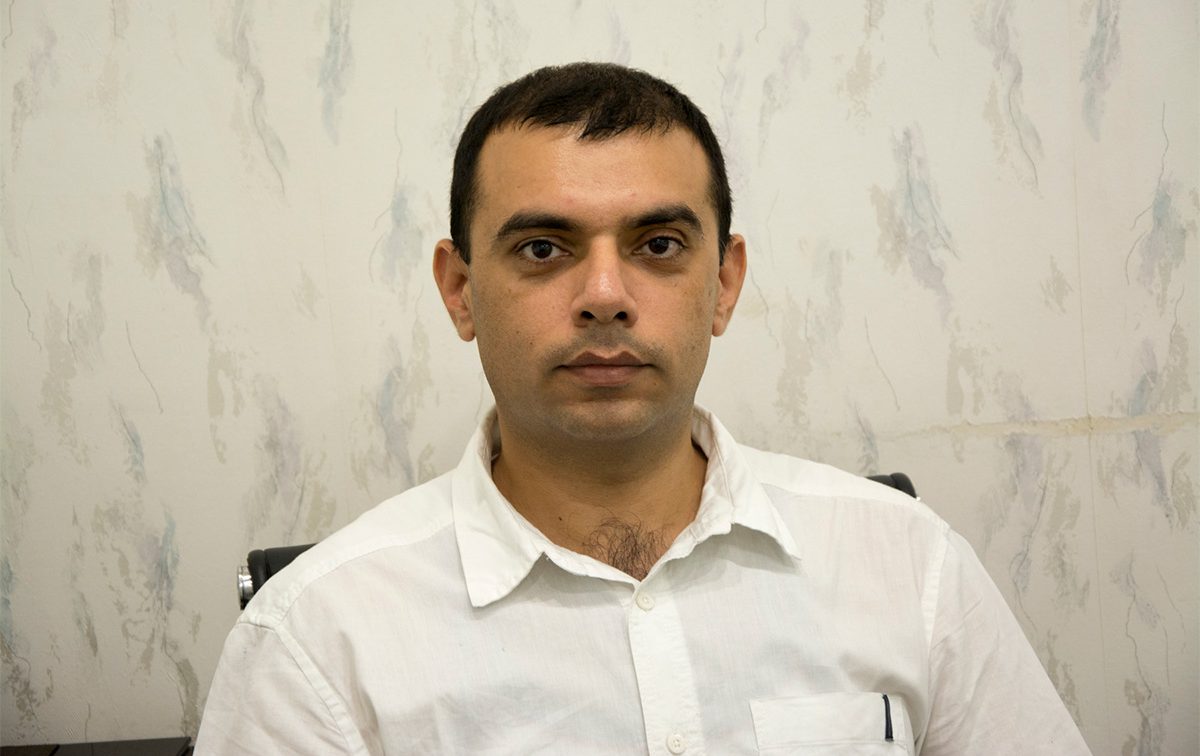
Dr. Manu Mengi is a best orthopedic doctor in Mohali, specializing in joint pain, arthritis, and sports injuries. With qualifications in orthopedics and advanced training in joint replacement, he provides effective care for bone and joint conditions, helping patients improve mobility and manage pain with the right treatment approach.