Tips for Preventing Sports-Related Injuries

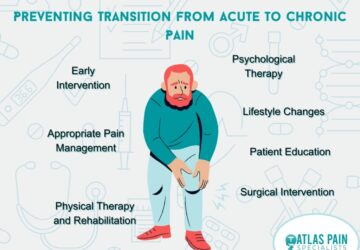
Sports injuries generally occur for two different reasons: trauma and overuse.  While traumatic sports injuries are usually obvious, dramatic scenes, like when we see a player fall down clutching their knee, overuse injuries are actually more common.

Traumatic Sports Injury

Overuse injuries often occur when the body is pushed past its current physical limits or level of conditioning — but poor technique and training errors, such as running excessive distances or performing inadequate warm-ups, frequently contribute. To help keep you or your young athlete from experiencing a sports-related injury following are the prevention tips:

1. Set realistic goals.

Setting goals and work hard to achieve them but it is crucial that our goals are realistic, achievable and sustainable. Whether your goal is to swim more laps, lift a certain amount of weight or run a specific distance, set an obtainable goal and gradually work to improve.

2. Plan and prepare.

If you plan to begin exercising regularly or want to begin a new program, take the time to learn the proper techniques required for your sport. Working with a coach or a knowledgeable group is often safe and enjoyable ways to start a new activity.

3. Warm up and cool down.

It is important to warm up before physical activity because research has shown that a heated muscle is less likely to be strained. To accomplish this some light walking or jogging before you start your exercise and then again afterward to help your muscles cool down slowly. Another important way to prevent injury is to increase your flexibility. Stretching before and after a workout can do this, but it is best to do so once the body is already warm.

4. Take your time.

Don’t push yourself too hard too fast. Getting in shape or learning a new sport takes time. We need to allow for adequate time to gradually increase training levels so that our bodies have time to adjust to the stresses on our bones, joints and muscles. For instance, when running, increase mileage gradually and give yourself plenty of time to recover between workouts. 

5. Listen to your body.

Adjust your activities if your body is showing signs of too much stress. While a mild and short-lived muscle ache is generally considered ‘good pain,’ pain in your joints is not normal and is a sign that you should cut back. Always listen to your body.
Proximal Fibular Osteotomy – A breakthrough procedure for treating knee pain.

Proximal fibular osteotomy (PFO) is a simple, innovative surgical procedure that’s fast becoming the go-to pain relief solution for knee osteoarthritis patients. It’s less invasive than other prevalent surgical procedures recommended for the same medical conditions, highly effective in treating knee pain and improving the patients’ quality of life, easy to perform and has a relatively short post-surgery recovery period. 

Who’s it meant for?

If you’re affected by medial compartment osteoarthritis and suffering from debilitating knee pain that’s affecting your ability to walk and engage in even basic physical activity, you might want to consult your doctor about Proximal fibular osteotomy. Total knee arthroplasty has been one of the most recommended treatments for osteoarthritis in elderly patients. For younger patients ailed by Varus knee deformity, High tibial osteotomy (HTO) and Unicondylar knee replacement (also known as partial knee replacement) have remained the physicians’ go-to solutions for long. These procedures, in addition to being rather invasive, require lengthy recovery periods, and pose restrictions on weight bearing and even on physical activity. In Proximal fibular osteotomy, you have a novel alternative to these popular surgical procedures, with proven success rate, minus the complications that can arise with the prevalent treatments.

What to expect from a Proximal Fibular Osteotomy?

Proximal fibular osteotomy is a cost-effective procedure requiring a shorter recovery span than other conventional surgeries. Patients can expect reduced knee pain within days of undergoing the procedure, and total pain relief in the following months. They can also look forward to becoming more active and self-sufficient than they’ve been in years, to a happier, pain free future. 

Contact Dr. Manu Mengi for further information.

Curing Pain with Platelet Rich Plasma

In the 21st century it’s all about growth factors, stem cells, and methods to repair and regenerate injured body parts. For these biologic therapies we use Platelet Rich Plasma – PRP which contain the body’s growth factors and stem cells. Platelet Rich Plasma (PRP) Therapy is a minimally invasive non-surgical treatment that relieves pain by promoting long lasting healing of musculoskeletal conditions.

The body’s natural reaction to an injury is to send platelets from the blood to damaged tissues to initiate healing. PRP treatment uses your own concentrated platelets and growth factors to stimulate and enhance the body’s own healing response to treat acute injury, inflammation or chronic degenerative disease.

How PRP Therapy Injections Are Done

The entire treatment, from blood draw, to solution preparation, to injection, takes 40-50 minutes. Before injections are given the skin and underlying tissue is first anesthetized to minimize the discomfort.

Step One: Blood Draw

First step in a PRP Therapy injection is to draw the patient’s blood to prepare the platelets.

Step Two: Spin To Separate PRP

The blood sample is then loaded into a centrifuge and is spun for a certain amount of time to separate the components, namely Red Blood Cells, Poor Platelet Plasma and Platelet Rich Plasma.

Step Three: Load the PRP and Inject

Once we have successfully separated the PRP (buffy coat), it can directly be loaded into a syringe for application onto the patient

Uses Of PRP Therapy

There are many applications where PRP Therapy can be very effective ranging from Pain Management to Healing Soft-tissue Injuries.  Ligament sprains and tears (Menisci, ACL, PCL, MCL, LCL), Patellar tendonitis and tendinosis, to Epicondylitis (Tennis and Golfer’s elbow), Achilles tendonitis and tendinosis, Acromioclavicular joint dysfunction and pain, Plantar fasciitis, OA of knee joint.

Since PRP is prepared from your own blood, there is no risk of rejection or disease transmission and virtually no risk of infection. This technique is Cost effective , Convenient as you don’t have to stay back at the hospital or clinic for recovery, Natural and 100% safe.

PRP injections are done in clinic and usually take about 40-50 minutes. Blood is drawn from the arm, and placed into a centrifuge, which separates the platelets and other beneficial growth factors. The platelet-rich plasma is then injected into the injured site. Patient has to wait in the clinic for another 10 – 15 minutes following which he/she can go home.