Sciatica affects anywhere from 1.2% to 43% of people worldwide, increasing the already substantial costs of back pain by an additional 67%. Although most people recover, up to 45% continue experiencing symptoms for a year or longer, making it crucial to find an effective treatment solution.
Your sciatic nerve pain might feel like a burning or tingling sensation running from your lower back down through your legs, significantly impacting your daily activities and quality of life. However, there’s hope through Physiotherapy in Mohali, which focuses on reducing pressure on the sciatic nerve while addressing muscle tension to restore mobility.
Research involving 2,699 participants has shown that physiotherapy interventions are more effective than minimal treatments for long-term pain reduction. This comprehensive guide explores how physiotherapy in Mohali can provide lasting relief for your sciatica symptoms through targeted exercises, manual therapy, and specialized treatment techniques.
Understanding Sciatica: Causes and Symptoms
The sciatic nerve stands as your body’s largest and thickest nerve, measuring up to 2 cm in diameter. This remarkable nerve bundle forms from five nerve roots (L4 through S2) that branch off your spinal cord and merge at your pelvis. From there, the nerve extends through your buttocks and travels down the back of each leg.
What is the Sciatic Nerve and How Does It Get Irritated?
Your sciatic nerve performs dual functions—controlling movement and sensation. When this nerve becomes pinched, irritated, or inflamed, you experience a condition known as sciatica. The most common triggers include herniated disks, bone spurs, or spinal stenosis. Additionally, conditions like piriformis syndrome, where a gluteal muscle compresses the nerve, can lead to sciatic nerve irritation.
Common Symptoms and Pain Patterns
Sciatica typically affects one side of your body. The pain often follows a distinct path from your lower back through your buttocks and down the back of your thigh and calf. Many people describe the sensation as:
- A sharp, burning pain that feels like an electric shock
- Tingling or “pins and needles” sensations
- Muscle weakness in the affected leg
- Numbness in specific areas of your leg or foot
The intensity of these symptoms can vary considerably, ranging from mild discomfort to severe, debilitating pain. Notably, the pain tends to worsen when you:
- Remain seated for extended periods
- Cough or sneeze forcefully
- Bend backwards or walk longer distances
- Strain during daily activities
Different Types of Sciatica and Their Origins
Medical experts categorize sciatica into two primary types. True sciatica occurs when conditions directly affect your sciatic nerve. Alternatively, sciatica-like conditions develop from issues affecting the nerve roots that form the sciatic nerve.
The most prevalent causes stem from spinal issues, particularly:
- Herniated or bulging disks
- Degenerative disk disease
- Spinal stenosis (narrowing of the spinal canal)
- Spondylolisthesis (vertebral slippage)
Non-spinal causes, though less common, include pregnancy-related pressure, direct trauma, or tumours. Furthermore, certain risk factors increase your chances of developing sciatica. People aged 20 to 50 face a higher risk of herniated disks. Moreover, occupations requiring heavy lifting, prolonged sitting, or frequent twisting movements can contribute to sciatic nerve compression.
When experiencing sciatic nerve pain, paying attention to specific warning signs becomes crucial. Seek immediate medical attention if you notice sudden numbness, significant muscle weakness, or changes in bladder or bowel control. These symptoms might indicate serious nerve damage requiring prompt intervention.
Why Physiotherapy Outperforms Other Sciatica Treatments
Physical therapy stands as a first-line treatment for sciatica, offering substantial benefits compared to other interventions. Understanding these advantages helps explain why physiotherapy in Mohali remains a preferred choice for lasting relief.
Comparing Physiotherapy to Medication Approaches
Physiotherapy provides a non-invasive approach that addresses the root cause of sciatic pain rather than merely masking symptoms. Unlike medication-based treatments that often include NSAIDs, muscle relaxants, or opioids, physiotherapy empowers you with self-care measures to manage symptoms independently.
Traditional medical therapies typically focus on pain reduction through:
- Oral NSAIDs and analgesics
- Muscle relaxants
- Anticonvulsants for nerve pain
- Corticosteroid injections
Nevertheless, physiotherapy in Mohali offers a more comprehensive solution by combining pain management with targeted exercises and manual therapy techniques that promote actual healing.
Physiotherapy vs. Surgical Interventions: The Evidence
Research comparing physiotherapy to surgical interventions reveals compelling findings. Studies indicate that surgery primarily benefits patients with severe neurological deficits or persistent symptoms lasting beyond six weeks. In most cases, physiotherapy presents a safer alternative with fewer risks.
A significant study demonstrated that early surgery provided more relief from leg pain within the first three months, yet these differences disappeared after one year. Subsequently, three out of five comparative studies showed that surgical benefits diminished during follow-up periods.
Cost analysis also favours physiotherapy, as surgical interventions require approximately $50,000 per quality-adjusted life year. Physiotherapy proves more cost-effective since it:
- Minimizes risks associated with invasive procedures
- Improves overall physical health through personalized exercises
- Reduces the likelihood of requiring future interventions
Long-Term Outcomes and Recurrence Rates
Recent research examining long-term effectiveness reveals that physiotherapy interventions outperform minimal treatments for pain management. Specifically, physiotherapy shows superior results when combined with:
- Manual therapy and joint mobilization
- Targeted exercise programs
- Postural correction techniques
Studies confirm that most sciatica cases resolve within 4-8 weeks with appropriate Physiotherapy Management in Mohali. Furthermore, physiotherapy rarely requires additional imaging or invasive interventions such as cortisone injections or surgery.
The key to preventing recurrence lies in maintaining an active approach. Physiotherapy equips you with specific techniques that reduce stress on your lower back. Regular participation in prescribed exercises and following through with home routines significantly decrease the likelihood of future flare-ups.
Commitment and frequency play crucial roles in treatment success. By consistently engaging in physiotherapy sessions at the Best Physio Clinic in Mohali and implementing learned techniques, you can achieve better outcomes than relying solely on passive treatments or waiting for surgical intervention.
Evidence-Based Physiotherapy Techniques for Sciatic Nerve Pain
Experienced Physiotherapists in Mohali combine multiple evidence-based techniques to provide lasting relief from sciatic nerve pain. These specialized approaches target the root cause of your discomfort through carefully selected interventions.
Manual Therapy and Joint Mobilization
Joint mobilization techniques effectively restore movement and reduce sciatic pain through controlled pressure application. Skilled Physiotherapists in Mohali apply quick, thrust forces at specific joint angles to promote pain relief and restore mobility. Manual therapy encompasses:
- Deep tissue massage targeting connective tissues
- Joint manipulation to enhance mobility
- Nerve mobilization techniques for symptom reduction
Research confirms that manual therapy stimulates blood vessels, promoting vasodilation and increasing circulation. Accordingly, this enhanced blood flow delivers essential nutrients while removing inflammatory substances from affected areas.
Targeted Exercises for Nerve Decompression
A qualified Physiotherapist in Mohali designs personalized exercise programs based on your specific symptoms and pain patterns. These targeted movements focus on:
- Deep pulling motions for decompression
- Nerve gliding exercises to facilitate movement
- Dynamic lumbar stabilization routines
Certainly, no single exercise works for everyone experiencing sciatic nerve pain. Instead, your Physiotherapist in Mohali helps identify positions that provide the most relief through careful assessment and monitoring. Generally, symptoms improve in 80-90% of cases with appropriate stretching support.
Electrotherapy and Ultrasonic Treatments
Modern Physiotherapy combines physical exercises with electrotherapy for optimal results. Electrotherapy treatments include:
- Transcutaneous Electrical Nerve Stimulation (TENS)
- Blocks pain signals from reaching the brain
- Helps release pain-blocking endorphins
- Reduces muscle spasms
- Ultrasound Therapy
- Penetrates up to 5 centimetres below the skin surface
- Creates gentle heat-enhancing circulation
- Promotes tissue healing through sound waves
Undoubtedly, ultrasound therapy accelerates peripheral nerve regeneration by modulating inflammation responses. Furthermore, research indicates that early ultrasound intervention, especially within the first week, promotes faster healing.
For maximum benefit, electrotherapy sessions typically last 30-45 minutes and can be performed up to 4 times daily. Primarily, these treatments work alongside manual therapy and exercises to:
- Decrease nerve inflammation
- Improve blood circulation
- Speed up tissue repair
- Reduce healing time
Through this comprehensive approach, physiotherapy addresses both immediate pain relief and long-term recovery. Essentially, the combination of manual therapy, targeted exercises, and electrotherapy creates a powerful treatment protocol for managing sciatic nerve pain effectively.
Addressing Different Causes of Sciatica Through Physiotherapy
Different underlying conditions require tailored Physiotherapy Approaches in Mohali for optimal sciatica relief. Understanding these distinct treatment strategies helps ensure successful outcomes based on your specific diagnosis.
Disk-Related Sciatica Treatment Approaches
Herniated disks rank as the most frequent cause of sciatica, primarily affecting people aged 20-50. For disk-related issues, physiotherapy focuses on reducing pressure on affected nerve roots through specialized techniques:
McKenzie Method: This approach moves pain from your leg toward your spine’s centre through controlled exercises. As symptoms centralize, your Physiotherapist in Mohali introduces strengthening routines targeting your:
- Lower back muscles
- Abdominal core
- Supporting muscle groups
Water therapy offers an excellent alternative whenever land-based exercises prove too painful. The natural buoyancy supports your body weight, minimizing discomfort as you strengthen crucial muscle groups.
Piriformis Syndrome and Muscle-Related Interventions
Piriformis syndrome develops through muscle spasms or inflammation affecting your sciatic nerve. Research indicates most patients experience complete symptom relief within 1-3 weeks of starting targeted physiotherapy.
Your treatment plan typically includes:
- Manual Release Techniques
- Deep tissue mobilization
- Trigger point therapy
- Myofascial release
- Specialized Stretching
Stretching enhances flexibility, prevents injury, and reduces muscular discomfort. Your Physiotherapist in Mohali might incorporate various approaches including:- Supine piriformis stretchesCross-body techniques
- Four-point positions
Cold therapy helps reduce inflammation initially, whereas heat application improves blood circulation before exercise sessions. Furthermore, ultrasound-guided injection techniques serve both diagnostic and therapeutic purposes.
Spinal Stenosis Management Techniques
Spinal stenosis occurs naturally with aging, causing narrowing within vertebrae that puts pressure on nerve roots. Physiotherapy achieves better results than surgery in all but the most extreme cases.
Your Physiotherapist in Mohali – Dr Aayushi designs a specialized program incorporating:
Flexibility Training: Because lumbar extension typically decreases spinal canal space by 67% in stenotic patients, your treatment emphasizes flexion-based movements. This approach temporarily increases the space around compressed nerves.
Core Strengthening: Strong trunk muscles provide essential spinal support. Your program progressively builds strength through:
- Gentle movements reduce nerve pressure
- Range-of-motion exercises
- Aerobic activities like swimming or walking
Manual Therapy: Hands-on techniques include joint mobilization and distraction methods for your spine, sacroiliac joint, and hip. These approaches effectively decrease pressure on affected nerves while improving overall mobility.
Patient education remains fundamental throughout treatment. Dr. Aayushi – Best Physiotherapist in Mohali guides you through proper posture maintenance and activity modifications to prevent symptom aggravation. Regular exercise strengthens supporting muscles, maintains joint flexibility, and helps manage healthy body weight.
Preventing Sciatica Recurrence with Physiotherapy
Long-term success in managing sciatica depends on maintaining proper physical conditioning and adopting preventive strategies. Research shows that regular physical activity proves crucial for spinal health, with core-strengthening exercises supporting your lower back and reducing strain on your sciatic nerve.
Core Strengthening Exercises for Spinal Support
Most customized exercise programs at the best physio clinic in Mohali focus on strengthening your core muscle group—including abdominal, back, and pelvic muscles—to provide enhanced spinal support. Through consistent engagement in these targeted exercises, you can:
- Recover faster from flare-ups
- Minimize future episodes of pain
- Maintain optimal spinal stability
Planks and bridges effectively target core muscles, offering substantial support to your spine. For optimal results, perform strengthening exercises three to four times weekly, yet always follow guidance from your Physiotherapist in Mohali as frequency depends on your specific symptoms and diagnosis.
Postural Correction and Ergonomic Training
Your posture throughout daily activities profoundly affects sciatica recurrence risk. Maintaining proper alignment requires consistent awareness and practice. Consider these evidence-based recommendations:
Workplace Ergonomics:
- Distribute weight evenly while sitting
- Use ergonomic furniture supporting lower back
- Take frequent breaks from prolonged sitting
- Position computer monitors at eye level
Sleep Posture Optimization: For spine-healthy sleep, aim for seven to nine hours nightly. Consider using:
- A two-piece wedge cushion for back sleeping
- Contoured pillows between knees for side sleeping
- Mattresses maintaining proper spine alignment
Lifestyle Modifications for Long-Term Relief
Preventing sciatica recurrence requires comprehensive lifestyle adjustments. Physical activity remains crucial yet avoid overdoing it. Regular movement helps by:
- Relieving inflammation
- Loosening tight muscles
- Promoting better circulation
Activity Modifications:
- Practice proper lifting techniques
- Bend at knees, not waist
- Lead with hips
- Maintain supported posture
- Apply heat therapy
- Before exercise
- After waking up
- To improve spinal flexibility
- Implement cooling strategies
- Use ice packs post-activity
- Reduce muscle soreness
- Manage inflammation
Regular checkups with your Physiotherapist in Mohali remain vital for early detection and prevention of recurring pain. Through these visits, you receive personalized treatment plans tailored to your specific needs, ensuring optimal outcomes in managing sciatica symptoms.
Remember that symptom-guided exercise proves most effective. Start gradually and adjust intensity based on your body’s response. Most importantly, maintain consistency with your prescribed routines, as commitment and frequency directly influence treatment success.
Conclusion
Physiotherapy in Mohali stands as your most effective path toward lasting sciatica relief, backed by substantial research and proven outcomes. Through targeted exercises, manual therapy, and specialized techniques, you gain both immediate pain relief and long-term recovery benefits.
Scientific evidence clearly shows Physiotherapy outperforms medication-only approaches while offering safer alternatives to surgery. Your customized treatment plan addresses the root cause of sciatic pain rather than merely masking symptoms. Additionally, proper physiotherapy equips you with essential tools for preventing future flare-ups through core strengthening, posture correction, and lifestyle adjustments.
Remember that successful sciatica management requires consistency and dedication to your prescribed routines. While most patients experience significant improvement within 4-8 weeks, maintaining the exercises and techniques learned during physiotherapy sessions at the Best Physio Clinic in Mohali helps ensure lasting relief. Armed with these evidence-based strategies and professional guidance, you can effectively manage sciatic nerve pain and return to your daily activities with confidence.
FAQs
Q1. How does physiotherapy help alleviate sciatica pain?
A1. Physiotherapy helps reduce pressure on the sciatic nerve through targeted exercises, manual therapy, and specialized techniques. It focuses on strengthening core muscles, improving flexibility, and addressing the root cause of pain rather than just masking symptoms.
Q2. Is physiotherapy more effective than medication or surgery for sciatica?
A2. Yes, physiotherapy often outperforms medication-only approaches and offers a safer alternative to surgery for most sciatica cases. It provides both immediate pain relief and long-term recovery benefits without the risks associated with invasive procedures.
Q3. How long does it typically take to see improvement with physiotherapy for sciatica?
A3. Most patients experience significant improvement within 4-8 weeks of consistent Physiotherapy Treatment in Mohali. However, individual results may vary depending on the severity of the condition and adherence to prescribed exercises and techniques.
Q4. What types of exercises are most beneficial for managing sciatica?
A4. Core strengthening exercises, such as planks and bridges, are highly effective for providing spinal support. Additionally, flexibility training and nerve gliding exercises can help decompress the sciatic nerve and reduce pain. Your Physiotherapist in Mohali will design a personalized exercise program based on your specific condition.
Q5. How can I prevent sciatica recurrence after physiotherapy treatment?
A5. To prevent recurrence, maintain a consistent exercise routine focusing on core strength, practice good posture, and make ergonomic adjustments in your daily activities. Regular check-ups with your Physiotherapist in Mohali, staying active, and implementing proper body mechanics during lifting and other activities are also crucial for long-term relief.
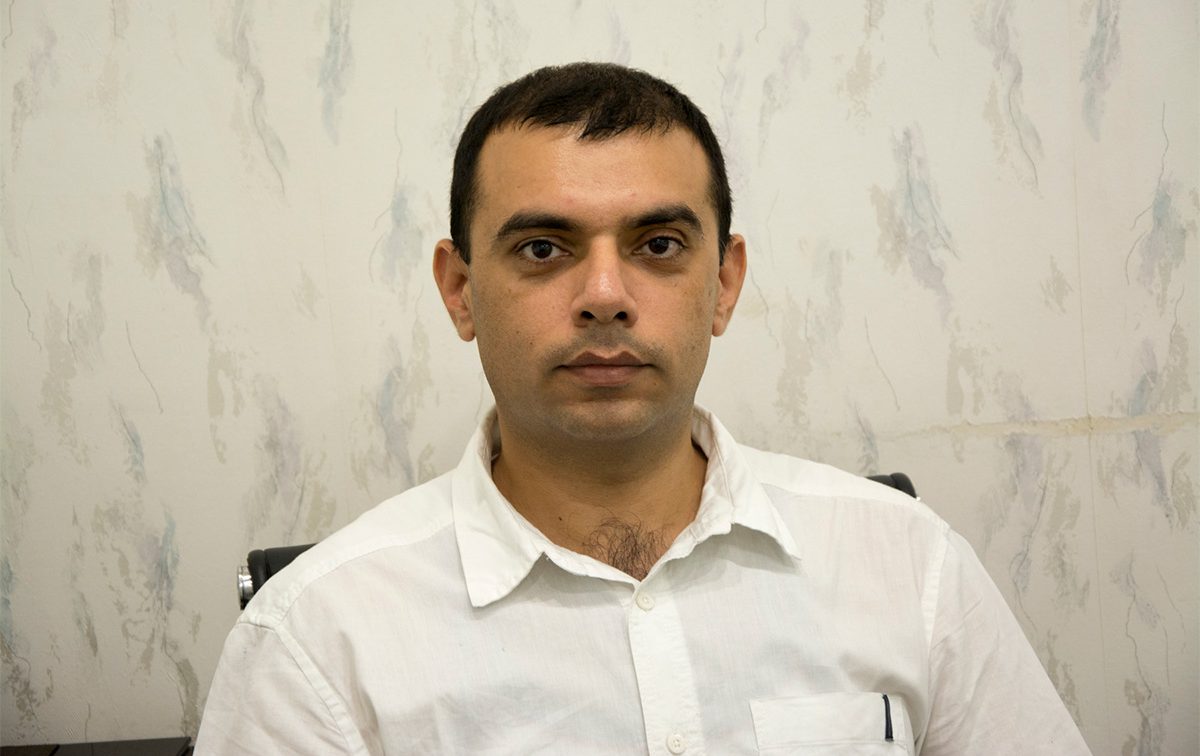
Dr. Manu Mengi is a best orthopedic doctor in Mohali, specializing in joint pain, arthritis, and sports injuries. With qualifications in orthopedics and advanced training in joint replacement, he provides effective care for bone and joint conditions, helping patients improve mobility and manage pain with the right treatment approach.