Prevent Sports Injuries Like a Pro: Expert Guide from an Orthopedic Surgeon

Participating in running, gym, and sports activities with intensity and passion can potentially lead to injuries affecting your bones, joints, ligaments, and muscles. Whether you’re an avid athlete or weekend warrior, sports injuries don’t typically arrive without warning—they build quietly over time.

Surprisingly, many common orthopedic injuries like sprains, strains, fractures, dislocations, and tendonitis can be prevented with proper preparation. In fact, certain chronic conditions such as tennis elbow, runner’s knee, and plantar fasciitis often result from overuse and can trouble athletes long-term. Building strong muscles, particularly around joints, helps prevent injuries like sprains and strains, while proper warm-ups increase blood flow, loosen muscles, and reduce stiffness. Although not all accidents can be avoided, you can significantly lower your risk by taking several simple preventative actions.

Understanding Sports Injuries: Acute vs Chronic

Sports injuries fall into two distinct categories that differ in how they occur, present symptoms, and respond to treatment. Understanding these differences is crucial for proper management and recovery.

What are acute injuries?

Acute injuries happen suddenly during physical activity, typically resulting from a single traumatic event. These injuries occur when the force exerted exceeds what your tissues can withstand at a particular moment. Unlike gradual-onset problems, acute injuries manifest immediately with noticeable symptoms.

When you experience an acute injury, you’ll likely know exactly when it happened – perhaps during a fall, collision, or sudden movement change. Common examples include:

  • Sprains and ligament tears
  • Bone fractures and dislocations
  • Muscle strains and tears
  • Rotator cuff tears

The symptoms appear rapidly and are hard to ignore. You’ll typically experience sharp, immediate pain, noticeable swelling or bruising, and difficulty moving the injured area normally. The hallmark physical examination finding is often focal bony tenderness.

What are chronic or overuse injuries?

Conversely, chronic injuries develop gradually over time through repeated stress on tissues without adequate recovery. These overuse injuries occur when the repetitive microtrauma exceeds your body’s ability to repair itself between activity sessions.

During early stages of overuse injuries, you might experience little or no pain, potentially continuing to stress the injured area unknowingly. As the condition progresses, you’ll notice:

  • Persistent, aching pain that worsens with specific activities
  • Stiffness or soreness, especially after exercise
  • Intermittent swelling
  • Gradually decreasing performance

Common overuse injuries include tendinopathies (like tennis elbow), stress fractures, shin splints, and runner’s knee. Athletes who train 20-35 hours weekly are especially vulnerable, with approximately two-thirds sustaining performance-limiting overuse injuries over a one-year period.

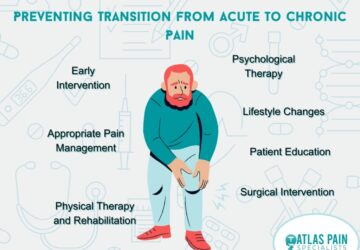
Why classification matters for treatment

The distinction between acute and chronic injuries directly impacts treatment approaches and recovery timelines. For acute injuries, treatment typically follows the RICE protocol (Rest, Ice, Compression, Elevation) immediately after injury to reduce swelling and tissue damage.

Additionally, acute injuries often require a waiting period before rehabilitation can begin. For instance, if you break a bone, it must be set, placed in a cast, and fully healed before strengthening exercises can commence.

Chronic injuries, however, require different management strategies. Since these injuries often result from technique problems or training errors, identifying and correcting the underlying causes becomes essential for recovery. If you don’t address these fundamental issues through physical therapy and proper technique training, the injury may never fully heal.

Furthermore, untreated chronic conditions can worsen over time and sometimes predispose you to acute injuries. For example, ongoing tendon degeneration might set the stage for a sudden complete tear during activity.

Understanding which type of injury you’re dealing with helps determine appropriate recovery expectations. While many acute injuries heal completely with proper care, chronic injuries often require longer-term management strategies and sometimes permanent modifications to training routines.

Essential Warm-Up and Cool-Down Techniques

Proper warm-up and cool-down routines serve as your first line of defense against both acute and chronic sports injuries. These essential preparation and recovery techniques can make the difference between a successful training regimen and weeks spent recovering from preventable injuries.

Dynamic warm-up exercises before activity

Exercise sessions should begin with a warm-up, move to the main workout, and conclude with a cool-down phase. Dynamic warm-ups involve using muscle force and body momentum to take joints through their full available range of motion, preparing your body specifically for upcoming workout demands.

Unlike old-school static stretching before exercise, dynamic movements gradually prepare your body by:

  • Increasing blood flow to working muscles
  • Elevating heart rate and core temperature
  • Stimulating your nervous system for better performance
  • Improving joint mobility and range of motion

Effective dynamic warm-ups typically last 10-30 minutes and should progress from simpler to more explosive movements. Start with low-intensity exercises and gradually build intensity. A properly executed dynamic warm-up should leave you with an elevated heart rate, increased breathing, and light perspiration.

Consider incorporating these effective movements into your routine:

  • Arm circles and leg swings
  • Knee hugs and inchworms
  • Prisoner squats and lunges with rotation
  • Lateral band walks and crawling variations

Research indicates that dynamic stretching has consistently been shown to improve subsequent performance, whereas pre-exercise static stretching can actually reduce force production, power output, running speed, and reaction time.

Static stretching after workouts

Reserve static stretching for after your workout when your muscles are thoroughly warmed up. This type of stretching involves holding positions without movement for periods of time, allowing muscles to lengthen and relax.

According to the American College of Sports Medicine’s guidelines, each major muscle group should be stretched two to three times weekly, holding each static stretch for 10-30 seconds. The main goals of post-exercise stretching are to enhance range of motion and potentially reduce stiffness.

When performing static stretches, maintain proper technique. Don’t stretch beyond what’s comfortable—mild tension is normal, but pain is not. Remember to breathe deeply while stretching as this helps relieve tension and may help you maintain stretches longer.

Beyond flexibility improvements, post-exercise static stretching offers several benefits. It helps muscles recover faster after workouts, potentially leading to less pain and stiffness. Moreover, it serves as an excellent way to release stress and tension, promoting overall relaxation.

How warm-ups reduce injury risk

A well-designed warm-up can significantly decrease your injury risk through multiple physiological mechanisms. Consequently, understanding these processes helps explain why this preparation phase is non-negotiable.

First, warm-ups gradually increase muscle temperature, blood circulation, and heart rate. This primes your muscles, heart, and joints for upcoming activity rather than shocking them with sudden intensity. Enhanced blood flow acts like a delivery system, bringing oxygen and nutrients directly to muscle fibers while improving their elasticity.

Physiologically, warming up increases blood flow, muscle temperature, and core temperature, which disrupts temporary connective tissue bonds. These effects produce several performance advantages: faster muscle contraction and relaxation, improved rate of force development, better reaction time, and enhanced muscle strength and power.

The evidence supports warm-up effectiveness. A systematic review found that three out of five high-quality studies concluded that warming up prior to performance significantly reduced injury risk. Therefore, despite some mixed research results, the weight of evidence favors decreased injury risk with proper warm-up protocols.

Ultimately, both dynamic warm-ups and static cool-downs work together to create a comprehensive injury prevention approach. By properly preparing your body before activity and helping it recover afterward, you create the optimal conditions for both performance and safety.

Strength, Flexibility, and Conditioning for Injury Prevention

Building a resilient body requires more than just enthusiasm—it demands strategic strength training and flexibility work. A well-designed conditioning program acts as your body’s armor against potential injuries during physical activities.

Importance of core and joint stability

Core stability serves as the foundation for all athletic movements. Your core muscles create a protective 360-degree cylinder of stiffness around your spine during activities, enabling optimal force transfer from lower to upper body. Indeed, these muscles function as more than just abdominals—they include your entire midsection and surrounding muscle groups that work together during rapid position changes.

Research demonstrates that a “smart core” outperforms a merely strong one. This means having control over your core muscles matters more than absolute abdominal strength. When these stabilizing muscles operate in harmony, they protect your spine from excessive loads while supporting efficient movement patterns.

Joint stability equally contributes to injury prevention. Strong muscles properly support joints, reducing strain on ligaments and tendons. Additionally, strength training promotes growth in connective tissues, making them more resilient to stress. This becomes particularly important for competitive athletes, as screening for muscle imbalances helps identify injury predispositions.

Post-injury strengthening exercises

Following an injury, a structured rehabilitation program becomes essential. Generally, this should continue for 4-6 weeks under medical supervision, subsequently transitioning into a maintenance program for lifelong joint protection.

Initially, focus on restoring basic functions—like fully straightening a leg after knee surgery. Exercises like quadriceps sets become foundational, gradually building toward more complex movements. Throughout rehabilitation, remember that discomfort differs from pain; the latter signals you should consult your healthcare provider.

Flexibility routines for gym and sports

Flexibility training constitutes an integral component of injury prevention. Studies indicate that proper stretching before and after activities helps prepare muscles for exercise and reduces post-workout stiffness.

For maximum effectiveness, incorporate:

  • Dynamic stretching before workouts (lunges, leg swings, arm circles)
  • Static stretching after exercise when muscles are thoroughly warmed
  • Sport-specific flexibility work tailored to your activity’s demands

Remember that stretching should never cause pain—aim for mild tension without bouncing. Furthermore, hold each static stretch for 15-60 seconds after workouts to enhance recovery and mobility.

Preventing lower back pain during gym workouts

Lower back pain frequently plagues recreational athletes, often stemming from muscle overuse or improper technique. Common triggers include form mistakes during squats and deadlifts, plus pushing beyond fatigue when your body signals to stop.

To safeguard your lower back, focus on strengthening core muscles that distribute weight properly across your torso. Exercises like planks, bird dogs, and hip extensions create a stable foundation that removes pressure from bones and ligaments.

Most importantly, listen to your body. Fatigue leads to form breakdown, hence increasing injury risk. When returning after a back injury, reintroduce activities gradually, starting at a slow pace before advancing intensity.

Gear and Technique: The Overlooked Protectors

Beyond conditioning and warm-ups lies another critical layer of injury prevention: your gear and technique. These often-overlooked elements can make the difference between staying active and suffering unwanted downtime.

Choosing the right running shoes and gym gear

Your shoes often act as the primary source of running injuries when they don’t match your specific needs. The right footwear provides essential protection that enables strong, injury-free distances. With each foot strike, your body experiences stress three times greater than its normal value, making advanced cushioning crucial for decreasing joint strain.

Different foot arch types require specific shoe designs:

  • Flat feet benefit from stability shoes that limit unwanted foot movements
  • Neutral arches need cushioned shoes for proper support
  • High arches require flexible shoes with extra cushioning

For gym attire, look beyond style. Quality workout clothing contributes significantly to injury prevention by offering protection and support to joints and muscles. Key features to prioritize include moisture-wicking fabric, compression padding, and stretchable materials that support full range of motion.

Proper form to avoid squat knee pain and rotator cuff injury

Knee pain during squats often stems from improper form. For pain-free squats, ensure your knees track over your feet with hips in an abducted position—this utilizes more muscle mass and places less stress on the knee joint. Additionally, consider adopting a wider stance with toes turned out 20-30° to make squats more hip-dominant.

For those experiencing persistent knee pain, temporarily switching from high-bar to low-bar squats can help. The low-bar position creates less forward knee migration and increases posterior chain recruitment.

To protect your rotator cuff, maintain good posture in the shoulder blades. About 10% of people in their 50s and half of those over 70 experience rotator cuff tears. Alongside proper technique, avoid repeated overhead arm positions, sleeping on your side with arms stretched overhead, and carrying heavy objects at your side.

When to stop exercise due to pain

Understanding when to push through discomfort versus when to stop is essential. Watch for pain that:

  • Begins after a specific movement
  • Comes with swelling or bruising
  • Significantly limits your range of motion
  • Lingers beyond three days
  • Keeps recurring

Remember that muscle soreness differs from injury pain. While some discomfort during recovery is normal, true pain signals potential damage. Sometimes the discomfort indicates you’re increasing training volume too quickly—a common trigger for overuse injuries.

Above all, listen to your body. If something feels truly painful or uncomfortable beyond typical soreness, have it professionally evaluated rather than pushing through it.

Recovery, Rehab, and When to See an Orthopedic Doctor

After injury strikes, quick response and appropriate treatment become vital for optimal healing. Knowing when to self-treat versus seeking professional help often determines your recovery outcome.

RICE method for acute injuries

The RICE protocol—Rest, Ice, Compression, and Elevation—remains a first-line treatment for immediate injury management. This approach helps control swelling, bleeding, and pain in the first 24-48 hours following injury. Notably, recent research suggests limiting ice application to the initial eight hours to avoid interfering with natural healing processes. Complete rest is likewise being reconsidered, as early controlled movement may benefit recovery better than total immobilization.

MRI for sports injury: when is it needed?

Consider seeking advanced imaging when experiencing:

  • Persistent pain lasting beyond expected recovery time
  • Severe swelling restricting movement
  • Joint instability or “giving way” sensations
  • Sharp pain during weight-bearing activities
  • A popping sound at injury onset
  • Limited range of motion

MRIs excel at visualizing soft tissue damage that other tests might miss, providing detailed images of ligaments, tendons, and muscles. Most doctors recommend MRI if symptoms persist beyond one to two weeks after injury.

Physiotherapy for sports injuries

Sports physiotherapists offer much more than injury treatment. Their comprehensive role includes providing maintenance of musculoskeletal systems, developing injury prevention strategies, and assisting with recovery. Through individualized programs, physiotherapy helps reduce pain, restore range of motion, strengthen muscles, and improve balance.

Surgical vs conservative treatment options

Treatment choice depends on injury type and severity. Conservative approaches like RICE, physical therapy, and medication typically carry fewer risks and enable faster return to daily activities. Meanwhile, surgical intervention might be necessary for structural injuries that conservative treatment cannot address.

Research on Achilles tendon ruptures found surgery reduced re-rupture rates by 3.52% and increased return-to-sport rates by 14.44% compared to conservative treatment. However, conservative approaches reduced nerve injury rates by 3.33% and infection rates by 0.53%.

How long does sports injury recovery take?

Recovery timelines vary significantly:

  • Minor sprains and strains: 1-2 weeks with proper care
  • Severe sprains/strains: Up to 3 months
  • Partial ACL tears: Approximately 3 months
  • Complete ACL tears requiring surgery: 6-12 months
  • Minor fractures (e.g., finger): 3-4 weeks
  • Severe arm fractures: 3-6 months

Always listen to your body—returning to activity too soon often leads to reinjury or chronic problems.

Conclusion

Sports injuries might seem inevitable for active individuals, yet understanding prevention strategies makes all the difference between training consistently and sitting on the sidelines. Throughout this guide, you’ve learned how distinguishing between acute and chronic injuries helps determine appropriate treatment approaches. Additionally, proper warm-up and cool-down routines serve as your first line of defense, preparing your body for activity and aiding recovery afterward.

Strength training and flexibility work undoubtedly create resilience against common injuries. Your core stability particularly acts as a foundation for all athletic movements, while proper joint support prevents unnecessary strain. Equally important, appropriate gear and technique protect you during activities – from choosing the right shoes for your foot type to maintaining correct form during exercises like squats.

Despite taking precautions, injuries sometimes occur. Therefore, knowing when to apply self-treatment methods like RICE versus when to seek professional help becomes essential for optimal healing. Listen to your body – pain that persists, causes swelling, or significantly limits movement typically warrants medical attention.

Remember that prevention always outweighs treatment. While not every injury can be avoided, these evidence-based strategies significantly reduce your risk. After all, staying active consistently brings far greater benefits than pushing through pain and suffering extended downtime. Apply these protective measures consistently, and you’ll enjoy your athletic pursuits with greater confidence and fewer interruptions.

Key Takeaways

Master these evidence-based injury prevention strategies to stay active and avoid costly downtime from preventable sports injuries.

• Dynamic warm-ups before, static stretching after: Use movement-based exercises pre-workout to prepare muscles; save static holds for post-exercise recovery when muscles are warm.

• Build core stability over raw strength: A controlled, coordinated core protects your spine better than just strong abs—focus on 360-degree stability for optimal force transfer.

• Listen to your body’s pain signals: Muscle soreness differs from injury pain—stop exercising if you experience sharp pain, swelling, or movement limitations lasting beyond 3 days.

• Proper gear and form prevent most injuries: Choose sport-specific footwear for your arch type and maintain correct technique, especially during compound movements like squats and overhead exercises.

• Address chronic issues before they become acute: Overuse injuries develop gradually—early intervention through technique correction and proper recovery prevents minor problems from becoming major setbacks.

The key to long-term athletic success isn’t pushing through pain, but creating sustainable training habits that prioritize injury prevention alongside performance goals.

FAQs

Q1. How can I effectively warm up before exercising to prevent injuries?

Perform dynamic warm-up exercises for 10-30 minutes before your workout. Start with low-intensity movements like arm circles and leg swings, then progress to more intense exercises like lunges with rotation. This increases blood flow, elevates heart rate, and prepares your body for the upcoming activity.

Q2. What’s the difference between acute and chronic sports injuries?

Acute injuries occur suddenly during physical activity, like sprains or fractures, with immediate symptoms. Chronic injuries develop gradually over time due to repetitive stress, such as tendinitis or stress fractures, and may have subtle symptoms that worsen progressively.

Q3. When should I see a doctor for a sports-related injury?

Consult a doctor if you experience persistent pain lasting beyond expected recovery time, severe swelling restricting movement, joint instability, sharp pain during weight-bearing activities, or limited range of motion. If symptoms persist for more than 1-2 weeks, an MRI might be recommended.

Q4. How long does it typically take to recover from sports injuries?

Recovery times vary depending on the injury. Minor sprains may heal in 1-2 weeks, while severe sprains can take up to 3 months. Partial ACL tears may require about 3 months, while complete tears needing surgery can take 6-12 months. Always follow your healthcare provider’s guidance for safe return to activity.

Q5. What’s the best way to prevent lower back pain during gym workouts?

Focus on strengthening core muscles to distribute weight properly across your torso. Incorporate exercises like planks, bird dogs, and hip extensions. Maintain proper form during exercises, especially squats and deadlifts. Listen to your body and avoid pushing through fatigue, as this can lead to form breakdown and increased injury risk.

The Hidden Truth: How Obesity Affects Your Orthopedic Health

Obesity poses a major threat to orthopedic health worldwide. By 2030, half of all Americans will likely be obese. The situation is already serious, with one-third of North Americans dealing with obesity that puts their joints and bones at risk.

Your knee joints face tremendous strain from excess weight. Every extra kilogram adds four to six kilogram of pressure on your knees. Someone carrying 25 extra kgs puts an additional 100 to 150 kgs of pressure on their knees with each step. This explains why obese people need knee replacement surgery 20 times more often than those at healthy weights.

This piece examines the vital link between obesity and orthopedic health. It shows how extra weight affects your joints, spine, and overall musculoskeletal system. A modest 6 -8 kgs weight loss can slow down knee osteoarthritis progression by 50%. You’ll also learn about specific challenges that obesity creates for orthopedic treatments and surgeries.

The Biomechanical Impact of Obesity on Your Skeletal System

Body weight affects how your skeletal system works by a lot. Extra weight creates unique challenges for your joints and bones that can affect your overall orthopedic health.

Understanding load distribution in weight-bearing joints

Extra weight puts substantial pressure on your joints. A single pound of body weight adds four to six pounds of pressure on your knee joints. This extra force changes how your joints handle daily movements. Your chances of needing a knee replacement become 20 times higher than people who maintain a healthy weight.

Obesity changes the mechanical stress patterns in your joints. Research shows that it alters knee joint reactions and increases muscle activations during walking. Your joints must work harder to stay stable, especially during the first and second peak loading moments of each step.

Impact on spine alignment and posture

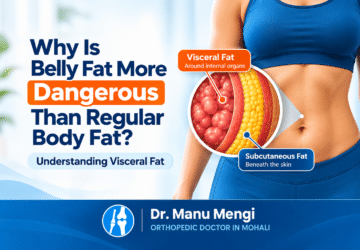
Extra weight drastically changes your spine’s natural alignment. Carrying additional weight around your abdomen causes:

  • Forward displacement of your center of gravity
  • Increased lumbar lordosis (curve in lower back)
  • Greater stress on spinal structures

Your body adjusts its posture to compensate for these changes. Research reveals that obesity creates higher thoracic kyphosis (upper back curve) and limits spinal mobility. These postural changes often result in chronic back pain and reduced physical function.

Effects on joint cartilage and bone density

Obesity and bone density share a complex relationship. Extra weight can stimulate bone formation through mechanical loading. However, too much loading might harm your bones. Your joint cartilage faces special challenges because obesity increases contact stress in hip joints.

The effects go beyond mechanical stress. Your body’s inflammatory responses to obesity can change bone metabolism. Research indicates that obesity might increase bone mass at first. Yet over time, it can reduce bone quality. This intricate relationship between weight and bone health shows why healthy weight maintenance matters for long-term orthopedic health.

How Obesity Triggers Orthopedic Complications

Obesity causes complex biological changes in your body beyond just mechanical stress. These changes trigger a series of effects that can harm your bone and joint health in many ways.

Metabolic changes affecting bone health

Obesity alters your body’s metabolic processes substantially. Studies show that it creates a lasting, mild inflammatory condition that changes how your bones grow and repair themselves. Your fat tissue plays an active role in many disease processes and affects your insulin sensitivity and blood pressure.

Inflammatory responses in joints

Your joints face unique challenges from obesity-related inflammation. Studies show that people with obesity have higher levels of inflammatory markers that directly affect joint health:

  • Higher levels of TNF-α and IL-6 in adipose tissue
  • Increased C-reactive protein levels
  • Elevated inflammatory cytokines

These changes cause your joints to become more inflamed. Research shows that 34% of people with obesity develop osteoarthritis, while 22% experience low back pain.

Impact on muscle strength and function

Obesity changes how your muscles work. Research proves that it affects your skeletal muscle’s ability to contract, which reduces mobility. This creates a difficult cycle where limited movement leads to more weight gain.

The effects on your muscle quality raise serious concerns. Research shows that obesity causes:

  • Less muscle strength compared to body mass
  • Disrupted muscle activation patterns
  • Limited ability to perform daily tasks

Your muscle strength and obesity share a complex relationship. Research shows that 92% of middle-aged and older adults with obesity have poor muscle quality. This muscle function decline affects your daily life and makes you more likely to develop orthopedic problems.

Common Orthopedic Conditions in Obese Individuals

Extra weight can put you at risk of several orthopedic conditions that affect your daily life. Let’s look at specific problems you might face and how they affect your everyday activities.

Joint-specific problems and manifestations

Extra weight creates substantial challenges for your joints. Research shows you’re 8.5 times more likely to need knee replacement surgery if you have obesity compared to people with normal weight. This risk jumps to 18.7 times with higher BMI levels and reaches 32.7 times if you have severe obesity.

You might experience these common joint-related conditions:

  • Osteoarthritis in weight-bearing joints
  • Increased risk of joint space narrowing
  • Higher chances of component loosening in joint replacements
  • Greater possibility of hardware failure

Spine-related issues and complications

Obesity creates unique challenges for your spine’s health. Studies show that it contributes to disk degeneration and raises your risk of developing operative spine pathology. The research has found:

  • A 60% higher chance of cervical spine degeneration
  • 212% increased risk of thoracic spine problems
  • 156% greater likelihood of lumbar spine issues

Soft tissue disorders and injuries

Extra weight affects your body’s soft tissues through increased stress and inflammatory responses. Studies show you have a higher risk of developing various soft tissue conditions. These include:

  • Rotator cuff tendonitis and shoulder impingement
  • Plantar fasciitis and Achilles tendonitis
  • Posterior tibial tendon dysfunction
  • Carpal tunnel syndrome

You also face a higher risk of skin and soft tissue infections. Research shows you’re 1.76 times more likely to develop surgical site infections if you have obesity. Weight management plays a vital role in preventing these complications and protecting your orthopedic health.

Surgical Considerations and Risks

Extra weight creates unique challenges in orthopedic surgery preparation. A clear picture of risks and challenges at each stage of your surgical trip helps you make better decisions about your treatment.

Pre-operative challenges in obese patients

Your medical team must assess several critical factors before surgery. Studies show that patients with a body mass index (BMI) above 40 face higher risks of serious complications during and after surgery. Your pre-operative assessment looks at:

  • Cardiovascular health evaluation
  • Respiratory function testing
  • Sleep apnea screening
  • Diabetes management
  • Nutritional status assessment

Sleep apnea affects between 40% and 90% of obese individuals, so your surgical team needs extra precautions with anesthesia management.

Complications during orthopedic surgery

Extra body weight makes the technical aspects of surgery more challenging. Research shows obesity leads to longer operative times because of:

  • Complex surgical exposure
  • Increased anesthesia requirements
  • Technical difficulties in accessing surgical sites
  • Extended fluoroscopy time requirements

Modern surgical techniques have improved, but obesity still increases surgical site infection risk by 1.76 times. Your surgical team will use specific protocols to minimize these risks.

Post-operative recovery challenges

Recovery after surgery needs special attention. Studies show obese patients often face:

  • Longer hospital stays than non-obese patients
  • Higher chances of needing rehabilitation center care
  • Increased risk of wound healing complications

Higher BMI levels increase post-operative complication risks. To cite an instance, research shows morbidly obese patients have higher risks of readmission, reoperation, and superficial infection. These statistics should motivate you to work with your healthcare team to optimize your pre-operative condition.

Your surgical team might suggest specific measures to boost your recovery:

  • Early mobilization protocols
  • Specialized wound care management
  • Customized pain management strategies
  • Regular monitoring of vital signs

Your healthcare providers will assess if benefits outweigh risks in your case before surgery. They might suggest alternative treatments or weight management strategies to improve your surgical outcomes.

Modern Treatment Approaches for Obese Patients

Modern medicine provides many ways to boost your orthopedic health while managing excess weight. State-of-the-art surgical methods and detailed rehabilitation programs can help you get better results.

Latest surgical techniques and innovations

Surgical methods have changed to meet the specific needs of patients with extra weight. Many institutions now support specialized programs for patients with higher BMI that focus on optimization rather than exclusion. Your surgical team may use:

  • Advanced imaging techniques for precise implant positioning
  • Specialized instruments designed for deeper tissue access
  • Custom surgical protocols to reduce infection risk

Your success largely depends on preparation before surgery. Studies show that losing just 5% of your body weight can create meaningful improvements in your metabolic profile.

Non-surgical treatment options

Outpatient rehabilitation programs are a great way to get help with obesity-related orthopedic conditions. Research shows these programs can boost your muscle strength and self-confidence effectively. Your treatment plan might include:

  1. Medical weight management
  2. Nutritional counseling
  3. Metabolic optimization
  4. Lifestyle modifications
  5. Well-laid-out exercise programs
  6. Dietary adjustments
  7. Behavioral support

Research indicates that detailed outpatient programs lasting 3-18 months deliver the best results to improve functional performance. These programs combine aerobic and strengthening exercises (2-3 days per week) with caloric restriction.

Rehabilitation strategies for better outcomes

Your rehabilitation experience needs a well-planned approach. The most effective programs combine multiple elements to address both weight management and joint health. Research supports that successful rehabilitation should include:

  • Aerobic exercises
  • Low-impact activities
  • Aquatic exercises
  • Stationary cycling
  • Resistance training
  • Muscle strengthening
  • Joint stability exercises
  • Functional movement patterns
  • Flexibility work
  • Joint mobility exercises
  • Stretching routines
  • Range of motion activities

You might notice improvements in your daily activities shortly after starting your program. Studies show that programs with both aerobic and resistance exercises, plus proper nutrition, can substantially improve your physical function.

Your healthcare team will create a tailored plan for you. This detailed approach helps build lifestyle patterns that can improve and maintain your physical function throughout your life. You’ll start with strengthening exercises that don’t worsen your joint pain, such as upper body workouts that avoid stress on problematic knee or hip joints.

Many patients have found success through these modern treatment methods. Your experience toward better orthopedic health might include several of these strategies, specifically tailored to your needs and goals. Consistent effort and following your prescribed treatment plan often lead to successful outcomes.

Conclusion

The link between obesity and orthopedic health helps you make smart choices about your well-being. Your joints face less pressure with each pound you lose. Good weight management also cuts down your risk of serious orthopedic conditions.

Weight management and orthopedic health work hand in hand. Your joints, spine, and muscles get better even with modest weight loss. When you drop 10% of your body weight, your knee pain can go down by 50%. This also substantially reduces your chances of needing joint replacement surgery.

The path to better health combines proper medical guidance, regular exercise, and lifestyle changes. Your orthopedic health trip may have its ups and downs, but modern treatments offer many paths to improvement. Small, steady steps toward a healthy weight create lasting benefits for your body’s musculoskeletal system.

Better orthopedic health takes dedication and patience. Talk to your healthcare provider about weight management strategies today. Focus on achievable goals that protect your joints and boost your quality of life.

FAQs

Q1. How does obesity impact joint health?

A1. Obesity significantly increases pressure on weight-bearing joints, particularly the knees. Each extra kilogram of body weight can add four to six kgs of pressure on knee joints, leading to a higher risk of osteoarthritis and the need for joint replacement surgeries.

Q2. Can weight loss improve orthopedic health?

A2. Yes, weight loss can significantly improve orthopedic health. Even a modest 10% reduction in body weight can reduce knee pain by 50% and lower the risk of needing joint replacement surgery. Weight loss also helps decrease inflammation and improves overall joint function.

Q3. What are the common orthopedic conditions associated with obesity?

A3. Common orthopedic conditions in obese individuals include osteoarthritis in weight-bearing joints, increased risk of spine-related issues (such as disk degeneration), and soft tissue disorders like rotator cuff tendonitis and plantar fasciitis.

Q4. Are there increased risks for obese patients undergoing orthopedic surgery?

A4. Yes, obese patients face higher risks during orthopedic surgery. These include longer operative times, increased anesthesia requirements, higher chances of surgical site infections, and more challenging post-operative recovery. Patients with a BMI above 40 are more likely to experience serious complications.

Q5. What modern treatment approaches are available for obese patients with orthopedic issues?

A5. Modern treatment approaches for obese patients with orthopedic issues include advanced surgical techniques, specialised instruments for deeper tissue access, comprehensive outpatient rehabilitation programs, medical weight management, and personalised exercise regimens combining aerobic and resistance training with proper nutrition guidance.

The Hidden Truth About Preventing Muscle Tears: Expert Tips from Dr. Manu Mengi

Muscle tears affect nearly 3.5 million people each year, from dedicated athletes to casual weekend warriors. These injuries can keep you sidelined for weeks and disrupt your fitness goals and daily routine.

Many people believe muscle tears only happen during intense workouts, but they can strike during basic everyday movements if muscles aren’t ready. Sports medicine expert Dr. Manu Mengi points out that people could prevent 60% of muscle tears by knowing the right techniques.

This detailed guide looks at the newest research about preventing muscle tears. You’ll find proven ways to strengthen muscles, warm up properly, and rehabilitate injuries. The guide covers everything from muscle strain symptoms to treatment protocols that protect you during workouts and daily activities.

Understanding the Science Behind Muscle Tears

The science behind muscle fiber mechanics plays a significant role in preventing muscle tears. Your muscles have thousands of small fibers that work together in harmony to create movement. These fibers can tear apart when stretched beyond their natural limits. Medical professionals call this a muscle strain.

Recent research shows muscle injuries happen most often where muscles and tendons meet. This discovery has revolutionized how sports medicine specialists prevent injuries. Muscles that cross two joints, like your hamstrings and quadriceps, have the highest injury risk.

Latest Research on Muscle Fiber Mechanics

New studies reveal muscle tears usually happen from too much strain during eccentric contraction rather than force alone. The speed at which muscles stretch and their activation timing affect injury severity by a lot. Running puts your muscles at the highest risk of injury during two specific phases: the late swing and late stance.

Common Misconceptions About Muscle Injuries

Many myths about muscle tears can get in the way of proper prevention and treatment:

  • “No pain, no gain” mentality: Sharp pain warns you about possible injury, though some exercise discomfort is normal
  • “Rest is always best”: Rest matters, but staying completely inactive isn’t the best way to recover
  • “Stretching prevents all injuries”: Just doing static stretches won’t protect you completely

Risk Factors Identified by Modern Medicine

Modern medicine has found several factors that raise your muscle tear risk. Studies show age and previous injuries are risk factors you can’t change. Research also reveals that muscle bruises or sprains make up more than 90% of sports-related injuries.

Your risk goes up with:

  • Not warming up enough before exercise
  • Muscle fatigue and dehydration
  • Poor conditioning and flexibility

Learning these scientific principles helps you make smart choices about training and recovery. Studies show muscle strains happen in three specific spots: inside the muscle, where muscle meets tendon, or where tendon connects to bone.

Biomechanical Principles of Injury Prevention

Quality movement patterns are your best defense against muscle tears. Research shows poor movement patterns make you seven times more likely to get injured. In fact, this finding has led sports medicine experts to make biomechanical training the life-blood of injury prevention.

Proper Movement Patterns and Techniques

The way you move directly affects your muscle safety. Studies show neuromuscular training programs can reduce injury rates by up to 80%. Your muscles need protection through these key movement principles:

  • Maintaining neutral spine position
  • Keeping external loads close to your body
  • Coordinating multi-joint movements
  • Stabilizing your core before movement

Understanding Load Management

Load management plays a vital role in preventing muscle tears. Both external load (physical work) and internal load (your body’s response) need careful monitoring. A one-unit drop in flexibility can raise your injury risk by 6%, which makes proper progression essential.

Your body has its own way of responding to training loads. These factors matter most:

  • Training frequency and intensity
  • Recovery periods between sessions
  • Progressive overload principles
  • Individual adaptation rates

Impact of Muscle Imbalances

Muscle imbalances create weak spots in your movement system. Two main types of imbalances raise your injury risk:

  1. Body muscular imbalance: Muscles on one side differ in strength from the other
  2. Joint muscular imbalance: Muscles around a joint lack proper coordination

These imbalances can cause serious problems. Research shows athletes with muscle imbalances face 8.5 times higher injury risk. Most players’ dominant shoulder shows more strength than their non-dominant side, which creates potential injury risks.

Balanced strength training and proper movement patterns help minimize these risks. Studies confirm preventive strength training helps balance and stabilize muscles, particularly in the rotator cuff region. Regular screening and correction of movement patterns show 73.18% accuracy in predicting potential injuries.

Advanced Diagnostic and Prevention Methods

Medical professionals now use revolutionary diagnostic technologies to detect and prevent muscle tears. A doctor starts with a complete clinical examination that shows 73% accuracy in identifying potential injuries.

Modern Screening Technologies

The diagnostic process uses multiple imaging tools. Ultrasound stands out as the first choice to evaluate injuries because it costs less and shows muscle contractions in real-time. MRI provides a detailed look at muscle structure and measures hematoma size to help determine recovery time.

Infrared medical thermography has become a game-changer. Professional athletes have seen injury rates drop by over 60% thanks to this early warning detection system. The technology spots physiological changes that point to higher injury risks.

Early Warning Signs and Symptoms

You can prevent severe muscle tears by spotting these warning signs early:

  • Pain or tenderness in specific muscle areas
  • Limited range of motion
  • Muscle weakness or fatigue
  • Visible swelling or bruising
  • Muscle spasms

Preventive Testing Protocols

Regular screening tests should be part of your prevention strategy. The PRICE principle (Protection, Rest, Ice, Compression, and Elevation) creates the foundation for immediate treatment. Best results come from applying ice and compression for 15-20 minutes every 30-60 minutes.

Machine learning and data mining have made injury prediction more accurate. These advanced statistical methods spot athletes who might face lower extremity muscle injuries. The technology looks at multiple risk factors at once and gives a more complete picture than older methods.

Starting movement early has shown good results for recovery. It boosts local blood flow and helps muscle fibers regenerate better. In spite of that, jumping into active movement right after injury can hurt you again, so doctors recommend a short rest period with firm bandaging.

These protocols work differently for each person. The best screening program combines several approaches since no single test perfectly predicts injury risk. Keeping track of your progress and getting regular checkups helps maintain healthy muscles and stops future injuries.

Scientific Approach to Training Programs

Muscle tear prevention relies heavily on structured training programs. Research demonstrates that periodized resistance training programs can reduce injury rates by up to 25% in female and 85% in male athletes.

Periodization Strategies

Planned variations in workout intensity and volume determine your training’s success. Linear periodization begins with high training volumes and low intensities that progress toward low volumes and high intensities. A well-designed periodization program offers these benefits:

  • Boosted muscle strength and power
  • Better sports performance
  • Lower risk of musculoskeletal injuries
  • Improved adaptation to training stress

Recovery Science Fundamentals

Science confirms that proper conditioning needs a balance between intense training sessions and recovery periods. Muscles require at least 24 hours of rest between working the same group. Research shows that proper recovery protocols can:

  • Boost local vascularization
  • Lead to better muscle fiber regeneration
  • Lower the risk of reinjury
  • Build long-term strength gains

Progressive Overload Principles

Progressive overload is the life-blood of injury prevention. Research indicates that weekly training load increases should stay under 10% to minimize injury risk. Success depends on systematic progression, despite the urge to advance quickly.

Muscles adapt to training stress through careful adjustments of these variables:

  • Weight (external load)
  • Repetitions (volume)
  • Exercise frequency
  • Movement complexity

Implementing these principles might seem daunting at first. You’ll soon find that periodization reduces the risk of overtraining and injury. Research shows that resistance training programs benefit strength and muscle growth similarly in people of all ages.

Monitoring is a vital part of training success. Studies demonstrate that proper load management can substantially reduce injury rates. Strength and conditioning specialists need to understand the risks from common operative and rehabilitative procedures.

Evidence-Based Prevention Protocols

Scientific evidence shows that the right prevention protocols can reduce muscle injury rates by up to 30% in sports activities. You need a systematic, evidence-based approach to prevent muscle tears.

Research-Backed Warm-up Routines

A proper warm-up routine goes beyond simple stretching. Research confirms you need at least five minutes for a complete warm-up. Your warm-up routine should include:

  • Light aerobic exercises to increase blood flow
  • Dynamic stretching movements
  • Sport-specific mobility drills
  • Progressive intensity increases

Static stretches work best when held for 30 seconds with three repetitions to increase muscle length. Muscles stay vulnerable to injury during explosive movements or sudden directional changes without proper warm-up.

Optimal Training Frequency

Research suggests resistance training should happen 2 to 5 days per week, contrary to beliefs about daily training. Several factors determine your optimal training frequency:

  • Start with lighter weights and proper form
  • Progress gradually to heavier loads
  • Rest for 24 hours between training same muscle groups
  • Match frequency to your recovery capacity

You can reduce injury risk by using proper form and correct posture. Research shows you can achieve similar strength gains training once weekly compared to higher frequencies when total weekly volume stays constant.

Injury Prevention Exercises

Specific exercises target injury prevention like building strong foundations. Adding these movements can substantially reduce your injury risk:

  • Goblet Squats: A safer alternative to traditional squats that targets core stability
  • Bulgarian Split Squats: Help correct strength imbalances
  • Single-leg Deadlifts: Work for unilateral strength development
  • Turkish Get-ups: Improve overall strength and mobility

You’ll see the best results with 8-12 repetitions for 3-5 sets using lighter weights. Progress your training intensity gradually and rest between workouts so muscle fibers can repair and grow.

The POLICE protocol (Protection, Optimal Load, Ice, Compression, Elevation) now replaces the traditional RICE method. This updated approach emphasizes optimal loading instead of complete rest to promote better healing while managing muscle function.

Studies indicate that eccentric training might prevent muscle-tendon unit injuries by improving load absorption capacity. Your prevention routine should add progressive loads and speeds since intensive training triggers protective adaptations in muscles.

Faulty equipment raises your injury risk. Keep your workout gear in good condition and wear clothes that allow free movement. Research proves that proper technique matters most – avoid lifting weights beyond your abilities or training through pain.

Conclusion

Science and hands-on experience work together to prevent muscle tears. Research shows that you can reduce injury risks by a lot when you understand muscle mechanics, use proper movement patterns, and follow proven training methods.

Your success depends on three essential factors. You need to spot warning signs early through regular screening and monitoring. The right form and technique during exercises matter. Your muscles also need enough time to recover between training sessions.

The data proves these strategies can reduce injuries by up to 85%. Muscle tears might look unavoidable, but science-backed prevention methods tell us otherwise. Note that prevention begins when you listen to your body’s signals and take the right action.

Your muscles need constant care and proper technique. The quickest way to protect them is to warm up properly, move step by step through training programs, and focus on recovery. These basic steps protect your muscles during sports and everyday activities.

FAQs

Q1. What are the most effective ways to prevent muscle tears?

A1. To prevent muscle tears, start with a proper warm-up routine lasting at least five minutes. This should include light aerobic exercises, dynamic stretching, and sport-specific mobility drills. Gradually increase training intensity, allow adequate rest between workouts, and maintain proper form during exercises. Regular screening and monitoring can also help identify early warning signs of potential injuries.

Q2. How can I heal a muscle tear naturally?

A2. Natural healing of a muscle tear involves following the POLICE protocol: Protection, Optimal Load, Ice, Compression, and Elevation. Apply ice for 15-20 minutes every few hours, use compression to reduce swelling, and gradually introduce optimal loading rather than complete rest. This approach promotes better healing while maintaining muscle function. Always consult a healthcare professional for severe injuries.

Q3. What role do tendons play in preventing muscle tears?

A3. Tendons play a crucial role in preventing muscle tears by absorbing some of the impact your muscles take during activities like running or jumping. They connect muscles to bones and help distribute forces across the musculoskeletal system. Strengthening exercises that target both muscles and tendons can enhance overall injury prevention.

Q4. Are there any supplements that can help prevent or heal muscle tears?

A4. While proper nutrition is important for muscle health, there’s limited scientific evidence supporting specific supplements for preventing or healing muscle tears. Some studies suggest that adequate intake of protein, vitamin C, and zinc may support muscle repair. However, it’s essential to focus on a balanced diet and consult with a healthcare professional before starting any supplement regimen.

Q5. How does proper training technique contribute to muscle tear prevention?

A5. Proper training technique is fundamental in preventing muscle tears. This includes maintaining correct posture and body positioning during exercises, progressing gradually with weights and intensity, and avoiding lifting beyond your capabilities. Additionally, incorporating exercises like goblet squats, Bulgarian split squats, and single-leg deadlifts can help correct muscle imbalances and enhance overall strength, further reducing injury risk.

Why Dr. Manu Mengi is the Best Orthopedic Doctor in Mohali for Rheumatoid Arthritis

Simple daily tasks can feel overwhelming when you live with joint pain and morning stiffness. Many people in Mohali and Chandigarh who struggle with Rheumatoid Arthritis (RA) need the right medical care to maintain their quality of life.

Dr. Manu Mengi, the Best Orthopedic Doctor in Mohali, offers hope to patients like you. His specialised expertise in RA management and auto-immune diseases has helped countless patients reduce joint pain and regain their mobility through individual-specific treatment plans.

As I wrote in this piece, Dr. Mengi’s reputation as a leading Arthritis Specialist in Mohali speaks for itself. His patient success stories, innovative treatment methods, and integrated approach to managing Rheumatoid Arthritis set him apart from others.

Patient Success Stories

Seema Sood’s life story is proof of Dr. Mengi’s expertise in treating Rheumatoid Arthritis. She needed a walking stick at just 28 years old, and her health declined until she became bedridden.

Her life changed when she received proper medical care. She regained her ability to walk and found that there was a new passion for painting that helped her cope with pain. “I could almost feel its scent. My friends saw it and encouraged me to do some more works,” Seema recalls about her first painting of a red rose.

This patient’s recovery isn’t unique. Research shows that this is a big deal as it means that remission rates can exceed 80% in RA patients who receive early and aggressive treatment. Dr. Mengi’s approach to RA management has showed excellent results consistently. His patients report major improvements in their daily lives.

Patient satisfaction rates reflect how well the treatment works. Dr. Mengi’s patients have shared inspiring stories: “He gets deep into the problem and treats with utmost care and responsibility”. Another patient adds, “Experience with the doctor has been incredible…. His medicines have really proved as blessings”.

These stories highlight a vital point – Rheumatoid Arthritis creates major challenges, but proper diagnosis and treatment can lead to substantial improvement in patients’ lives. Dr. Mengi’s expertise and focus on patient care have helped many people return to an active lifestyle.

Innovative Treatment Methods

Dr. Manu Mengi, the Best Ortho Doctor in Mohali, leads our facility with advanced treatment methods. He combines traditional and innovative approaches that work against Rheumatoid Arthritis. Our complete treatment arsenal has disease-modifying antirheumatic drugs (DMARDs). These drugs have shown great success to prevent and relieve disease activity in RA patients.

Our treatment approach has:

  • Conventional Synthetic DMARDs: Including methotrexate, hydroxychloroquine, and sulfasalazine.
  • Biological DMARDs: Advanced treatments like adalimumab and tocilizumab.

Our combination therapy makes us unique. Research shows that patients who receive methotrexate with glucocorticoid often find relief within six months – about 25% of cases show improvement. This approach works well and goes together with physical therapy and rehabilitation programs.

Dr. Mengi’s expertise goes beyond managing medications. RA treatment needs an all-encompassing approach, so we use advanced medical technologies with customized treatment plans. Many patients have achieved remission through early diagnosis and consistent treatment, thanks to our focus on innovative therapeutic options.

Holistic Patient Care Approach

Our clinic believes that Rheumatoid Arthritis treatment needs more than just medication. Dr. Manu Mengi leads with a detailed care approach that addresses every aspect of patient well-being. We create tailored care plans that evolve with our patients’ needs.

Our all-encompassing approach has:

  • Detailed Diagnosis: Using advanced diagnostic tools to accurately assess RA progression
  • Regular Monitoring: Tracking treatment response and making timely adjustments
  • Lifestyle Integration: Incorporating diet, exercise, and stress management
  • Physiotherapy
  • Patient Education: Giving patients the ability to understand their condition

Recovery paths differ for each person. We keep close track of progress and adjust treatment plans. Our patient-centric approach has earned many positive testimonials. A patient shared, “He gets deep into the problem and treats with utmost care and responsibility”.

Early intervention and consistent support make us different. Research indicates that patients can achieve remission with early diagnosis and consistent treatment. Medical treatments work better when combined with non-pharmacologic therapies like physiotherapy and lifestyle modifications.

Dr. Manu Mengi brings his expertise in pain management and rheumatology to our practice. His certification from John Hopkins University helps us provide detailed care for immediate symptoms and long-term management. We help patients maintain their quality of life through medical intervention and lifestyle adjustments.

Conclusion

Dr. Manu Mengi has become the most trusted name for Rheumatoid Arthritis Treatment in Mohali. His patient’s success stories speak volumes. Take Seema Sood, who went from being bedridden to walking again – that’s how proper RA care can change lives.

Dr. Mengi’s certification from John Hopkins University backs our individual-specific care plans. Each patient gets treatment that matches their needs perfectly.

Patients see remarkable improvements through our all-encompassing approach. We blend medical expertise with lifestyle changes and ongoing support. The numbers back our methods – early diagnosis and the right treatment can lead to remission rates that go beyond 80%.

We help our patients take back control of their active lives and manage RA better. Our complete care and regular monitoring have helped countless people reduce pain and live better lives.

FAQs

Q1. How can Dr. Manu Mengi help patients with Rheumatoid Arthritis?

A1. Dr. Mengi offers personalised treatment plans combining innovative therapies, medication management, and lifestyle modifications to help patients reduce pain, improve mobility, and potentially achieve remission.

Q2. What makes Dr. Manu Mengi stand out as an orthopedic specialist?

A2. Dr. Mengi’s expertise in RA management, certification from John Hopkins University, and holistic approach to patient care, including advanced treatments and personalised support, set him apart in the field.

Q3. What types of treatments does Dr. Mengi offer for Rheumatoid Arthritis?

A3. Dr. Mengi provides a range of treatments including conventional and biological DMARDs and combines these with physical therapy and rehabilitation programs.

Q4. Can Rheumatoid Arthritis be effectively managed with proper treatment?

A4. Yes, with early diagnosis and consistent treatment under specialists like Dr. Mengi, many patients can achieve significant improvement in symptoms and quality of life, with remission rates potentially exceeding 60%.

Q5. How does Dr. Mengi’s clinic approach patient care for Rheumatoid Arthritis?

A5. The clinic takes a holistic approach, offering comprehensive diagnosis, regular monitoring, lifestyle integration, and patient education, along with personalised care plans that evolve with patients’ needs.

Essential Insights for Understanding and Managing Chronic Back Pain

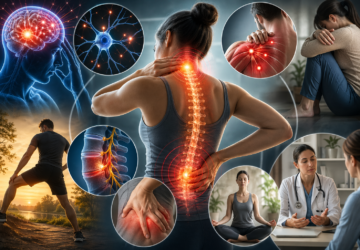
Struggling with chronic back pain can feel like a never-ending battle. It is defined as pain lasting three months or more. It often fluctuates, with periods of relief followed by frustration when the pain returns. Managing chronic back pain can be particularly challenging when the underlying cause is unclear.

Chronic back pain, which can last for months or even years, regularly affects everyday living, providing temporary relief before returning with increased frustration. Understanding its origins and developing appropriate management measures are critical to restoring your comfort and quality of life.

Back pain is the most common reason people visit doctors or miss work, and it is the leading cause of disability worldwide. Fortunately, many cases of back pain, particularly in people under 60, can be avoided or managed with careful Back Pain Treatment in Mohali. When prevention fails, simple home remedies and appropriate body mechanics can frequently solve the problem in weeks, with surgery rarely required.

Back pain can be minor or severe, with symptoms extending down the leg. Bending, twisting, lifting, standing, and walking can often exacerbate the discomfort. Let us have a look at the common causes of chronic back pain –

Spine Arthritis

One common cause of chronic disorder is the gradual loss of spinal cartilage, which causes more friction between the vertebrae. This deterioration can cause stiffness, irritation, and chronic pain, making movement and daily tasks more difficult.

Spinal Stenosis

Another problem that can cause chronic back pain is spinal stenosis or narrowing of the spinal canal. When the spinal canal contracts, it can compress the nerves, causing pain, numbness, or tingling to radiate down the legs. Walking, standing, or even sitting can be difficult due to nerve discomfort, which can have a substantial impact on mobility and general quality of life over time.

Myofascial Pain Syndrome

Myofascial pain syndrome is characterized by muscle discomfort and soreness with no known reason. It involves the creation of trigger points, which are sensitive places in muscle tissue that can cause pain to radiate to other locations. This illness can cause persistent soreness, stiffness, and restricted movement, making daily activities difficult.

Chronic back pain is frequently connected with ageing, as the spine and its supporting tissues progressively degenerate over time. However, it can also result from injuries, such as those experienced in accidents or while heavy lifting. Whether caused by age-related changes such as disc degeneration and arthritis or by a specific injury, it can become a persistent problem, interfering with everyday life, and necessitating tailored management and treatment measures.

Physical Therapy for Chronic Back Pain

There is strong evidence that physical therapy can effectively relieve and prevent back pain. It is often recommended as a first-line treatment, potentially even before resorting to medication or costly procedures like imaging and surgery. As a non-invasive and cost-effective Back Pain Treatment in Mohali, it is frequently advised before more expensive treatments such as medication, imaging, or surgery.

If you are suffering from chronic back pain, consulting a Back Pain Specialist in Mohali can significantly help your situation. Dr. Manu Mengi delivers skilled care and treatment regimens that are specifically tailored to your needs. Additionally, he focuses on effective pain treatment and rehabilitation, providing sophisticated techniques and compassionate care to help you regain comfort and mobility.

Reach out to the Best Doctor for Back Pain in MohaliDr. Manu Mengi today to begin your path to alleviate back pain and improve your quality of life.