Rheumatoid Factor Positive But No Symptoms: What Your Blood Test Really Means – Dr. Manu Mengi

Why do your blood tests show rheumatoid factor positive when you feel perfectly fine? This question worries many people who receive unexpected lab results. Actually, rheumatoid factor has been found in up to 4% of young, healthy individuals, and it’s particularly common in older adults. A positive RF test doesn’t automatically mean rheumatoid arthritis. We’ll explain what rheumatoid factor positive meaning really is, why asymptomatic rheumatoid factor occurs, how it differs from anti-CCP testing, and when you should be concerned about your results.

What Does a Positive Rheumatoid Factor Test Mean?

What Does a Positive Rheumatoid Factor Test Mean?

Understanding Rheumatoid Factor and Its Normal Function

Rheumatoid factor is an antibody your immune system produces, but it behaves differently from the antibodies that protect you from illness. Most antibodies act as defenders, targeting germs, viruses, and other harmful invaders in your bloodstream. Rheumatoid factor, on the other hand, attacks healthy cells in your body.

Specifically, RF targets the Fc portion of immunoglobulin G (IgG), one of the most common antibodies your body makes to fight infections. Your immune system creates rheumatoid factor either by mistake or when it becomes overactive while fighting an infection. In reality, this protein doesn’t have a specific protective target like other antibodies, which is why it sometimes damages healthy tissue throughout your body.

The presence of RF isn’t always problematic. Many people have small amounts in their blood and remain perfectly healthy. RF can be part of your body’s normal response to various triggers, including bacterial toxins like lipopolysaccharides or viruses such as Epstein-Barr virus. In these cases, the RFs produced are low-affinity, transient antibodies that form immune complexes, which are then cleared by inflammatory cells. Their role could actually be protective in this context.

How RF Tests Work and What They Measure

An RF test measures the amount of rheumatoid factor in your bloodstream through a simple blood sample. A healthcare professional draws blood from a vein in your arm using a small needle, then sends the sample to a laboratory for analysis.

Labs typically measure rheumatoid factor in units per milliliter of blood (U/mL). Most assays detect IgM rheumatoid factors, although RF can occur in all immunoglobulin classes, including IgG and IgA. The test results come back either as a numerical value showing how many units of RF exist in each milliliter of your blood, or as a simple positive or negative designation.

A negative result means you have little or no rheumatoid factor in your blood. Correspondingly, a positive result indicates higher levels were detected. The test itself takes only a few minutes, though results may not return for several days.

Rheumatoid Factor Normal Range and Interpretation

A normal, healthy amount of rheumatoid factor is less than 20 units per milliliter (<20 U/mL)[7]. Some laboratories use slightly different thresholds, with results below 14 IU/mL considered normal, while others use higher cutoffs. Values may be slightly higher in older patients.

RF above 20 IU/mL is not considered enough to diagnose RA on its own, as other factors can elevate these levels. In fact, about 20% of people with confirmed RA will not have an abnormal RF test, while 5% of people who do not have RA will show elevated RF. This demonstrates why a positive result serves as a clue rather than a definitive diagnosis.

The sensitivity of RF testing in RA patients ranges from 60% to 90%, with a specificity of 85%. However, RF results are positive in less than 40% of patients with early RA. Higher RF levels generally indicate a greater likelihood of having a condition linked to rheumatoid factors, but people with rheumatoid arthritis can have little or no detectable RF. Similarly, people without rheumatoid arthritis can have substantial amounts of RF in their blood.

Your provider considers your RF levels alongside other test results, your symptoms, and your medical history to determine what’s causing any changes in your blood work.

Why Your RF Can Be Positive Without Any Symptoms

Rheumatoid Factor in Healthy Individuals

Perfectly healthy people can have elevated rheumatoid factor without any disease. In fact, RF appears in up to 4% of young, healthy individuals. Many people carry small amounts of RF in their blood and remain completely healthy throughout their lives.

Some people have high RF levels and never experience any symptoms. High amounts aren’t always a sign of a health condition. Your body might produce rheumatoid factor for no apparent reason or without a specific cause. This happens because RF can form as a normal immune response to various triggers, not just autoimmune conditions.

Most asymptomatic persons with a positive RF do not progress to RA. This bears repeating because it addresses the primary concern when you receive unexpected results. The presence of RF in your blood doesn’t predict that you’ll develop rheumatoid arthritis or any other condition. Your immune system sometimes produces these antibodies temporarily or maintains low levels indefinitely without causing tissue damage.

Age-Related Increase in Rheumatoid Factor

RF becomes increasingly common as you get older. The prevalence of RF can be as high as 14.1% in apparently healthy people aged 67-95, with a mean age of 81. This dramatic increase with age explains why many seniors receive positive results during routine blood work.

RF is also 3.5 times more common in healthy elderly subjects aged over 65 than in their younger counterparts. Your immune system changes as you age, producing more autoantibodies even when you’re healthy. These age-related changes don’t necessarily indicate disease development.

All these factors may alter the natural history of arthritis in elderly patients who have RF either in good health or in a non-arthritic presentation. Where you experience symptoms and their severity depends on where your immune system damages healthy tissue in your body.

The Timeline: When Symptoms May or May Not Develop

Some patients actually develop RF preceding the symptomatic disease. The earlier onset of RF in such patients has been associated with more severe disease. However, this represents only a subset of people with positive RF results.

Alternatively, there is a subset of patients in whom the appearance of RF follows symptoms. About 80% of all patients with rheumatoid arthritis will eventually be seropositive for rheumatoid factor, while only 40% are positive at clinical onset. This timeline variation demonstrates that RF positivity can occur at different stages or not at all.

People without rheumatoid arthritis can have substantial amounts of RF in their blood. Correspondingly, people with rheumatoid arthritis can have little or no rheumatoid factor. Your RF status today doesn’t determine your health status tomorrow.

Other Conditions That Cause Elevated Rheumatoid Factor

Other Conditions That Cause Elevated Rheumatoid Factor

Autoimmune Diseases Beyond Rheumatoid Arthritis

Rheumatoid arthritis isn’t the only autoimmune condition that triggers RF production. Several other autoimmune disorders cause elevated rheumatoid factor levels, sometimes even higher than those seen in RA patients.

Patients with Sjögren’s syndrome commonly show positive RF results. In effect, patients with primary Sjögren’s often have a positive RF test without having RA. Other rheumatic diseases that elevate RF include systemic lupus erythematosus (SLE), scleroderma, mixed connective tissue disease, and mixed cryoglobulinemia. Juvenile idiopathic arthritis also produces elevated RF in affected children.

These conditions share a common feature: uncontrolled immune system activity that becomes misdirected toward our own tissues rather than protecting us from infectious organisms. We believe some people inherit the tendency to develop these conditions, and that the diseases develop when something in the environment, perhaps an infection, stimulates the immune system to react.

Chronic Infections and RF Positivity

Chronic infections frequently cause RF elevation even when you don’t have any autoimmune disease. Hepatitis C stands out as a particularly common trigger. Hepatitis C could have very high levels of RFs, as high as 76%. Elevated rheumatoid factor levels and systemic immune activation are highly prevalent during chronic hepatitis C virus infection. This connection is so strong that it has been suggested that HCV status should be checked in all patients with increased RF levels.

The explanation lies in the nature of cryoglobulins produced during hepatitis C infection. They are cold precipitating IgM antibodies against IgG, which matches the basic definition of rheumatoid factor. By the same token, the positive rheumatoid factor could be from hepatitis C, particularly when you have arthritis and vasculitis.

Tuberculosis and subacute infective endocarditis also elevate RF. Infective endocarditis is associated with high inflammatory markers including rheumatoid factor. Actually, the latex test was positive in 45% of patients with infective endocarditis. More severe infection cases, as evidenced by duration of fever after initiation of antibiotic therapy, were more likely to develop rheumatoid factor.

Sarcoidosis and certain malignancies like primary sclerosing cholangitis also show RF elevation. Certain types of cancer, including leukemia, can cause high RF levels.

Temporary vs Persistent RF Elevation

The persistence of your elevated RF depends largely on what’s causing it. It’s not certain how a subset of chronic infections and inflammatory diseases lead to increased RF production. One explanation is chronic and persistent stimulation of the immune system by these disorders leading to a state of chronic inflammation.

Successful treatment of the underlying disorder frequently leads to the disappearance of these autoantibodies. Your RF levels can return to normal once the infection clears or the inflammatory condition resolves.

However, RF increases can be relatively stable in participants who have still not developed RA, especially in those with a combined increase of IgM and IgA RF at 74%. Unlike RA where no erosive joint changes occur, rheumatoid factor may be present in up to 50-85% of patients with certain chronic infections without causing joint damage.

Anti-CCP vs Rheumatoid Factor: Understanding the Difference

Anti-CCP vs Rheumatoid Factor: Understanding the Difference

Why Anti-CCP Is More Specific for RA

Anti-CCP stands for anti-cyclic citrullinated peptide, an autoantibody that appears early in RA development. The immune system produces anti-CCP when it mistakenly attacks certain peptides in joint linings, causing inflammation that leads to pain, swelling, and eventual joint damage. This antibody targets something fundamentally different from what RF targets, which explains why anti-CCP performs better as a diagnostic marker.

The specificity of anti-CCP reaches 95-98%, meaning it’s rarely positive in other conditions. Some studies report specificity at 96% with a positive likelihood ratio of about 14. In contrast, RF shows considerably lower specificity, ranging from 18% in some studies to 80-90% in early inflammatory arthritis. Given that RF appears in healthy individuals and numerous other conditions, anti-CCP delivers far more reliable results when diagnosing RA.

Anti-CCP antibodies may appear years before symptoms develop. Elevated levels indicate a more aggressive and destructive form of disease, serving as a marker for disease progression. In reality, anti-CCP remains negative in normal individuals, whereas RF is present in 5% of healthy people. This distinction matters when you’re trying to understand unexpected positive results without symptoms.

What It Means When RF Is Positive But Anti-CCP Is Negative

This specific combination suggests you’re unlikely to have RA, though clinical evaluation remains necessary. Studies show that 24.2% of anti-CCP-negative patients tested positive for RF. The interpretation changes based on your clinical presentation and other test results.

When anti-CCP is positive but RF is negative, you may be in the early stages of RA or could develop it in the future. This pattern appears in approximately 7.3% of cases. Correspondingly, when both tests come back negative, RA becomes highly unlikely, though seronegative RA still requires clinical evaluation to rule out.

Combining Both Tests for Better Accuracy

Doctors order both tests together, along with C-reactive protein and erythrocyte sedimentation rate, for complete diagnosis. Double positivity for RF and anti-CCP notably increases the positive likelihood ratio of RA. When both tests show positive results, you probably have rheumatoid arthritis, occurring in about 11.3% of cases.

Testing for both RF and anti-CCP is ideal for diagnosis. If testing for only one marker, anti-CCP is most recommended. The combined approach provides more accurate diagnosis than using RF testing results alone. Studies have shown that anti-CCP is positive even in RA patients who are RF negative.

When to Worry About Your Positive Rheumatoid Factor and What to Do Next

Warning Signs That Require Medical Attention

Joint symptoms warrant immediate medical attention. Pain, swelling, stiffness, and tenderness in more than one joint signal potential rheumatoid arthritis development. Morning stiffness or pain after sitting for long periods indicates inflammatory arthritis. RA typically affects joints on both sides of your body, so if one hand or knee hurts, watch the other.

Increased joint pain and swelling, new joint deformities, or feeling more tired and stiff for longer periods suggest your condition may be worsening. Fatigue, weakness, and low-grade fever accompanying joint problems require evaluation. Hard bumps under your skin near joints, called rheumatoid nodules, are red flags.

Patients with inflammatory joint disease should be referred to a rheumatology subspecialist, especially if symptoms last more than six weeks.

When to Repeat or Further Investigate Your Test Results

Inappropriate repeat testing of RF is common, and the results only rarely change. Patients who have clearly tested positive for RF or anti-CCP should not be retested routinely. RF and anti-CCP have no role in assessing disease activity.

Your clinician may check your RF level again if you were initially negative, but ongoing monitoring is based on symptoms, inflammation markers, and imaging. However, most asymptomatic persons with a positive RF do not progress to RA.

Do You Need Treatment If RF Is Positive But You Have No Joint Pain?

Treatment depends on the underlying cause. Without symptoms, you don’t need treatment for RA. Early diagnosis and effective treatment are important only when symptoms develop.

Working With Your Doctor to Monitor Your Condition

Track any new or worsening symptoms and share details with your clinician. This helps them adjust your treatment plan if needed. Regular monitoring focuses on symptom development rather than repeatedly checking RF levels.

Conclusion

We’ve demystified what rheumatoid factor positive really means when you have no symptoms. By and large, your positive RF test doesn’t predict rheumatoid arthritis development, particularly if your anti-CCP remains negative. Many healthy people carry RF in their blood without ever experiencing problems. Age-related increases, chronic infections, and various autoimmune conditions can all elevate your RF levels.

Focus on your symptoms rather than the numbers. You should worry only on the condition that you develop joint pain, swelling, or morning stiffness affecting multiple joints. Work with your doctor to monitor your health, but remember that most asymptomatic people with positive RF never progress to disease. Your blood test is just one piece of your overall health picture.

Key Takeaways

Understanding your positive rheumatoid factor test without symptoms can ease unnecessary worry and guide appropriate next steps.

• Positive RF doesn’t equal rheumatoid arthritis – Up to 4% of healthy young people and 14% of elderly individuals have elevated RF without any disease

• Anti-CCP testing is more reliable – Anti-CCP has 95-98% specificity for RA compared to RF’s lower accuracy, making it the better diagnostic marker

• Multiple conditions cause RF elevation – Chronic infections like hepatitis C, autoimmune diseases, and even normal aging can trigger positive results

• Symptoms matter more than numbers – Focus on joint pain, swelling, and morning stiffness rather than RF levels; most asymptomatic people never develop RA

• Monitor symptoms, not RF levels – Routine retesting of positive RF is unnecessary; work with your doctor to watch for actual disease signs instead

The key insight is that RF positivity without symptoms rarely indicates future disease development, especially when combined with negative anti-CCP results and absence of joint inflammation.

FAQs

Q1. Is it possible to have elevated rheumatoid factor without experiencing any symptoms?

Yes, it’s entirely possible to have high RF levels without any symptoms. Many healthy individuals have elevated rheumatoid factor in their blood and never develop any health problems. Up to 4% of young, healthy people and as many as 14% of elderly individuals have positive RF tests without any disease. The presence of RF alone doesn’t predict that you’ll develop rheumatoid arthritis or other conditions.

Q2. What does it mean if my rheumatoid factor is positive but my anti-CCP test is negative?

When RF is positive but anti-CCP is negative, it generally suggests you’re unlikely to have rheumatoid arthritis, though clinical evaluation is still important. Anti-CCP is much more specific for RA (95-98% specificity) compared to RF, which can be elevated in many other conditions including chronic infections, other autoimmune diseases, and normal aging. This combination is relatively common and doesn’t necessarily indicate disease.

Q3. How common is rheumatoid factor positivity in people with confirmed rheumatoid arthritis?

Approximately 60-80% of people with RA will have positive RF during the course of their disease. However, only about 40% of patients with early RA test positive for RF. This means that RF can be absent even when someone has rheumatoid arthritis, and conversely, it can be present in people who don’t have the disease, which is why doctors use it alongside other tests and clinical symptoms for diagnosis.

Q4. What symptoms should prompt me to see a doctor if I have a positive rheumatoid factor?

You should seek medical attention if you develop joint pain, swelling, stiffness, or tenderness affecting multiple joints, especially on both sides of your body. Morning stiffness lasting more than 30 minutes, fatigue, low-grade fever, or hard bumps under your skin near joints are warning signs. If joint symptoms persist for more than six weeks, a referral to a rheumatologist is recommended.

Q5. Besides rheumatoid arthritis, what other conditions can cause elevated rheumatoid factor?

Many conditions can elevate RF levels, including chronic infections like hepatitis C (which shows positive RF in up to 76% of cases), tuberculosis, and infective endocarditis. Other autoimmune diseases such as Sjögren’s syndrome, lupus, and scleroderma also cause RF elevation. Even certain cancers and normal aging can increase RF levels without indicating rheumatoid arthritis.

Q6. What does a positive rheumatoid factor (RF) mean?

A positive RF means that a specific antibody is detected in your blood. While it is commonly associated with Rheumatoid Arthritis, it is not exclusive to it. Many people can have a positive RF without having any disease.

Q7. Can I have a positive RF and still be completely healthy?

Yes. A significant number of people, especially older adults, may have a positive RF without any symptoms or illness. In such cases, it may not have clinical significance.

Q8. Does a positive RF always mean I will develop rheumatoid arthritis?

No. A positive RF does not guarantee that you will develop rheumatoid arthritis. It is just one piece of the puzzle and must be interpreted along with symptoms and other tests.

Q9. What other conditions can cause a positive RF?

RF can also be elevated in other conditions such as:

  • Chronic infections (like hepatitis or tuberculosis)
  • Other autoimmune diseases like Systemic Lupus Erythematosus
  • Certain lung or liver diseases

Q10. What is the difference between RF and anti-CCP?

RF is less specific, meaning it can be positive in multiple conditions. Anti-CCP (anti-cyclic citrullinated peptide) is more specific for rheumatoid arthritis and helps confirm the diagnosis when symptoms are present.

Q11. Should I start treatment if my RF is positive but I have no symptoms?

No treatment is needed based on RF alone. Treatment decisions are made only if you have symptoms like joint pain, swelling, or stiffness.

Q12. Can rheumatoid factor levels go back to normal?

Yes, RF levels can fluctuate and may even return to normal over time, especially if they were elevated due to a temporary cause like an infection.

Q13. When should I be concerned about a positive RF?

You should consult a doctor if you develop:

  • Persistent joint pain or swelling
  • Morning stiffness lasting more than 30 minutes
  • Fatigue or unexplained weakness

Q14. Do I need further tests if my RF is positive?If you have no symptoms, often no immediate action is required. However, your doctor may advise:

  • Anti-CCP test
  • ESR/CRP (inflammation markers)
  • Clinical follow-up over time

Q15. How often should I repeat the RF test?

Routine repetition is usually not necessary if you are asymptomatic. Follow-up testing is guided by clinical changes rather than lab numbers alone.

Consult Dr. Manu Mengi for all types of joint pain and orthopedic problems. A Top orthopedic doctor in Chandigarh, he provides care for bone and joint.

Why Does My Body Feel Stiff After Sleeping? Your Mattress, Posture, or Something Else? – Dr. Manu Mengi

Why does my body feel stiff after sleeping? This frustrating question affects countless people each morning. In fact, research shows that 75% of Brits have been woken by pain or discomfort. Morning body stiffness causes range from your mattress and sleeping posture to underlying medical conditions. A mattress causing back pain and stiffness, poor sleeping posture symptoms, or even early signs of arthritis could be responsible. We’ll explore the common stiffness after waking up reasons, including how to identify whether your discomfort is mechanical or inflammatory, and most importantly, how to reduce morning stiffness naturally.

What Causes Morning Body Stiffness After Sleep?

Why Your Body Feels Stiff When You Wake Up

Blaming age for morning stiffness misses the real story. Old age alone does not cause morning joint stiffness. Several physiological processes occur during sleep that create that tight, achy feeling when you first get out of bed.

During sleep, your body remains static for hours. This lack of movement means reduced blood flow to muscles and less lubrication in joints. Your joints produce synovial fluid, which acts as a lubricant. The joint lining produces less of this fluid during periods of inactivity. Without regular movement to keep joints limber, you wake up feeling creaky.

Your body undergoes other changes too. The spongy cushion of cartilage in your joints begins to dry out and stiffen as joints age. Weak muscles and stiff tendons also tend to tighten during sleep. Sleeping position plays a role as well. Too much bending or twisting in your sleep can strain muscles and restrict blood flow, leading to stiffness and discomfort when you wake up.

Dehydration compounds the problem. If you’re not drinking enough water throughout the day, your body struggles to lubricate your joints effectively, leading to stiffness and discomfort in the morning. Water maintains the balance of electrolytes crucial for muscle contraction and relaxation. Going to bed slightly dehydrated, then spending all night without water, can result in muscle cramps or soreness.

Temporary Stiffness vs. Chronic Morning Stiffness

The type of stiffness you experience reveals what’s happening inside your body. Morning stiffness falls into two categories: mechanical and inflammatory.

Mechanical stiffness relates to normal changes from wear and tear in joints, muscles, or tendons. This type feels more like tightness than deep pain. It occurs after physical activity, poor sleep, or long periods of inactivity. Joints with known osteoarthritis or prior injury commonly experience this type.

Inflammatory stiffness, in effect, stems from immune system activity inside the joints. Conditions like rheumatoid arthritis trigger this type. Your immune system attacks the synovium (the tissue lining your joints) and causes inflammation. Osteoarthritis and rheumatoid arthritis both can trigger morning stiffness, but they behave differently.

The stiffness goes away as you move and warm up the joints and muscles. This improvement with movement signals mechanical stiffness. Inflammatory stiffness, by comparison, takes longer to ease and may be accompanied by joint swelling, warmth, or redness.

How Long Should Morning Stiffness Last?

Duration separates normal stiffness from potential health concerns. For osteoarthritis, the average episode lasts only about 10 to 15 minutes. The stiffness often stops after a few minutes and eases once you start moving.

Stiffness from rheumatoid arthritis may last more than an hour. Some sources indicate inflammatory arthritis stiffness can take an hour or longer to go away. Morning stiffness that lasts over 30 minutes warrants attention. Longer periods of morning stiffness may mean your inflammation is higher or that your disease is more active.

If you wake up feeling seriously stiff and sore for more than 3 days in a row, make an appointment with your doctor. Your doctor may check your joints, run bloodwork, or test your joint fluid to check for inflammation.

Can Your Mattress Cause Body Stiffness After Sleeping?

Your mattress might be the last thing you suspect when investigating morning stiffness. Before blaming everything else, consider that the surface you spend 6-8 hours on each night plays a significant role in how you feel when you wake up.

Signs Your Mattress Is Causing Stiffness

Waking up with new aches and pains each day signals that your mattress no longer provides adequate support. An old mattress causes pain in your neck, shoulders, lower back, and hips. Your body offers clear warning signs when your mattress becomes the problem.

Look for physical evidence first. Body impressions visible on your mattress surface mean the supportive structure has failed. Beds are supposed to return to their natural state, but when your mattress loses its shape, it no longer supports your spine’s natural curvature. This adds stress to other parts of your body during sleep.

Pain that disappears once you’re up and moving points directly to your mattress. While lying on the mattress, inadequate support creates pressure on joints, muscles, or spine, which results in pain. Once you get up and move around, the pressure is relieved, and the pain subsides.

Constant tossing and turning reveals your inability to find a comfortable sleeping position. This continuous movement contributes to back pain and signals that your mattress isn’t providing proper support. If you feel like you’re sinking into your mattress and your spine cannot maintain a neutral position, that’s likely the reason behind your back issues.

Feeling the springs or support bars through the mattress surface clearly indicates the mattress no longer provides proper support. Visible sagging, especially in the middle, proves particularly harmful for spine health.

Too Soft vs. Too Hard: How Mattress Firmness Affects Your Body

Mattress firmness operates on a spectrum, and both extremes create problems. A too-soft mattress allows your body to sink excessively. This doesn’t offer ideal spinal alignment and causes back and neck pain. Back sleepers and stomach sleepers should avoid extremely soft mattresses.

When a mattress feels too firm, it puts excessive pressure on certain body areas like hips, shoulders, and lower back. A firm mattress creates pressure points, which cause stiffness and soreness when you wake up. The lower back cannot reach the mattress when lying down on overly firm surfaces, leading to abnormal spine positioning.

Medium-firm mattresses strike a balance between support and comfort. They offer enough firmness to keep the spine aligned while still providing cushioning. Research shows that sleeping on a medium-firm surface for four weeks can reduce back pain by roughly 48% while boosting sleep quality by 55%.

Spine Alignment Issues from Poor Mattress Support

Poor mattress support fundamentally compromises your body’s ability to achieve neutral spinal alignment. A too-soft surface causes the heavy midsection (hips and torso) to sink disproportionately, resulting in an unnatural hammocking effect.

Excessive sinking pulls the lumbar spine out of alignment, creating an intensified arch. This sustained, unnatural posture stretches muscles, ligaments, and nerves surrounding the spine, leading to morning stiffness, chronic lower back pain, and sciatica-like symptoms.

Your muscles must work overtime when mattresses fail to provide necessary support. Instead of relaxing for repair, deep postural muscles must engage throughout the night to stabilize the spine. As a result, this creates inflammation, fatigue, and the sensation of being tired even after a full night in bed.

When to Replace Your Mattress

Different mattresses have different lifespans. A waterbed lasts anywhere from 12 to 15 years. Foam beds (latex or gel) usually last around 10 to 15 years. Memory foam beds can last eight to 10 years if properly rotated. Innerspring mattresses typically last eight years or so.

Most sleep experts recommend replacing your mattress every 7-8 years. The mattress likely wears out during this time. By the same token, your body weight, sleeping habits, and bone density change with time. This calls for replacing the mattress with a new one that has optimum firmness and support.

Start looking for a new mattress as soon as you’re no longer comfortable. Listen to what your body tells you. If you sleep significantly better on a different bed for one night, that’s a good indication to start looking for a new mattress.

How Sleeping Position Affects Morning Stiffness

Poor Sleeping Posture Symptoms

Sleep posture affects your health just as much as standing and sitting posture. If you wake up in pain that you don’t feel during the day, your sleep position is likely playing a role. Poor sleeping postures create undue pressure on the neck, shoulders, lower back, hips, and knees.

Research found 10% of Americans wake up with pain each day. Considering we sleep for approximately eight hours a night, certain sleeping positions may cause strain on our shoulders and body, resulting in stiffness and soreness over time. Neck pain, stiffness, or soreness when you wake up in the morning signals that your sleep posture needs adjustment.

People with spinal pain spend more of the night in provocative sleep postures and have lower sleep quality. If something in the body is crooked, twisted, pinned under another body part, or held at a strange angle, it can stay that way for far longer than it would when you’re awake.

Stomach Sleeping and Spine Stiffness

Stomach sleeping places large amounts of stress on your neck and lower back joints and soft tissues. The sleeping position of the stomach imposes too much pressure on the lower back and neck. Most of your weight concentrates in the middle of your body, which makes it difficult to maintain a neutral spine position.

This position causes the spine to take an unnatural curve, increasing pain in the joints. Stomach sleepers experience morning back pain more frequently since your stomach sinks into the bed, putting pressure and stress on the joints and muscles in your back. Unless you’ve figured out how to breathe through your pillow, you need to turn your head to the side, which puts your head and spine out of alignment, twisting your neck.

Sleeping on your stomach with your head twisted to one side is a recipe for neck strain. You might not notice the damage this causes after one episode, but over time neck problems can develop.

Side Sleeping: Hip and Shoulder Pressure Points

Side sleeping is often the culprit for morning shoulder pain. Shoulder pain from sleeping is caused by prolonged pressure on the shoulder joint, most often from sleeping on your side. When you sleep on your side, your shoulder bears a lot of your upper body weight.

Some people may even develop shoulder impingement or tendinitis from their bone pressing against the sensitive tendons of the shoulder. If you sleep with your arm underneath your pillow, this can also pinch your rotator cuff tendon. Side sleeping can worsen rotator cuff injury symptoms, including dull pain or aches in the shoulder and reduced range of motion from stiffness.

Pillowing in between the knees puts the hips into position and eliminates the pressure on the spine. A supportive pillow of the head and neck is also important to prevent neck stiffness.

Back Sleeping: Best Position for Reducing Stiffness

The back position is usually recommended as the best posture for the spine. Sleeping on your back keeps the spine in a neutral position and prevents excess stress on the shoulders. It balances body weight and eliminates pressure points.

Lying flat is the nearest approximation to standing in a relaxed posture with your head, neck, and spine aligned. This position evenly distributes your weight across your body. A small pillow placed under the knees can support the natural lumbar curve and minimize lumbar strain.

Does Pillow Height Affect Neck Stiffness?

Pillow height matters significantly. If your pillow is too high or too low, too firm or too soft, your head will bend away from the neutral spine position. A pillow that’s too high pushes your neck upward, and your muscles end up having to work harder to hold that position, even while you’re asleep.

Research shows that inappropriate pillow height increases muscle activity during sleep and disrupts the alignment your cervical spine needs to stay neutral. A pillow that’s too flat lets your neck bend downward, flattening the natural curve. Too much height pushes the chin toward the chest, a common cause of morning stiffness. If you prefer sleeping on your back, it is recommended to use a thinner pillow to maintain the alignment of your neck with your spine.

Medical Conditions That Cause Morning Stiffness

Morning Stiffness vs. Arthritis: What’s the Difference?

Not all morning stiffness points to arthritis. Rheumatoid arthritis affects joints symmetrically, meaning both sides of the body at the same time and to the same extent. The small joints in hands and feet are often the first to be affected. Joint pain associated with rheumatoid arthritis is usually a throbbing and aching pain, often worse in the mornings and after a period of inactivity.

Morning stiffness that is a symptom of osteoarthritis usually wears off within 30 minutes of getting up, but morning stiffness in rheumatoid arthritis often lasts longer than this. Rheumatoid arthritis-related joint stiffness often lasts an hour or more in the morning.

Inflammatory Stiffness vs. Mechanical Stiffness

The immune system drives inflammation in inflammatory arthritis. Inflammation builds within your joints as you rest overnight, reaching peak levels in the morning. Swelling overnight in an immobile joint causes surrounding muscles and tissues to tighten up.

Mechanical stiffness stems from osteoarthritis. The joint isn’t moving much at night, so it’s not getting the lubrication it needs to slide smoothly. Many patients describe a rusty hinge sensation when they first start moving.

Early Signs of Arthritis in Morning Stiffness

Morning stiffness precedes the development of rheumatoid arthritis. Joints affected by rheumatoid arthritis become inflamed, which can cause them to swell and become hot and tender to touch. Symptoms vary from person to person and may come and go, or change over time.

When Should You Worry About Morning Stiffness?

Stiffness lasting more than 30 to 45 minutes warrants evaluation. Seek medical attention if you notice swelling, warmth, or redness around joints. Pain that disrupts sleep, numbness or tingling in limbs, or gradual worsening over weeks requires professional assessment. Muscle stiffness occurring with fever, muscle weakness, neck stiffness, or swelling can point to serious infections like meningitis.

How to Reduce Morning Body Stiffness Naturally

Why Stiffness Improves After You Start Moving

Movement stimulates circulation, warms tissues, and redistributes lubrication. During sleep, synovial fluid settles in your joints. When you begin moving, this natural lubricant flows again, reducing that initial resistance. Blood flow increases to muscles and connective tissue, delivering oxygen and nutrients while removing waste products. The first few steps feel hardest because your body is transitioning from stillness to activity.

Simple Stretches to Reduce Morning Stiffness

Gentle stretching before bed keeps muscles flexible. Focus on your neck, shoulders, hips, and lower back. A warm shower before or after stretching helps you feel more limber. Hold each stretch for about 30 seconds and repeat 2 to 3 times on both sides. Heat treatments boost blood circulation in your joints, easing stiffness.

Choosing the Right Mattress and Pillow for Your Body

Research shows that a medium-firm mattress works best for most people. Your body weight affects how firm a mattress feels. Lightweight sleepers need softer surfaces, while heavier sleepers require firmer support. Pillow height must match your sleeping position. Back sleepers need a thinner pillow, while side sleepers require a taller, firmer one to keep the head level with the spine.

Sleep Position Adjustments That Help

Back sleeping with a pillow under your knees supports the natural lumbar curve. Side sleepers should place a firm pillow between the knees to maintain natural alignment of the hips, pelvis, and spine. Alternating sides helps avoid muscle imbalance.

When to See a Doctor About Morning Stiffness

Consider booking a consultation if morning stiffness lasts more than three weeks. Pain increasing in intensity, restricted daily activities, or symptoms that provide only temporary relief with over-the-counter medication warrant professional evaluation. Muscle stiffness with fever, muscle weakness, or swelling can point to serious infections.

Conclusion

Morning stiffness affects most of us, but you don’t have to accept it as inevitable. On the whole, mechanical stiffness from your mattress or sleeping position responds quickly to simple adjustments. Evaluating your mattress firmness, adjusting your pillow height, and switching to back sleeping can deliver noticeable improvements within days.

Inflammatory stiffness, by comparison, requires medical attention. If your stiffness lasts more than 30 minutes or worsens over time, schedule an appointment with your doctor. The right diagnosis makes all the difference between temporary discomfort and managing a chronic condition effectively. Take action now, and you’ll likely wake up feeling better sooner than you think.

Key Takeaways

Understanding the root cause of morning stiffness helps you choose the right solution, whether it’s adjusting your sleep setup or seeking medical care.

• Morning stiffness lasting under 30 minutes is usually mechanical and improves with movement, while stiffness over an hour may indicate inflammatory conditions like arthritis.

• Your mattress significantly impacts morning stiffness – medium-firm surfaces provide optimal spine alignment, while too-soft or too-hard mattresses create pressure points and poor posture.

• Back sleeping with a pillow under your knees offers the best spine alignment, while stomach sleeping creates the most stress on your neck and lower back.

• Simple changes like gentle stretching, proper hydration, and heat therapy can naturally reduce mechanical stiffness within days of implementation.

• Seek medical evaluation if morning stiffness lasts over 3 weeks, worsens over time, or includes swelling, warmth, or fever – these may signal underlying health conditions.

The key distinction between temporary discomfort and chronic conditions lies in duration and accompanying symptoms. Most morning stiffness resolves with better sleep hygiene and ergonomics, but persistent symptoms deserve professional attention to rule out inflammatory arthritis or other medical issues.

FAQs

Q1. Is it normal to wake up feeling stiff in the morning?

Yes, it’s normal to experience some stiffness after sleeping. During the night, your body remains inactive for hours, which reduces blood flow to muscles and decreases joint lubrication. Additionally, your body’s natural anti-inflammatory responses are suppressed during sleep and haven’t fully activated yet when you first wake up. This stiffness typically improves once you start moving around.

Q2. How long should morning stiffness typically last?

Normal morning stiffness usually lasts about 10 to 15 minutes and improves as you move and warm up your joints and muscles. If your stiffness persists for more than 30 minutes to an hour, or if you experience stiffness for more than three consecutive days, it may indicate an underlying condition that requires medical attention.

Q3. Can my mattress be causing my morning stiffness?

Yes, your mattress can definitely cause morning stiffness. Signs include waking up with new aches in your neck, shoulders, lower back, or hips that disappear once you’re up and moving. Visible body impressions, sagging, or feeling springs through the surface indicate your mattress no longer provides proper support. A medium-firm mattress typically works best for maintaining proper spine alignment.

Q4. Which sleeping position is best for reducing morning stiffness?

Back sleeping is generally the best position for reducing stiffness because it keeps your spine in a neutral position and evenly distributes body weight. Placing a small pillow under your knees can support the natural lumbar curve. Stomach sleeping creates the most stress on your neck and lower back, while side sleeping can cause shoulder and hip pressure points.

Q5. When should I see a doctor about morning stiffness?

You should consult a doctor if your morning stiffness lasts more than three weeks, persists for over 30-45 minutes daily, or worsens over time. Also seek medical attention if you notice joint swelling, warmth, redness, pain that disrupts sleep, numbness, tingling, or if stiffness is accompanied by fever or muscle weakness, as these may indicate serious conditions.

Q6. Why does my body feel stiff after sleeping?

Morning stiffness usually happens because your body stays still for hours. During sleep, joints receive less lubrication and muscles remain inactive, leading to temporary tightness. It’s usually harmless if it improves within a few minutes of movement.

Q7. Is morning stiffness normal or a sign of a problem?

Mild stiffness that settles within 5–15 minutes is generally normal. But if stiffness lasts more than 30–60 minutes, it may indicate inflammation, such as early arthritis.

Q8. Can my mattress really cause morning stiffness?

Yes. A mattress that is too soft can misalign your spine, while one that is too hard can create pressure points. Both can lead to muscle tension and stiffness on waking.

Q9. Does sleeping posture affect stiffness?

Absolutely. Poor posture like sleeping without proper neck support or with a twisted spine can strain muscles overnight, leading to stiffness in the neck, back, or hips.

Q10. Why does stiffness improve after I start moving?

Movement increases blood flow and joint lubrication (synovial fluid), helping muscles and joints “warm up.” This is typical of mechanical stiffness, not inflammatory disease.

Q11. What is the difference between normal stiffness and arthritis stiffness?

  • Normal stiffness: Short-lasting, improves quickly with movement
  • Arthritis-related stiffness: Lasts longer (often >30 minutes), may be associated with swelling, pain, or fatigue

Q12. Can dehydration or lifestyle habits cause stiffness?

Yes. Poor hydration, lack of exercise, prolonged sitting, and even stress can contribute to muscle tightness and reduced flexibility, making morning stiffness worse.

Q13. Why do I feel stiff even after a good night’s sleep?

Even if sleep duration is adequate, factors like poor mattress support, wrong pillow height, or underlying inflammation can still cause stiffness.

Q14. When should I worry about morning stiffness?

You should seek medical advice if:

  • Stiffness lasts more than 30–60 minutes daily
  • There is joint swelling or redness
  • Symptoms persist for weeks or worsen over time

Q15. How can I reduce stiffness after waking up?

Simple steps help significantly:

  • Gentle stretching in bed
  • Staying hydrated
  • Using a supportive mattress and pillow
  • Regular exercise to keep joints mobile

Visit us and consulted with our specialist Dr Manu Mengi he the Top orthopedic doctor in Chandigarh

Ankylosing Spondylitis Explained: From Diagnosis to Daily Management

Ankylosing spondylitis affects approximately 1.7 million adults in the United States, with a prevalence rate of 0.2-0.5% of the population. Unlike common backaches that come in short, painful spells, the pain from this chronic inflammatory condition is typically long-lasting and can significantly impact one’s quality of life. Most people develop ankylosing spondylitis during their late teens or early twenties, with about 80% of patients experiencing symptoms before age 30.

When examining genetic factors, more than 95% of Caucasian individuals with ankylosing spondylitis carry the HLA-B27 gene. The condition also shows a gender disparity, occurring twice as frequently in men as in women. While there’s no cure for ankylosing spondylitis, early detection and appropriate treatment can help manage symptoms and potentially slow disease progression. In this comprehensive guide, we’ll explore everything from diagnosis methods like HLA-B27 testing and x-ray findings to various management strategies, including medications, physical therapy, and surgical options for those with advanced spinal changes.

Understanding Ankylosing Spondylitis

Ankylosing spondylitis (AS) belongs to a family of inflammatory diseases known as spondyloarthritis, which primarily affects the spine and sacroiliac joints. This condition is characterised by its autoimmune nature – essentially, your immune system mistakenly attacks your own body instead of protecting it.

What is autoimmune arthritis of the spine?

Ankylosing spondylitis is fundamentally an inflammatory disease of the axial skeleton. Unlike typical wear-and-tear arthritis, AS is driven by chronic inflammation that can eventually lead to new bone formation and fusion of vertebrae. Although experts haven’t pinpointed the exact cause, genetic factors play a crucial role – specifically, mutations in genes like human leukocyte antigen-B (HLA-B27). Research shows that over 90% of white individuals with AS carry this mutated gene.

The condition is generally considered more autoinflammatory than autoimmune, with the innate immune system playing a central role in its development. However, emerging research suggests AS might actually represent a combination of both autoinflammatory and autoimmune processes.

How AS affects the sacroiliac joints and spine

AS typically begins with inflammation in the sacroiliac joints, where your spine connects to your pelvis. These large joints are used whenever you move or shift your hips. The inflammation causes pain and stiffness, particularly noticeable in the lower back. As the disease progresses, this inflammation can spread upward along the spine.

Eventually, in severe cases, the ongoing inflammation triggers the body’s healing response, leading to new bone formation. This process can cause vertebrae to fuse, creating the characteristic “bamboo spine” appearance visible on X-rays. This fusion reduces spine flexibility and may result in a hunched posture.

Beyond the spine, AS can affect other joints such as the shoulders, hips, and knees. Moreover, approximately 25-35% of individuals develop acute anterior uveitis (eye inflammation), and up to 50% experience inflammatory bowel disease.

Difference between AS and non-radiographic axial spondyloarthritis

AS and non-radiographic axial spondyloarthritis (nr-axSpA) represent two ends of the same disease spectrum. The key distinction lies in imaging results – particularly X-rays of the sacroiliac joints.

In AS (also called radiographic axial spondyloarthritis), damage to the sacroiliac joints is clearly visible on X-rays. Conversely, nr-axSpA patients show similar symptoms but without definitive X-ray evidence of sacroiliitis. Nevertheless, MRI technology might reveal active inflammation in nr-axSpA patients even before changes appear on X-rays.

Interestingly, these subtypes show demographic differences. AS affects males more frequently (about 70.4% of cases), whereas nr-axSpA shows a more balanced gender distribution (males account for approximately 46.5%). Furthermore, HLA-B27 prevalence is lower in nr-axSpA patients (54.3%) compared to AS patients (92.7%).

Is your back pain inflammatory? Don't ignore persistent stiffness. Consult with an experienced Back Pain Doctor in Mohali at The Brigit Clinic for an accurate diagnosis. Book Your Appointment Today!

Recognising the Symptoms Early

Early detection of ankylosing spondylitis starts with recognising its distinctive symptoms. The signs often develop gradually over months or years and may fluctuate in intensity.

Inflammatory back pain symptoms to watch for

The hallmark of ankylosing spondylitis is inflammatory back pain, which differs significantly from mechanical back pain. Pain typically begins in early adulthood before age 40 and develops gradually rather than suddenly. Initially, symptoms might come and go for weeks or months at a time.

What makes this pain unique:

  • Worsens after prolonged rest or sitting
  • Improves with physical activity
  • Often most severe in the early morning or during the night
  • Frequently causes stiffness lasting more than an hour after waking

Notably, this pattern reverses what we see in typical back pain, where rest usually provides relief and activity worsens symptoms.

Sacroiliac joint inflammation and stiffness

Sacroiliitis—inflammation of the sacroiliac joints where your spine connects to your pelvis—is frequently the first sign of ankylosing spondylitis. This inflammation causes pain in the lower back and buttock areas that can radiate to the hips, thighs, and sometimes legs.

The pain from sacroiliitis may feel suddenly sharp and stabbing or present as a constant dull ache. Many patients report pain that worsens when turning or rotating their hips. This discomfort can significantly affect daily activities, especially sitting for extended periods.

Fatigue, eye inflammation, and other systemic signs

Beyond joint symptoms, ankylosing spondylitis often affects multiple body systems. Extreme fatigue affects many patients regardless of how much they rest. Additionally, about 25-35% of individuals develop uveitis—inflammation of the eye’s iris—causing redness, pain, blurred vision, and light sensitivity.

Other systemic manifestations may include:

  • Inflammatory bowel disease (affecting up to 50% of individuals)
  • Unexplained weight loss
  • Skin rashes
  • Shortness of breath

Progressive spinal fusion and posture changes

If left untreated, ongoing inflammation triggers the body’s healing response, leading to new bone formation between vertebrae. This process, called spinal fusion, creates the characteristic “bamboo spine” appearance visible on X-rays.

As the disease advances, postural changes become increasingly apparent. The spine may develop increased kyphosis (forward curve), with compensatory changes in the lower body. The progressive fusion limits mobility and can eventually restrict chest expansion, affecting breathing capacity.

Experiencing morning back stiffness or unexplained fatigue? Early intervention is key. Visit the leading Ortho Clinic in Mohali for a comprehensive evaluation. Call us at +91 87250 11661.

Diagnosis and Testing Methods

Diagnosing ankylosing spondylitis often presents significant challenges, as the condition develops slowly with no definitive single test to confirm its presence.

Early detection of ankylosing spondylitis

Obtaining an early diagnosis typically requires a combination of clinical assessment, imaging, and laboratory tests. The modified New York Criteria remains the most commonly used diagnostic framework, requiring both clinical symptoms and radiographic evidence of sacroiliitis. Consequently, many patients experience a delay of 7-10 years between symptom onset and formal diagnosis.

Role of HLA-B27 testing in diagnosis

While approximately 90-95% of ankylosing spondylitis patients test positive for HLA-B27, this genetic marker alone cannot confirm diagnosis. Indeed, only 1-5% of people carrying this gene variant actually develop the condition. The test primarily serves as a supporting factor in diagnosing suspected cases, given that 7.5% of white Americans carry HLA-B27 without developing symptoms.

X-ray findings and radiographic changes

X-rays represent the traditional gold standard for assessing structural changes in ankylosing spondylitis. Key radiographic findings include bilateral sacroiliitis, vertebral “squaring,” syndesmophytes (vertical bony outgrowths), and in advanced cases, the characteristic “bamboo spine” appearance. For reliable assessment of spinal progression, an observation period of at least 2 years is recommended.

MRI and blood tests for inflammation markers

MRI has revolutionised early diagnosis by detecting inflammatory changes before they become visible on X-rays. Blood tests for inflammation—including erythrocyte sedimentation rate (ESR) and C-reactive protein (CRP)—often show elevated levels, though these markers may be normal in up to half of patients. Unlike other inflammatory arthritis conditions, ankylosing spondylitis patients sometimes show minimal blood inflammation despite significant symptoms.

Confused by your symptoms and test results? Get a clear diagnosis and personalised treatment plan from the Back Pain Specialist in Mohali
Visit Our Google My Business Page to See Patient Reviews

Treatment and Management Options

Treatment options for ankylosing spondylitis have expanded tremendously, offering hope for symptom management and disease control. While there’s no cure, proper treatment can help most patients lead active lives.

NSAIDs for ankylosing spondylitis pain relief

NSAIDs remain the cornerstone first-line treatment for AS. These medications effectively reduce inflammation and pain while improving function. Studies show all NSAIDs significantly outperform placebo in reducing pain severity. Etoricoxib ranks as the most effective NSAID for AS patients. However, these medications carry risks – particularly gastrointestinal issues with diclofenac and naproxen showing significantly higher rates of GI events compared to placebo.

DMARDs and biologics: slowing disease progression

For patients who don’t respond adequately to NSAIDs, disease-modifying treatments offer hope. TNF inhibitors dramatically improve symptoms by blocking the TNF cytokine, a key inflammation driver. Long-term TNF inhibitor use may reduce radiographic progression in AS patients.

Newer biologics include IL-17 inhibitors (secukinumab, ixekizumab, bimekizumab), which effectively target another inflammatory pathway. JAK inhibitors like tofacitinib and upadacitinib, taken orally rather than by injection, represent the latest treatment advance.

Corticosteroid injection for flare-ups

Corticosteroid injections can temporarily relieve inflammation in specific joints. Pain relief typically lasts several months. Side effects may include short-term pain flares, facial flushing, and blood sugar increases. Doctors typically limit injections to three times yearly in the same joint, with at least three months between treatments.

Physical therapy and orthopaedic bracing

Physical therapy stands as a crucial element in AS management. Regular exercises help reduce stiffness, improve posture, decrease pain, strengthen muscles, and enhance flexibility. Physical therapists can design personalised programs incorporating core strengthening, flexibility exercises, and deep breathing techniques.

Orthopaedic bracing provides support and stability for affected joints. Properly fitted braces can reduce pain, improve stability, and enhance function.

Surgical options: hip replacement and spinal osteotomy

When conservative treatments fail, surgical intervention may be necessary. Total hip arthroplasty effectively alleviates pain and improves function in AS patients with severe hip involvement. For significant spinal deformities, osteotomy procedures can correct posture and restore sagittal balance.

Disability reduction and prevention of joint fusion

The ultimate goal of all treatments is to prevent disability and joint fusion. Early intervention with appropriate medications, consistent physical therapy, and lifestyle modifications offers the best chance at maintaining function and quality of life.

Explore advanced Back Pain Treatment in Mohali tailored to your needs. From NSAIDs to modern therapies, find relief at The Brigit Clinic. Explore Your Treatment Options

Conclusion

Ankylosing spondylitis presents unique challenges for both patients and healthcare providers. Though no cure exists currently, early detection coupled with comprehensive treatment significantly improves quality of life. Understanding the distinctive symptoms—particularly inflammatory back pain that improves with activity rather than rest—helps identify this condition before irreversible damage occurs.

After diagnosis, many treatment options become available to manage symptoms effectively. NSAIDs generally serve as first-line therapy, while biologics and JAK inhibitors offer hope for those with inadequate response. Additionally, regular physical therapy plays a crucial role in maintaining spinal mobility and function throughout the disease course.

Living with ankylosing spondylitis certainly requires adjustments, but advances in treatment have transformed the outlook for most patients. The combination of medication, exercise, and lifestyle modifications allows many individuals to lead active, fulfilling lives despite their diagnosis. Most importantly, proactive management helps prevent the most severe complications like spinal fusion and significant disability.

For anyone experiencing persistent lower back pain with morning stiffness, seeking medical evaluation promptly might make all the difference. The journey from diagnosis to daily management may seem daunting at first, but with proper support and treatment, the path forward becomes much clearer. Remember that each person’s experience with ankylosing spondylitis differs, and finding the right treatment approach often requires patience and partnership with healthcare providers.

Key Takeaways

Understanding ankylosing spondylitis is crucial for early detection and effective management of this chronic inflammatory condition that affects millions worldwide.

• Early recognition saves mobility: Inflammatory back pain that worsens with rest but improves with activity signals AS, unlike typical back pain patterns.

• Genetic testing provides clues: Over 90% of AS patients carry the HLA-B27 gene, but only 1-5% of carriers develop the condition.

• Treatment prevents fusion: NSAIDs, biologics, and consistent physical therapy can slow disease progression and prevent irreversible spinal fusion.

• Exercise is medicine: Regular physical therapy and movement are essential for maintaining spinal flexibility and reducing long-term disability.

• Early diagnosis matters: Most patients wait 7-10 years for diagnosis, but prompt treatment significantly improves quality of life outcomes.

The key to successful AS management lies in recognising symptoms early, pursuing comprehensive treatment, and maintaining an active lifestyle. While there’s no cure, modern treatments allow most patients to lead fulfilling lives when properly managed.

FAQs

Q1. What are the early signs of ankylosing spondylitis?

A1. Early signs include persistent lower back pain that improves with activity, morning stiffness lasting over an hour, and pain in the sacroiliac joints. Some people may also experience fatigue, eye inflammation, and other systemic symptoms.

Q2. How is ankylosing spondylitis diagnosed?

A2. Diagnosis involves a combination of clinical assessment, imaging tests (X-rays and MRI), and blood tests. Doctors look for inflammatory back pain symptoms, radiographic evidence of sacroiliitis, and may test for the HLA-B27 gene, which is present in most patients with AS.

Q3. What treatment options are available for ankylosing spondylitis?

A3. Treatment options include NSAIDs for pain relief, biologics like TNF inhibitors to slow disease progression, physical therapy to maintain mobility, and, in some cases, corticosteroid injections or surgery for severe joint damage.

Q4. Can ankylosing spondylitis be cured?

A4. There is no cure for ankylosing spondylitis, but early detection and appropriate treatment can effectively manage symptoms and potentially slow disease progression, allowing many patients to lead active lives.

Q5. How does ankylosing spondylitis differ from typical back pain?

A5. Unlike typical back pain that improves with rest, ankylosing spondylitis pain often worsens with inactivity and improves with exercise. Pain is also typically more persistent, accompanied by morning stiffness, and often starts before age 40.

Ready to take the next step towards managing your AS? Schedule a consultation with the Best Back Pain Doctor in Mohali, Dr. Manu Mengi. Call +91 87250 11661 or visit us at SCO – 41, Sector - 80, Mohali.

About Dr. Manu Mengi – Best Ortho Doctor in Mohali

Dr. Manu Mengi is a renowned and trusted name in orthopedics, dedicated to providing exceptional care for patients with complex joint and spine conditions like Ankylosing Spondylitis. With extensive experience and a patient-centric approach, he is committed to accurately diagnosing the root cause of pain and creating effective, personalised management plans. At The Brigit Clinic, one of the leading Orthopedic Clinics in Mohali, Dr. Mengi utilises the latest advancements in medical science to help patients reduce pain, improve mobility, and enhance their quality of life. His expertise makes him the preferred choice for anyone seeking the Best Ortho Doctor in Mohali.

Book an Appointment today - 
📱 +91 87250 11661 | 🌐 Read Reviews |📍 Get Directions


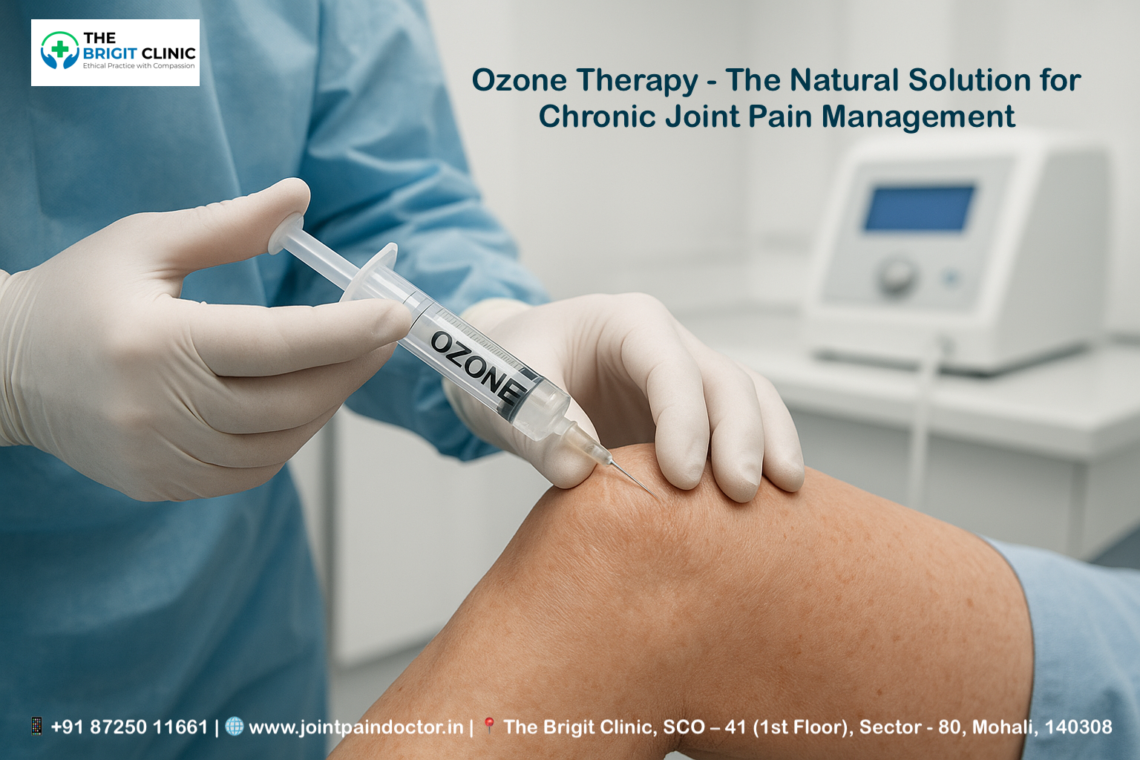
Ozone Therapy – The Natural Solution for Chronic Joint Pain Management

Are you struggling with persistent joint pain? Ozone Infusion Therapy has been studied and utilised for more than a century, offering a potential alternative approach to managing chronic joint discomfort. Despite the U.S. Food and Drug Administration (FDA) issuing a warning against using ozone therapy in 2019, this controversial alternative medicine practice continues to attract attention for its possible health benefits.

Although currently not FDA-approved as a medical treatment, ozone therapy demonstrates considerable therapeutic applications in the management of musculoskeletal disorders, including osteoarthritis and chronic pain syndromes. Research has shown limited but promising evidence that this treatment might help with various conditions, such as arthritis and diabetes. For example, its anti-inflammatory properties and potential to improve joint mobility make it an intriguing option for those seeking relief from joint pain. However, it’s important to note that studies have raised concerns regarding its potential toxicity, emphasising the need for stringent administration protocols to ensure safety.

In this comprehensive guide, you’ll discover what ozone therapy is, how it works for joint pain, its potential benefits, and what scientific evidence says about its effectiveness. You’ll also learn about important safety considerations to help you make an informed decision about whether this alternative treatment might be right for your joint health needs.

Considering advanced pain management solutions? Consult with the Best Orthopaedics Doctors in Mohali at The Brigit Clinic to discuss if ozone therapy is a suitable option for your joint health. Call +91 87250 11661 to book an appointment.

What is Ozone Therapy and How Does It Work?

Ozone gas consists of three oxygen atoms (O3) arranged in an unstable molecular structure, making it significantly different from the oxygen we breathe (O2). Discovered in the 1840s, ozone’s potential as more than just another atmospheric gas has evolved considerably over time. Its unique properties and therapeutic applications have made ozone therapy an intriguing option for those seeking alternative approaches to managing joint conditions.

Understanding the O3 molecule

The O3 molecule has a bent structure with an O–O–O angle of 116.78° and O–O distances of 127.2 pm. This unstable arrangement creates what scientists call “mesomeric states,” which contribute to ozone’s highly reactive nature. Unlike stable oxygen, ozone is pale blue as a gas, turns dark blue when condensed into liquid form at extremely low temperatures, and becomes violet-black when solidified.

Ozone’s instability is both a challenge and an advantage in medical applications. Due to its unstable molecular configuration, ozone readily dissolves in water and reacts quickly with biological components. This high reactivity makes it difficult to maintain concentrated forms, as ozone rapidly undergoes transient reactions with itself or water. Furthermore, ozone is approximately 10 times more soluble in water than regular oxygen, enabling it to interact effectively with body tissues and fluids.

How ozone interacts with the body

When introduced to the body, ozone functions similarly to a prodrug—it reacts with molecules to create more active substances that trigger a cascade of biological responses. Upon contact with the aqueous component of plasma, ozone dissolves and reacts with polyunsaturated fatty acids (PUFAs) and water to form hydrogen peroxide (H2O2) and lipid ozonation products (LOPs).

This moderate oxidative stress initiates several important mechanisms:

  1. Activation of antioxidant systems – Ozone stimulates the transcription factor Nrf2, which activates antioxidant response elements (ARE). This leads to increased production of antioxidant enzymes such as superoxide dismutase (SOD), glutathione peroxidase (GPx), and catalase (CAT).
  2. Enhanced oxygen metabolism – Ozone increases the transmembrane flow of oxygen and makes the mitochondrial respiratory chain more efficient. In red blood cells, it boosts glycolysis, raising ATP and 2,3-diphosphoglycerate levels, which allows haemoglobin to release oxygen more readily to tissues.
  3. Anti-inflammatory effects – Through modulation of inflammatory mediators, ozone reduces prostaglandin synthesis and decreases joint oxidative stress. It also activates key signalling pathways that support tissue regeneration and repair.

The therapeutic principle resembles hormesis, where low-dose exposure to a stressor triggers beneficial adaptive responses. Much like exercise, moderate ozone exposure can be beneficial, whereas excessive exposure can be harmful. This controlled oxidative stress preconditions cells to become more resilient against future oxidative damage, a phenomenon known as “oxidative preconditioning”.

Why ozone is considered for joint pain

Joint pain, particularly in conditions like osteoarthritis, is characterised by inflammation, oxidative stress, and tissue degeneration. Ozone therapy addresses these fundamental aspects through multiple mechanisms, making it potentially valuable for managing joint conditions.

Firstly, ozone’s ability to reduce inflammation helps mitigate the inflammatory response that drives joint pain and degeneration. Additionally, by improving tissue oxygenation and cellular metabolism, ozone therapy may support the repair processes within damaged joint tissues.

The anti-inflammatory effects are especially relevant in knee osteoarthritis, where ozone can inhibit inflammatory mediators like IL-1β and Nerve Growth Factor (NGF), which contribute significantly to pain sensations. Moreover, ozone’s capacity to stimulate antioxidant systems helps neutralise the harmful free radicals that accumulate in inflamed joints.

Clinical applications further demonstrate ozone’s versatility for joint conditions through various administration methods. Ozone can be delivered via intra-articular injections directly into affected joints, or through systemic approaches like major autohemotherapy (MAH), where blood is drawn, exposed to ozone, and reinfused. These delivery methods ensure that ozone’s therapeutic benefits reach the target areas effectively, potentially offering relief from chronic joint pain with minimal side effects when administered according to precise protocols.

Understanding the science behind treatments is key. Our Top Orthopaedic Doctors in Mohali SAS Nagar at The Brigit Clinic are experts in advanced therapies and can provide a clear, personalised explanation for your condition. Visit us in Sector 80, Mohali (Get Directions), to learn more.

How Ozone Therapy is Administered for Joint Pain

Medical professionals employ various methods to deliver ozone therapy for joint pain, each tailored to specific conditions and patient needs. The route of administration significantly impacts how ozone interacts with joint tissues and the resulting therapeutic effects.

Ozone injection therapy explained

Joint pain treatment typically involves direct ozone administration through several approaches. Practitioners primarily use intra-articular injections, where a mixture of oxygen-ozone (95-96% oxygen and 4-5% ozone) is delivered directly into the affected joint cavity. For knee osteoarthritis, a common protocol involves injecting 20 ml of ozone-oxygen mixture at a concentration of 20 μg/ml.

Periarticular injections target tissues surrounding the joint, while paravertebral injections help with spine-related pain conditions. These targeted approaches enable ozone to directly influence the biochemical environment of the joint, addressing inflammation at its source.

In cases like frozen shoulder or hip bursitis, ozone infiltration can significantly reduce both pain and inflammation through peritrochanteric routes. Before the procedure, local anaesthetics such as 1% lidocaine are often applied to minimise discomfort.

Topical and systemic applications

Beyond injections, practitioners utilise several external and whole-body approaches. Topical applications involve exposing affected areas to ozone gas under protective coverings (sometimes called “ozone sauna”) or applying ozonised solutions directly to the skin. These methods are particularly valuable for addressing superficial joint issues.

Systemic ozone delivery can occur through insufflation techniques, where ozone gas is introduced into body cavities. This approach allows ozone to be absorbed through mucous membranes, creating whole-body effects that complement localised treatments.

Autohemotherapy and IV methods

Autohemotherapy stands out as one of the most extensively studied systemic ozone administration methods. During major autohemotherapy (MAH), approximately 200 ml of blood is withdrawn from the patient, mixed with 40 ml of medical ozone at a concentration of 30 μg/ml, and then reinfused within 15 minutes. This procedure is typically performed three times weekly for two weeks.

Minor autohemotherapy involves smaller blood volumes (60-80 ml) mixed with ozone and then injected intramuscularly into the buttock. IV ozone therapy follows similar principles to other infusions, with ozone-enriched blood returning to circulation via drip methods.

A modern advancement called hyperbaric ozone/oxygen treatment modifies traditional autohemotherapy to deliver larger ozone quantities in fewer sessions. This approach can significantly reduce the number of treatments needed while maximising therapeutic benefits.

Safety protocols during administration

Proper safety measures are essential during ozone therapy. Fundamentally, ozone should never be inhaled, as this can cause severe lung irritation and fluid buildup. Medical-grade equipment with precise concentration controls and sterile application techniques is mandatory.

Qualified healthcare professionals must administer treatments in controlled clinical environments. The oxygen-ozone mixture should be produced through specialised medical generators that ensure precise concentrations. Practitioners should follow established protocols, with ozone concentrations for systemic therapy typically ranging between 10-40 μg/ml.

Most importantly, each treatment plan should be individually tailored. As no two patients are alike, dosage and administration protocols require personalisation based on specific conditions and responses.

The correct administration technique is critical for safety and effectiveness. Ensure you are in expert hands. Schedule a consultation with an Orthopedic Doctor in Mohali from our team to discuss the best administration method for you.

Ozone Therapy Benefits for Chronic Joint Conditions

Research demonstrates that Ozone Infusion Therapy offers multiple benefits for patients suffering from chronic joint conditions. Studies reveal its effectiveness across various joint disorders, making it an increasingly popular alternative treatment option.

Ozone therapy for arthritis and osteoarthritis

Clinical studies show that intra-articular ozone injections can effectively alleviate pain and inhibit cartilage degeneration in osteoarthritis (OA). OA affects over 346 million people globally and is characterised by inflammation in cartilage and synovium. In a study of patients with knee osteoarthritis, approximately 50% improvement in health status was observed after just five weekly sessions of ozone therapy. Notably, treatments using concentrations between 20-30 μg/mL have demonstrated significant pain reduction and functional improvement over six-month periods.

Reducing inflammation and oxidative stress

The therapeutic effects of ozone stem from its ability to modulate inflammation through multiple pathways. Ozone decreases the production of pro-inflammatory cytokines—particularly IL-6, IL-1β, and TNF-α—which are primarily responsible for cartilage degradation. In fact, studies have demonstrated that ozone therapy reduces these inflammatory markers at 1, 2, and 6 months after treatment, with effects more stable than steroid injections.

Consequently, ozone inhibits the NF-κB pathway while enhancing the Nrf2 pathway, which generates antioxidant response elements, including superoxide dismutase and glutathione peroxidase. This dual action creates what scientists call “oxidative preconditioning,” preparing cells to better resist future oxidative damage.

Improving joint flexibility and mobility

Patients receiving ozone treatment experience significant improvements in joint function and mobility. Clinical trials report notable increases in Lysholm scores (measuring knee function) alongside decreases in WOMAC and VAS pain scores following treatment. Essentially, these improvements occur because ozone enhances oxygen metabolism and blood circulation to affected joints.

Supporting cartilage and ligament healing

Ozone therapy actively supports tissue repair mechanisms. Research shows it reduces the release of matrix metalloproteinases (MMPs) that degrade cartilage while simultaneously stimulating chondrocytes to facilitate the synthesis of proteoglycans, glycosaminoglycans, and collagen. This balanced approach helps repair damaged joint structures and potentially slows disease progression.

Enhancing immune response in chronic disease

Beyond local effects, ozone therapy provides systemic immune benefits. It activates the immune system by functioning like an antioxidant or anti-inflammatory agent. Studies reveal that ozone can regulate immune functions, particularly enhancing macrophage activity crucial for immune reactions. Furthermore, ozone’s ability to improve liver mitochondrial function and modulate antioxidant responses may contribute to its systemic therapeutic effects.

These multifaceted benefits make Ozone Therapy worthy of consideration for those seeking alternative approaches to managing chronic joint conditions.

Ready to explore the benefits of ozone therapy for your arthritis or joint pain? Talk to the Best Orthopedic Surgeon in Mohali at The Brigit Clinic to see if you are a candidate. Find relief and improve your mobility today!

Scientific Evidence and Effectiveness in Orthopaedic Use

Scientific research increasingly supports the effectiveness of Ozone Infusion Therapy across various orthopaedic applications. Multiple clinical trials highlight its potential as both a primary and complementary treatment option.

Clinical trials on ozone therapy for knee osteoarthritis

Recent systematic reviews examining ozone therapy for knee osteoarthritis (KOA) revealed statistically significant effects in pain reduction compared to placebo groups. Intra-articular ozone at concentrations of 20-30 μg/mL demonstrated substantial improvements in both pain management and functional mobility over six-month periods. Remarkably, one double-blind randomised trial found that both 20 μg/mL and 40 μg/mL doses effectively reduced pain without significant differences between concentrations, suggesting a threshold effect where lower doses sufficiently activate therapeutic pathways.

Ozone therapy for spinal arthritis and back pain

For back pain treatment, ozone therapy has shown success rates of 70-80% in patients with disk herniation. Intramuscular paravertebral ozone injections produced Visual Analogue Scale (VAS) reductions in 79% of patients while simultaneously improving Oswestry Disability Index scores in nearly all cases. Interestingly, these treatments can be performed without computed tomography guidance or an anesthesiologist’s support, making them accessible options for many practitioners.

Post-surgical recovery and pain management

Ozone therapy shows promise in post-surgical recovery scenarios. Indeed, in one preliminary study involving patients with methicillin-resistant Staphylococcus aureus (MRSA) infections following surgery, ozone therapy substantially reduced bacterial counts by at least 2 logs CFU/mL (p = 0.00093097). Subsequently, inflammation markers decreased dramatically—C-reactive protein dropped by 98.95% (p = 0.0007) and erythrocyte sedimentation rate by 75.78% (p = 0.0002).

Comparisons with traditional treatments

When compared with conventional therapies, ozone shows comparable or superior results in several studies. In comparison with hyaluronic acid for KOA treatment, both treatments significantly improved pain, stiffness, and function at 1, 3, and 6-month follow-ups with no significant differences between groups. Nevertheless, ozone demonstrated superiority over corticosteroid injections in longer-term outcomes—at 12 weeks, ozone produced significantly better pain reduction (mean difference = 3.9, p < 0.01). Correspondingly, clinical studies found ozone marginally favoured over periradicular steroid infiltrations for medium and long-term pain management in back pain patients.

Evidence-based practice is our priority. Our Orthopedic Doctors in Mohali stay updated with the latest research to offer you the most effective treatments. Contact us to discuss the scientific evidence supporting your care plan.

Risks, Side Effects, and Regulatory Considerations

Though ozone therapy shows promise for joint pain, understanding its risks is vital for patient safety. Several adverse effects have been documented, ranging from mild to severe.

Potential side effects and contraindications

Air embolism represents a serious risk during IV ozone therapy, potentially causing stroke or heart attack. Patients commonly experience discomfort, cramping, and occasional flu-like symptoms (Herxheimer reaction) as the body responds to treatment. Altogether, contraindications include glucose-6-phosphate dehydrogenase deficiency, pregnancy, hyperthyroidism, thrombocytopenia, cardiovascular instability, and recent myocardial infarction. Patients taking ACE inhibitors should exercise caution, as sudden hypotension may occur.

Why is inhalation dangerous?

Primarily, ozone should never be inhaled. Even brief exposure to small amounts can cause severe lung damage. Initially, patients might experience burning eyes, coughing, nausea, or headaches, alongside throat irritation and chest tightness. Over time, inhaled ozone may lead to chronic conditions like asthma or COPD.

FDA stance and lack of standardisation

The FDA prohibits ozone use “in any medical condition for which there is no proof of safety and effectiveness”. Rather than approving it, the FDA has prosecuted individuals selling ozone therapy products as medical cures. Currently, no standardised protocols exist—concentrations, dosages, and administration methods vary widely across practitioners.

How to find a qualified provider

Before treatment, verify that the provider uses medical-grade equipment with precise concentration controls. Qualified practitioners should follow established protocols with ozone concentrations typically between 10-40 μg/ml for systemic therapy. Additionally, they must be trained in emergency procedures and have equipment like an Ambu, medical oxygen, and emergency medications.

Your safety is non-negotiable. It is essential to choose a qualified and experienced provider. Trust the Top Orthopedics Doctor in Mohali at The Brigit Clinic, where stringent safety protocols are always followed. Call us to address any concerns.

Conclusion

Ozone therapy represents a fascinating alternative approach for those suffering from chronic joint pain. Throughout this article, we’ve explored how this unique three-atom oxygen molecule works within the body to potentially reduce inflammation, combat oxidative stress, and support tissue healing. Although not FDA-approved, research suggests ozone therapy may offer significant benefits for conditions like osteoarthritis through various delivery methods such as intra-articular injections, topical applications, and autohemotherapy.

Scientific evidence increasingly supports ozone therapy’s effectiveness for joint conditions. Clinical trials demonstrate promising results for knee osteoarthritis patients, with many experiencing substantial pain reduction and improved mobility. Similarly, back pain sufferers have shown positive outcomes comparable to traditional treatments in several studies. Nevertheless, these benefits must be weighed against potential risks.

Safety considerations remain paramount when exploring ozone therapy. Under no circumstances should you inhale ozone gas, as this can cause severe respiratory damage. Additionally, treatment should only be sought from qualified practitioners using medical-grade equipment. While the FDA has not approved ozone for medical treatment, many patients still pursue this alternative therapy under proper medical supervision.

Before trying ozone therapy, carefully consider your specific health condition, consult with healthcare providers familiar with both conventional and alternative approaches, and thoroughly research qualified practitioners. Ultimately, ozone therapy offers an intriguing option that might complement traditional joint pain management strategies for some individuals. The decision rests with you and your healthcare team to determine if this alternative treatment aligns with your joint health needs and overall wellness goals.

Key Takeaways

Ozone therapy offers a promising alternative approach to chronic joint pain management through multiple therapeutic mechanisms, though it requires careful consideration of safety protocols and regulatory status.

• Ozone therapy reduces joint inflammation by decreasing pro-inflammatory cytokines (IL-6, IL-1β, TNF-α) and activating antioxidant pathways for tissue repair.

• Clinical studies show 50% improvement in knee osteoarthritis patients after five weekly sessions, with effects lasting up to six months.

• Multiple delivery methods exist, including intra-articular injections (20-30 μg/mL), autohemotherapy, and topical applications for targeted treatment.

• Never inhale ozone gas as it causes severe lung damage; only seek treatment from qualified practitioners using medical-grade equipment.

• FDA has not approved ozone therapy for medical use, emphasising the importance of consulting healthcare providers before pursuing treatment.

While research demonstrates ozone therapy’s potential for managing chronic joint conditions like arthritis and osteoarthritis, patients must weigh promising clinical outcomes against safety risks and regulatory considerations. The therapy’s ability to support cartilage healing and improve joint mobility makes it an intriguing complement to traditional treatments when administered properly by qualified professionals.

FAQs

Q1. What is ozone therapy, and how does it work for joint pain?

A1. Ozone therapy is a treatment that uses medical-grade ozone gas to reduce inflammation and promote healing in joints. It works by stimulating the body’s antioxidant systems, improving oxygen metabolism, and modulating inflammatory responses in affected areas.

Q2. How is ozone therapy administered for joint conditions?

A2. Ozone therapy can be administered through various methods, including intra-articular injections directly into the affected joint, autohemotherapy (where blood is mixed with ozone and reinfused), and topical applications. The specific method depends on the condition being treated and the practitioner’s approach.

Q3. What are the potential benefits of ozone therapy for chronic joint pain?

A3. Potential benefits include reduced inflammation, improved joint mobility, decreased pain, enhanced tissue repair, and better overall joint function. Some patients report significant improvements in conditions like osteoarthritis and chronic back pain after undergoing ozone therapy.

Q4. Are there any risks or side effects associated with ozone therapy?

A4. While generally considered safe when administered properly, ozone therapy can have side effects such as temporary discomfort, flu-like symptoms, and, in rare cases, more serious complications like air embolism. It’s crucial never to inhale ozone gas as it can cause severe lung damage.

About Dr. Manu Mengi – Best Orthopaedic Doctors in Mohali

Dr. Manu Mengi is a distinguished name in orthopaedics, renowned as one of the Best Orthopaedic Doctors in Mohali. Practicing at The Brigit Clinic in Sector 80, Mohali, Dr. Mengi is committed to providing compassionate and comprehensive care for a wide range of joint, bone, and musculoskeletal conditions. With a patient-centric approach, he combines advanced treatments like ozone therapy with proven surgical and non-surgical interventions to develop personalised recovery plans. If you are seeking expert guidance for chronic joint pain from a trusted Orthopaedic Doctor in Mohali, schedule a consultation with Dr. Manu Mengi to take a decisive step towards a pain-free, active life.

#OzoneTherapy #JointPainRelief #ChronicPainManagement #MohaliOrtho #BestOrthopedicSurgeonInMohali #DrManuMengi #TheBrigitClinic #OrthopedicCare #NaturalPainRelief #OzoneTreatment #ArthritisRelief #Osteoarthritis #HealthTech #AlternativeMedicine #MohaliDoctors

Hydrogen Infusion for Wellness – How it works & its impact on the body.

Hydrogen Drip IV Therapy represents one of the most promising wellness treatments you might not have heard about yet. This lightweight, odourless, and colourless gas rapidly diffuses into your tissues and cells, functioning as an anti-inflammatory and anti-apoptotic agent while stimulating energy metabolism. Surprisingly, the first documented medical use of hydrogen dates back to British military doctors during the 1914-1918 war, who treated 26 terminally ill patients with remarkable results—13 of these patients survived against all odds.

Furthermore, your body can benefit from hydrogen in multiple ways beyond basic wellness. Specifically, hydrogen therapy for inflammation has shown impressive clinical outcomes, with studies demonstrating its effectiveness in reducing reperfusion damage in heart attacks, strokes, and acute ischemia. Additionally, hydrogen therapy for overall wellness works through multiple mechanisms, including increasing antioxidants and decreasing oxidative stress, cell death, and inflammation. What makes hydrogen therapy for cellular repair particularly valuable is that it reduces oxidative stress not only through direct reactions with strong oxidants but also indirectly by regulating various gene expressions. Throughout this article, you’ll discover how hydrogen infusion works in your body and why it might be the missing element in your wellness routine.

What is Hydrogen Infusion Therapy?

Molecular hydrogen, the smallest molecule in existence, has been quietly making waves in the wellness and medical communities as a powerful therapeutic agent. First discovered in 1520 by Philippus Aureolus Paracelsus as a mysterious flammable gas, hydrogen remained unnamed until 1783 when Lavoisier used the French word ‘hydrogene’ to describe it. Despite its long history, hydrogen’s therapeutic potential remained largely overlooked until recent decades.

Definition and origin of hydrogen therapy

Hydrogen Infusion Therapy involves the administration of molecular hydrogen (H₂) to the body through various methods to achieve therapeutic effects. Originally appearing in medical literature as early as 1888 in the Annals of Surgery, hydrogen was used by surgeons to locate visceral injuries in the gastrointestinal tract, avoiding unnecessary surgeries.

However, the true breakthrough came in 2007 when a landmark study published in Nature Medicine demonstrated hydrogen’s neuroprotective effects in cases of cerebral ischemia. This pivotal research sparked global interest in hydrogen’s therapeutic applications, with publications exploding from fewer than 50 pre-2007 to over 2000 in the past decade. In fact, this milestone publication is widely regarded as the spark that ignited modern hydrogen medicine.

Consequently, hydrogen therapy has gained significant momentum in clinical settings. By 2017, inhalation of hydrogen gas was approved as an advanced medicine by Japan’s Ministry of Health for treating post-cardiac arrest syndrome. Currently, over 100 human studies show hydrogen’s translational potential across various conditions, including metabolic syndrome, diabetes, Parkinson’s disease, and rheumatoid arthritis.

Hydrogen therapy can be administered through several methods:

  • Inhalation of hydrogen gas
  • Consumption of hydrogen-rich water
  • Injection of hydrogen-rich saline
  • Topical applications and baths

Why is hydrogen used in wellness treatments

What makes hydrogen particularly valuable in wellness treatments is its unique set of properties. As the smallest gas molecule with a molecular weight of only 2 Da and a kinetic diameter of 289 pm, hydrogen can easily penetrate cell membranes, cross the blood-brain barrier, and access critical cellular components like mitochondria and nuclei.

Essentially, hydrogen functions as a selective antioxidant, primarily targeting harmful free radicals like hydroxyl radicals (•OH) and peroxynitrite anions (ONOO-) while preserving beneficial reactive oxygen species needed for normal cell signalling. This selective action makes hydrogen superior to conventional antioxidants that indiscriminately neutralise all reactive species.

Notably, hydrogen offers multiple therapeutic mechanisms beyond antioxidation. It demonstrates potent anti-inflammatory effects by regulating pro-inflammatory cytokines like IL-1β, IL-6, and TNF-α. Additionally, hydrogen exhibits antiapoptotic properties, helping prevent programmed cell death.

Another advantage of hydrogen therapy is its exceptional safety profile. Unlike other gaseous signalling molecules such as nitric oxide or carbon monoxide, hydrogen has no known toxicity even at high concentrations. Its low solubility in water (1.9 mL H2/100 mL H2O at 20°C) means that concentrations remain well below the 4% needed to react with oxygen, making it completely safe within the human body.

Given these characteristics—powerful permeability, selective antioxidant effects, anti-inflammatory properties, and outstanding safety profile—hydrogen has rightfully earned recognition as the fourth signalling gas molecule after nitric oxide, carbon monoxide, and hydrogen sulfide.

How Hydrogen Works in the Body

The remarkable biological effects of hydrogen stem from its unique physical and chemical properties. At just 2 Da in molecular weight, hydrogen stands as the smallest molecule in existence, enabling it to penetrate biological membranes and reach critical cellular compartments where other molecules simply cannot go.

Cellular absorption and diffusion

Once administered, hydrogen rapidly traverses throughout your body thanks to its exceptional permeability. Unlike larger antioxidant compounds, hydrogen effortlessly passes through cell membranes and diffuses into subcellular compartments, including mitochondria and nuclei. First of all, this remarkable diffusion capacity allows hydrogen to reach the primary sites of reactive oxygen species (ROS) generation, where it can exert its protective effects most efficiently.

Indeed, hydrogen’s extraordinary ability to penetrate biological barriers enables it to access areas typically off-limits to conventional therapeutic agents. It easily crosses the blood-brain barrier, placental barrier, and testis barrier without requiring special transport mechanisms. Moreover, when hydrogen-rich water is consumed, absorption begins in the stomach and continues in the small intestine, where millions of tiny finger-like structures called villi enhance absorption.

Selective antioxidant properties

What truly sets hydrogen apart is its selective antioxidant activity. Instead of indiscriminately neutralising all reactive oxygen species, hydrogen selectively targets the most damaging ones—hydroxyl radicals (•OH) and peroxynitrite (ONOO−)—while preserving beneficial ROS needed for normal cellular signalling.

This selective action occurs through direct chemical reactions. For instance, hydrogen neutralises hydroxyl radicals through the reaction: H₂ + 2•OH → 2H₂O. Additionally, hydrogen leaves physiologically beneficial ROS like hydrogen peroxide (H₂O₂) and superoxide anion (O₂⁻) untouched, allowing them to continue their essential roles in cell signalling.

Consequently, hydrogen enhances your body’s antioxidant capacity beyond direct scavenging. It stimulates endogenous antioxidant enzymes, including superoxide dismutase (SOD), catalase, and myeloperoxidase. Given these properties, hydrogen therapy for cellular repair works at multiple levels within your antioxidant defence system.

Impact on inflammation and oxidative stress

Hydrogen’s effects on inflammation and oxidative stress are closely intertwined. In the face of oxidative stress, hydrogen inhibits the NF-κB pathway—a major regulator of inflammatory responses. Subsequently, this leads to reduced production of pro-inflammatory cytokines such as IL-1β, IL-6, and TNF-α.

At the cellular level, hydrogen prevents mitochondrial damage by decreasing NADPH oxidase expression, thereby reducing ROS accumulation. Furthermore, hydrogen therapy for inflammation works by inhibiting inflammatory cell adhesion molecules like ICAM-1 and reducing infiltration of neutrophils and macrophages at inflammatory sites.

Another powerful mechanism involves hydrogen’s impact on lipid peroxidation. By protecting cell membrane phospholipids from oxidation, hydrogen maintains membrane integrity and prevents cellular damage that would otherwise trigger inflammatory cascades.

Hormetic effects and gene regulation

Perhaps most fascinating is hydrogen’s ability to influence gene expression and promote hormesis—a biological phenomenon where low-dose stressors trigger beneficial adaptive responses. Mild oxidative stress induced by hydrogen peroxide can stimulate organisms’ biological functions and increase resistance to higher doses of the same stressor.

Through these hormetic effects, hydrogen regulates numerous signalling pathways and transcription factors. For instance, hydrogen activates the Nrf2 pathway, a master regulator of antioxidant responses. As Nrf2 accumulates, it binds to antioxidant response elements and initiates protective gene expression.

Likewise, hydrogen affects apoptosis-related genes, reducing expression of pro-apoptotic factors like p53 while enhancing anti-apoptotic genes such as Bcl-2. Beyond these effects, hydrogen modulates calcium signalling pathways, affecting transcription factors like CREB and NFAT that regulate numerous genes.

To sum up, hydrogen’s biological effects emerge from its unique physical properties, selective antioxidant activity, anti-inflammatory actions, and gene-regulating capabilities—creating a comprehensive therapeutic profile unlike any other molecule.

Methods of Hydrogen Administration

Accessing the therapeutic benefits of hydrogen requires getting this tiny molecule into your body, with several proven methods available depending on your wellness goals and preferences.

Hydrogen inhalation therapy

Inhalation represents one of the most direct and rapid methods for delivering hydrogen to your bloodstream and tissues. According to research, you can inhale either pure hydrogen gas or a mixture of hydrogen and oxygen (commonly referred to as oxy-hydrogen). Most clinical applications utilise a concentration of 2-4% hydrogen gas for safety and efficacy. Some advanced hydrogen-oxygen generators produce a mixture containing 66.7% hydrogen and 33.3% oxygen at a flow rate of 3 L/min[41]. This method works exceptionally well for acute conditions due to its immediate effects on the respiratory and cardiovascular systems.

Hydrogen IV therapy and drips

Saturated Hydrogen Water Intravenous Therapy delivers highly-concentrated hydrogen directly into your bloodstream through normal saline. The hydrogen concentration in these infusions typically exceeds 1.6ppm—the maximum concentration achievable under normal temperature and pressure. Throughout an IV session lasting 30-60 minutes, hydrogen molecules enter endothelial cells in your blood vessels, reacting with harmful active oxygen to form water that’s naturally eliminated through urine. Preparation methods include immersing polyethene bags in hydrogen-rich water tanks or using special non-woven fabric containing hydrogen-generating agents. This method provides precise control over hydrogen dosage.

Drinking hydrogen-rich water

Drinking hydrogen-enriched water offers a convenient, portable option for daily hydrogen consumption[53]. You can obtain hydrogen water through infusion machines, water generators, ionisers, or hydrogen-generating tablets. Some commercial products claim to achieve concentrations over 7ppm in 500mL bottles and even 15ppm in 250mL formats. Another innovative approach involves capsules containing porous coral material that absorb and carry hydrogen, releasing it inside your body after consumption. Although limited by hydrogen’s low water solubility of 1.57mg/L, this method remains popular for its simplicity.

Topical and bath-based applications

Bathing in hydrogen-rich water ranks among the most effective therapies for promoting antioxidant activity in your blood compared to other antioxidant administration routes. Specialised devices like the Hebe Hydrogenium+ create hydrogen-rich water for non-invasive skin application. The treatment process typically involves using specialised handpieces that deliver hydrogen-rich water to your skin—either through gentle vacuum lifting or pressurised jets. These treatments often follow a systematic protocol including cleansing, application, and moisturising phases. Besides full baths, topical applications may include hydrogen-rich wet compresses for localised treatment.

Health Benefits of Hydrogen Infusion

Research reveals that molecular hydrogen offers multiple therapeutic benefits through its unique selective antioxidant and anti-inflammatory properties. Let’s explore the specific ways hydrogen infusion can enhance your well-being.

Hydrogen therapy for fatigue and energy

Hydrogen supplementation has demonstrated promising results in combating fatigue and boosting energy levels. Studies show hydrogen-rich water significantly reduces the rating of perceived exertion during exercise and decreases blood lactate concentrations both during and immediately after physical activity. Clinical evidence indicates hydrogen water may be particularly beneficial for those experiencing exercise-induced fatigue, as it helps neutralise excess reactive oxygen species that contribute to diminished performance.

Hydrogen therapy for inflammation and joint pain

For those suffering from joint pain, hydrogen therapy offers substantial relief. Research indicates that hydrogen can inhibit inflammatory factors like ADAMTS5 and MMP13 in osteoarthritis patients. Importantly, clinical trials have shown that hydrogen-oxygen mixture inhalation helps alleviate symptoms and improve functional activity in elderly patients with knee osteoarthritis. This improvement comes from hydrogen’s ability to suppress inflammatory pathways—primarily by inhibiting the JNK signalling pathway.

Hydrogen therapy for skin health and glow

Your skin can benefit tremendously from hydrogen therapy. Clinical studies show hydrogen-rich water treatments effectively reduce pore visibility and improve pigmentation irregularities. Furthermore, hydrogen works to neutralise free radicals responsible for premature ageing, fine lines, and skin dullness. It also helps maintain collagen integrity by preventing oxidative degradation of skin structural proteins.

Hydrogen therapy for muscle recovery & sports injury

Athletes have discovered hydrogen’s remarkable effects on recovery. Four days of hydrogen-rich water supplementation have been shown to reduce blood creatine kinase activity (156 ± 63 vs. 190 ± 64 U.L−1) and muscle soreness (34 ± 12 vs. 42 ± 12 mm) after intense training. Plus, athletes experienced improved countermovement jump height (30.7 ± 5.5 cm vs. 29.8 ± 5.8 cm), suggesting faster functional recovery.

Hydrogen IV therapy for brain & cognitive health

Hydrogen readily crosses the blood-brain barrier, making it especially valuable for cognitive health. Research suggests hydrogen therapy may help manage Alzheimer’s disease by addressing oxidative stress—a central factor in neurodegenerative disorders. Studies with senescence-accelerated mice demonstrated that hydrogen water prevented age-related declines in cognitive ability and was associated with increased brain serotonin levels.

Hydrogen therapy for mobility & flexibility

Finally, hydrogen therapy supports improved mobility by reducing inflammation in joints and enhancing tissue repair. Clinical research shows that hydrogen effectively mitigates osteoarthritis-induced cartilage damage and promotes cartilage regeneration. This makes hydrogen infusion particularly valuable for addressing mobility challenges stemming from inflammatory joint conditions.

Clinical Evidence and Safety

Over the past two decades, extensive research has accumulated with more than 2000 publications documenting hydrogen’s therapeutic potential. Clinical trials span major disease categories, including cardiovascular, respiratory, and central nervous system disorders.

Summary of human and animal studies

Scientific investigations reveal hydrogen’s therapeutic applications across multiple conditions. Animal studies demonstrate hydrogen’s efficacy in reducing oxidative stress-related diseases and preventing neurodegeneration. Randomised clinical trials show hydrogen improves cognitive scores in APOE4 carriers with mild cognitive impairment, while double-blind studies indicate significant improvement in Parkinson’s disease symptoms. Throughout Japan, hydrogen inhalation received approval for post-cardiac arrest syndrome treatment in 2016.

Hydrogen IV therapy benefits in chronic conditions

Patients with chronic conditions often experience substantial improvements from Hydrogen IV therapy. For chronic kidney disease sufferers, hydrogen supplementation shows decreased serum creatinine levels. Additionally, hydrogen therapy modulates immune responses by increasing regulatory T cells while reducing inflammatory cells. Even more promising, hydrogen administration helps manage inflammatory bowel disease by regulating NF-κB and PI3K/AKT/mTOR signalling pathways.

Safety profile and FDA status

Hydrogen therapy exhibits an excellent safety record with minimal adverse effects reported across clinical trials. The US FDA issued a notice (GRAS Notice No. 520) acknowledging hydrogen solubilised in water (up to 2.14% concentration) as generally recognised as safe for beverages. Nonetheless, hydrogen inhalation requires specialised equipment for production, making proper administration important for safety.

Who should avoid hydrogen therapy?

Given that unregistered hydrogen devices lack quality and safety assurances, only use products with proper certification. Currently, hydrogen therapy remains experimental for musculoskeletal conditions and should be approached cautiously. Before beginning hydrogen therapy, consult your healthcare provider, especially if pregnant or managing serious medical conditions.

Conclusion

Hydrogen infusion therapy stands at the forefront of innovative wellness treatments, offering remarkable potential for your overall health. Throughout this article, we’ve seen how this lightweight molecule penetrates cellular barriers and selectively targets harmful free radicals while preserving beneficial ones. Additionally, hydrogen’s anti-inflammatory properties make it particularly valuable for addressing chronic conditions and supporting recovery.

Whether you choose inhalation therapy, IV drips, hydrogen-rich water, or topical applications, each method provides unique advantages depending on your specific wellness goals. Consequently, hydrogen therapy offers multiple pathways to experience benefits ranging from reduced fatigue and enhanced energy to improved skin health and cognitive function.

Clinical evidence continues to mount in support of hydrogen’s therapeutic applications. Research demonstrates its effectiveness across various conditions while maintaining an excellent safety profile. Still, consulting with healthcare professionals before starting any new therapy remains essential, especially if you have underlying health concerns.

Hydrogen infusion therapy represents much more than a passing wellness trend. The science behind its effectiveness reveals a profound impact on cellular health through multiple mechanisms. As research advances and awareness grows, hydrogen therapy will likely become an increasingly important component of comprehensive wellness strategies. Your journey toward optimal health might benefit significantly from this remarkable element that works harmoniously with your body’s natural processes.

Key Takeaways

Hydrogen infusion therapy offers a scientifically backed approach to wellness through the body’s smallest molecule, providing selective antioxidant effects and anti-inflammatory benefits with exceptional safety.

• Hydrogen selectively targets harmful free radicals while preserving beneficial ones, unlike conventional antioxidants that neutralise all reactive species indiscriminately.

• Multiple administration methods exist, including inhalation, IV therapy, hydrogen-rich water, and topical applications, each offering unique advantages for different wellness goals.

• Clinical studies demonstrate hydrogen’s effectiveness for reducing fatigue, inflammation, joint pain, and supporting muscle recovery with minimal side effects.

• Hydrogen easily crosses biological barriers, including the blood-brain barrier, making it valuable for cognitive health and neurological conditions.

• With over 2000 publications and FDA recognition as generally safe, hydrogen therapy represents a promising addition to comprehensive wellness strategies.

The therapeutic potential of hydrogen lies in its unique ability to work at the cellular level while maintaining an outstanding safety profile, making it accessible for various health optimisation goals from athletic recovery to chronic condition management.

FAQs

Q1. What are the main benefits of hydrogen therapy for the human body?

A1. Hydrogen therapy offers several health benefits, including reduced oxidative stress, improved cardiovascular function, enhanced liver health, and potential neuroprotective effects. It acts as a selective antioxidant, targeting harmful free radicals while preserving beneficial ones.

Q2. Are there any known side effects of hydrogen infusion therapy?

A2. Hydrogen infusion therapy has an excellent safety profile with minimal reported side effects. Clinical trials have not observed common adverse reactions such as nosebleeds, chest pain, breathing difficulties, nausea, dizziness, or skin allergies associated with hydrogen-oxygen inhalation.

Q3. How does hydrogen therapy work to reduce inflammation in the body?

A3. Hydrogen therapy helps reduce inflammation by modulating the body’s immune response. It dampens pro-inflammatory cytokines while boosting anti-inflammatory compounds, effectively regulating inflammatory pathways and providing relief from various inflammatory conditions.

Q4. What is the recommended daily intake of hydrogen-infused water?

A4. Most studies suggest consuming about 1.5 to 2 litres (50 to 60 ounces) of hydrogen-infused water daily for optimal benefits. This can be achieved through hydrogen tablets or by drinking hydrogenated water. However, it’s always best to consult with a healthcare professional for personalised advice.

Q5. Can hydrogen therapy improve cognitive function and brain health?

A5. Yes, hydrogen therapy shows promise for cognitive health. It readily crosses the blood-brain barrier, potentially helping manage neurodegenerative conditions like Alzheimer’s disease by addressing oxidative stress. Some studies have shown improvements in cognitive scores and symptoms of neurological disorders with hydrogen therapy.