Is My Pain Coming from Muscle, Joint, or Nerve? How to Tell at Home – Dr. Manu Mengi

Figuring out if your pain is coming from muscle, joint, or nerve can feel confusing when you’re dealing with discomfort. Most daily aches come from muscles or joints, while true nerve pain is less common but easier to recognize once you know the signs. Pain is our body’s way of signaling that something isn’t right, and treating it incorrectly can prolong discomfort or even worsen the condition. In this guide, I’ll walk you through the key differences between muscle pain vs joint pain vs nerve pain and show you simple at-home tests to identify your pain source.

Understanding the Three Types of Pain

Before you can identify your pain source, you need to understand what makes each type distinct. Each category has unique characteristics that reveal what’s happening beneath your skin.

What is muscle pain (myalgia)?

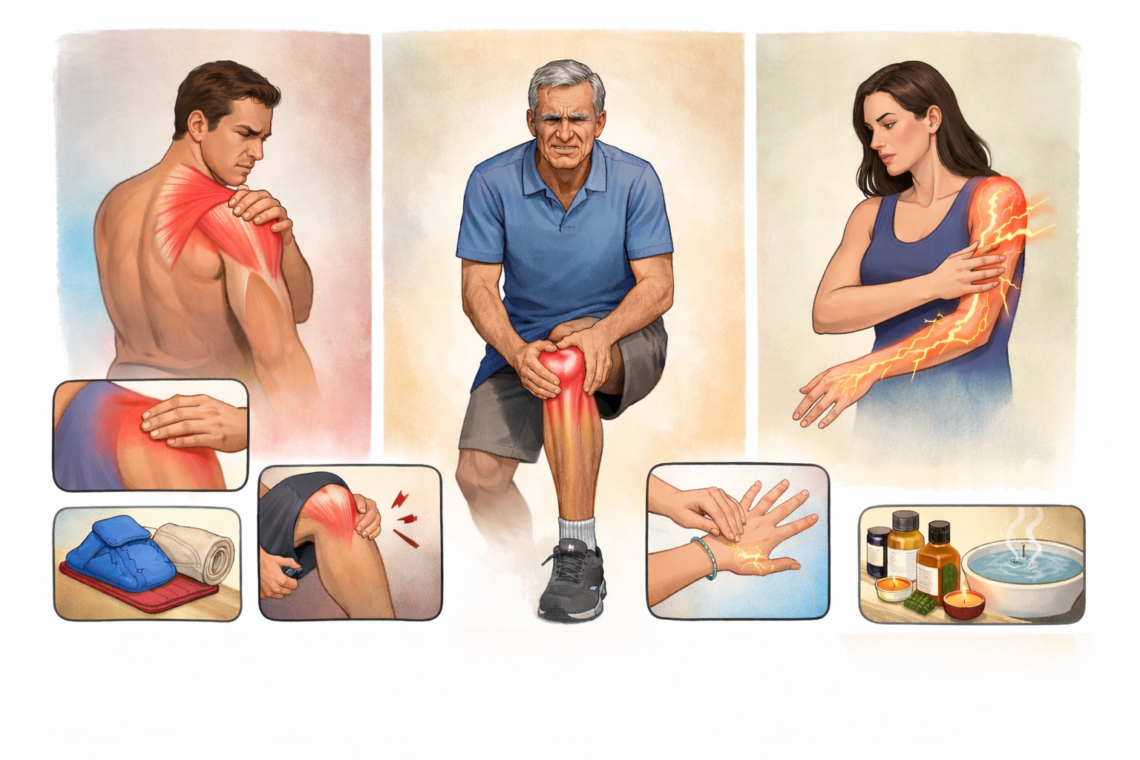
Muscle pain shows up as deep discomfort within your muscle tissue. You’ll typically feel it as a dull, achy sensation that you can pinpoint to a specific spot. When I press on the affected area, it feels tender and sore to the touch.

This type of pain usually appears after physical activity. You might experience it following a long day of yard work, a new workout routine, or even after sleeping in an awkward position. The pain often feels like a muscle pull, presenting as either sharp or dull aching sensations.

Muscle pain can be localized to one specific area, or it can spread throughout your body in cases of systemic conditions like the flu. If you’re dealing with chronic muscle pain, the discomfort persists whether you’re moving or staying still. In addition to the pain itself, the affected muscles often become swollen and feel stiff when you try to use them.

What is joint pain?

Joint pain occurs at the points where two or more bones come together. Your hips, knees, spine, hands, and feet are common locations for joint discomfort.

The sensation differs from muscle pain in how it feels. You might describe it as stiff, achy, or sore, but many people report additional sensations like burning, throbbing, or a “grating” feeling inside the joint. This pain can be constant, or it might come and go throughout your day.

One telltale pattern with joint pain is morning stiffness. Your joints feel particularly rigid when you first wake up, but they tend to loosen up as you move and go about your activities. On the other hand, too much activity can make the pain worse. Joint pain affects your ability to perform basic tasks like climbing stairs, writing, or carrying objects.

What is nerve pain (neuropathy)?

Nerve pain happens when your nervous system malfunctions or sustains damage. Your nervous system includes peripheral nerves that spread throughout your body to your arms, legs, fingers, and toes, as well as your central nervous system consisting of your spinal cord and brain.

When nerve fibers get damaged, they send incorrect signals to your pain centers. About 30% of neuropathy cases occur due to diabetes, but hundreds of other conditions can cause it.

Nerve pain feels distinctly different from muscle or joint pain. Patients describe it as burning, stabbing, or electric shock-like sensations. You might experience tingling, numbness, or a “pins and needles” feeling. In contrast to localized muscle pain, nerve pain often travels. You could feel it shooting down your leg even though the problem starts in your back.

Nerve pain can include several specific symptoms:

  • Allodynia: Normally painless stimuli like cold, light pressure, or brushing against your skin causes pain
  • Hyperalgesia: Normally painful stimuli like heat or pinpricks produce an extreme or increased pain sensation
  • Hypoalgesia: A normally painful stimulus results in a decreased pain response
  • Dysesthesia: Unexpected sensations that feel strange, unpleasant, or painful
  • Spontaneous pain: Pain that happens without any apparent reason or trigger

This type of pain typically doesn’t improve with simple rest. It often comes with numbness or weakness in the affected area, which are red flags that distinguish it from other pain types. The chronic nature of nerve pain sets it apart, as damaged tissue often leads to ongoing, constant discomfort.

How to Tell the Difference: Key Signs and Symptoms

Once you understand the basics of each pain type, the next step is learning how to distinguish between them through observable characteristics. The way your pain feels, where it appears, and how it responds to different triggers tells you which tissue is causing the problem.

Pain sensation: sharp vs dull pain meaning

The quality of your pain sensation reveals important clues about its source. Sharp pain travels through myelinated A-delta fibers that insulate the nerve, allowing signals to move faster and creating immediate, easily identifiable sensations. Dull pain moves through unmyelinated C fibers that transmit messages more slowly, spreading over a larger area and producing aches that are difficult to pinpoint.

Muscle and joint pain typically presents as dull or achy feelings. You might describe it as pressure or heaviness rather than something stabbing. Nerve pain feels distinctly different. Patients describe it as burning, tingling, shooting, or electric shock-like sensations. If your pain feels like electricity running through your body or a burning sensation without any visible injury, nerve damage is the likely culprit.

Location: radiating pain vs localized pain

Pain location patterns provide one of the clearest ways to identify your pain source. Localized pain stays confined to a particular area of your body. When you sprain your ankle or strain a muscle, the pain remains at the injury site. This somatic pain results from inflammation releasing chemical messengers that activate local pain receptors.

Radiating pain behaves completely differently. It travels from one spot to other areas following specific nerve pathways. Sciatica demonstrates this perfectly when pain starts in your lower back but shoots down your leg. Radicular pain occurs when spinal nerves become compressed or inflamed, sending sharp, shooting sensations along the nerve’s route. If your pain follows a pathway or moves from your back down your arm or leg, you’re dealing with nerve involvement.

Response to touch and pressure

How your pain responds to touch distinguishes nerve issues from muscle or joint problems. Muscle pain increases when I press directly on the affected area. The tender spot reproduces your discomfort.

Nerve pain creates unusual touch responses. Allodynia makes normally painless stimuli like light pressure or fabric brushing against your skin feel painful. Inflammation can cause tactile allodynia where touch becomes hypersensitive. Similarly, hyperalgesia amplifies normally painful sensations beyond what you’d expect.

Movement patterns and timing

Movement affects each pain type differently. Muscle pain often feels sharp with movement but becomes a constant dull ache at rest. Joint pain typically presents with morning stiffness that improves as you move throughout your day.

Nerve pain shows distinct mechanical provocation patterns. Tests that move, load, or compress neural tissue trigger symptoms. Your pain might worsen when you bend, and physical exertion can introduce additional discomfort. Night pain that disrupts your sleep points toward nerve involvement.

Tingling numbness causes pain type

Tingling and numbness almost always indicate nerve problems rather than muscle or joint issues. Peripheral neuropathy creates gradual numbness, prickling, or tingling that typically starts in your feet or hands and spreads upward into your legs and arms. These sensations accompany nerve pain but rarely appear with muscle or joint conditions.

You might experience pins-and-needles feelings, weakness, or paralysis alongside the numbness. Pain during activities that shouldn’t cause pain, such as weight on your feet or blankets touching your skin, signals nerve damage.

Simple At-Home Tests to Identify Your Pain Source

Now that you recognize the symptoms, you can perform simple tests at home to confirm your pain source. These tests don’t require special equipment and take just a few minutes.

The pressure test for muscle pain

Apply firm pressure directly to the area where you feel discomfort. Muscle pain increases when you press on the affected spot. The tender point reproduces your symptoms, and you can pinpoint exactly where it hurts.

Press around the painful area using your fingers or thumb. The affected muscle feels sore to touch, and the pressure might be uncomfortable but shouldn’t cause sharp, shooting sensations. If pressing the area makes your pain worse in that specific spot without radiating elsewhere, you’re dealing with muscle involvement.

Acupressure points feel tender when stimulated, but the pressure shouldn’t hurt intensely. If light touch alone causes severe pain or the discomfort shoots down your arm or leg when you press, nerve issues may be present instead.

The movement test for joint pain

Joint pain shows distinct movement patterns. When you first wake up, your joints feel stiff and rigid. This morning stiffness typically eases within about 30 minutes as you move around.

Test your joint by moving it through its full range of motion. Bend, straighten, and rotate the affected area. Joint pain often limits how far you can move, and you might hear clicking or grinding sounds. The discomfort stays within the joint itself rather than spreading to surrounding areas.

Physical examination for musculoskeletal issues includes evaluation of range of motion as a key component. If movement gradually improves your symptoms after initial stiffness, joints are the likely source.

The tingling test for nerve pain

Tinel’s sign provides a simple way to check for nerve compression at home. Lightly tap with your fingertips over the area where you suspect nerve involvement. For example, tap the inside of your wrist if you think you have carpal tunnel syndrome, or tap behind your elbow for ulnar nerve issues.

A positive test produces tingling or a “pins and needles” sensation in the nerve’s distribution when you tap. You might feel the tingling shoot down into your fingers or toes. This indicates nerve compression or damage at that site.

The timing test: morning vs evening symptoms

Pain timing reveals important clues about its source. Morning joint pain presents as stiffness and lack of mobility due to reduced synovial fluid circulation during sleep. Evening joint pain feels achy and sore with burning or throbbing sensations caused by inflammation. Nerve pain often intensifies at night, manifesting as tingling or pins and needles.

What to Do for Each Type of Pain at Home

After identifying your pain source, the right home care approach can provide relief and speed recovery. Treatment strategies differ based on whether you’re dealing with muscle, joint, or nerve issues.

Managing muscle pain naturally

Muscle pain from minor injuries, stress, or exercise usually responds well to care at home. The RICE method works effectively: rest the affected area and take a break from activities that caused the injury, apply ice for 20 minutes three times daily, use compression with a stretchable bandage to reduce swelling, and elevate the injured area above your heart level to help gravity lessen inflammation.

Topical products containing menthol, lidocaine, or diclofenac sodium can ease discomfort when applied directly to sore muscles. Oral pain relievers such as acetaminophen, ibuprofen, or naproxen sodium provide additional relief. Begin mild stretching as your pain decreases to prevent stiffness.

Relieving joint stiffness and pain

Heat therapy offers temporary relief for aching joints. Apply heating pads, warm compresses, or soak in hot baths to increase blood circulation. For acutely inflamed joints, cold therapy with ice packs reduces swelling. Switch between heat and cold based on your symptoms.

Physical activity reduces joint pain and stiffness despite initial discomfort. Walking, swimming, water aerobics, and gentle yoga exercises improve flexibility without stressing joints. A diet rich in whole foods including fruits, vegetables, fish, nuts, and beans while avoiding processed foods helps manage inflammatory conditions. Weight loss significantly reduces arthritis pain, particularly for knee osteoarthritis.

Calming nerve pain symptoms

Warm baths increase blood circulation and decrease numbness symptoms. Regular exercise reduces blood sugar levels, which can slow nerve damage progression while increasing blood flow to extremities. Vitamin B complex (B1, B6, B12), vitamin E, and copper support nerve health. Turmeric contains anti-inflammatory properties that may offer pain relief.

Diluted essential oils like lavender, eucalyptus, or bergamot applied topically can reduce tingling sensations. Meditation techniques help lower stress and improve pain coping skills.

When home care isn’t enough

Seek medical attention if pain persists longer than a few weeks despite self-treatment. Severe pain that interferes with daily activities, sleep, or quality of life requires professional evaluation. Tingling in extremities indicates potential nerve damage that needs prompt assessment to prevent permanent complications. Pain accompanied by loss of mobility lasting more than a month warrants specialist consultation.

Warning Signs That Need Medical Attention

Some pain symptoms require professional evaluation rather than continued home treatment. Recognizing these warning signs helps you get timely care.

Signs of nerve compression pain

Nerve compression creates specific symptoms that distinguish it from other pain types. You’ll experience pain, numbness, or tingling around the compression site, usually at joints like your wrist, elbow, or ankle. Subsequently, you may notice an inability to move the affected area normally. Compression, inflammation, or injury to spinal nerve roots leads to shooting pain, weakness, numbness, or tingling in body parts along the nerve’s path.

Persistent pain that doesn’t improve

Chronic pain persists for three months or longer. If you rate your pain as seven or higher on a ten-point scale, comparable to a bad toothache, see a doctor immediately. Moderate pain that doesn’t resolve within a few days also warrants medical attention.

Weakness or loss of function

Sudden, severe muscle weakness requires emergency care. Weakness accompanied by warning signs can deteriorate rapidly, causing permanent disability. If pain limits your movement, work, or self-care abilities, a pain specialist can provide targeted treatment.

Night pain that disrupts sleep

More than half of patients with chronic pain experience sleep disorders. Two out of three people with chronic pain struggle with sleeping. Pain causes sleep maintenance insomnia, making it difficult to stay asleep throughout the night.

Conclusion

Identifying whether your pain comes from muscle, joint, or nerve doesn’t require a medical degree. Use the simple tests I’ve shared to pinpoint your discomfort source, and you’ll be able to apply the right treatment strategy from day one.

For one thing, accurate identification prevents you from wasting time on ineffective remedies. Muscle pain responds to rest and ice, while joint pain often improves with movement and heat. Nerve pain requires a different approach entirely.

If your symptoms persist beyond a few weeks or you notice warning signs like severe weakness or nighttime disruption, don’t hesitate to consult a healthcare professional for proper diagnosis and treatment.

Key Takeaways

Understanding the source of your pain enables you to choose the right treatment approach and avoid prolonging discomfort through ineffective remedies.

• Muscle pain feels dull and achy, worsens with direct pressure, and stays localized to the injury site • Joint pain causes morning stiffness that improves with movement and often includes grinding sensations • Nerve pain creates burning, shooting, or electric sensations that travel along nerve pathways • Simple at-home tests can identify pain source: pressure test for muscles, movement test for joints, tingling test for nerves • Seek medical attention for pain lasting over 3 weeks, weakness, or symptoms disrupting sleep

Each pain type requires different treatment strategies – muscle pain responds to rest and ice, joint pain improves with movement and heat, while nerve pain needs specialized care. Recognizing these distinctions helps you start effective treatment immediately rather than trying ineffective approaches.

FAQs

Q1. How can I tell if my pain is coming from a muscle or a nerve?

Muscle pain typically feels dull and achy, worsens when you press directly on the affected area, and stays localized to one spot. Nerve pain, on the other hand, feels like burning, shooting, or electric sensations that often travel along pathways in your body. Nerve pain may also cause tingling, numbness, or “pins and needles” feelings, which rarely occur with muscle issues.

Q2. What’s a simple way to test for nerve pain at home?

Try the tapping test: lightly tap with your fingertips over areas where you suspect nerve involvement, such as your wrist or elbow. If you feel tingling or a “pins and needles” sensation shooting down into your fingers or toes when you tap, this indicates possible nerve compression or irritation. Muscles don’t produce this buzzing response when tapped.

Q3. How does joint pain differ from nerve pain?

Joint pain typically causes stiffness, swelling, and aching sensations that are worst in the morning but improve with movement throughout the day. You might also hear grinding or clicking sounds. Nerve pain feels more like burning, tingling, or electric shocks that travel along nerve pathways and often worsen at night, frequently accompanied by numbness or weakness.

Q4. What are the key differences between muscle pain and joint pain?

Muscle pain presents as deep, tender discomfort that you can pinpoint to a specific spot and worsens when you press on it. Joint pain occurs where bones meet and causes stiffness, particularly in the morning, along with possible grinding sensations during movement. Joint pain tends to improve with gentle activity, while muscle pain typically requires rest.

Q5. When should I see a doctor for my pain instead of treating it at home?

Seek medical attention if your pain persists for more than three weeks despite home treatment, if you experience severe weakness or loss of function, if pain disrupts your sleep regularly, or if you notice tingling in your extremities. Pain rated seven or higher on a ten-point scale also warrants immediate professional evaluation.

Q6. How do I know if my pain is muscle, joint, or nerve?

Muscle pain is usually dull, sore, and tender to touch. Joint pain feels deep, stiff, and worse with movement or after rest. Nerve pain is sharp, burning, or electric-like, often with tingling or numbness and may travel along a path.


Q7. What does nerve pain feel like compared to muscle pain?

Nerve pain feels like shooting, burning, or electric shocks, sometimes with pins and needles or numbness. Muscle pain is more aching, tight, and localized, often increasing with activity or pressure.


Q8. Can I identify the type of pain at home?

Yes, you can get a good idea by observing:

  • Location (localized vs radiating)
  • Type (dull vs sharp/burning)
  • Triggers (movement, rest, pressure)
    This doesn’t replace a diagnosis but helps guide understanding.

Q9. Does nerve pain travel from one area to another?

Yes. Nerve pain often radiates along the nerve pathway, such as from the lower back to the leg (like sciatica) or from the neck to the arm.


Q10. Is pain that increases on pressing a muscle always muscular?

Most of the time, yes. Tenderness on pressing usually indicates muscle or soft tissue involvement, but sometimes deeper joint or trigger point issues can mimic this.


Q11. Why does my pain feel worse after rest?

Pain that worsens after rest is often joint-related (like early arthritis or stiffness). Muscles usually feel better after rest, unless they are very tight or injured.


Q12. What are the early signs of nerve compression?

Common early signs include:

  • Tingling or “pins and needles”
  • Numbness
  • Burning or shooting pain
  • Weakness in the affected limb

Q13. Is tingling always a sign of nerve damage?

Not always. Tingling can occur due to temporary nerve irritation or compression (like sitting awkwardly). Persistent or progressive tingling, however, should be evaluated.


Q14. Can muscle pain cause radiating symptoms?

Typically no. Muscle pain is usually localized, but trigger points can sometimes refer pain to nearby areas, which may mimic nerve pain.


Q15. When should I see a doctor for my pain?

Seek medical attention if you have:

  • Persistent pain beyond a few weeks
  • Severe or worsening symptoms
  • Numbness, weakness, or loss of function
  • Pain after injury or trauma

Consult for all the orthopedic related problems with Dr Manu Mengi

Why Does My Neck Hurt After Using the Phone? The Real Cause and How to Fix It – Dr. Manu Mengi

Why does my neck hurt after using the phone? Tanswer might surprise you. People spend an average of three hours and 15 minutes on their phones daily, checking them 58 times each day. What many don’t realize is that looking down at your phone puts up to 60 pounds of force on your neck. This condition, known as text neck or tech neck, occurs when poor posture while using smartphones strains your cervical spine. Neck pain is now the fourth leading cause of disability, with an annual prevalence rate exceeding 30%. In this guide, I’ll explain what causes phone-related neck pain and how you can prevent and treat it.

What Is Text Neck Syndrome?

Text neck syndrome refers to a repetitive stress injury caused by holding your head in a forward position for extended periods. Also called tech neck, this condition manifests as chronic neck or shoulder pain, soreness, or stiffness resulting from poor posture while using technology.

The weight and pressure problem

Your head weighs approximately 5 kilograms. When you hold your head in a neutral position, your neck supports this natural weight without issue. The problem starts when you tilt your head forward to look at your phone.

The load on your neck increases exponentially based on the angle of inclination. At 15 degrees of forward tilt, the force on your neck surges to 12 kilograms. Bend further to 30 degrees, and the pressure rises to 18 kilograms. At 45 degrees, your neck muscles must support 22 kilograms. When you tilt your head 60 degrees forward, which many people do while texting, the load reaches an alarming 27 kilograms[6].

Think about it this way: holding a gallon of milk next to your body feels manageable. A gallon weighs roughly eight pounds, while your head weighs about 10 to 12 pounds. But if you extend your arm to hold that gallon out to your side, you create 72 pounds of pressure at your elbow and 96 pounds at your shoulder. Your neck and upper back muscles feel the same pressure from your head’s weight when you spend extended time looking down at electronic devices.

How your neck supports your head

The cervical spine forms the bony structure of your neck. Its primary function centers on supporting the skull while still allowing movement. The neck remains resilient enough to sustain a five-kilogram weight constantly, yet mobile enough to move your head in several directions.

Your cervical spine supports and cushions loads to the head and neck while allowing rotation and protecting the spinal cord extending from the brain. Large vertebral bodies aren’t necessary at this level considering the relatively small weight-bearing load. Increased range of motion takes priority over vertebral size and rigidity.

Why smartphones create this condition

Smartphones create text neck syndrome through several mechanisms. Looking down at electronic devices causes your neck muscles to strain and your shoulders to slump forward. Your body prioritizes visual comfort over postural comfort. For this reason, you tend to change your posture to accommodate vision with your screen, which leads to musculoskeletal fatigue.

People looking at their phones often stay in a static position for extremely long periods. This actually requires more work and effort from your body than dynamic movement. Staying in this position increases the force and effort on your shoulders, neck, and upper back muscles while putting uneven pressure on your spine.

The sustained head-forward tilt posture may deteriorate the mechanism of muscle reaction efficiency or reduce the stiffness of connective tissues of your cervical spine. Prolonged phone use increases pressure on the disks and ligaments between the cervical vertebrae. Neck flexion, the most common posture during phone use, serves as a risk factor for pain.

Musculoskeletal fatigue and pressure on the nerve supply in your neck can cause pain that also refers to your arms and hands. Weak neck muscles impair your ability to maintain postural stability, leading to abnormal forces on the cervical vertebrae.

Why Looking Down at Your Phone Causes Neck Pain

When you work on a computer or look down at your phone, the muscles in the back of your neck contract to hold your head up. The angle of your head dictates how hard these muscles must work.

The angle effect on your neck muscles

The more you look down, the harder your muscles work to keep your head up. These muscles get overly tired and sore from looking down at smartphones, computers, or tablets all day. When you look down just 45 degrees, your neck muscles do the work of lifting an almost 50-pound bag of potatoes. This puts considerable strain on your neck joints and disks, contributing to them wearing out.

Research shows that neck muscle activity differs at various neck flexion angles. The Cervical Erector Spinae muscle activity increases while the Upper Trapezius muscle activity decreases at increased neck flexion angles. At neck flexion angles of 0 to 15 degrees, the activity of both muscles remains acceptably low. Smartphone users should consider adopting neck flexion angles between 0 and 15 degrees during smartphone use, as there is an association between this neck flexion angle range and reduced muscle activity.

The muscles initially strain to hold your head up. But the muscles tighten and, as they do, they put more pressure on the disks. This makes the disks wear out faster, and as the disks wear out, they can bulge or even rupture.

Forward head posture explained

Bending your head forward at a 45-degree angle to look at a cellphone or tablet can dramatically increase your chances of developing forward head posture. This condition occurs when the neck and upper back muscles are strained due to the altered forward position of the head relative to the shoulder. During smartphone use, the maintenance of head-forward posture decreases cervical lordosis of the lower cervical vertebrae and creates a posterior curve in the upper thoracic vertebrae to maintain balance. This is known as forward head posture or turtle neck posture, which may cause musculoskeletal disorders such as upper crossed syndrome.

Forward head posture contributes to the onset and perpetuation of neck and back pain syndromes, with further loss of cervical spine extension. Near maximal head angles exceeding approximately 40 degrees may trigger the cervical flexion-relaxation phenomenon, potentially aggravating neck issues by shifting load from active musculature to passive structures.

Static positions vs. dynamic movement

People looking at their phones often stay in a static or same position for extremely long periods. This actually requires more work and effort from your body than dynamic movement. Prolonged postural maintenance can cause shoulder and neck disorders. Muscle fatigue occurs mainly from functional decline due to metabolite accumulation or weakened neural signaling under repetitive or prolonged loading.

Visual comfort over postural comfort

While using a cellphone, you bring it closer to your body to maintain visual comfort and see the screen more clearly. Your body wants visual comfort over postural comfort. For this reason, you tend to change your posture to accommodate vision with your screen, which can cause musculoskeletal fatigue. Over time, staying in this position increases the force and effort on your shoulders, neck, and upper back muscles and puts uneven pressure on your spine.

Tech Neck Symptoms You Shouldn’t Ignore

Recognizing tech neck symptoms early can prevent long-term damage. Research shows that 58.3% of university students experienced neck pain within a one-year period, with neck pain affecting between 10% to 20% of adults.

Pain in the neck and upper back

You might experience pain in one specific spot, with intensity increasing when touched. This resembles a jab that makes you wince and instinctively move your neck. Some people describe the sensation as a persistent ache, while others report stabbing or burning pain. The discomfort often spreads from one side of your neck to your shoulders and back, creating a dull throbbing sensation.

The pain typically worsens when your neck moves forward while speaking on the phone. You may also notice increased discomfort when looking down continuously to text or play games. This pain can be either axial, felt mostly in your neck, or radicular, shooting into your shoulders or arms.

Stiffness and reduced mobility

The muscles in your neck, back, and shoulders may tighten and become rigid, causing pain with every movement. This restricts your mobility and makes simple head movements uncomfortable. Some people report having a hard time looking up after looking down for extended periods.

Headaches and muscle spasms

Spending excessive time looking at your smartphone can cause your neck muscles to spasm suddenly. This painful condition sends neck pain upward, triggering headaches at the base of your skull. Studies confirm that smartphone use increases headache duration and frequency. Mobile phone use causes headaches through factors like eye strain and poor posture. The number of hours you spend on your phone directly links to your headache frequency.

Numbness or tingling in arms

In more severe cases, you might develop numbness, tingling, or weakness extending down into your arms. These symptoms suggest nerve involvement and may indicate cervical radiculopathy, also known as a pinched nerve. This condition typically affects only one side of your body. People with cervical radiculopathy describe the pain as sharp or burning, with symptoms including a pins and needles feeling in fingers or hands.

When to see a doctor

Contact a healthcare provider if neck pain interferes with work or daily activities. Seek urgent medical attention if pain develops after an accident, involves loss of bowel or bladder control, or occurs with fever, headache, and neck stiffness. Additionally, pain traveling down one arm, especially with weakness, numbness, or tingling, requires prompt evaluation. If non-operative measures don’t work or you experience constant numbness or weakness in the arms, consider consulting a specialist.

How to Prevent Tech Neck

Prevention starts with changing how you interact with your devices. Simple adjustments to your phone habits can reduce neck strain significantly and protect your cervical spine from long-term damage.

Hold your phone at eye level

Keeping your phone at eye level helps maintain your cervical spine in a neutral position. When standing and texting, roll your shoulders back and down, then place your left hand on your right rib cage. Your right elbow rests on top of your left hand to support your right arm while you view your phone and swipe with your thumb. Switch sides often to prevent overuse and fatigue.

At your desk, sit tall in your chair and place your elbows on the desk surface. Hold your phone at eye level, push down with your elbows into the desk, and engage your back muscles while bringing your shoulders down and away from your ears. When sitting without a desk, move to the front of your chair and lean forward with a flat back, placing your elbows on top of your knees.

Keep your wrists in a neutral position without excessive bending. Holding your phone at waist or chest level with elbows slightly bent helps maintain this position.

Take regular breaks from your device

Aim for a 5-minute break every 20 to 30 minutes to stretch and move around. Studies show that frequent breaks along with correct posture while using smartphones serve as key entities to prevent text neck syndrome. Taking breaks every 30 to 60 minutes allows you to stand up, stretch your neck and shoulders, or take a short walk to reset your posture.

Maintain proper posture while sitting

Sitting with your back completely straight puts force on the disks in your lower back and requires neck muscles to contract constantly to hold your head up. In other words, a better approach involves reclining your chair 25 to 30 degrees with good lumbar support to prevent slouching.

Ensure your back maintains a neutral spine with your shoulders relaxed but not slouched. Keep your chin slightly tucked and your ears aligned with your shoulders. Your feet should rest flat on the floor with your knees at 90-degree angles.

Use ergonomic computer setup

Place your monitor at or slightly below eye level, roughly an arm’s length away. Lean the screen back 10 to 20 degrees to minimize neck flexion. Position your keyboard and mouse at elbow level so your wrists stay straight. Rest your elbows on a desk or armrests to take the weight off your shoulders and neck.

Change positions frequently

Alternating between sitting and standing throughout the day reduces strain on your neck and back. A standing desk allows better posture control by keeping your screen at eye level. If a standing desk isn’t available, take standing breaks every 30 to 60 minutes to reset your posture and reduce stiffness.

Exercises and Treatments for Phone-Related Neck Pain

Addressing existing neck pain requires a combination of stretching, strengthening, and therapeutic interventions. Neck stretches can improve range of motion and mobility while easing tension.

Neck stretches and range of motion exercises

Chin tucks strengthen your neck muscles and improve spinal awareness. Sit tall with your chin parallel to the floor, then gently draw your head back like you’re making a double chin. Hold for three deep breaths. The trap stretch releases tension in upper trapezius muscles spanning your neck and shoulders. Place one hand on your waist, tilt your head to the opposite side, and gently pull until you feel a comfortable stretch for 20-30 seconds.

Strengthening exercises for neck muscles

Prone retraction builds neck strength. Lie face down with arms at your sides, keep your neck straight, and lift your chin, arms, and knees slightly off the floor. Hold for 2-3 seconds and repeat 10 times for three sets.

Hot and cold therapy

Ice works best for acute injuries, sudden pain, or swelling. Heat relieves chronic stiffness and tension once swelling subsides. Apply either for 20 minutes several times daily.

Physical therapy options

Physical therapy provides significant benefits including pain reduction and posture correction. Therapists guide proper exercise form and develop personalized treatment plans.

Pain relief medications

NSAIDs like ibuprofen reduce inflammation and pain. Muscle relaxants eliminate spasms, while corticosteroids reduce severe inflammation for 7-10 days.

Conclusion

Text neck might seem like a minor inconvenience, but the damage adds up quickly when you ignore it. Your neck wasn’t designed to support 60 pounds of pressure from hours of phone use daily. Now that you understand how phone angles affect your cervical spine, you can take action to protect yourself.

Start by holding your phone at eye level and taking regular breaks every 20 to 30 minutes. Combine these habits with the stretches and strengthening exercises I’ve outlined above. If you experience persistent pain, numbness, or tingling, don’t wait to consult a healthcare provider. Prevention is always easier than treatment.

Key Takeaways

Understanding the mechanics of phone-related neck pain empowers you to take preventive action and protect your cervical spine from long-term damage.

• Looking down at your phone creates up to 60 pounds of pressure on your neck – tilting your head just 60 degrees forward forces your neck muscles to support 27 kilograms instead of the normal 5 kilograms.

• Hold your phone at eye level and take breaks every 20-30 minutes – maintaining neutral spine position and frequent movement breaks are the most effective prevention strategies.

• Text neck symptoms progress from stiffness to nerve damage – early signs include neck pain and headaches, but severe cases can cause numbness and tingling in your arms.

• Simple exercises and posture corrections provide immediate relief – chin tucks, trap stretches, and ergonomic adjustments can reverse existing damage and prevent future problems.

• Seek medical attention for persistent or severe symptoms – pain that interferes with daily activities, numbness in arms, or weakness requires professional evaluation to prevent permanent damage.

The key is consistency in applying these preventive measures rather than waiting for pain to develop. Small daily adjustments to your phone habits can save you from chronic neck problems and expensive treatments down the road.

FAQs

Q1. How can I get rid of neck pain caused by phone use?

To relieve neck pain from phone use, keep your screen at eye level to maintain a neutral spine position. Take breaks every 20 to 30 minutes to stretch and move around. Practice chin tucks and neck stretches regularly, and strengthen your neck and upper back muscles through targeted exercises. Using proper posture while sitting and ensuring your workspace is ergonomically set up can also provide significant relief.

Q2. Can tech neck be reversed or does it cause permanent damage?

Tech neck can be reversed with consistent effort and proper care. Performing regular range of motion exercises—turning your head up, down, left, and right—helps stretch the neck muscles. Combining these movements with posture corrections, strengthening exercises, and ergonomic adjustments can eliminate symptoms. However, if left untreated, prolonged poor posture may lead to more serious conditions requiring medical intervention.

Q3. What are the common symptoms of tech neck?

Tech neck typically presents as chronic neck or shoulder pain, soreness, and stiffness. You may experience a dull ache or sharp, stabbing pain that spreads from your neck to your shoulders and upper back. Other symptoms include reduced mobility, muscle tightness, headaches at the base of the skull, and in severe cases, numbness or tingling that extends down into your arms.

Q4. Why does tilting my head down to look at my phone cause so much strain?

When you tilt your head forward, the weight your neck must support increases dramatically. While your head weighs about 5 kilograms in a neutral position, tilting it 60 degrees forward creates up to 27 kilograms of pressure on your neck muscles and spine. This excessive force strains muscles, puts pressure on disks and ligaments, and can lead to chronic pain and structural damage over time.

Q5. How often should I take breaks from my phone to prevent neck pain?

You should take a 5-minute break every 20 to 30 minutes when using your phone or other devices. During these breaks, stand up, stretch your neck and shoulders, and move around to reset your posture. Alternating between sitting and standing positions throughout the day also helps reduce strain on your neck and prevents the muscle fatigue that comes from maintaining static positions for extended periods.

Consult Dr. Manu Mengi for orthopedic care and treatment of joint, bone, and muscle problems.

Why Does My Ankle Hurt? Your Essential Guide to Flat Feet and Pain Relief – Dr. Manu Mengi

Understanding the connection between flat feet and ankle pain can help you identify the root cause of persistent discomfort and find effective relief strategies.

• Flat feet affect 25% of the population and create a biomechanical chain reaction – collapsed arches force ankles to roll inward, causing overpronation and stress throughout the lower limb kinetic chain.

• Inner ankle pain without injury often signals flat feet problems – particularly posterior tibial tendon dysfunction, which causes pain behind the inner ankle bump and difficulty standing on tiptoes.

• Simple self-tests reveal flat feet connections – wet footprint tests, shoe wear patterns on inner edges, and visible toe count from behind indicate potential flat feet causing ankle issues.

• Conservative treatments provide significant relief for most people – targeted physiotherapy exercises, proper arch-supporting footwear, and custom orthotics address both symptoms and underlying biomechanics effectively.

• Prevention through strengthening prevents recurring problems – regular arch exercises, balance training, and early intervention for ankle sprains maintain stability and reduce future injury risk.

Most people with flat feet-related ankle pain find substantial improvement through conservative management, making early recognition and proper treatment essential for long-term comfort and mobility. Is your ankle pain actually coming from flat feet? Hidden foot mechanics might be the culprit behind your persistent discomfort. Many people experience ankle pain without realizing that their foot structure could be the root cause. In fact, flat feet affect approximately 25% of the general population, with higher prevalence among females and individuals with higher body mass index.

While most of us don’t think much about our foot arches, they significantly impact our entire lower body alignment. A recent study found that among 100 university students, 30 had flat feet, demonstrating how common this condition is even among younger adults. Importantly, the incidence of flat feet decreases with age, from 54% at age 3 to just 11.25% by ages 18-25. For those with symptomatic flexible flat feet, symptoms tend to be more severe when there’s greater forefoot abduction, creating a chain reaction of stress that travels up from the foot to the ankle.

In this guide, we’ll explore the hidden connections between flat feet and ankle pain, how to determine if your foot structure is causing your discomfort, and effective treatment options to finally find relief.

Understanding the Connection Between Flat Feet and Ankle Pain

The relationship between your foot structure and ankle discomfort runs deeper than most realize. Flat feet don’t just affect how your shoes fit—they can fundamentally alter the mechanics of your entire lower limb.

What Are Flat Feet (Pes Planus)?

Pes planus, commonly called “flat feet,” is characterized by the loss of the medial longitudinal arch of the foot. This condition affects approximately 25% of the general population, with women experiencing it more frequently than men. When someone with flat feet stands, the arches on the inside of their feet flatten under pressure, causing the feet to point outward with the entire sole touching the floor.

Flat feet typically appear in two forms:

  • Flexible flat feet – The arch disappears during weight-bearing but returns when weight is removed. Most children naturally have flat feet, with arches developing as they begin walking. Nevertheless, this condition may persist into adulthood for some individuals.
  • Rigid flat feet – Present in only about 1% of cases, these flat feet don’t form an arch even when not bearing weight.

The foot’s arches serve crucial biomechanical functions. They act as natural shock absorbers, adapt to uneven surfaces, store and release energy during walking, and protect the nerves and blood vessels in your feet. When these arches collapse or fail to develop properly, the entire mechanical foundation of your lower limbs becomes compromised.

How Flat Feet Affect Ankle Alignment

Flat feet fundamentally alter the alignment of your ankle and foot. Due to the collapse of the medial arch, people with pes planus typically experience heel valgus (outward pointing heel) and medial talar prominence. This misalignment doesn’t stay isolated to the foot.

The flattened arch causes your heel to point outward while simultaneously forcing your ankle to roll inward. This creates an imbalance between the invertor and evertor muscles surrounding your ankle. Studies using electromyography have confirmed that patients with flat feet show higher tibialis posterior activity and lower peroneus longus activity during midstance and propulsion phases of walking.

Furthermore, these muscle imbalances directly contribute to ankle instability. As the calcaneal pitch (heel angle) decreases, the tibialis anterior ratio increases while the peroneus longus ratio decreases—essentially creating an uneven pull across the ankle joint. This mechanical disadvantage explains why people with flat feet often experience ankle pain, especially after prolonged standing or activity.

The Kinetic Chain: Foot to Ankle Stress

The concept of the kinetic chain helps explain how foot problems create issues elsewhere in the body. Your foot serves as the foundation of your entire lower quarter kinetic chain. Therefore, when flat feet alter your normal biomechanics, the effects cascade upward.

The term “kinetic” refers to movement, while “chain” describes how individual joint movements coordinate to create functional movements like walking and running. Misalignment at any point in this chain—particularly at its foundation—can trigger problems throughout the system.

For individuals with flat feet, excessive flexibility of the subtalar joint increases pronation, creating an unstable base of support. This instability forces your body to make compensations:

  • Your foot hyper-pronates, causing abnormal rear-foot eversion
  • This creates abnormal loading patterns on both the subtalar and ankle joints
  • The muscles surrounding your ankle work harder to maintain stability
  • Your gait pattern changes to accommodate these mechanical disadvantages

Additionally, flat feet affect the somatosensory input from the foot to the brain. The anatomical changes alter how mechanoreceptors on your plantar surface transmit signals to your central nervous system. This disrupted communication further compounds movement inefficiencies and increases stress on ankle structures.

For many people, this connection between flat feet and ankle pain remains hidden until symptoms become severe. However, understanding this relationship is essential for proper diagnosis and effective treatment.

Common Types of Ankle Pain Caused by Flat Feet

Flat feet often manifest in specific ankle pain patterns that can drastically affect your daily mobility. Understanding these distinct pain presentations helps identify the root cause of your discomfort and guides appropriate treatment.

Medial Ankle Pain and Posterior Tibial Tendon Dysfunction

The inner ankle area commonly becomes painful for people with flat feet, typically due to Posterior Tibial Tendon Dysfunction (PTTD). This critical tendon runs from your calf muscle across the inside of your ankle to support your arch. In flat feet, this tendon undergoes excessive stress, leading to inflammation, weakness, and eventually degeneration.

PTTD progression follows a predictable pattern. Initially, you’ll notice pain and swelling along the tendon path behind your inner ankle bump. Over time, the tendon weakens, making it difficult to stand on tiptoes or “push off” while walking. Eventually, the arch collapses further, causing visible changes in foot structure – including a more pronounced flat foot appearance and outward turning of the heel and toes.

Without intervention, this painful cycle continues as inflammation weakens the tendon, making it more susceptible to injury. Each new injury further weakens the structure, creating ongoing stress on surrounding tissues.

Lateral Ankle Pain from Overpronation

The outer (lateral) ankle isn’t spared from flat feet complications. As the arch flattens, your ankle typically rolls inward excessively – a condition called overpronation. Subsequently, this misalignment forces your feet to point outward during walking.

Overpronation creates several issues that contribute to lateral ankle pain:

  • The heel bone shifts outward relative to the ankle, creating impingement against the outer ankle bone
  • Excessive pressure develops along the outer foot edge
  • Increased risk of ankle instability and repeated sprains

People with flat feet are markedly more inclined to develop overpronation, which connects to numerous painful conditions including Achilles tendinitis, plantar fasciitis, shin splints, and both knee and hip pain.

Chronic Ankle Tendonitis in Flat Feet

Several tendons surrounding the ankle become vulnerable to inflammation in people with fallen arches. The most commonly affected include:

  1. Posterior Tibial Tendon: As mentioned earlier, this inner ankle tendon bears tremendous stress in flat feet, leading to chronic inflammation and potential tearing.
  2. Achilles Tendon: Connecting your calf muscle to your heel bone, this tendon undergoes increased strain with flat feet. The lack of proper arches forces greater range of motion in your feet, causing them to slide inward and forcing your Achilles tendons to work harder, becoming inflamed.
  3. Extensor Tendons: These tendons run along the top of your foot and can become inflamed with altered biomechanics.

Tendonitis symptoms generally include pain along the affected tendon, swelling, redness, stiffness (especially after inactivity), and gradually worsening discomfort with activity.

Peroneal Tendon Pain and Hindfoot Valgus

The peroneal tendons run along your outer ankle and provide crucial stability. Flat feet create conditions that frequently lead to peroneal tendon inflammation through several mechanisms:

First, the outward tilting of the heel (hindfoot valgus) places abnormal stress on these stabilizing tendons. Second, as your arch collapses, your foot’s biomechanics change, requiring these tendons to work harder to maintain balance.

Peroneal tendonitis symptoms include outer ankle pain, swelling, and a feeling of ankle instability. Left untreated, this condition can progress to tendon tears or subluxation (displacement from normal position).

Unlike many ankle injuries, peroneal tendon issues often develop gradually rather than from sudden trauma, making them harder to diagnose. In fact, about 60% of peroneal tendonitis cases are initially misdiagnosed as other conditions like sprains.

Why Does My Ankle Hurt with Flat Feet: Hidden Causes

Behind every painful step lies a complex mechanism that connects flat feet to ankle discomfort. Even minor changes in foot structure can trigger a cascade of biomechanical issues that affect your entire lower limb. Let’s uncover the hidden culprits behind your persistent ankle pain.

Subtalar Joint Overpronation

The subtalar joint—located just below your ankle—plays a crucial role in foot mechanics yet rarely gets the attention it deserves. In people with flat feet, this joint experiences excessive motion during walking or running.

Pronation requires a combination of dorsiflexion, abduction, and eversion movements. Though some pronation is normal and necessary, those with flat feet often develop overpronation, where the foot rolls inward excessively. This abnormal subtalar joint movement becomes a primary source of ankle pain.

Overpronation happens when your gait eventually causes the arches of your feet to flatten more than they would normally. This creates a vicious cycle: the flattened arch increases overpronation, which then stresses the ankle joint further.

The consequences of subtalar joint overpronation extend beyond mere discomfort. It increases the risk of foot and leg injuries as your body struggles to maintain proper alignment. Moreover, the soles of your shoes might reveal the first clue—if the inside section shows more wear than the outside, overpronation might be occurring.

Deltoid Ligament Stress and Ankle Ligament Strain

On the inner side of your ankle lies the deltoid ligament—a strong fibrous structure that prevents excessive outward movement of the foot. For those with flat feet, this critical ligament faces constant stress.

The deltoid ligament stabilizes the ankle joint, yet in flat-footed individuals, it remains perpetually stretched. Though deltoid ligament injuries are less common than outer ankle sprains, they’re typically more severe and require longer recovery periods.

Flat feet create the perfect conditions for deltoid ligament strain through several mechanisms:

  • Excessive stress on the medial ankle due to arch collapse
  • Poor foot biomechanics, specifically overpronation
  • Repetitive strain from everyday activities

Consequently, neglected deltoid ligament injuries can lead to progressive deformity, posterior tibial tendon dysfunction, and worsening flat-foot conditions. This creates a dangerous feedback loop—flat feet strain the ligament, which then weakens, allowing the foot to flatten further.

Gait Abnormalities That Increase Ankle Load

Your walking pattern changes substantially with flat feet. These alterations might seem minor, yet they dramatically increase stress on your ankle joint.

Children with flat feet display a less functional gait pattern in terms of ankle kinetics than children without flat feet. Research shows that the higher the arch index value (flatter the foot), the lower the peak of ankle moment and generated ankle power during terminal stance.

People with flat feet typically demonstrate:

  • Reduced ankle plantarflexion moment during push-off phase
  • Lower power generation at the ankle
  • Less efficient energy transfer through the foot
  • Antalgic (pain-avoiding) walking patterns

These biomechanical changes result in weaker push-off ability, leading to less functional walking. Additionally, examiners often notice overpronation with ambulation in flat-footed individuals.

Ankle Pain After Standing Long Hours

Standing for extended periods puts your feet and ankles under sustained pressure. For those with flat feet, this becomes particularly problematic.

Having flat feet can cause ankle instability, leading to pain and other problems when you walk. Over time, this instability transfers too much stress to parts of your lower body that aren’t prepared to bear it.

Early symptoms might include foot pain after walking and ankle pain from overpronation. Moreover, dysfunction of the arch complex usually begins asymptomatic but gradually alters the biomechanics of the lower limbs and lumbar spine, causing an increased risk of pain and injury.

Flat feet dramatically increase your risk for chronic “rolling of the ankle”. This instability becomes particularly noticeable after long periods of standing, when muscles fatigue and structural support diminishes.

How to Tell If Your Flat Feet Are Causing Ankle Pain

Recognizing the connection between your flat feet and ankle pain requires attention to specific signs and symptoms. Many people overlook this relationship, despite clear indicators that their foot structure might be causing their discomfort. Is your ankle pain actually coming from flat feet? Hidden foot mechanics often reveal themselves through predictable patterns.

Self-Assessment: Foot Posture Signs

Checking your feet at home can provide valuable insights into whether your arch structure might be contributing to ankle discomfort. First, try the wet footprint test—wet your feet and stand on a flat surface like paper or concrete. If you see a complete imprint of your foot with no visible arch, you likely have flat feet.

Another telling sign appears when examining your feet from behind. Look at your Achilles tendon—on a flat foot, this tendon will appear arched and curved inward, with the inside of your foot positioned quite close to the ground. Additionally, check how many toes are visible when looking at your feet from behind—if you can see more than one or two toes, this suggests potential flat feet.

Your shoes also tell a revealing story. Inspect the wear patterns on your footwear—excessive wear on the inner edges of your soles often indicates overpronation, a condition closely linked to flat feet. This uneven wear pattern demonstrates how your biomechanics shift weight distribution abnormally.

When Inner Ankle Pain Points to Flat Feet

Inner ankle pain combined with specific symptoms often signals flat feet as the underlying cause. Pay attention to tenderness along the inside of your ankle, especially after standing or walking for extended periods. This pain typically follows a pattern—starting as a dull, dragging ache along the inner ankle that worsens with activity.

The posterior tibial tendon runs from your calf, behind your inner ankle bone, and connects to your arch. When this tendon becomes overworked from supporting collapsed arches, it often signals distress through pain and swelling near the inside of the ankle. A simple diagnostic test involves attempting to rise onto the ball of one foot—if your heel can’t lift properly or your foot wobbles inward during this movement, that’s a significant indicator of posterior tibial tendon dysfunction related to flat feet.

Ankle Pain Without Injury: Could It Be Your Arches?

Ankle discomfort without obvious trauma frequently stems from flat feet. Consider these key indicators:

  • Pain that develops gradually rather than suddenly following an incident
  • Discomfort that increases after long periods of standing or activity
  • Symptoms that improve with rest but consistently return with activity
  • Difficulty standing on your toes or feeling unstable on uneven surfaces

Flat feet don’t always cause problems immediately. Often, symptoms follow a progression—starting with foot fatigue and progressing to more persistent ankle pain. According to Cleveland Clinic, early symptoms might include foot pain after walking and ankle pain from overpronation, while over time, this can develop into gait disorders and chronic pain even when you’re not walking.

Importantly, if you notice that your ankle seems to turn inward as you walk, with your feet pointing outward, this pattern of overpronation strongly suggests flat feet as a contributing factor. This abnormal walking pattern transfers excess stress to your ankles, creating pain cycles that persist without proper intervention.

Treatment Options for Flat Feet Ankle Pain Relief

Finding relief for ankle pain caused by flat feet begins with targeted treatments that address both symptoms and underlying biomechanics. Effective management typically involves a combination of approaches tailored to your specific condition.

Flat Feet Physiotherapy Exercises

Strengthening exercises remain the cornerstone of flat feet treatment, directly targeting the muscles supporting your arches. Regular heel stretches reduce pain and may help correct fallen arches. Effective exercises include:

  • Heel stretches against a wall, holding for 30 seconds (4 times each side)
  • Tennis ball rolls under your arch for 2-3 minutes per foot
  • Arch lifts where you roll weight to outer edges while lifting arches
  • Towel scrunches that strengthen foot muscles through resistance

These exercises strengthen the tibialis posterior muscle and other foot stabilizers while improving overall foot posture. Indeed, some research indicates that proper exercise programming can improve arch function even in chronic cases.

Can Orthotics Fix Ankle Pain?

Orthotic devices provide substantial relief by supporting arches and improving foot alignment. They effectively distribute body weight evenly, reducing stress on sensitive areas and preventing common foot issues.

Orthotics come in two primary forms:

  • Ready-made devices that offer general support
  • Custom-made insoles that address your specific foot structure

Notably, arch support insoles with cushioned heel cups protect heels from impact and absorb shock at its source. For severe cases, custom-made footwear may be necessary to properly support the foot.

Best Shoes for Flat Feet Ankle Pain

Proper footwear selection proves critical for managing flat feet discomfort. Stability shoes with motion control features help support your arches and provide essential cushioning.

Look for shoes with:

  • Stiff heel counters for stability
  • Firm midfoot that resists twisting
  • Wide fit to accommodate foot spreading

Hip Pain While Sleeping on the Side – Causes and What Actually Helps” By Dr. Manu Mengi

Hip pain while sleeping on the side affects millions of people worldwide. More than one-third of U.S. adults say hip, knee, or foot pain keeps them awake at night. You’re definitely not alone if you’ve felt that uncomfortable sensation while lying on your side.

Patients often report major discomfort in their hips during sleep. The pain makes it very hard to get comfortable, especially at night. A simple position adjustment helps minimize pressure on the joint, but several other strategies can provide relief.

Let’s explore why your hip hurts when you sleep on your side, the common causes behind this discomfort, and best of all, what really helps ease the pain. You’ll find practical solutions to help you get better sleep, whether you face occasional discomfort or chronic nighttime hip pain.

Why does hip pain get worse at night?

Hip pain gets worse at night for many people, making it hard to sleep comfortably. This isn’t just random – there are real reasons why your hip hurts more when you try to sleep. Learning why this happens is the first step to finding relief.

Pressure on the hip joint during side sleeping

Sleeping on your side affects how comfortable your hips feel at night. Your body weight puts a lot of pressure on your hip joint, especially the outer part. This position squeezes the surrounding parts, including the bursa (fluid-filled cushioning sacs), tendons, and muscles.

The pressure creates bigger problems for side sleepers who have Greater Trochanteric Pain Syndrome (GTPS). This condition covers several issues that affect the outer hip and can make side sleeping really uncomfortable.

Here’s what happens when you sleep on your side:

  • Your weight pushes down on the hip touching the mattress
  • Your hip joint carries this weight all night
  • The pressure can irritate sensitive areas
  • Your other hip might strain forward and create tension

Your hips can hurt even if you don’t have any diagnosed conditions. The mattress plays a big role too – one that’s too soft or too firm creates pressure points that make your hips hurt more as the night goes on.

Side sleepers often get hip pain. Your hip has several parts that can get squeezed or irritated during side sleeping. The greater trochanter (the bony bump on the outside of your upper thigh bone) pushes against the mattress, along with the soft tissues around it.

Reduced movement and joint stiffness

You move and change positions often during the day, even without thinking about it. This movement keeps your joints flexible and blood flowing around your hips. But things change at night.

You don’t move much when you sleep. Deep sleepers might stay in one position for hours. This lack of movement leads to several problems:

  1. Less joint fluid movement
  2. Stiff hip muscles
  3. Tighter joint capsule
  4. Less natural joint lubrication

Your body can’t pump blood and synovial fluid (your joints’ natural lubricant) as well when you’re not moving. This poor circulation leads to stiffness and morning discomfort.

People with hip osteoarthritis feel these effects more. Their symptoms get worse in the morning or after sitting for long periods. This happens because the joint hasn’t moved through its normal range, letting stiffness build up overnight.

Bad sleep creates a tough cycle. Studies show that poor sleep quality and feeling tired make pain worse for people with hip osteoarthritis. Hip pain disrupts sleep, causes fatigue, and then the pain gets even worse.

Morning stiffness shows how this lack of movement affects you. People with hip problems often feel more pain right after waking up. The pain gets better as they move around and the joint “warms up,” which proves how staying still contributes to hip pain.

Inflammation buildup overnight

The biggest reason for nighttime hip pain comes from natural inflammation during rest. Inflammation increases a lot when your body is still. This explains why many inflammatory conditions, including hip problems, feel worse at night.

Daily movement helps:

  • Move fluids through your body
  • Reduce joint swelling
  • Clear inflammatory chemicals from tissues
  • Spread pressure around

At night, you lose these benefits. Staying still lets inflammatory chemicals collect around your hip joint and irritate tissues and nerves. This buildup creates perfect conditions for increased pain.

This inflammation happens more with conditions like hip bursitis, arthritis, and tendonitis. In bursitis, the fluid-filled sac cushioning your hip joint gets inflamed. Without daytime movement to spread this inflammation, the bursa gets more irritated overnight.

Hip arthritis (especially osteoarthritis) creates inflammation from worn-down cartilage. Research shows this inflammation follows a daily pattern and often peaks at night when you’re trying to sleep.

Tendonitis or gluteal tendinopathy causes inflamed tendons around the hip. The pain gets worse at night, especially when you put pressure on sore areas during sleep. The gluteal tendons (usually the gluteus medius and minimus) hurt more when sleeping on your side.

Inflammation and sleep affect each other. Poor sleep increases overall body inflammation. This can mess with your sleep, slow down healing, and affect your daily life.

Weather changes might make your nighttime hip pain worse. Many people with arthritis say their pain increases in rainy weather and feels worse in the morning. This matches the inflammation theory, as changes in air pressure can affect joint inflammation.

Constant hip pain at night might point to deeper medical issues that need attention. Knowing if your nighttime hip pain comes from position pressure, lack of movement, or serious inflammation helps find the best treatment.

Nighttime hip pain creates real problems for many people. It’s more common than you might think, especially in people over 40 and those with existing conditions. About 1 in 5 people over 65 have chronic hip pain at night, and it affects more women, particularly between 40-60 years old. The pain not only disrupts sleep but makes it hard to fall asleep too.

When hip pain disturbs your sleep, it affects your body’s ability to heal and handle pain, creating an endless cycle of discomfort. Poor sleep from hip pain affects your overall health beyond just your hip problems, since good sleep helps so many body functions and recovery processes.

Common causes of hip pain while sleeping on the side

Finding out why your hips hurt at night helps you get the right treatment. Your sleeping position on your side can trigger several different conditions, each with its own signs and symptoms.

Trochanteric bursitis and sleeping pain

Side sleeping makes one of the most common types of outer hip pain worse: trochanteric bursitis. This happens when a small, fluid-filled cushion (called a bursa) in your hip joint gets inflamed. The bursa sits next to the prominent bone on your hip’s side (greater trochanter) and is a vital buffer between your bone and nearby tissues.

The pain gets sharp when the bursa is inflamed, especially when you lie on that side. Side sleepers face a tough situation. Your body weight pushes the sore bursa against the mattress, which often leads to pain that wakes you up.

Trochanteric bursitis usually shows up as part of Greater Trochanteric Pain Syndrome (GTPS), which covers various outer hip problems. Many adults deal with this common syndrome, especially those who:

  • Do exercises with repeated hip movements
  • Stand for long periods
  • Have started doing more activity lately
  • Had a recent hip injury or surgery
  • Carry extra weight
  • Have legs of different lengths

Hip bursitis doesn’t usually hurt while standing but gets much worse at night when you lie on the sore side. The good news is that with proper rest and care, it usually gets better within days or weeks.

You might have trochanteric bursitis if your hip hurts after sitting too long, the pain runs along your outer hip and upper thigh, it hurts more when you walk, squat or climb stairs, and the pain gets really bad when you lie on that hip at night.

Women get this condition more often than men, likely because of differences in hip structure. While older adults tend to get it more, it can happen at any age.

Gluteal tendinopathy pain at night

The tendons connecting your gluteal muscles to your hip bone can also cause pain while sleeping on your side. Gluteal tendinopathy happens when these tendons get damaged from overuse, stress, or certain medicines.

Side sleepers struggle with this condition because pressure on the sore tendons makes the pain worse. It’s one of the most common reasons for hip pain, especially in older women. The pain often runs from your hip down the outside of your leg, sometimes reaching your knee.

The pain typically gets worse when you lie on your side. This makes finding a good sleeping position really hard. Even light touches from bedding can hurt the area.

Doctors know that long-term gluteal tendinopathy pain can really affect your life. It gets in the way of work, exercise, and social activities. Many people feel tired and cranky when the pain keeps them from sleeping well. This creates a tough cycle – poor sleep makes the pain feel worse, and worse pain makes it harder to sleep.

Less pain at night shows that the gluteal tendons are healing with treatment. This link between better sleep and healing shows why it’s so important to deal with nighttime pain.

Treatment for gluteal tendinopathy has changed over time. While doctors used to suggest rest and steroid shots, we now know that anti-inflammatory treatments might slow healing in some cases. Specific exercises that strengthen your gluteal muscles work better, especially ones that focus on lowering movements slowly.

You can try stretching at home, putting a pillow between your knees while sleeping, using heat, and keeping a healthy weight. Just remember that tendon injuries need three to six months to heal properly.

[Continued in next part due to length…]

Key Takeaways

Hip pain while sleeping on your side affects over one-third of adults and stems from specific physiological factors that worsen at night. Understanding these causes and implementing targeted solutions can significantly improve your sleep quality and reduce discomfort.

• Side sleeping creates direct pressure on hip joints, compressing bursae, tendons, and muscles against the mattress, especially problematic for those with Greater Trochanteric Pain Syndrome.

• Nighttime immobility reduces joint circulation and increases stiffness, allowing inflammatory chemicals to pool around hip structures while decreasing natural joint lubrication.

• Three main conditions cause side-sleeping hip pain: trochanteric bursitis (outer hip inflammation), gluteal tendinopathy (tendon damage), and hip osteoarthritis (cartilage wear).

• Hip osteoarthritis severely impacts sleep quality, with 83% of patients experiencing poor sleep and pain that creates a cycle of disrupted rest and increased sensitivity.

• Inflammation naturally increases during rest periods, making hip pain worse at night as the body’s movement-based circulation and fluid clearance mechanisms become inactive.

Chronic hip pain at night affects 1 in 5 people over 65, particularly women aged 40-60. The key to relief lies in identifying your specific condition and addressing both the underlying cause and sleep positioning factors that contribute to nighttime discomfort.

FAQs

Q1. Why does hip pain often worsen at night?

Hip pain typically intensifies at night due to prolonged immobility, which reduces joint fluid circulation and increases stiffness. Additionally, inflammation tends to build up during rest periods, and the pressure from side sleeping can compress sensitive hip structures against the mattress.

Q2. What are the most common causes of hip pain while sleeping on your side?

The three main conditions causing side-sleeping hip pain are trochanteric bursitis (outer hip inflammation), gluteal tendinopathy (tendon damage), and hip osteoarthritis (cartilage wear). These conditions can be exacerbated by the pressure placed on the hip joint during side sleeping.

Q3. How can I alleviate hip pain when sleeping on my side?

To reduce hip pain while side sleeping, try placing a pillow between your knees to keep your hips aligned. Using a mattress with the right firmness for your body type can also help. Additionally, gentle stretching before bed and applying heat or ice to the affected area may provide relief.

Q4. Is hip pain at night a sign of a serious condition?

While nighttime hip pain can be uncomfortable, it’s not always indicative of a serious condition. However, persistent pain that significantly disrupts sleep or daily activities should be evaluated by a healthcare professional, as it could be a sign of conditions like osteoarthritis or tendinopathy that may require treatment.

Q5. How does hip osteoarthritis affect sleep quality?

Hip osteoarthritis can severely impact sleep quality, with studies showing that 83% of patients experience poor sleep. The pain and stiffness associated with this condition can create a cycle of disrupted rest and increased pain sensitivity, making it difficult to find comfortable sleeping positions.

Consert with Dr manu manegi Best orthopedic hospital in Mohali for more information