Rheumatoid arthritis (RA) is a chronic autoimmune disorder that primarily affects the joints, causing inflammation, pain, and stiffness.
The Leading Arthritis Specialist in Chandigarh, Dr. Manu Mengi, has extensive experience diagnosing and treating this condition. He also explains RA’s common signs and symptoms to help you recognize the early warning signs and seek timely treatment from a Rheumatoid Arthritis Specialist in Chandigarh.
1. Joint Pain and Stiffness
The most common symptom of rheumatoid arthritis is joint pain and stiffness. Whereas osteoarthritis affects only specific joints, RA affects multiple joints symmetrically. This means if the patient’s one hand or knee is affected, there is a high chance that the other will also be affected. The pain and stiffness are often worse in the morning or after periods of inactivity lasting more than 30 minutes.
2. Swelling and Redness
RA can cause severe inflammation, leading to swelling and redness in the affected joints. The patients can also feel the warmth or tenderness in the joint. In some cases, the swelling may be enough to cause visible deformities in the joints. This happens mainly in the hands and feet.
3. Fatigue and Weakness
Many individuals with rheumatoid arthritis experience persistent fatigue and weakness. They complain about these symptoms even if they have not engaged in strenuous activities. This fatigue can be very uncomfortable and may affect your daily life. The underlying inflammation caused by RA is often responsible for this symptom.
4. Low-Grade Fever
Some people with rheumatoid arthritis may experience a low-grade fever. The temperature can be anywhere between 99°F to 100.4°F (37.2°C to 38°C). This fever is caused by the body’s immune system actively fighting the inflammation caused by RA.
5. Numbness and Tingling
In some cases, patients also complain about numbness and tingling sensations. This is mainly because of the inflammation in the small joints of the hands and feet, leading to numbness and tingling sensations. This is due to the compression of nerves in the affected areas, a condition known as peripheral neuropathy.
6. Rheumatoid Nodules
About 20-30% of individuals with rheumatoid arthritis get rheumatoid nodules. These are firm, painless lumps that develop under the skin near the affected joints. Most patients have them on the elbows, fingers, and heels.
7. Dry Eyes and Mouth
Rheumatoid arthritis can affect other parts of the body other than the joints. Some patients with RA may experience dry eyes and mouth. This is also known as Sjögren’s syndrome. It occurs when the immune system attacks the glands that produce tears and saliva.
Suffering from RA? Get in Touch With the Best Arthritis Specialist in Chandigarh today.
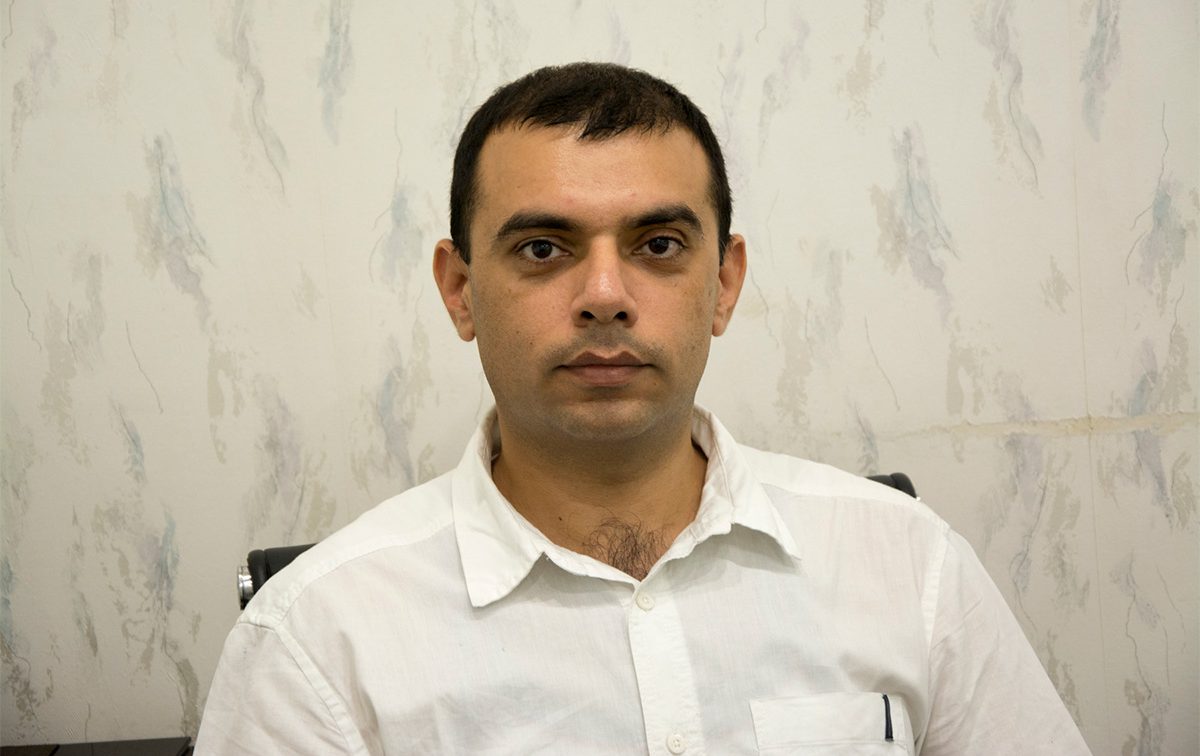
Dr. Manu Mengi is a best orthopedic doctor in Mohali, specializing in joint pain, arthritis, and sports injuries. With qualifications in orthopedics and advanced training in joint replacement, he provides effective care for bone and joint conditions, helping patients improve mobility and manage pain with the right treatment approach.