When you’re struggling with mucus buildup in your lungs, chest physiotherapy in respiratory conditions offers a non-invasive solution that can be as effective as bronchoscopy without the associated risks. This specialised branch of physiotherapy plays a crucial role in managing and treating patients with various respiratory diseases. In fact, chest physiotherapy involves specific techniques like postural drainage, percussion, and vibration designed to mobilise pulmonary secretions and make them easier to cough up.
If you have conditions such as asthma, chronic obstructive pulmonary disease, bronchitis, bronchiectasis, or cystic fibrosis, you might benefit from these therapeutic interventions. The positive effects are well-documented, including improved functional ability and reduced stays in intensive care units and hospitals, which also translates to savings in healthcare costs. Whether applied in intensive care units, hospital wards, or primary care settings by specialised physiotherapists, chest physiotherapy can help your body position properly to allow gravity to assist in moving mucus out of your lungs.
Struggling to clear lung mucus? Our expert therapists provide the Best Physiotherapy in Mohali to help you breathe freely. Book a Consultation Today - 0172 - 3137922!
Understanding the Role of Chest Physiotherapy in Respiratory Health
Chest physiotherapy represents a specialised set of techniques designed to help your body clear mucus from the lungs and improve respiratory function. Unlike medication-based approaches, these hands-on methods directly address the physical aspects of respiratory health.
What is chest physiotherapy?
Chest physiotherapy (chest PT) encompasses a group of therapies specifically developed for mobilising pulmonary secretions. At its core, this therapeutic approach focuses on loosening thick, sticky, or excessive mucus in your lungs so you can expel it more efficiently. Healthcare providers—typically respiratory therapists—perform these techniques by applying manual pressure to your chest and back through rhythmic movements.
The fundamental techniques of chest physiotherapy include percussion, vibration, and postural drainage. Percussion involves rhythmically tapping on specific areas of your chest wall to loosen mucus. Meanwhile, vibration applies gentle shaking motions to further loosen secretions, making them easier to cough up. Postural drainage utilises different body positions and gravity to help drain mucus from various lung segments to the central airways.
Additionally, chest physiotherapy incorporates breathing exercises such as the forced expiratory technique (FET) or “huffing,” which has proven more effective than conventional coughing for removing mucus from the lungs. These methods collectively work to free secretions, open airways, and ultimately help you breathe better.
Importance of chest physiotherapy in chronic lung disease
For individuals with chronic lung conditions, chest physiotherapy serves as a cornerstone of effective management. Studies demonstrate that bronchopulmonary hygiene techniques significantly increase sputum production in patients with chronic obstructive pulmonary disease (COPD) and bronchiectasis. This finding is particularly important since frequent exacerbations are associated with increased sputum and high bacterial load.
Furthermore, research shows that pulmonary rehabilitation combined with regular chest physiotherapy provides sustained benefits for patients. In one study, patients receiving this combination therapy experienced improvements in exercise tolerance and health-related quality of life, with benefits maintained at 12 weeks post-treatment.
The comprehensive treatment approach using chest physiotherapy seeks multiple positive outcomes: managing symptoms, increasing life expectancy, avoiding progressive lung damage, minimising exacerbation frequency, and preserving pulmonary function. Beyond symptom management, these techniques contribute to reduced hospital stays and associated healthcare costs.
Conditions commonly treated with CPT
Chest physiotherapy benefits numerous respiratory conditions characterised by mucus accumulation or impaired airway clearance. Primarily, healthcare providers recommend these techniques for patients who struggle to clear thick, localised secretions through normal coughing.
Conditions commonly treated with chest physiotherapy include:
- Cystic fibrosis – A genetic disorder resulting in thick, sticky mucus buildup in the lungs
- COPD (Chronic Obstructive Pulmonary Disease) – A Progressive lung condition leading to breathing difficulties
- Bronchiectasis – Abnormal widening of airways with mucus accumulation
- Pneumonia – Lung infection causing fever, cough, and breathing difficulty
- Neuromuscular disorders – Conditions affecting respiratory muscle strength
- Atelectasis – Collapsed or airless portions of the lung
Moreover, chest physiotherapy proves valuable during post-surgical recovery, especially following upper abdominal surgeries, where deep breathing may be painful but necessary to prevent complications.
Beyond these specific conditions, chest PT may be recommended based on various clinical indicators, including abnormal chest X-rays, changes in vital signs, and decreased oxygen levels in the blood.
Living with COPD or a chronic cough? Discover how our specialised chest PT programs at Mohali's Top physiotherapist clinic can manage your symptoms and improve your quality of life. Call 0172 - 3137922.
How Chest Physiotherapy Works: Mechanisms and Physiology
The physiological mechanisms behind chest physiotherapy directly address the body’s natural mucus clearance systems. Understanding these mechanisms helps explain why these techniques work effectively for respiratory conditions characterised by excessive secretions.
Normal vs abnormal airway clearance
Your respiratory system naturally maintains clear airways through several coordinated mechanisms. The normal human bronchial tree contains a thin mucus layer (approximately 5 micrometres thick) that lines the airways. This mucus serves as a protective trap for particles and pathogens. The ciliated epithelium lining your airways creates a coordinated movement called the mucociliary escalator, moving mucus toward the trachea and larynx, where it can be swallowed or expectorated.
For normal airway clearance to occur, three essential components must function properly: open airways, a functional mucociliary escalator, and an effective cough. When respiratory conditions develop, this delicate system becomes compromised. In endobronchial diseases, the mucus layer may thicken significantly (exceeding 5mm), rendering ciliary clearance ineffective. As a result, mucus accumulates, narrowing airway passages and increasing resistance to airflow.
The role of effective coughing techniques
Coughing represents one of your body’s most critical protective reflexes. By clearing larger airways of excessive mucus and foreign matter, coughing works alongside the mucociliary clearance system to maintain airway patency. A normal cough progresses through four distinct phases: irritation, inspiration, compression, and expulsion.
Notably, not all coughing techniques are equally effective. The forced expiratory technique (FET), sometimes called “huffing,” has proven more effective than conventional coughing for removing mucus from the lungs. This technique involves breathing in deeply, followed by forced exhalation through an open mouth. Other approaches, like the active cycle of breathing technique (ACBT), combine breathing control methods with chest expansion exercises and FET to optimise secretion clearance.
Two-phase gas-liquid flow in mucus clearance
When conventional mucus clearance mechanisms become overwhelmed, a complex process called two-phase gas-liquid flow becomes crucial. This mechanism involves the interaction between airflow and the mucus lining your airways. The effectiveness of this process depends on several factors: airway diameter, airflow velocity, mucus viscosity, and mucus layer thickness.
Research has shown that for mucus to be transported effectively through this mechanism, specific conditions must be met. In experimental models, the critical airflow rate needed for upward mucus transport varied based on tube diameter and mucus properties. For 1.0-cm diameter tubes, critical airflow rates ranged from 708-2,830 in Reynolds number, with lower rates required for viscoelastic fluids compared to viscous oils.
The liquid layer transport speed (LLTS) ranged from 1.14 to 3.39 cm/min at peak expiratory flow rates of 30-60 l/min in horizontal tube models. Interestingly, while inspiratory flow rate had minimal effect on transport speed, expiratory flow rate significantly influenced transport effectiveness. These findings explain why chest physiotherapy techniques often emphasise expiratory manoeuvres rather than inspiratory ones.
For optimal mucus clearance via this mechanism, the critical mucus layer thickness typically falls between 3-15% of the airway diameter. These conditions are achievable during normal breathing in patients with bronchial hypersecretions, confirming why airway clearance techniques that enhance expiratory flow can effectively mobilise mucus.
Want to learn the proper breathing techniques for mucus clearance? Our Physiotherapists in Mohali are experts in teaching effective methods like ACBT and FET. Find a Physio Clinic Near You in Mohali!
Types of Chest Physiotherapy Techniques
Chest physiotherapy encompasses several distinct approaches that have evolved over time to address various respiratory needs. From hands-on manual techniques to sophisticated devices, these methods share the common goal of mobilising secretions and improving airway clearance.
Conventional techniques: postural drainage, percussion, vibration
Conventional chest physiotherapy originated in the early 1900s and remains a cornerstone of respiratory care. Postural drainage utilises specific body positions to help mucus drain from different lung segments. Each position targets particular areas of the lungs, generally held for 3 to 15 minutes depending on the patient’s condition. For effective drainage, a foot-end elevation of 14-18 inches is often necessary for middle and lower lobes.
Percussion (also called clapping) involves rhythmically striking the chest wall with cupped hands directly over the lung segment being drained. The hand forms a dome shape that traps air, creating a hollow sound upon contact. This technique starts at the lower lung areas and progresses upward, applying kinetic energy to loosen mucus.
Vibration complements these methods by applying a fine tremorous action over the draining area during exhalation. The therapist places flattened hands on the chest wall and creates a gentle shaking motion through alternating contractions of forearm muscles. This technique helps separate mucus from the airway walls and facilitates its movement toward larger airways.
Modern techniques: ACBT, autogenic drainage
The Active Cycle of Breathing Technique (ACBT) represents an evolution in airway clearance, requiring no assistance and improving lung function without decreasing oxygenation. ACBT consists of three main phases: breathing control, thoracic expansion exercises, and forced expiratory technique. This cycle effectively mobilises and clears pulmonary secretions while improving overall lung function.
Autogenic drainage, developed in Belgium in the 1960s, offers another self-administered approach based on controlled breathing at different lung volumes. This technique progresses through three stages: “unstick” (breathing at low lung volumes), “collect” (breathing at low to middle volumes), and “evacuate” (breathing at mid to high volumes). The method works by generating shearing forces from expiratory airflow that mobilise secretions from peripheral to central airways.
Instrumental techniques: PEP, HFCWO, IPV
Positive Expiratory Pressure (PEP) devices provide resistance to expiration through a mouthpiece or facemask. These tools increase functional residual capacity, enhancing collateral ventilation and helping remove secretions from collapsed airways. PEP therapy typically maintains pressure between 10-25 cmH₂O during exhalation.
High-Frequency Chest Wall Oscillation (HFCWO) employs an inflatable vest connected to a pulse generator. The system rapidly inflates and deflates, creating vibrations at variable frequencies (5-25 Hz) that separate mucus from airway walls. Typically, users pause every 5 minutes during a 20-30 minute treatment to cough out loosened secretions.
Intrapulmonary Percussive Ventilation (IPV) delivers pressurised gas mini-bursts at rates of 100 to 225 cycles per minute through a mouthpiece. Each session generally lasts fifteen minutes and is performed twice daily. This technique combines the benefits of percussion with aerosol delivery, promoting secretion mobilisation while improving ventilation distribution.
Need modern chest PT with advanced techniques? Our Physio Clinic in Sector 80 Mohali, is equipped with the latest devices like PEP and HFCWO for optimal results. Schedule Your Assessment Now!
When and How to Use Chest Physiotherapy
Determining the right timing and application of chest physiotherapy requires careful clinical assessment based on your specific respiratory condition. Healthcare providers make these decisions by evaluating your symptoms, respiratory status, and overall health.
Indications for CPT in COPD, pneumonia, and cystic fibrosis
Chest physiotherapy is primarily recommended when you’re unable to clear thick, localised secretions through normal coughing. For patients with cystic fibrosis, CPT helps manage the thick, sticky mucus that clogs airways and traps bacteria. Similarly, those with COPD benefit from these techniques to mobilise secretions and reduce the risk of infection.
People with pneumonia often receive chest physiotherapy to clear infectious secretions and prevent complications like atelectasis. Healthcare providers might additionally recommend CPT for bronchiectasis, lung abscesses, and neuromuscular disorders that impair effective coughing.
Contraindications and precautions
Despite its benefits, chest physiotherapy isn’t appropriate for everyone. Relative contraindications include:
- Recent thoracic or abdominal surgery without physician approval
- Bleeding disorders or therapeutic anticoagulation
- Unstable cardiovascular conditions, including uncontrolled hypertension
- Elevated intracranial pressure or recent head trauma
- Rib fractures or severe osteoporosis
- Active haemorrhage with hemodynamic instability
Before beginning treatment, your healthcare provider should assess for pain, which can significantly impair your ability to take deep breaths or cough effectively.
Frequency and duration of therapy sessions
Treatment protocols vary based on your condition’s severity. For patients with cystic fibrosis, sessions typically last 20-40 minutes and are best performed before meals or 1.5-2 hours after eating to prevent vomiting. Early morning and bedtime sessions are commonly recommended.
For critical care patients, including those on mechanical ventilation, postural drainage treatments might be performed every 4-6 hours as indicated. Less acute patients should be positioned every 2 hours as tolerated.
Each physiotherapy session usually takes approximately 30 minutes, with 2-3 daily sessions recommended. Your provider should reassess acute care treatment plans at least every 72 hours or whenever your condition changes.
Chest physiotherapy after surgery
Physiotherapy after thoracic surgery has become an essential element of enhanced recovery protocols that accelerate functional recovery. Ideally, treatment begins between 4-12 hours after recovery from general anaesthesia.
Patients undergoing lung surgery through posterolateral thoracotomy typically need more physiotherapy than those having the same procedure via video-assisted thoracoscopic surgery. Properly applied chest physiotherapy can effectively reduce the overall rate of pulmonary complications after lung resection.
Studies show that chest physiotherapy during the immediate postoperative period following upper abdominal surgery improves oxygen-haemoglobin saturation without increasing abdominal pain. When coordinating treatment sessions, physiotherapists should consider the peak effect timing of analgesic medications.
Recovering from surgery or pneumonia? Get professional guidance on the right frequency and techniques for chest PT from the Best Physio Clinic in Mohali. We Help You Recover Faster – Call Us at 0172 - 3137922!
Assessing Effectiveness and Managing Risks
Evaluating your response to chest physiotherapy requires careful assessment through several key indicators. Healthcare providers primarily look for changes in sputum production, breath sounds, and your subjective experience of the therapy.
Monitoring outcomes: sputum volume, oxygenation, lung sounds
Effective chest physiotherapy typically results in measurable improvements. Your therapist will track changes in sputum volume, lung field breath sounds, and vital signs. Oxygen saturation levels provide critical feedback—normal values range between 98.25±0.97% pre-treatment, though levels may temporarily decrease to 96.77±2.16% post-surgery. Chest radiographs often confirm improvement through visible changes in previously affected areas.
Common complications and how to avoid them
Though generally safe, chest physiotherapy occasionally causes complications. Patients may experience hypoxemia, bronchospasm, increased intracranial pressure, or acute hypotension. Other potential issues include pulmonary haemorrhage, pain or injury to muscles/ribs/spine, and vomiting. For safety, healthcare teams monitor you carefully throughout treatment, responding promptly to any complications.
Tools used: incentive spirometry, pulse oximeter, radiographs
Non-invasive monitoring tools enhance treatment safety. Pulse oximeters attached to your fingertip continuously measure oxygen saturation. Incentive spirometry, designed to mimic natural sighing, encourages deep breathing through visual feedback. Studies show volume-incentive spirometers have greater effects on pulmonary function than diaphragmatic breathing exercises. Chest radiographs remain essential for visualising internal improvements that might not be apparent through other assessments.
Concerned about safety and results? Our Mohali Physiotherapy Clinic uses pulse oximeters and expert monitoring to ensure safe, effective treatment. Experience Professional Care – Visit Us - The Brigit Clinic, SCO – 41 (1st Floor), Sector - 80, Mohali, 140308!
Conclusion
Chest physiotherapy stands as a powerful tool in your respiratory health arsenal. Throughout this article, we’ve explored how these specialised techniques effectively mobilise mucus, improve airway clearance, and enhance breathing quality across various respiratory conditions. Although initially developed in the early 1900s, chest physiotherapy has evolved significantly, now offering both conventional approaches like postural drainage and percussion alongside modern techniques such as ACBT and device-assisted therapies.
The benefits extend far beyond simple symptom management. Patients receiving regular chest physiotherapy typically experience reduced hospital stays, decreased healthcare costs, and overall improved quality of life. Therefore, if you struggle with conditions like cystic fibrosis, COPD, bronchiectasis, or pneumonia, these techniques might provide substantial relief from mucus buildup and breathing difficulties.
Safety remains paramount when applying chest physiotherapy. Your healthcare provider must carefully assess your specific condition, considering potential contraindications and tailoring the frequency and duration of sessions to your needs. Afterwards, they’ll monitor important indicators like sputum production, oxygen levels, and lung sounds to evaluate effectiveness.
Undoubtedly, chest physiotherapy requires proper application by trained professionals or careful instruction for self-administration. When performed correctly, these techniques harness your body’s natural mechanisms—from the mucociliary escalator to two-phase gas-liquid flow—to clear airways and improve respiratory function. The right approach for you depends on your specific condition, overall health status, and treatment goals.
The field continues to advance with research supporting both traditional and newer techniques. From simple postural drainage positions you can maintain at home to sophisticated oscillatory devices used in clinical settings, chest physiotherapy offers versatile solutions for respiratory care. Your journey toward better breathing might include these valuable techniques as part of a comprehensive treatment plan—providing relief and improving your respiratory health without invasive interventions.
Ready to breathe easier? Don't let respiratory conditions hold you back. Trust the Best Physiotherapy in Mohali to create a personalised chest PT plan for you. Book Your Appointment with Mohali's Top Physiotherapist Today!
Key Takeaways
Chest physiotherapy offers proven, non-invasive techniques to help patients with respiratory conditions clear mucus and improve breathing without the risks of invasive procedures.
• Chest physiotherapy mobilises lung secretions through percussion, vibration, and postural drainage, making mucus easier to cough up and clear from airways.
• Multiple respiratory conditions benefit from CPT, including COPD, cystic fibrosis, pneumonia, and bronchiectasis, with reduced hospital stays and healthcare costs.
• Modern techniques like ACBT and device-assisted therapies complement traditional methods, offering self-administered options that improve lung function without decreasing oxygenation.
• Proper timing and assessment are crucial – treatments typically last 20-40 minutes, performed 2-3 times daily, with careful monitoring for contraindications and complications.
• Post-surgical applications accelerate recovery when started 4-12 hours after surgery, effectively reducing pulmonary complications and improving oxygen saturation.
When applied correctly by trained professionals or through proper patient instruction, chest physiotherapy harnesses your body’s natural clearance mechanisms to provide significant respiratory relief and improved quality of life across various lung conditions.
FAQs
Q1. How does chest physiotherapy improve breathing?
A1. Chest physiotherapy uses various techniques to break up and mobilise mucus in the lungs, making it easier to cough up. This helps clear airways, improves lung function, and makes breathing easier for people with respiratory conditions.
Q2. Who can benefit from chest physiotherapy?
A2. Chest physiotherapy is beneficial for people with conditions like COPD, cystic fibrosis, bronchiectasis, and pneumonia. It’s also helpful for those recovering from surgery or with neuromuscular disorders that affect breathing.
Q3. When is the best time to perform chest physiotherapy?
A3. The optimal time for chest physiotherapy is typically before meals or 1.5 to 2 hours after eating to reduce the risk of vomiting. Early morning and bedtime sessions are commonly recommended, with treatments lasting about 20-40 minutes.
Q4. What are some potential risks of chest physiotherapy?
A4. While generally safe, chest physiotherapy can sometimes cause complications such as a temporary decrease in oxygen levels, bronchospasm, or discomfort. It’s important to have a healthcare professional assess your condition and monitor treatment.
Q5. How often should chest physiotherapy be performed?
A5. The frequency of chest physiotherapy depends on the individual’s condition. Generally, 2-3 daily sessions are recommended, each lasting about 30 minutes. For more severe conditions, treatments might be needed every 4-6 hours.
Have more questions about chest physiotherapy? Speak directly with an expert! Contact the Best Physiotherapist in Mohali for a free consultation and get all your answers. Call 0172 – 3137922
Dr. Aayushi – Mohali’s Top Physiotherapist
For expert chest physiotherapy and respiratory care in Mohali, look no further than Dr. Aayushi. As a leading Physiotherapist in Mohali, she combines extensive knowledge with a compassionate approach to create highly effective, personalised treatment plans. At our state-of-the-art Physio Clinic in Mohali, Dr. Aayushi and her team utilise both conventional and modern techniques to help patients overcome the challenges of COPD, cystic fibrosis, post-surgical recovery, and other respiratory conditions. Committed to delivering the Best Physiotherapy in Mohali, her focus is on empowering you with the tools and techniques to breathe easier, recover faster, and significantly improve your quality of life.
#BestPhysiotherapyMohali #ChestPhysiotherapy #RespiratoryPhysio #MohaliPhysio #COPD
#Asthma #Bronchiectasis #PostCOVIDRecovery #LungHealth #BreatheEasy #RespiratoryHealth #PneumoniaRecovery #Physiotherapy #PhysicalTherapy #ACBT #PEPTherapy #AirwayClearance #PulmonaryRehab #RespiratoryTherapy #PhysioWorks #TheBrigitClinic #DrAayushi
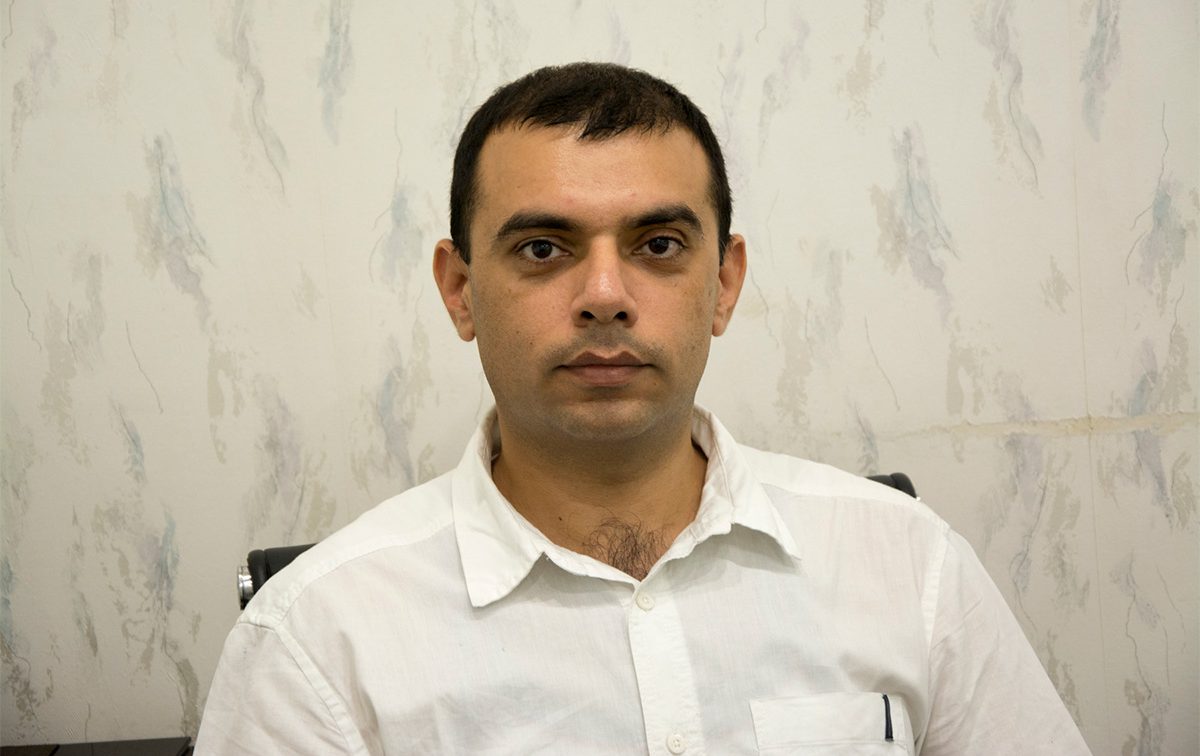
Dr. Manu Mengi is a best orthopedic doctor in Mohali, specializing in joint pain, arthritis, and sports injuries. With qualifications in orthopedics and advanced training in joint replacement, he provides effective care for bone and joint conditions, helping patients improve mobility and manage pain with the right treatment approach.