Participating in running, gym, and sports activities with intensity and passion can potentially lead to injuries affecting your bones, joints, ligaments, and muscles. Whether you’re an avid athlete or weekend warrior, sports injuries don’t typically arrive without warning—they build quietly over time.
Surprisingly, many common orthopedic injuries like sprains, strains, fractures, dislocations, and tendonitis can be prevented with proper preparation. In fact, certain chronic conditions such as tennis elbow, runner’s knee, and plantar fasciitis often result from overuse and can trouble athletes long-term. Building strong muscles, particularly around joints, helps prevent injuries like sprains and strains, while proper warm-ups increase blood flow, loosen muscles, and reduce stiffness. Although not all accidents can be avoided, you can significantly lower your risk by taking several simple preventative actions.
Understanding Sports Injuries: Acute vs Chronic
Sports injuries fall into two distinct categories that differ in how they occur, present symptoms, and respond to treatment. Understanding these differences is crucial for proper management and recovery.
What are acute injuries?
Acute injuries happen suddenly during physical activity, typically resulting from a single traumatic event. These injuries occur when the force exerted exceeds what your tissues can withstand at a particular moment. Unlike gradual-onset problems, acute injuries manifest immediately with noticeable symptoms.
When you experience an acute injury, you’ll likely know exactly when it happened – perhaps during a fall, collision, or sudden movement change. Common examples include:
- Sprains and ligament tears
- Bone fractures and dislocations
- Muscle strains and tears
- Rotator cuff tears
The symptoms appear rapidly and are hard to ignore. You’ll typically experience sharp, immediate pain, noticeable swelling or bruising, and difficulty moving the injured area normally. The hallmark physical examination finding is often focal bony tenderness.
What are chronic or overuse injuries?
Conversely, chronic injuries develop gradually over time through repeated stress on tissues without adequate recovery. These overuse injuries occur when the repetitive microtrauma exceeds your body’s ability to repair itself between activity sessions.
During early stages of overuse injuries, you might experience little or no pain, potentially continuing to stress the injured area unknowingly. As the condition progresses, you’ll notice:
- Persistent, aching pain that worsens with specific activities
- Stiffness or soreness, especially after exercise
- Intermittent swelling
- Gradually decreasing performance
Common overuse injuries include tendinopathies (like tennis elbow), stress fractures, shin splints, and runner’s knee. Athletes who train 20-35 hours weekly are especially vulnerable, with approximately two-thirds sustaining performance-limiting overuse injuries over a one-year period.
Why classification matters for treatment
The distinction between acute and chronic injuries directly impacts treatment approaches and recovery timelines. For acute injuries, treatment typically follows the RICE protocol (Rest, Ice, Compression, Elevation) immediately after injury to reduce swelling and tissue damage.
Additionally, acute injuries often require a waiting period before rehabilitation can begin. For instance, if you break a bone, it must be set, placed in a cast, and fully healed before strengthening exercises can commence.
Chronic injuries, however, require different management strategies. Since these injuries often result from technique problems or training errors, identifying and correcting the underlying causes becomes essential for recovery. If you don’t address these fundamental issues through physical therapy and proper technique training, the injury may never fully heal.
Furthermore, untreated chronic conditions can worsen over time and sometimes predispose you to acute injuries. For example, ongoing tendon degeneration might set the stage for a sudden complete tear during activity.
Understanding which type of injury you’re dealing with helps determine appropriate recovery expectations. While many acute injuries heal completely with proper care, chronic injuries often require longer-term management strategies and sometimes permanent modifications to training routines.
Essential Warm-Up and Cool-Down Techniques
Proper warm-up and cool-down routines serve as your first line of defense against both acute and chronic sports injuries. These essential preparation and recovery techniques can make the difference between a successful training regimen and weeks spent recovering from preventable injuries.
Dynamic warm-up exercises before activity
Exercise sessions should begin with a warm-up, move to the main workout, and conclude with a cool-down phase. Dynamic warm-ups involve using muscle force and body momentum to take joints through their full available range of motion, preparing your body specifically for upcoming workout demands.
Unlike old-school static stretching before exercise, dynamic movements gradually prepare your body by:
- Increasing blood flow to working muscles
- Elevating heart rate and core temperature
- Stimulating your nervous system for better performance
- Improving joint mobility and range of motion
Effective dynamic warm-ups typically last 10-30 minutes and should progress from simpler to more explosive movements. Start with low-intensity exercises and gradually build intensity. A properly executed dynamic warm-up should leave you with an elevated heart rate, increased breathing, and light perspiration.
Consider incorporating these effective movements into your routine:
- Arm circles and leg swings
- Knee hugs and inchworms
- Prisoner squats and lunges with rotation
- Lateral band walks and crawling variations
Research indicates that dynamic stretching has consistently been shown to improve subsequent performance, whereas pre-exercise static stretching can actually reduce force production, power output, running speed, and reaction time.
Static stretching after workouts
Reserve static stretching for after your workout when your muscles are thoroughly warmed up. This type of stretching involves holding positions without movement for periods of time, allowing muscles to lengthen and relax.
According to the American College of Sports Medicine’s guidelines, each major muscle group should be stretched two to three times weekly, holding each static stretch for 10-30 seconds. The main goals of post-exercise stretching are to enhance range of motion and potentially reduce stiffness.
When performing static stretches, maintain proper technique. Don’t stretch beyond what’s comfortable—mild tension is normal, but pain is not. Remember to breathe deeply while stretching as this helps relieve tension and may help you maintain stretches longer.
Beyond flexibility improvements, post-exercise static stretching offers several benefits. It helps muscles recover faster after workouts, potentially leading to less pain and stiffness. Moreover, it serves as an excellent way to release stress and tension, promoting overall relaxation.
How warm-ups reduce injury risk
A well-designed warm-up can significantly decrease your injury risk through multiple physiological mechanisms. Consequently, understanding these processes helps explain why this preparation phase is non-negotiable.
First, warm-ups gradually increase muscle temperature, blood circulation, and heart rate. This primes your muscles, heart, and joints for upcoming activity rather than shocking them with sudden intensity. Enhanced blood flow acts like a delivery system, bringing oxygen and nutrients directly to muscle fibers while improving their elasticity.
Physiologically, warming up increases blood flow, muscle temperature, and core temperature, which disrupts temporary connective tissue bonds. These effects produce several performance advantages: faster muscle contraction and relaxation, improved rate of force development, better reaction time, and enhanced muscle strength and power.
The evidence supports warm-up effectiveness. A systematic review found that three out of five high-quality studies concluded that warming up prior to performance significantly reduced injury risk. Therefore, despite some mixed research results, the weight of evidence favors decreased injury risk with proper warm-up protocols.
Ultimately, both dynamic warm-ups and static cool-downs work together to create a comprehensive injury prevention approach. By properly preparing your body before activity and helping it recover afterward, you create the optimal conditions for both performance and safety.
Strength, Flexibility, and Conditioning for Injury Prevention
Building a resilient body requires more than just enthusiasm—it demands strategic strength training and flexibility work. A well-designed conditioning program acts as your body’s armor against potential injuries during physical activities.
Importance of core and joint stability
Core stability serves as the foundation for all athletic movements. Your core muscles create a protective 360-degree cylinder of stiffness around your spine during activities, enabling optimal force transfer from lower to upper body. Indeed, these muscles function as more than just abdominals—they include your entire midsection and surrounding muscle groups that work together during rapid position changes.
Research demonstrates that a “smart core” outperforms a merely strong one. This means having control over your core muscles matters more than absolute abdominal strength. When these stabilizing muscles operate in harmony, they protect your spine from excessive loads while supporting efficient movement patterns.
Joint stability equally contributes to injury prevention. Strong muscles properly support joints, reducing strain on ligaments and tendons. Additionally, strength training promotes growth in connective tissues, making them more resilient to stress. This becomes particularly important for competitive athletes, as screening for muscle imbalances helps identify injury predispositions.
Post-injury strengthening exercises
Following an injury, a structured rehabilitation program becomes essential. Generally, this should continue for 4-6 weeks under medical supervision, subsequently transitioning into a maintenance program for lifelong joint protection.
Initially, focus on restoring basic functions—like fully straightening a leg after knee surgery. Exercises like quadriceps sets become foundational, gradually building toward more complex movements. Throughout rehabilitation, remember that discomfort differs from pain; the latter signals you should consult your healthcare provider.
Flexibility routines for gym and sports
Flexibility training constitutes an integral component of injury prevention. Studies indicate that proper stretching before and after activities helps prepare muscles for exercise and reduces post-workout stiffness.
For maximum effectiveness, incorporate:
- Dynamic stretching before workouts (lunges, leg swings, arm circles)
- Static stretching after exercise when muscles are thoroughly warmed
- Sport-specific flexibility work tailored to your activity’s demands
Remember that stretching should never cause pain—aim for mild tension without bouncing. Furthermore, hold each static stretch for 15-60 seconds after workouts to enhance recovery and mobility.
Preventing lower back pain during gym workouts
Lower back pain frequently plagues recreational athletes, often stemming from muscle overuse or improper technique. Common triggers include form mistakes during squats and deadlifts, plus pushing beyond fatigue when your body signals to stop.
To safeguard your lower back, focus on strengthening core muscles that distribute weight properly across your torso. Exercises like planks, bird dogs, and hip extensions create a stable foundation that removes pressure from bones and ligaments.
Most importantly, listen to your body. Fatigue leads to form breakdown, hence increasing injury risk. When returning after a back injury, reintroduce activities gradually, starting at a slow pace before advancing intensity.
Gear and Technique: The Overlooked Protectors
Beyond conditioning and warm-ups lies another critical layer of injury prevention: your gear and technique. These often-overlooked elements can make the difference between staying active and suffering unwanted downtime.
Choosing the right running shoes and gym gear
Your shoes often act as the primary source of running injuries when they don’t match your specific needs. The right footwear provides essential protection that enables strong, injury-free distances. With each foot strike, your body experiences stress three times greater than its normal value, making advanced cushioning crucial for decreasing joint strain.
Different foot arch types require specific shoe designs:
- Flat feet benefit from stability shoes that limit unwanted foot movements
- Neutral arches need cushioned shoes for proper support
- High arches require flexible shoes with extra cushioning
For gym attire, look beyond style. Quality workout clothing contributes significantly to injury prevention by offering protection and support to joints and muscles. Key features to prioritize include moisture-wicking fabric, compression padding, and stretchable materials that support full range of motion.
Proper form to avoid squat knee pain and rotator cuff injury
Knee pain during squats often stems from improper form. For pain-free squats, ensure your knees track over your feet with hips in an abducted position—this utilizes more muscle mass and places less stress on the knee joint. Additionally, consider adopting a wider stance with toes turned out 20-30° to make squats more hip-dominant.
For those experiencing persistent knee pain, temporarily switching from high-bar to low-bar squats can help. The low-bar position creates less forward knee migration and increases posterior chain recruitment.
To protect your rotator cuff, maintain good posture in the shoulder blades. About 10% of people in their 50s and half of those over 70 experience rotator cuff tears. Alongside proper technique, avoid repeated overhead arm positions, sleeping on your side with arms stretched overhead, and carrying heavy objects at your side.
When to stop exercise due to pain
Understanding when to push through discomfort versus when to stop is essential. Watch for pain that:
- Begins after a specific movement
- Comes with swelling or bruising
- Significantly limits your range of motion
- Lingers beyond three days
- Keeps recurring
Remember that muscle soreness differs from injury pain. While some discomfort during recovery is normal, true pain signals potential damage. Sometimes the discomfort indicates you’re increasing training volume too quickly—a common trigger for overuse injuries.
Above all, listen to your body. If something feels truly painful or uncomfortable beyond typical soreness, have it professionally evaluated rather than pushing through it.
Recovery, Rehab, and When to See an Orthopedic Doctor
After injury strikes, quick response and appropriate treatment become vital for optimal healing. Knowing when to self-treat versus seeking professional help often determines your recovery outcome.
RICE method for acute injuries
The RICE protocol—Rest, Ice, Compression, and Elevation—remains a first-line treatment for immediate injury management. This approach helps control swelling, bleeding, and pain in the first 24-48 hours following injury. Notably, recent research suggests limiting ice application to the initial eight hours to avoid interfering with natural healing processes. Complete rest is likewise being reconsidered, as early controlled movement may benefit recovery better than total immobilization.
MRI for sports injury: when is it needed?
Consider seeking advanced imaging when experiencing:
- Persistent pain lasting beyond expected recovery time
- Severe swelling restricting movement
- Joint instability or “giving way” sensations
- Sharp pain during weight-bearing activities
- A popping sound at injury onset
- Limited range of motion
MRIs excel at visualizing soft tissue damage that other tests might miss, providing detailed images of ligaments, tendons, and muscles. Most doctors recommend MRI if symptoms persist beyond one to two weeks after injury.
Physiotherapy for sports injuries
Sports physiotherapists offer much more than injury treatment. Their comprehensive role includes providing maintenance of musculoskeletal systems, developing injury prevention strategies, and assisting with recovery. Through individualized programs, physiotherapy helps reduce pain, restore range of motion, strengthen muscles, and improve balance.
Surgical vs conservative treatment options
Treatment choice depends on injury type and severity. Conservative approaches like RICE, physical therapy, and medication typically carry fewer risks and enable faster return to daily activities. Meanwhile, surgical intervention might be necessary for structural injuries that conservative treatment cannot address.
Research on Achilles tendon ruptures found surgery reduced re-rupture rates by 3.52% and increased return-to-sport rates by 14.44% compared to conservative treatment. However, conservative approaches reduced nerve injury rates by 3.33% and infection rates by 0.53%.
How long does sports injury recovery take?
Recovery timelines vary significantly:
- Minor sprains and strains: 1-2 weeks with proper care
- Severe sprains/strains: Up to 3 months
- Partial ACL tears: Approximately 3 months
- Complete ACL tears requiring surgery: 6-12 months
- Minor fractures (e.g., finger): 3-4 weeks
- Severe arm fractures: 3-6 months
Always listen to your body—returning to activity too soon often leads to reinjury or chronic problems.
Conclusion
Sports injuries might seem inevitable for active individuals, yet understanding prevention strategies makes all the difference between training consistently and sitting on the sidelines. Throughout this guide, you’ve learned how distinguishing between acute and chronic injuries helps determine appropriate treatment approaches. Additionally, proper warm-up and cool-down routines serve as your first line of defense, preparing your body for activity and aiding recovery afterward.
Strength training and flexibility work undoubtedly create resilience against common injuries. Your core stability particularly acts as a foundation for all athletic movements, while proper joint support prevents unnecessary strain. Equally important, appropriate gear and technique protect you during activities – from choosing the right shoes for your foot type to maintaining correct form during exercises like squats.
Despite taking precautions, injuries sometimes occur. Therefore, knowing when to apply self-treatment methods like RICE versus when to seek professional help becomes essential for optimal healing. Listen to your body – pain that persists, causes swelling, or significantly limits movement typically warrants medical attention.
Remember that prevention always outweighs treatment. While not every injury can be avoided, these evidence-based strategies significantly reduce your risk. After all, staying active consistently brings far greater benefits than pushing through pain and suffering extended downtime. Apply these protective measures consistently, and you’ll enjoy your athletic pursuits with greater confidence and fewer interruptions.
Key Takeaways
Master these evidence-based injury prevention strategies to stay active and avoid costly downtime from preventable sports injuries.
• Dynamic warm-ups before, static stretching after: Use movement-based exercises pre-workout to prepare muscles; save static holds for post-exercise recovery when muscles are warm.
• Build core stability over raw strength: A controlled, coordinated core protects your spine better than just strong abs—focus on 360-degree stability for optimal force transfer.
• Listen to your body’s pain signals: Muscle soreness differs from injury pain—stop exercising if you experience sharp pain, swelling, or movement limitations lasting beyond 3 days.
• Proper gear and form prevent most injuries: Choose sport-specific footwear for your arch type and maintain correct technique, especially during compound movements like squats and overhead exercises.
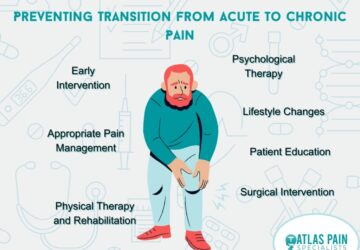
• Address chronic issues before they become acute: Overuse injuries develop gradually—early intervention through technique correction and proper recovery prevents minor problems from becoming major setbacks.
The key to long-term athletic success isn’t pushing through pain, but creating sustainable training habits that prioritize injury prevention alongside performance goals.
FAQs
Q1. How can I effectively warm up before exercising to prevent injuries?
Perform dynamic warm-up exercises for 10-30 minutes before your workout. Start with low-intensity movements like arm circles and leg swings, then progress to more intense exercises like lunges with rotation. This increases blood flow, elevates heart rate, and prepares your body for the upcoming activity.
Q2. What’s the difference between acute and chronic sports injuries?
Acute injuries occur suddenly during physical activity, like sprains or fractures, with immediate symptoms. Chronic injuries develop gradually over time due to repetitive stress, such as tendinitis or stress fractures, and may have subtle symptoms that worsen progressively.
Q3. When should I see a doctor for a sports-related injury?
Consult a doctor if you experience persistent pain lasting beyond expected recovery time, severe swelling restricting movement, joint instability, sharp pain during weight-bearing activities, or limited range of motion. If symptoms persist for more than 1-2 weeks, an MRI might be recommended.
Q4. How long does it typically take to recover from sports injuries?
Recovery times vary depending on the injury. Minor sprains may heal in 1-2 weeks, while severe sprains can take up to 3 months. Partial ACL tears may require about 3 months, while complete tears needing surgery can take 6-12 months. Always follow your healthcare provider’s guidance for safe return to activity.
Q5. What’s the best way to prevent lower back pain during gym workouts?
Focus on strengthening core muscles to distribute weight properly across your torso. Incorporate exercises like planks, bird dogs, and hip extensions. Maintain proper form during exercises, especially squats and deadlifts. Listen to your body and avoid pushing through fatigue, as this can lead to form breakdown and increased injury risk.