Standing for just 2 hours can trigger lower back pain in 50% of healthy individuals due to muscle fatigue. You’re not alone if you find yourself asking, “Why does my back pain increase when I stand too long?” Indeed, 84% of adults worldwide face this issue at some point in their lives. Lower back pain when standing is often mechanical in nature, caused by factors including muscle strain, poor posture, and spinal compression. In this guide, we’ll explore the causes of prolonged standing back pain and provide practical relief tips to help you prevent back pain while standing.
What Happens to Your Spine When You Stand Too Long
Your spine faces a relentless opponent every moment you’re upright. Gravity never stops pulling downward, and when you stand for extended periods, this invisible force creates a cascade of mechanical changes in your back.
The mechanics of standing and spinal compression
Your spine isn’t a rigid pole holding you up. In reality, it’s a living suspension system built for balance, flexibility, and endurance. The S-shaped curves in your neck and lower back act like springs, distributing gravitational load evenly across the entire structure. When these natural curves maintain their proper shape, pressure spreads uniformly through each segment.
Each disk between your vertebrae functions as a shock absorber, filled with fluid and designed to handle compressive forces from above. When your alignment stays healthy, pressure distributes evenly through the disk. Lose that alignment, and the pressure becomes uneven, concentrating in small areas instead of spreading across the entire surface. This creates tiny tears and fluid loss over time.
Your muscles, tendons, and fascia form what’s known as tensegrity, a system where tension and compression balance each other. This allows you to stand upright, move efficiently, and resist fatigue. When the right joints, particularly in the mid-back and ribs, move properly, your nervous system can shift from constant bracing to true balance.
How gravity affects your lower back
Gravity compresses your spine, but it also organizes it when your body stacks correctly. An aligned spine lets gravity “seat” the joints naturally. A forward head or rigid rib cage, by contrast, creates shear forces your tissues must resist throughout the day. Over time, your nervous system learns that tension equals safety, and the cycle perpetuates itself.
A one-inch forward shift of the head adds roughly 10 pounds of extra force to the neck. Multiply that by thousands of hours annually, and those joints begin breaking down. Standing activities can irritate the lumbar spine when forces don’t travel cleanly through your body.
Every step pushes force up through your feet into your legs, pelvis, and spine. If your arches collapse or your hip stiffens, the upward force doesn’t travel cleanly. It detours into the low back or mid back. When alignment falters, gravity becomes a 24-hour workout. Every muscle holding you upright burns energy constantly. With proper spinal alignment, gravity passes cleanly through the structure, keeping energy cost low. When posture collapses, the muscles of your neck, back, and pelvis must continuously fight to prevent you from falling forward.
Why muscles fatigue during prolonged standing
Prolonged standing effectively reduces the blood supply to the muscles, resulting in the acceleration of the onset of fatigue. A work environment requiring extended standing was associated with fatigue of the lower extremity muscles, such as those of the anterior leg. Prolonged standing contributes to both psychological fatigue and muscle fatigue among workers.
Muscles that “hold on for dear life” create bracing patterns: clenched glutes, shrugged shoulders, tight jaw. Over time, your body confuses bracing with stability, and posture becomes tightness. Good alignment lowers unnecessary muscle tone so the right muscles can do the right job at the right time. The fix isn’t more tension but better stacking plus more movement options.
Common Causes of Back Pain When Standing Too Long
Standing demands that your spine support your entire body weight without the relief that sitting or lying down provides. This continuous load exposes underlying spinal conditions that might otherwise remain dormant. Several medical conditions explain why your back pain increases when you stand too long.
Muscle strain and ligament sprain
Muscle strains occur when you stretch or tear muscle fibers beyond their limit. These injuries happen suddenly during forceful movements or develop gradually through repetitive motions without adequate rest. Strains range from mild fiber breaks to complete tears requiring surgical intervention.
Chronic strains develop over time from repeating the same movement or maintaining awkward positions during prolonged standing. On account of weakened muscle fibers, your back becomes vulnerable to pain with ordinary use. Previous injuries increase your susceptibility to future strains in the same area.
Facet joint irritation
Facet joints connect your vertebrae and allow your spine to bend and twist. These small joints bear significant load when you stand upright. Facet joint irritation causes 15 to 41% of chronic low back pain cases.
The pain feels like a dull, aching sensation that wraps around your lower back. It worsens when you arch backward or stand straight, activities that compress these joints. Bending forward typically provides relief. The pain can radiate to your buttocks, thighs, or groin, staying on the same side as the affected joint.
Degenerative disk disease
Degenerative disk disease isn’t actually a disease but a condition where spinal disks wear down. Everyone’s disks degenerate over time as a natural part of aging. Almost everyone has some disk degeneration after age 40, even without symptoms.
The cushioning between vertebrae loses water content and becomes thinner. When these cushions wear away, bones can start rubbing together. This contact leads to back pain in about 5% of adults. The pain can be sharp, aching, or stiff, and it gets worse after bending, twisting, or lifting. Standing for extended periods intensifies the discomfort as gravity compresses already compromised disks.
Spinal stenosis pain while standing
Spinal stenosis narrows the space around your spinal cord, compressing nerves that branch from it. Pain begins in your buttocks and extends down your leg, sometimes reaching your foot. A heavy feeling develops in your legs, potentially leading to cramping.
In particular, standing for long periods or walking downhill worsens the symptoms. Sitting, leaning forward, or walking uphill lessens the pain. This pattern occurs because forward-leaning positions open the spinal canal, relieving pressure on compressed nerves.
Herniated or bulging disk
More than 3 million people in the U.S. develop a herniated disk annually. The soft, gel-like center of a disk pushes through cracks in the firmer outer layer, pressing on spinal nerves. This condition most often affects the lower back.
Standing loads the spine vertically, increasing pressure on the damaged disk. The leaked material presses harder against nearby nerves, causing lower back pain, tingling, numbness in legs and feet, and muscle weakness.
Compression fractures
Compression fractures are small breaks in vertebrae that cause the bone to collapse. An estimated 1 to 1.5 million compression fractures happen every year in the United States. These fractures occur most commonly in the thoracic spine.
Pain gets worse when you stand or walk but lessens when you lie down. Standing forces the fractured vertebra to bear weight it can no longer support. The pain typically starts gradually and worsens over time.
Factors That Make Standing Back Pain Worse
Beyond the structural issues in your spine, several controllable factors amplify back pain when you stand for extended periods. Recognizing these aggravators allows you to address them directly.
Poor standing posture
Poor posture increases mechanical stress in the lower back, which directly leads to pain. When you stand with misaligned posture, your spine loses its natural support system. Standing with your hips tilted forward, slouching with rounded shoulders, or developing a flat back where your spine loses its natural curvature all strain your lower back muscles. Your balance center shifts, forcing your muscles to work harder just to keep you upright. These unhealthy postures create an uncomfortable position that, when maintained too long, triggers muscle strain.
Wearing unsupportive footwear
The shoes you wear determine how forces travel up through your legs, hips, and spine. High heels push your body weight forward, forcing your lower spine to arch more than normal. Completely flat shoes or flip-flops lack cushioning, allowing repeated impact on the spine with each step. Over time, these misalignments contribute to muscle fatigue, disk compression, and chronic lower back pain.
Shoes with insufficient arch support cause overpronation (inward rolling of the foot) or supination (when the foot rolls outward). Either condition creates a domino effect that results in a misaligned spine. Old shoes with worn-out soles lose their ability to cushion and stabilize your movements. Uneven soles may cause one side of your body to bear more weight than the other, disturbing spinal alignment.
Weak core and glute muscles
Increased sedentary jobs and sitting time lead to muscle imbalances and weak core musculature, putting your low back at increased risk of injury. The deep core muscles are meant to endure prolonged activation to support and stabilize the spine. When you slouch in a chair all day, the core remains relatively inactive.
The gluteal muscles become lengthened and weak, a condition known as “glute amnesia”. These muscles are then unable to do their job in regular activities of daily living, forcing other muscles, including those in the low back, to compensate. Weak gluteal muscles contribute to lower back pain by passing their work to the low back.
Flat feet and arch problems
People with flat feet are 4.5 times more likely to experience chronic lower back pain. When you stand and your feet are well supported by healthy arches, it encourages proper alignment in your legs. When you have flat feet, your arches collapse and your ankles can roll inward. This upsets the alignment up through your legs and into your hips and lower back, leading to joint pain and muscle strain as your body compensates for the misalignments.
Weight and body mechanics
Your body weight affects how forces distribute through your spine when standing. Excess weight increases the load your spine must support, intensifying compression on already stressed structures. The way you move and position yourself further influences this distribution pattern.
Stress and emotional factors
Stress leads to inflammation, muscle spasms, and tension in your back. Muscle tension occurs when stress causes the muscles in your back to tense up, leading to stiffness and pain. Chronic stress triggers inflammation throughout the body, including in the back. Stress makes the body more sensitive to pain. During stressful times, your blood vessels may constrict, reducing blood flow to your back muscles and causing pain. Prolonged stress makes people more susceptible to back injury and back pain.
How to Get Relief from Back Pain After Standing
When back pain hits after prolonged standing, you need quick, effective strategies to find comfort.
Shift your weight and change positions
Moving your body weight from one leg to the other relieves pressure on fatigued muscles. This simple action prevents one side from bearing continuous load. If possible, prop one foot on a low stool or step, alternating feet every few minutes to redistribute spinal compression.
Use heat or cold therapy
For chronic back pain lasting more than four weeks, apply heat to relax tissues and decrease pain signals. Use a heating pad or adhesive wrap that provides several hours of low-level warmth. Apply heat for 10 to 15 minutes before activity to prepare muscles for movement.
Ice works best immediately after new soreness develops. Wrap ice packs in a towel to protect your skin from frostbite. Apply cold therapy for up to 20 minutes at a time. After one day of icing, switch to heat to encourage tissue healing.
Take movement breaks
Standing stretches can provide lower back pain relief in as little as 30 seconds. Brief movement interrupts the static load on your spine, allowing fresh blood flow to reach tired muscles.
Gentle stretches for immediate relief
Hold each stretch for 30 seconds or as long as comfortable. Try these positions: lie on your back, pull one knee toward your chest, hold five seconds, then repeat with the other leg. For rotational relief, keep shoulders flat on the floor and slowly roll bent knees to one side, holding 5 to 10 seconds. Child’s Pose stretches your lower back by sitting on your heels and leaning forward with arms extended.
Over-the-counter pain relief options
Acetaminophen reduces pain with fewer side effects than other options. Take no more than 3,000 mg in 24 hours to avoid liver damage. NSAIDs like ibuprofen reduce swelling around irritated disks or joints. Tell your provider if you take over-the-counter pain relievers for more than two weeks.
How to Prevent Back Pain While Standing
Prevention targets the root causes of standing-induced back pain before symptoms develop. Implementing these strategies protects your spine from prolonged standing stress.
Strengthen your core muscles
Core muscles act as your body’s natural support system, reducing stress on the spine and protecting spinal disks from compression and injury. Strong core muscles distribute forces evenly across the spine, whereas weak cores force the lower back muscles to work harder. Engage your core muscles even when you’re not exercising. A quick 10-minute routine done a couple of times a week strengthens these stabilizing muscles.
Improve your standing posture
Think of a straight line passing through your body from ceiling to floor, with ears, shoulders, hips, knees, and ankles aligned vertically. Keep your shoulders back, pull your stomach in, and distribute weight mostly on the balls of your feet. Hold your pelvis level and resist standing on tiptoe.
Choose supportive footwear
Shoes with a stiff sole and curved rocker bottom work best for prolonged standing. A stiff sole absorbs walking impact, transferring ground reaction forces away from your foot. Flexible shoes don’t provide the support your foot needs for extended periods. Choose shoes with a wide toe box and arch support insoles to improve balance and foot function.
Use anti-fatigue mats on hard surfaces
Anti-fatigue mats reduced low back pain in pain developers from 6.8 mm to 3.6 mm on a visual analog scale. These mats facilitate subtle movements at the foot-floor interface, providing selective benefit to individuals prone to developing standing-induced back pain.
Practice exercises to build endurance
Standing stretching exercises may provide lower back pain relief in as little as 30 seconds. Regular physical activity strengthens the core and increases stability.
Manage your weight
Excess weight weakens abdominal muscles, causes pelvic and spine problems, and contributes to low back pain. Maintaining a healthy weight protects spine health and prevents weight-related spine disorders.
Conclusion
Back pain from prolonged standing stems from mechanical stress on your spine, particularly when gravity compresses disks, irritates facet joints, and fatigues supporting muscles. Now that we’ve identified the underlying causes, you can address them directly rather than simply enduring the discomfort.
Relief doesn’t require complicated interventions. In fact, simple strategies like shifting your weight, taking movement breaks, and applying heat or cold therapy provide immediate comfort. For lasting results, focus on strengthening your core, improving your posture, and choosing supportive footwear.
Your spine responds quickly to positive changes. Start with one or two prevention strategies today, and you’ll likely notice improvements within days.
Key Takeaways
Understanding why your back hurts after standing and implementing targeted relief strategies can significantly improve your comfort and spinal health.
• Prolonged standing compresses spinal disks and fatigues muscles – gravity continuously loads your spine, causing mechanical stress that triggers pain in 50% of healthy individuals after just 2 hours.
• Poor posture and weak core muscles amplify standing back pain – misaligned spine forces muscles to work harder, while weak glutes and core create compensation patterns that strain the lower back.
• Immediate relief comes from weight shifting, movement breaks, and heat/cold therapy – simple position changes and 30-second stretches can provide quick pain relief by redistributing spinal pressure.
• Prevention requires core strengthening, proper footwear, and posture awareness – building muscle endurance and maintaining spinal alignment protects against future standing-induced back pain.
• Anti-fatigue mats and supportive shoes reduce standing stress – proper footwear with arch support and cushioned surfaces can cut back pain severity nearly in half for pain-prone individuals.
The key to managing standing back pain lies in addressing both immediate symptoms and underlying causes through targeted movement, strengthening, and ergonomic improvements.
FAQs
Q1. Why does standing for extended periods cause back pain?
Standing for long periods compresses your spinal disks and fatigues the muscles supporting your spine. Gravity continuously pulls downward, creating mechanical stress on your lower back. When you maintain an upright position without movement breaks, muscles must work constantly to keep you balanced, leading to fatigue and pain. Poor posture, weak core muscles, and improper weight distribution can intensify this discomfort.
Q2. How quickly can standing trigger lower back pain?
Back pain can develop surprisingly fast when standing. Research shows that just 2 hours of standing can trigger lower back pain in 50% of healthy individuals due to muscle fatigue and spinal compression. The onset varies depending on factors like your posture, core strength, footwear, and any underlying spinal conditions you may have.
Q3. What immediate steps can I take to relieve back pain after standing?
For quick relief, shift your weight from one leg to the other and change positions frequently. Apply heat therapy to relax tight muscles or use ice for new soreness. Take brief movement breaks and perform gentle stretches like pulling your knee to your chest or doing Child’s Pose for 30 seconds. Over-the-counter pain relievers like acetaminophen or ibuprofen can also help reduce discomfort.
Q4. Can my shoes really affect my back pain when standing?
Yes, footwear plays a significant role in standing-related back pain. Shoes with poor arch support, high heels, or completely flat soles alter how forces travel through your legs and into your spine. Unsupportive footwear can cause misalignment that forces your lower back muscles to compensate. Choose shoes with a stiff sole, curved rocker bottom, wide toe box, and proper arch support for prolonged standing.
Q5. How can I prevent back pain from developing when I need to stand for long periods?
Prevention focuses on strengthening your core muscles, which act as your spine’s natural support system. Maintain proper standing posture by keeping your ears, shoulders, hips, and knees aligned vertically. Wear supportive footwear and use anti-fatigue mats on hard surfaces. Practice regular core-strengthening exercises, take frequent movement breaks, and manage your weight to reduce stress on your spine.
Q6. Why does my back pain increase when I stand too long?
When you stand for prolonged periods, your spinal muscles fatigue and your lumbar joints (especially facet joints) take more load. Over time, this leads to stiffness, muscle strain, and pain.
Q7. Why does my back feel better when I sit or bend forward?
Sitting or bending forward reduces pressure on the lumbar spine and facet joints. It also relaxes overworked back muscles, which is why pain often decreases.
Q8. Is it normal to have back pain after standing for long hours?
Occasional discomfort can be normal, especially in people with weak core muscles or poor posture. However, persistent or severe pain may indicate an underlying issue like disc degeneration or spinal stenosis.
Q9. Can poor posture while standing cause back pain?
Yes. Slouching, leaning to one side, or standing with an exaggerated arch in the lower back increases strain on muscles and joints, leading to pain.
Q10. Which conditions can cause back pain while standing?
Common causes include:
• Muscle fatigue or weakness
• Facet joint arthritis
• Lumbar spinal stenosis
• Degenerative disc disease
• Postural imbalance
Q11. Does standing too long damage the spine?
Standing alone doesn’t usually damage the spine, but prolonged standing with poor posture can accelerate wear and tear, especially in people with pre-existing spine issues.
Q12. How can I prevent back pain when I have to stand for long hours?
• Maintain good posture
• Shift weight frequently
• Use supportive footwear
• Take short sitting breaks
• Strengthen core muscles
Q13. Can flat feet cause back pain when standing?
Yes. Flat feet alter body alignment and can increase stress on the lower back, especially during prolonged standing.
Q14. What exercises help reduce back pain from prolonged standing?
Core strengthening, stretching (especially hamstrings and hip flexors), and lower back stabilization exercises are very effective in reducing pain.
Q15. When should I see a doctor for back pain from standing?
You should consult a doctor if:
- Pain persists for more than a few weeks
- Pain is severe or worsening
- There is numbness, tingling, or weakness in the legs
- Pain interferes with daily activities
Consul with Dr. Manu Mengi for all the Back problems he is the best orthopedic doctor in Mohali
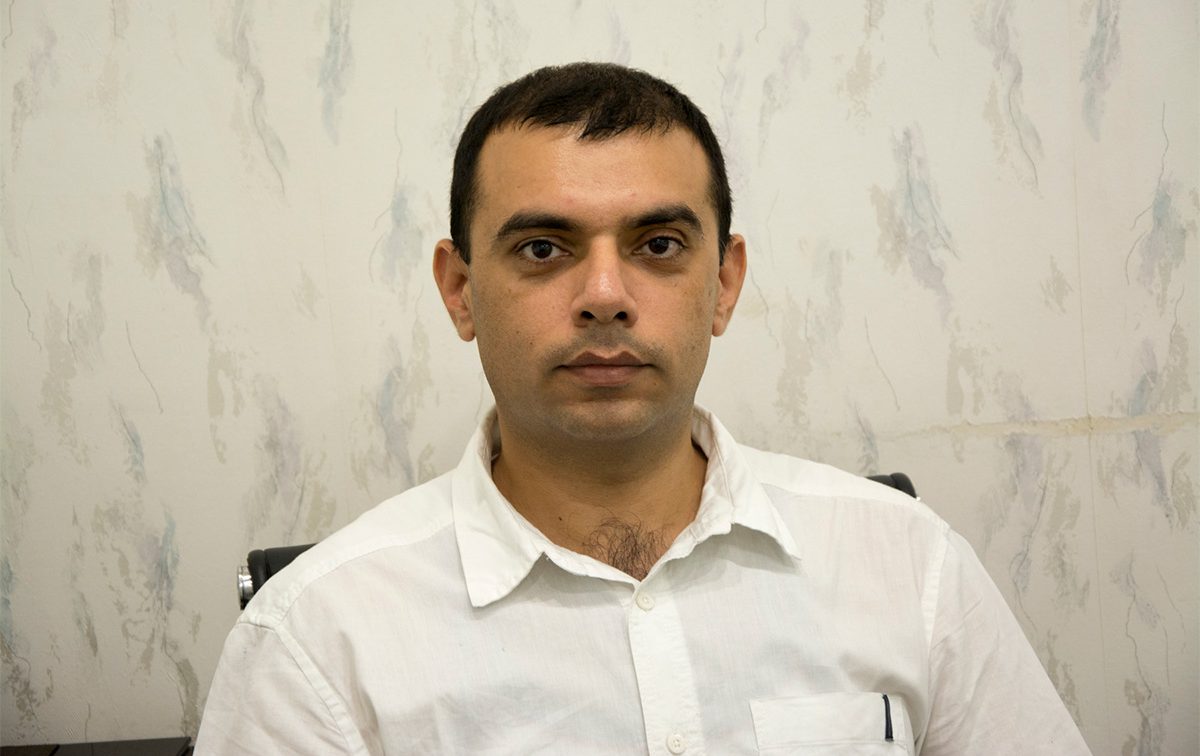
Dr. Manu Mengi is a best orthopedic doctor in Mohali, specializing in joint pain, arthritis, and sports injuries. With qualifications in orthopedics and advanced training in joint replacement, he provides effective care for bone and joint conditions, helping patients improve mobility and manage pain with the right treatment approach.